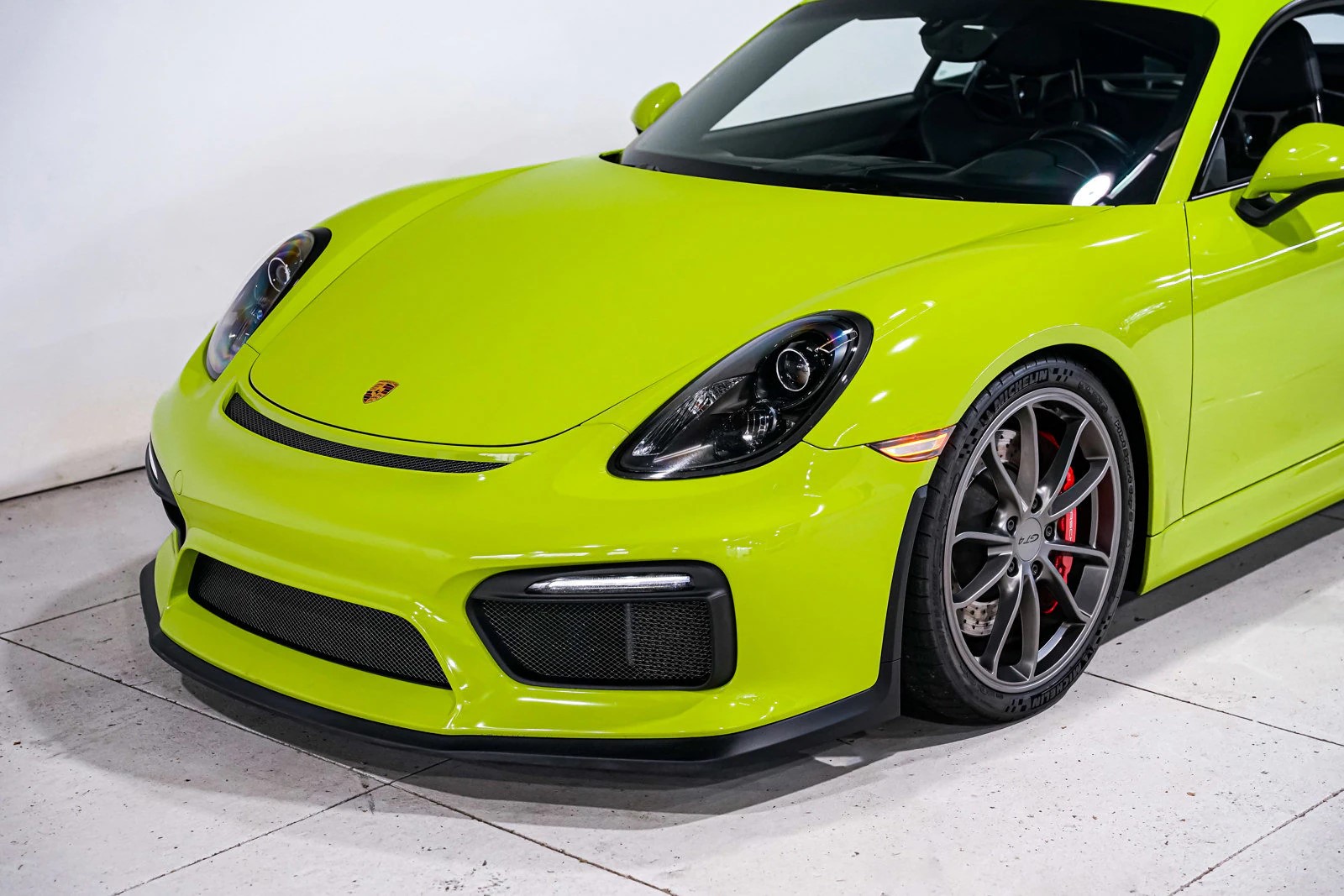
We've long been fans of the Cayman GT4, and equally fans of the more 'acidic' greens like Lotus's Krypton Green which was one of the less common colors applied to their Exige and Elise models. We're also suckers for detail and theme.
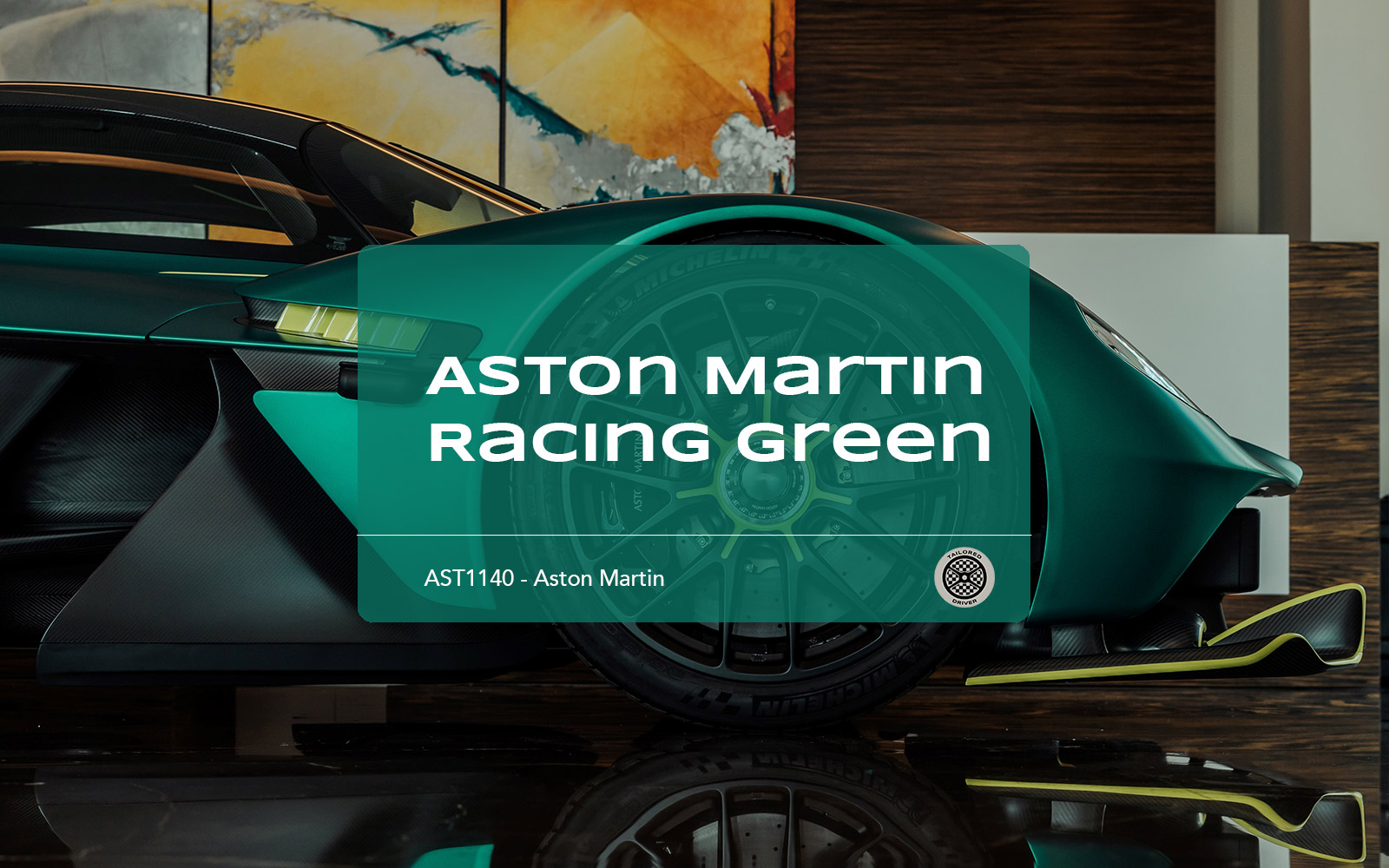
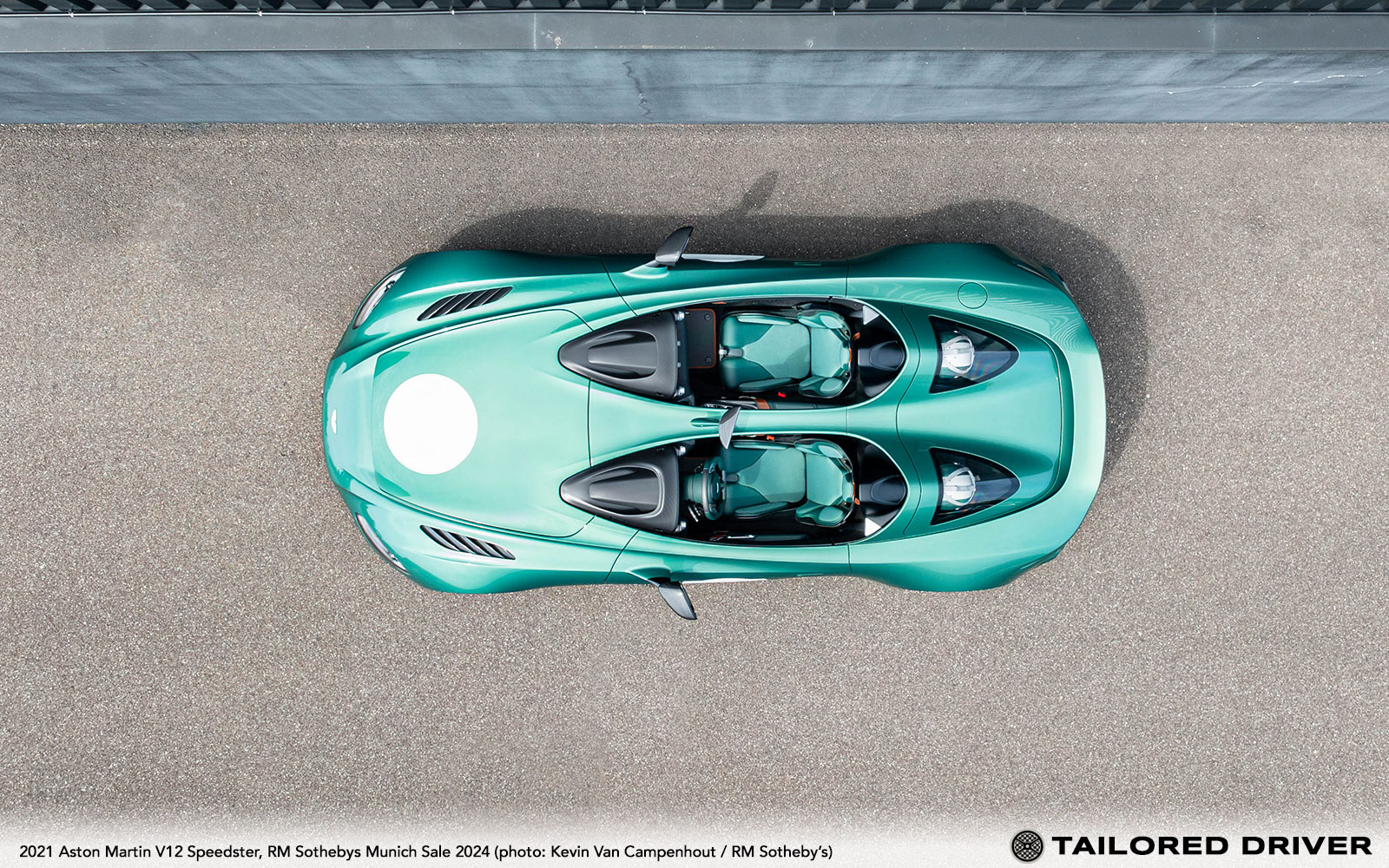
The story of Aston Martin Racing Green likely begins with England's pre-war national racing color of British Racing Green. At a time when top-tier racing represented pride in one's nation, blue stood for France, red for Italy, white (the silver) for Germany, yellow for Belgium, white with blue stripes for the USA and for England... green.
Whether or not you're in the income bracket that can choose to buy an Aston Martin with no top nor windshield, or have the means to enjoy it in whatever capacity one would, we still find cars like this "barchetta" style 2021 V12 Speedster to be fascinating. Aston Martin only built 88 examples of this open cockpit two-seater as tribute to the DBR1 that won the 1959 24 Hours of Le Mans, and they rarely come on the market. So, it's notable when this single family owned example with just 46 kilometers on the odometer hits the market, as this one will very soon from now as part of RM Sotheby's Münich sale.
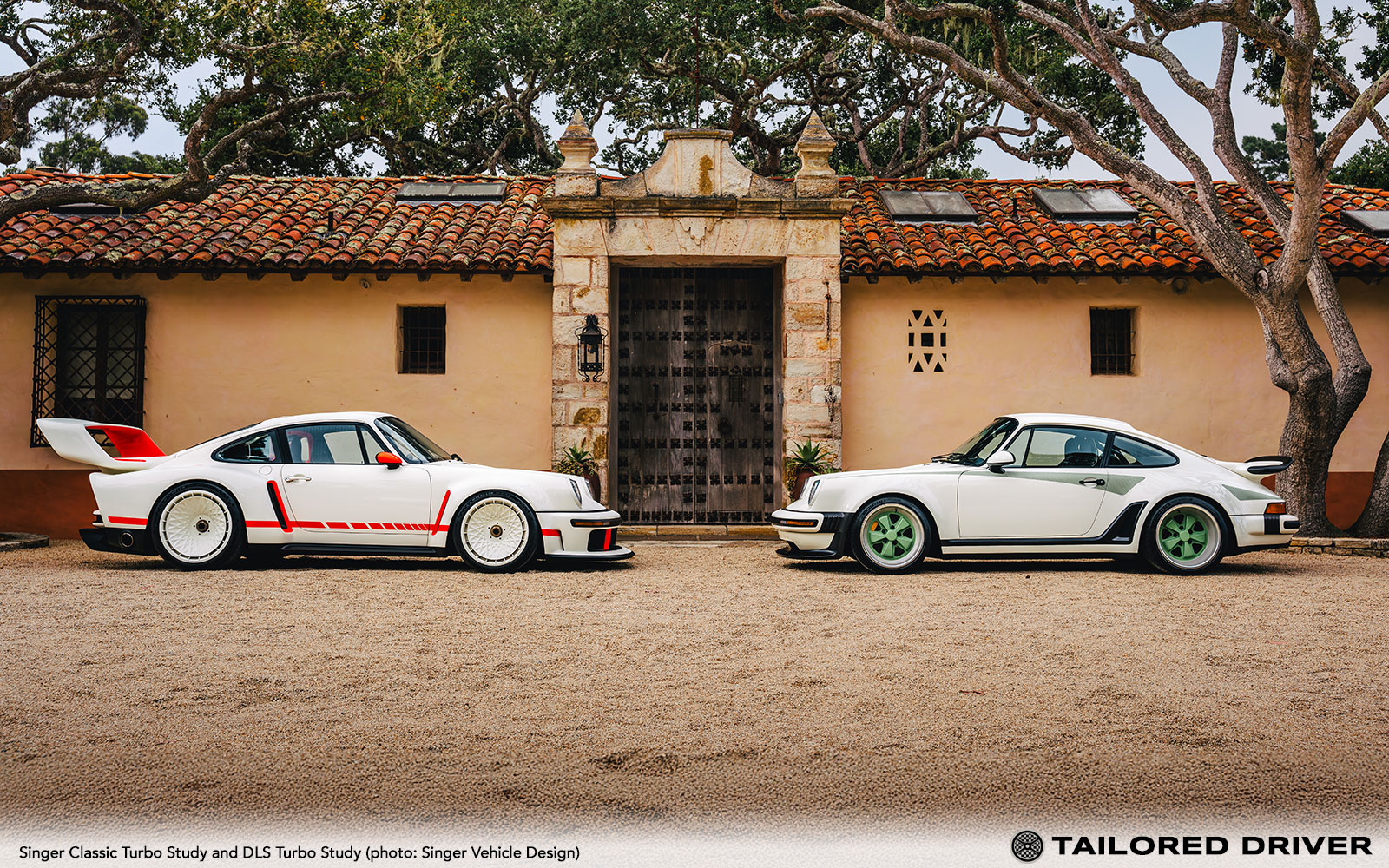
[source: Singer Vehicle Design] Riyadh, Saudi Arabia– California-based luxury specialist, Singer, recognized worldwide for its restorations of the air-cooled...
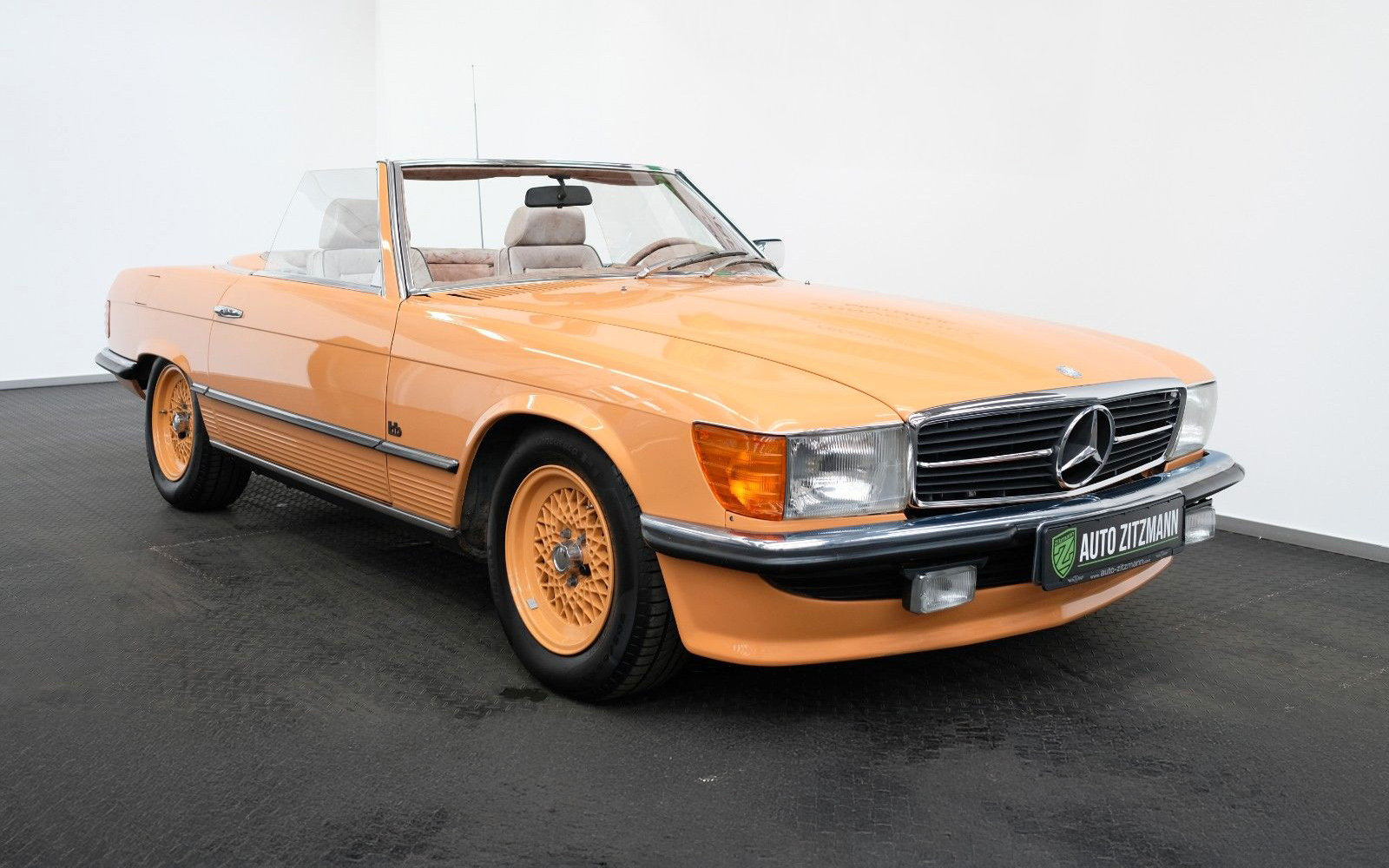
While the third-generation Mercedes-Benz SL (C107) isn't hasn't proven as graceful at aging as the second-generation W113 Pagoda, it has come into its own as 80s cars begin to bask in the glow of Radwood and other Reagan era automotive celebration. Technically though, cars like this 1977 SL 280 pre-date the 80s/90s cut-off of an event like Radwood, but if you can talk your way through the entry line then we think you'd have a good chance at winning with a car like this example. Built by BB Tuning, Rainer Buchmann Frankfurt-based customization shop that built some of the wildest cars you might see, and with a heavy focus on Porsche and Mercedes-Benz.
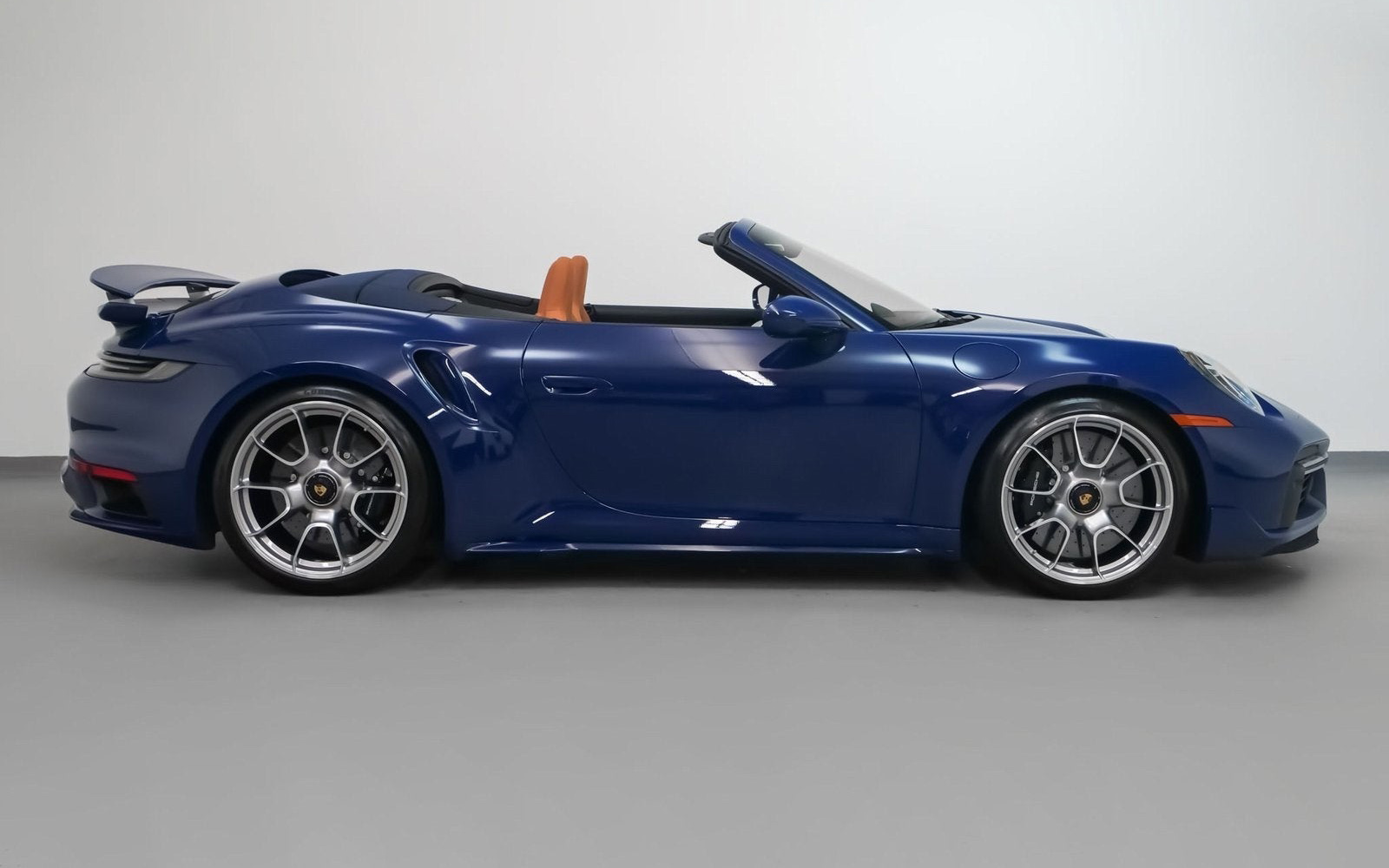
We see a lot of blue Porsches, and we even see a lot of Paint to Sample Porsches, but we don’t see a lot of Albert Blue Porsches. We also don’t see a lot of non-metallic dark and almost navy blue colors, making it even more unique. Albert Blue is believed to have first dropped in 1970 on the F-type “long hood” 911s, and specifying it as was done here is a great nod to a lesser known hue from the Porsche history books.