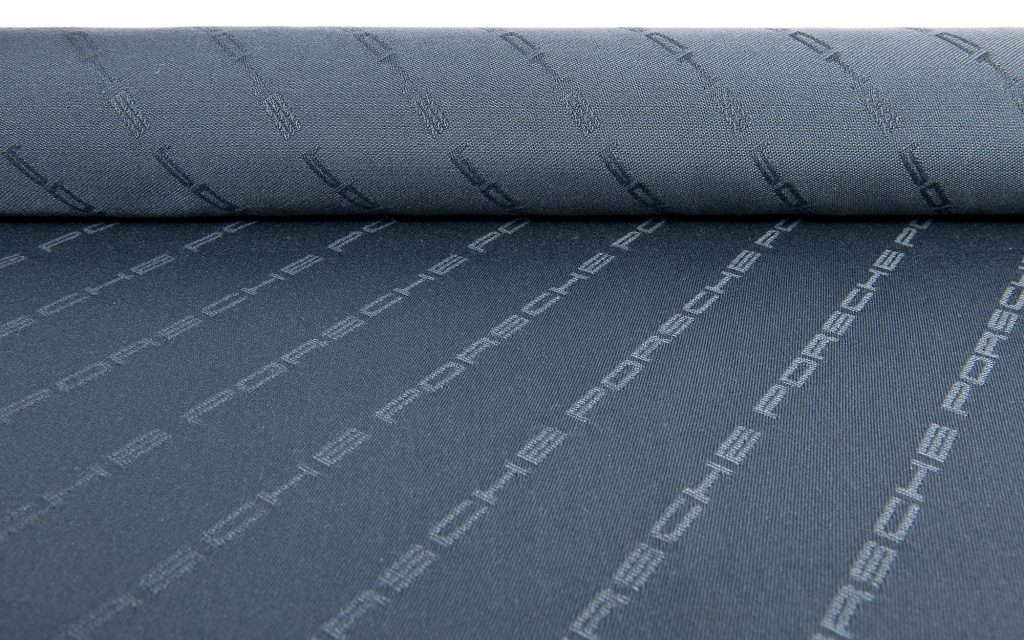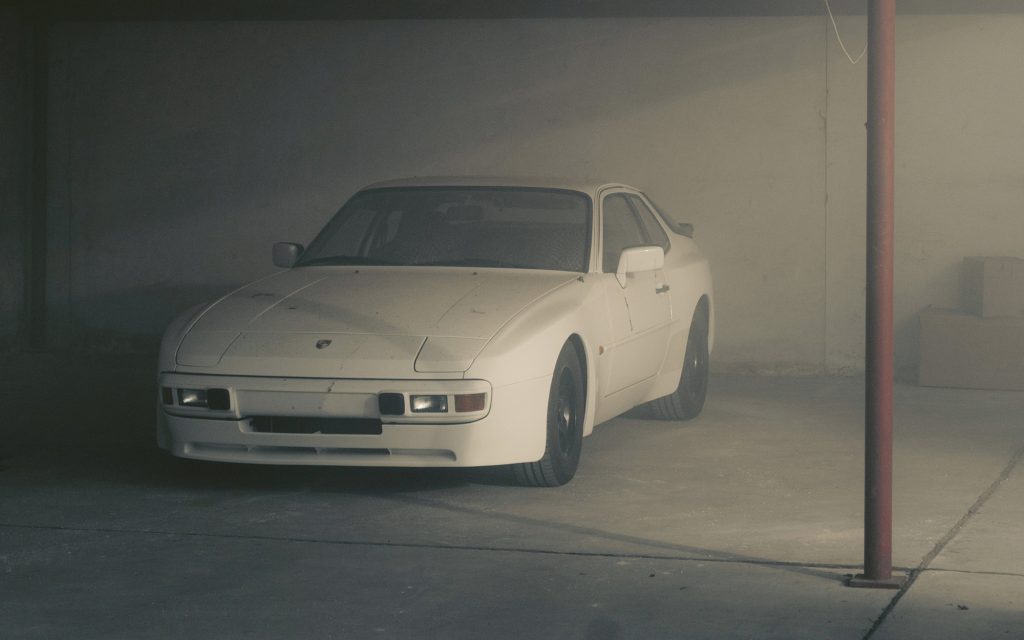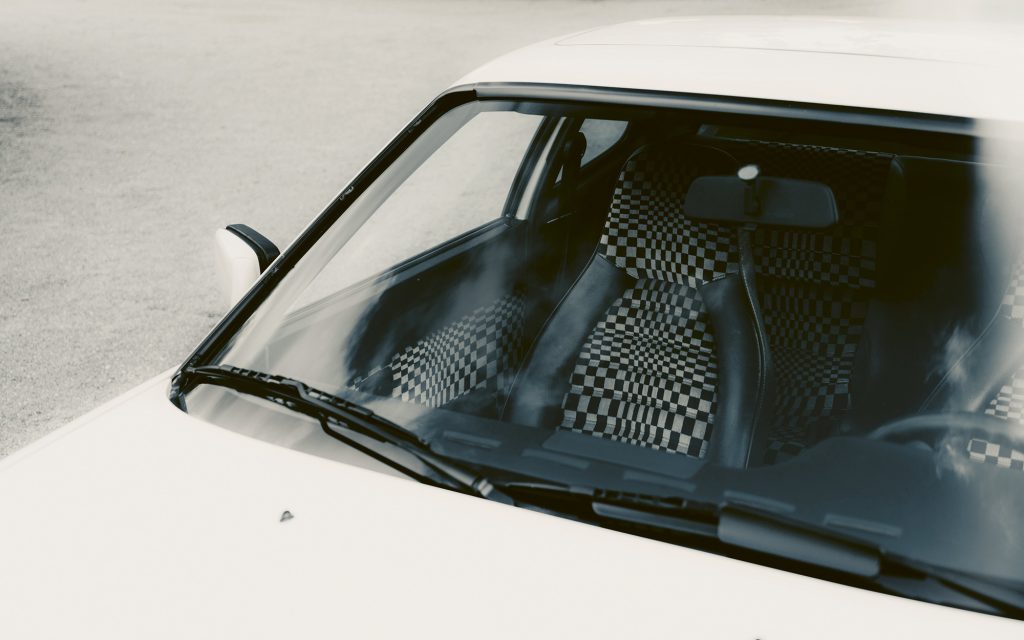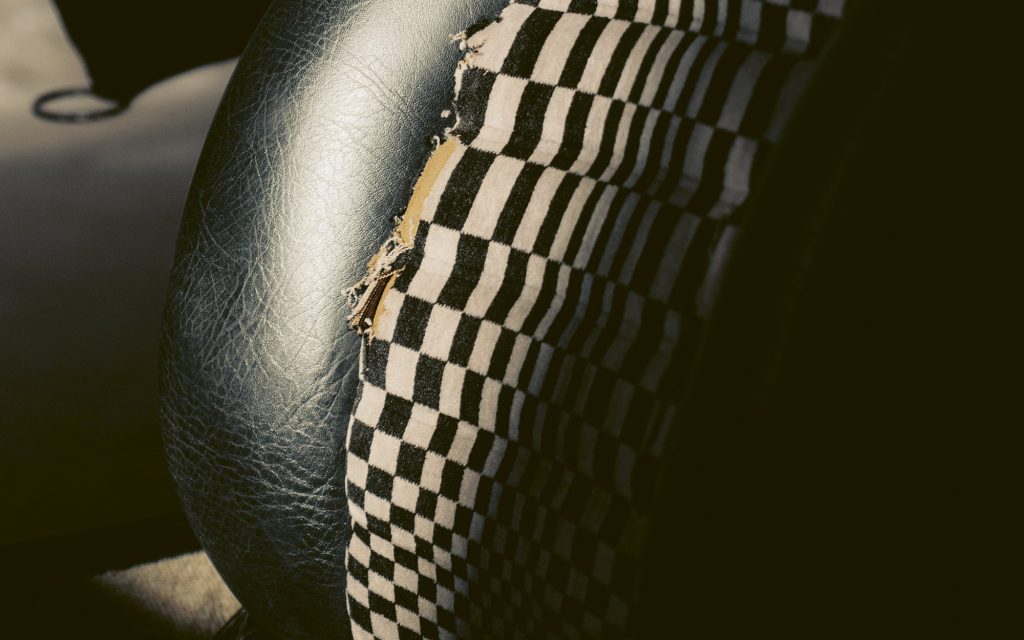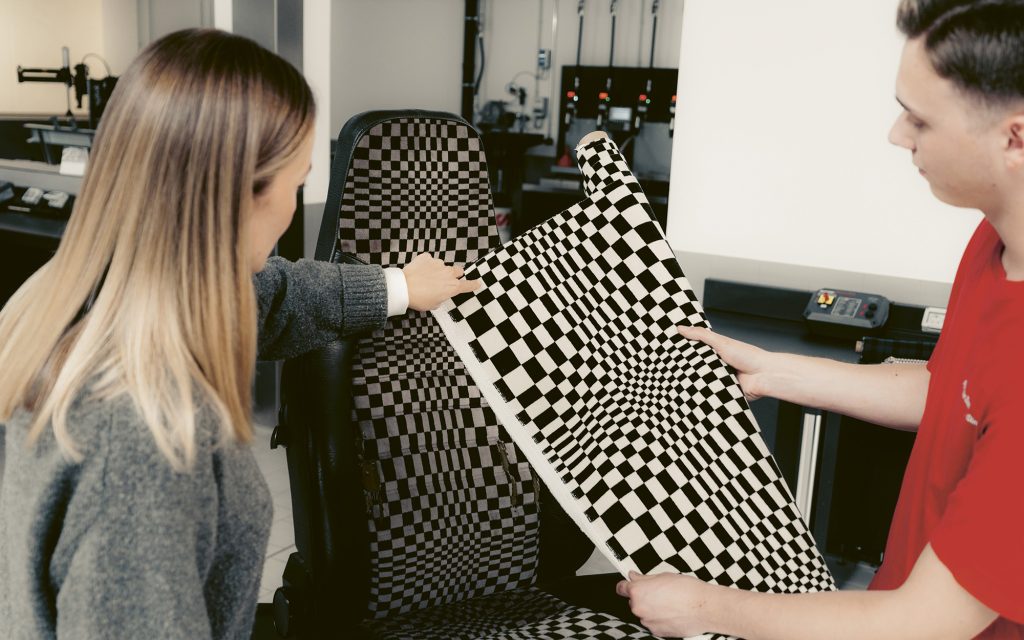


Porsche is reopening one of the most evocative chapters in its design heritage with the return of its most storied interior fabrics. Pepita, Pasha, tartan, and other classic textiles have been reissued to original specification, giving owners of vintage and modern-classic Porsches the chance to restore their cars with factory-correct materials once again. The new fabrics are now available through Porsche Centres and the Porsche Online Shop.
For a brand that prizes design as much as engineering, Porsche’s interior textiles have long served as a visible extension of the marque’s identity. Patterns like Pepita and Pasha are instantly recognisable, and tartan seat centers from the 1970s have become their own kind of cult artifact. “By reissuing these fabrics we are closing a gap,” says Ulrike Lutz, Director Classic at Porsche. “Most customers want to restore their historic or more recent classic cars to their original condition. Maintaining our quality promise was essential.”
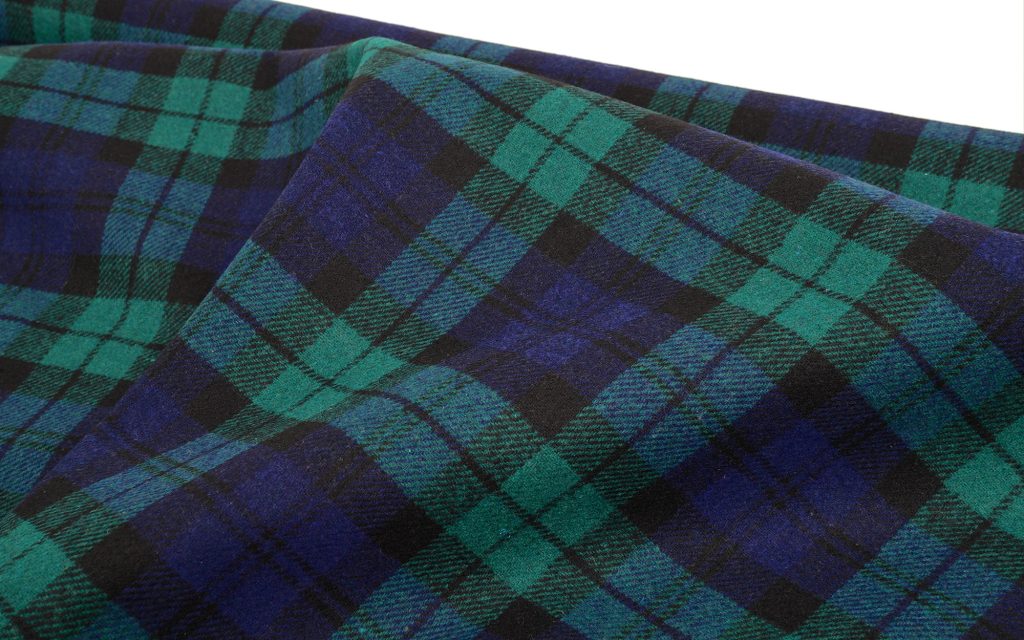
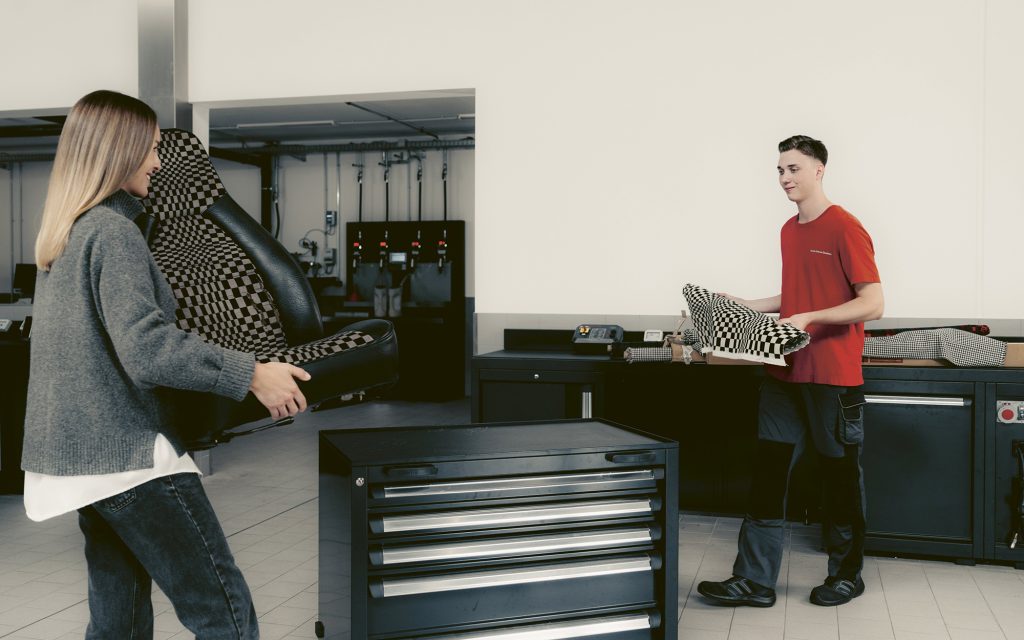
To achieve that standard, Porsche turned to its archives and to rare surviving samples. In one case, the development team located a perfectly preserved 1975 green-tartan-upholstered 911 seat in the United States—unused and stored in a light-proof cabinet. According to Product Manager Lukas Werginz, finds like this were “gold dust,” providing precise references for colour, texture, and pattern complexity. The fabrics also undergo modern testing for fire resistance, light fastness, colour fastness, and abrasion durability, ensuring they are suitable for seats, door panels, and other interior surfaces. Each textile is sold in 1.5-by-2-metre cuts to support a range of restoration needs.
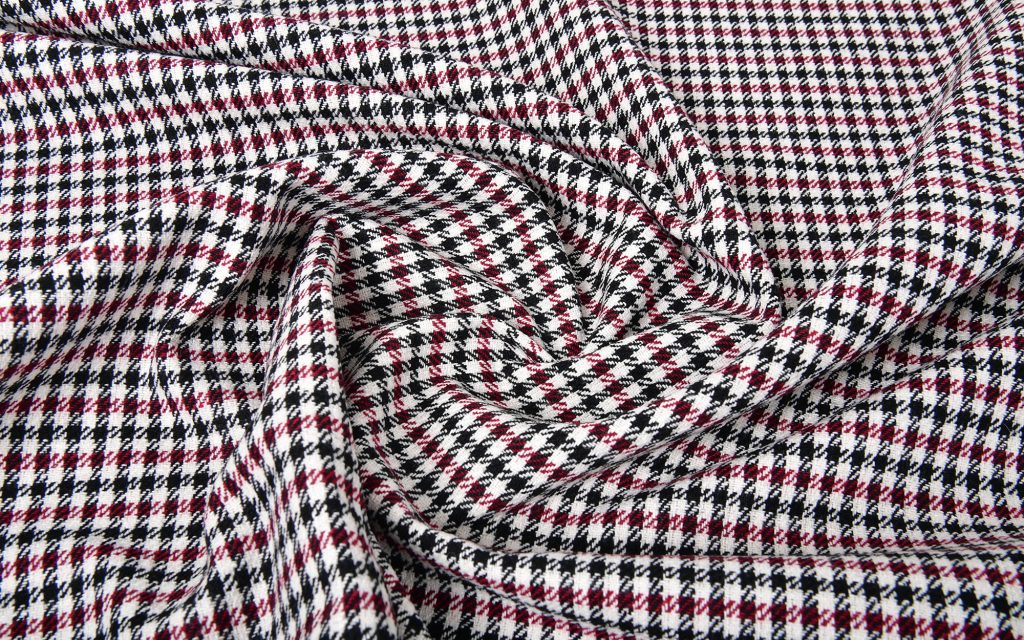
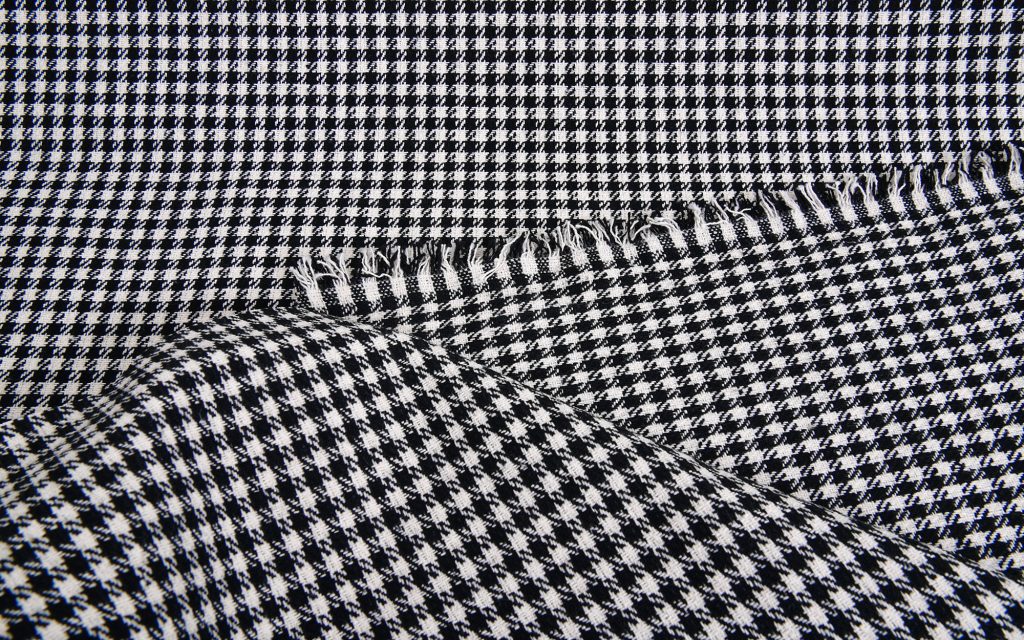
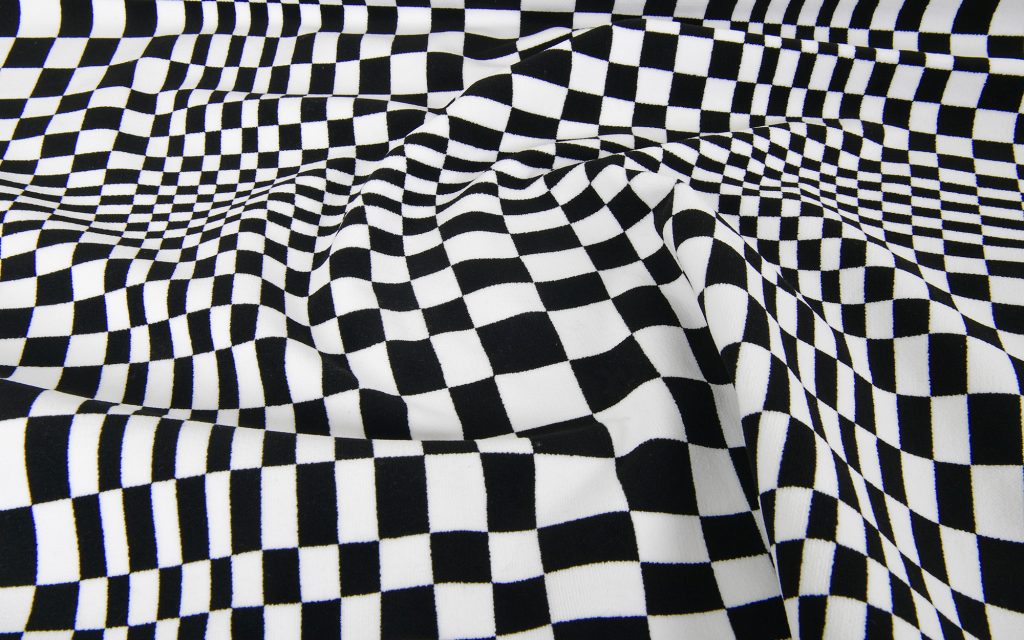
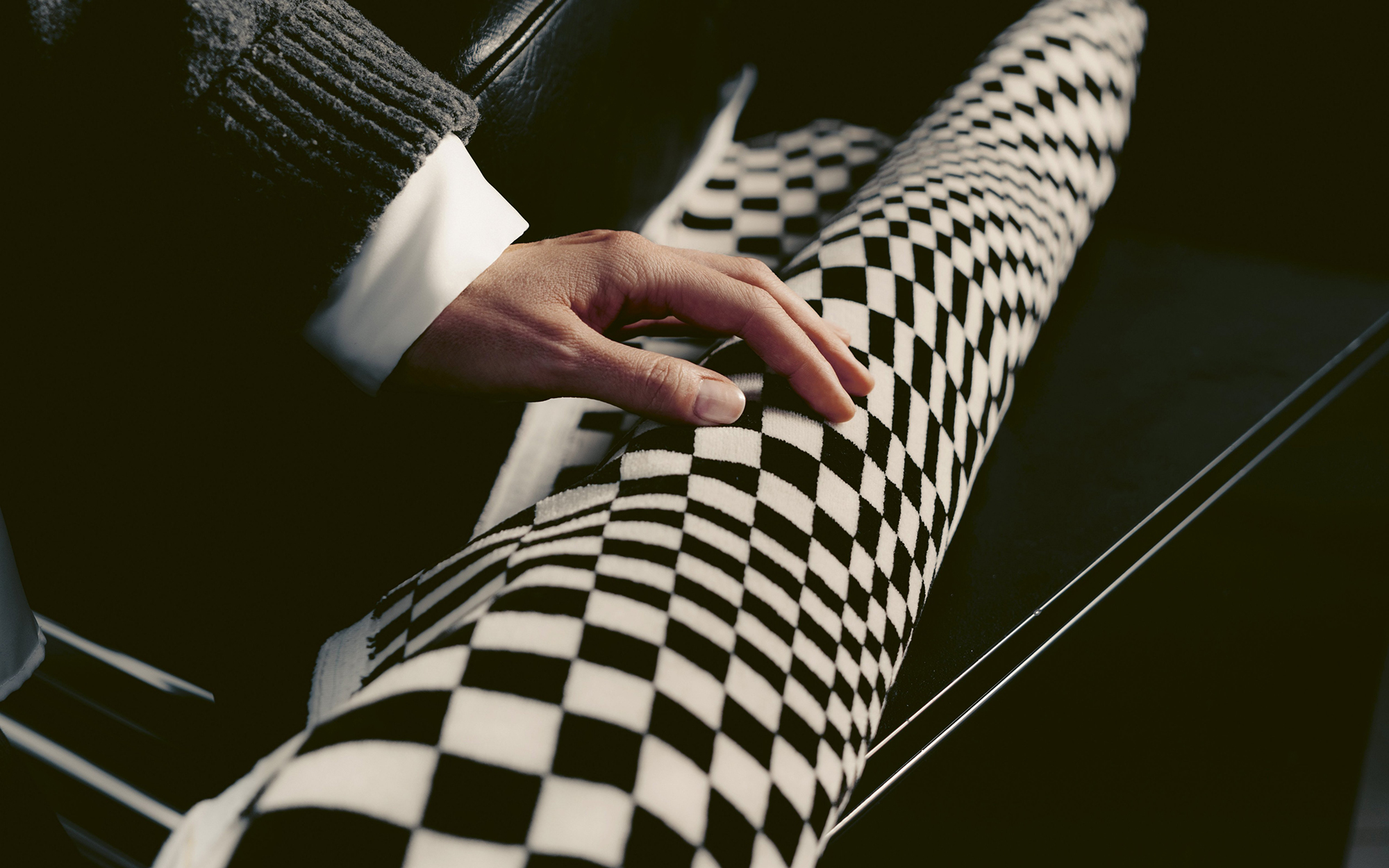
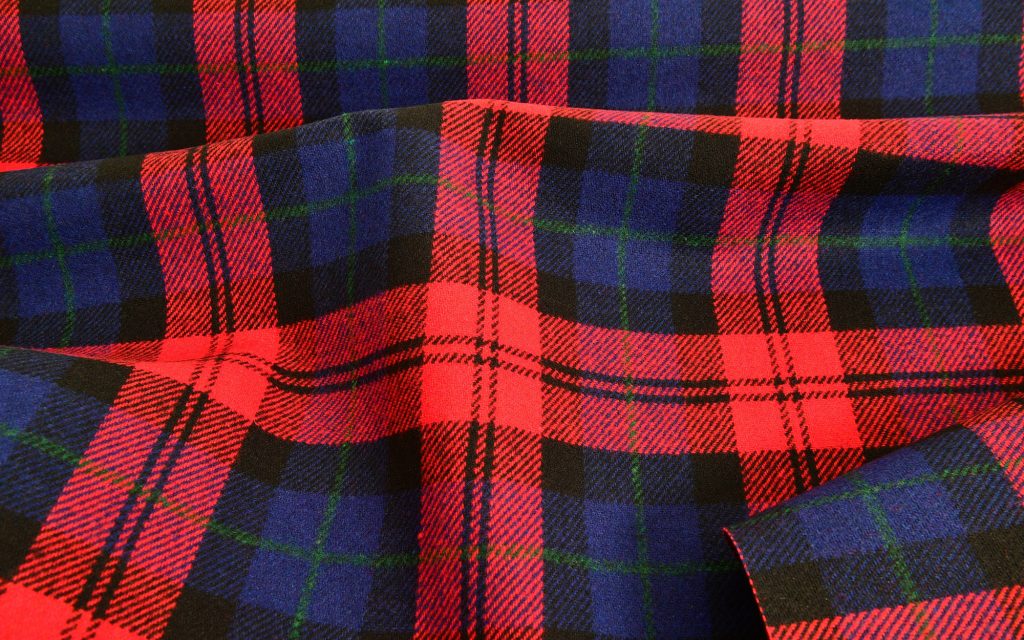
The revived patterns span decades of Porsche history. Pepita, introduced in 1963 for the 356 and later the early 911, is a diagonally linked check motif whose name originates from 19th-century dancer Pepita de Oliva and gained fashion fame through Christian Dior in the 1940s. Tartan made its Porsche debut in the 1974 911 Turbo, with variants like Black Watch and McLaughlan becoming signatures of the era. Pasha, a bold and kinetic design inspired by chequered flags and introduced in the 928 in 1977, became one of the marque’s most distinctive interior statements of the late 1970s and early 1980s.
The reissue also aligns with Porsche’s ongoing celebration of its design lineage. Most recently, Pasha resurfaced in the new 911 Spirit 70, marking the pattern’s first use in a contemporary production model in decades. For restoration purists and enthusiasts, the return of these textiles offers a direct link to the brand’s past—now rendered with the precision and durability expected of a Genuine Porsche Part.
For many owners, a correct interior is as important as mechanical originality. With these newly available fabrics, Porsche has provided the missing piece. Woven from history, but engineered for today, they bring the spirit of classic Porsches back to the place where it matters most: the driver’s seat.
Fabric | Vehicles | Part Number |
| Pasha fabric white/black | 928 (1978-1979) | PCG000000AS79A |
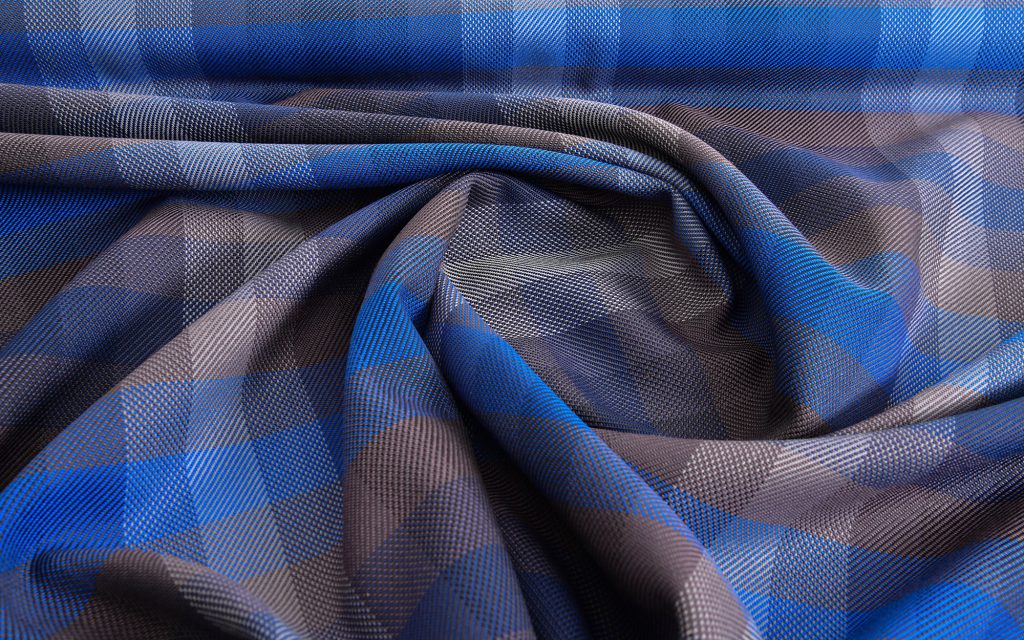
| 964 Multicolour Cobalt Blue fabric | 928 (1991-1993) 944 (1991) 964 (1991-1994) 968 (1992-1993) | PCG000000AS9YD |
| Tartan fabric red/blue (McLaughlan) | 911 G-Model (1975-1980) 924 (1980-1982) 928 (1980) | PCG551081AS8AB |
| Tartan fabric green/blue (Black Watch) | PCG551082AS2AC | |
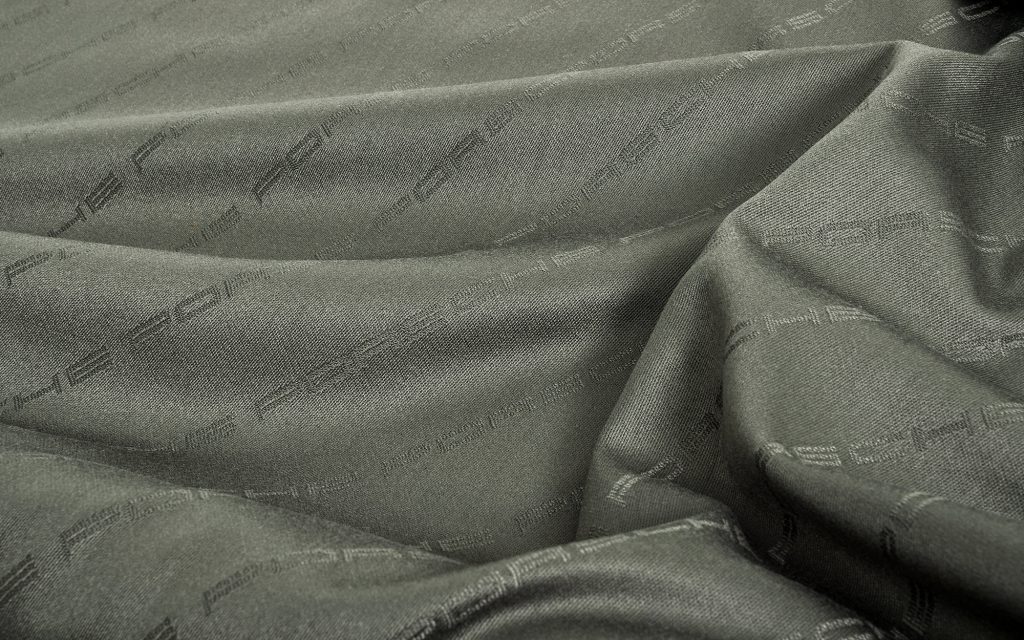
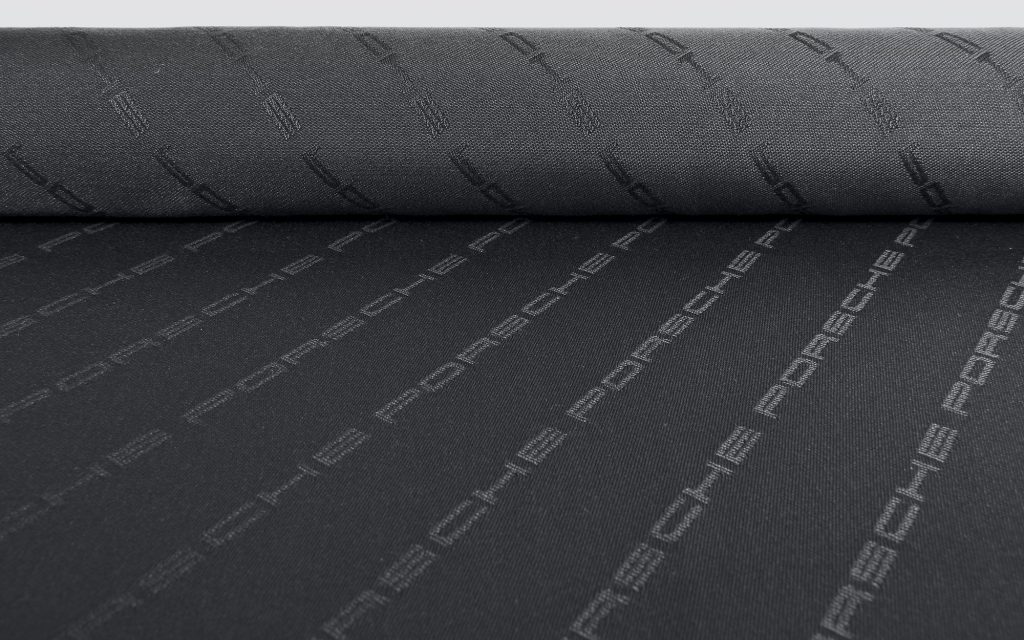
| Porsche lettering fabric Olive Green | 911 G-Model (1985-1987) 928 (1985-1987) | PCG000000AS1JK |
| Pepita fabric black/white | 356 (1963-1965), only 356 C 911 F-Model (1965-1973) | PCG551531AS730 |
| Pepita fabric red/black/white | PCG551531AS005 | |
| Pinstripe velour black/white | 911 G-Model (1977-1989), 964 (1989-1990), 924 (1977-1988), 928 (1978-1990), 944 (1982-1990) | PCG000000107BN |
| Porsche lettering Midnight Blue | 911 G-Model (1987-1989), 993 (1994-1998), 924 (1986-1988), 928 (1987-1995), 944 (1985-1991) | PCG000000004GP |
| Porsche lettering black | 911 G-Model (1987-1989), 993 (1994-1998), 924 (1986-1988), 928 (1987-1995), 944 (1985-1991) | PCG043204902CZ |