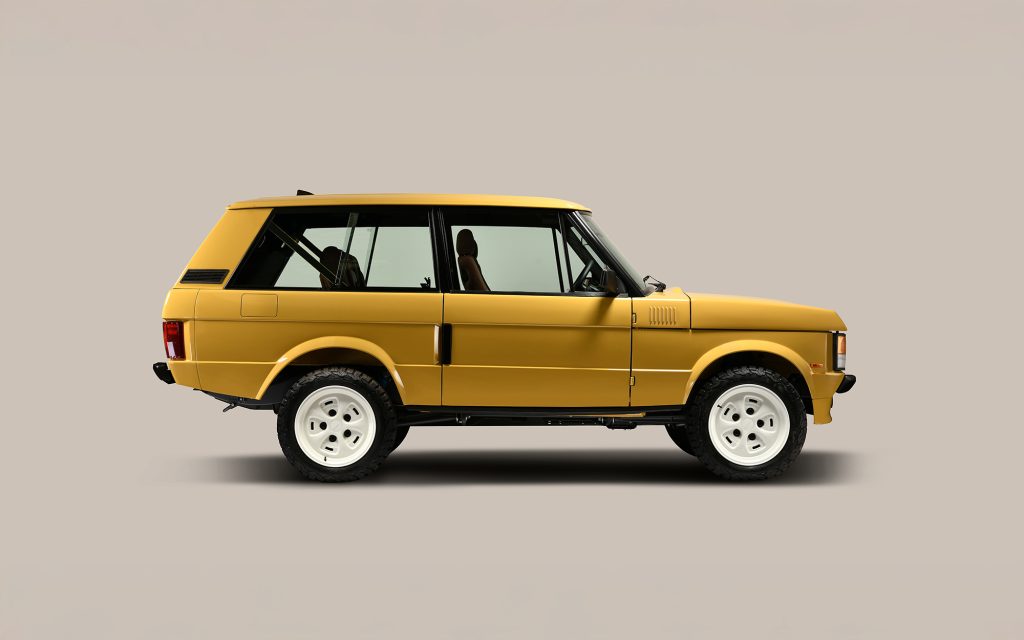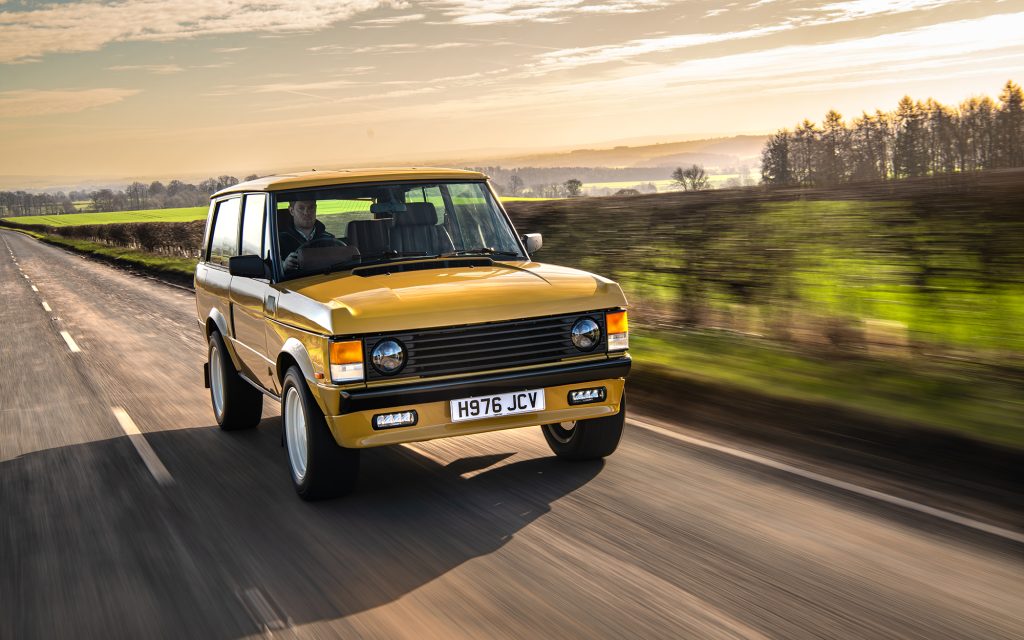

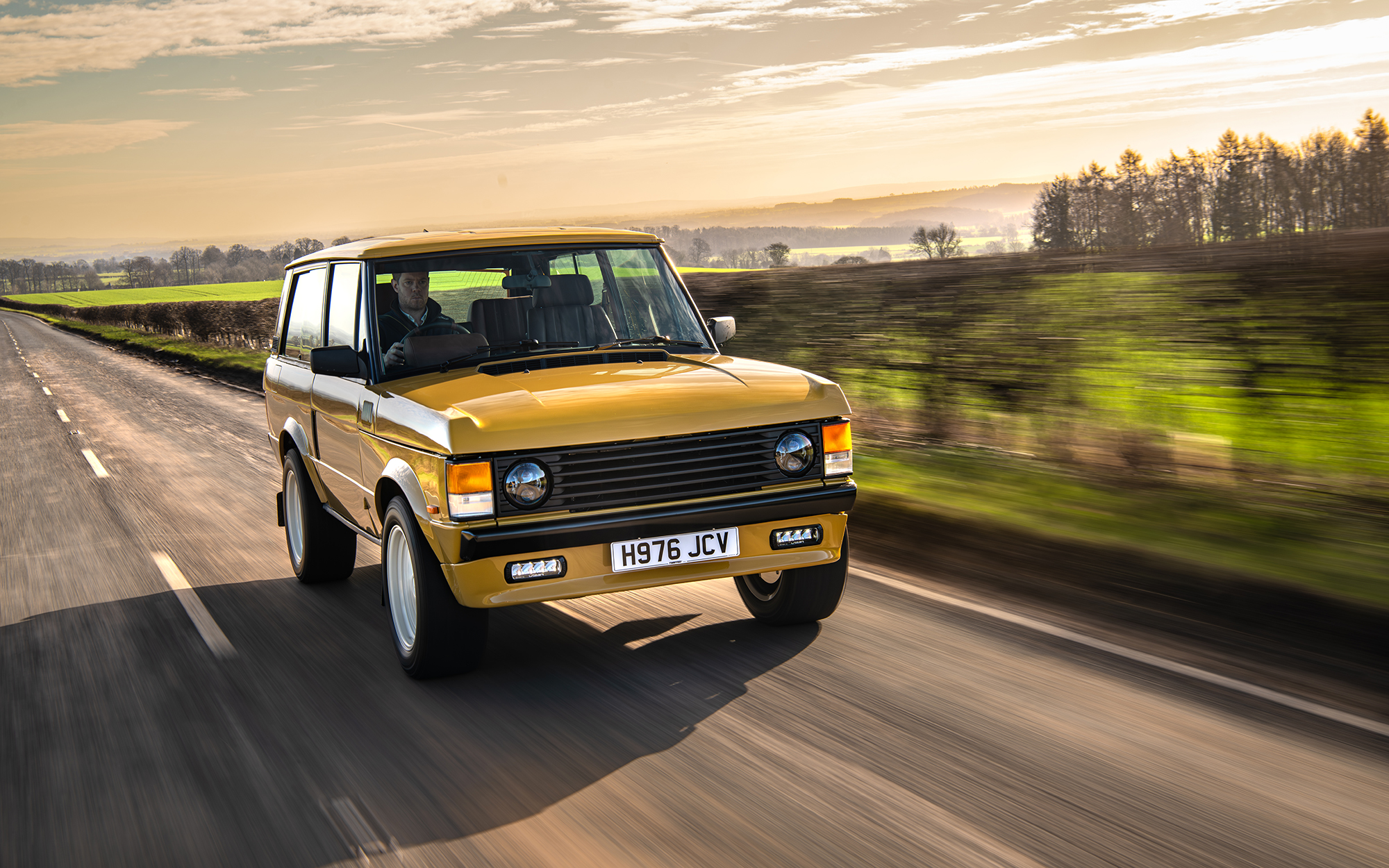

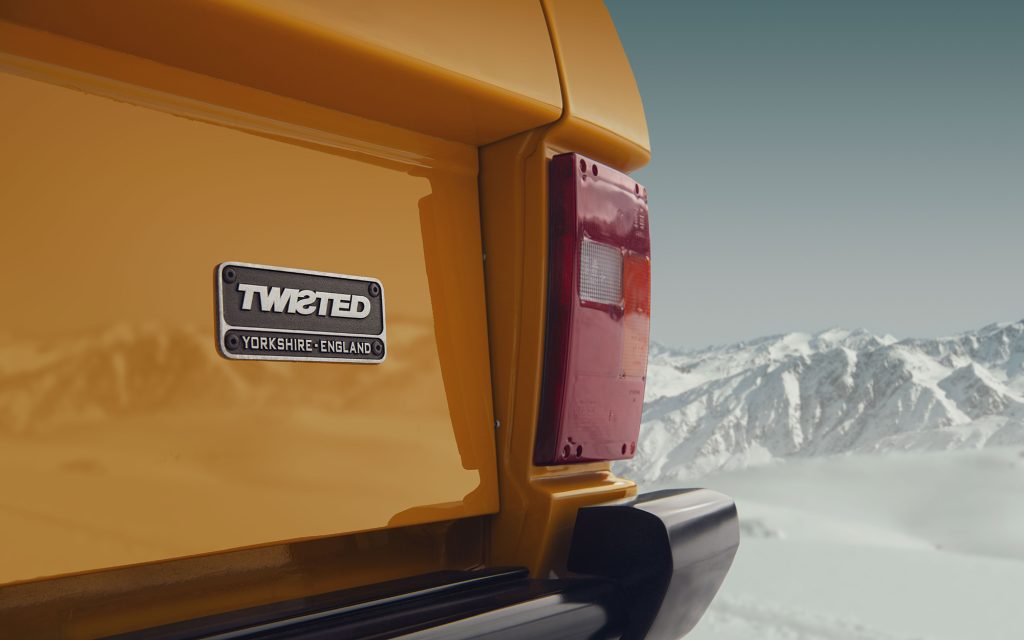
For more than two decades, Twisted Automotive has built a reputation transforming the Land Rover Defender into something far more bespoke and performance-focused than the original ever intended. Now the Yorkshire-based company is expanding its reach beyond the Defender platform for the first time, unveiling the TRRC, its interpretation of the iconic Range Rover Classic.
The project represents a new chapter for the Thirsk-based specialist, applying its well-established “anti-ordinary” philosophy to the original two-door Range Rover. Limited to just 12 examples per year, the TRRC blends obsessive craftsmanship with modern performance, creating a highly curated reinterpretation of one of Britain’s most influential off-road vehicles.
At the heart of the TRRC is a 6.2-liter LT1 V8 producing approximately 500 horsepower, paired with an eight-speed automatic transmission. Twisted has developed the chassis and suspension using experience gained from its Defender builds, though the setup has been tailored specifically to suit the Range Rover’s unique character. Founder Charles Fawcett says the goal was to preserve the Classic’s inherent suppleness while introducing sharper dynamics and greater performance.
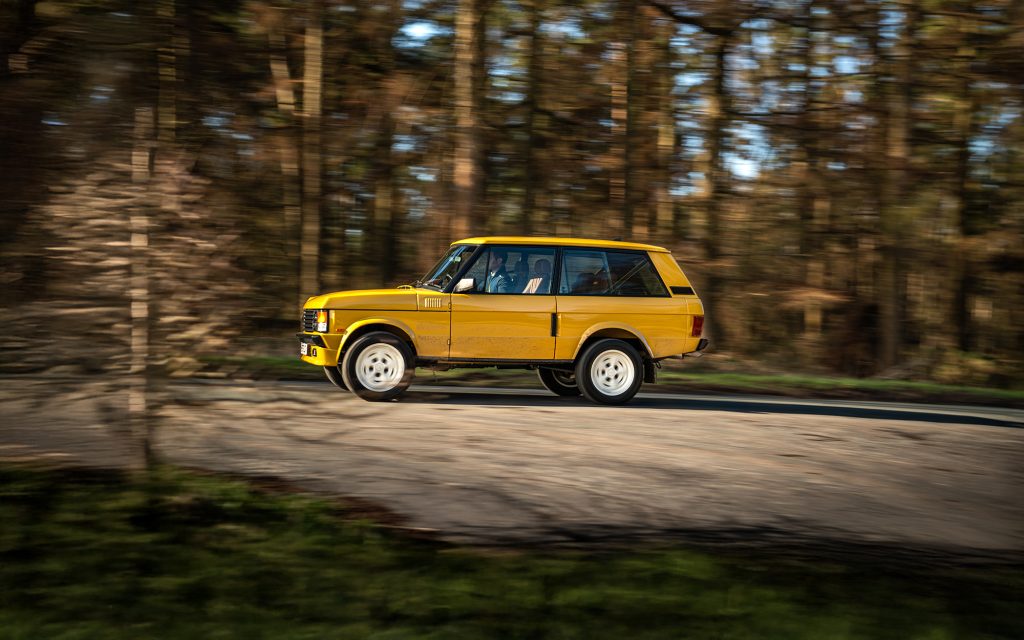
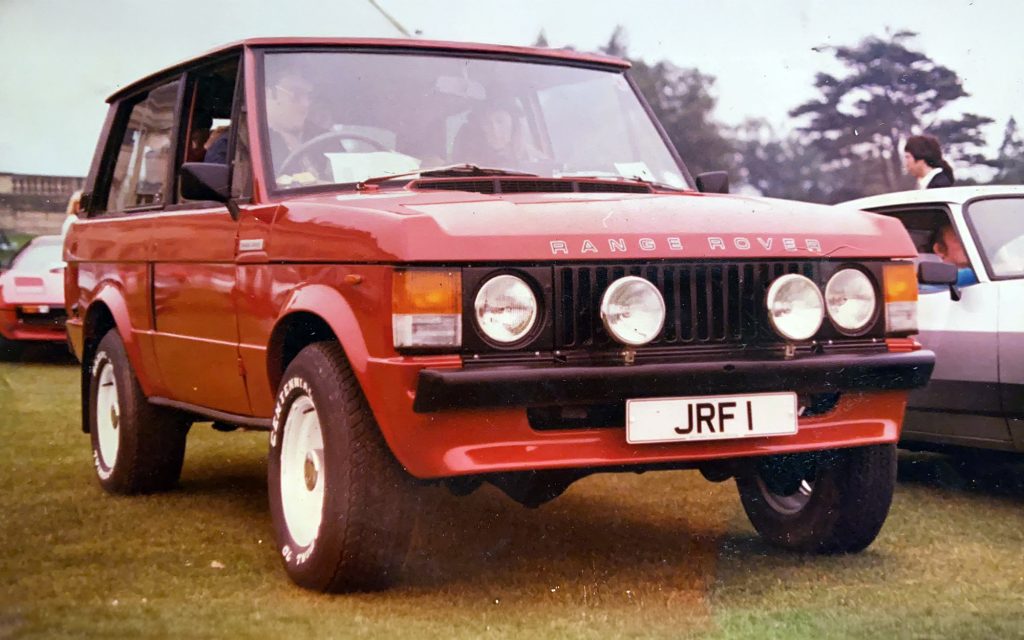
The project is deeply personal for Fawcett. Growing up in the 1980s, he remembers his father driving a distinctive two-door Range Rover modified with fiberglass arches, white Weller wheels and a homemade front valance inspired by the MGB GT. That childhood memory ultimately became the inspiration for the TRRC. Rather than simply restore the original vehicle, Twisted sought to recreate the feeling of that era while applying modern engineering and craftsmanship.
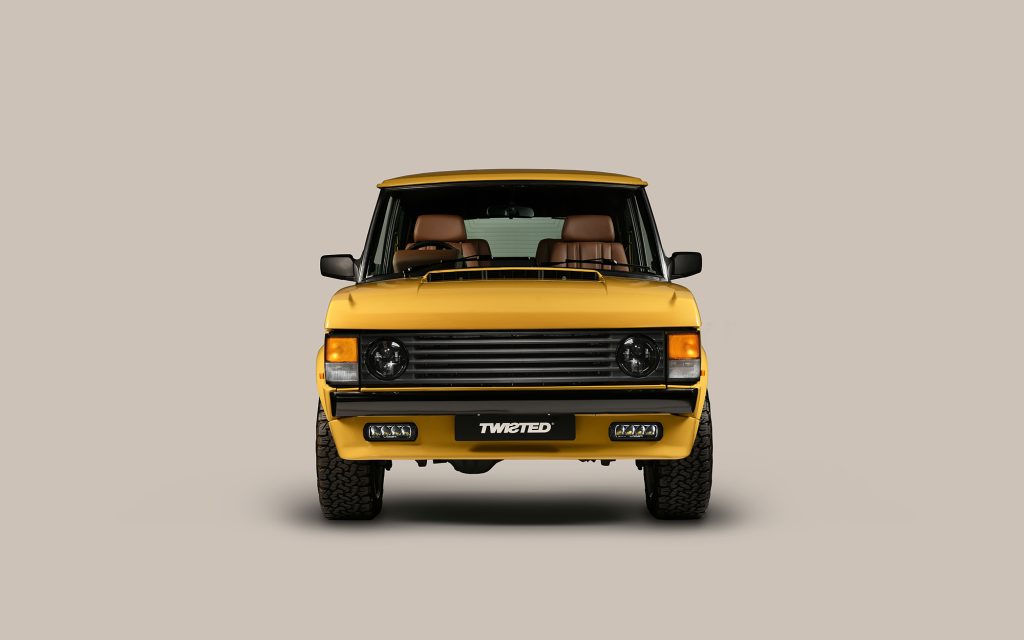
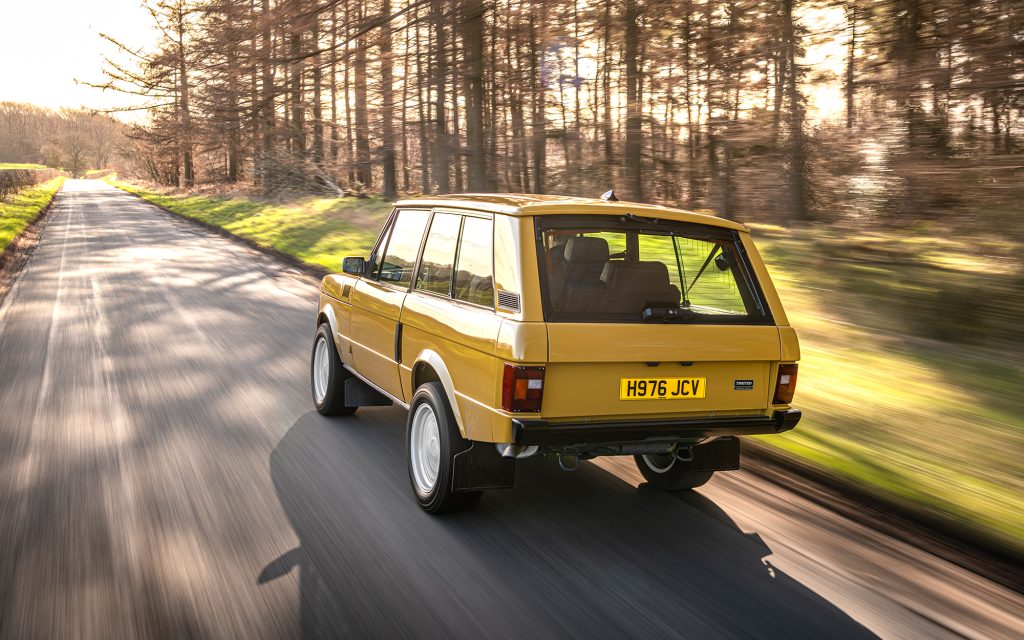
Externally, the TRRC blends design cues from multiple generations of the Classic. The front end features a 1970s-style bumper paired with 1990s grille and headlamp surrounds, while entirely new hammer-formed aluminum body panels have been developed using bespoke tooling. Twisted says panel tolerances are among the tightest it has ever attempted, underscoring the company’s obsessive attention to detail.
Customers can further personalize the look, including the option to paint the C-pillar in body color rather than retain the traditional floating-roof appearance. Additional touches such as integrated C-pillar vents and a slightly nose-down stance further sharpen the silhouette while preserving the Classic’s instantly recognizable proportions.
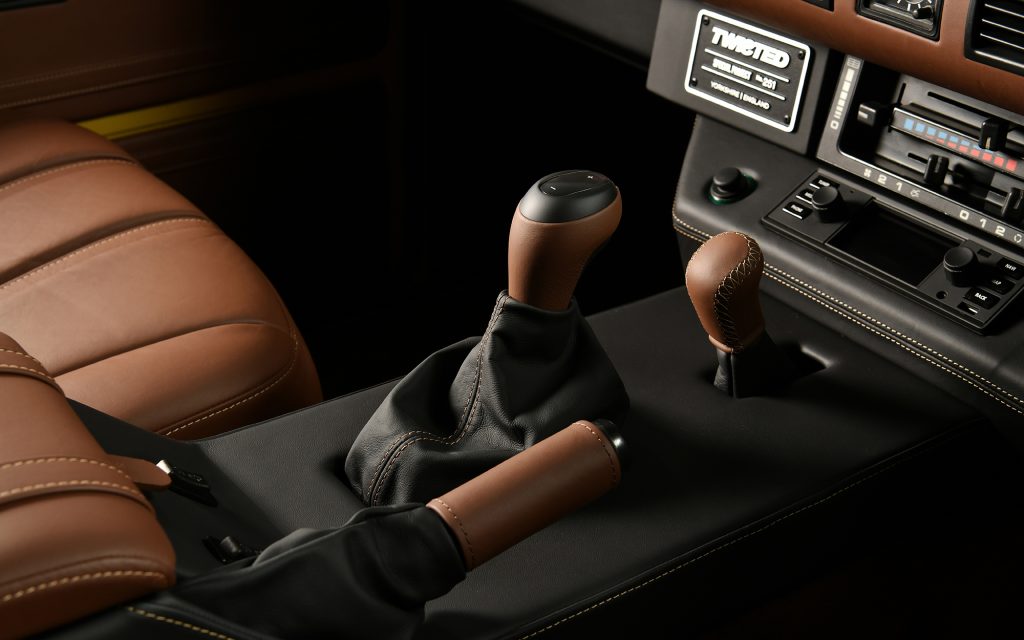
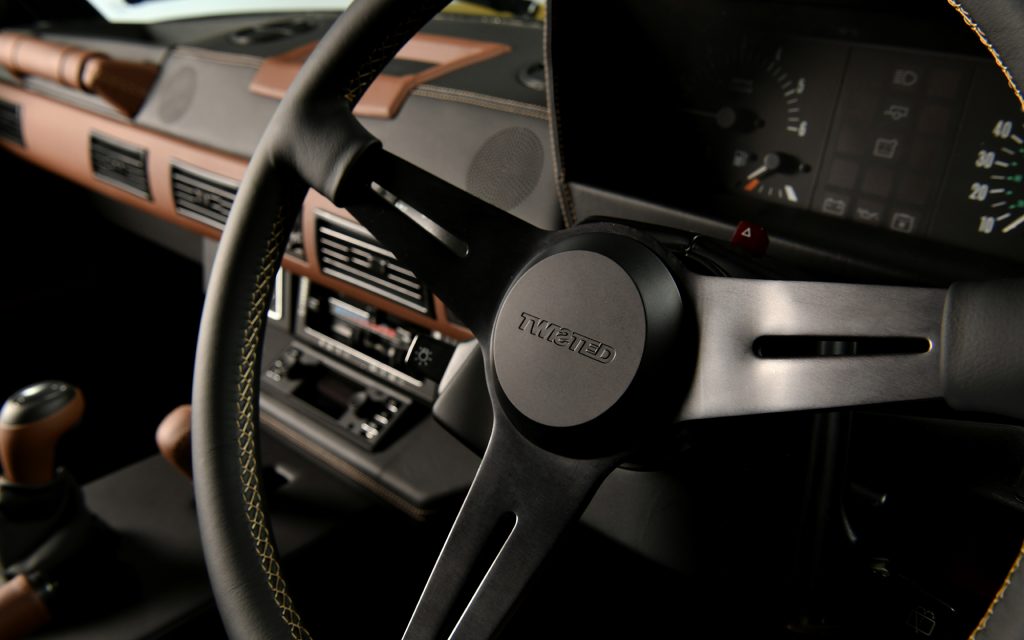
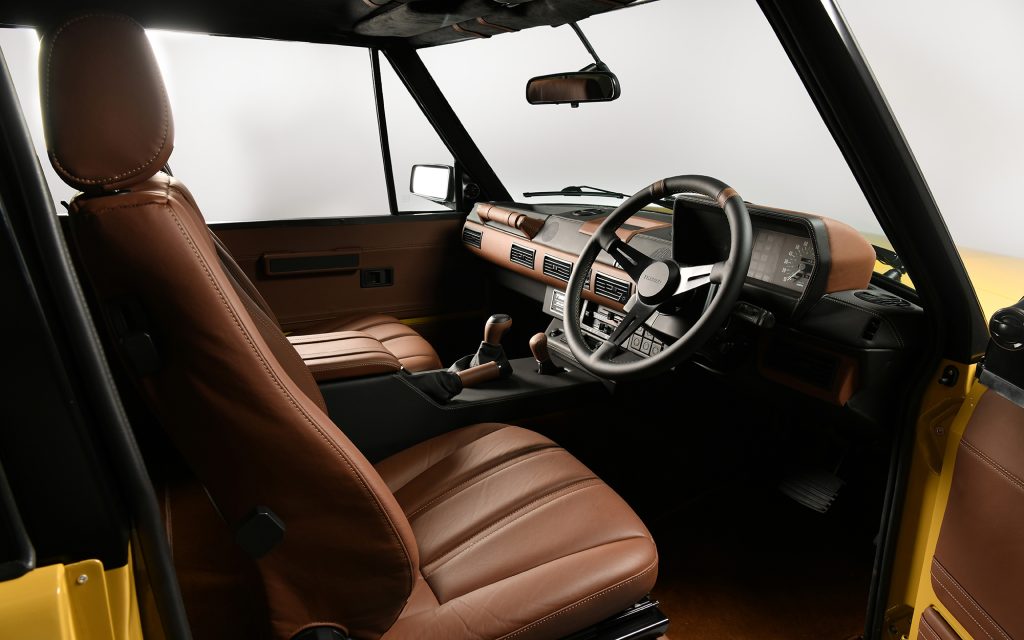
Inside, Twisted has reengineered the cabin to enhance both comfort and visibility. Seating positions have been lowered to improve the driver’s eyeline through the Range Rover’s expansive greenhouse, while the interior receives full leather trimming, extended carpeting and discreet modern technology including a single-DIN infotainment system and an eight-channel audio setup.
In a nod to the early Range Rover’s utilitarian roots, Twisted has also made the metalwork itself part of the visual experience. Soundproofing is mounted beneath the carpets rather than applied directly to the body shell, allowing owners to peel back the interior trim and reveal the painted metal underneath — or even leave certain areas exposed to showcase the craftsmanship.
Each TRRC begins with a 1990–1992 two-door Range Rover Classic donor vehicle, stripped to the chassis before undergoing a full body-off restoration. Axles and structural components are blasted and e-coated before the build process begins. Every finished vehicle then completes a 500-mile validation program prior to delivery.
Pricing starts at £350,000, with vehicles available globally in both left- and right-hand-drive configuration. According to Twisted, demand has already outpaced supply. All build slots for 2026 are reserved, and early interest suggests the limited production run for 2027 may soon follow.
For a company long associated with reinventing the Defender, the TRRC signals both a new direction and a familiar philosophy. The Range Rover Classic may be one of Britain’s most celebrated vehicles, but in Twisted’s hands, it has become something far rarer: a deeply personal reinterpretation built for a small group of enthusiasts who share the same nostalgia that inspired its creator.