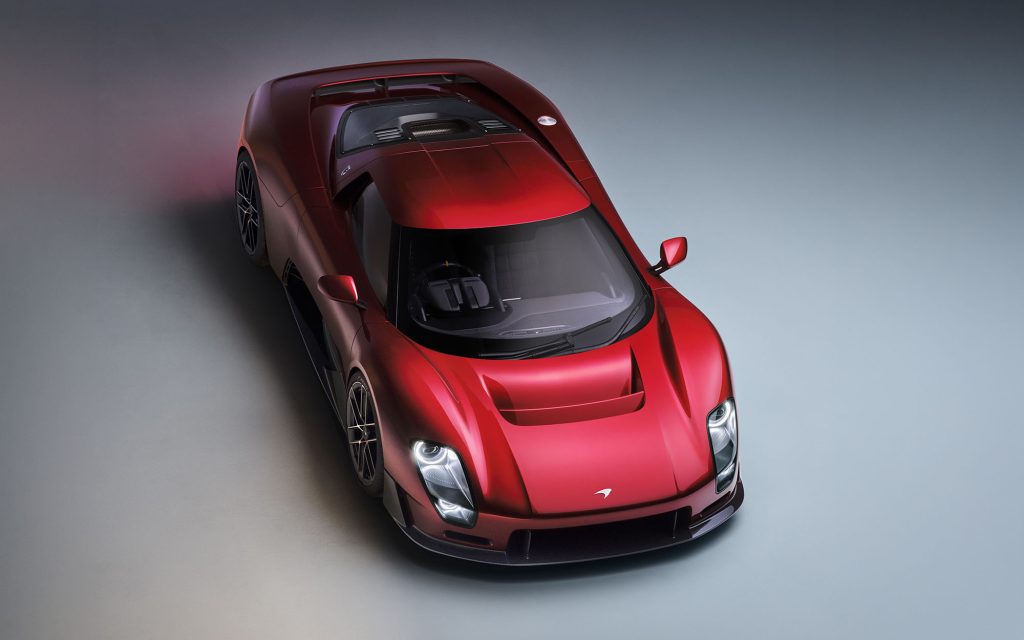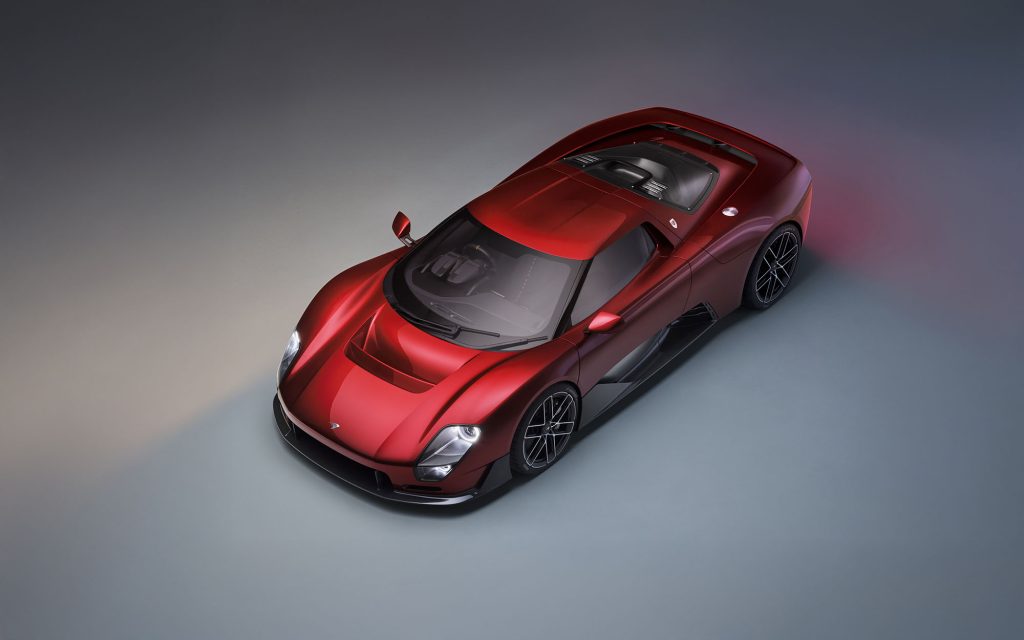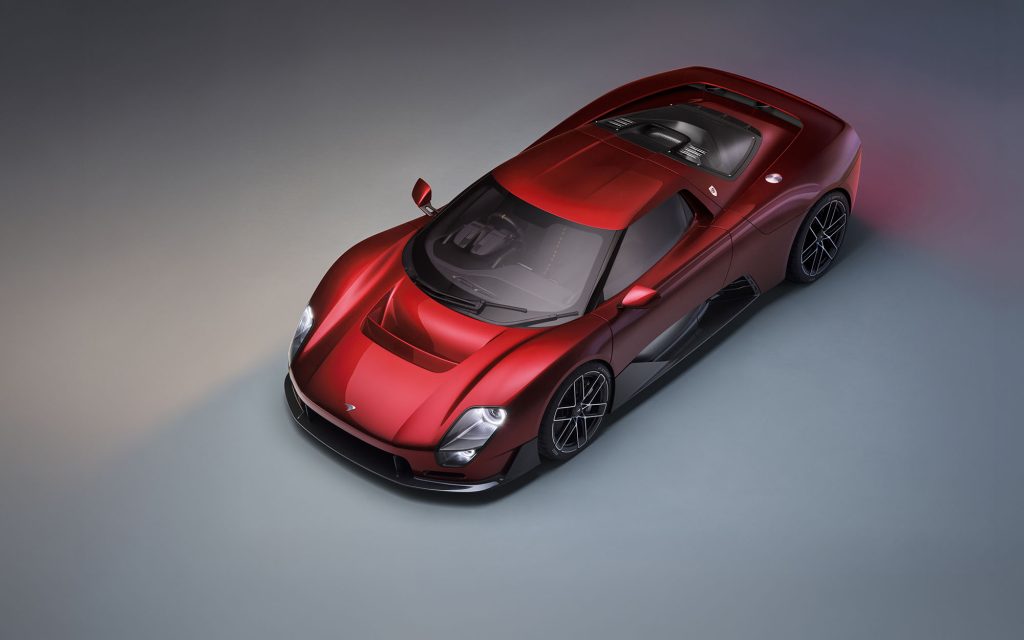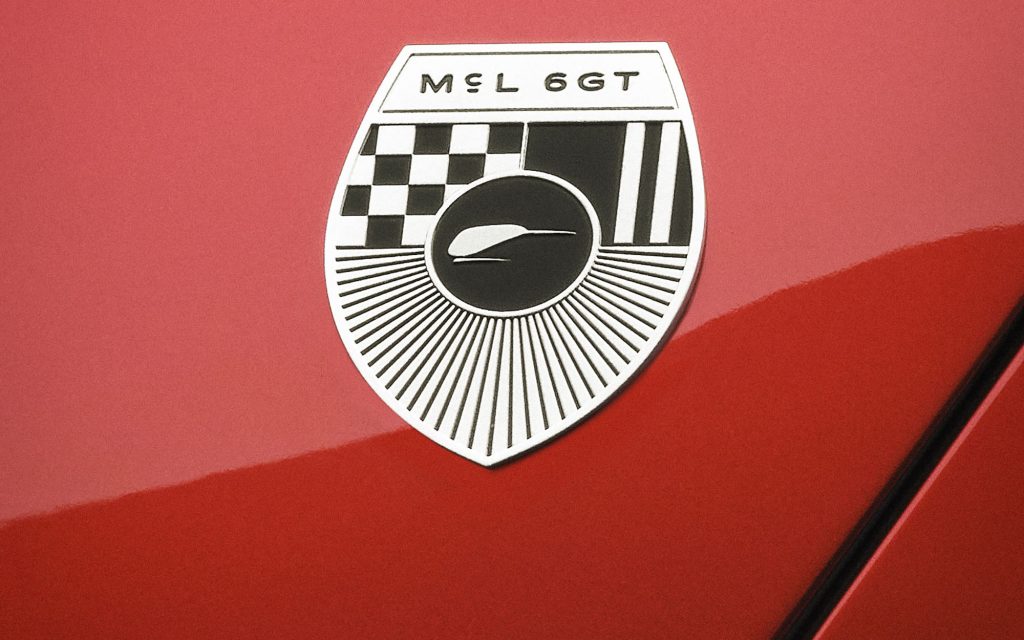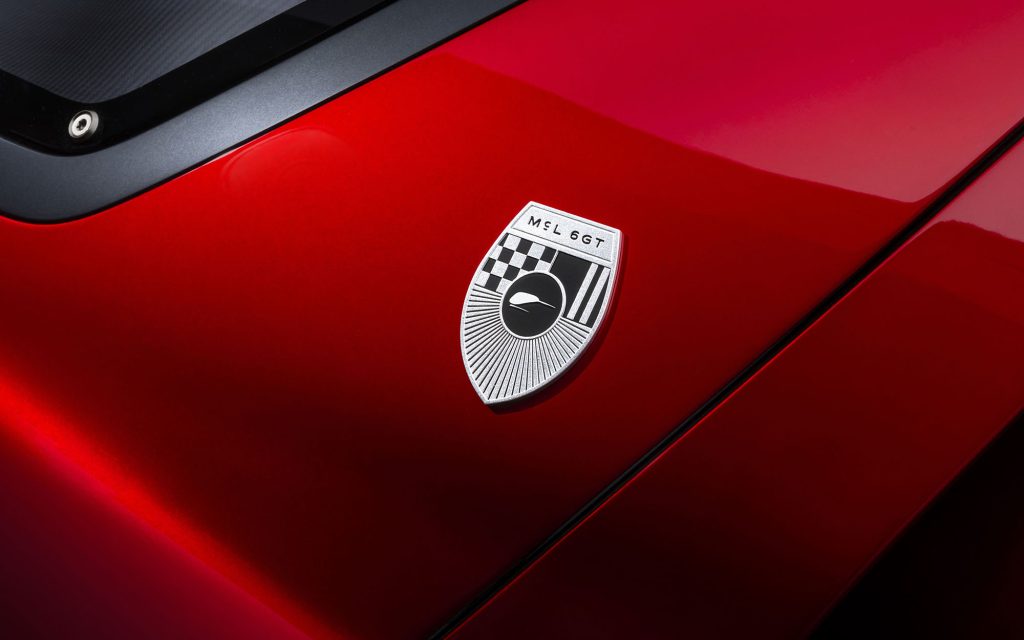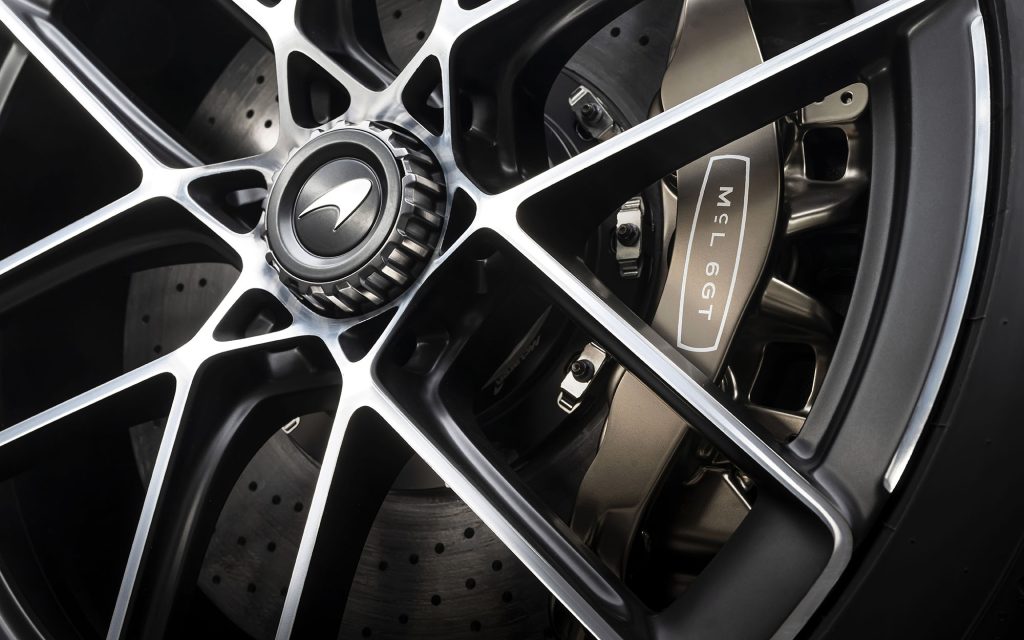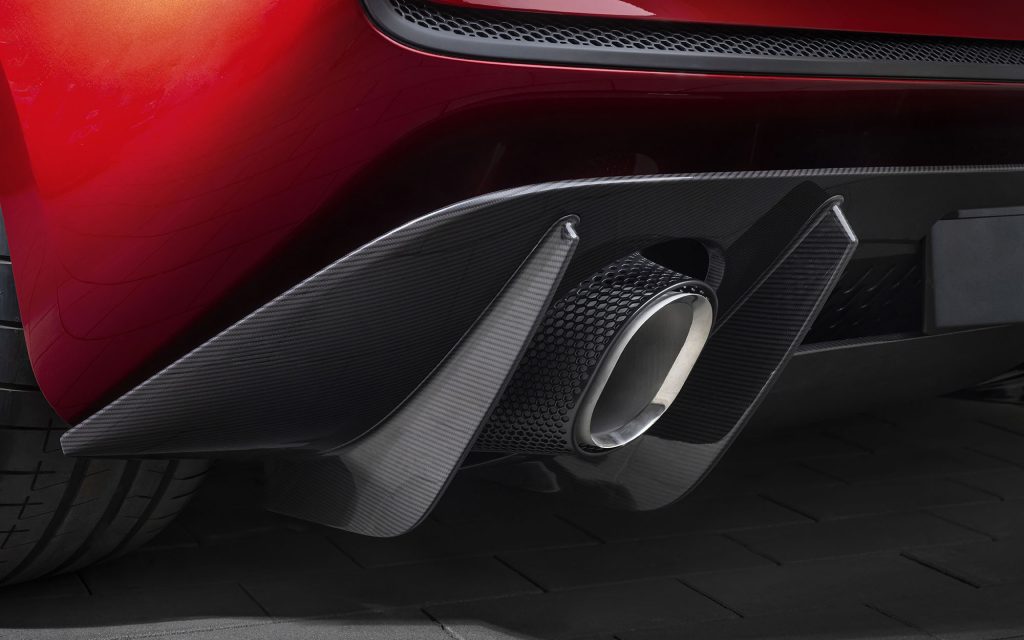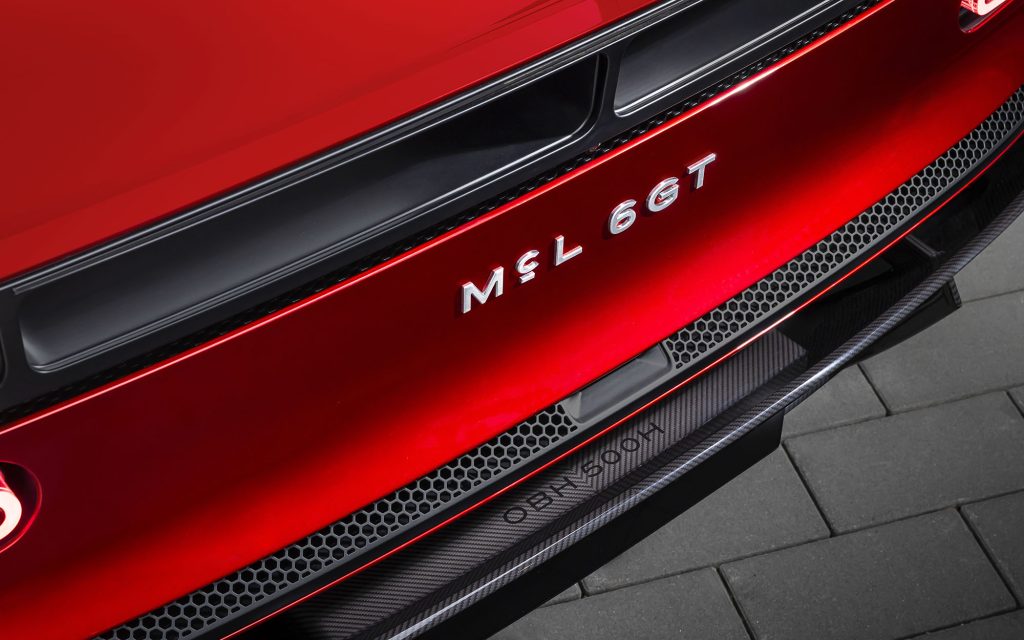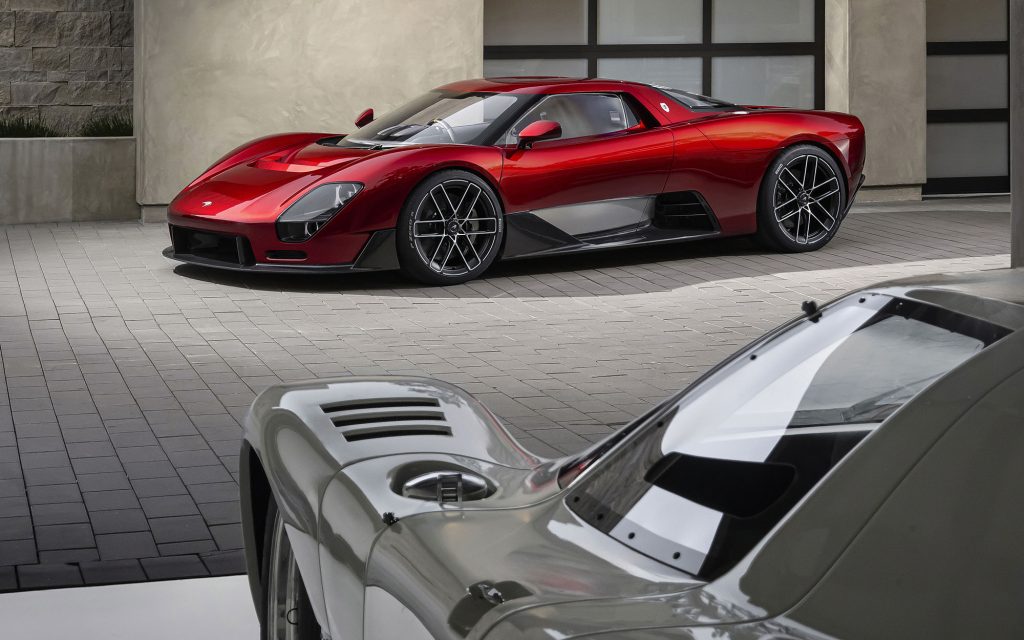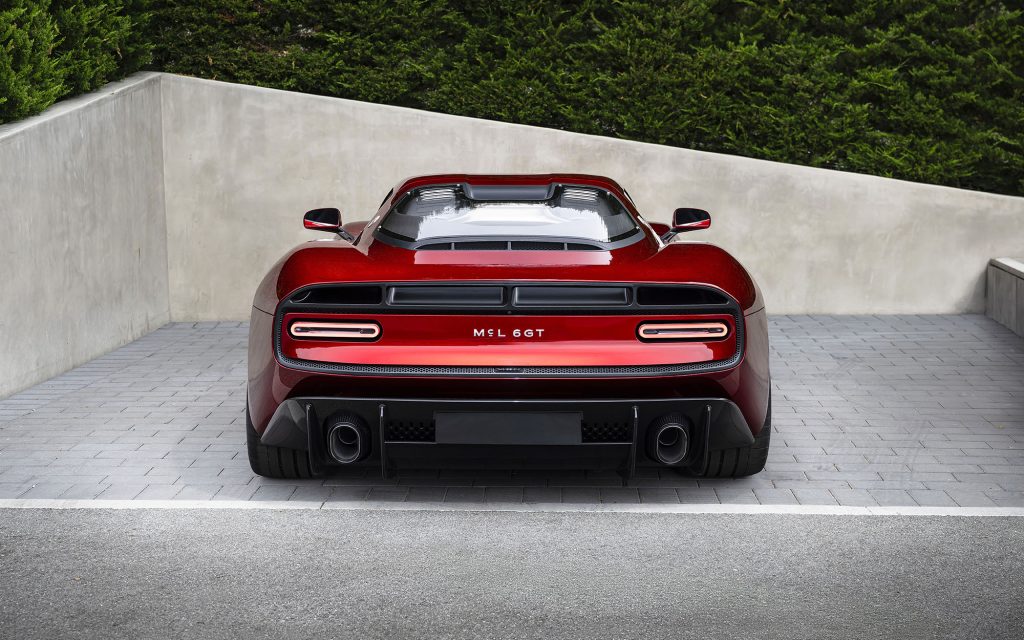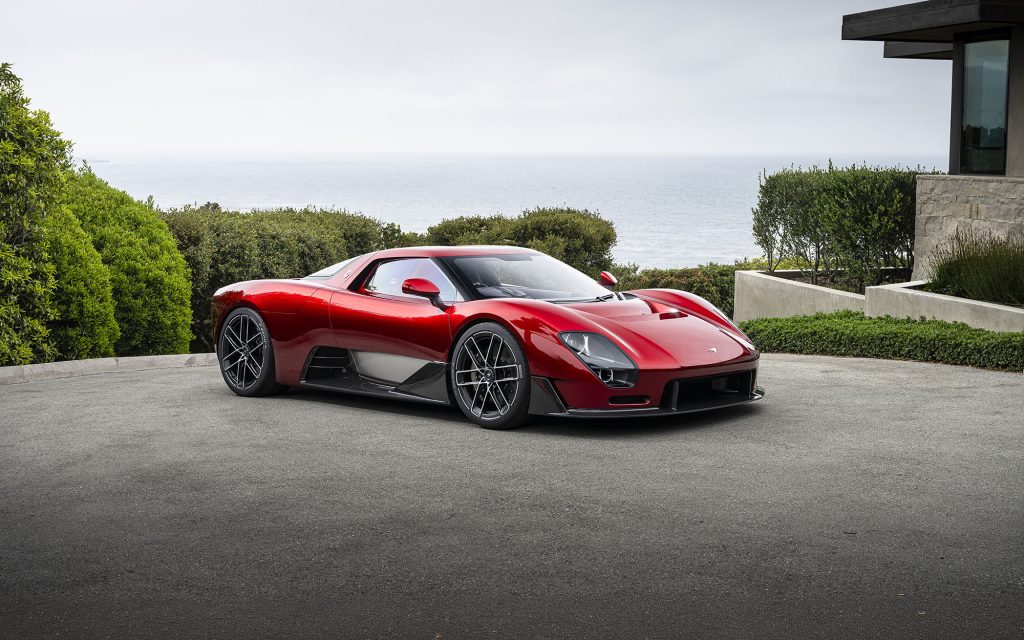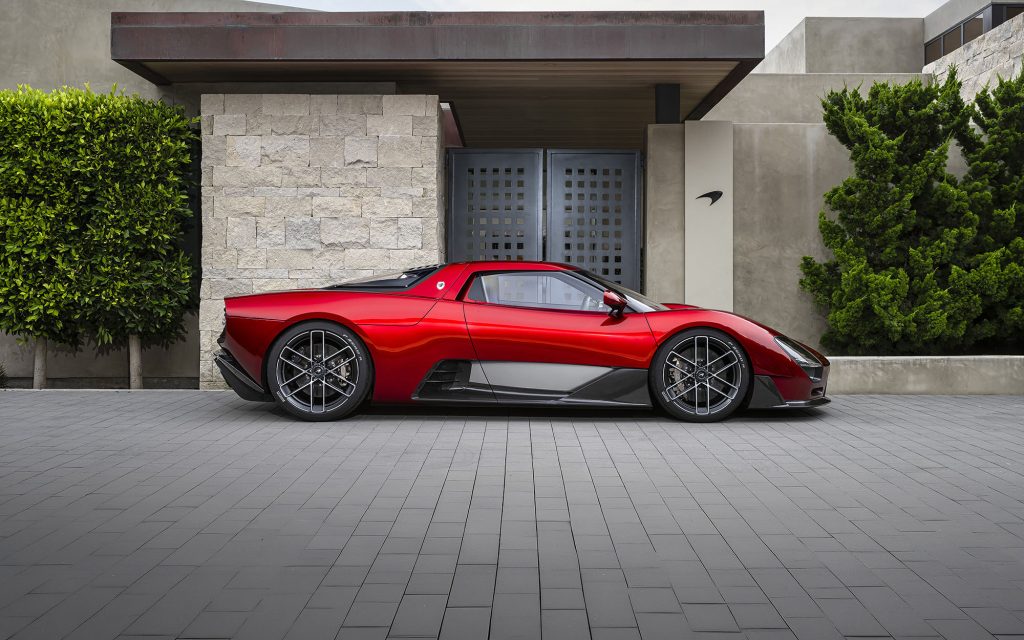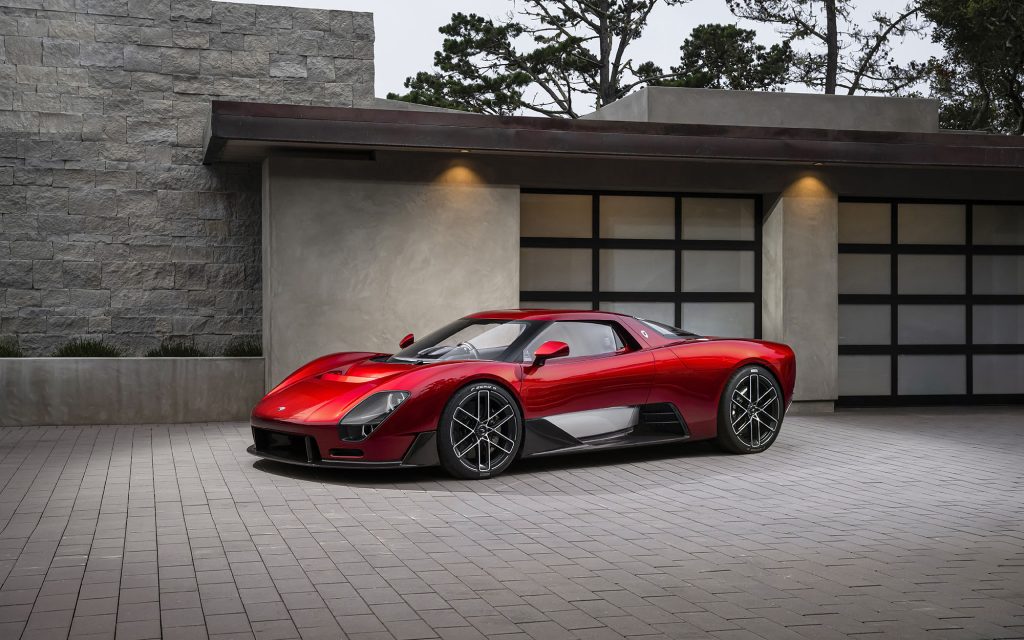

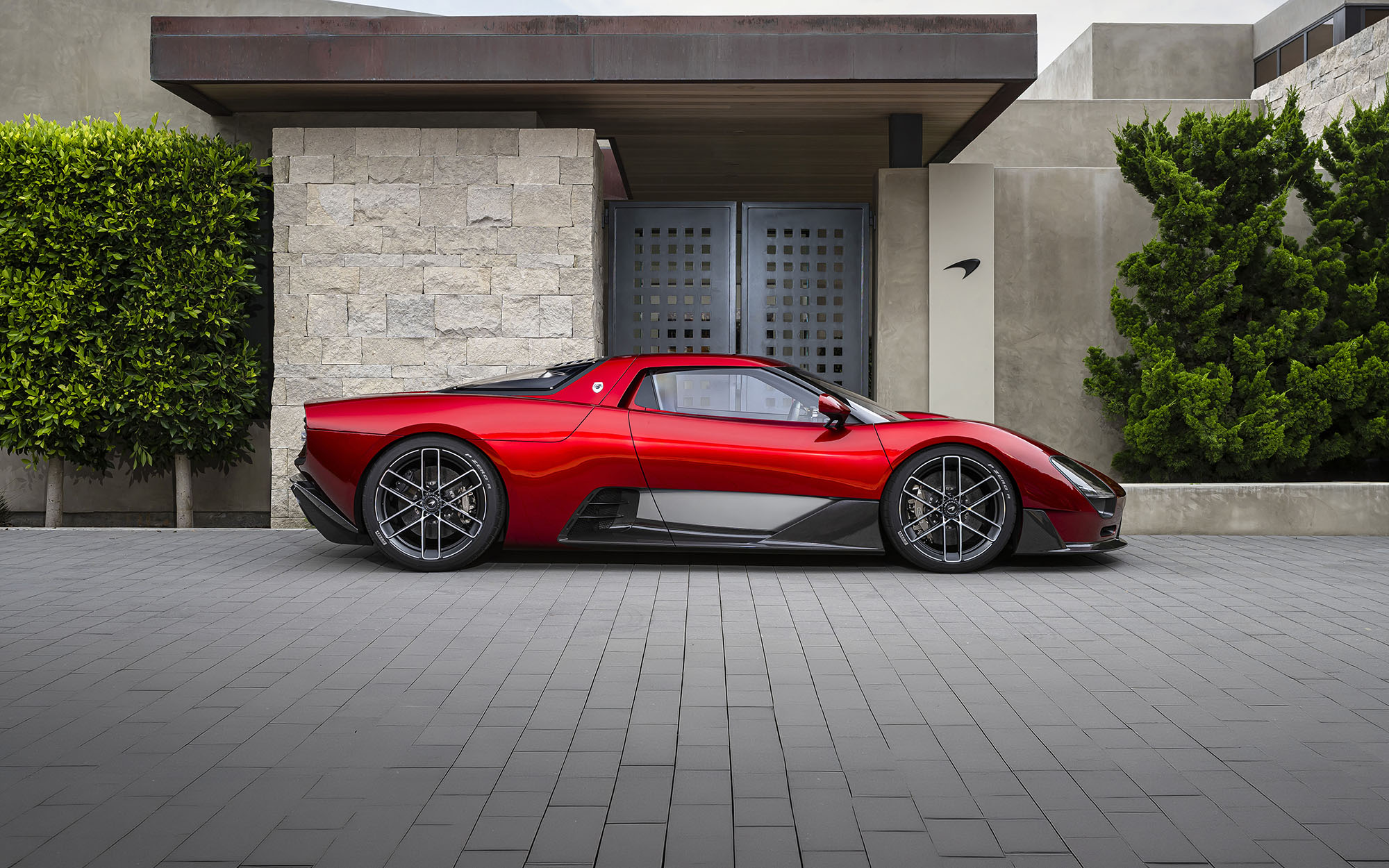

McLaren has used Monterey Car Week to reveal the McL 6GT, a new supercar concept inspired by Bruce McLaren’s M6GT and previewing a limited-production model planned for 2028.
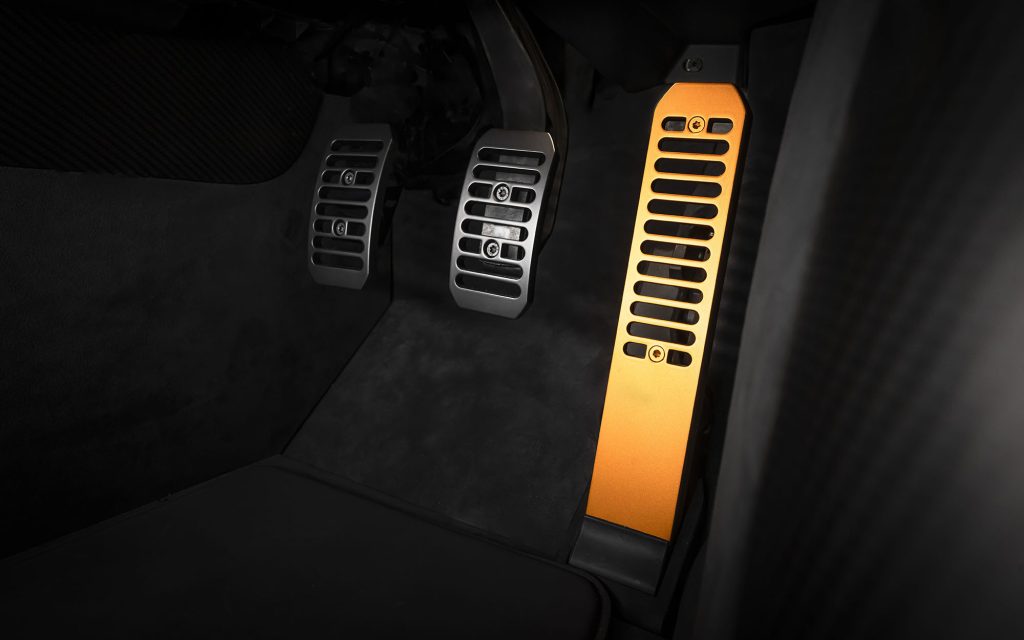
The McL 6GT represents a different direction from McLaren’s current supercar range. It combines a V8 internal-combustion engine with rear-wheel drive, hydraulic steering and a manual transmission — the first manual gearbox offered by McLaren since the F1 debuted in 1992.
McLaren has not yet disclosed output, displacement, performance figures or the number of cars it intends to produce. Instead, the Monterey concept establishes the design and mechanical philosophy for a new category of highly exclusive McLaren positioned outside its core model range.
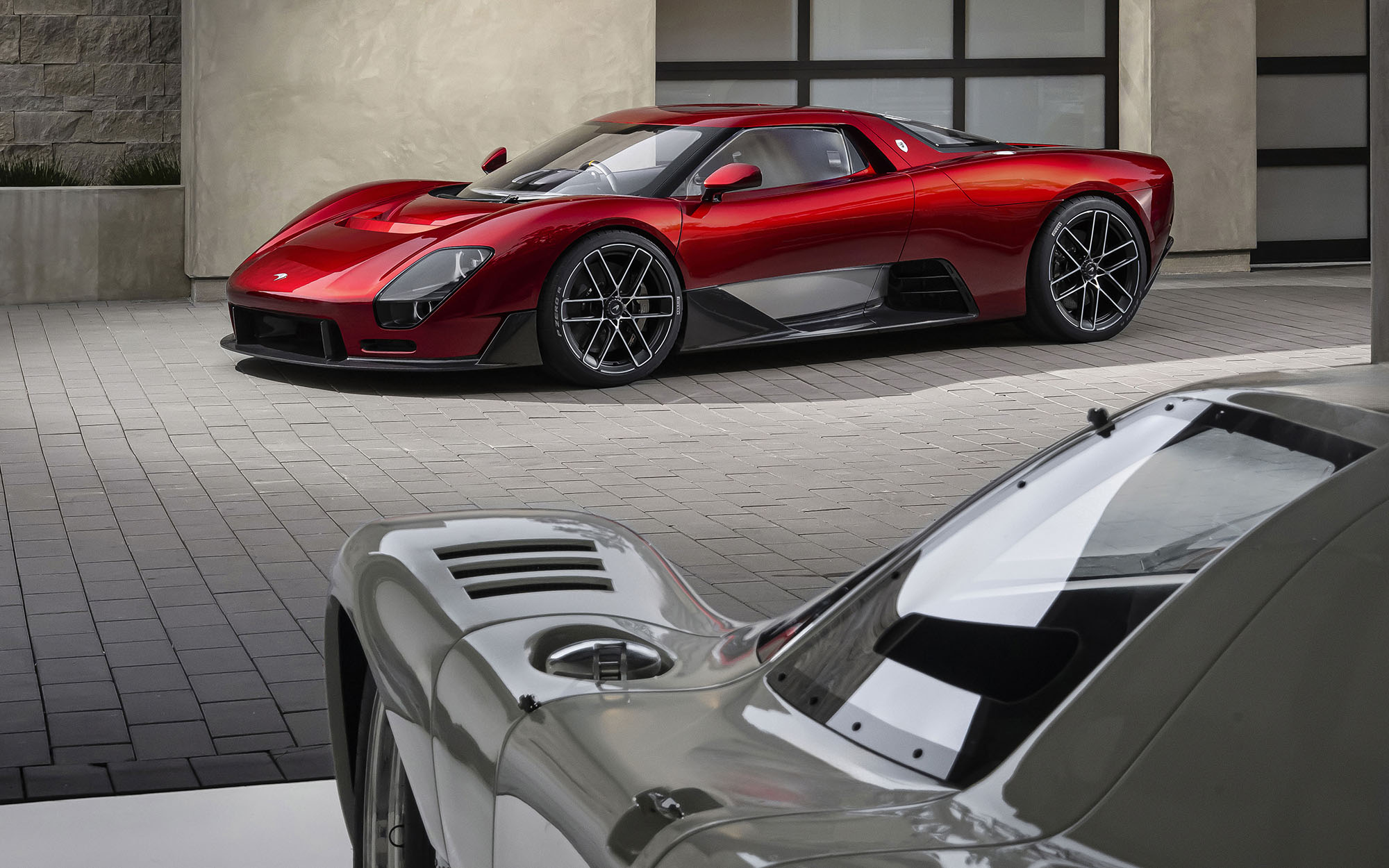
The historical reference is the McLaren M6GT, Bruce McLaren’s attempt to transform the company’s M6A Can-Am racing architecture into a road-going supercar during the late 1960s.
The project was never realized as a production model, though Bruce McLaren used one of the prototypes as his personal road car. Earlier this year, McLaren Special Operations revisited the original project with a one-off M6GT assembled and presented at the Goodwood Festival of Speed.
The new McL 6GT takes the idea considerably further, interpreting the M6GT rather than attempting to recreate it.
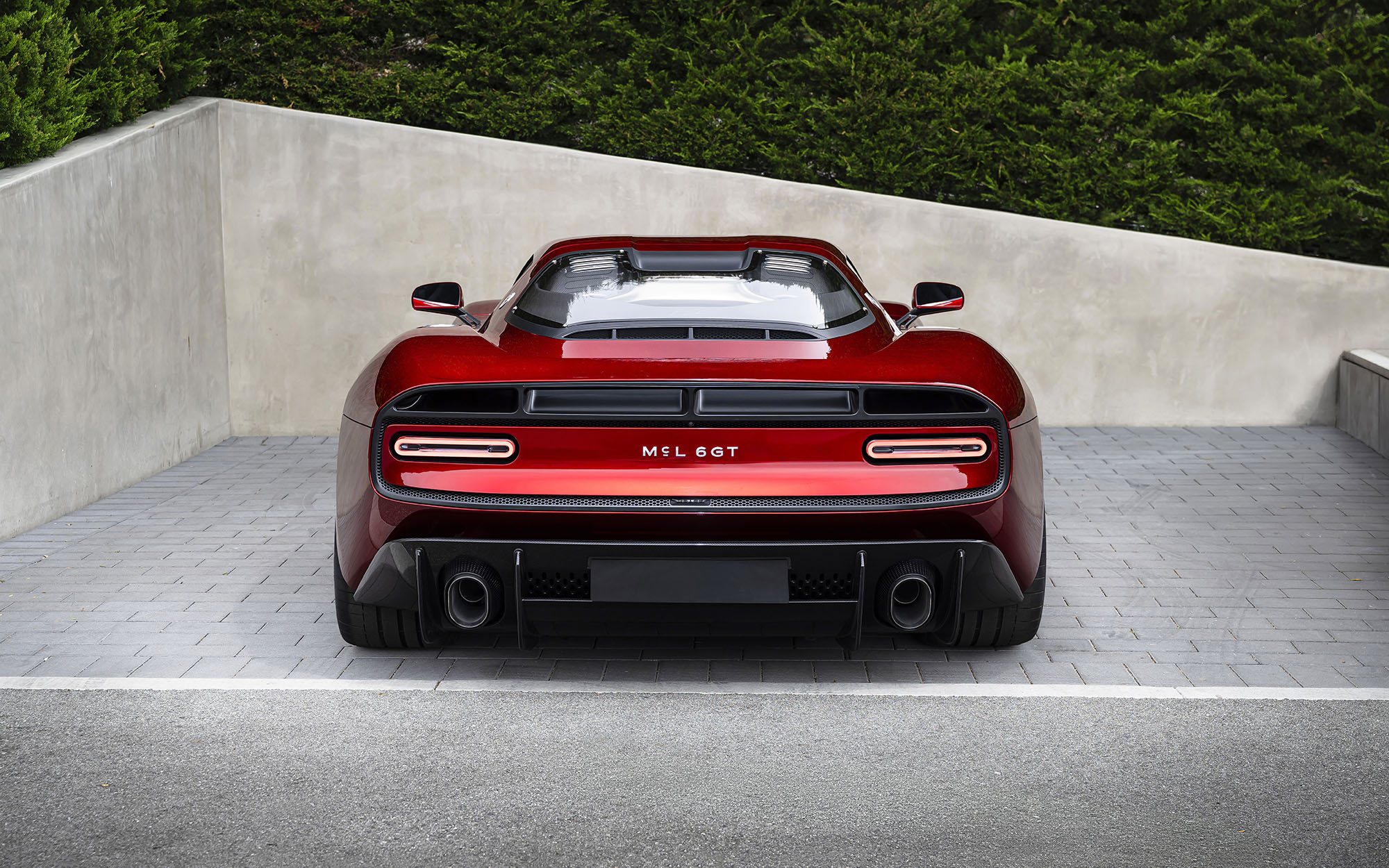
Its proportions follow the basic formula established by the original. The McL 6GT sits low and wide with a shallow nose, tightly integrated cabin and a roofline that flows directly into the rear deck and Kammback tail. McLaren has kept the body surfacing relatively clean, drawing from the aerodynamic forms of 1960s sports prototype racers.
The M6GT references become more specific in the details.
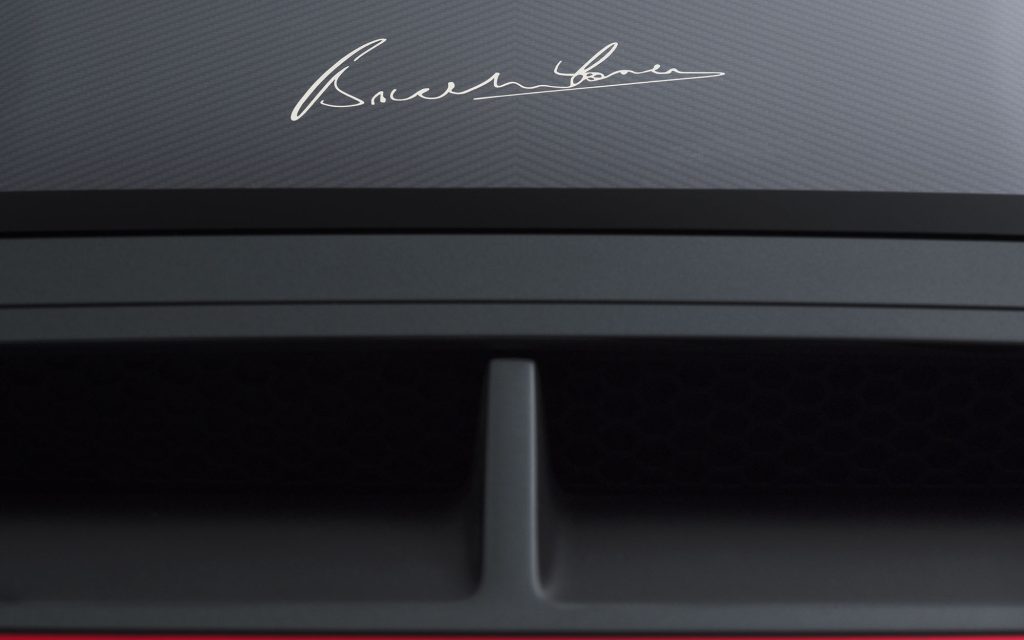
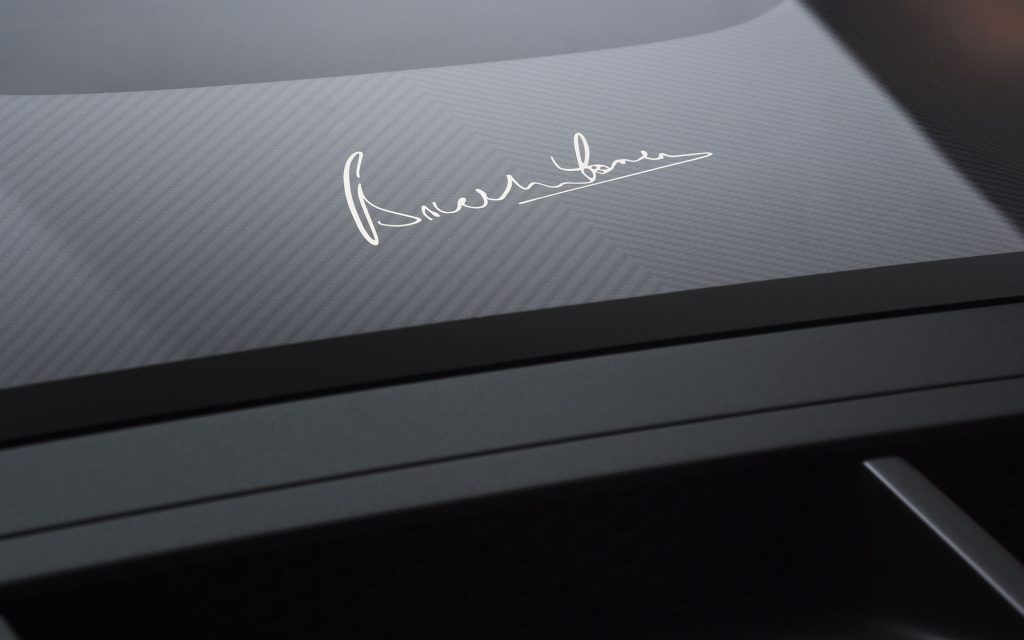
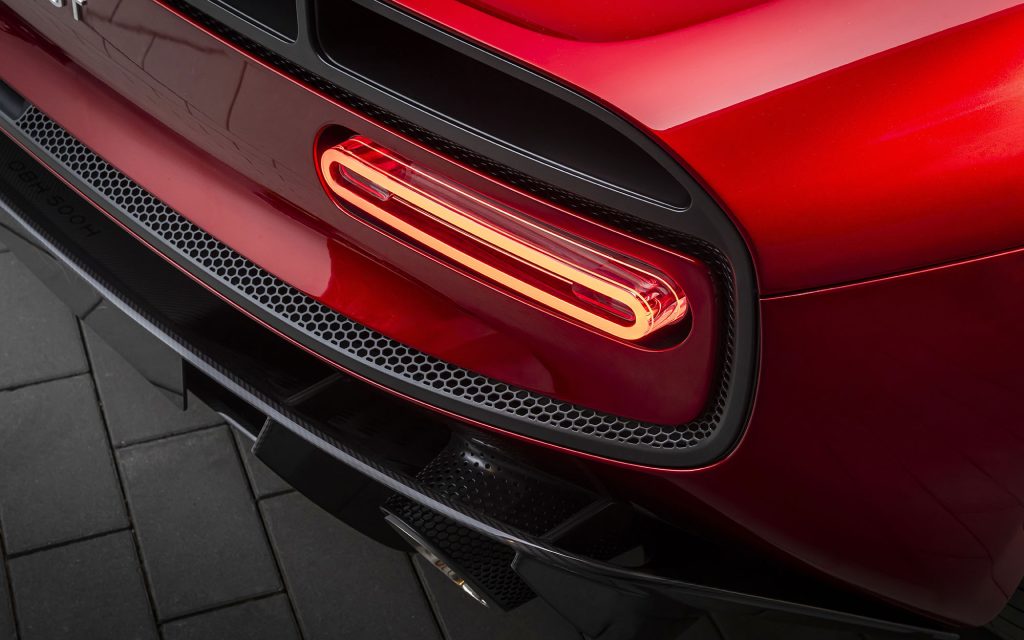
A new “Racing Loop” graphic inspired by the original car’s taillights is incorporated into the rear airflow treatment. Bruce McLaren’s original M6GT license plate has been reinterpreted as a tone-on-tone exterior graphic, while his signature appears in the engine compartment.
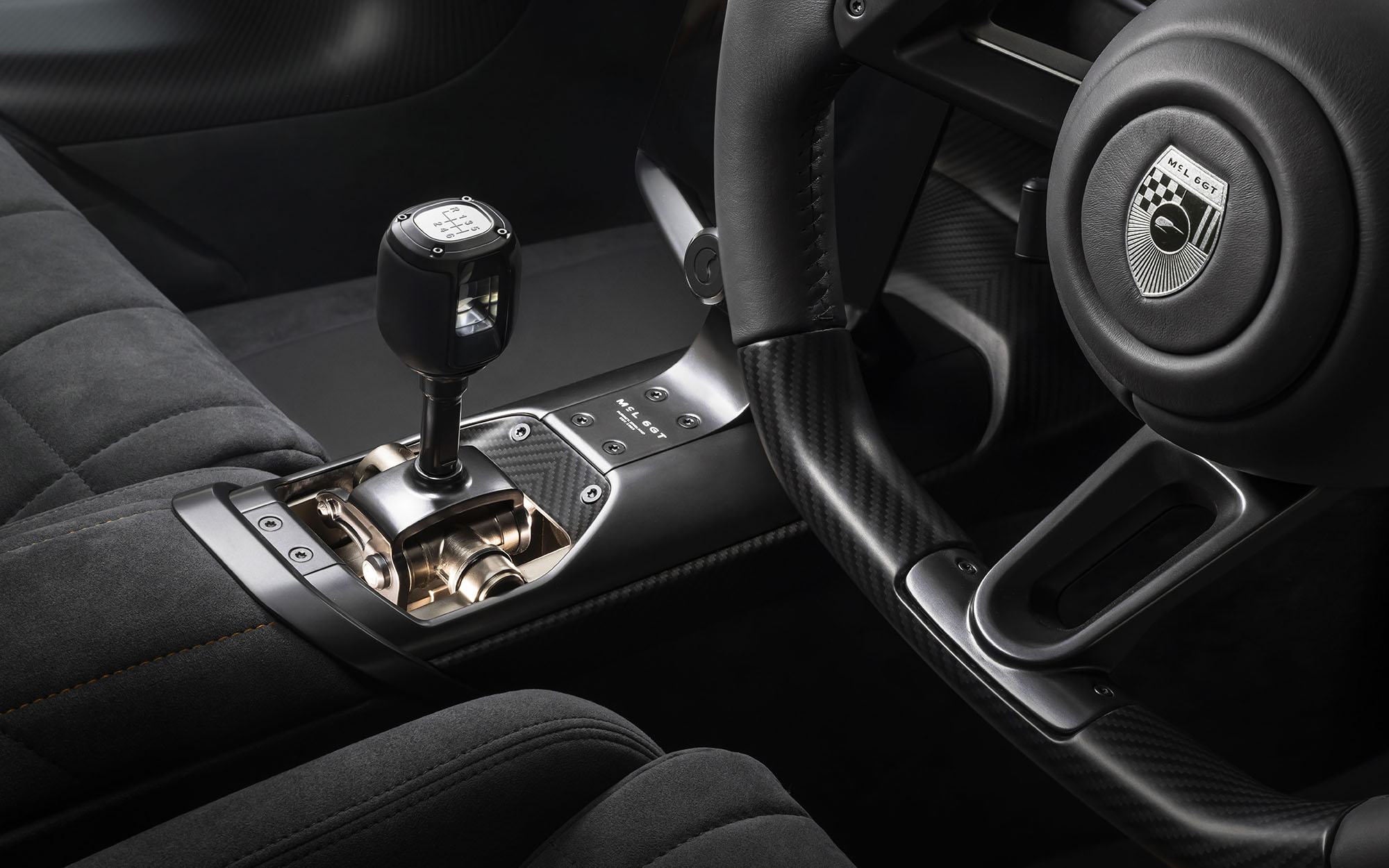
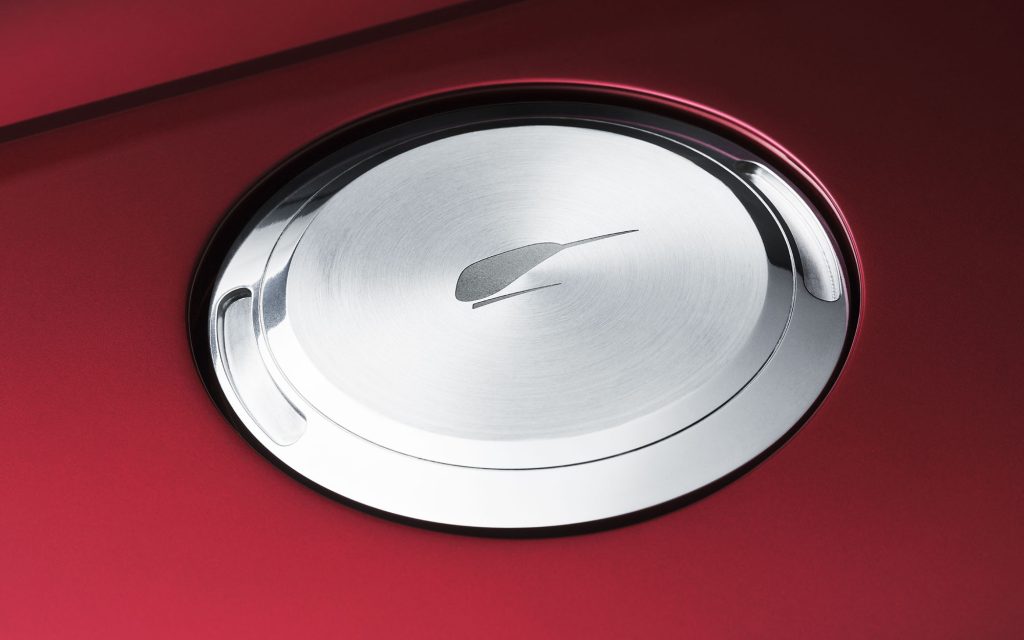
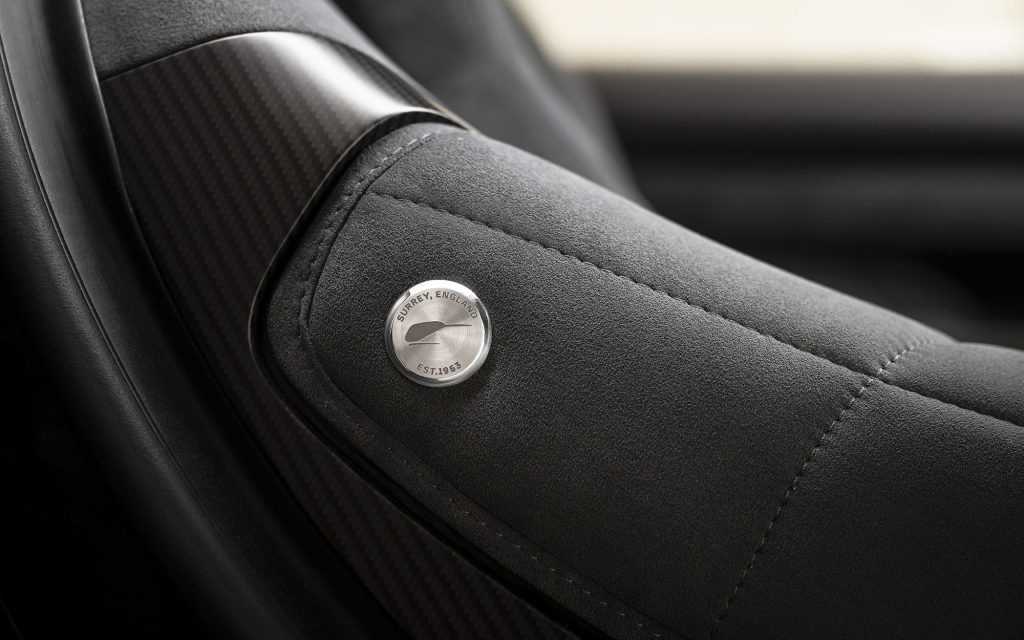
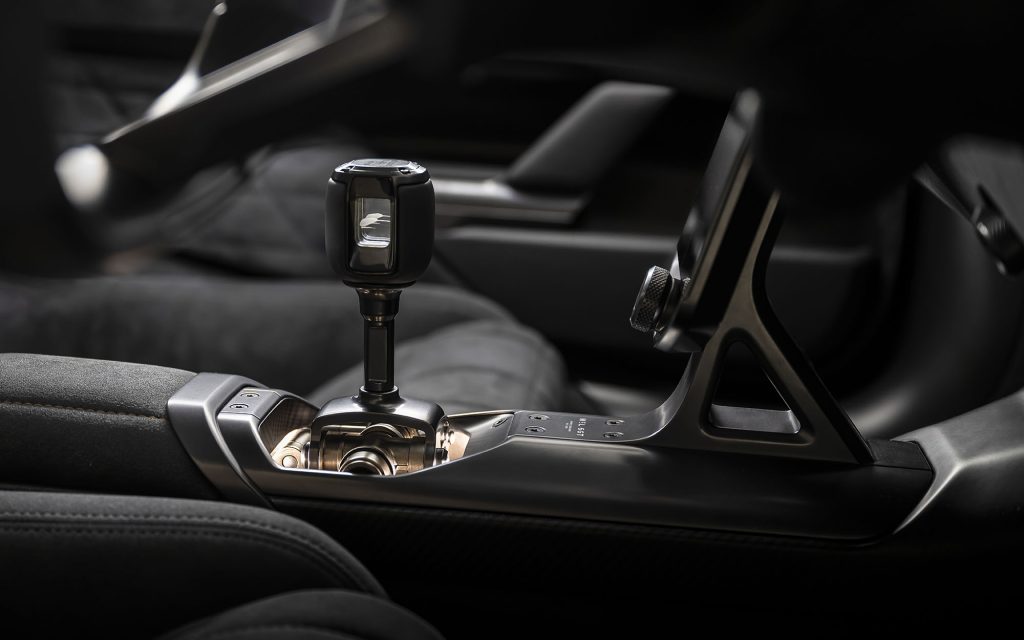
McLaren’s early Speedy Kiwi emblem is etched into the fuel filler cap and also appears inside the manual gear lever.
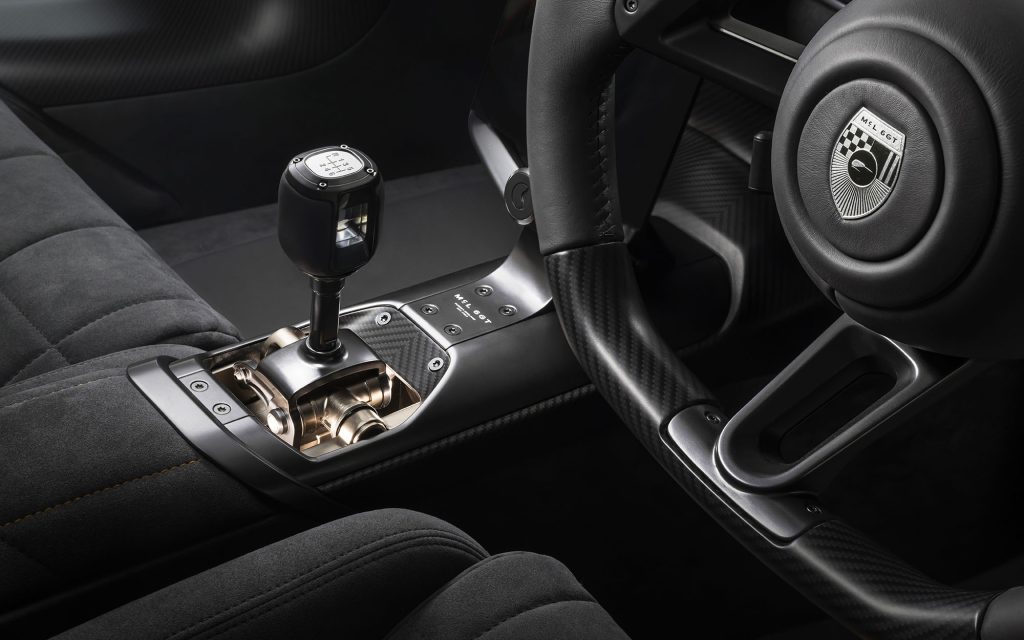
That gear lever is one of the defining elements of the McL 6GT’s cabin. McLaren says particular attention was given to its throw and mechanical feel, with the three-dimensional Speedy Kiwi incorporated into the upright.
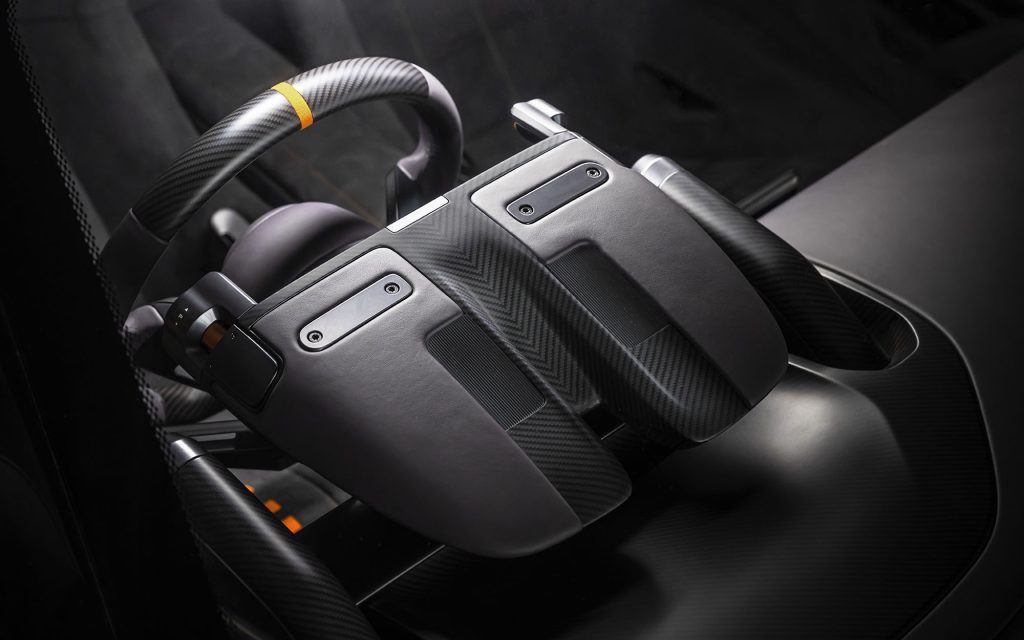
The manual transmission is accompanied by hydraulic steering and physical switchgear, including knurled machined-aluminum controls. The interior also reinterprets the boxed quilting found in the M6GT, while digital instrumentation is designed to retain a relatively simple presentation.
Construction follows current McLaren practice rather than the technology of its inspiration.
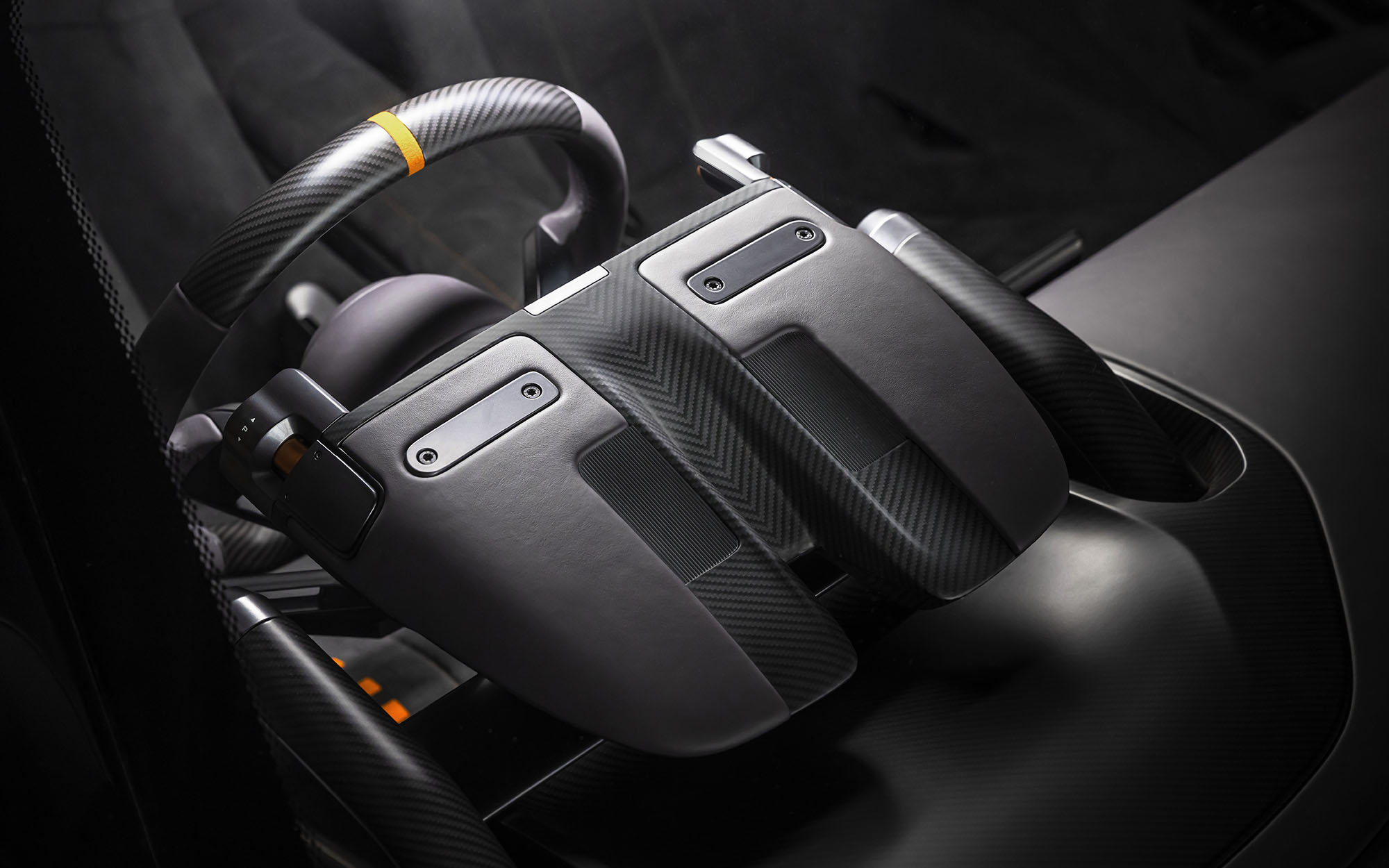
The McL 6GT uses a carbon-fiber monocoque with carbon-fiber bodywork, providing the lightweight structure for its V8 powertrain. Exposed gloss carbon fiber is also used inside the cabin, providing another visual connection between the car’s construction and its competition-derived positioning.
The concept arrives at a time when manual transmissions have become increasingly unusual among modern supercars. McLaren itself has relied exclusively on paddle-shift transmissions throughout its modern production era, beginning with the MP4-12C in 2011.
That makes the McL 6GT a notable departure. Rather than using electrification, increasingly complex aerodynamics or outright performance figures as its primary selling points, McLaren is emphasizing weight, mechanical controls and driver involvement.
The company also isn’t treating the Monterey car as an isolated design exercise.
A production McL 6GT is scheduled to arrive in 2028, establishing what McLaren describes as a new type of exclusive supercar beyond its existing portfolio.
Production numbers, pricing and final powertrain specifications remain to be announced.
For now, the McL 6GT establishes the basic formula: carbon construction, V8 power, rear-wheel drive, hydraulic steering and three pedals, wrapped in a design that returns to Bruce McLaren’s original idea for a road-going McLaren more than half a century later.