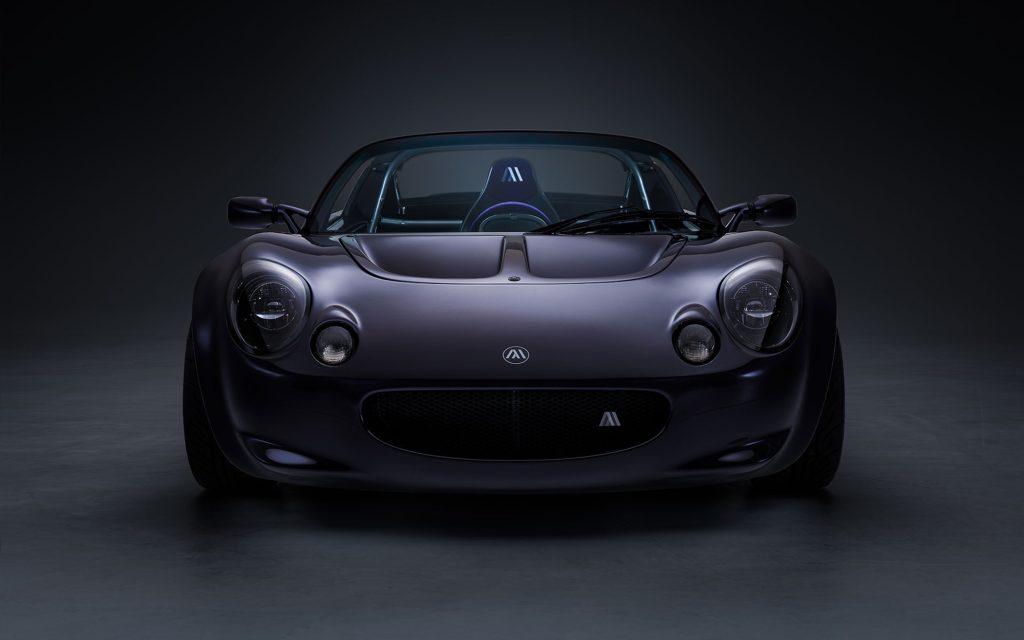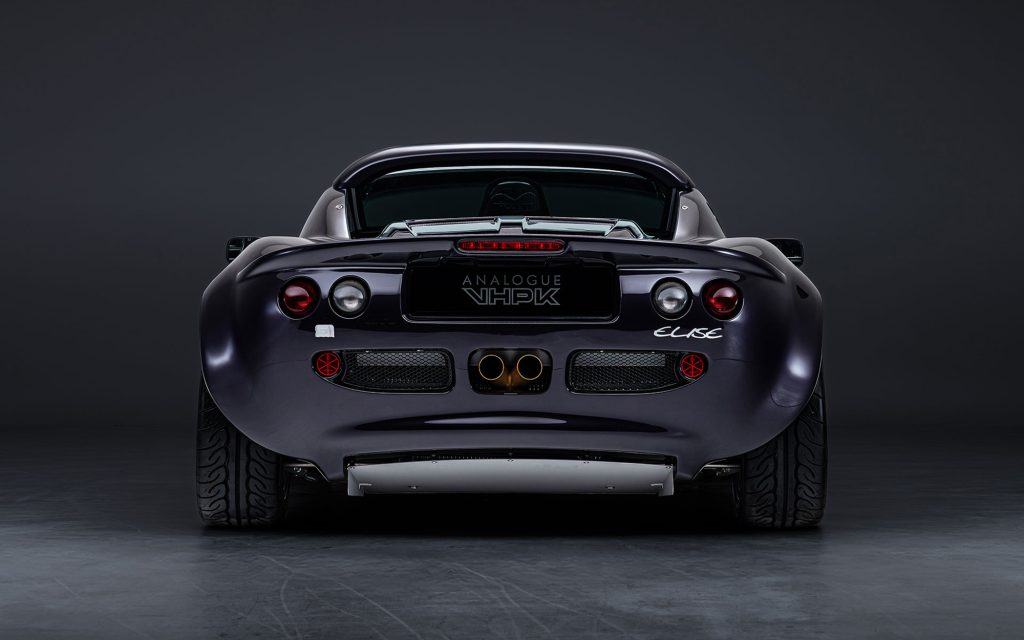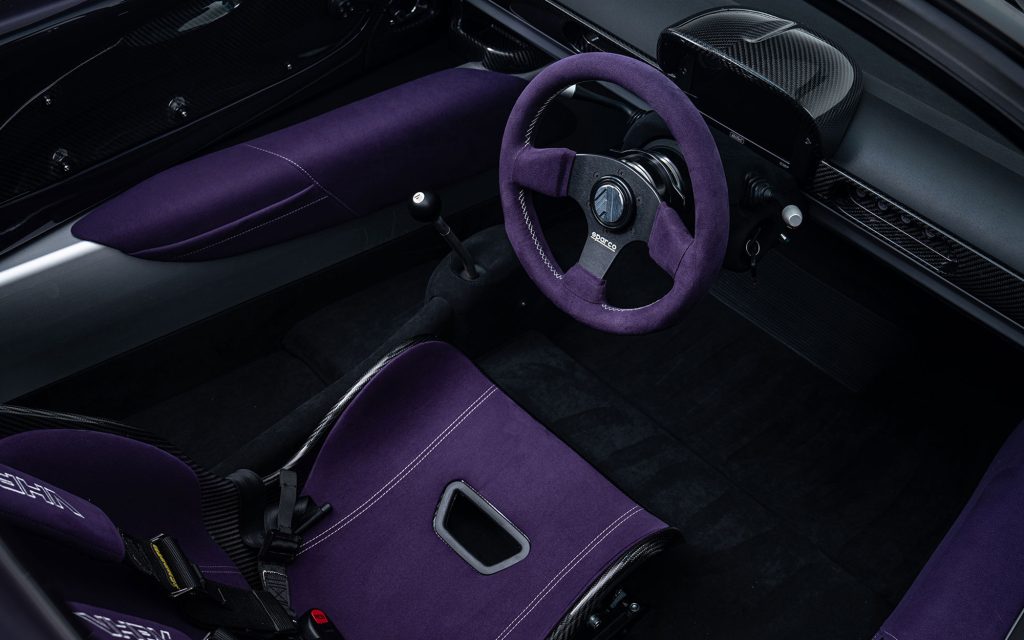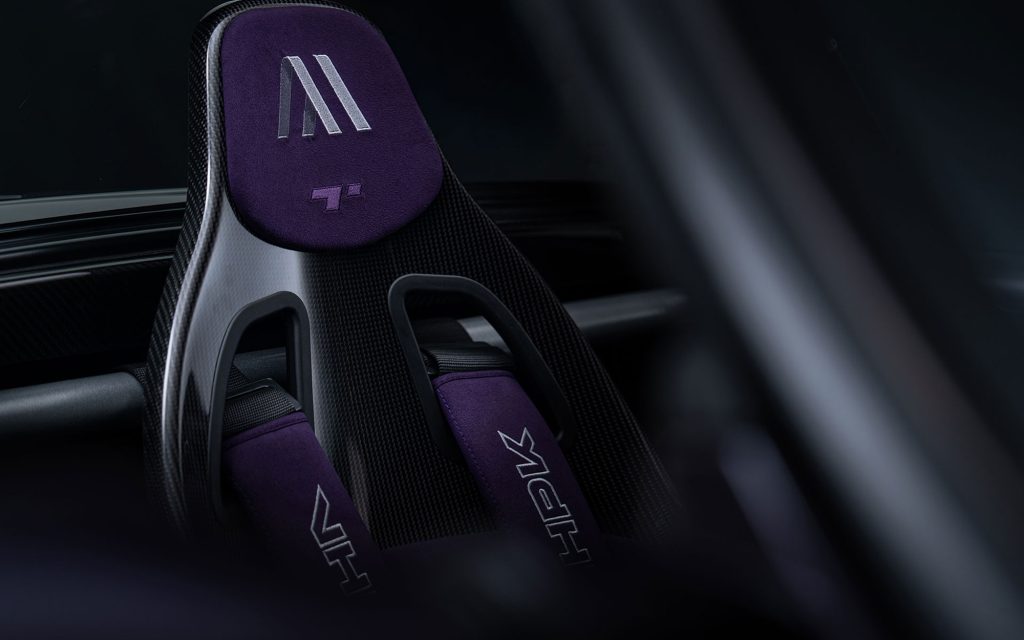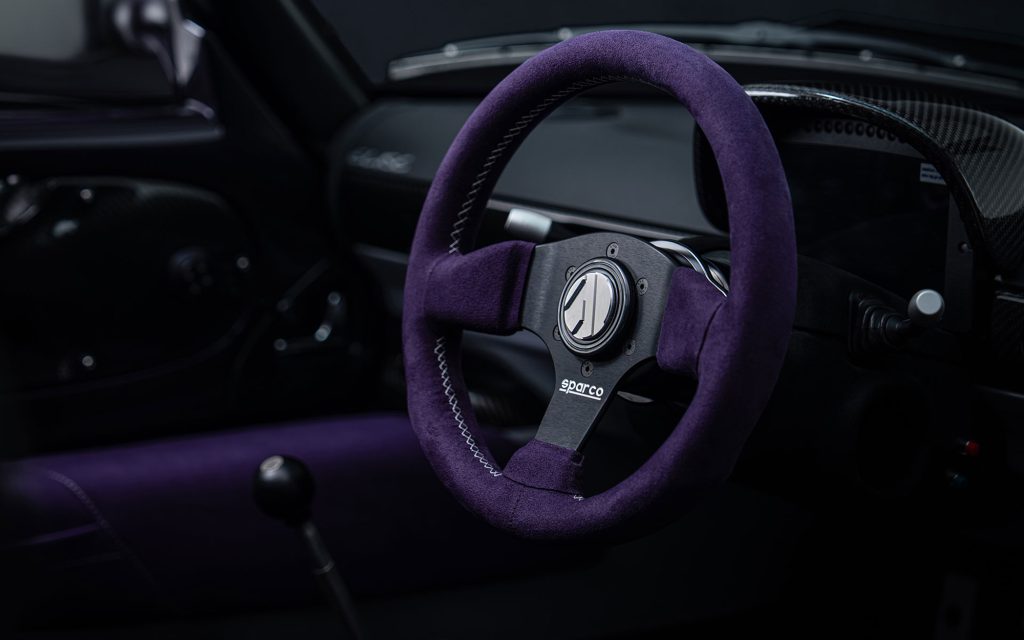

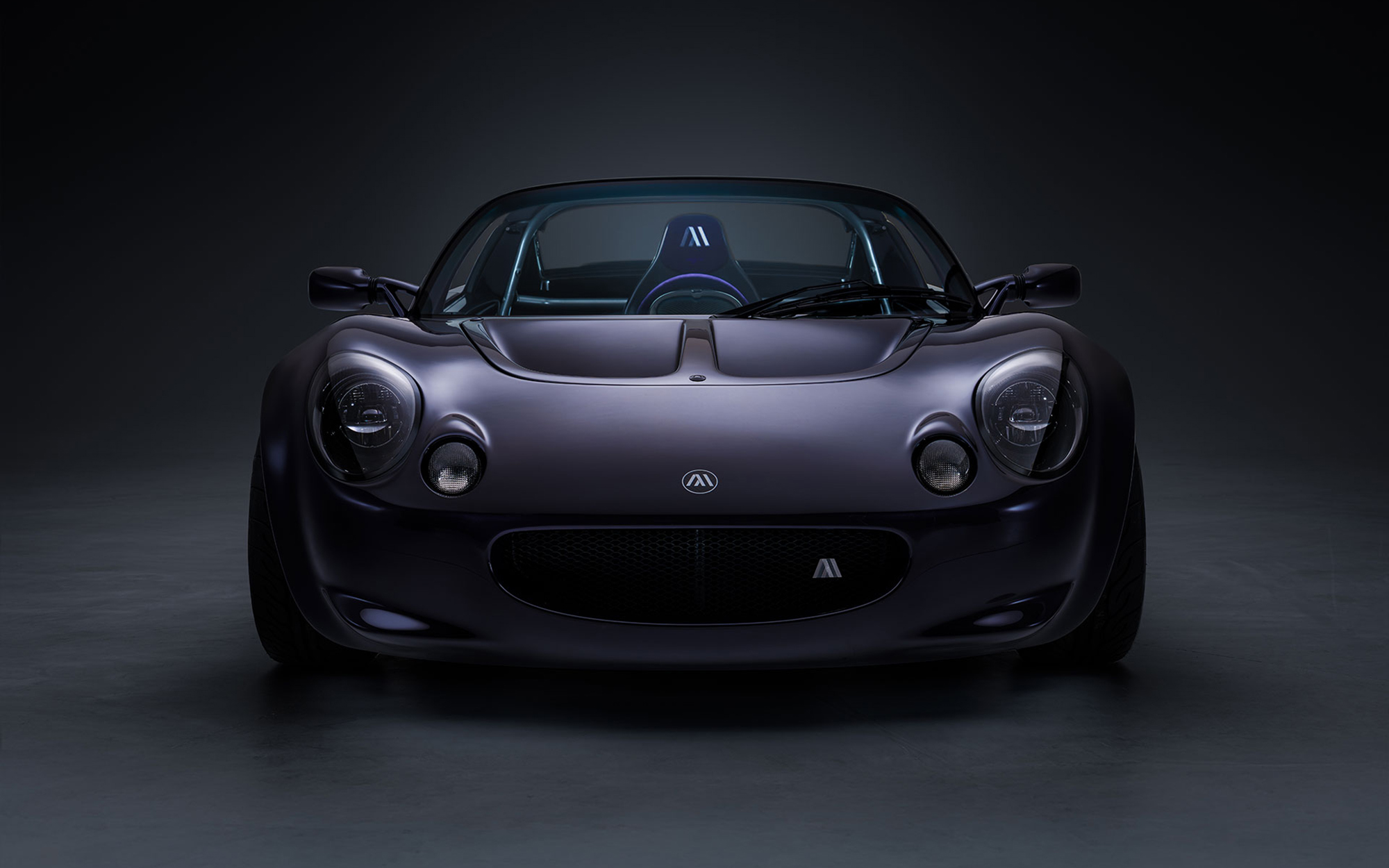

Analogue Automotive has taken its Elise-based remastering program somewhere considerably more radical with the VHPK, a 600-kilogram, 250-plus-horsepower machine built around a single, centrally mounted seat.
The purple certainly gets your attention, but the seating position is the real story.
Think McLaren F1, only without friends riding alongside like saddle bags. The VHPK places its driver alone and directly on the car’s centerline, transforming the already intimate Series 1 Lotus Elise architecture into something closer to a road-going single-seater.
There is historical precedent. Analogue says the layout takes inspiration from the centrally seated Elise race cars built for the Autobytel Lotus Championship in the early 2000s. For the VHPK, however, the concept is applied to a highly developed road car rather than a dedicated competition machine.
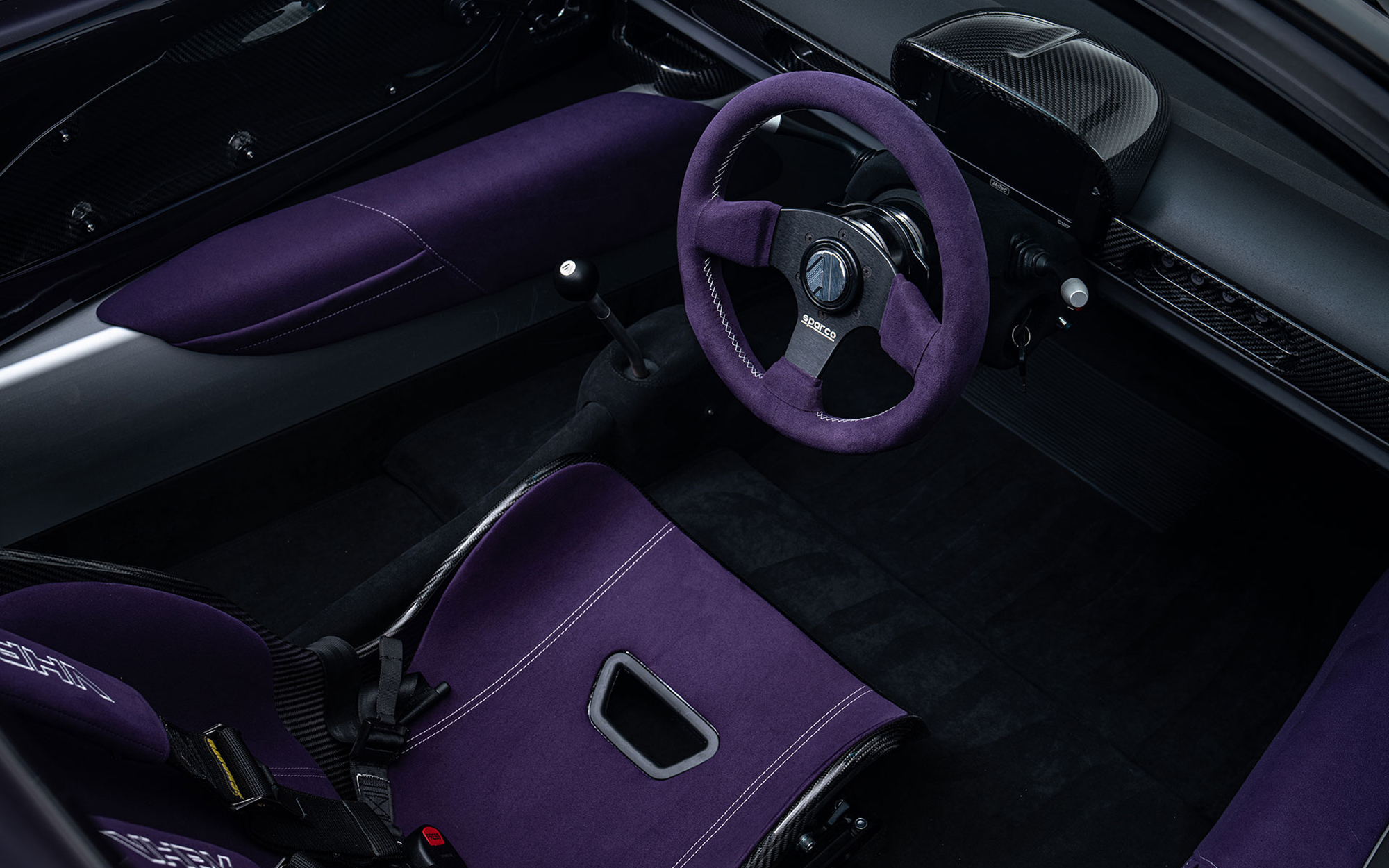
Everything surrounding that seat follows the same philosophy.
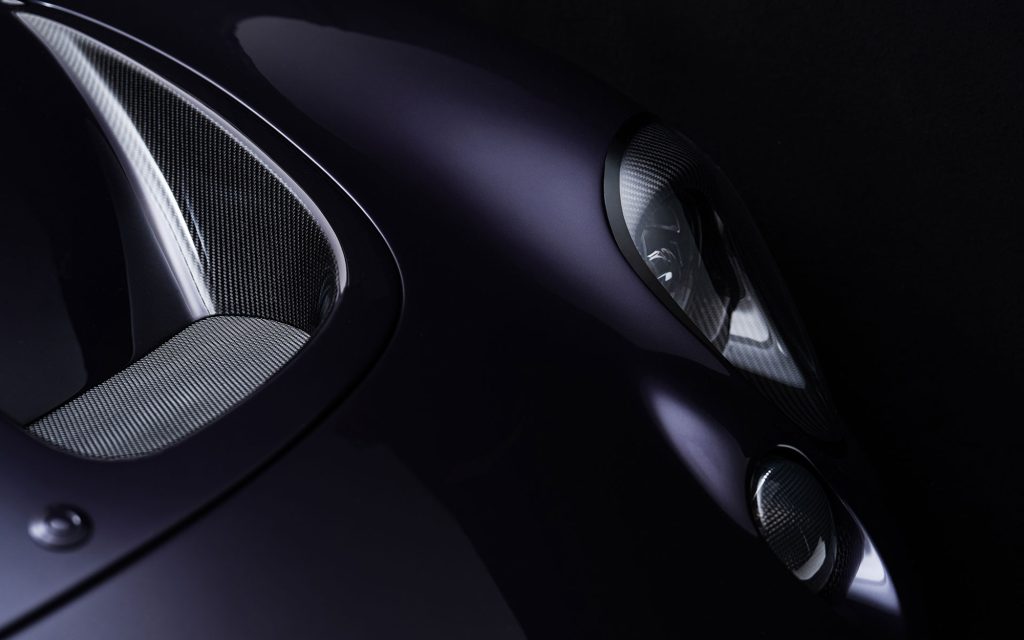
Analogue targets a weight of just 600 kg, or roughly 1,323 pounds, despite the VHPK remaining road oriented. Full carbon-fiber bodywork replaces the Elise’s original fiberglass panels, while carbon wheels and carbon-ceramic brakes further reduce both overall and unsprung mass. The suspension uses active dampers, wider-track wishbones and spherical bearing mounts, allowing the setup to be sharpened for track use without turning the VHPK exclusively into a circuit car.
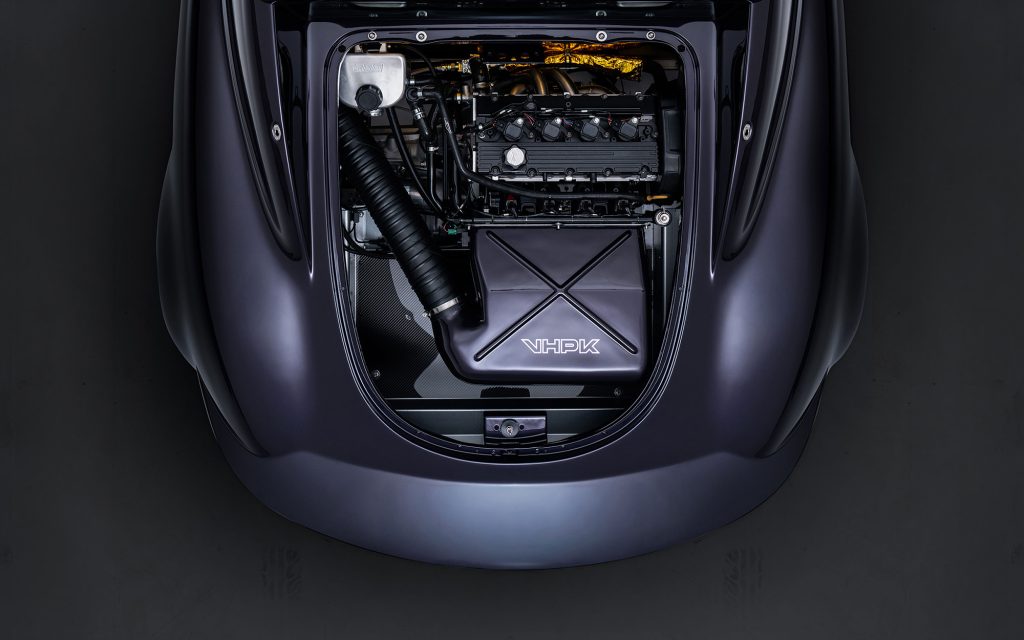
The engine remains appropriately rooted in Elise history. Rather than replacing the Rover K-series with something newer, Analogue has developed it further with increased displacement plus bespoke billet and forged internals. Output exceeds 250 bhp, with the engine revving to 8,500 rpm and giving the VHPK a claimed power-to-weight ratio of more than 400 bhp per tonne.
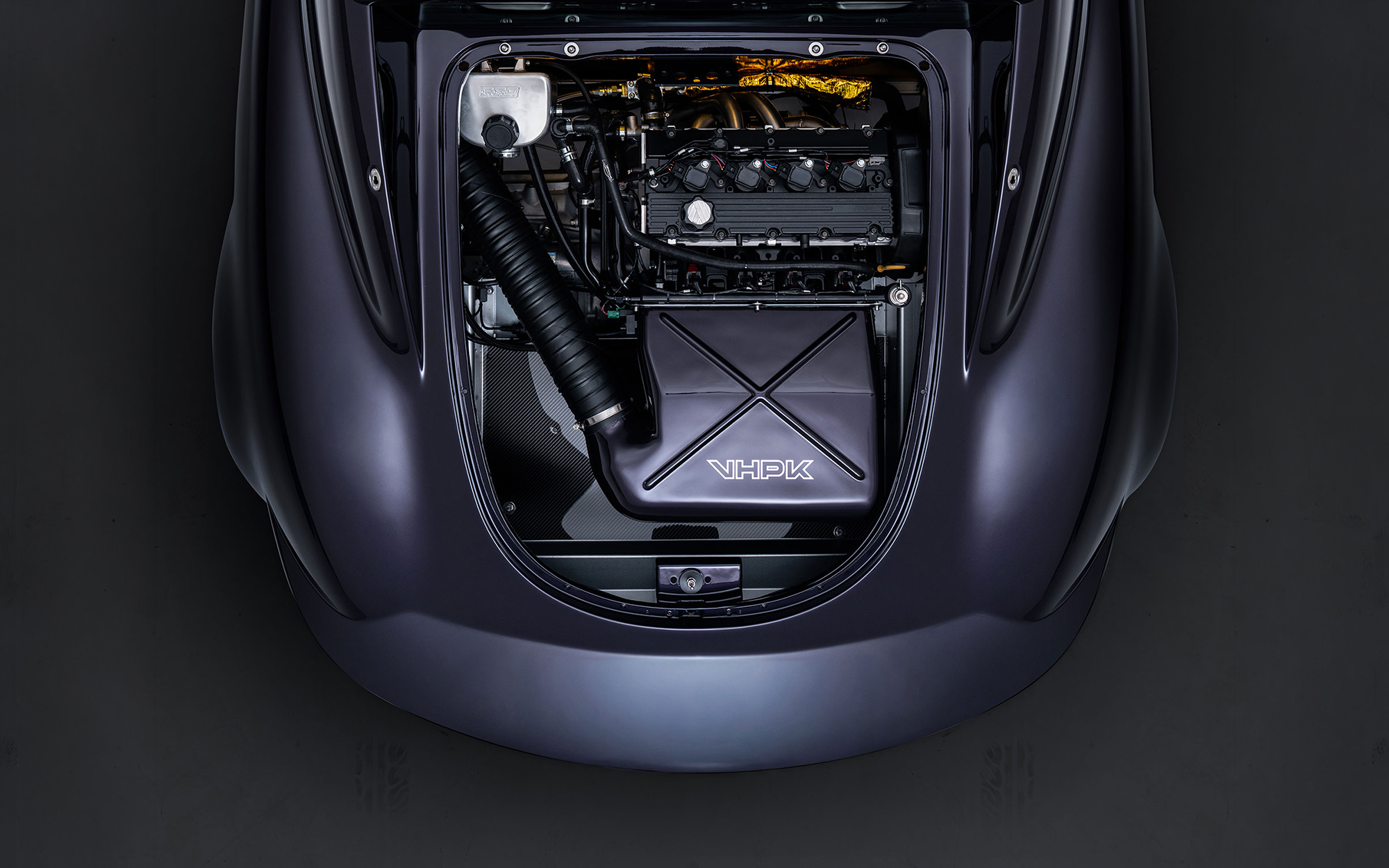
Moving the driver into the middle required more than relocating a seat. The steering arrangement uses an extended linkage between rack and column, while the gearshift required new cables running rearward. With the conventional center tunnel arrangement eliminated, even the handbrake changes, becoming electrically operated. The carbon-fiber cockpit itself is constructed around the driver rather than adapted from the original two-seat layout.
It makes the VHPK a distinctly different proposition from Analogue’s existing SuperSport. Where that car seeks to refine and intensify the original Elise formula, the VHPK effectively asks what happens when passenger accommodation becomes unnecessary altogether.
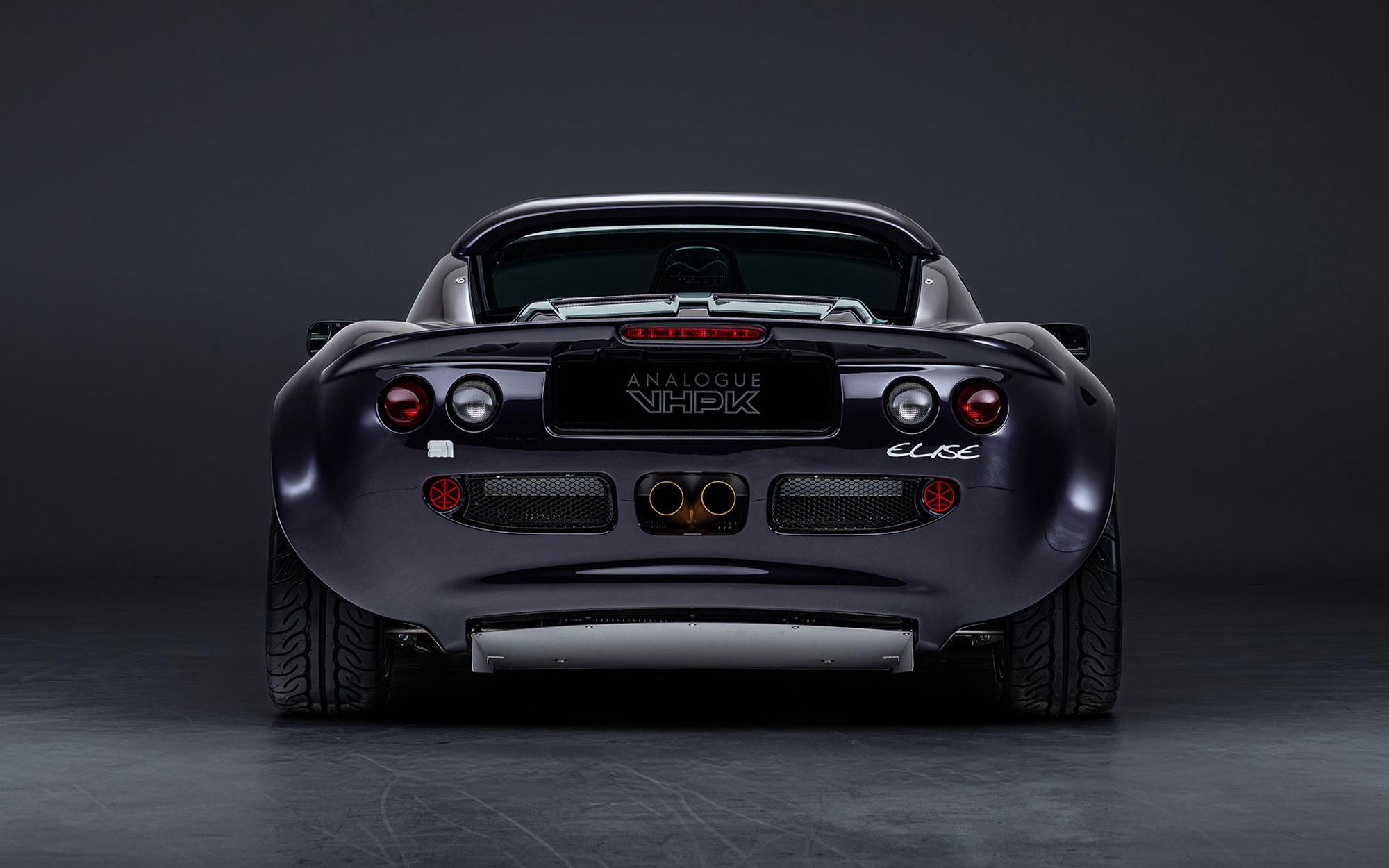
The answer is a rather unusual interpretation of the increasingly crowded remaster market. More power is relatively easy. Carbon bodywork is hardly unprecedented. Even 600 kg, remarkable as that figure is, represents an extension of the lightweight philosophy already fundamental to the Elise.
Putting the driver in the middle changes the experience entirely.
Only 35 numbered VHPKs are planned, with orders handled exclusively through Analogue Automotive. Pricing has been reported at £350,000 before taxes, shipping and associated costs, placing this very small Lotus-derived machine firmly into serious collector-car territory.