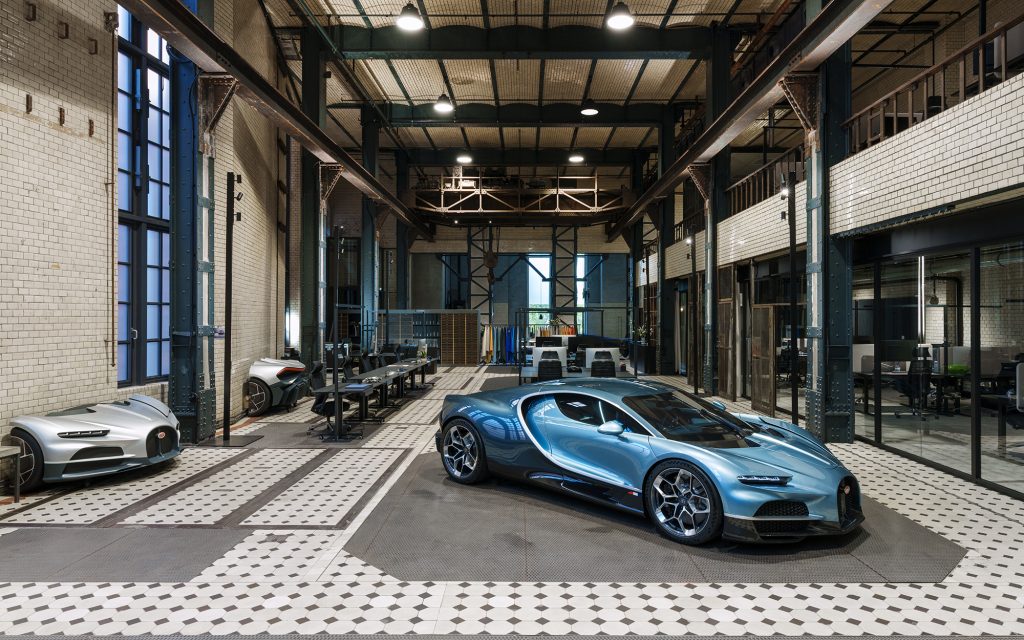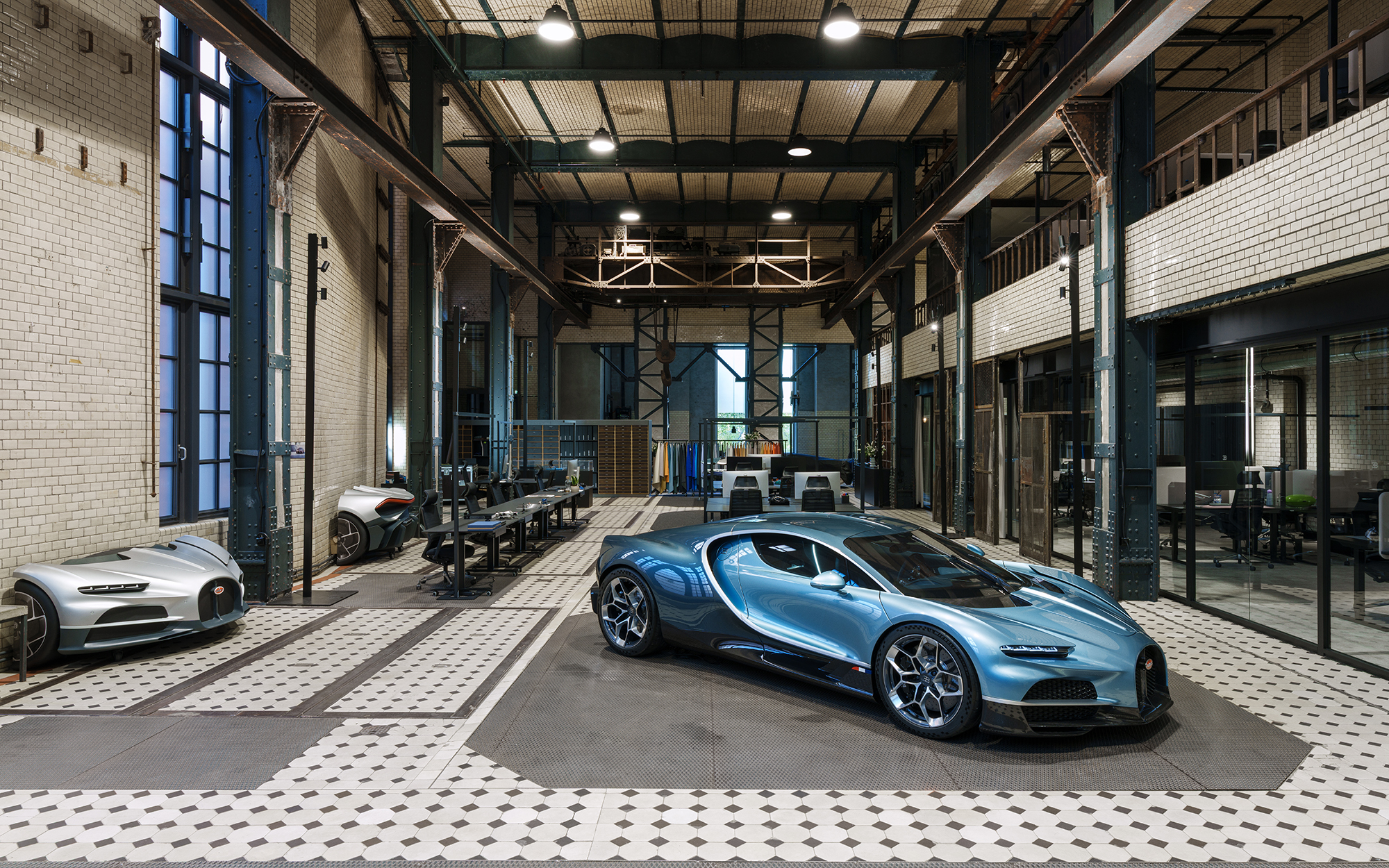

With the introduction of the Bugatti Tourbillon, Bugatti is redefining what personalization looks like at the very top of the automotive market. The brand’s latest deep dive into its Color, Material and Finish (CMF) development process positions the Tourbillon not just as a technical flagship, but as a rolling expression of bespoke craftsmanship—what it calls “automotive couture.”
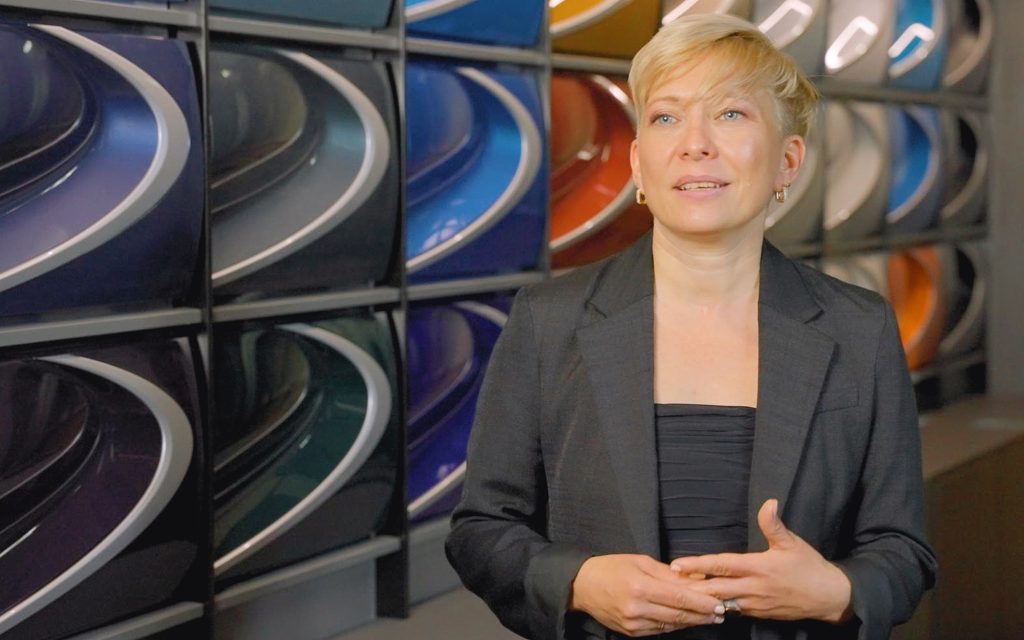
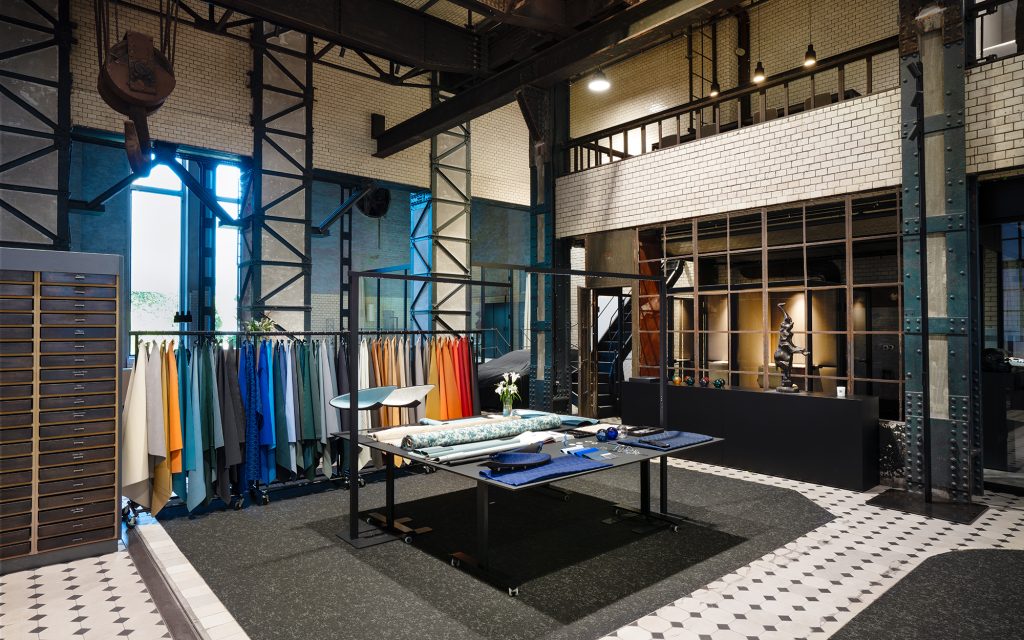
At the center of that effort is Bugatti’s CMF team, led by Sabine Consolini, operating out of the brand’s Atelier in Molsheim and Design Studio in Berlin. Here, materials are developed, tested, and ultimately curated alongside clients in private configuration sessions. The process draws direct parallels to high fashion, with each car treated as a one-off composition of textures, finishes, and colors tailored to individual taste.
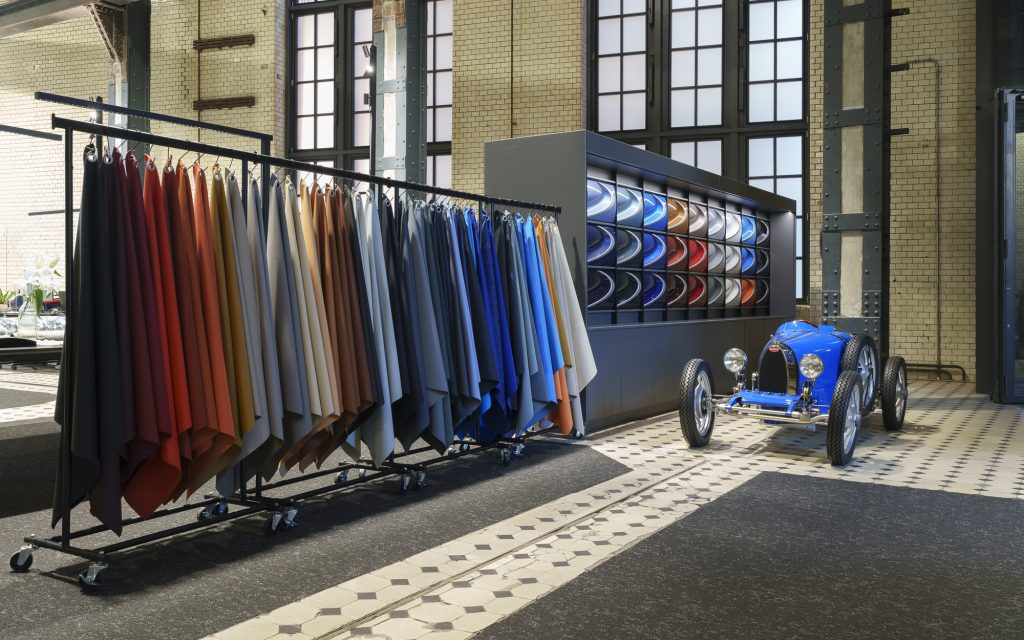
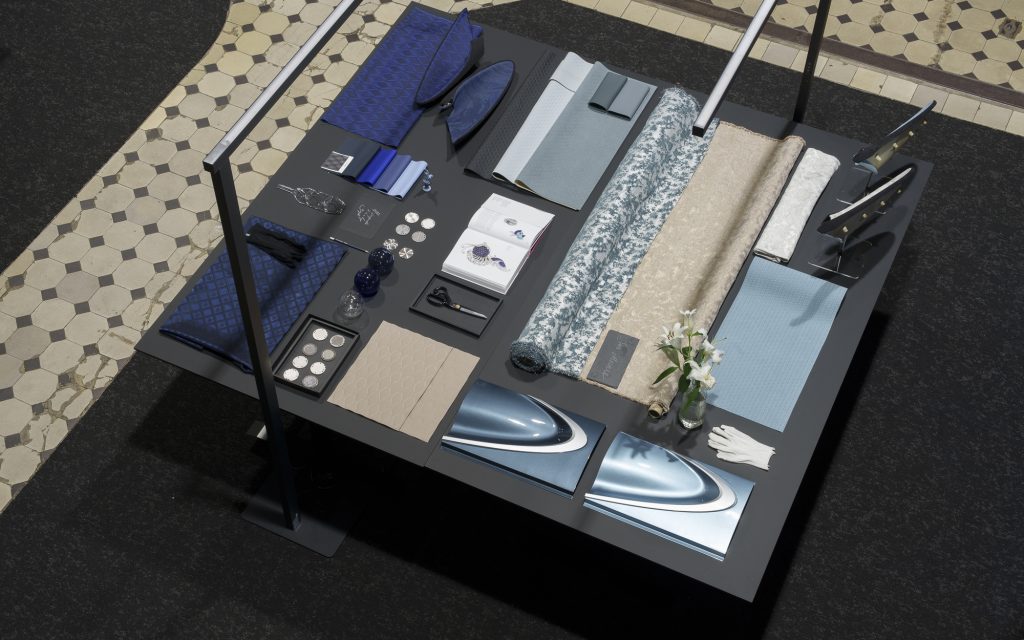
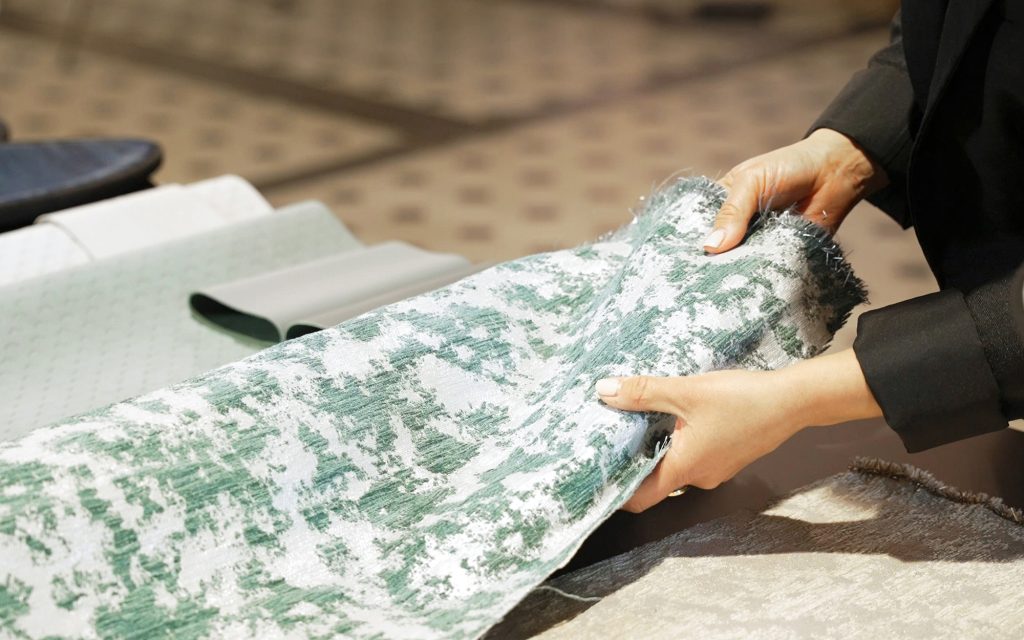
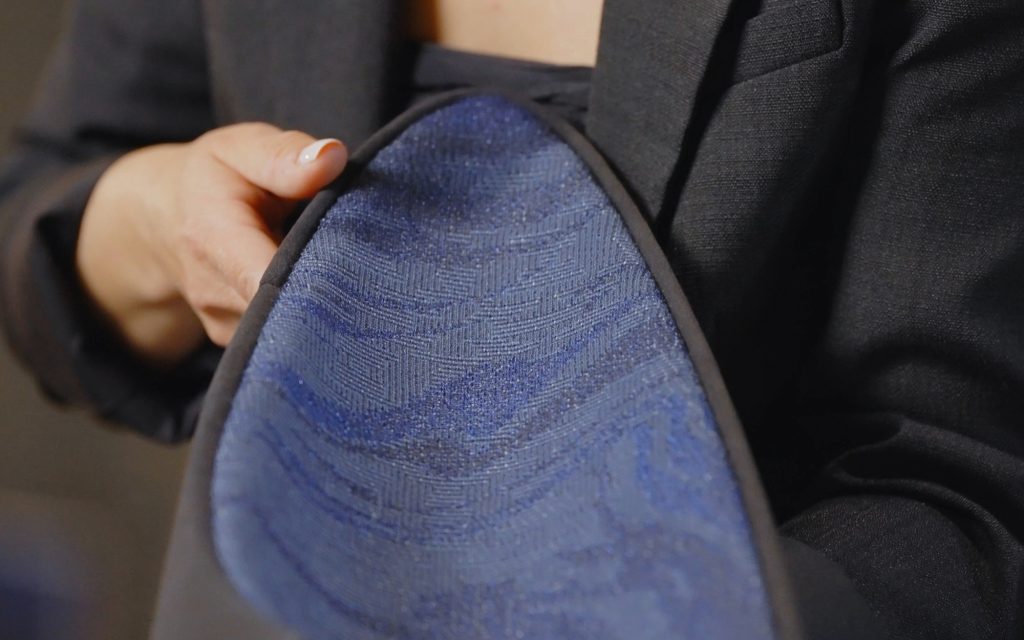
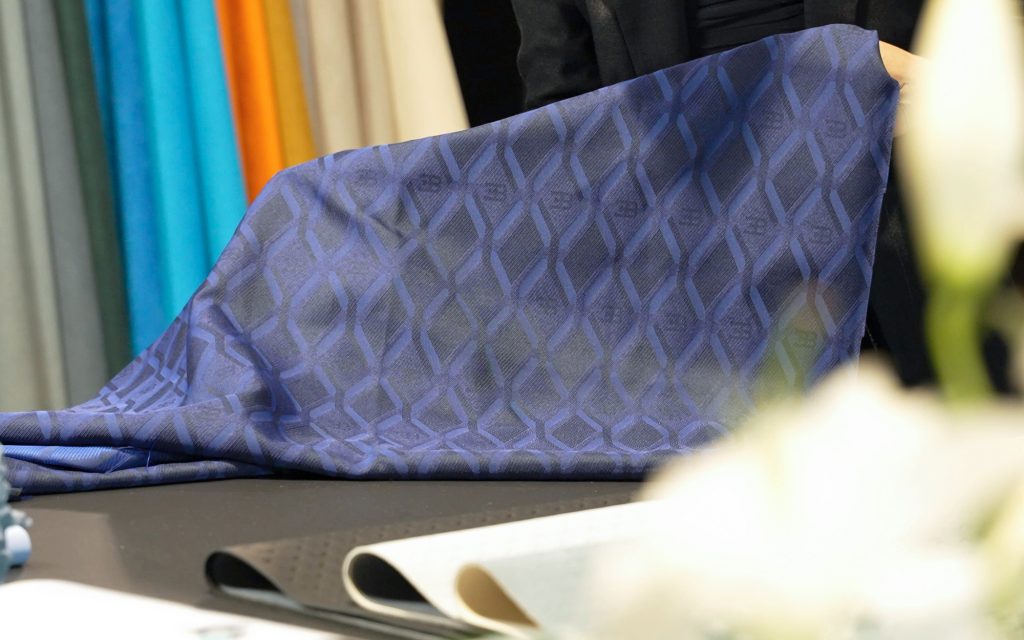
For the Tourbillon, that approach expands into new territory. Fabrics—never previously offered in a Bugatti—are now part of the interior palette, sourced and adapted from suppliers typically associated with the fashion industry. Among the more notable examples is a hand-woven textile from Kyoto incorporating metallic yarn and washi paper, alongside knitted materials engineered to create a three-dimensional, light-catching effect. Each can be customized at the request of the client, down to unique patterns developed exclusively for a single build.
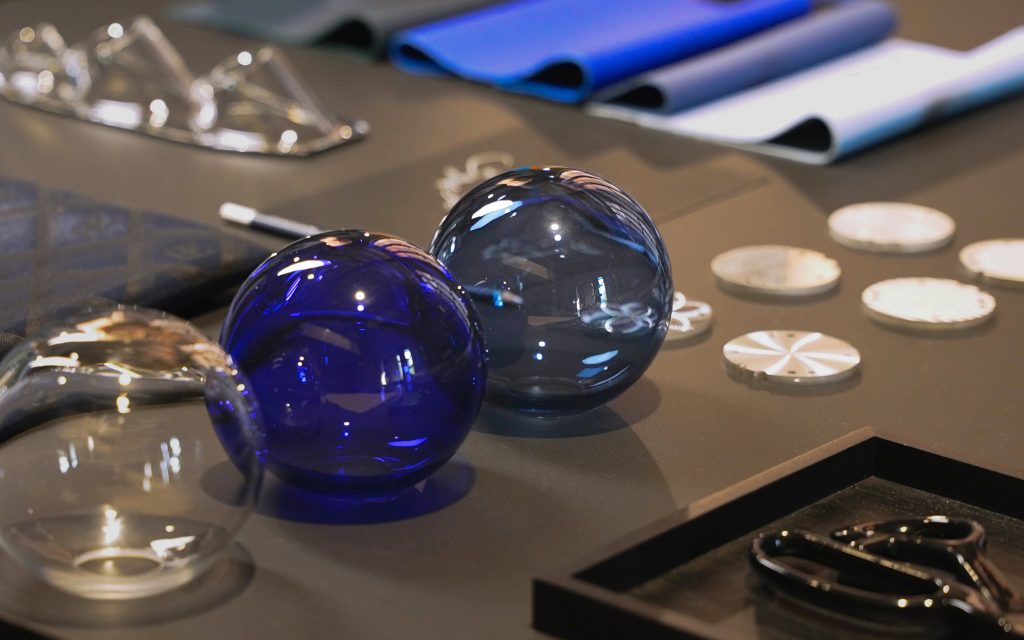
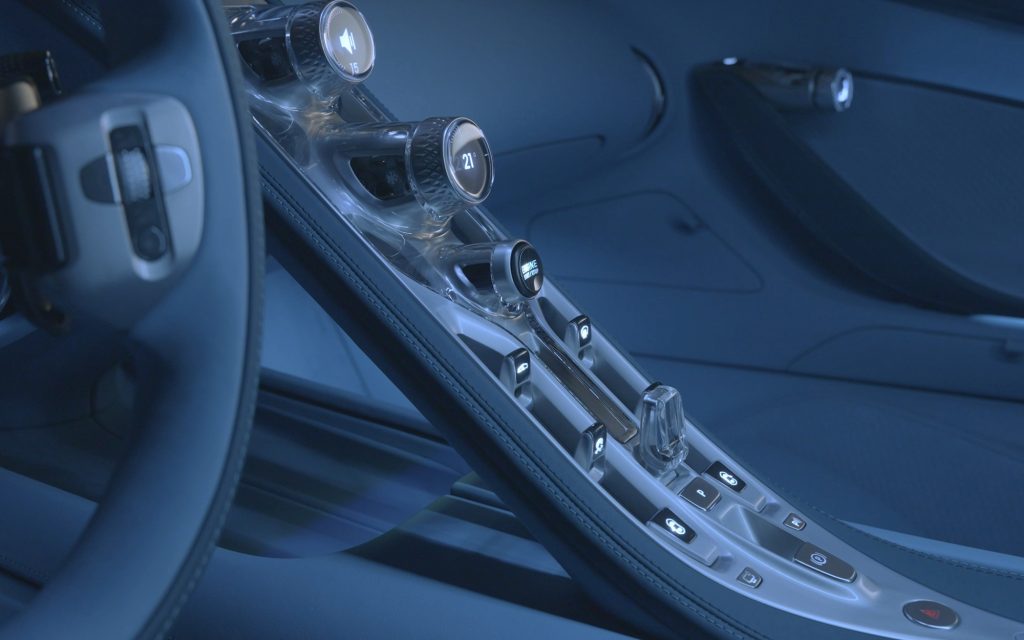
Traditional materials remain central but have been further refined. Leather has been redeveloped through a new tanning process for improved softness, while aluminum is used extensively throughout both the interior and exterior. The Tourbillon’s instrument cluster—developed in collaboration with a Swiss watchmaker—continues that theme, integrating interchangeable components inspired by haute horology. Glass also plays a larger role, with a single-piece center console element offered in multiple colors, underscoring the technical complexity behind even seemingly simple surfaces.
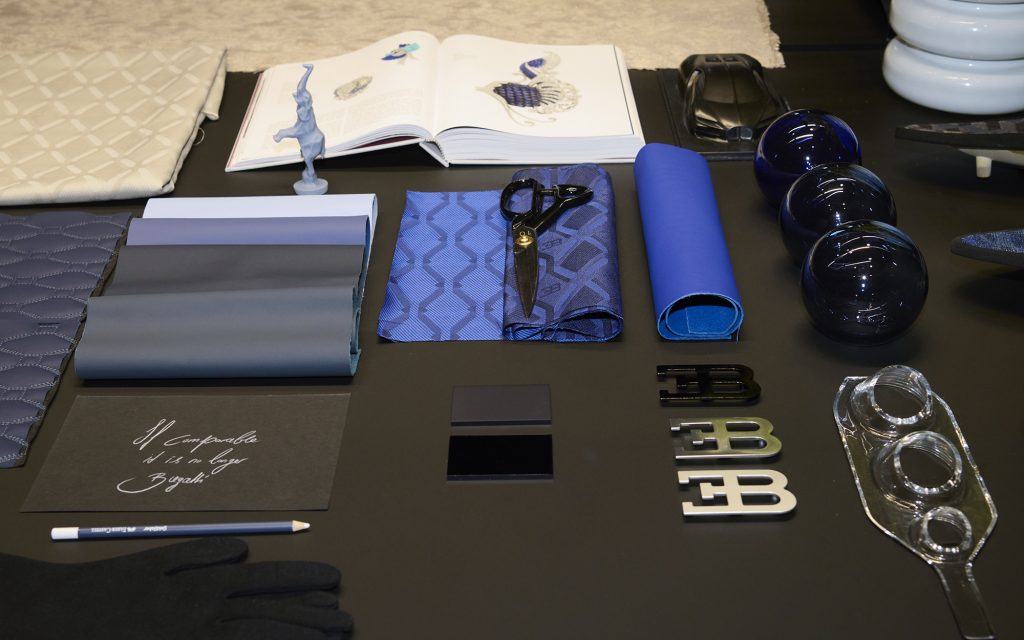
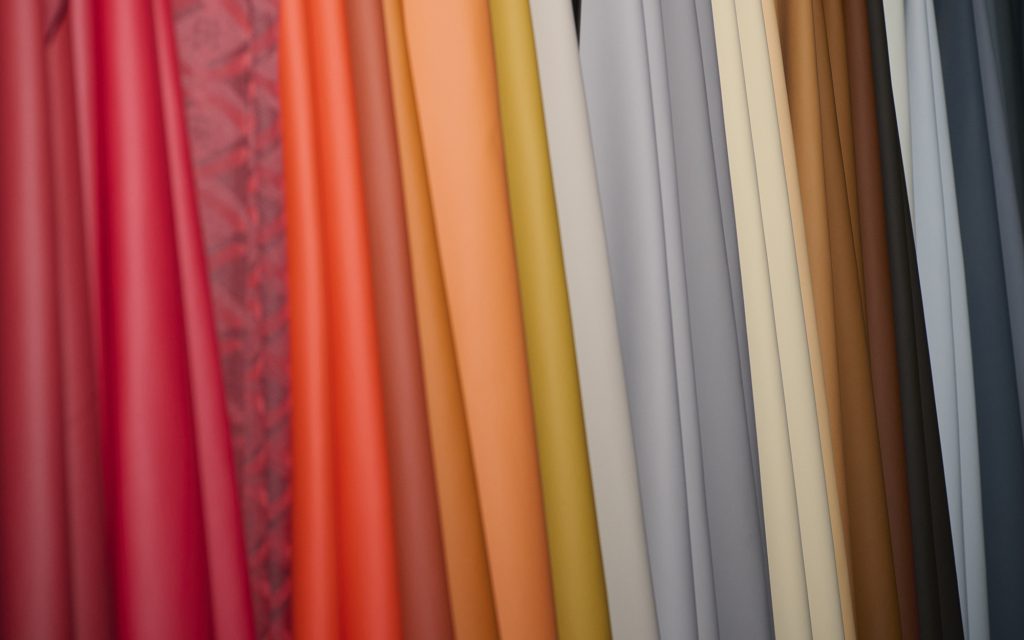
Color strategy follows a similarly restrained philosophy. Rather than bold contrasts, Bugatti has focused on layered, nuanced tones designed to complement the car’s form. For clients seeking further exclusivity, entirely new materials and finishes can be commissioned through the Sur Mesure program, reinforcing the idea that no two Tourbillon builds need be alike.
In positioning the Tourbillon this way, Bugatti is leaning further into the idea that its cars function as personal artifacts as much as performance machines. The result is a product where specification becomes part of the ownership narrative, and where the design process itself is elevated to the same level of importance as the finished car.