

Event: The I.C.E. St. Moritz 2025

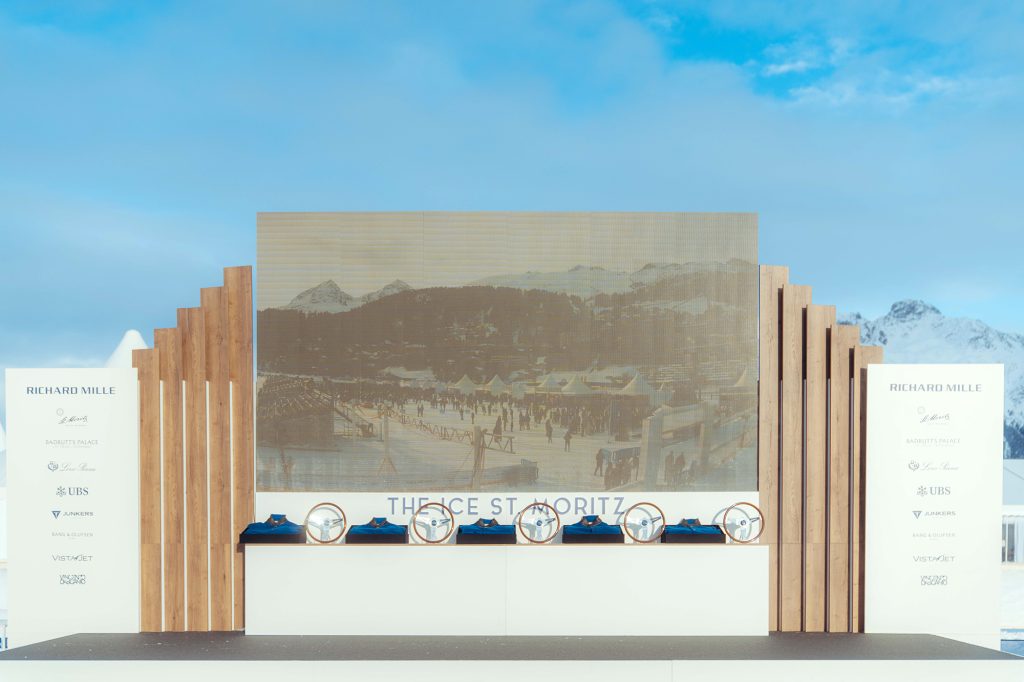
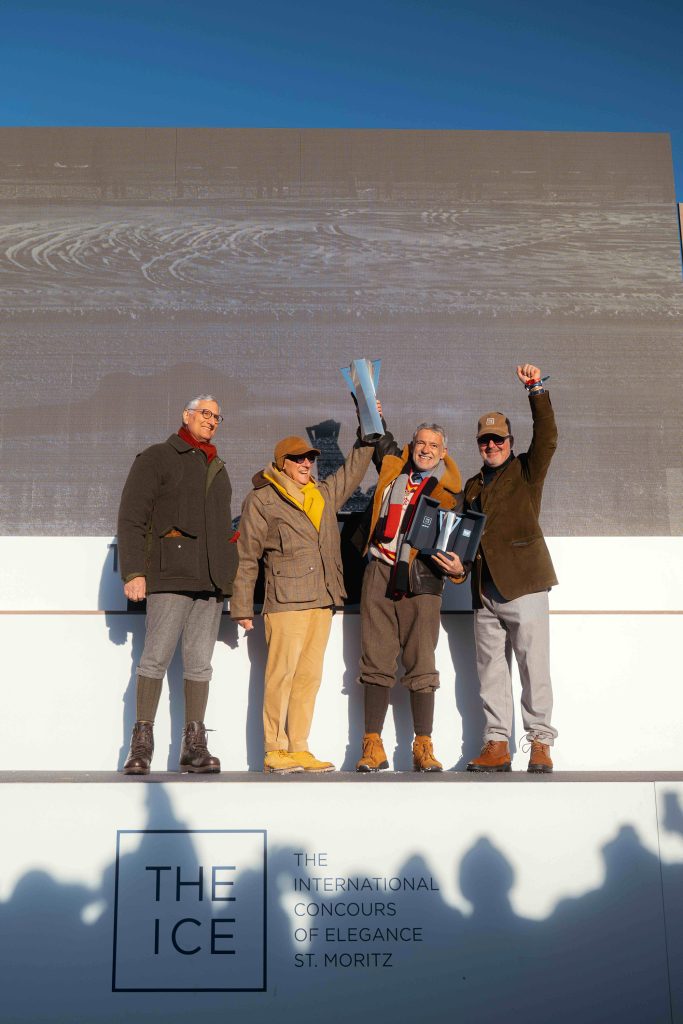
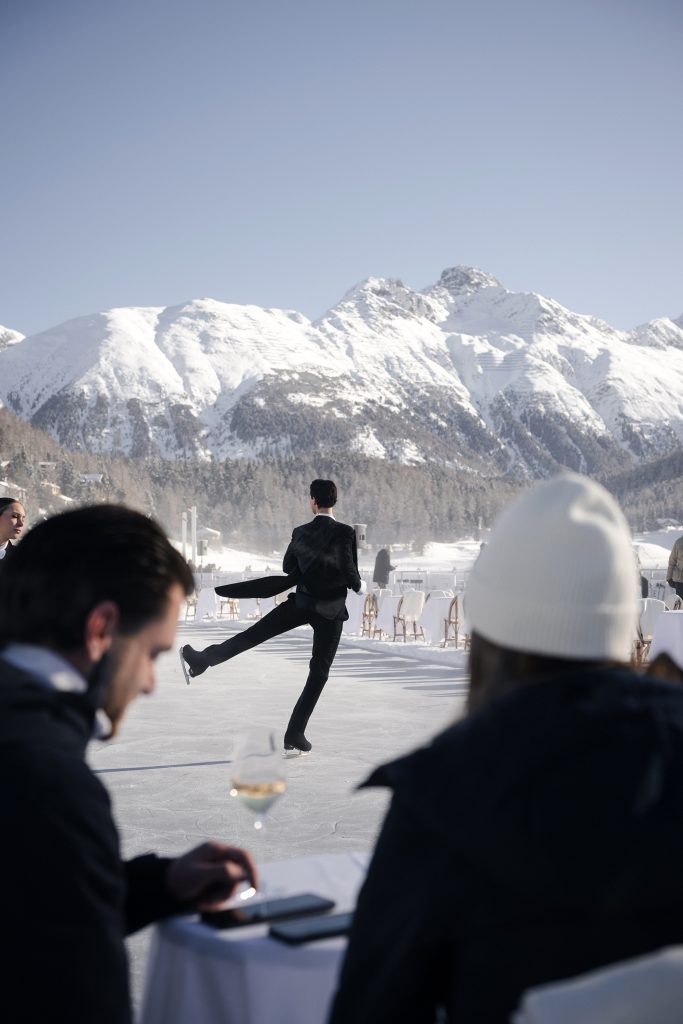
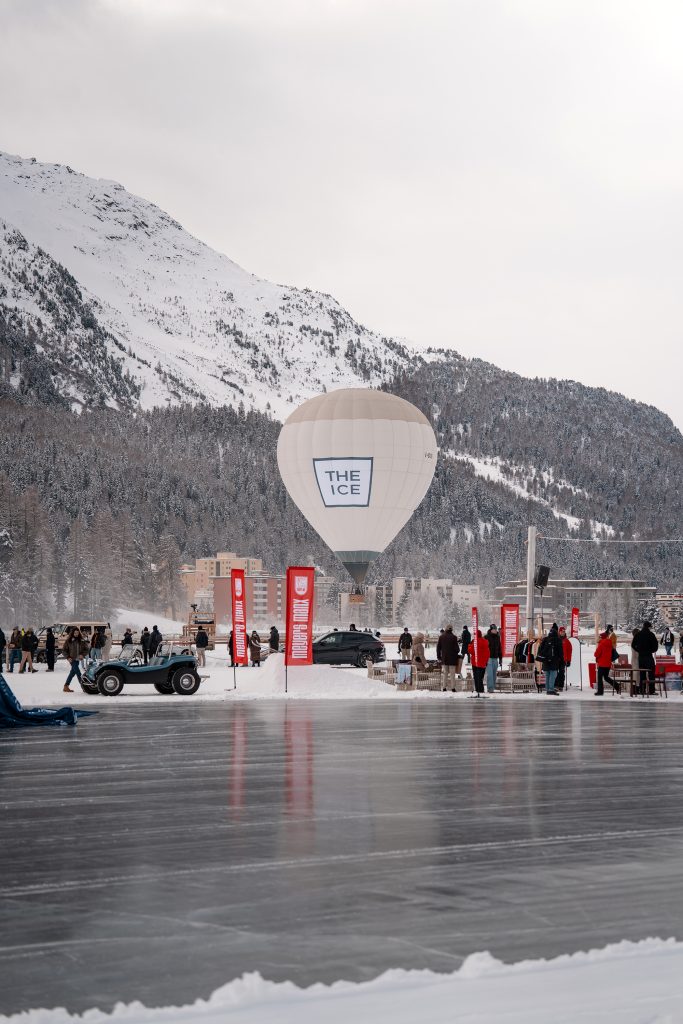
Every winter, a narrow window opens in St. Moritz when the lake freezes thick enough to support more than skaters and snow tracks. For two days, that surface becomes the venue for The I.C.E. St. Moritz, an event that has quickly established itself as one of the most selective gatherings in the global collector car calendar.
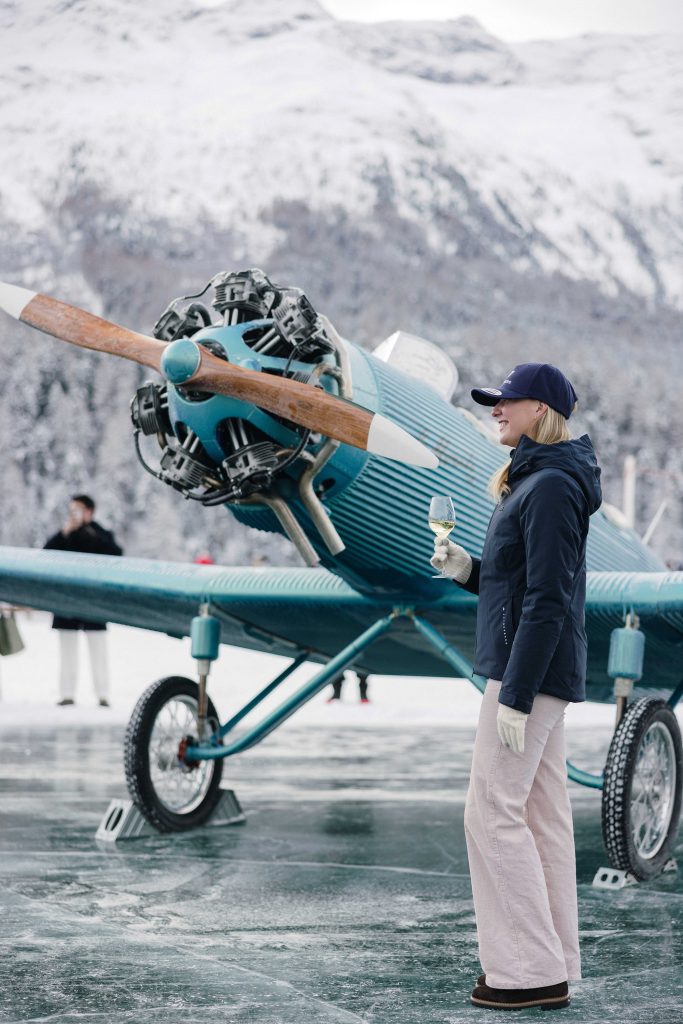
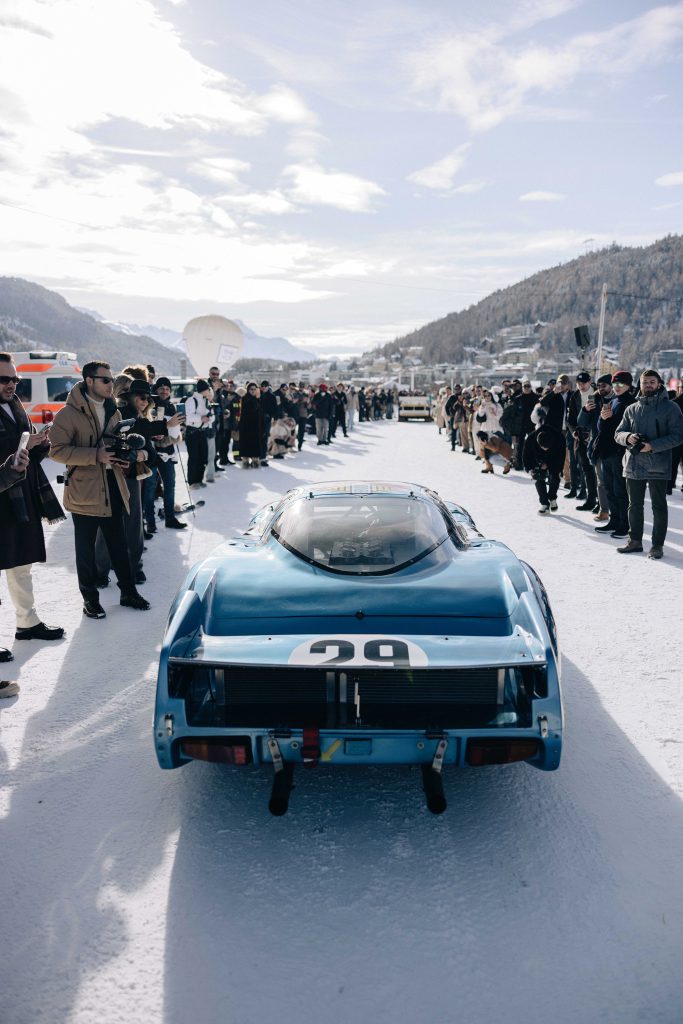
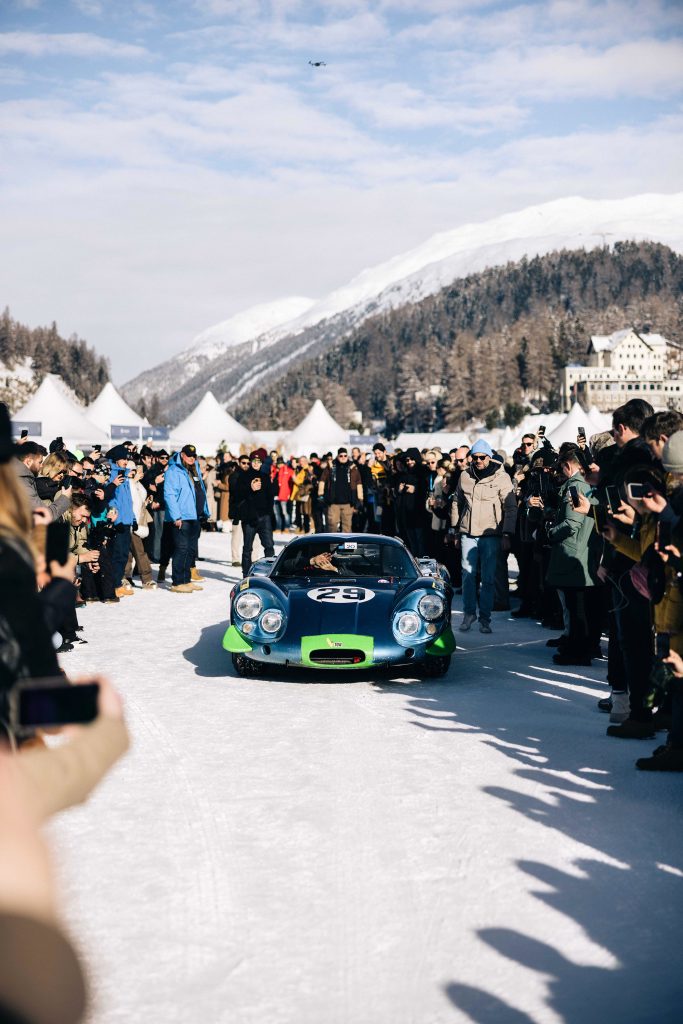
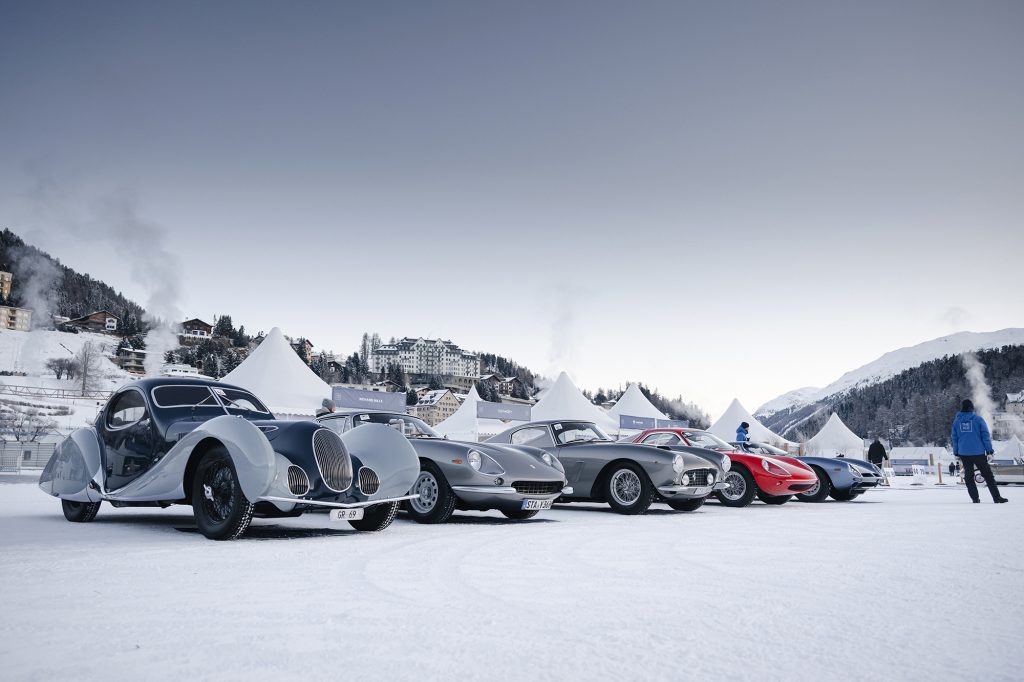
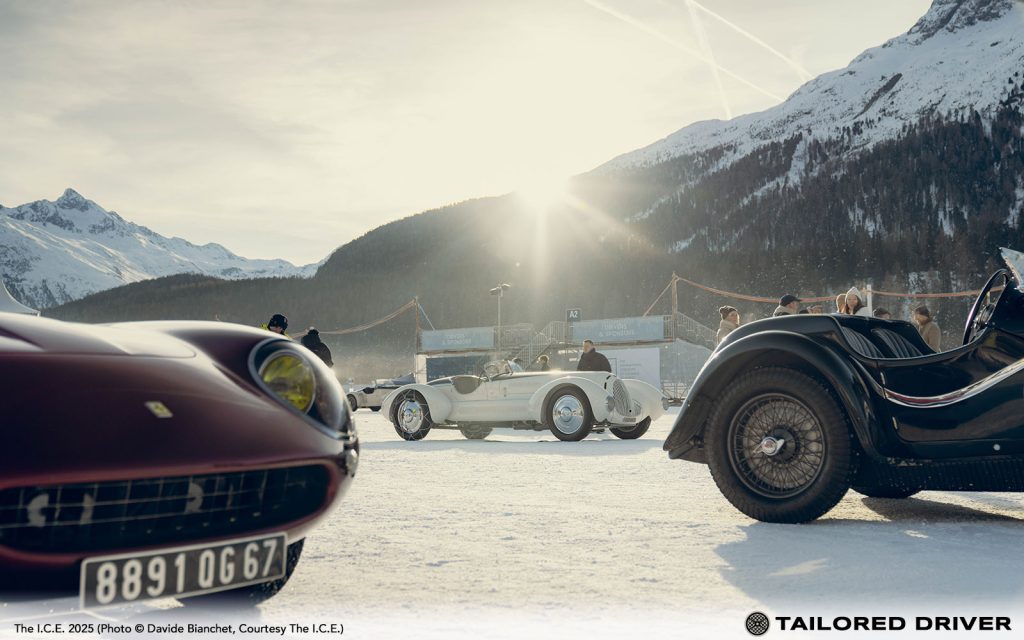
Unlike traditional concours held on manicured lawns, The I.C.E. trades grass for ice and summer garden parties for alpine winter light. The setting alone filters the field. Transporting historically significant, high-value machinery to a frozen lake at altitude is not a casual decision. Owners who commit tend to bring cars that are not only rare, but meaningful within their respective histories, design milestones, competition pedigrees or cultural impact.
The result is less about volume and more about concentration. Fifty cars may not sound like a large entry list, but at The I.C.E., density of significance matters more than numbers.
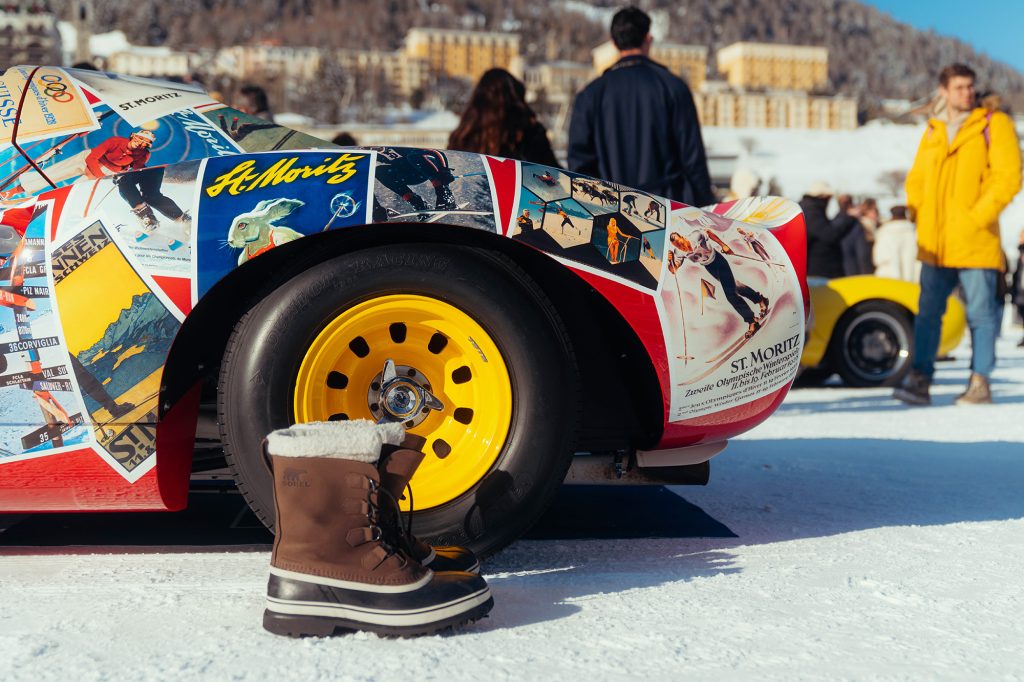
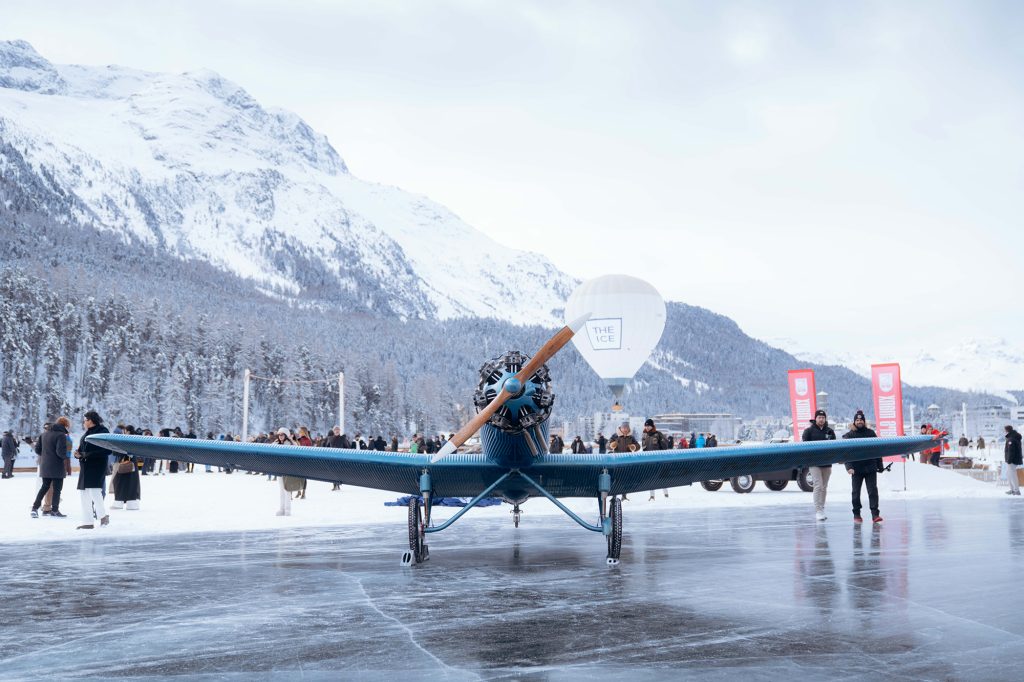
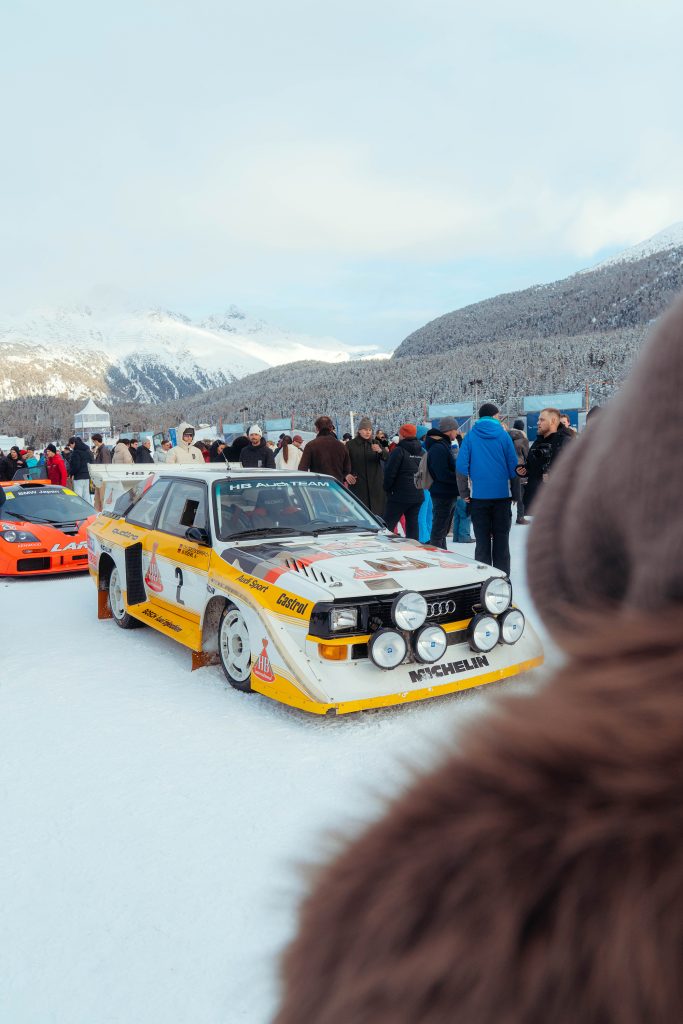
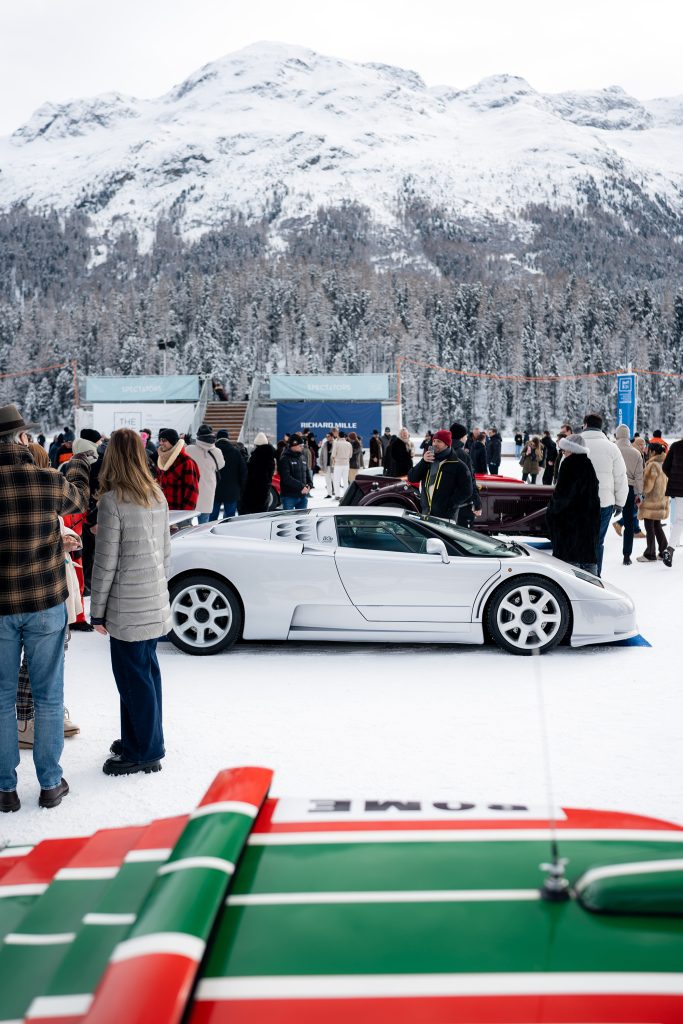
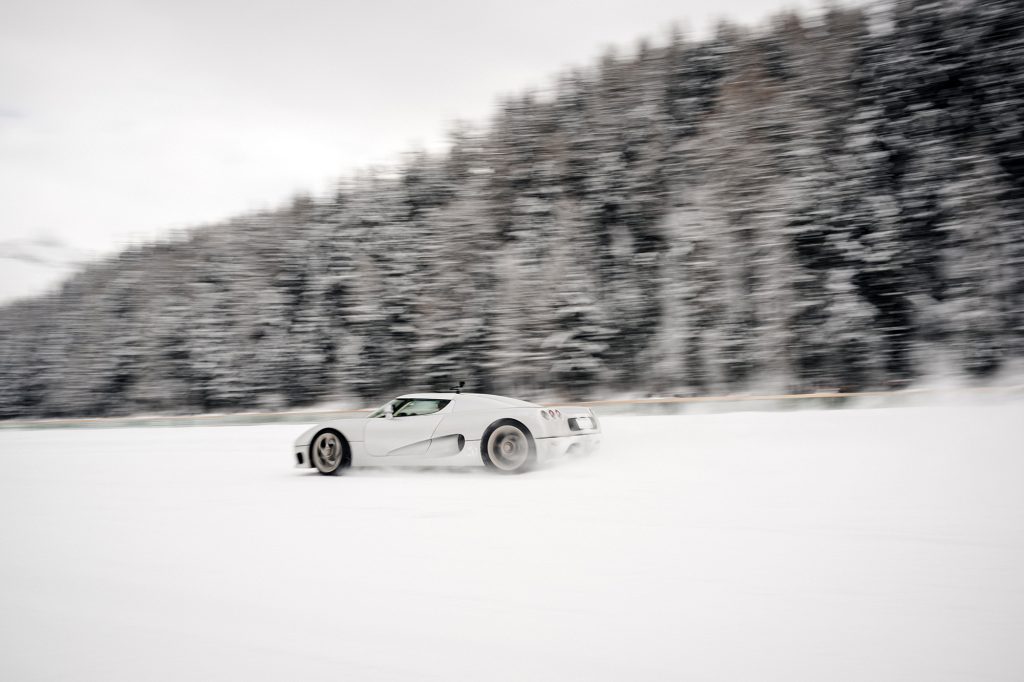
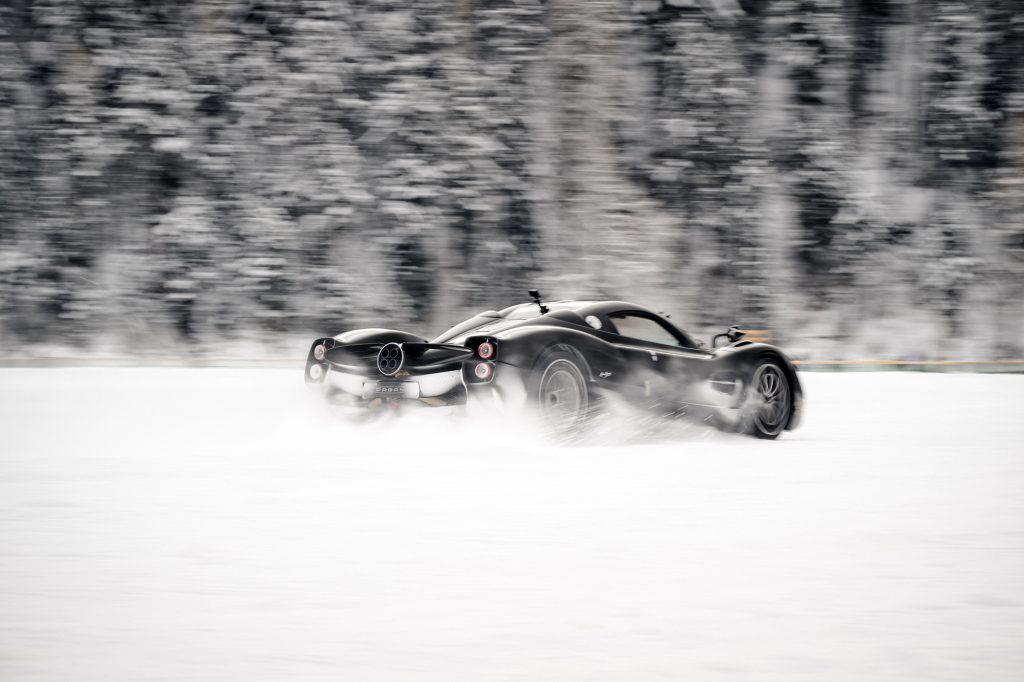
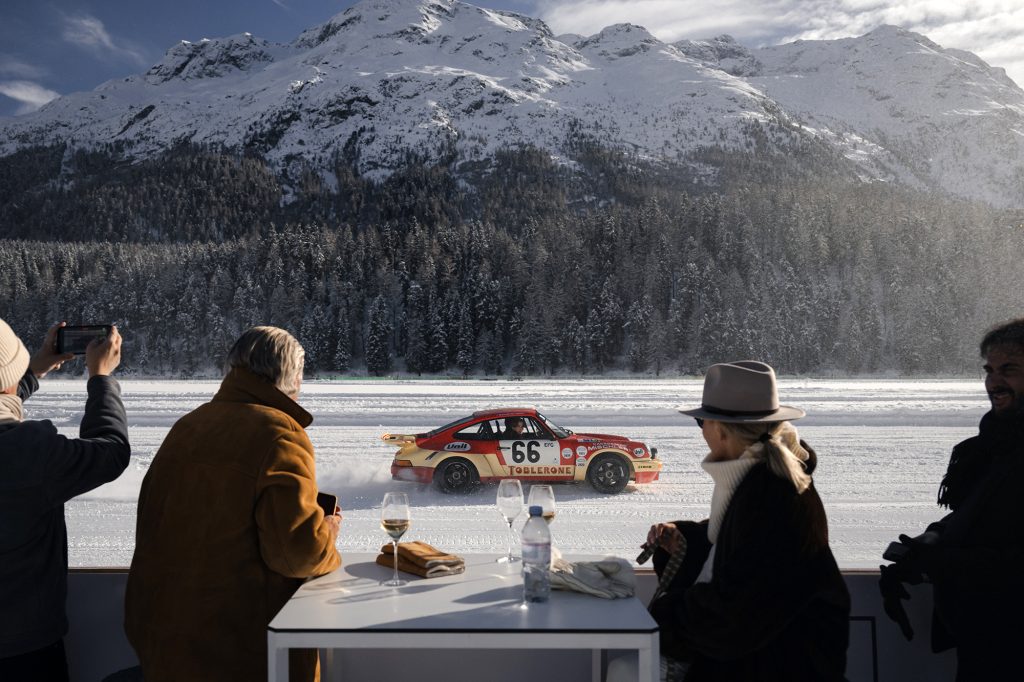
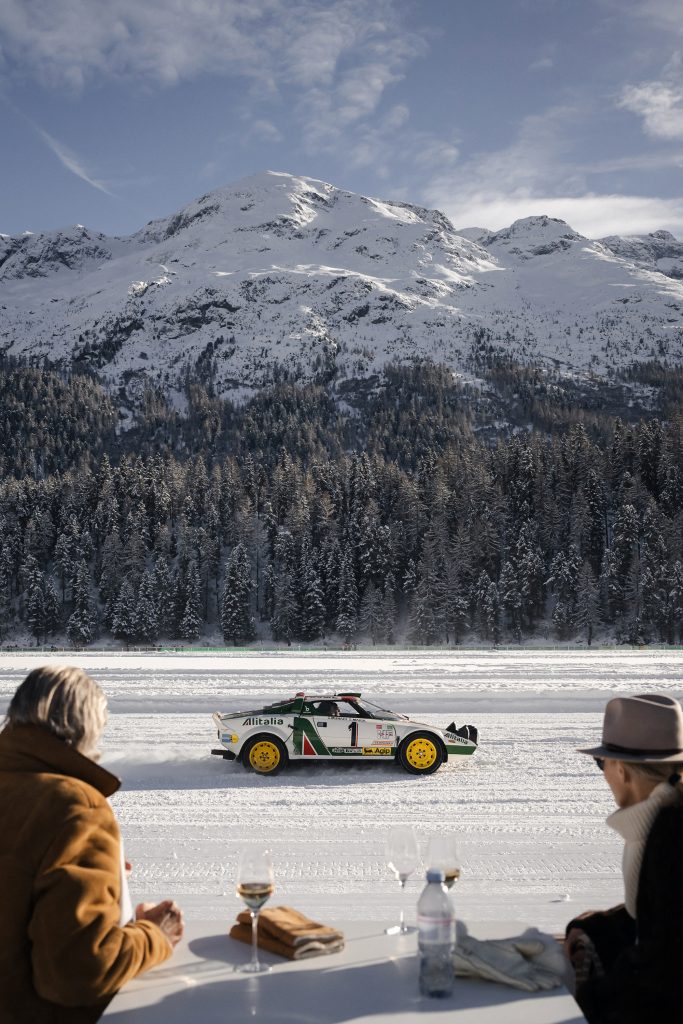
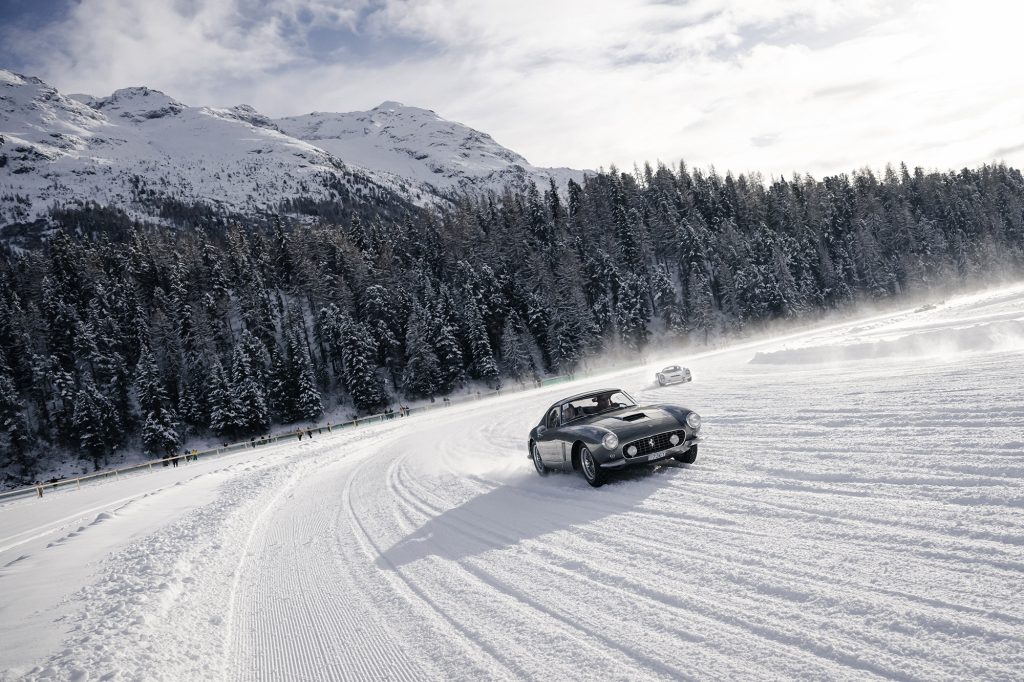
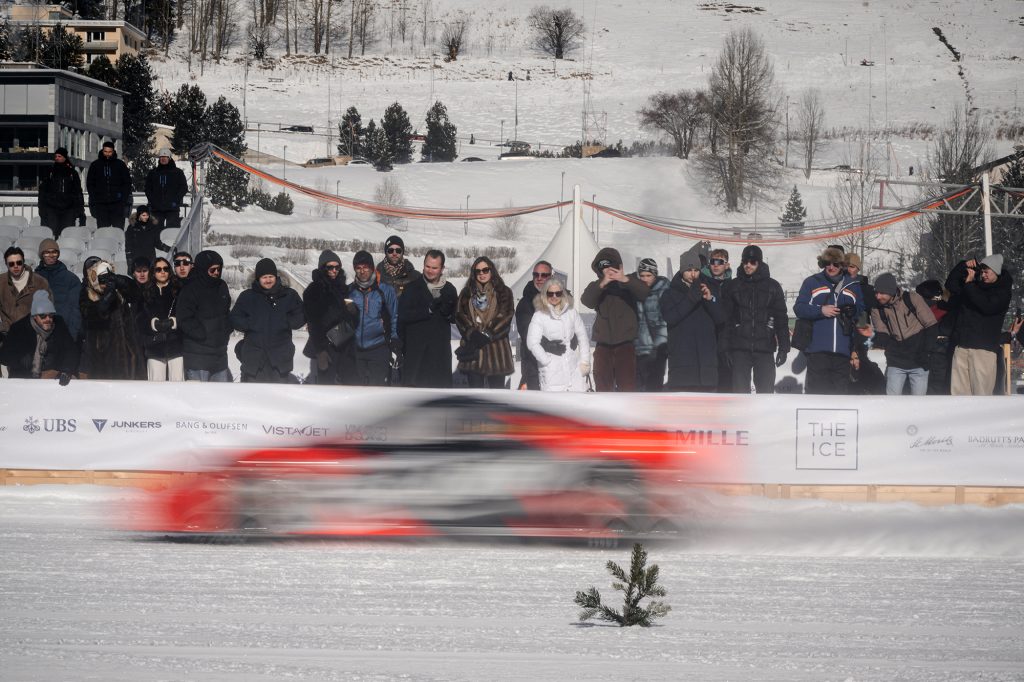
The event’s structure reinforces that sense of selectivity. Judging takes place with the cars presented in a static display on the ice, where design, preservation and historical context are evaluated at close range. Then, conditions permitting, many of those same cars are exercised in controlled driving sessions across the frozen surface.
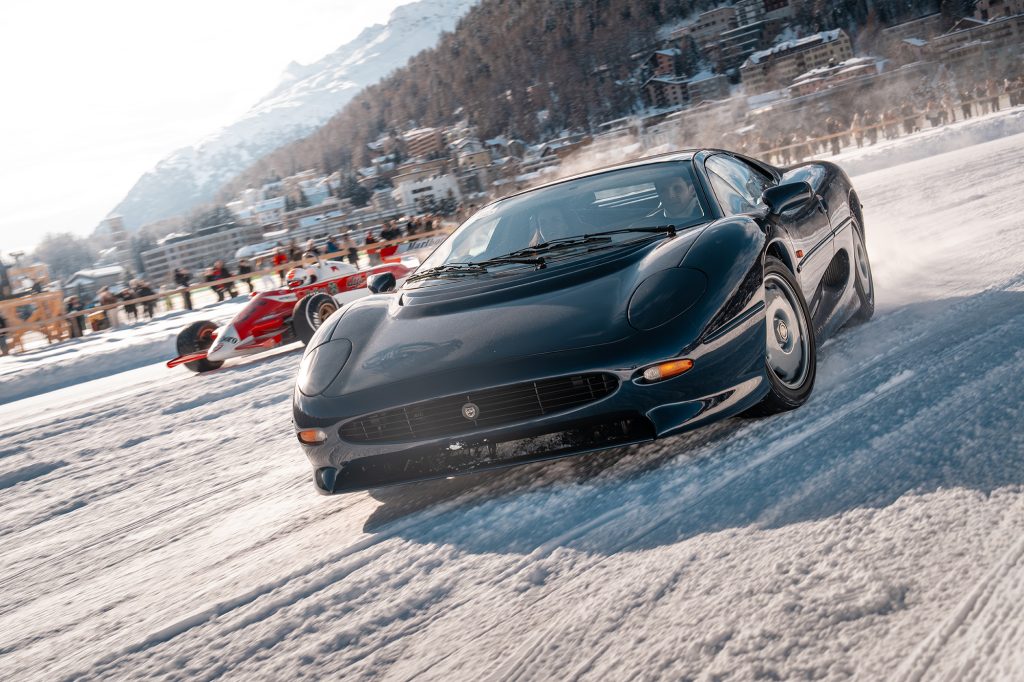
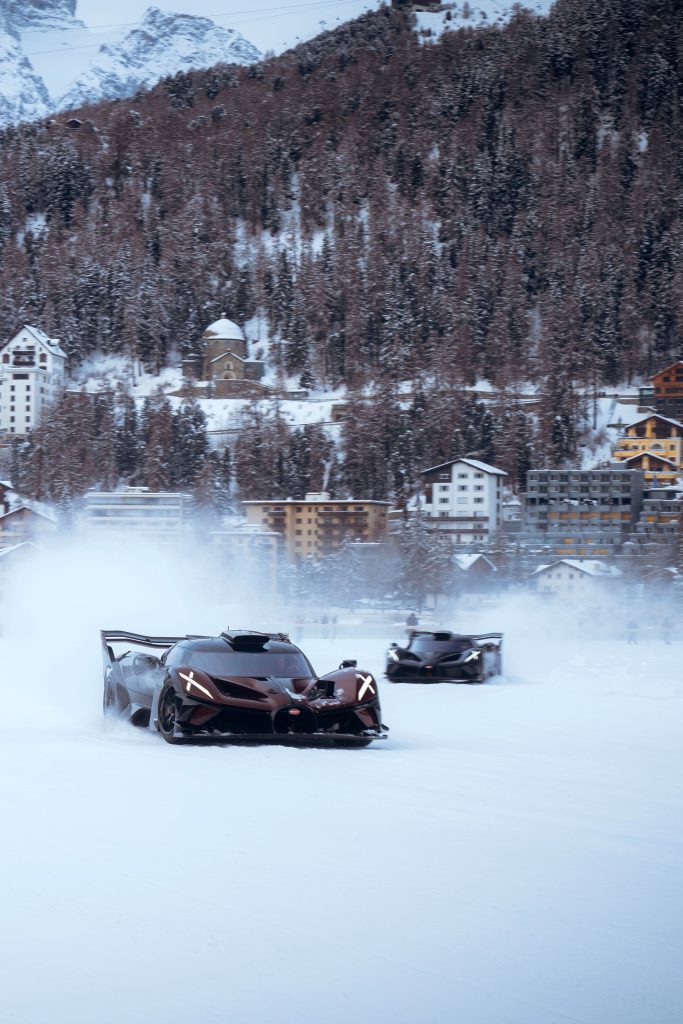
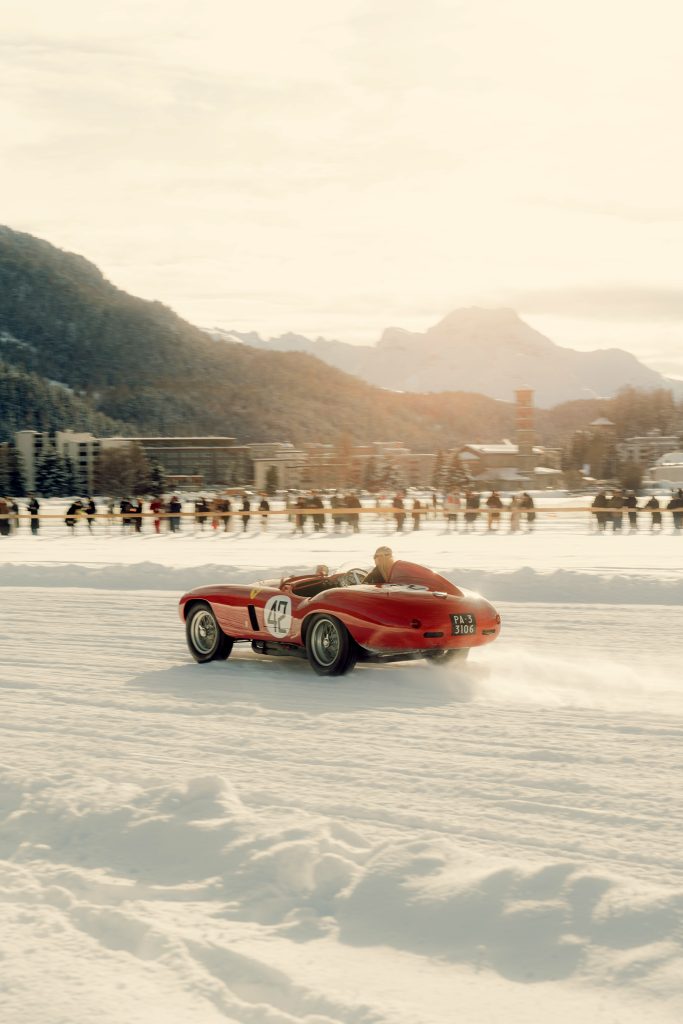
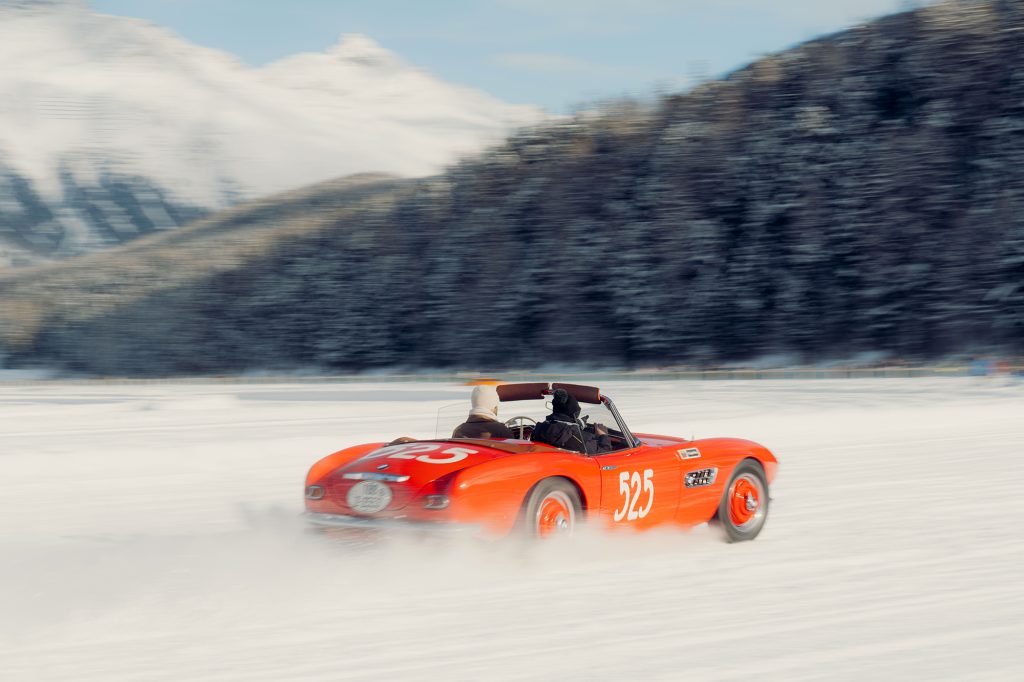
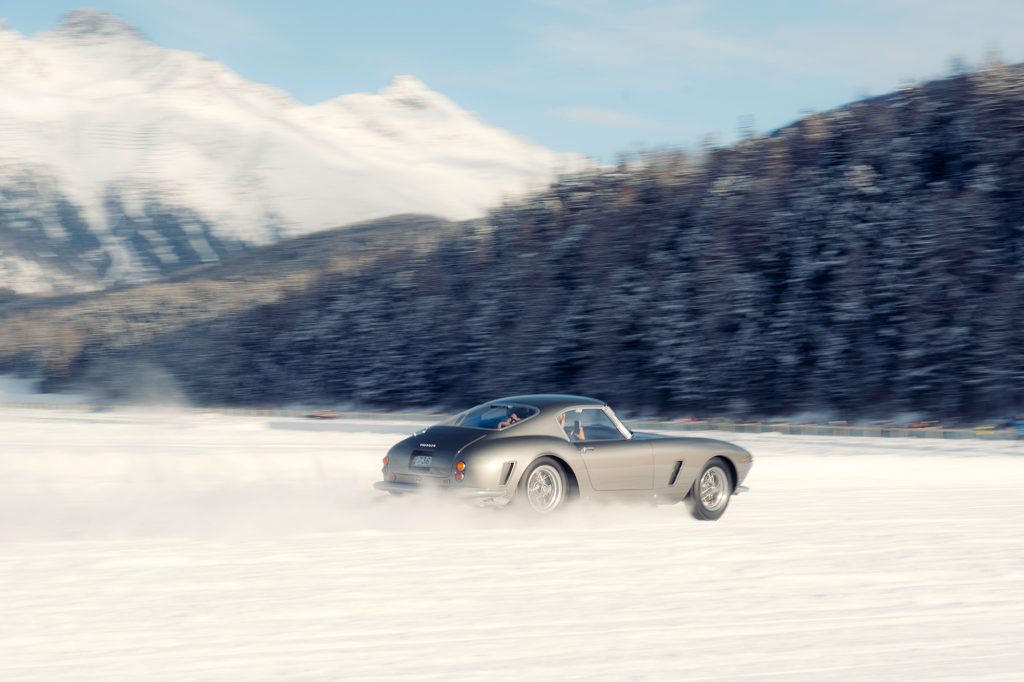
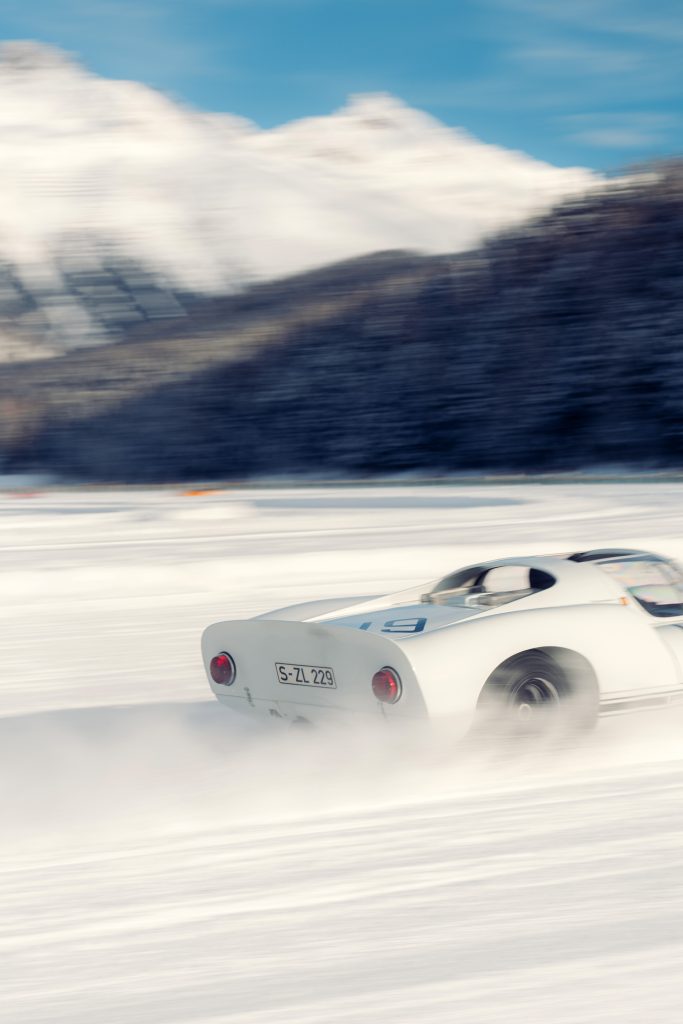
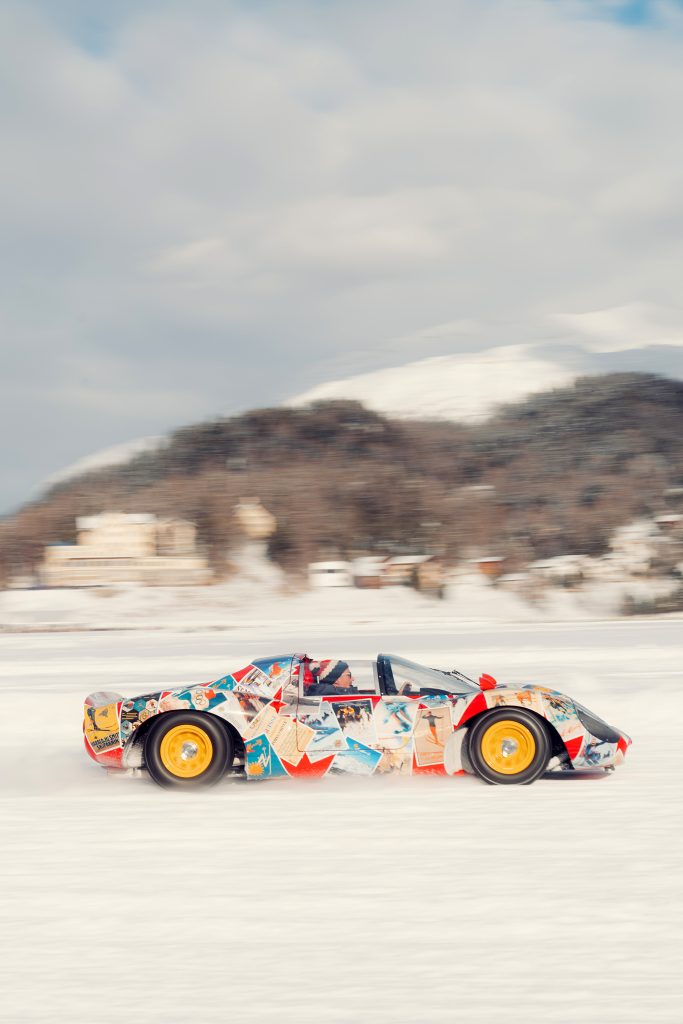
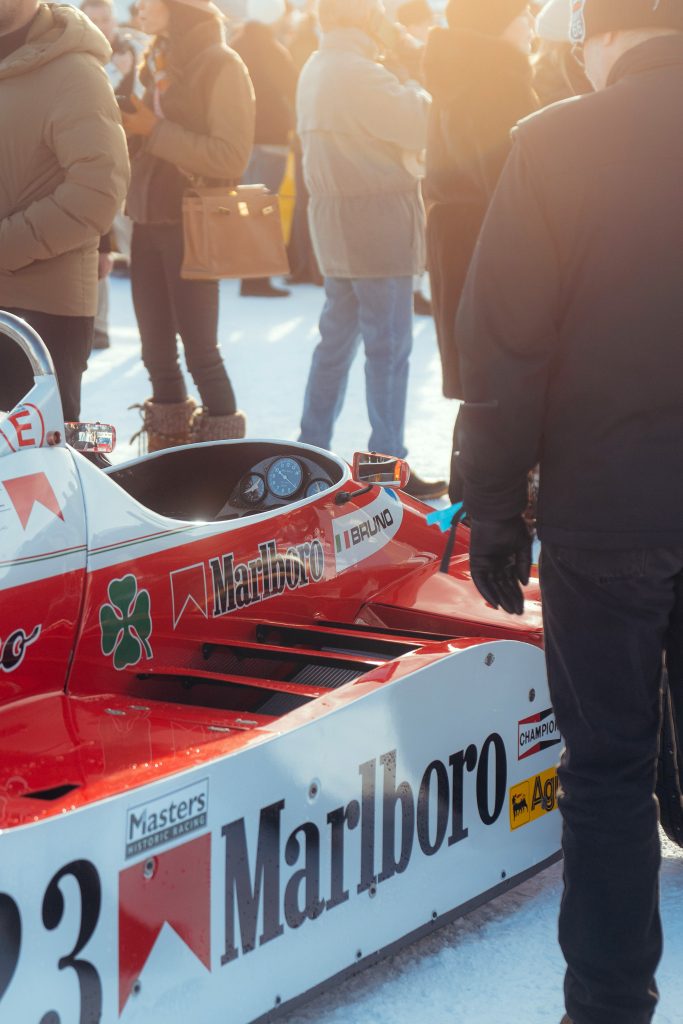
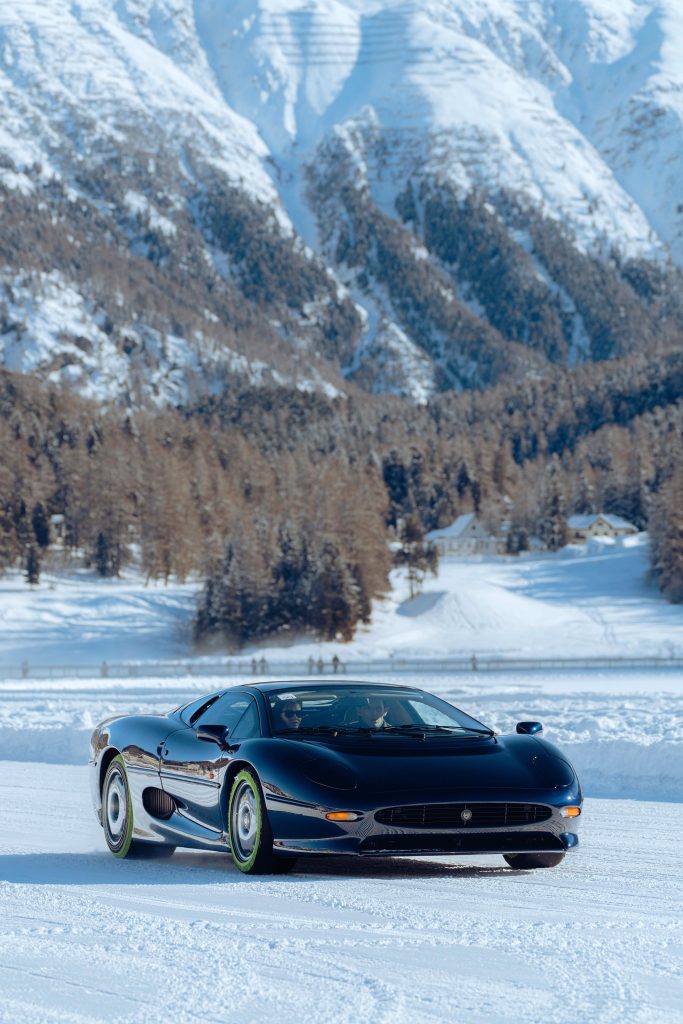
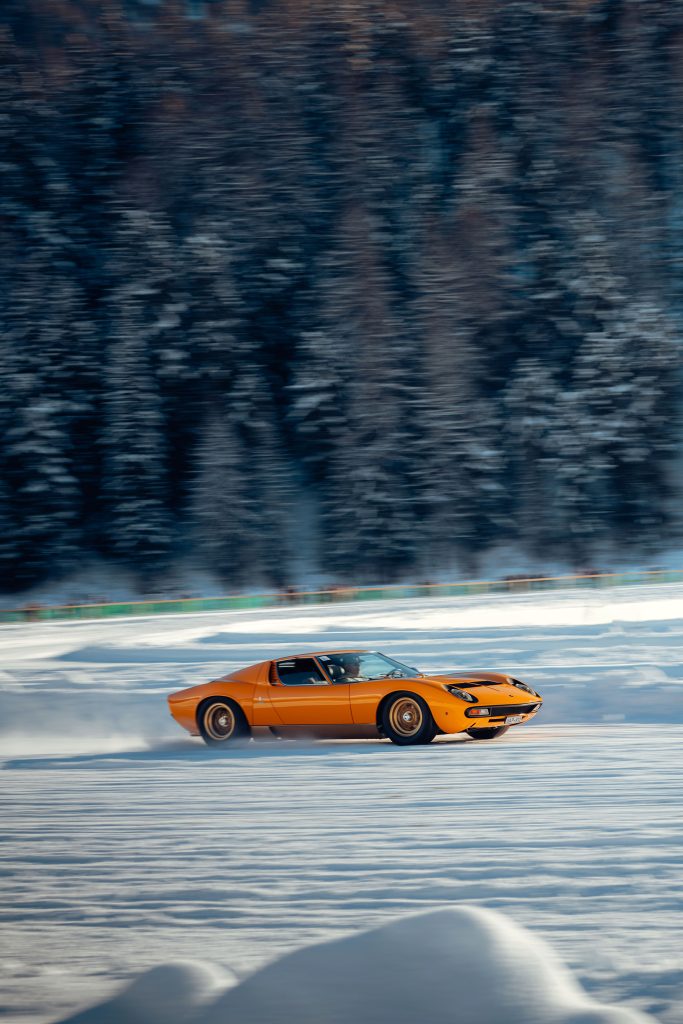
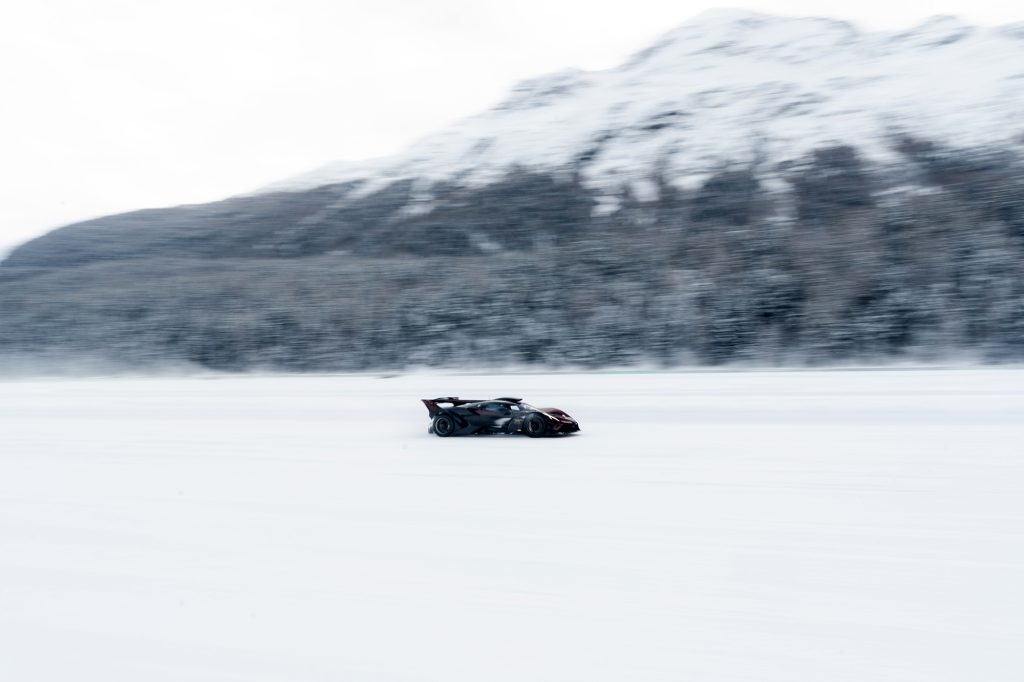
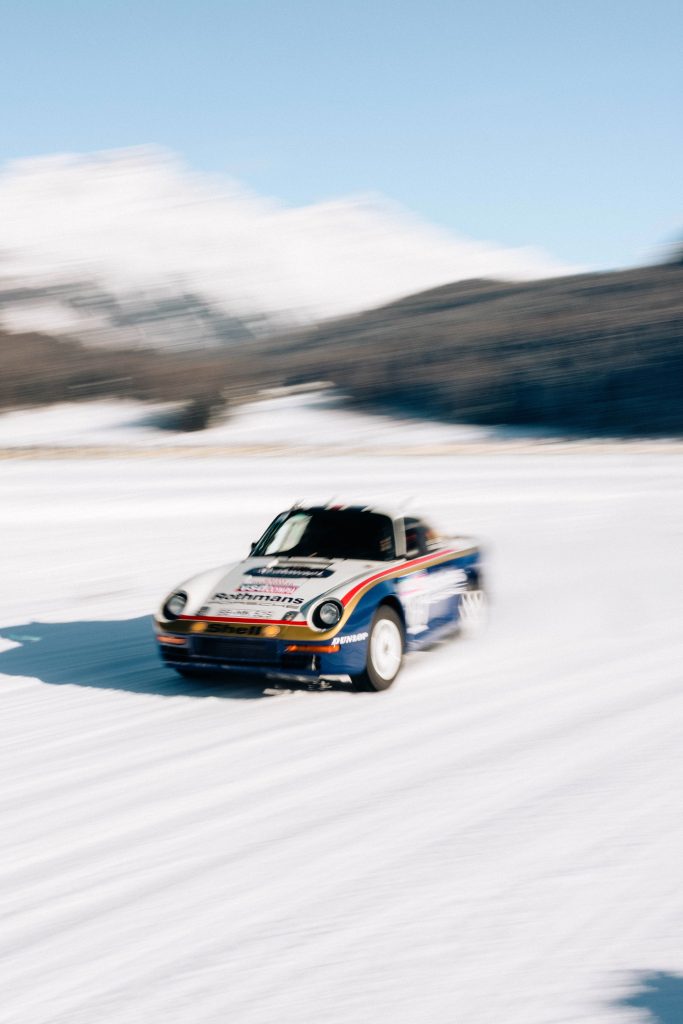
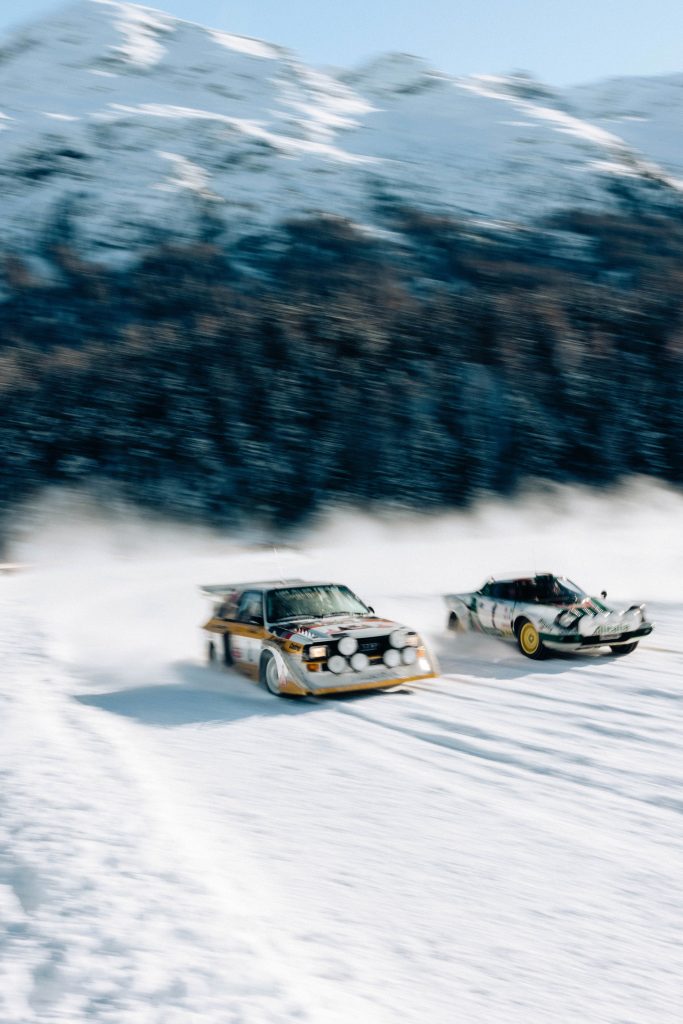
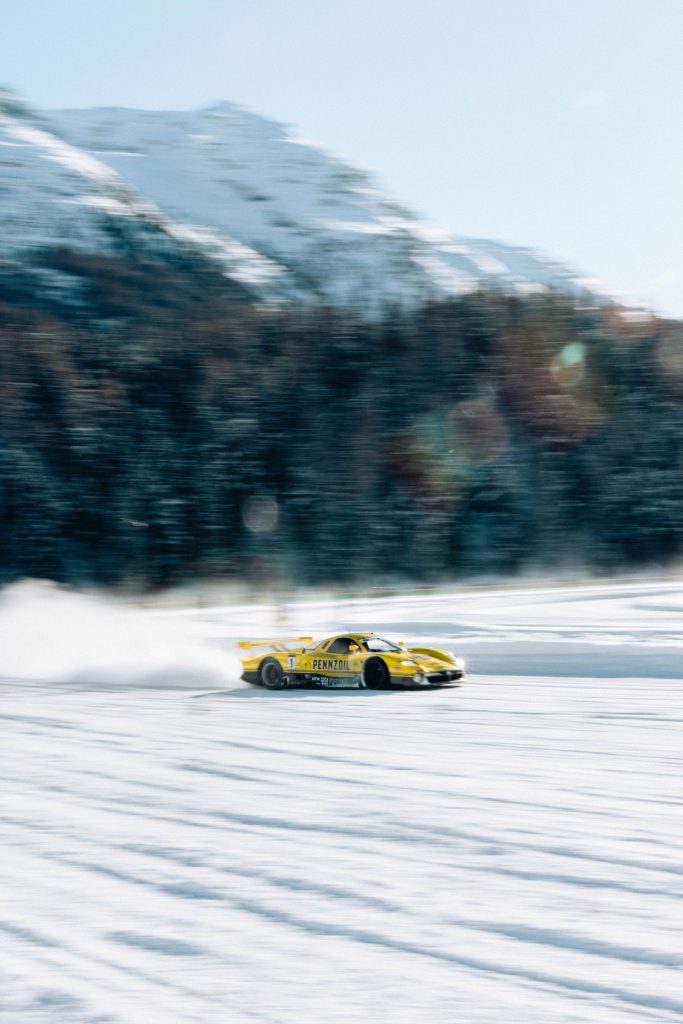
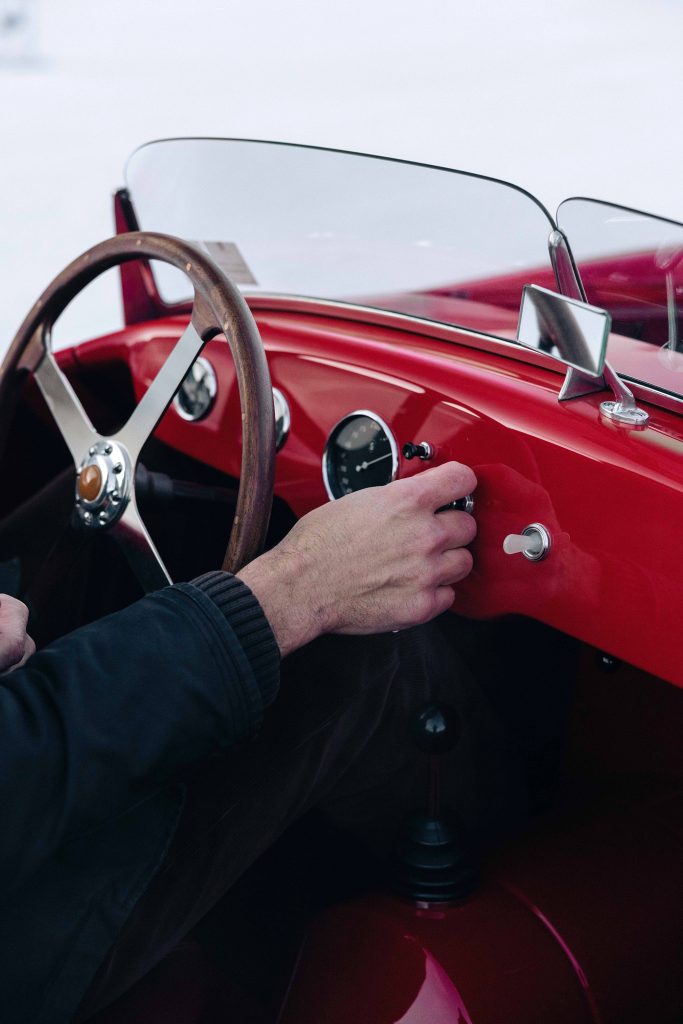
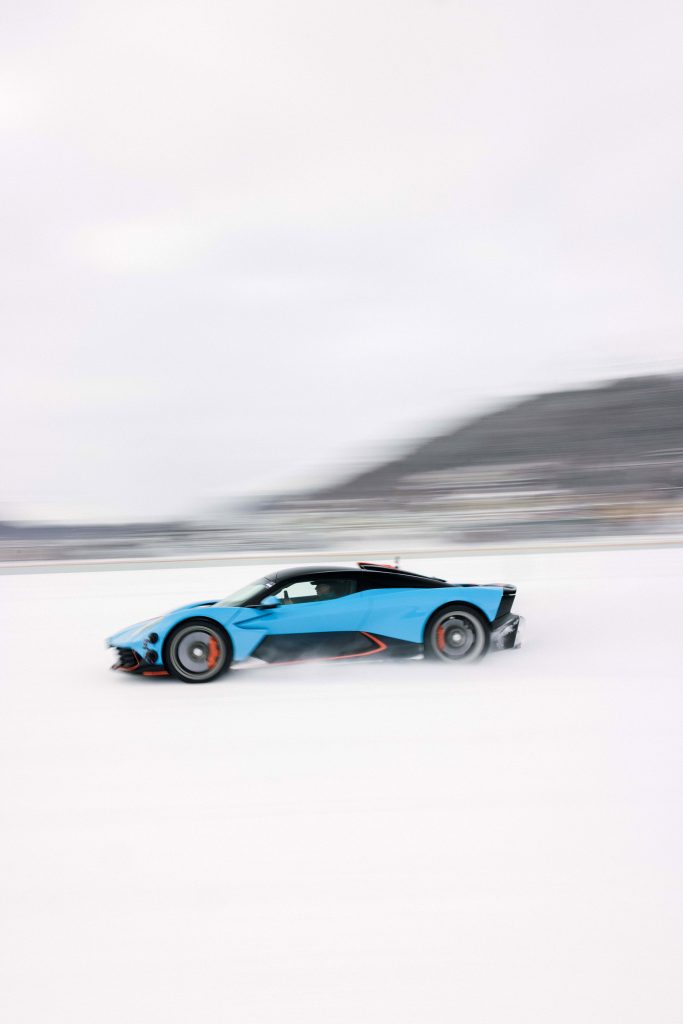
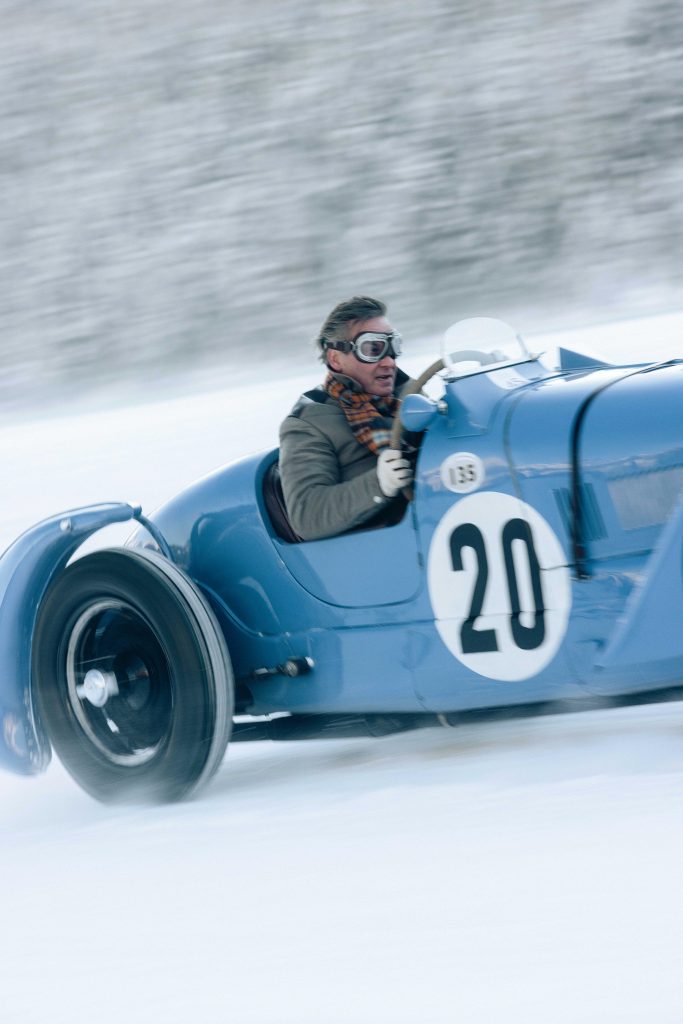
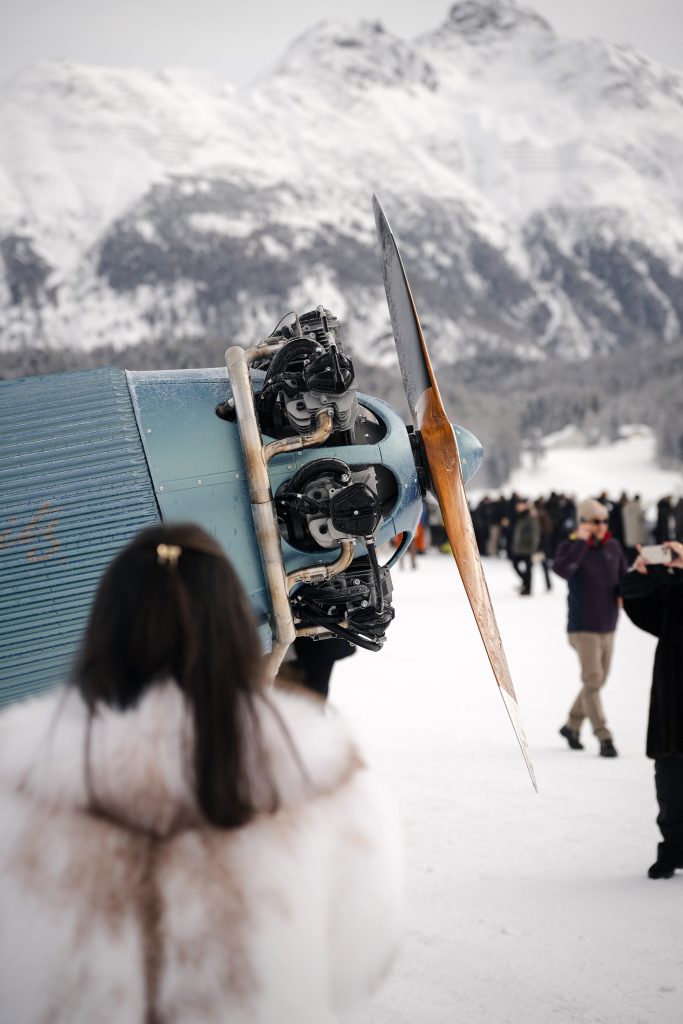
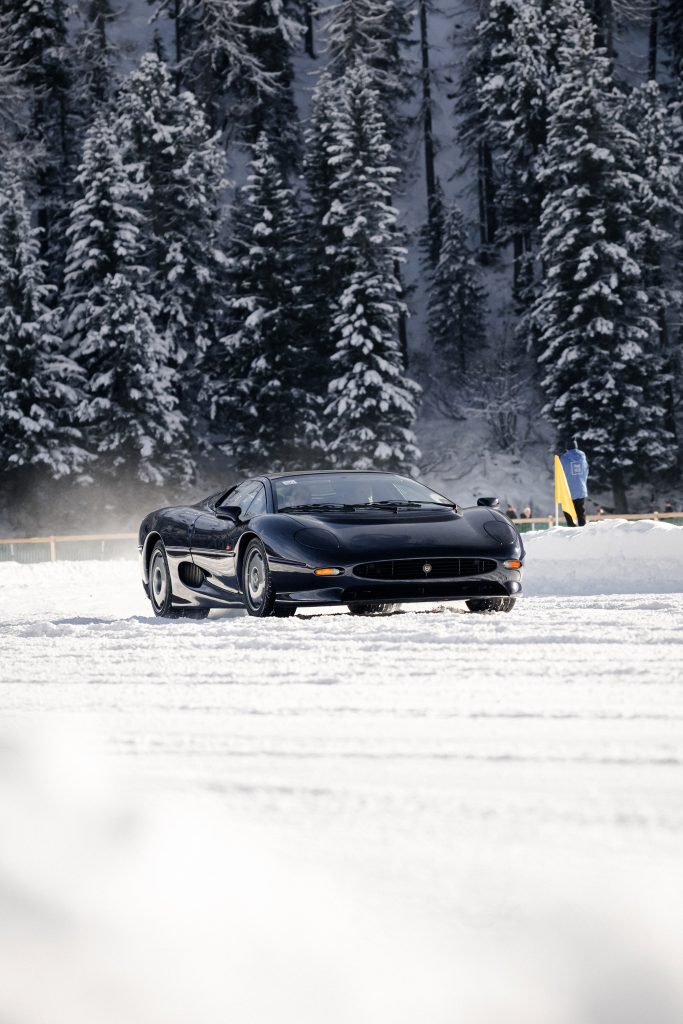
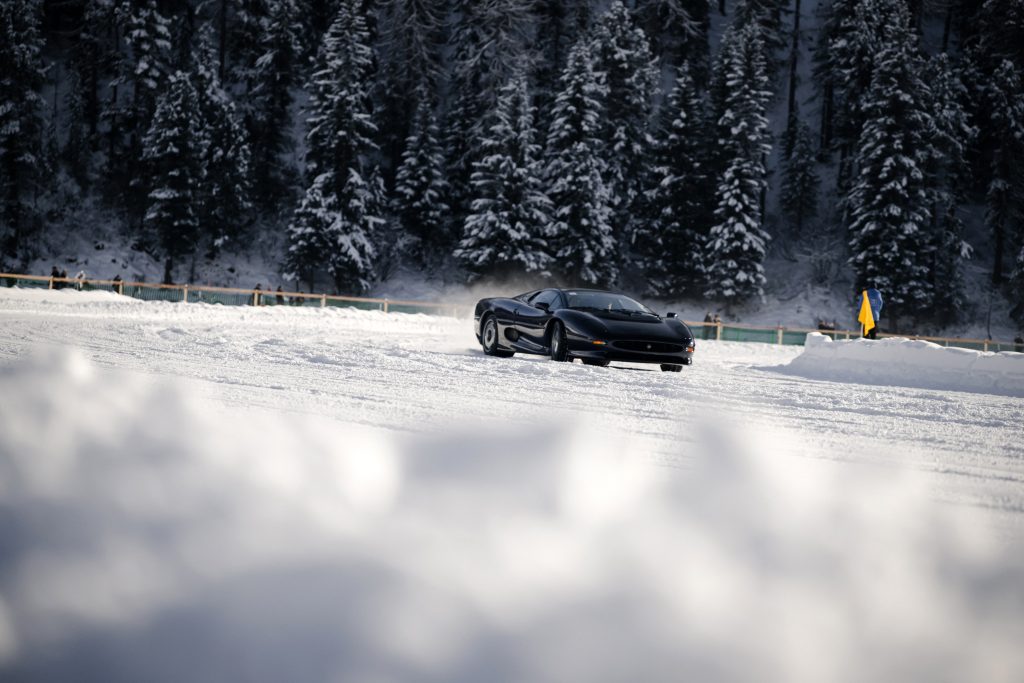
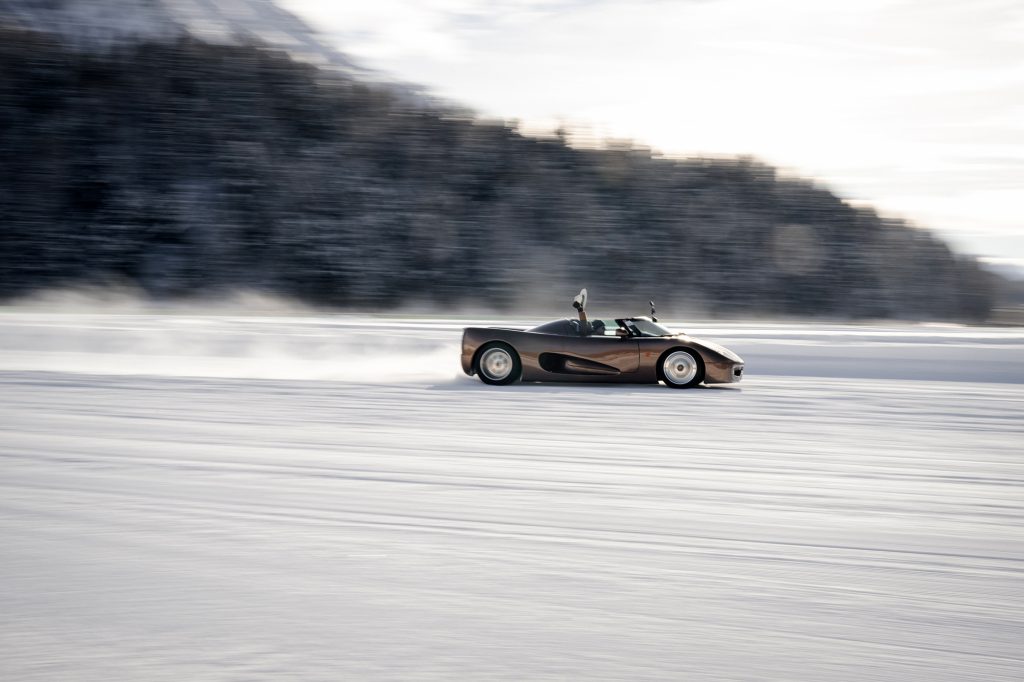
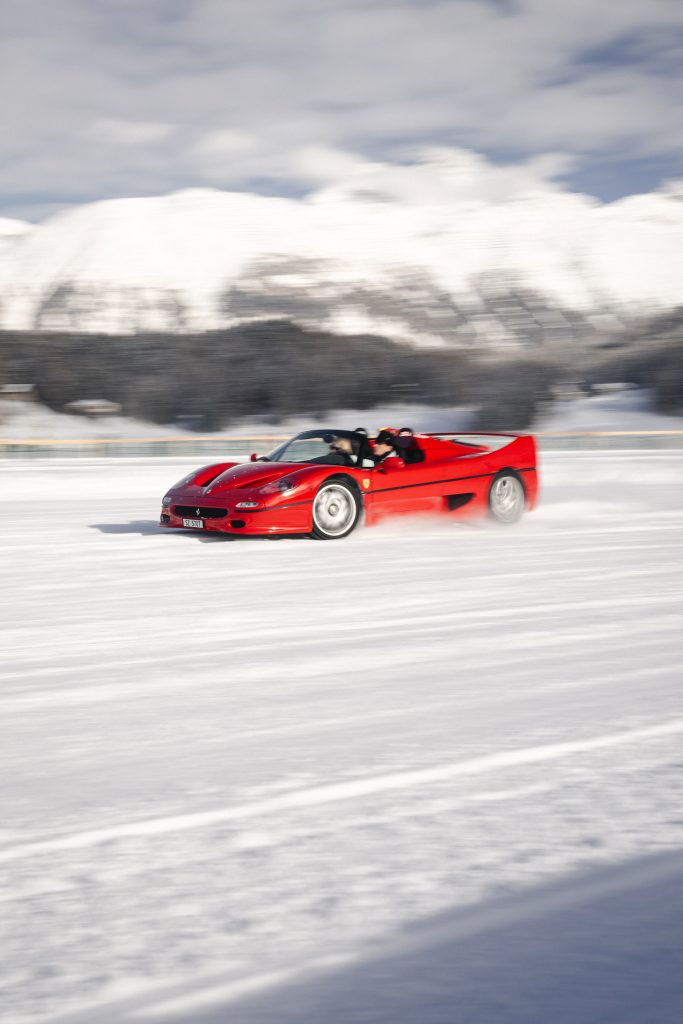
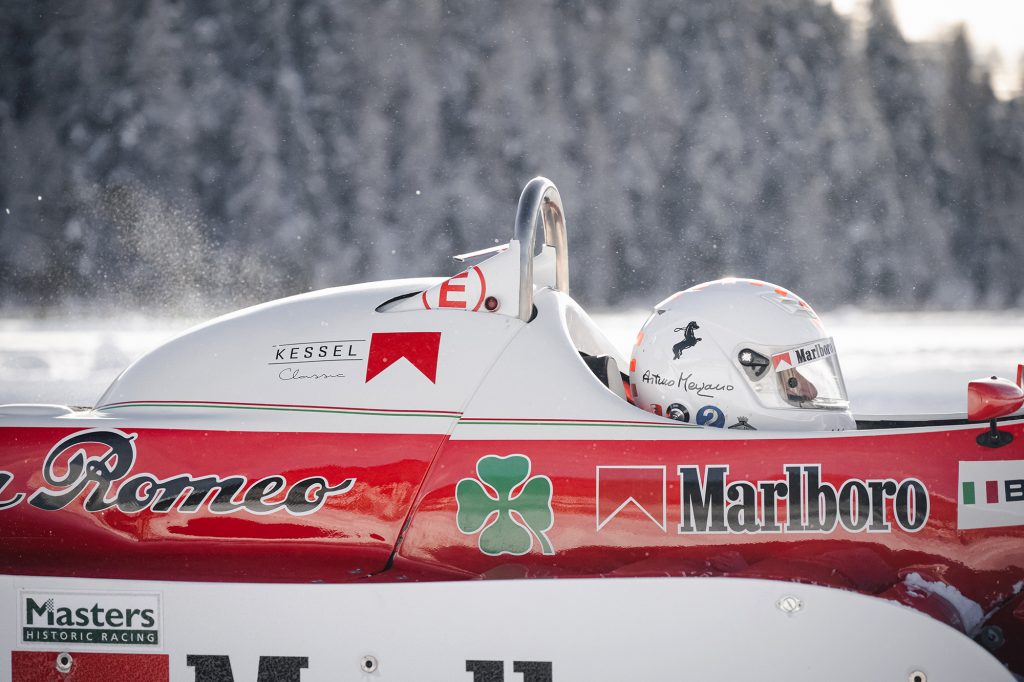
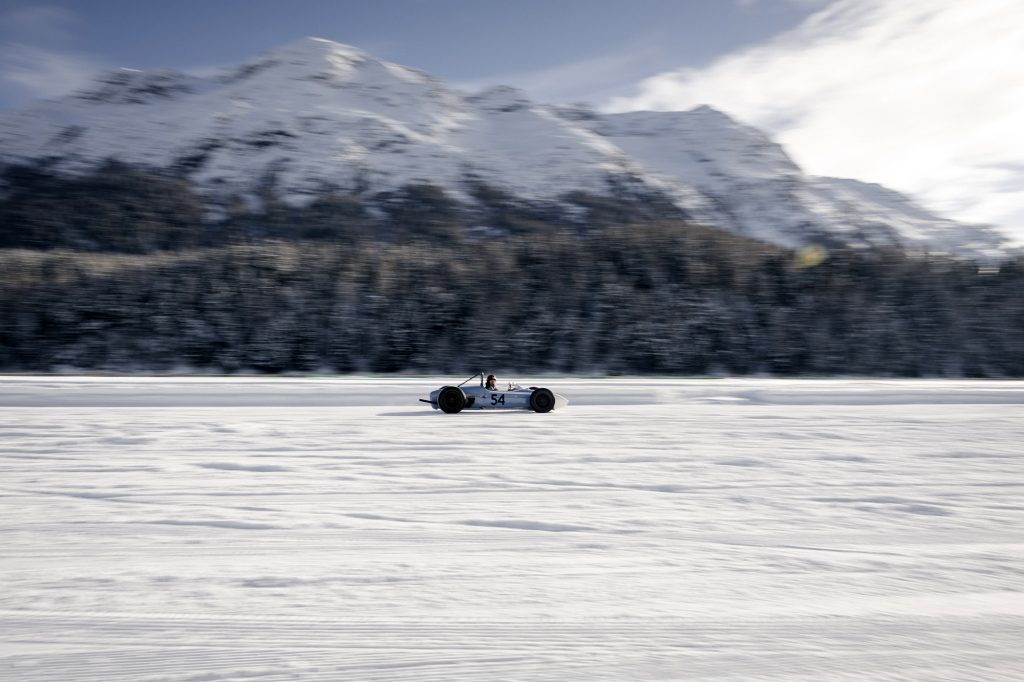
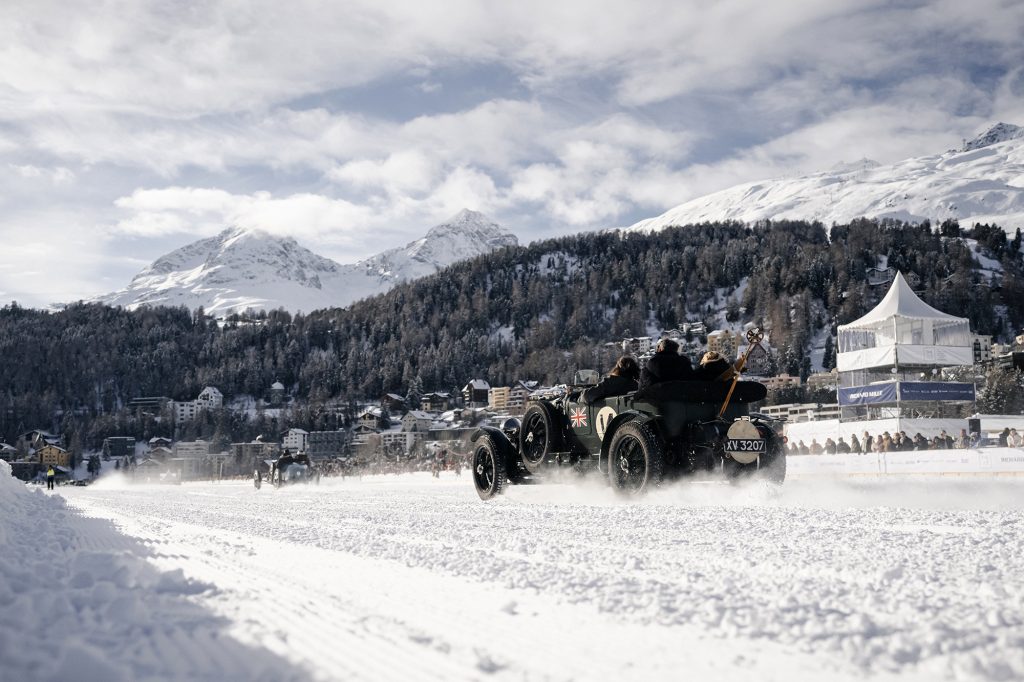
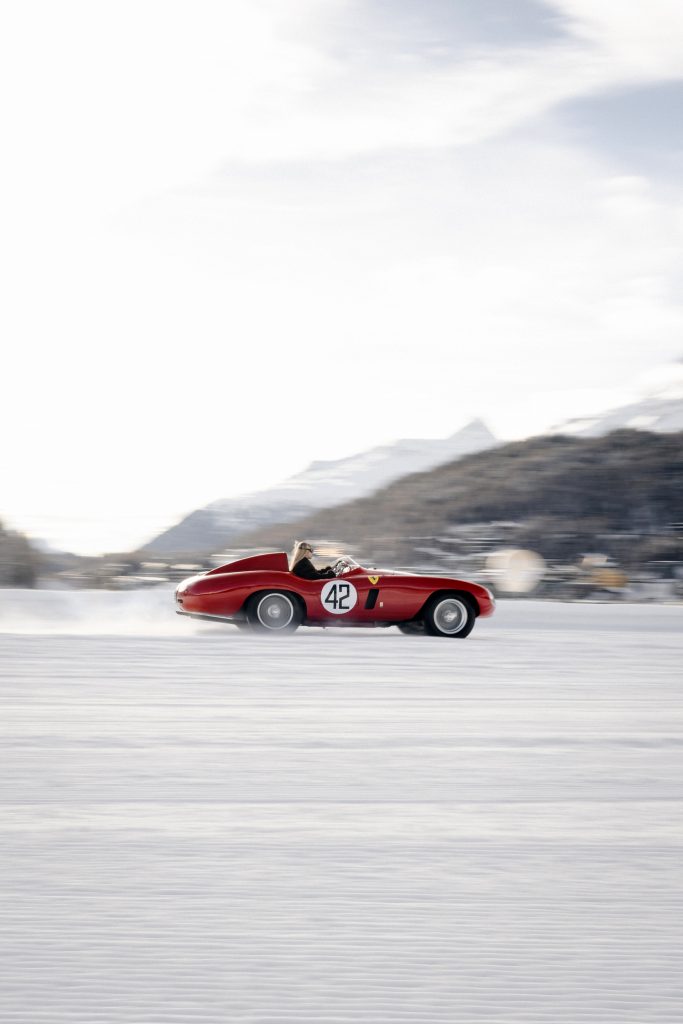
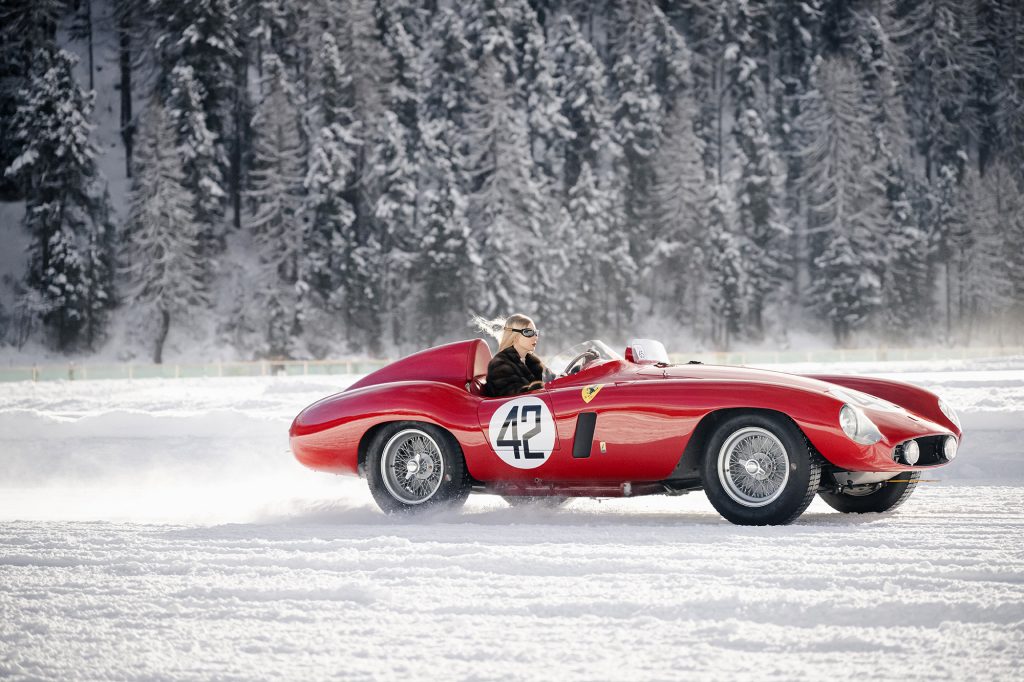
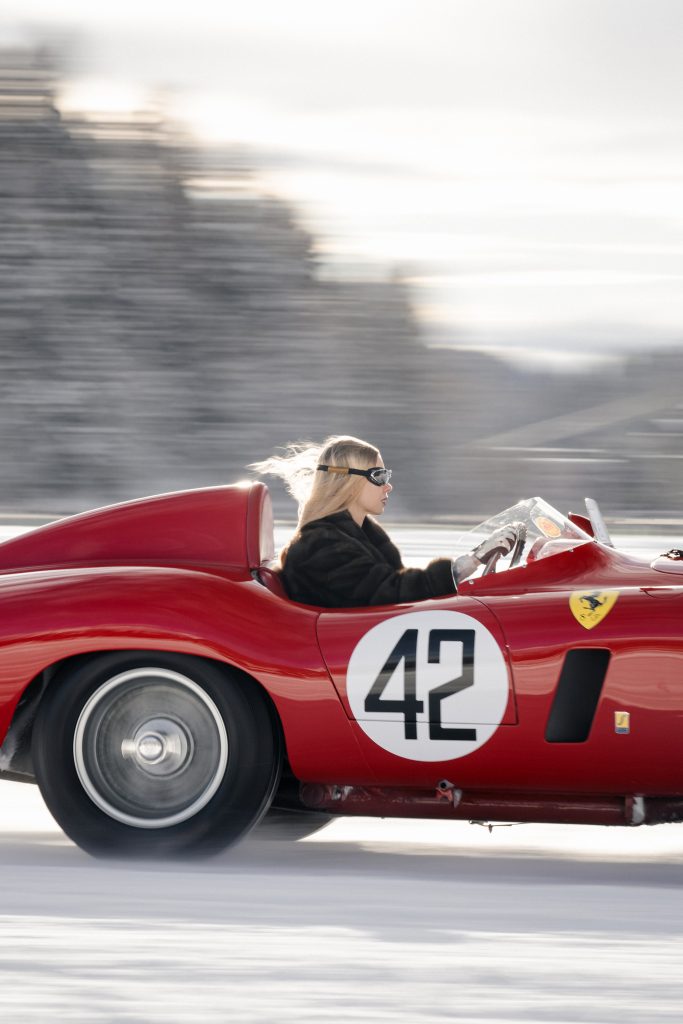
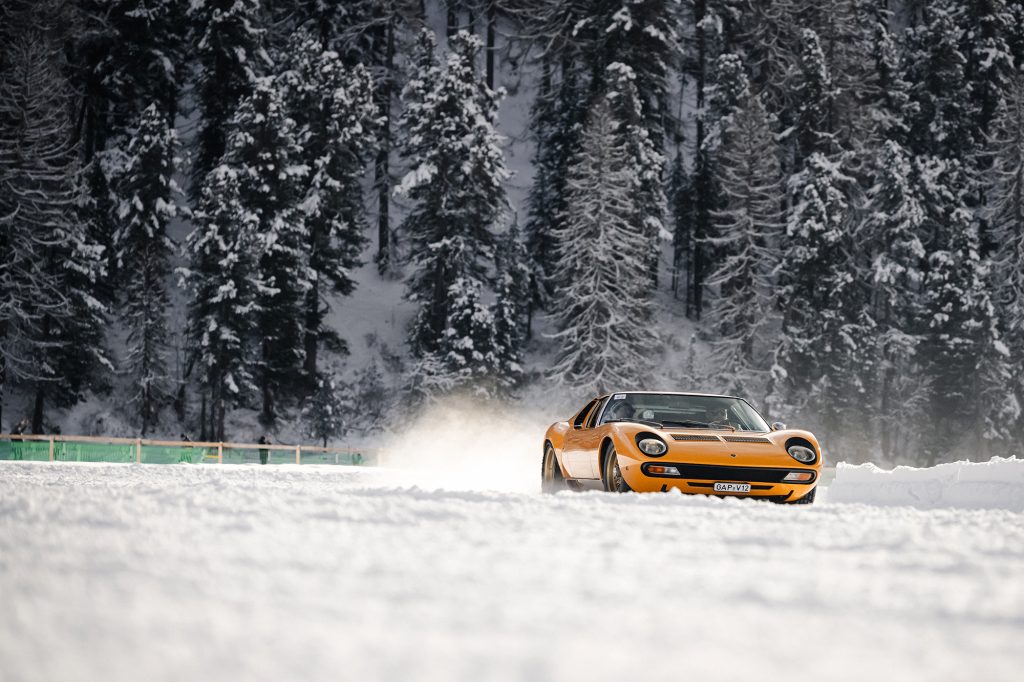
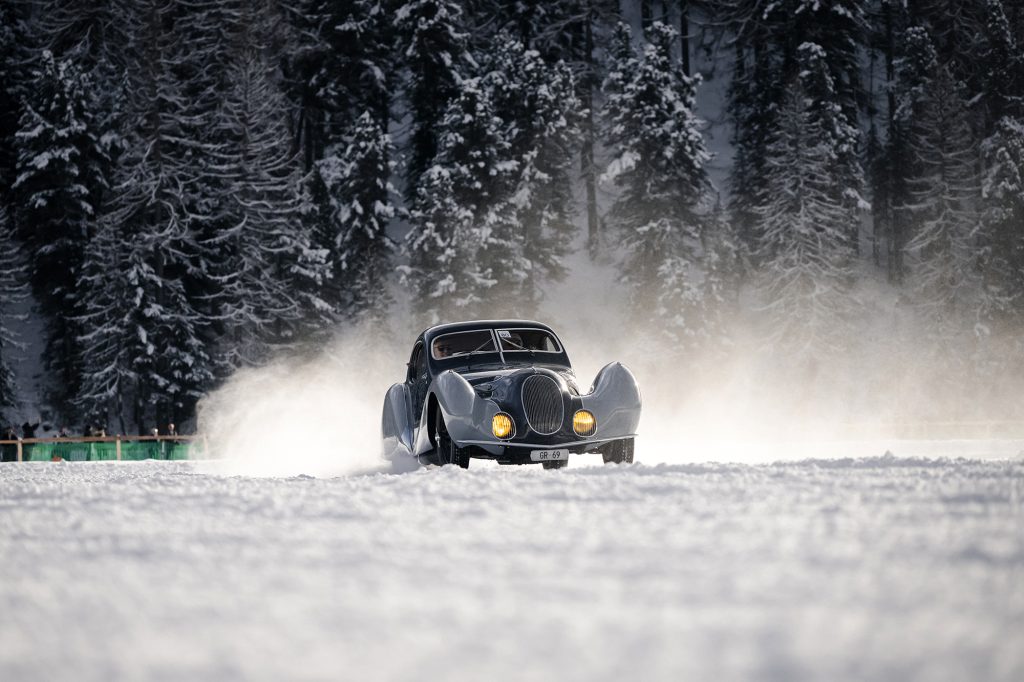
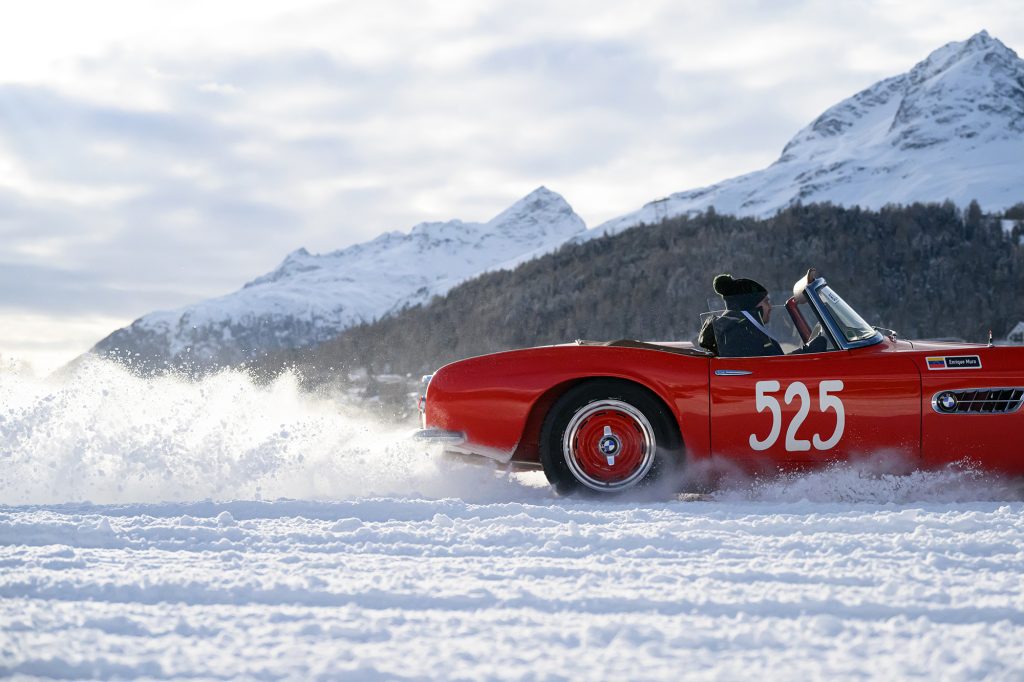
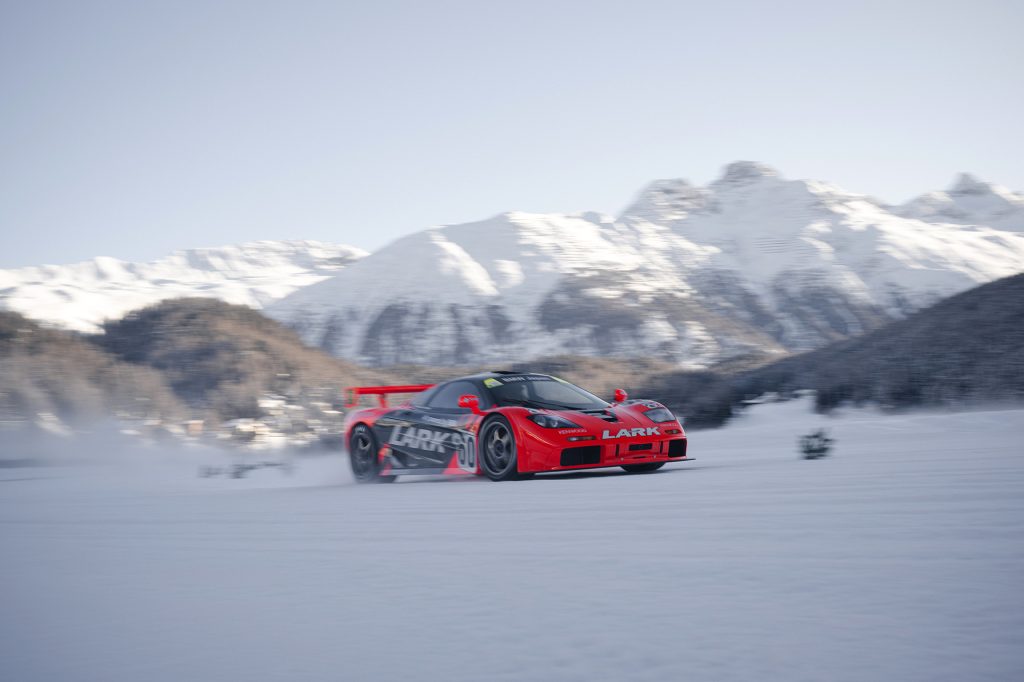
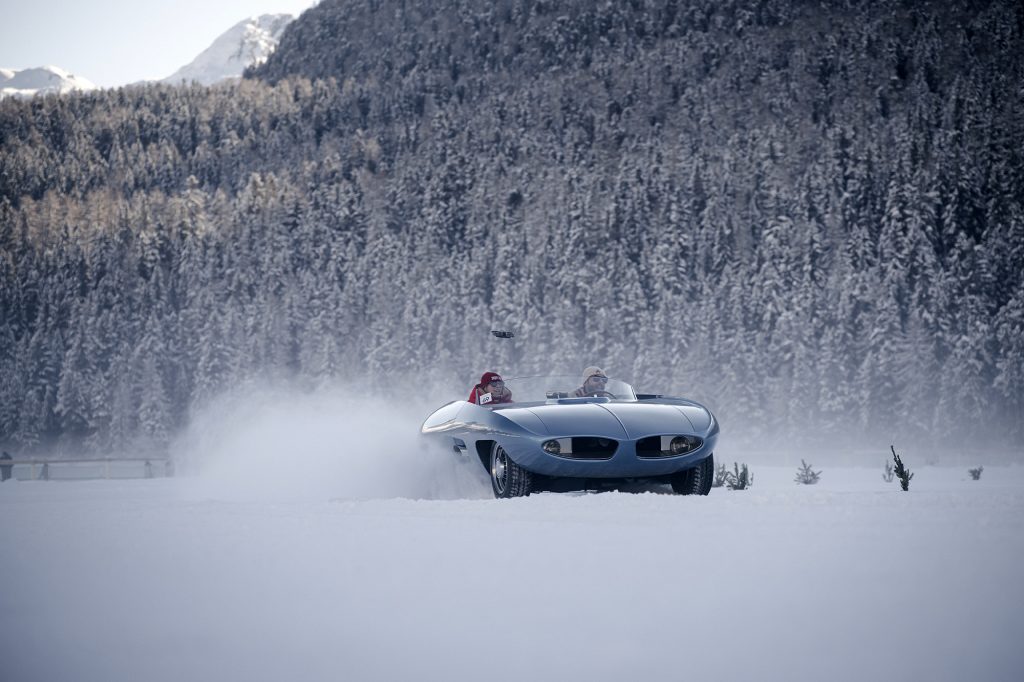
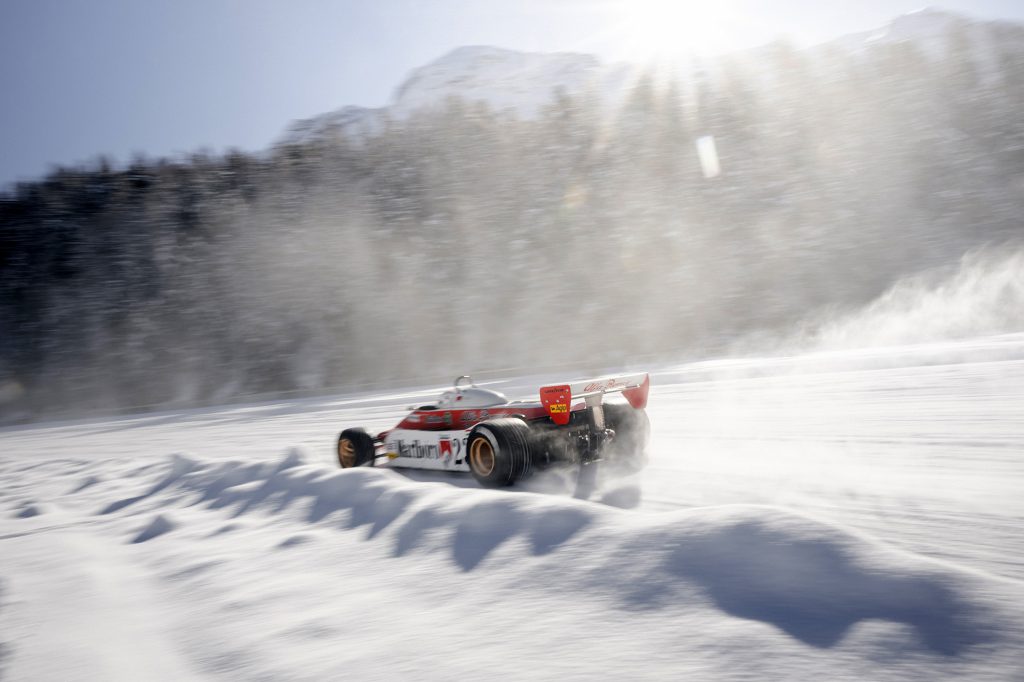
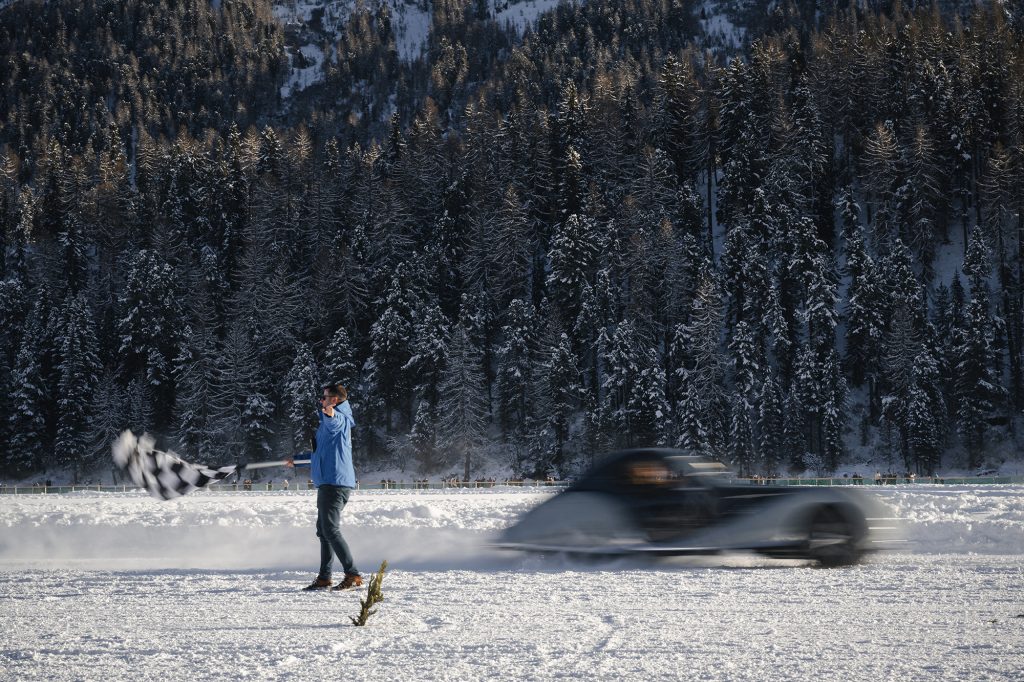
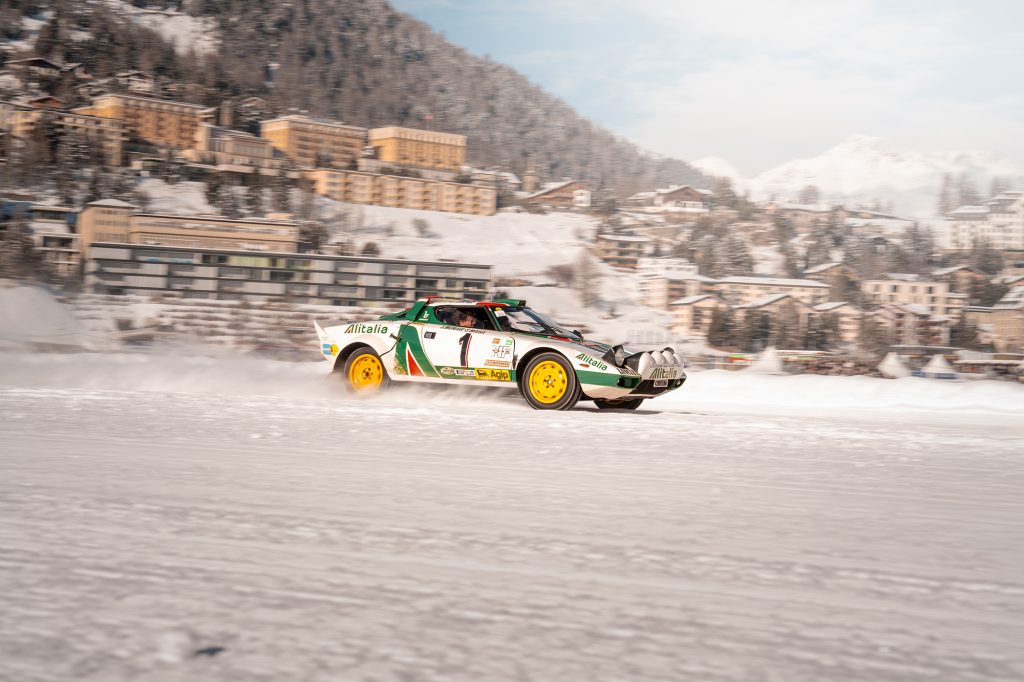
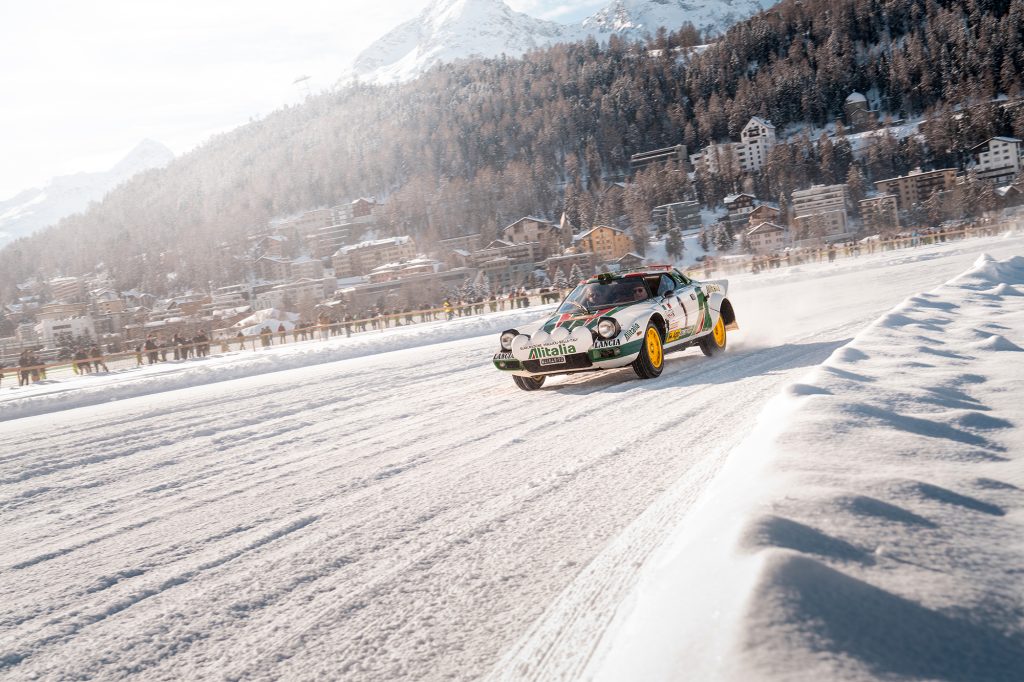
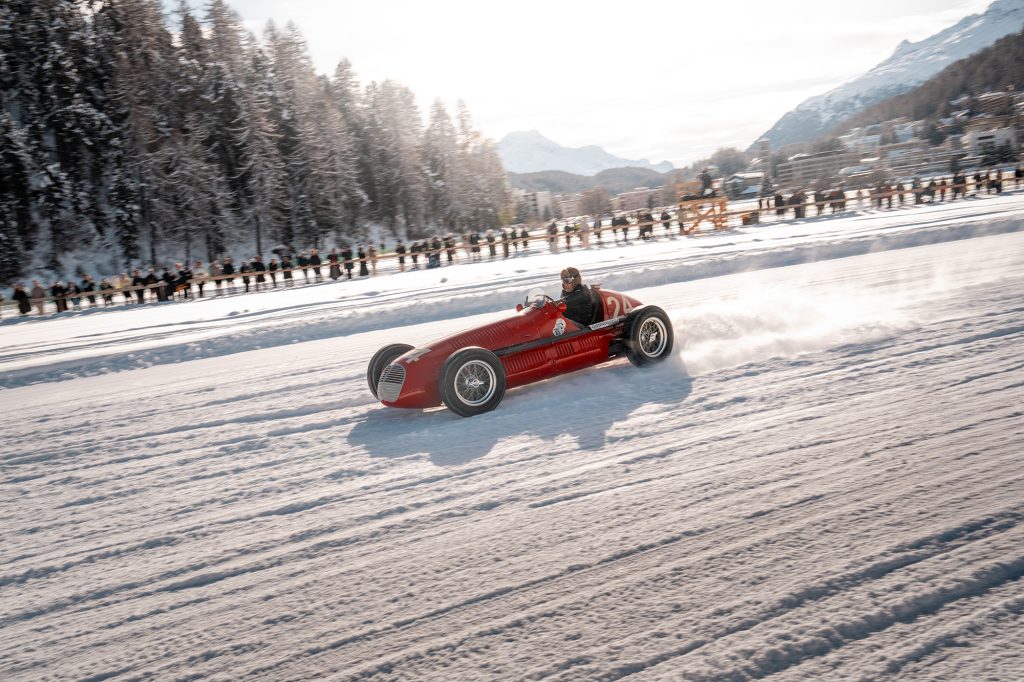
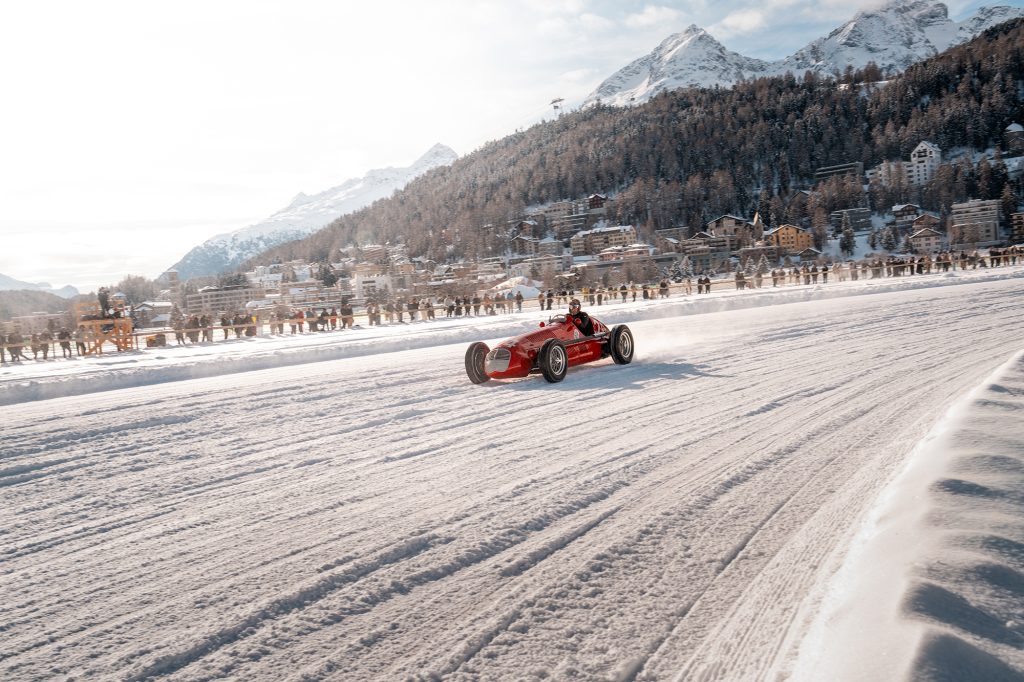
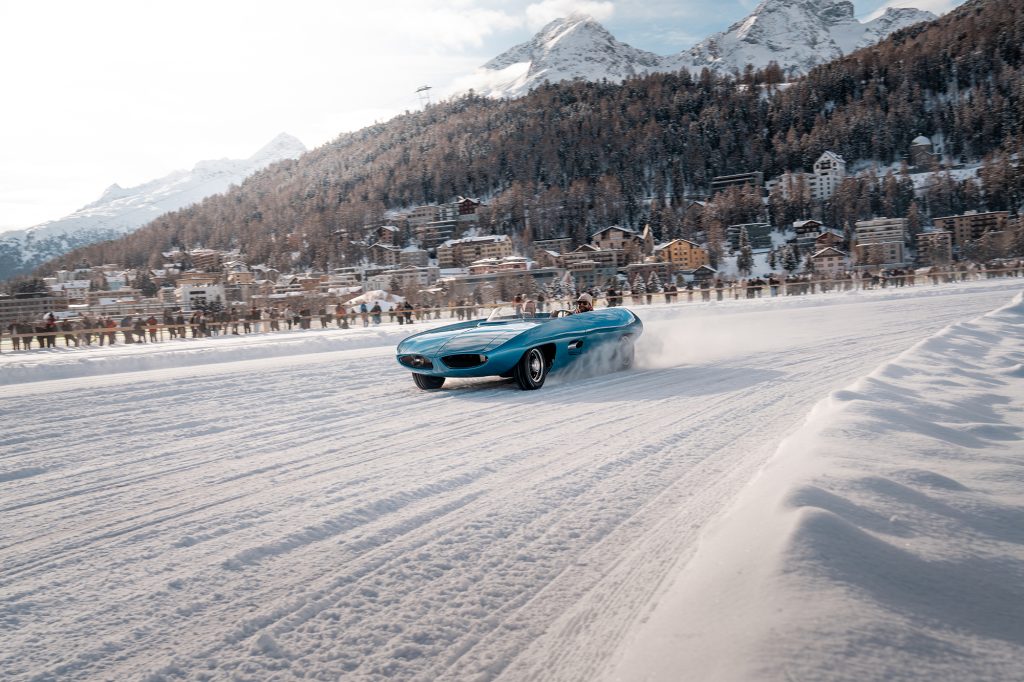
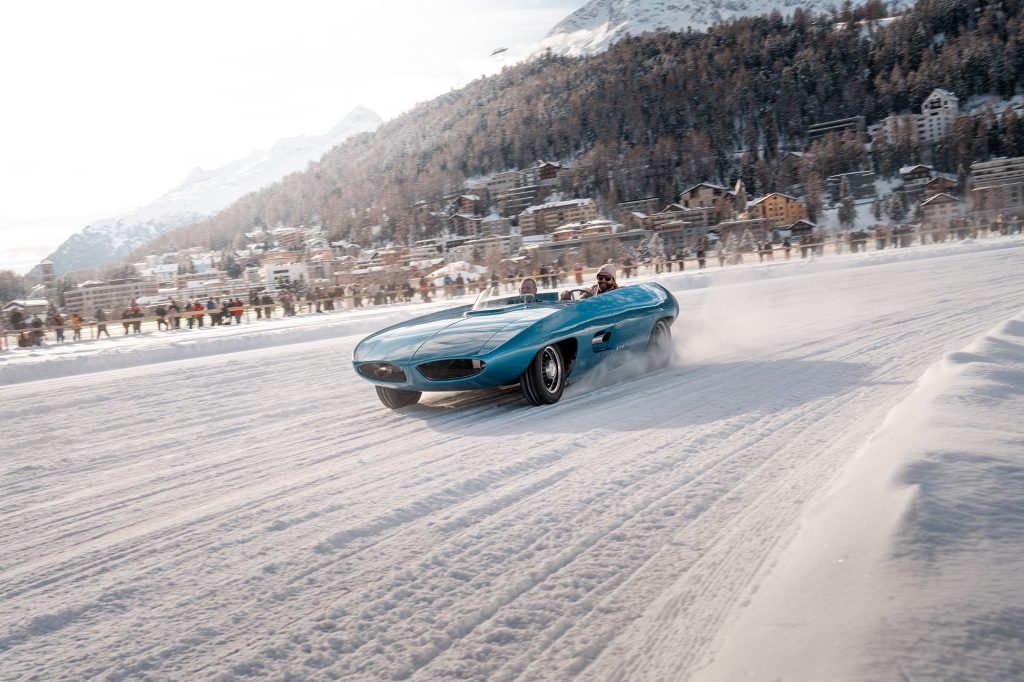
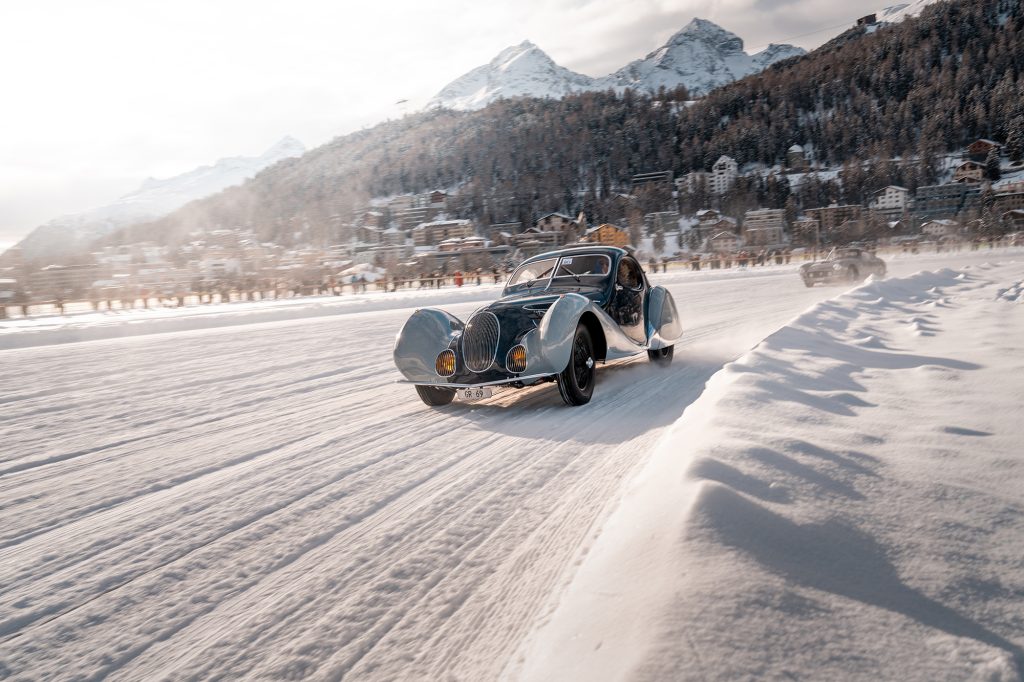
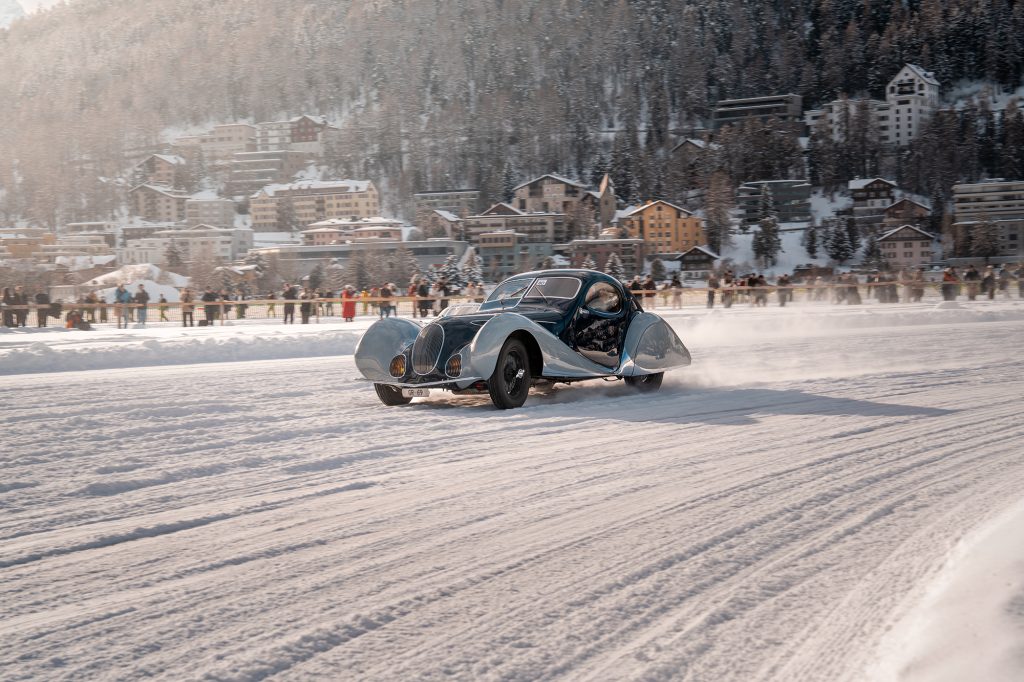
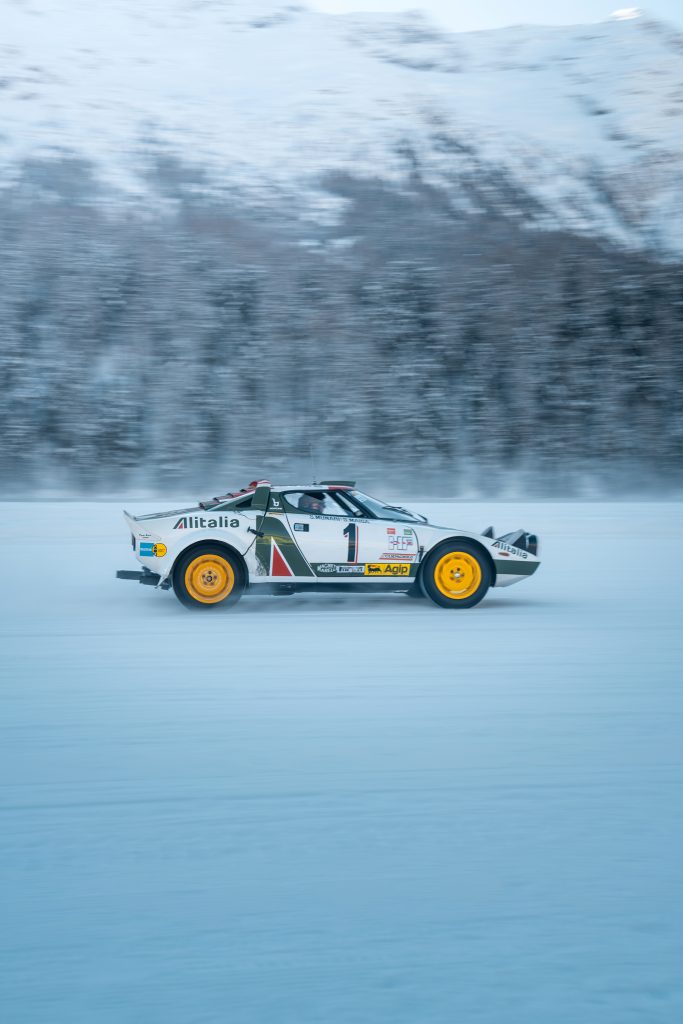
That combination of stillness and motion is central to the event’s appeal. These are not static museum pieces roped off on velvet lawns. Even at low speeds, seeing a pre-war grand tourer or mid-century sports racer move across ice reframes it from artifact to machine. The environment strips away the usual concours formality and replaces it with something more elemental: car, driver and surface.
It is this willingness to let important cars operate, even briefly and carefully, that draws a particular type of entrant. Owners here are not only custodians, they are participants.
MANUFACTURERS, BUT ON THE EVENT’S TERMS
Modern manufacturers have also recognized the value of the setting, though the event’s tone remains distinctly curated rather than commercial. Brands appear as contributors to the atmosphere rather than headline sponsors dominating the narrative.
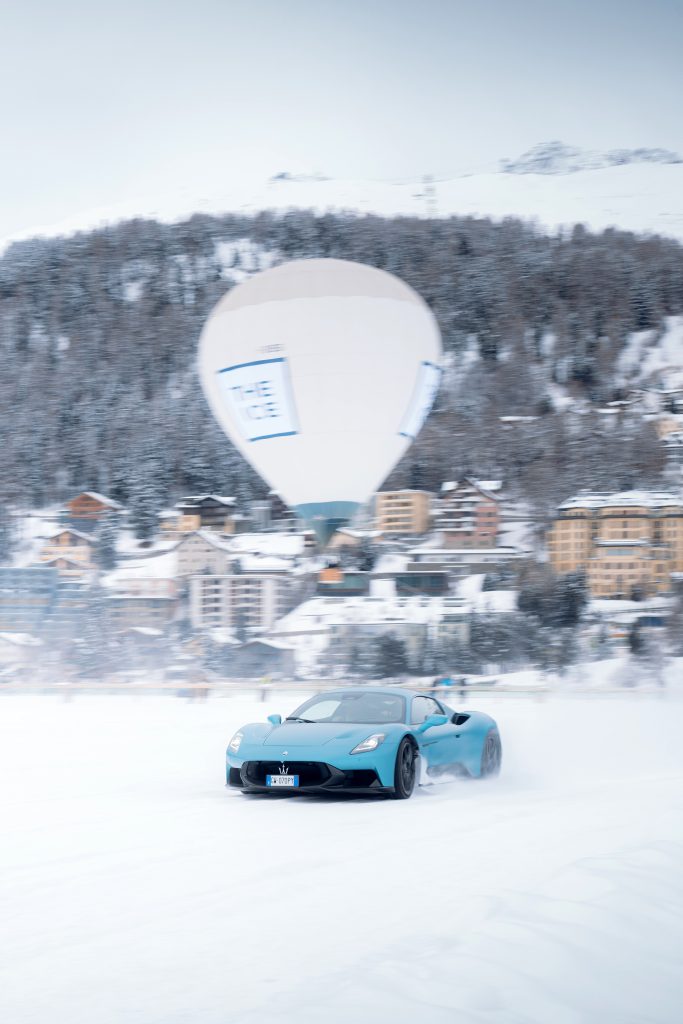
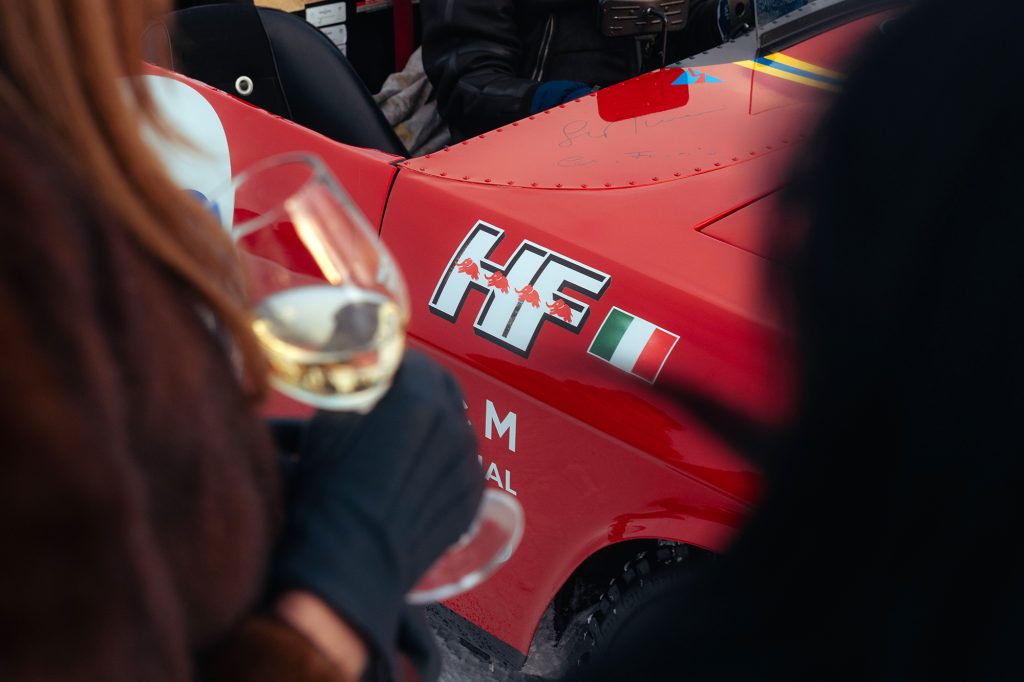
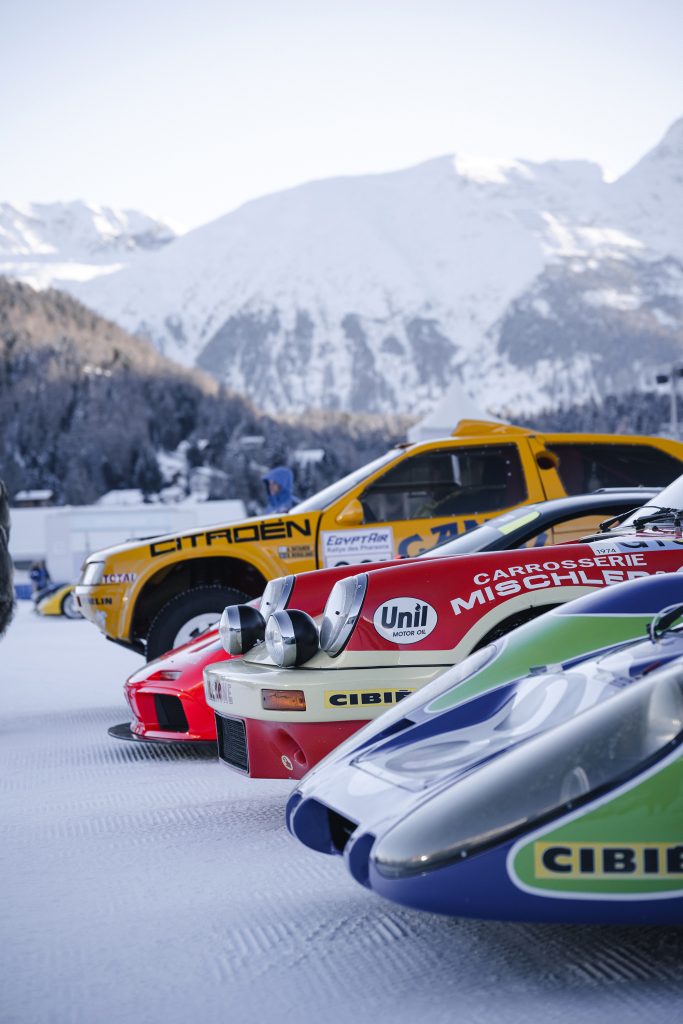
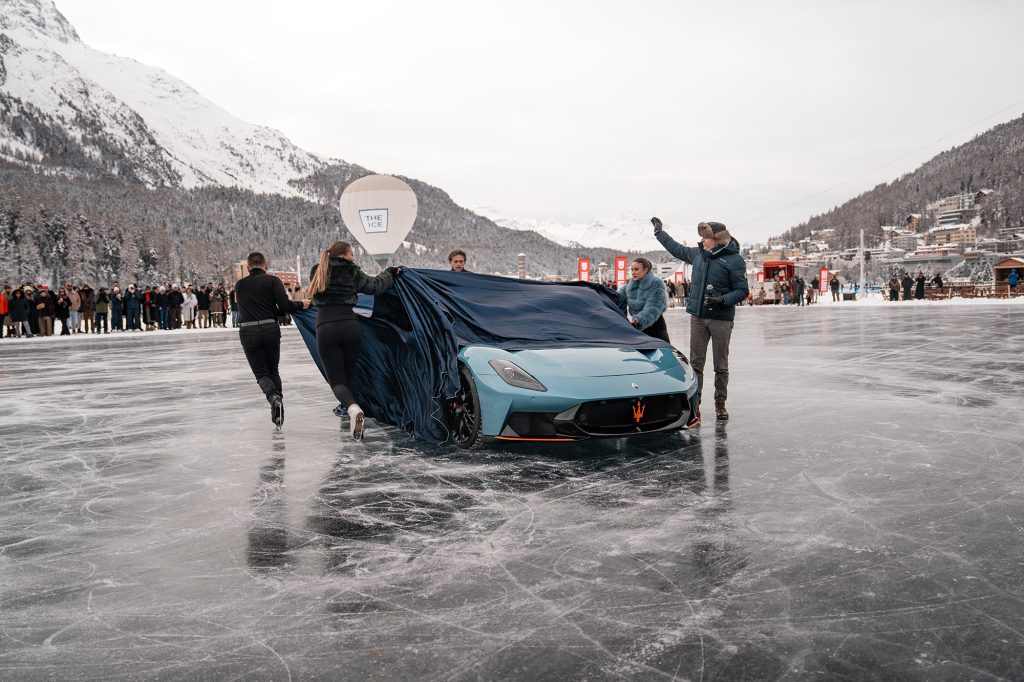
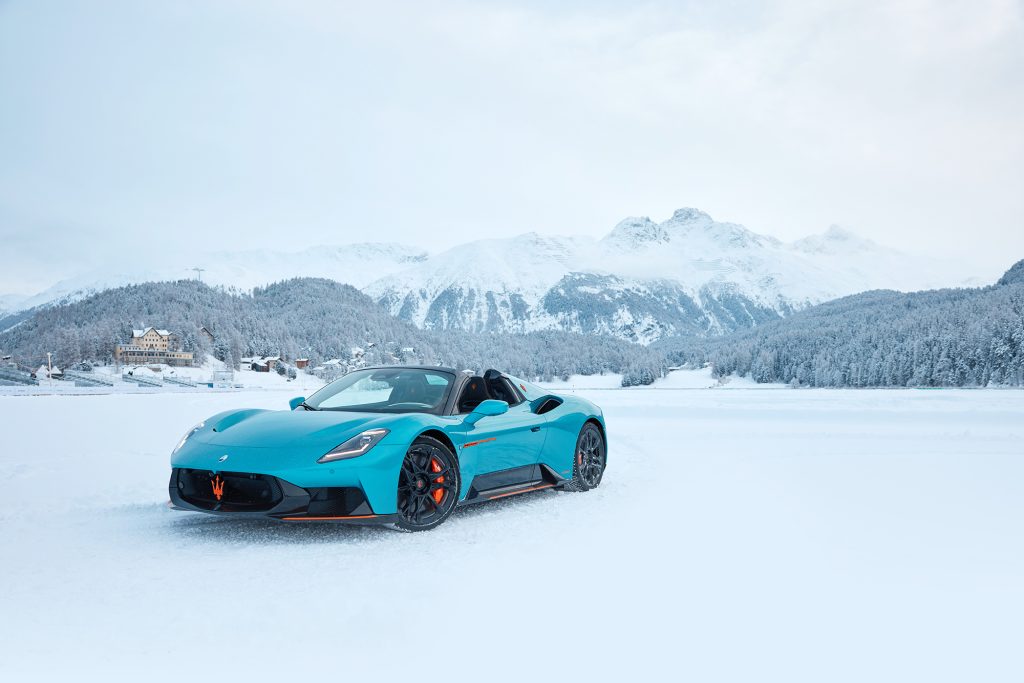
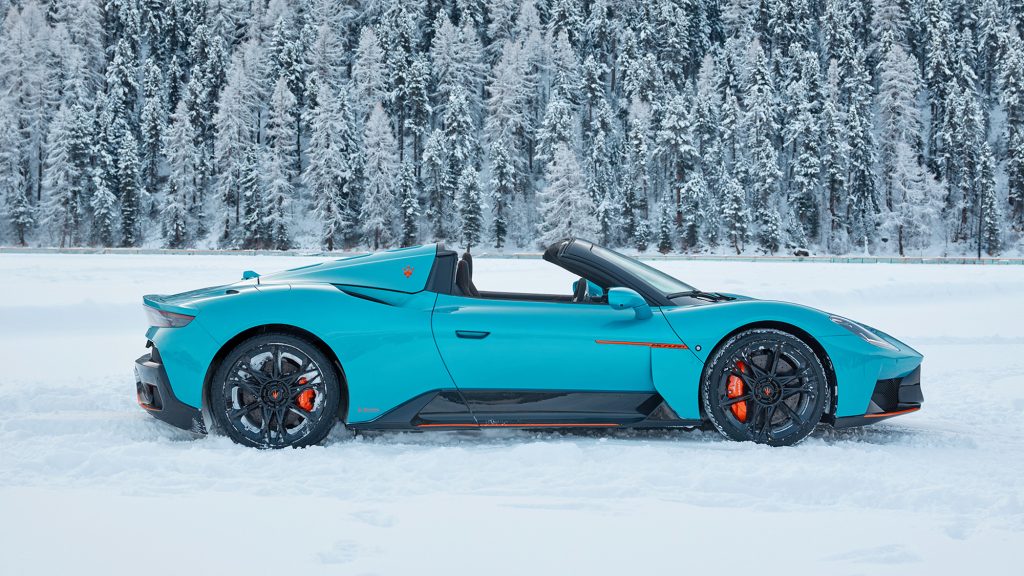
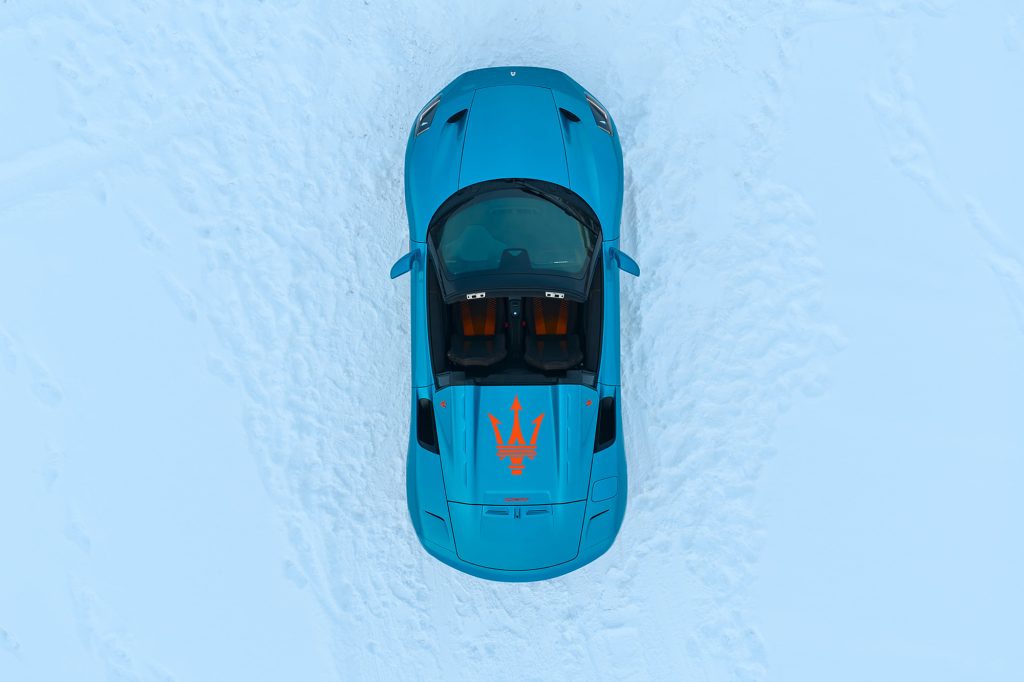
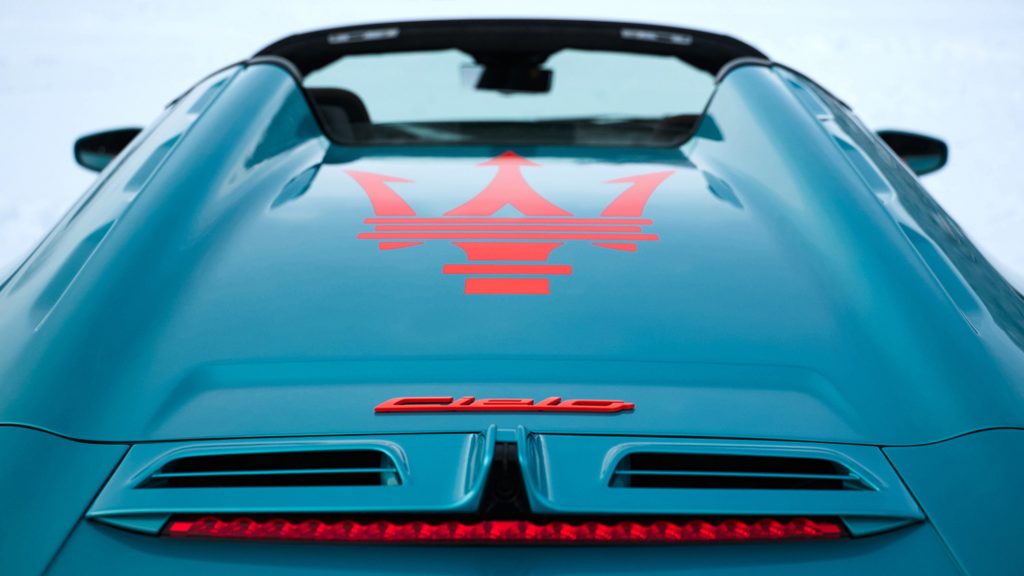
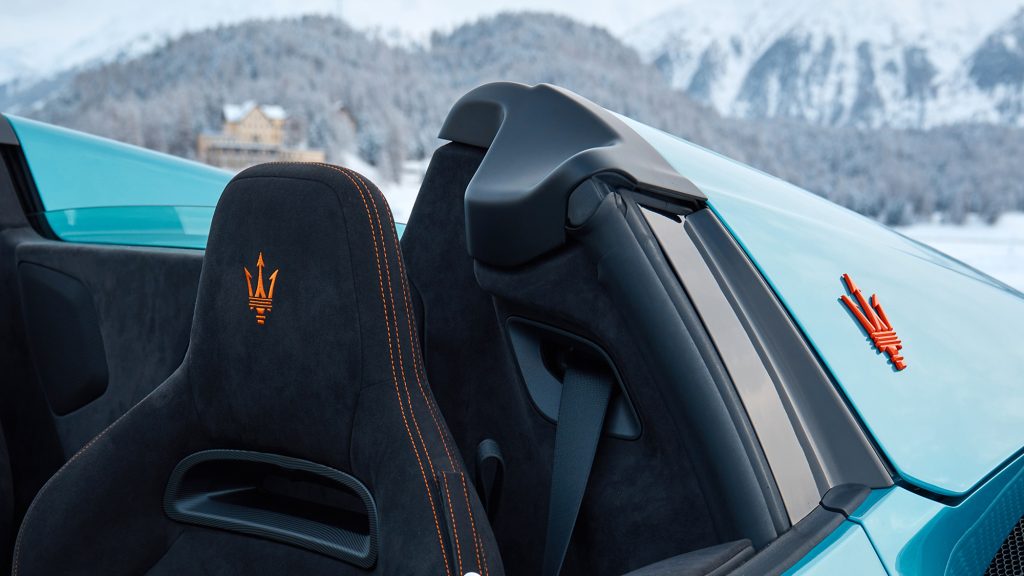
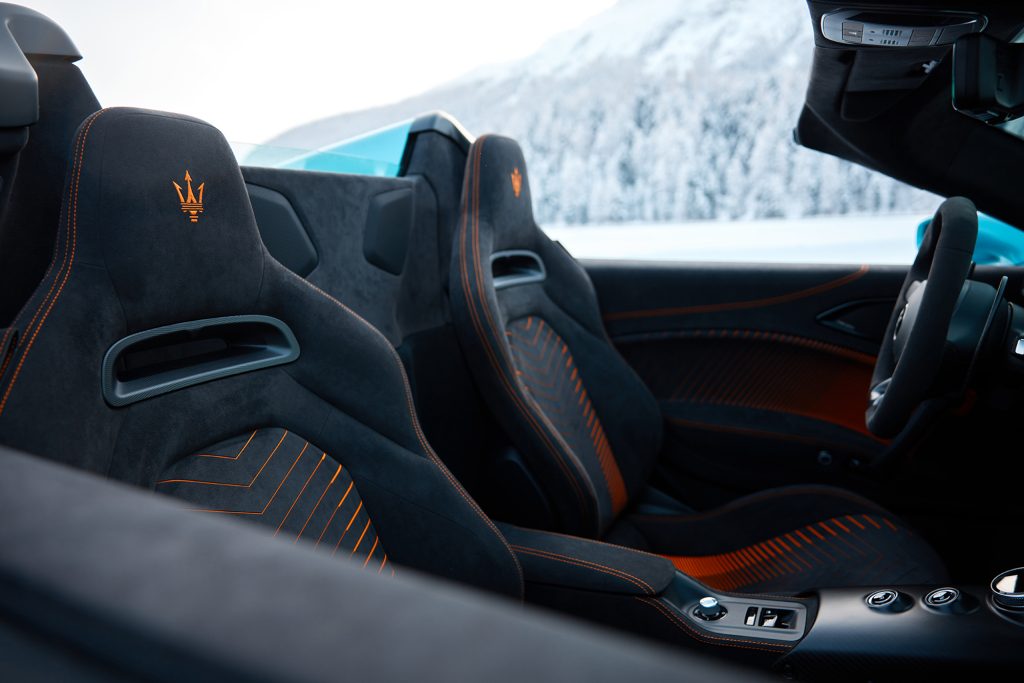
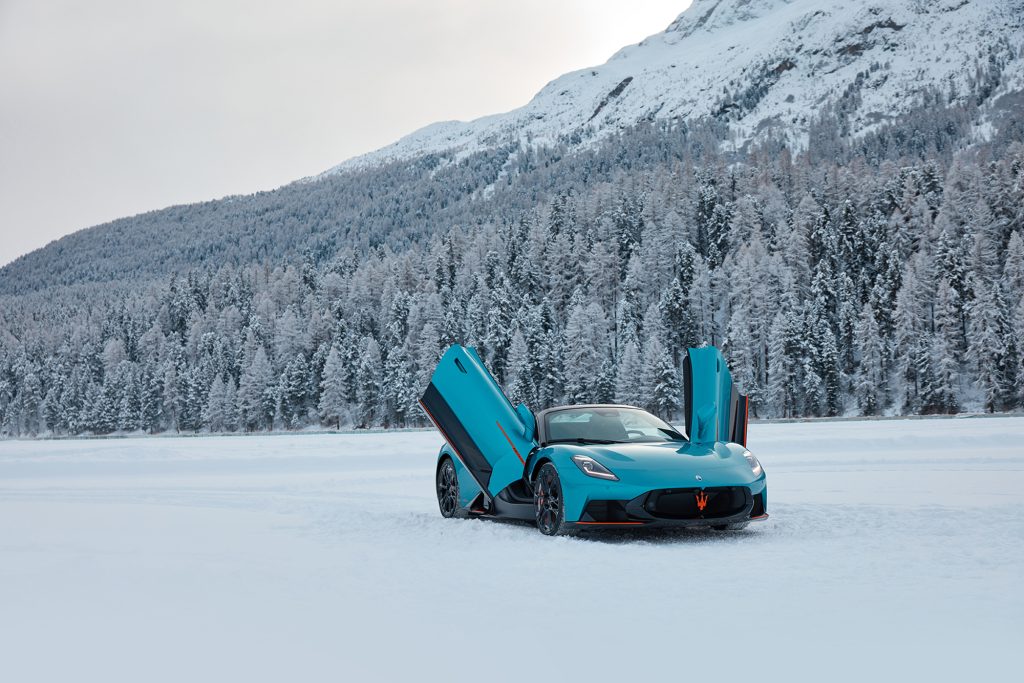
Maserati, for example, used the 2026 edition to mark its centenary year under the Trident emblem, presenting both historic competition machinery and highly customized contemporary models through its Fuoriserie program. Their presence added another layer of Italian performance heritage to the lake, but it sat alongside — not above — the broader field of invited classics and coachbuilt rarities.
That balance is key to The I.C.E.’s character. Manufacturer involvement enhances the experience, yet the primary focus remains on the independently owned cars that form the core of the concours selection.
RARITY, SETTING AND SHARED CONTEXT
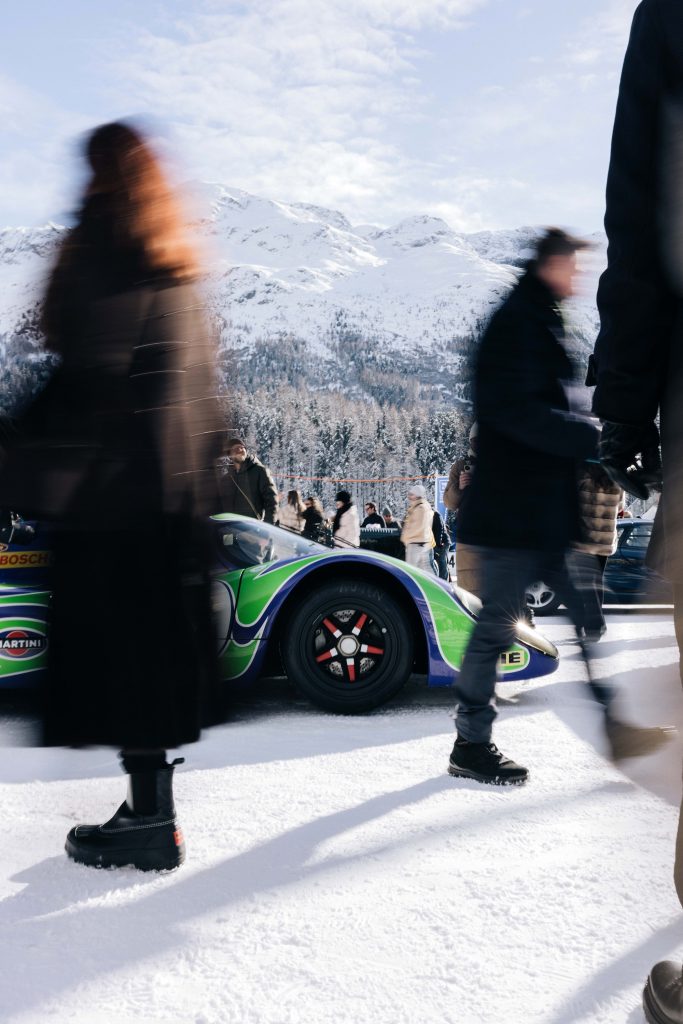
What ultimately defines The I.C.E. is not a single headline car or brand activation, but the collective effect of rare machinery placed in an environment that feels temporarily borrowed from nature. The Engadin landscape, the altitude and the season all add a layer of context that no purpose-built venue can replicate.
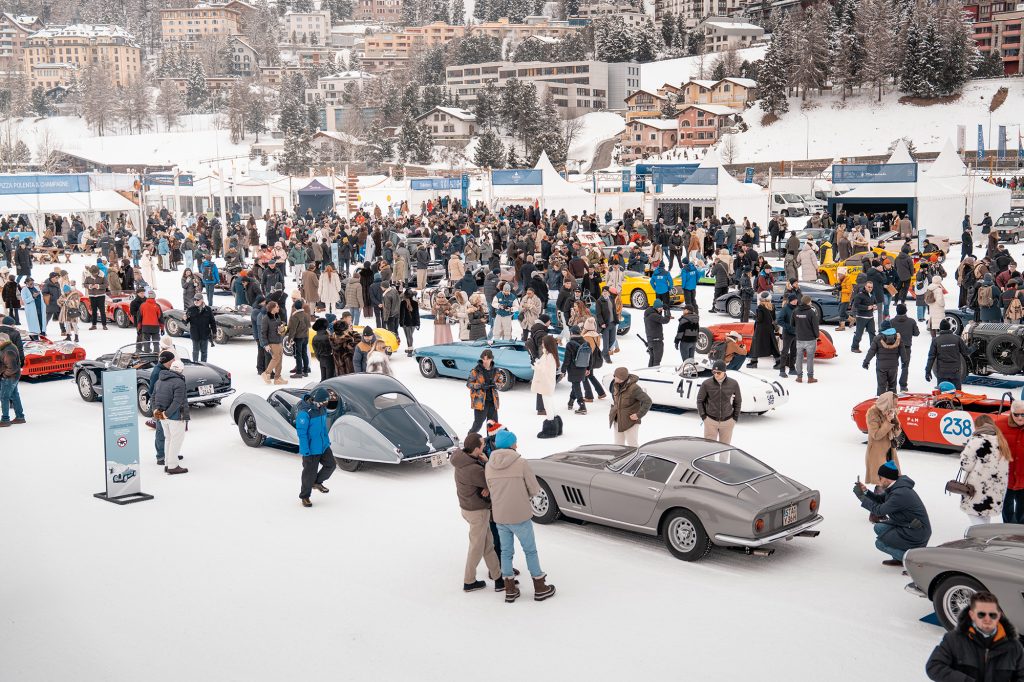
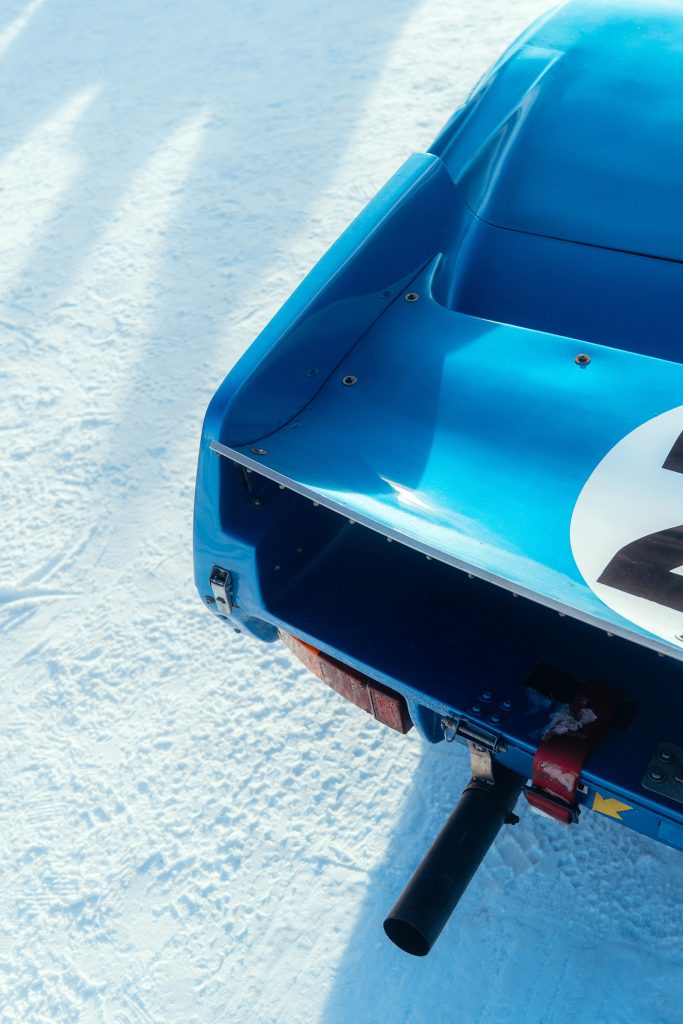
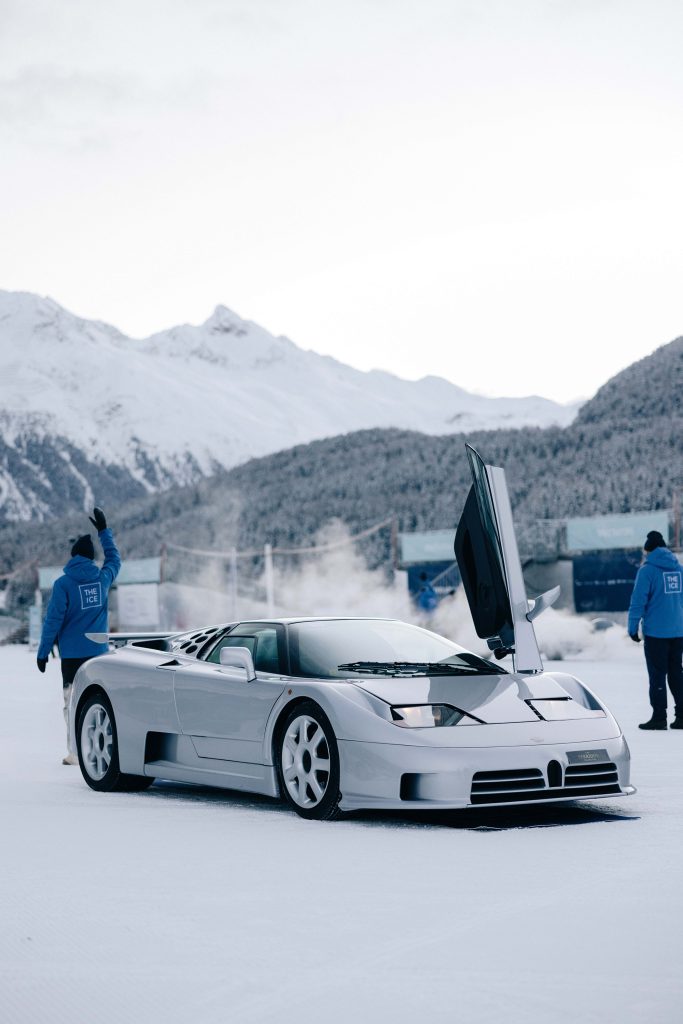
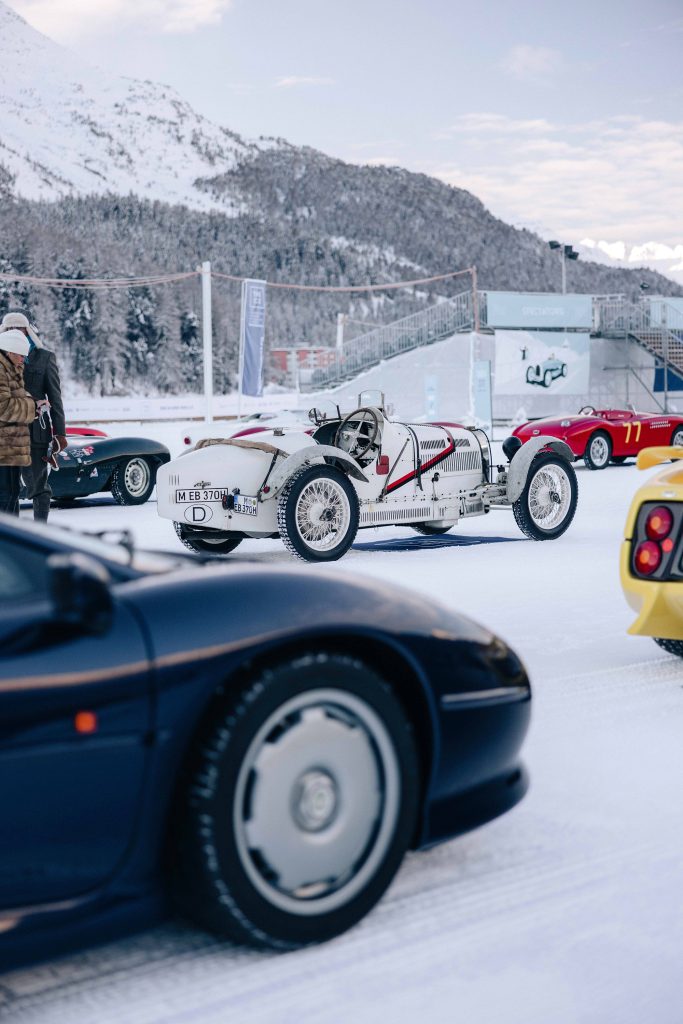
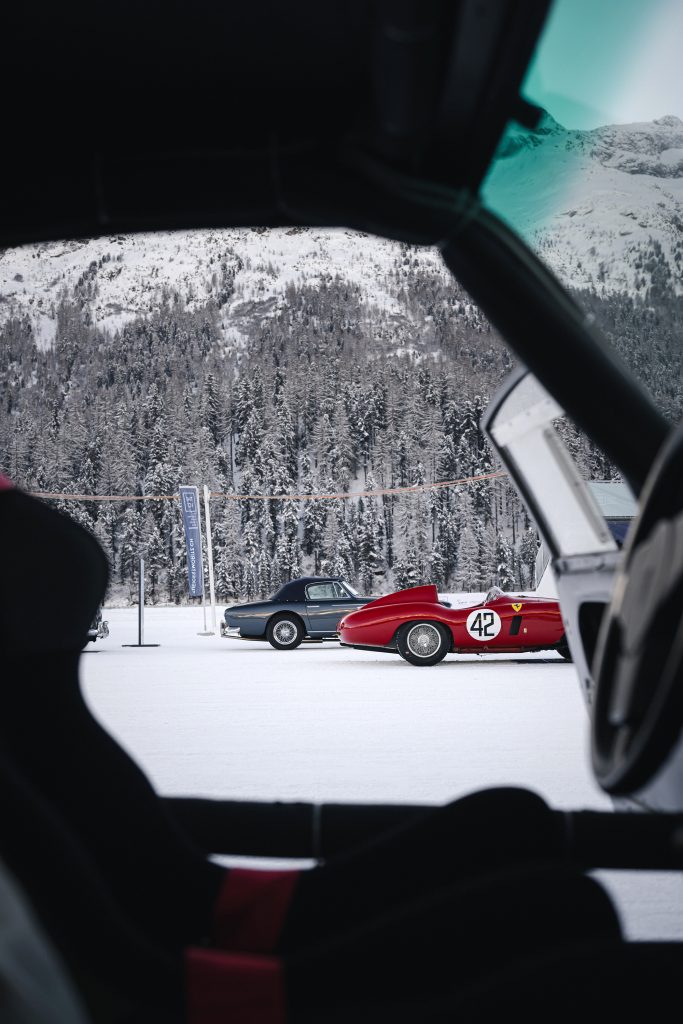
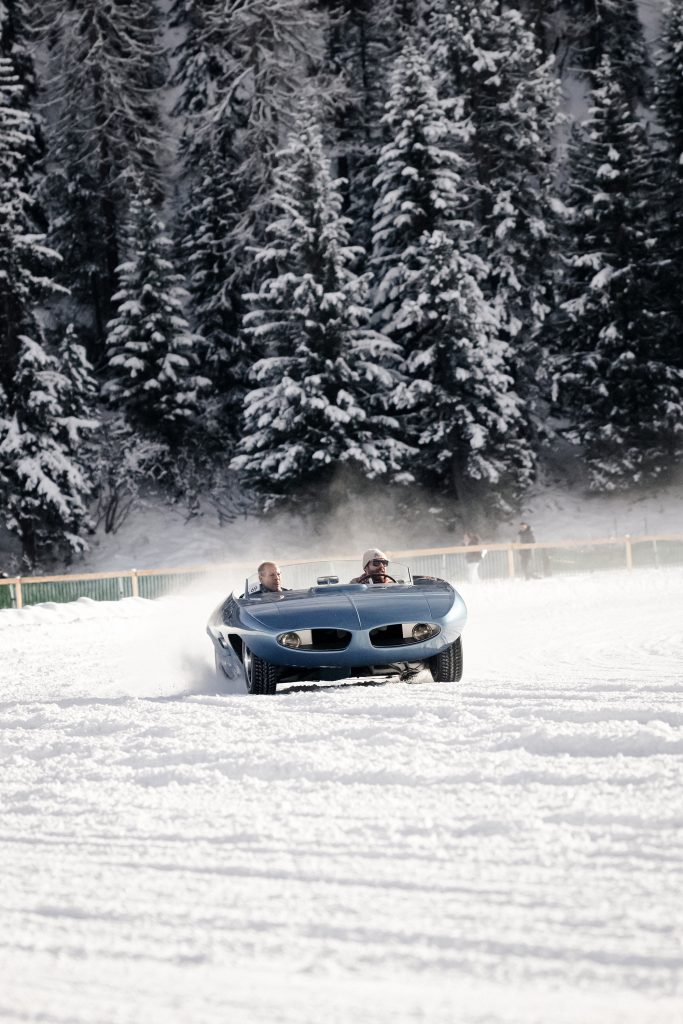
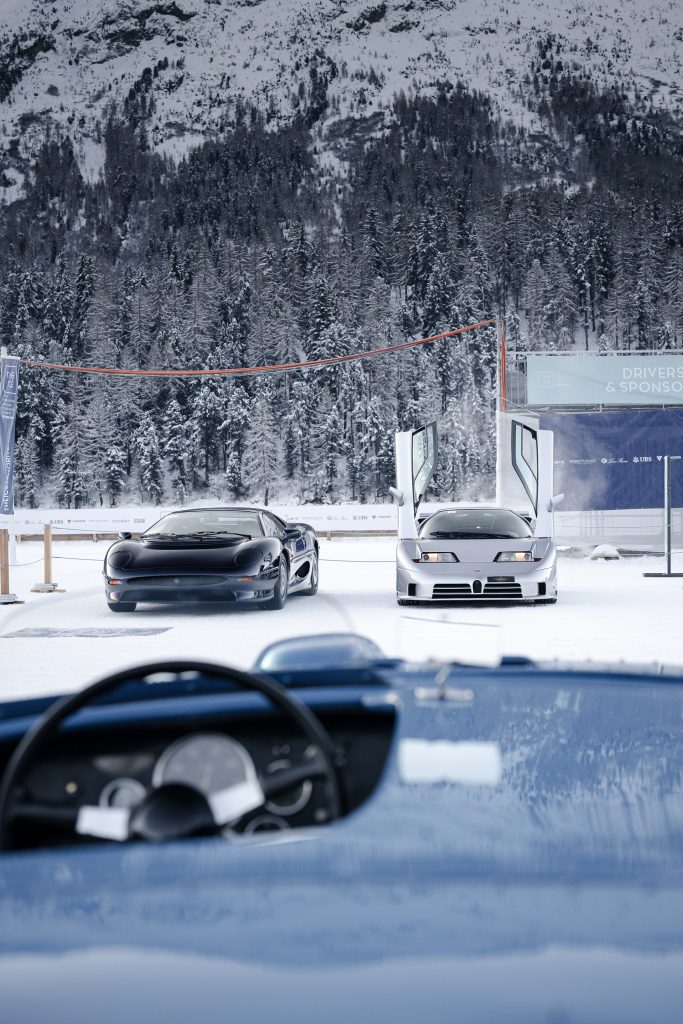
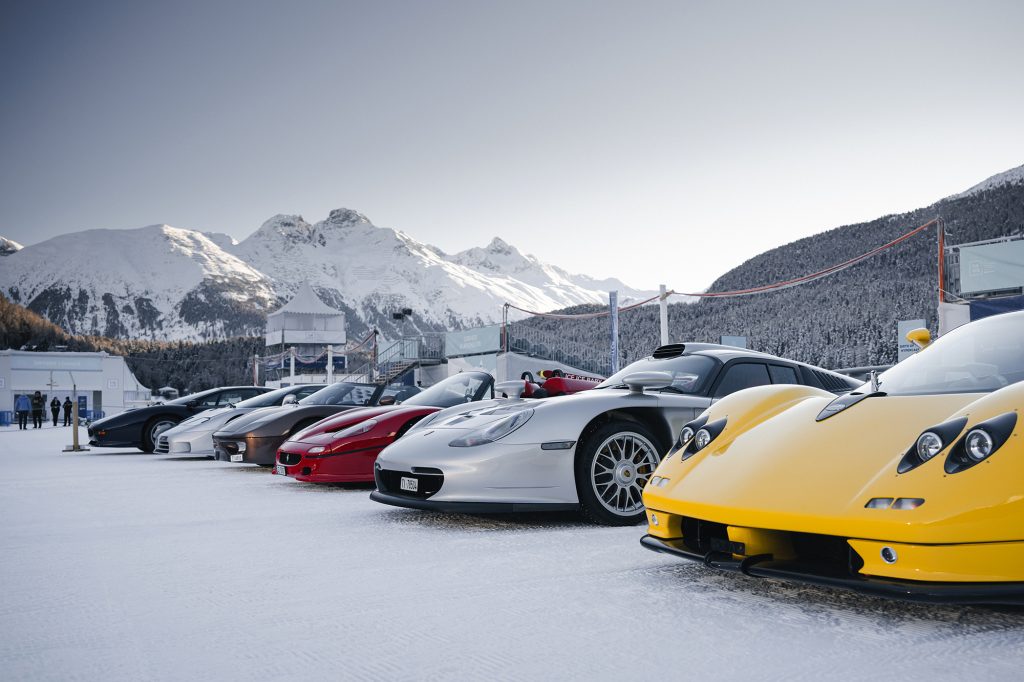
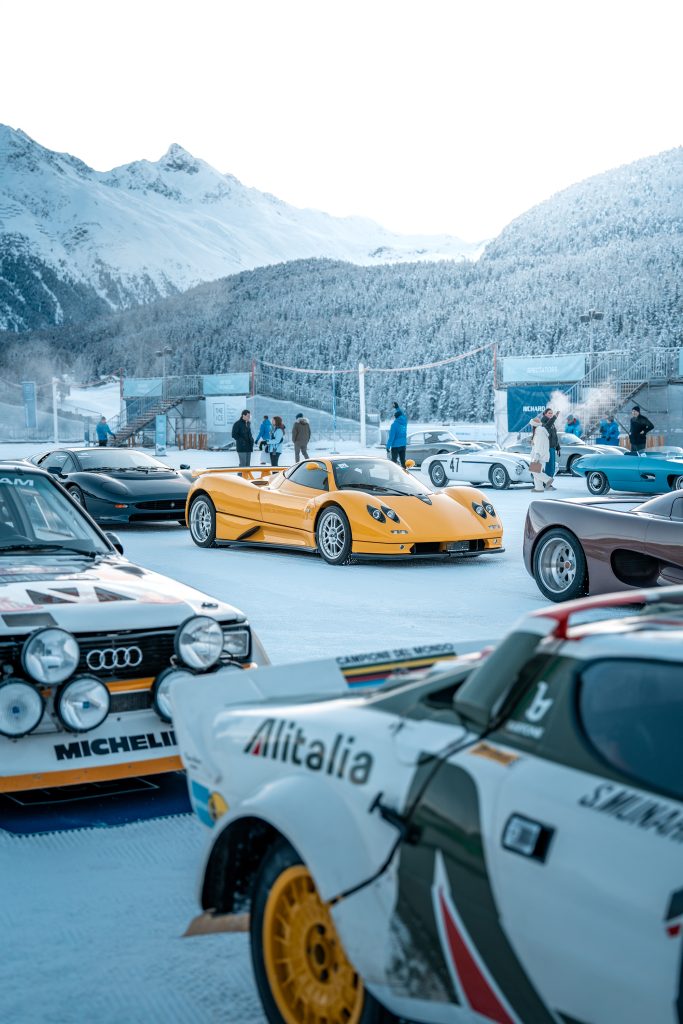
Cars that might otherwise appear in isolation at separate auctions or concours lawns are instead viewed together, connected by the shared improbability of their location. A pre-war aerodynamic coupe, a mid-century barchetta and a 1990s performance landmark can sit within sight of one another, unified less by era than by the fact that their owners chose to bring them to this specific, fleeting stage.
For collectors and enthusiasts, that convergence is the draw. The I.C.E. St. Moritz is not simply another stop on the concours circuit. It is a high-altitude, weather-dependent gathering where rarity, logistics and commitment intersect, and where the cars that make the journey tend to be among the most distinctive in the room.












Responses