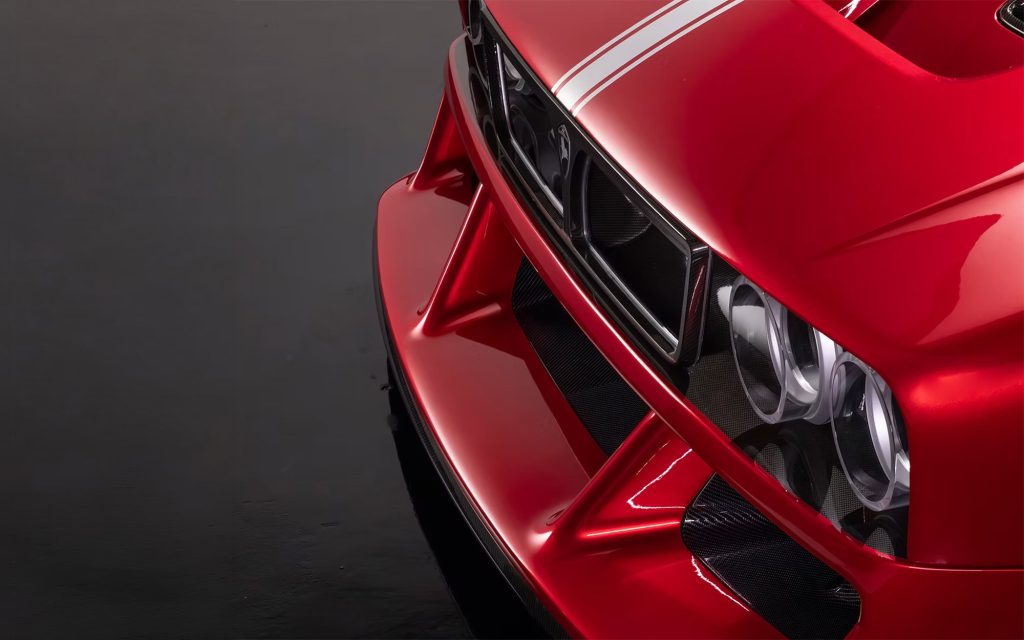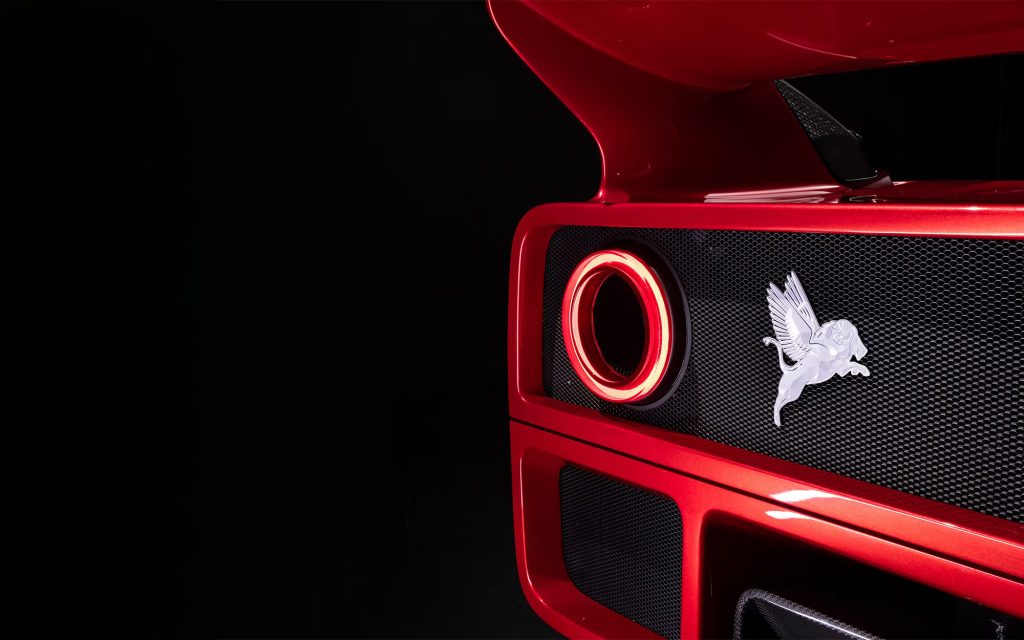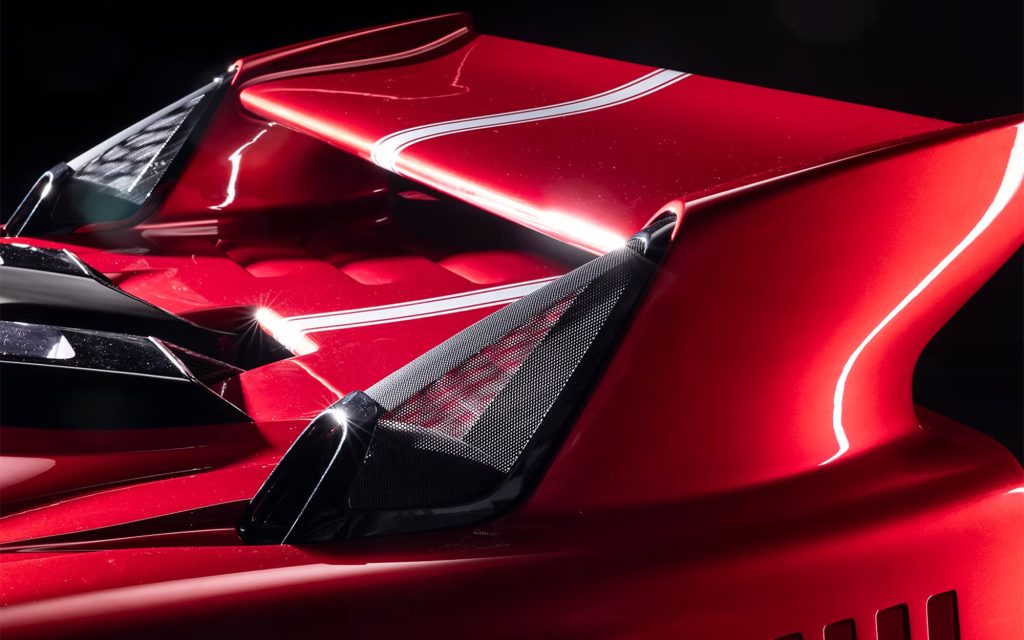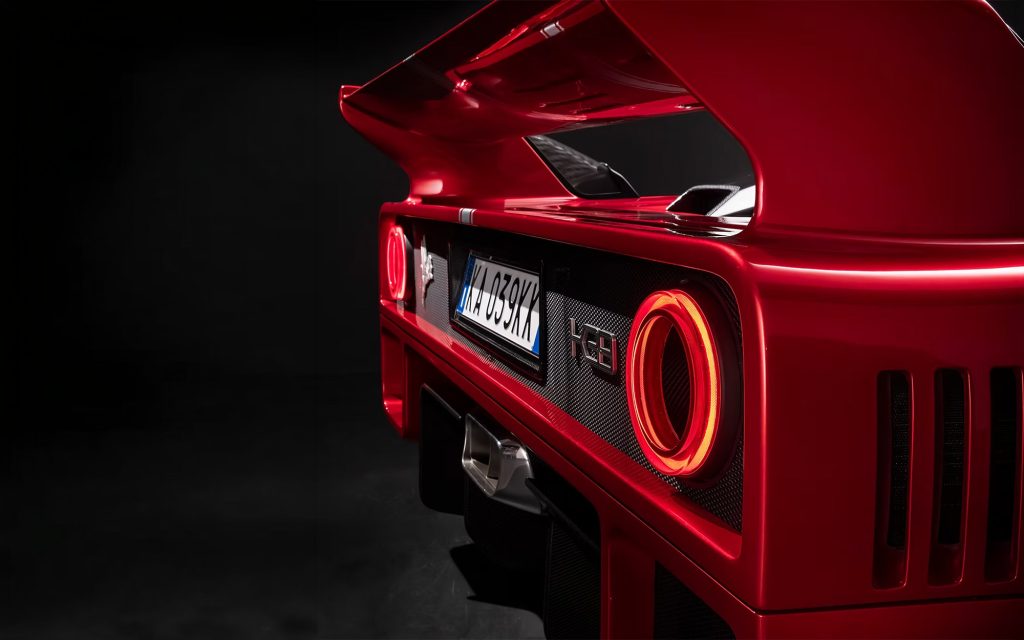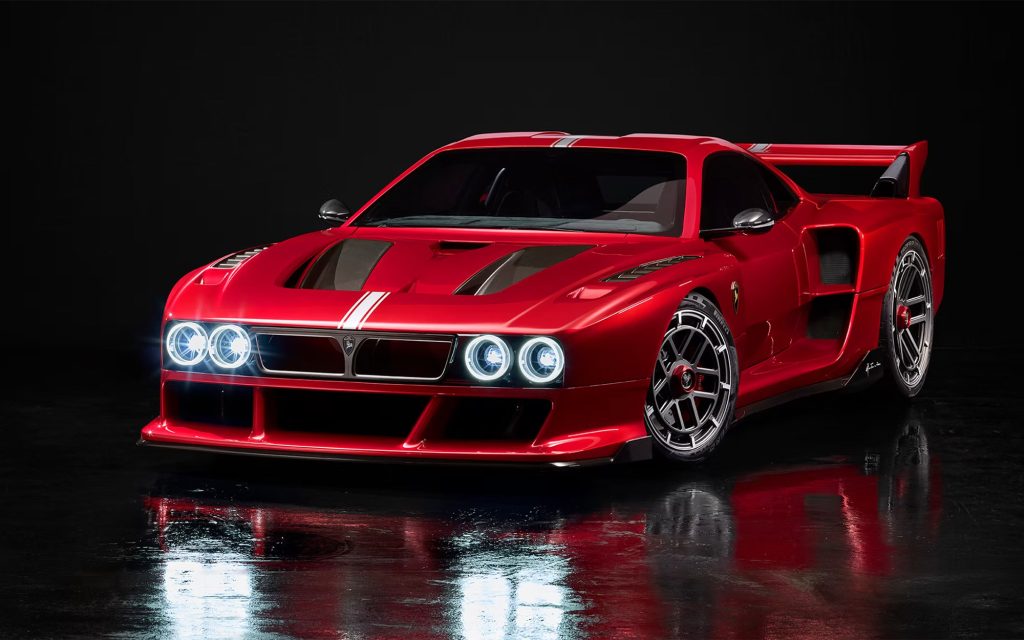

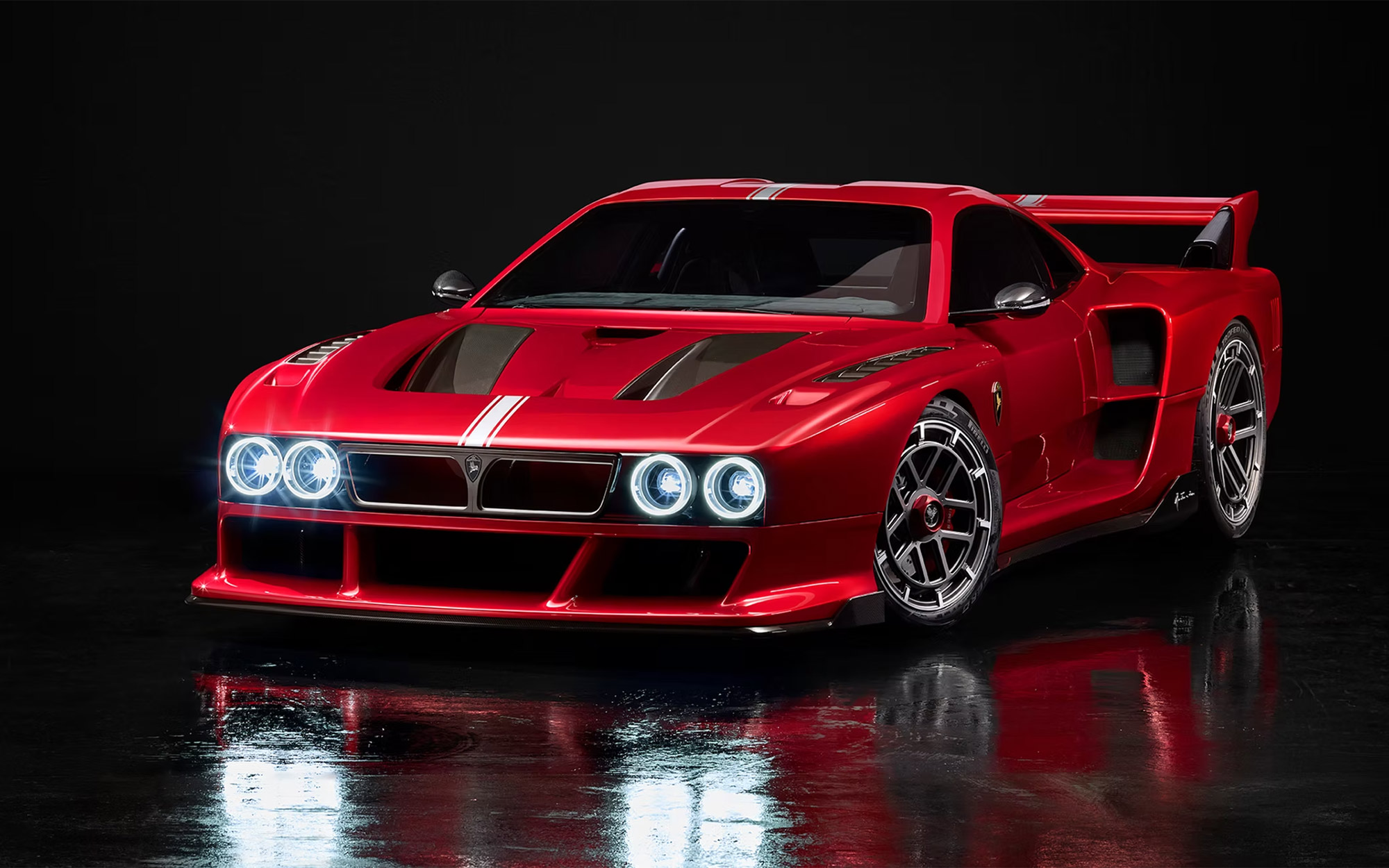

Italian boutique manufacturer Kimera Automobili has revealed the K-39, a new limited-production hypercar that moves the company beyond its celebrated Lancia-inspired restomods and into the world of bespoke carbon-fiber supercars. While the shape draws clear influence from 1980s endurance racers and icons such as the Ferrari F40 and Lancia Beta Montecarlo Turbo Group 5, the K-39 is an entirely ground-up design rather than a reinterpretation of an existing model.
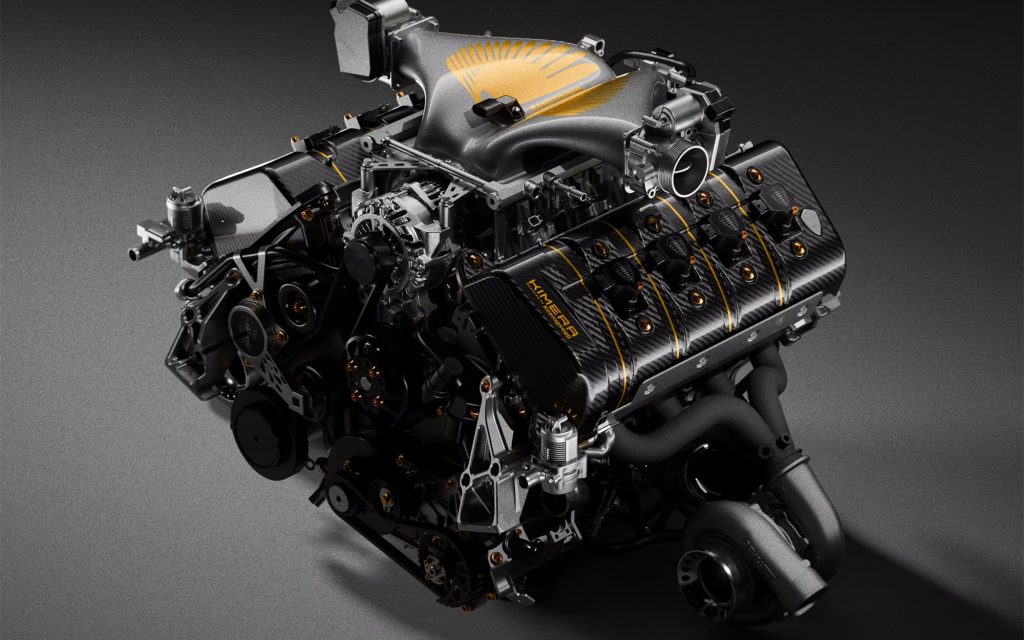
At the center of the project is one of the most unexpected collaborations in the hypercar space. The K-39 uses a bespoke version of Koenigsegg’s twin-turbocharged 5.0-liter V8, marking the first time the Swedish manufacturer has supplied an engine to another automaker. Kimera says the engine produces approximately 1,000 horsepower and 1,200 Nm of torque, paired with rear-wheel drive and a seven-speed manual gearbox.
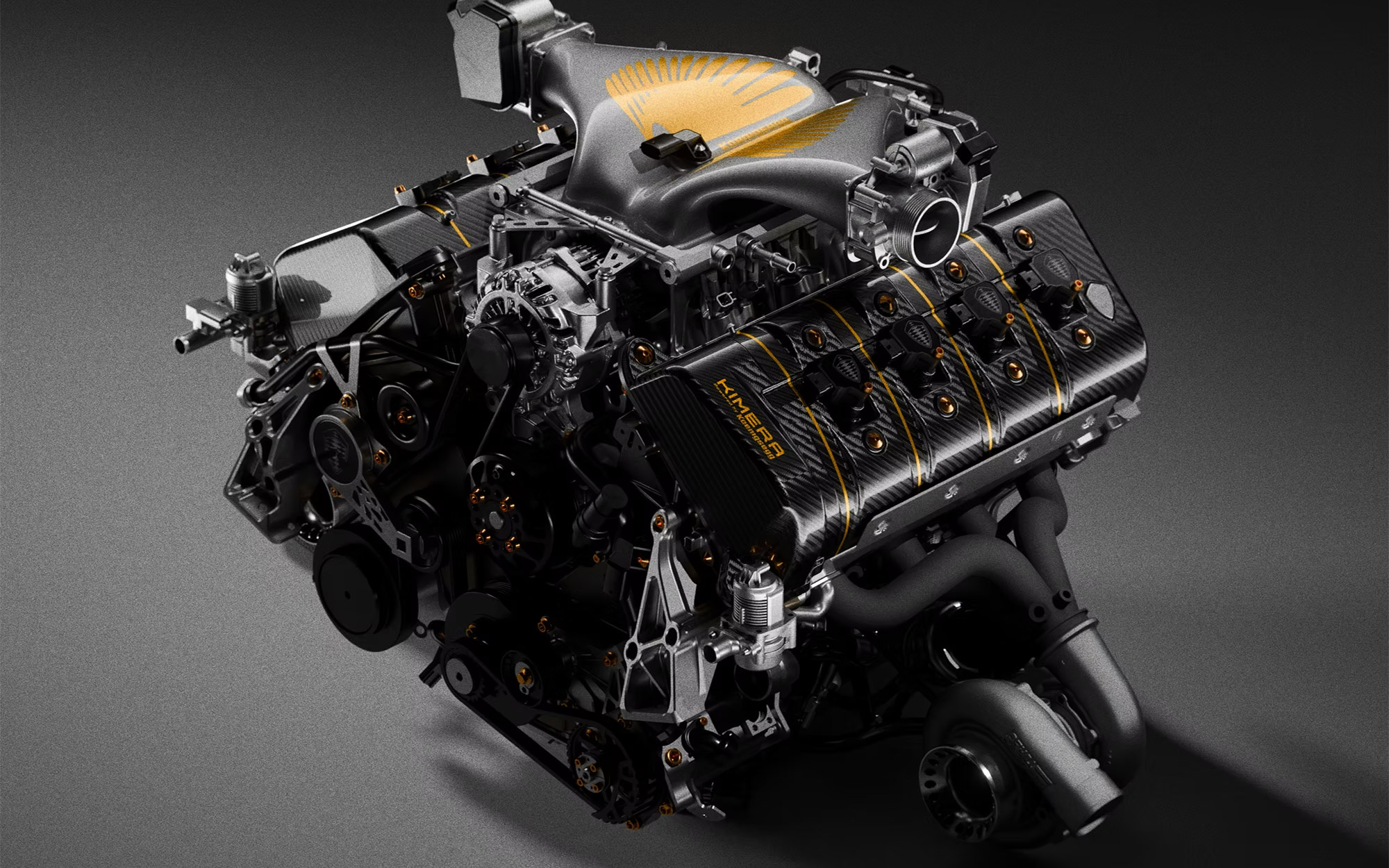
Unlike the higher-output applications found in the Jesko, the K-39’s engine has reportedly been recalibrated for throttle response and drivability, including revised intake tuning and smaller, more responsive turbochargers derived from the Agera. Kimera also claims the engine is designed to operate on standard 95-octane pump fuel.
The chassis is based around a carbon-fiber monocoque with aerodynamic development carried out alongside Dallara. Kimera is targeting a curb weight of roughly 1,100 kilograms (2,425 pounds), giving the K-39 a projected power-to-weight ratio that places it firmly among today’s elite hypercars.
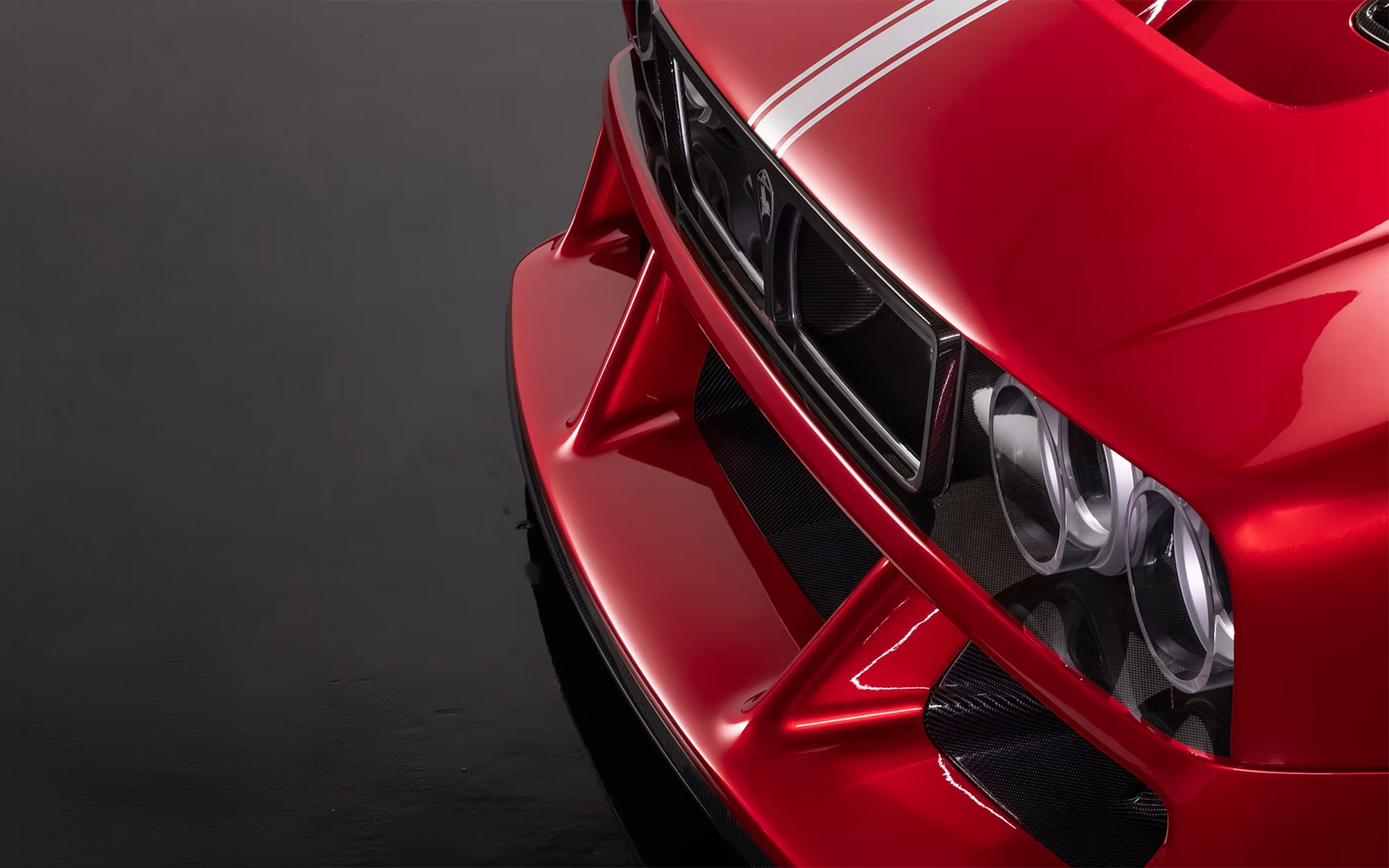
Visually, the K-39 leans heavily into motorsport-inspired surfacing with oversized box arches, deep aerodynamic channels, an S-duct front aero system and dramatic rear bodywork. Kimera says every surface was designed with airflow and downforce in mind rather than nostalgia alone.
Kimera has also confirmed development of a more extreme K-39 Pikes Peak variant intended for competition at the famous hill climb. That version features significantly more aggressive aerodynamic elements and is expected to arrive ahead of a planned 2027 campaign. Production of the standard K-39 is expected to remain below 100 units, while just 10 Pikes Peak-spec examples are planned.