
MINI Introduces Knit Interior Materials Focused on Design, Function, and Sustainability

Interior materials have become a defining element of how manufacturers express both brand identity and sustainability strategy. With the current generation of MINI models, the brand has placed a clear emphasis on material efficiency and responsible sourcing, introducing a new knitted interior textile across its lineup beginning with vehicles launched in 2024.
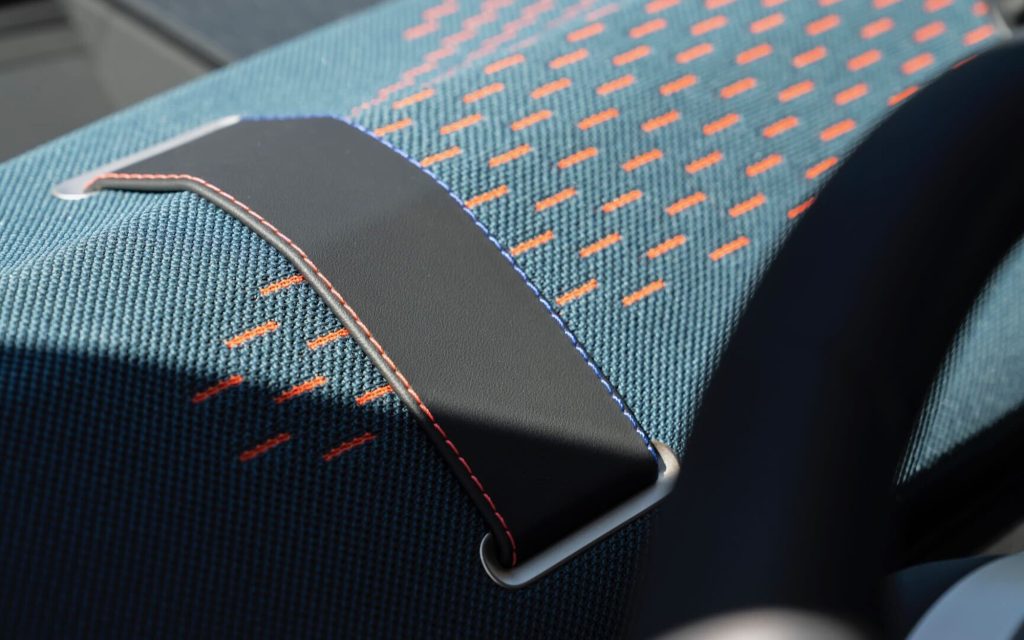
The new material is used on the dashboard, door panels, and center console lid in all current MINI models. It is composed of 92 percent recycled polyester fibers, aligning with BMW Group’s “Secondary First” principle, which prioritizes the use of recycled and secondary materials wherever possible. Compared with conventional primary materials, the knit significantly reduces CO₂e emissions and water consumption during production.

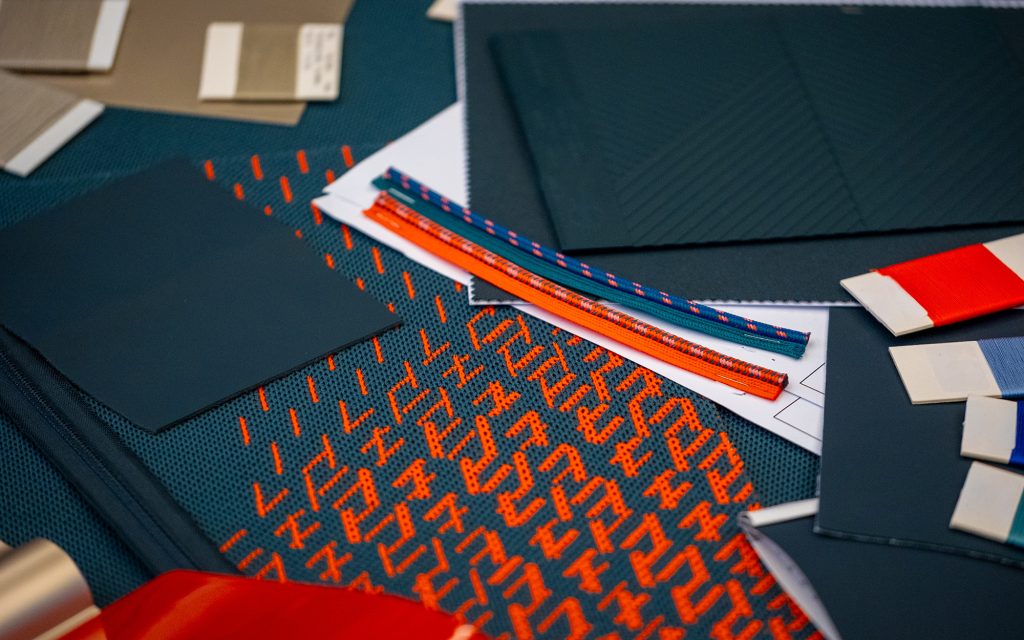
Beyond its sustainability benefits, the knitted textile was developed to meet both functional and design requirements. The surface features a layered construction that allows for two-tone color effects, with the lower textile layer subtly visible through the upper weave. This creates visual depth while maintaining a uniform and durable surface. The material is abrasion-resistant, structurally reinforced, and entirely leather-free, meeting durability standards expected for long-term automotive use.
The knit also enables a high degree of flexibility in color and pattern application, allowing MINI to create distinct interior themes without relying on traditional leather or synthetic coverings. Its development was influenced by textile construction methods used in performance footwear, adapted specifically for automotive interiors.
This material strategy extends beyond MINI. BMW is applying a related version of the knit in the upcoming BMW iX3, the first production model of the Neue Klasse. In the iX3’s Contemporary trim, the instrument panel knit is made from 75 percent recycled material and designed with increased translucency. This allows interior lighting to shine through the fabric from behind, rather than being projected onto the surface as in MINI models.
The knitted interior material was developed through close collaboration between BMW Group design, engineering, and sustainability teams, along with external partners. This cross-disciplinary approach was essential in adapting the textile for series production while meeting requirements for durability, appearance, and environmental performance.
The innovation has been formally recognized within the industry. MINI Knit was named the overall winner of the SPE Automotive Award 2025 and received the Grand Award in the Body Interior category. The SPE Automotive Awards are among the most established recognitions in the plastics and materials sector, honoring advancements that combine technical achievement with production viability.
With this approach, MINI continues to refine its interior material strategy, focusing on reduced environmental impact, functional performance, and a clearly defined visual identity across its current model range.



Responses