

On the floor at the inagural Rétromobile New York, it’s hard to stand out amongst Richard Mille’s Ferrari collection and Jerry Seinfeld’s pedigreed Porsche 908 with matching 718 GT4 RS built for the famed comedian by the factory special wishes department as part of their Sonderwunsch program. Given the background noise then is a mix of some of the most exclusive cars in the world, stealing attention much less the hearts of passers by isn’t all that easy to accomplish… unless perhaps you are Otto Werks.
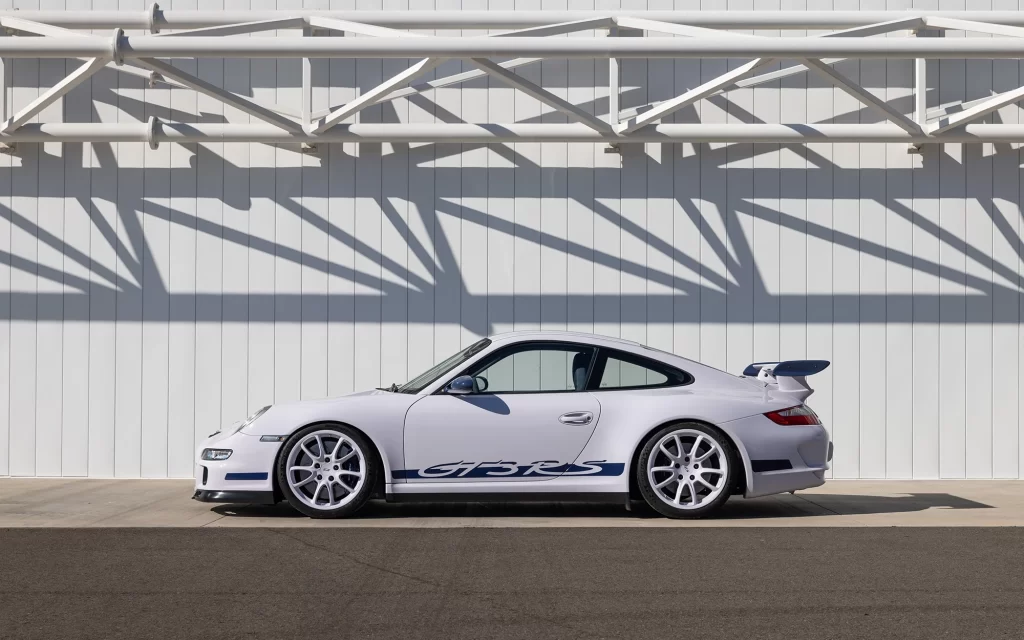
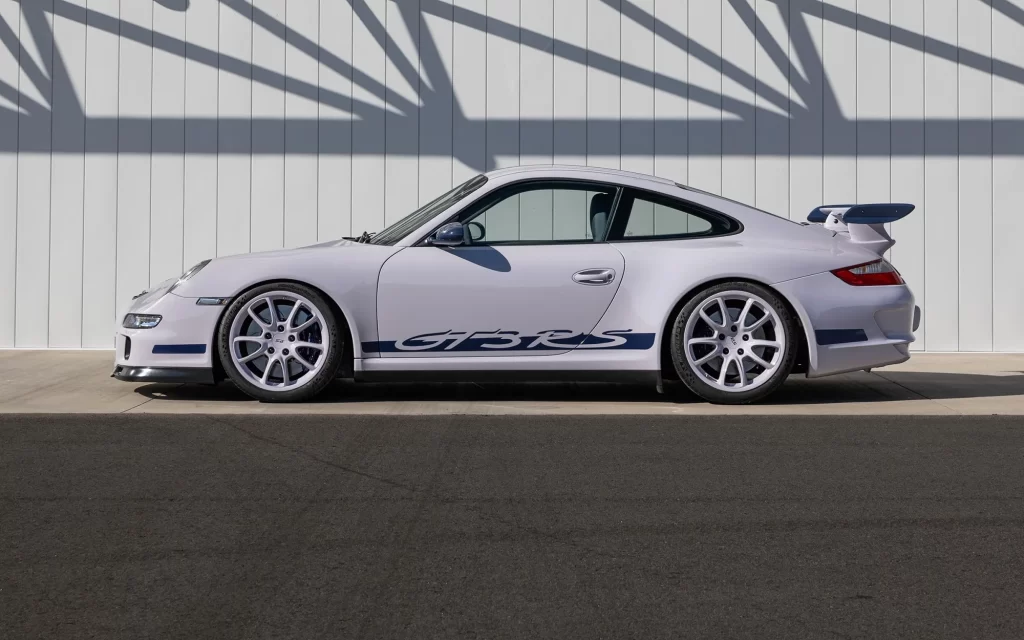
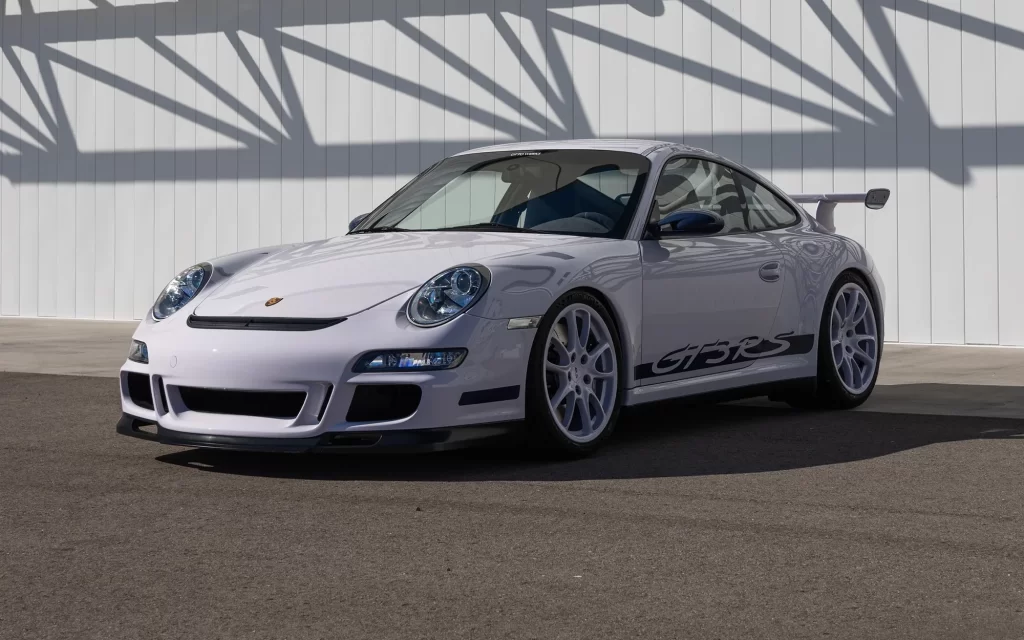
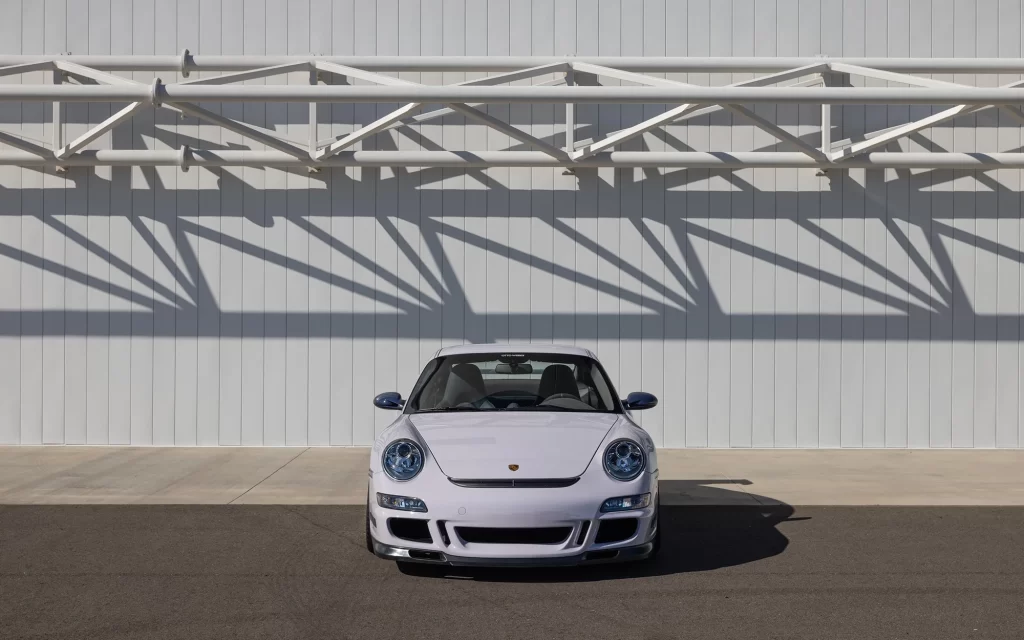
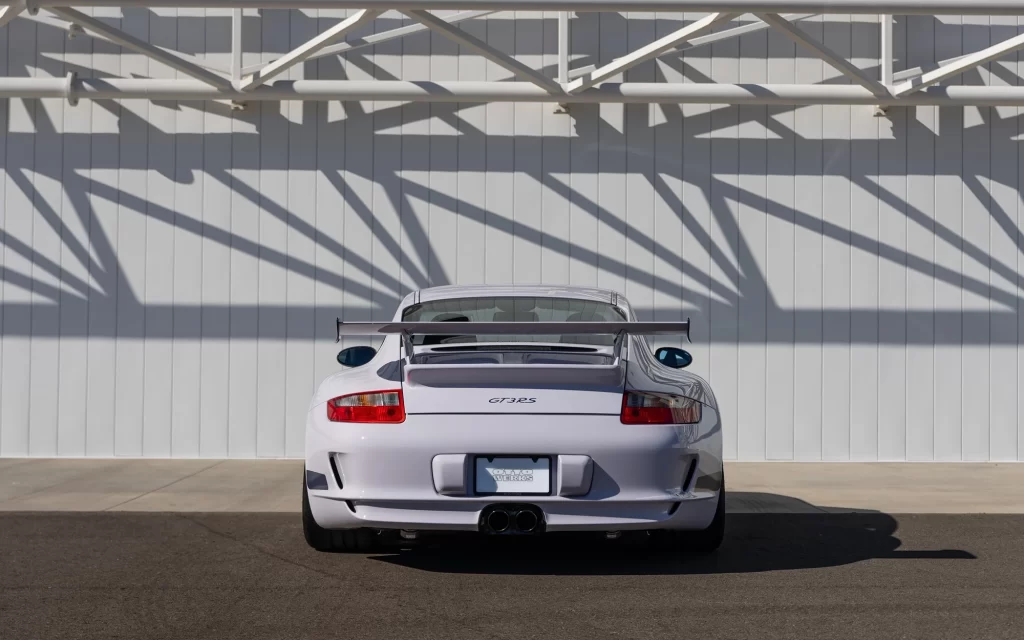
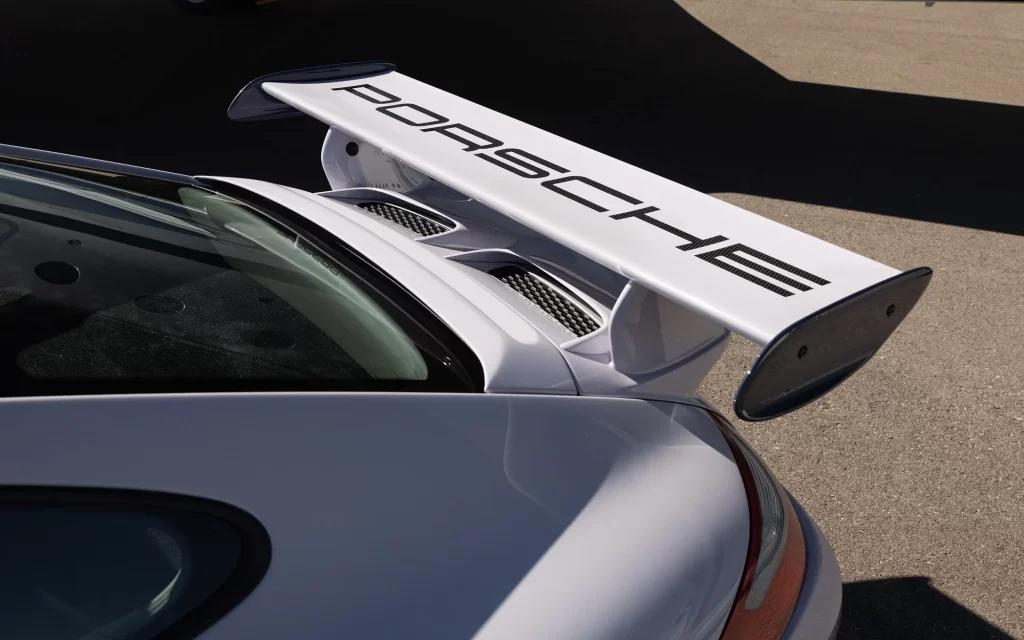
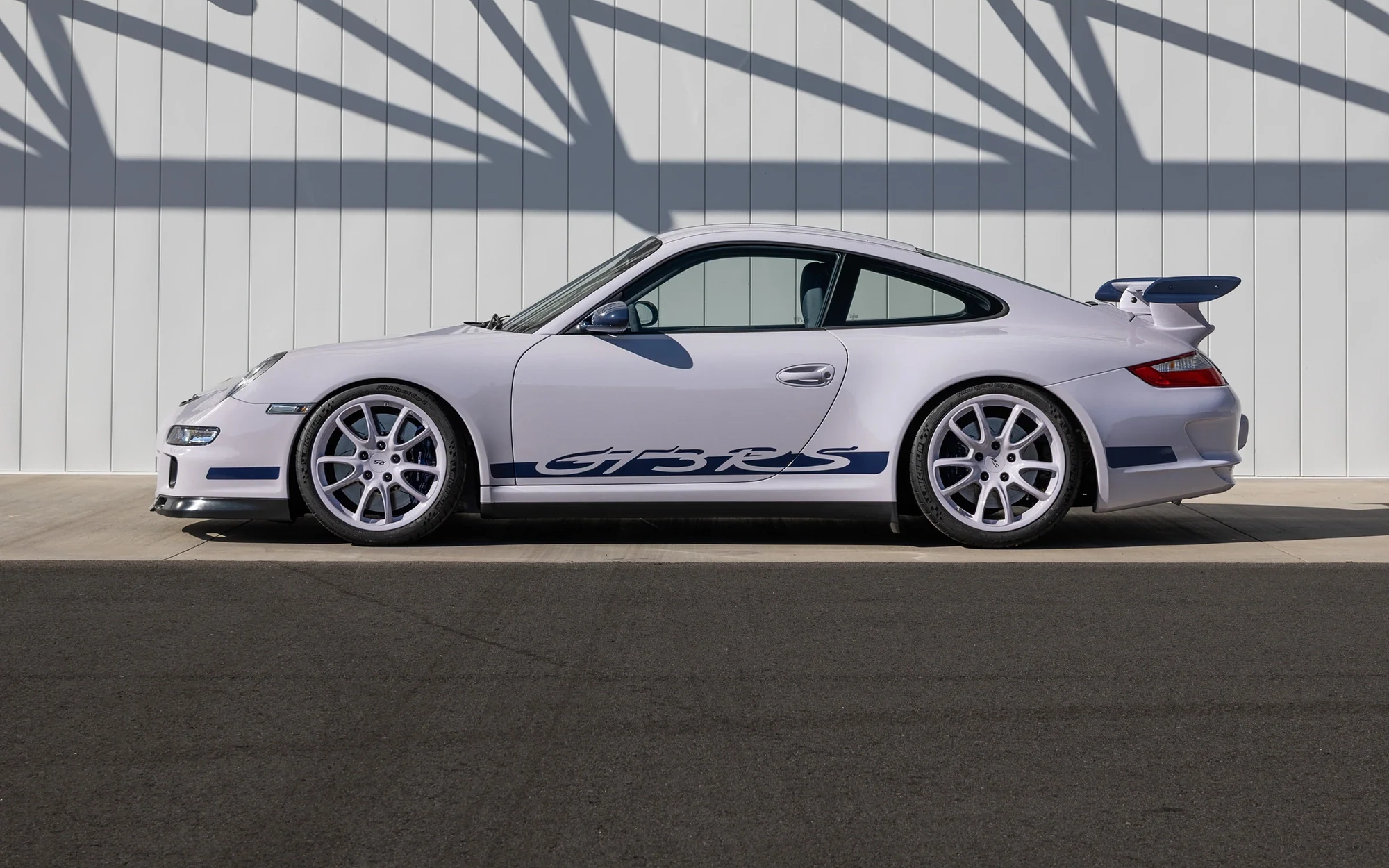
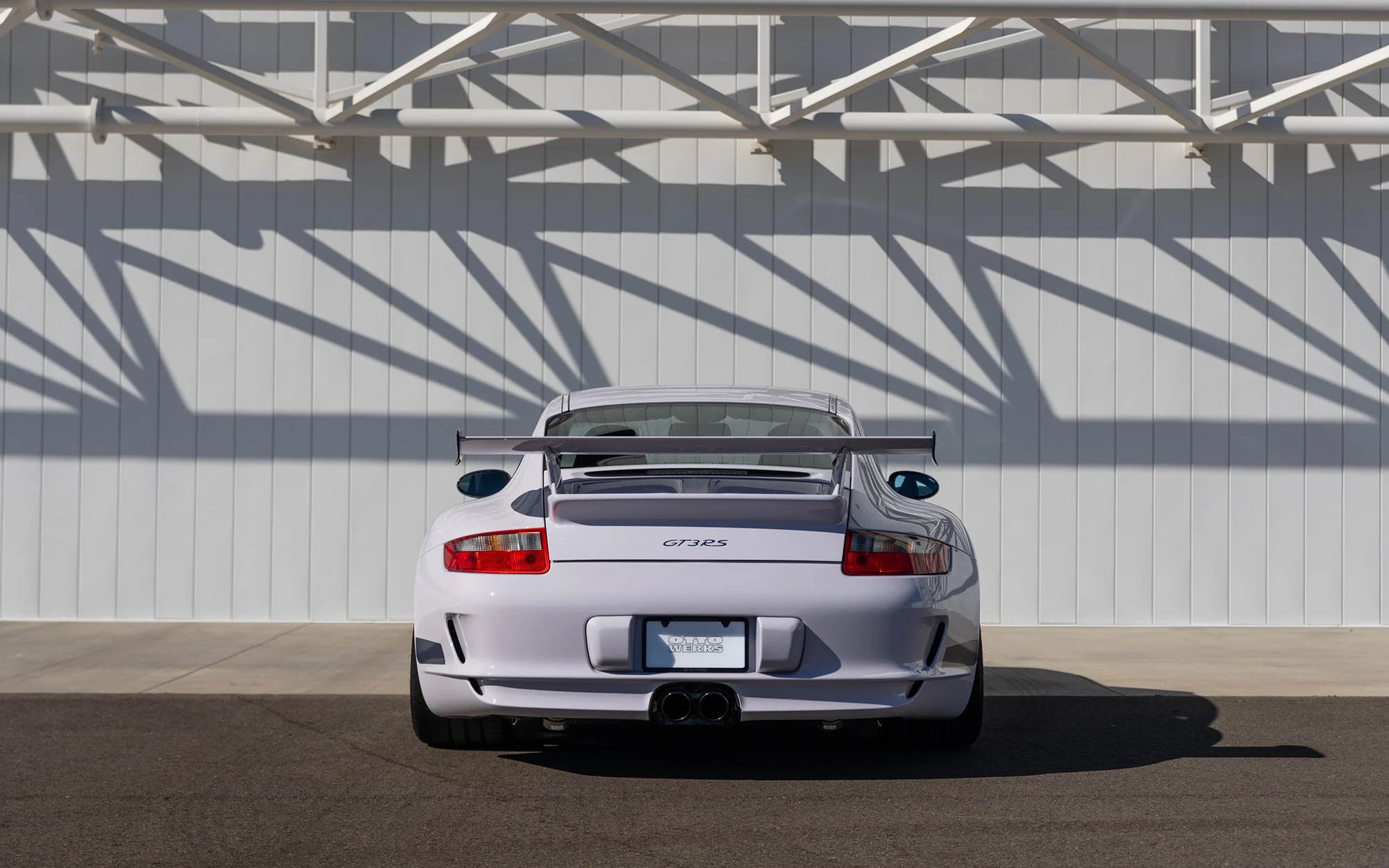
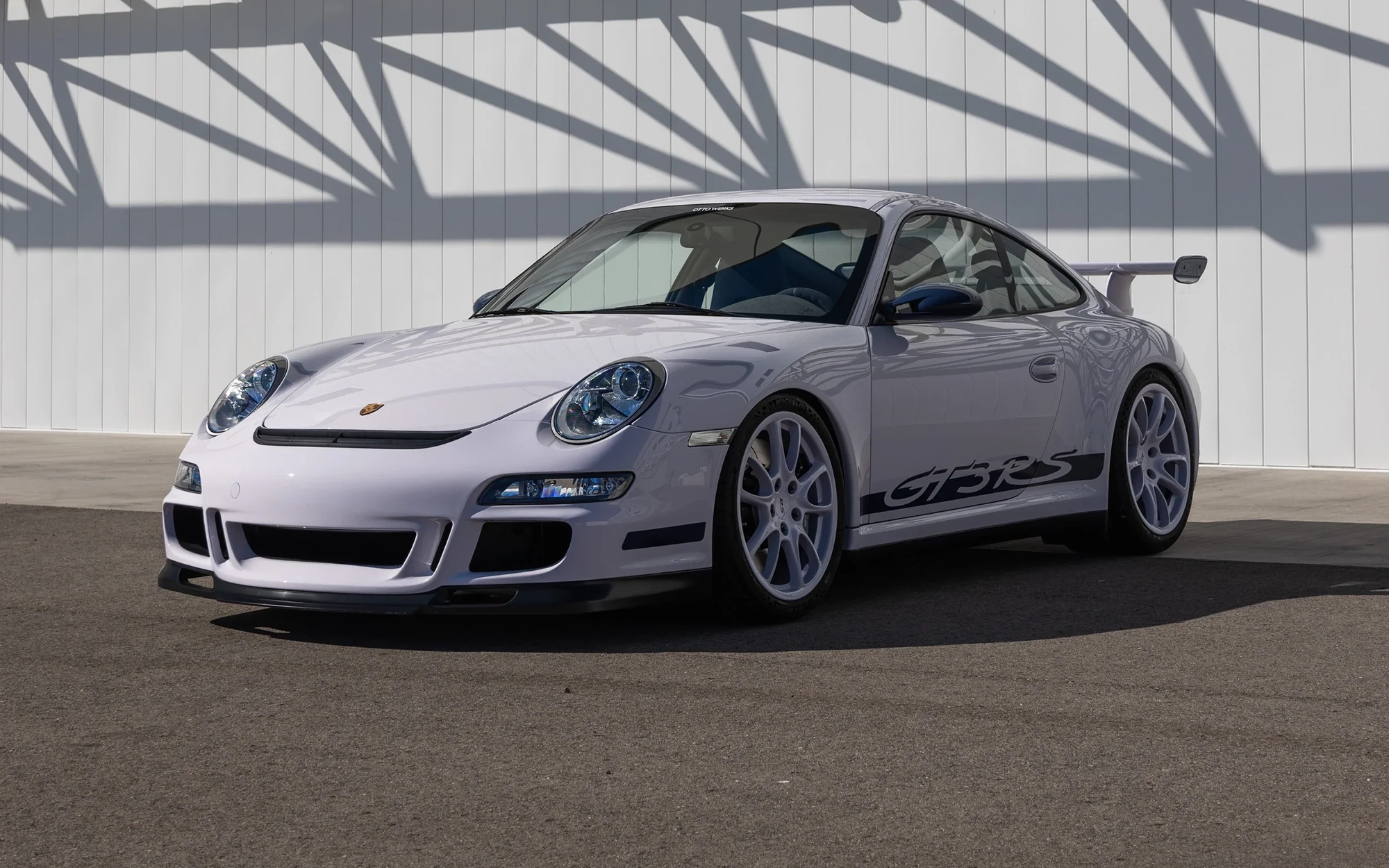
At Rétromobile, the car that kept us returning for a closer look was Otto Werks’ second 997 GT3 RS recommission and its unique color. Moonstone Lilac, set off by Indigo blue accents, is unexpected on a 997 even if it is a rare factory color.
Why? Special wishes were a rare off-menu thing in the 997 era. If you knew you knew, but it wasn’t something you could search on AutoTrader or embroidered on headrests as it is on the recent Rubystar Neo 911 GT3 RS we featured earlier this week.
The car’s presence may have been serendipitous here as it was in Manhattan’s Javits Center. Porsche held the North American launch of the 997-era 911 GT3 RS here, including a special off-site studio appearance of an RS Green specimen. Even that color though, rare as it was with approximately 50 built for the USA, wasn’t Sonderwunsch or even Paint to Sample.
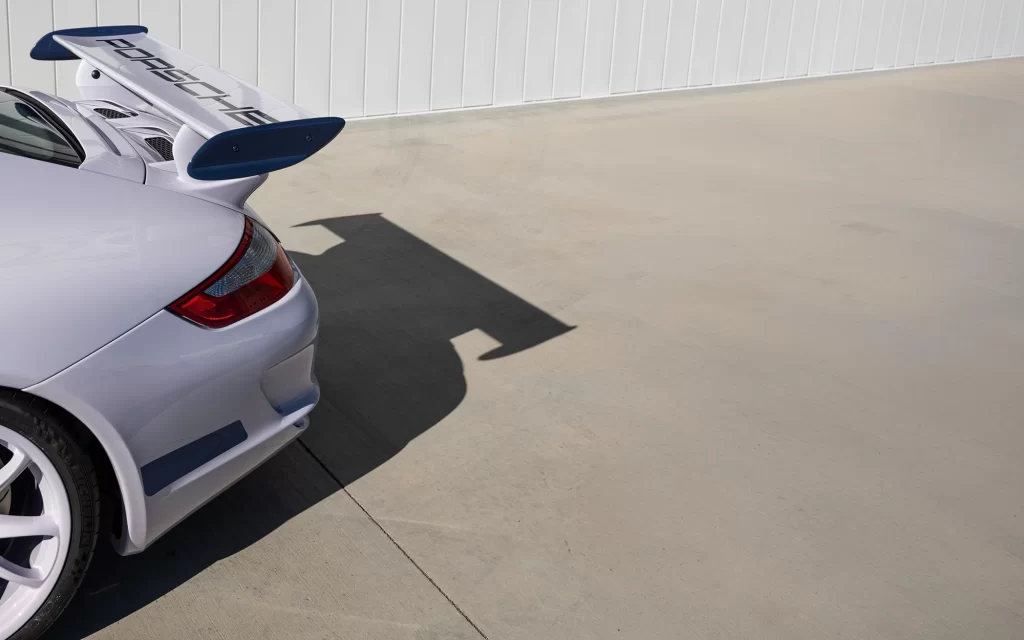
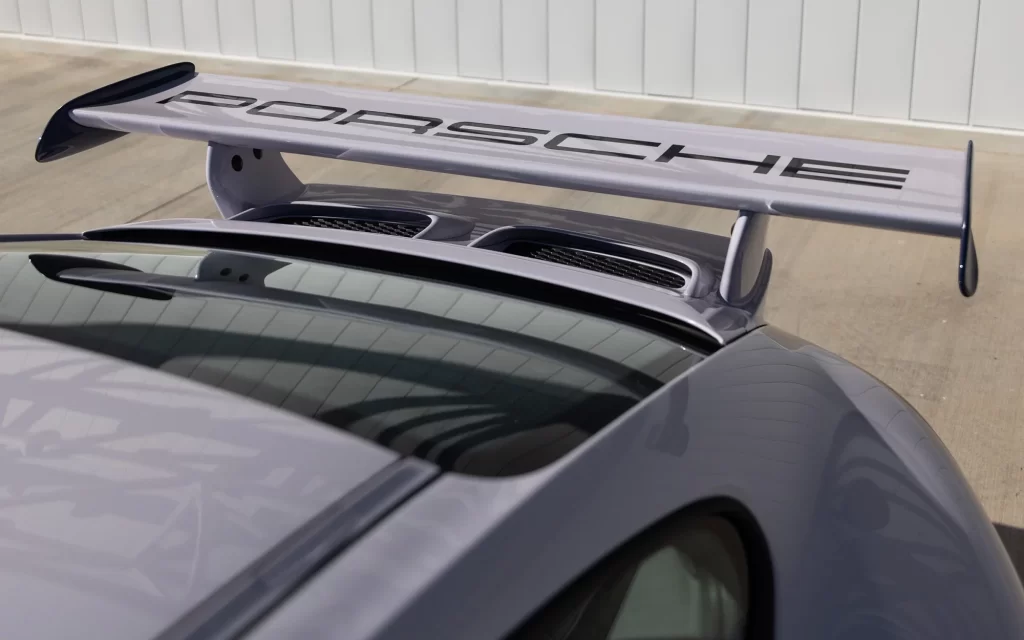
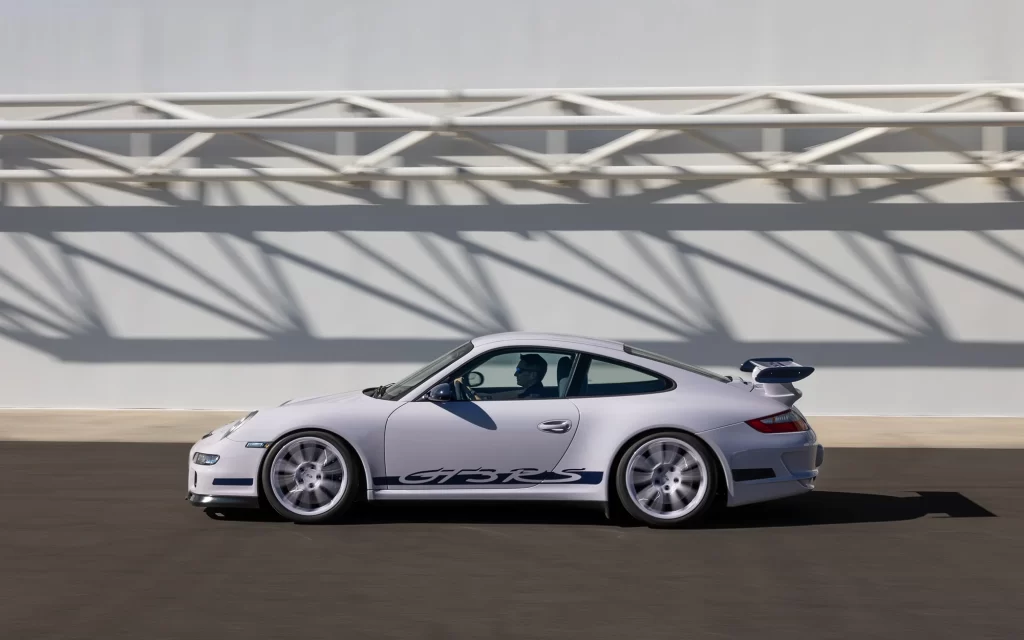
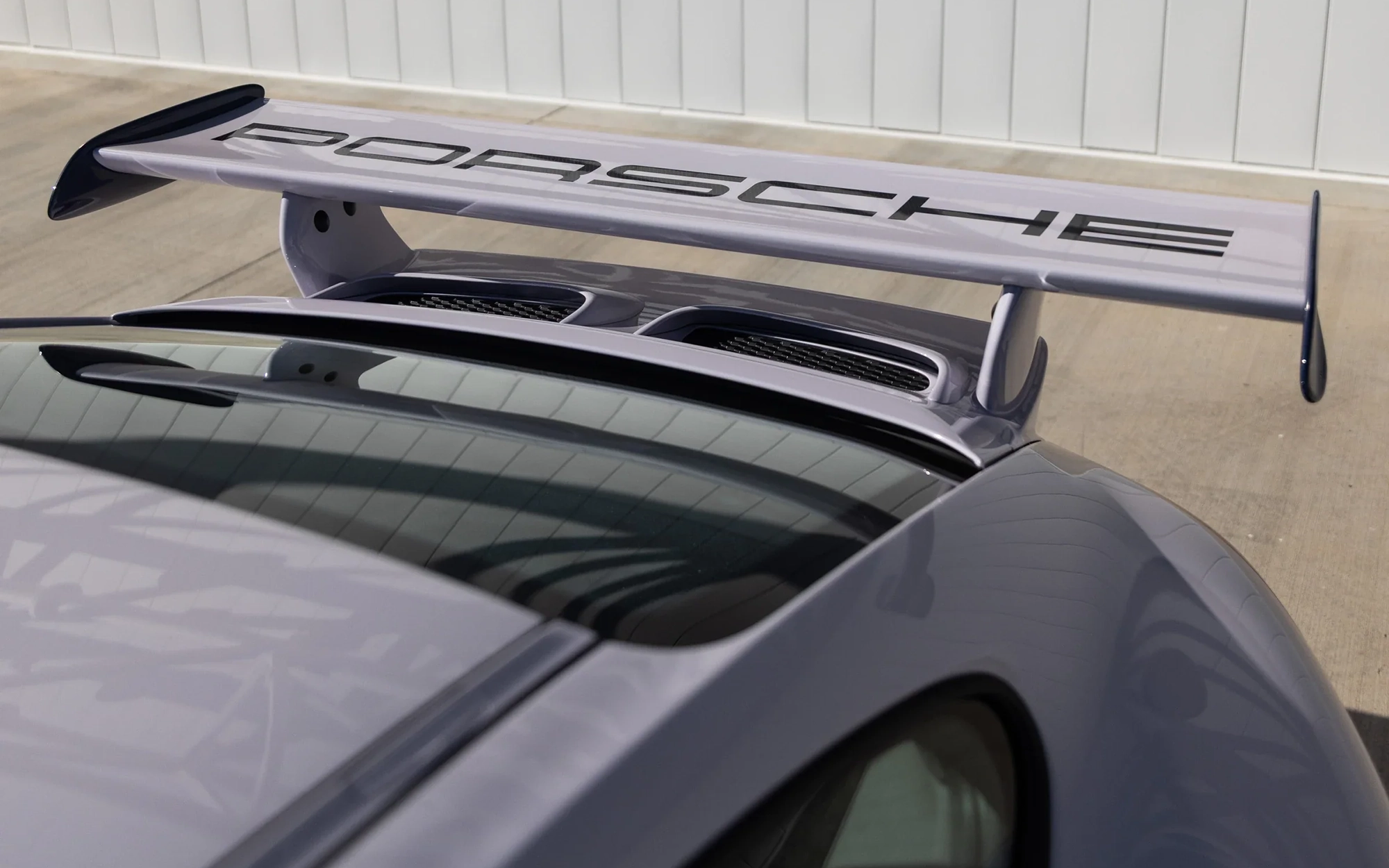
So, though the Otto Werks 911 GT3 RS may not have appeared to be any different on the outside, its highly unexpected OEM exterior had it exuding a truly fresh take on a fan favorite. The rest of the car looked so familiar that even someone who knows these cars well might need a moment to pick out what had changed.
That was the eye-opener at the Javits Center. Here was a GT3 RS rebuilt from a bare shell with a 4.25-liter engine and bespoke Öhlins suspension, yet it still looked like a Porsche that could have come out of Zuffenhausen.
MOONSTONE LILAC AND 964-ERA STUDIO CHECK
Under the show lights, Moonstone Lilac reminded us of Moon Gem, the more recent Porsche color with a similarly pale cast. Moonstone itself dates back to the late 1970s. Porsche designer Vlasta Hatter took inspiration from lilac flowers for the color, known in German as Flieder, and Porsche applied it to the G-series 911, 924 and 928. It can read almost white in strong light, with the lilac becoming more apparent as the light changes. Moon Gem has been documented as a grayer, less saturated interpretation of that earlier color.
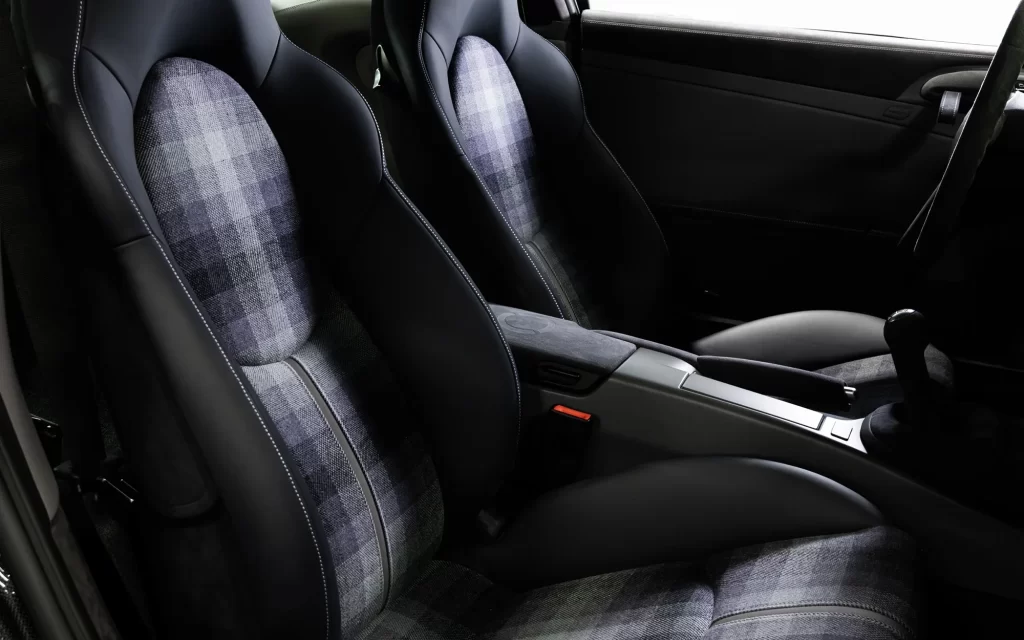
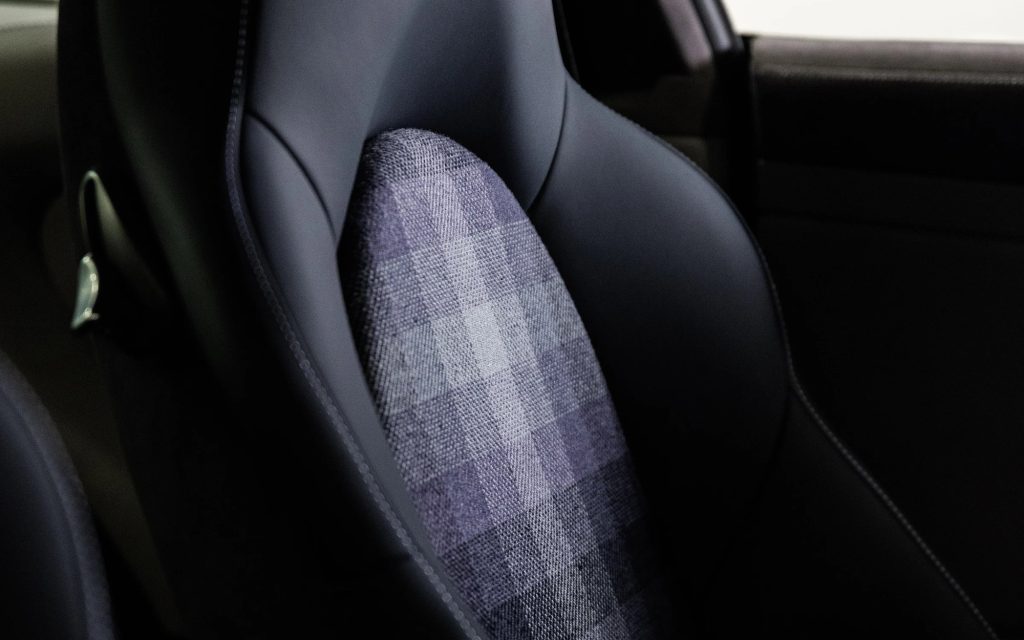
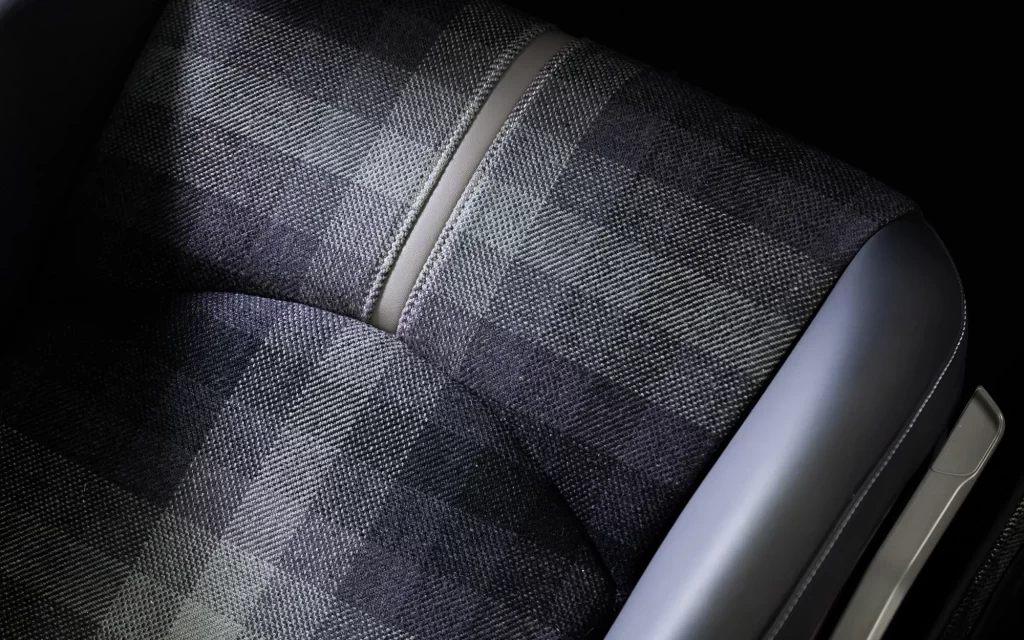
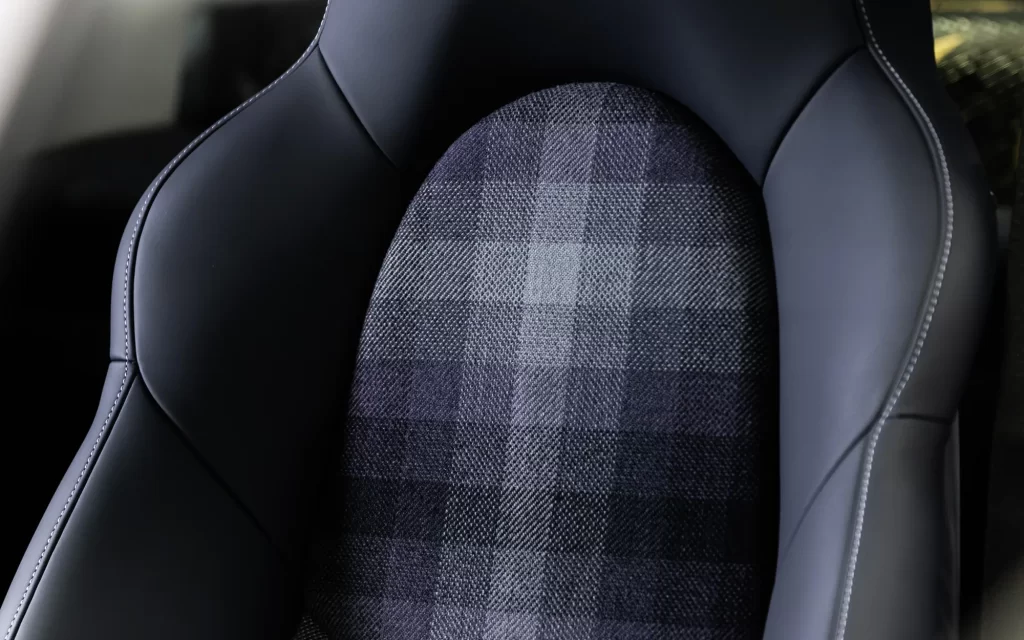
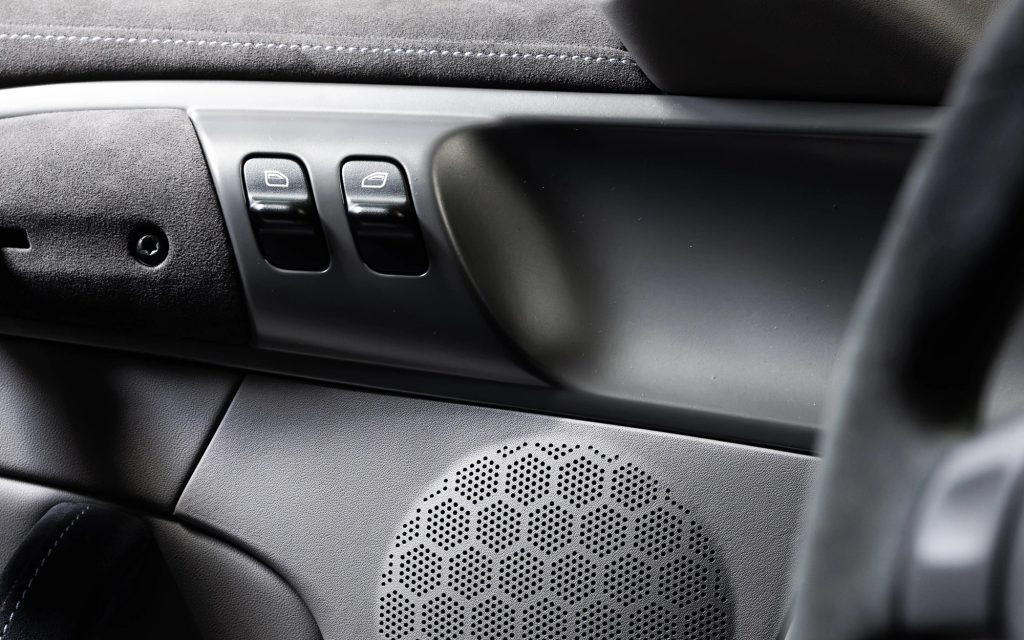
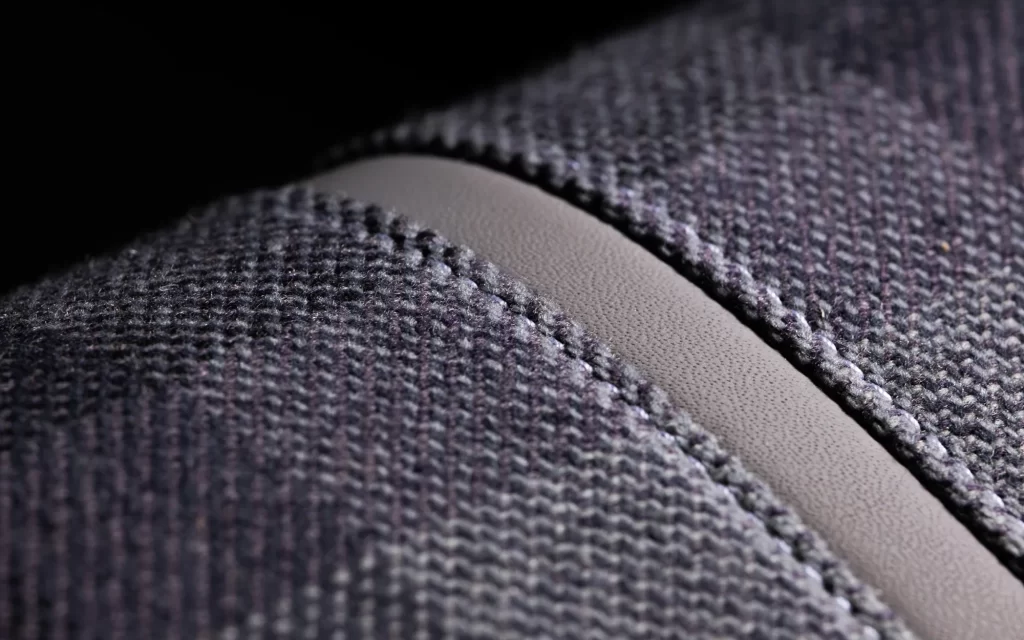
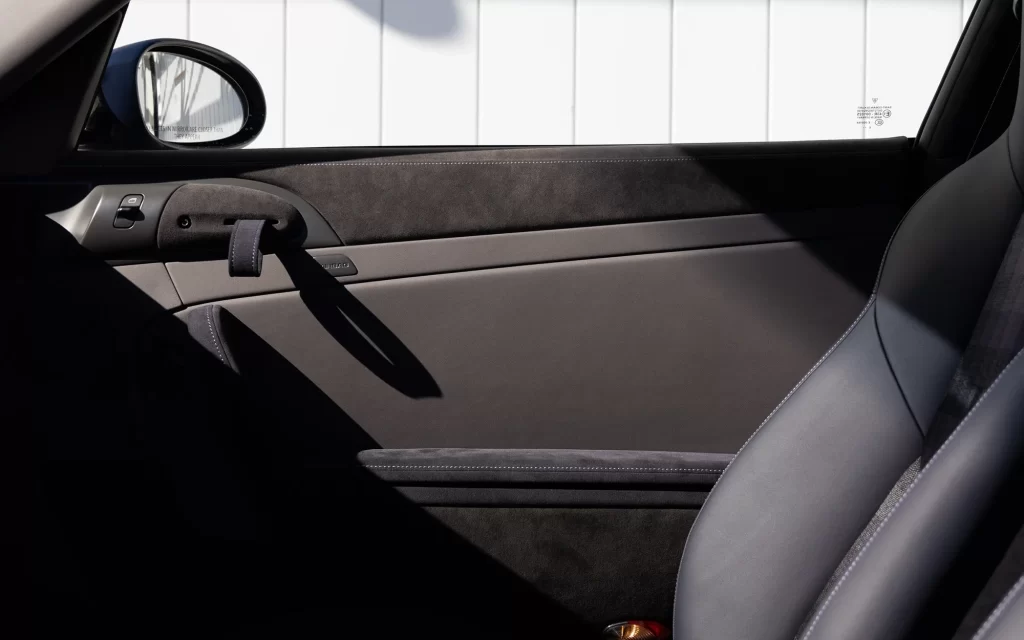
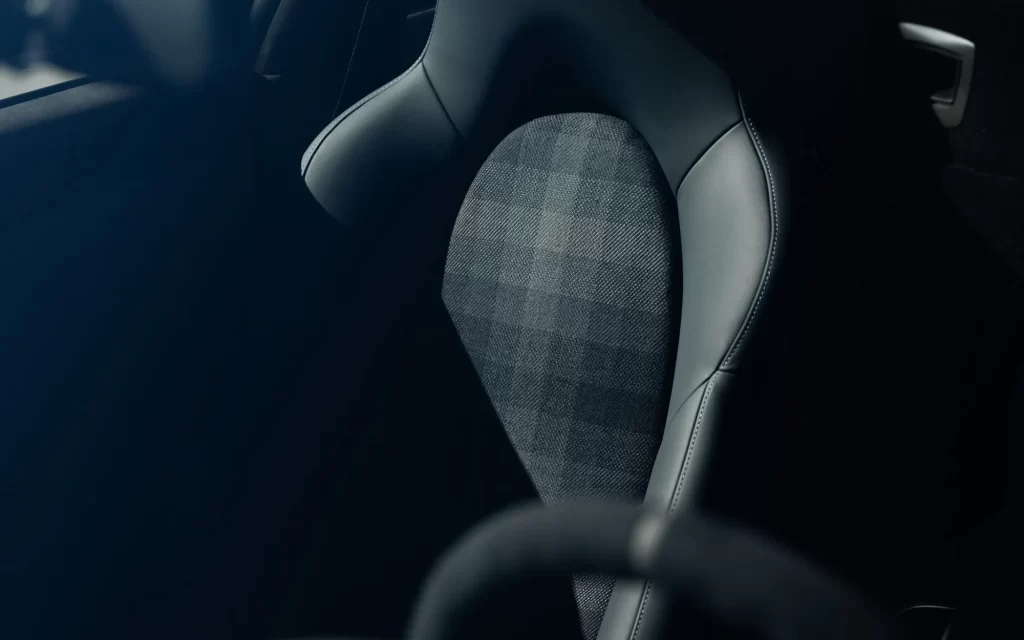
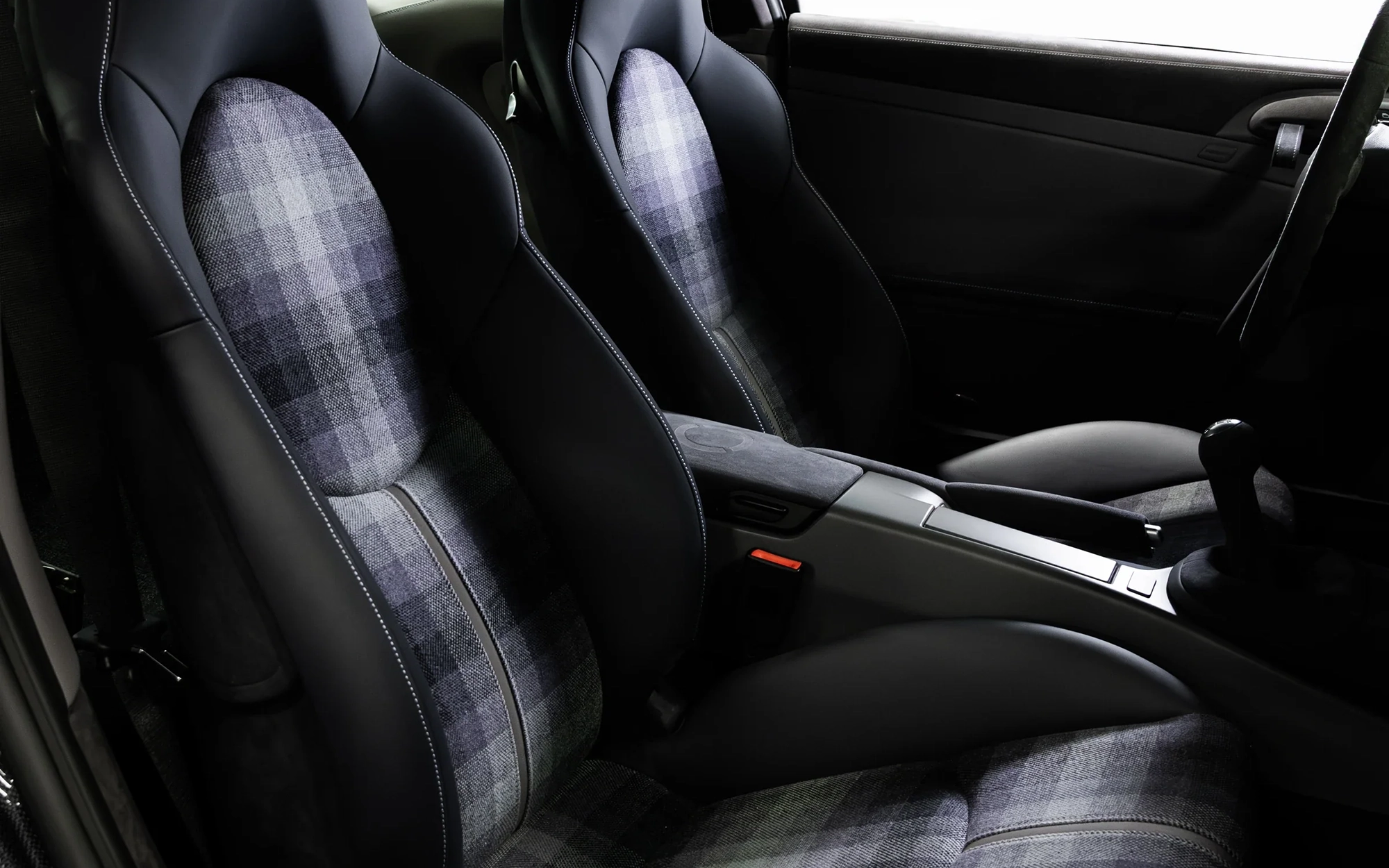
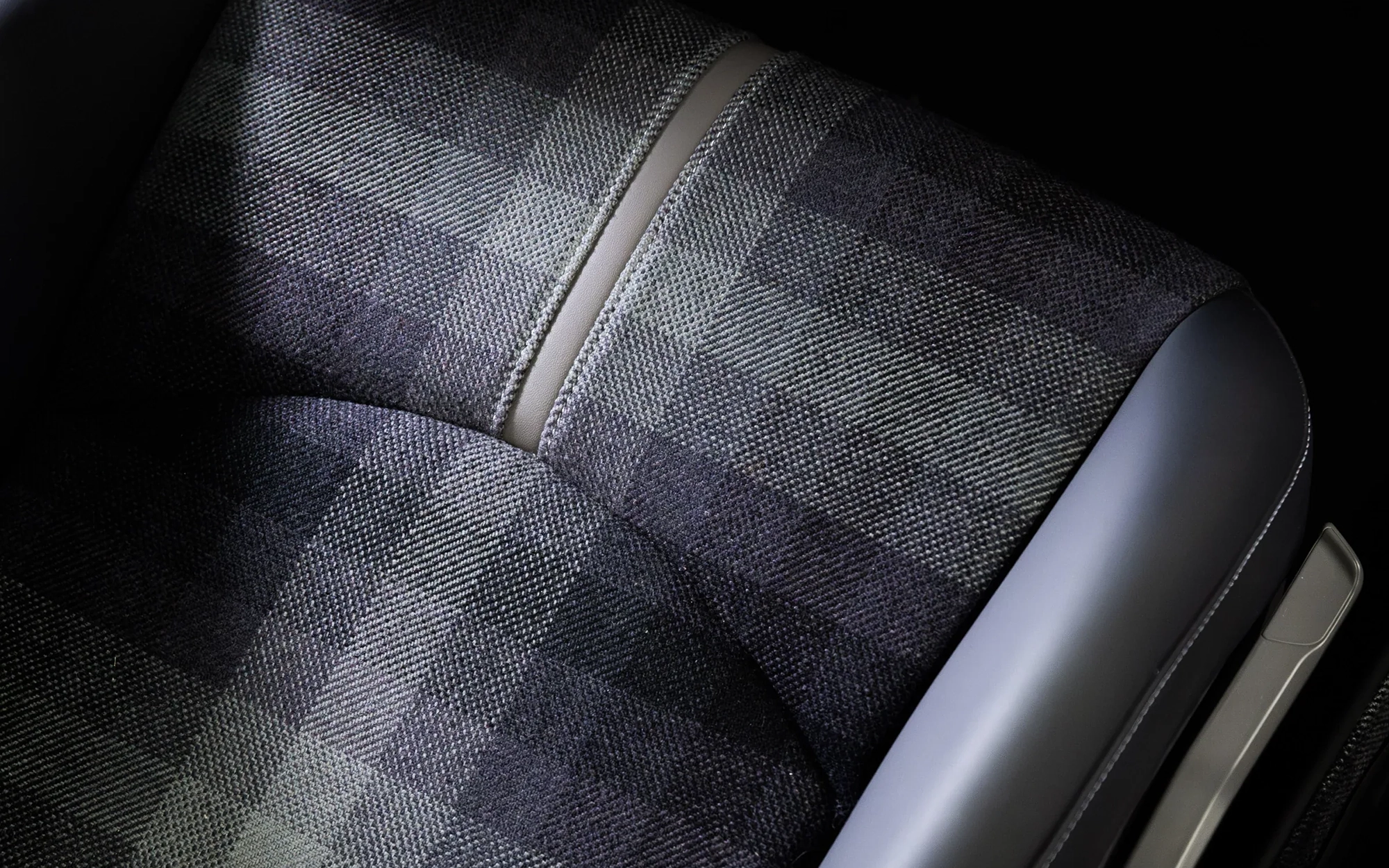
Inside, gray and blue leather and Alcantara frame blue Studio Check, a fabric associated with the 964 era. The way Otto Werks breaks up the checked inserts with a small section of leather on era-correct comfort seats is one of the few details that might give the commission away to us as a non-factory specification. The fabric has a Porsche precedent though, applied here as if it belongs in the car. It’s the sort of detail that lets an owner put a personal stamp on a GT3 RS without making the interior look like it came from the factory and not your local Porsche restoration shop.
Recommission No. 1 shows where another owner can take the same program. That 2008 GT3 RS, delivered during Monterey Car Week, wears China Grey, a quieter color that is still unexpected on a 997. Its BBS wheels are the first visible clue that the car has been reworked. No. 2 drew our attention for the opposite reason. The color registers, then the wheels, bodywork and stance make the extent of the work harder to place but also clearly not factory. Beside its extensively rebuilt stablemate, the Moonstone car stands out for its reserved take despite its eye-catching otherworldly paint with purple undertones.
4.25 LITERS, SHORTER GEARS AND ÖHLINS TTX
Look beneath the surface and the formula takes on more of a remaster tone than that of a factory faithful recommission we might expect from Porsche’s own recommission program. Otto Werks starts by taking the donor down to a bare shell. In No. 2, a 997.1 GT3 RS, the naturally aspirated flat-six grows from 3.6 to 4.25 liters. The reported output is 485 hp at the rear wheels, measured on a chassis dyno using 91-octane pump gasoline. The six-speed manual gets shorter ratios, so the changes to the engine and gearbox work together. In the affected gears, the shorter ratios multiply more torque at the wheels and bring the engine higher into its rev range at a given road speed.
The chassis uses bespoke Otto Werks-spec Öhlins TTX dampers with independent compression and rebound adjustment. That gives the workshop separate control over how the suspension responds when it compresses and when it extends again. Displacement, gearing and damping are changes are clear augmentations over the original car. From the show floor, almost all of those components were hidden.
A REMASTER FROM THE DRIVER’S ERA
For many enthusiasts, the 996 and 997 sit at a useful midpoint in 911 history. They’re slightly larger and more refined than earlier air-cooled cars yet still feel compact next to the 991 and even larger 992. The 997.1 GT3 RS in particular combines a wide body, a high-revving flat-six and a six-speed manual in a car modern enough to use regularly. It fits what YouTube personality Vin Anatra has come to refer to as the driver’s era, when modern performance and everyday usability still came with a relatively compact footprint and controls that kept the driver involved.
Porsche has already shown how much room there is for factory tailoring on an existing 911. Its Sonderwunsch recommissioning team built Luca Trazzi’s 993 Speedster and unveiled it at Monterey Car Week in 2024. Porsche Classic and the Porsche Club of America went a generation newer with the 996-based 911 Classic Club Coupe. Otto Werks brings that kind of thinking to a later car and starts with an RS that already has a distinct identity. The challenge is knowing how much to change when the client is paying for the freedom to change almost anything. Otto Werks’ No. 2 makes the case for spending that freedom on paint, materials and the way the car drives, while keeping the shape and details that make it recognizable as a 997 GT3 RS.
TEN COMMISSIONS, FROM $750,000 PLUS THE DONOR
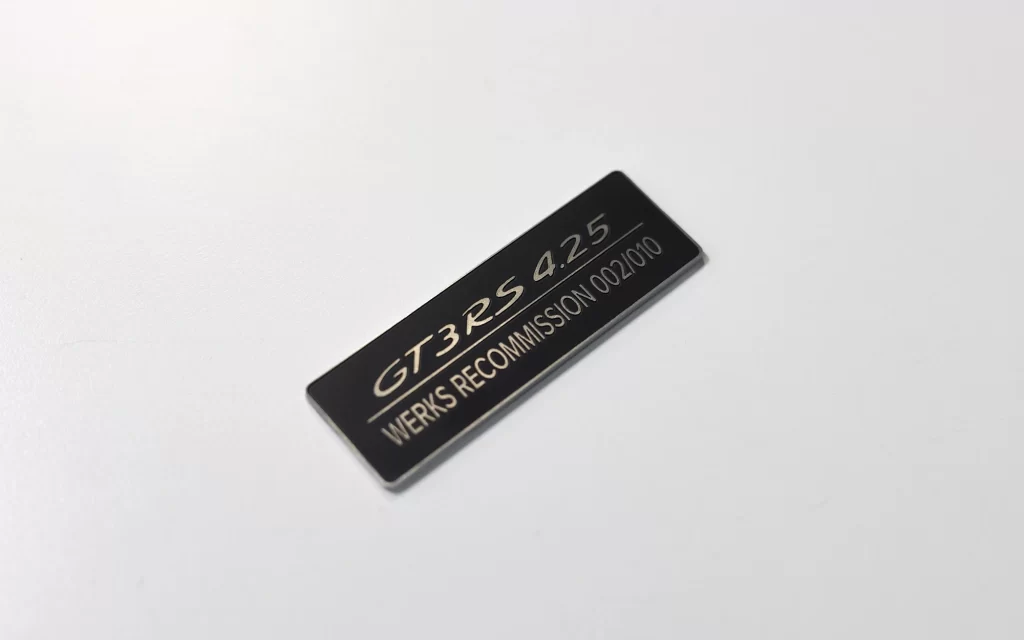
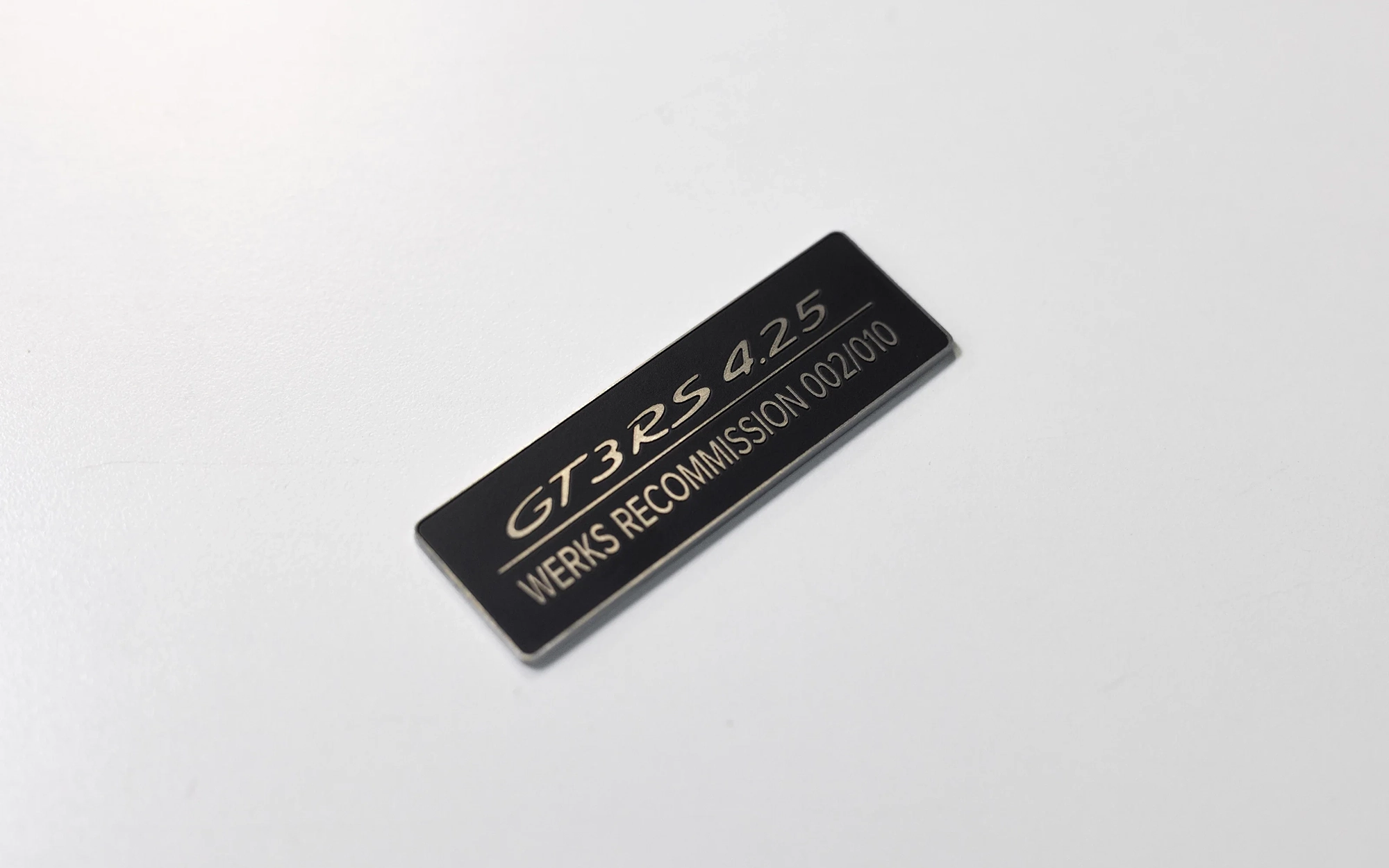
Otto Werks is limiting their 997 recommissioning program to 10 individually numbered cars, each with a bespoke dash plaque and a certificate of authenticity. The workshop’s program page covers both the 997.1 and 997.2 GT3 RS. It sits alongside their 964 RS Driver Package and Meyers Manx builds in their Scottsdale facility’s package-car portfolio.
Pricing for the Otto Werks 997 GT3 RS recommission program start at $750,000, excluding the donor car. Otto Werks has a Begin Your Commission inquiry form for prospective owners. The workshop hasn’t published how many slots remain or the terms for reserving one.
PHOTO GALLERY