
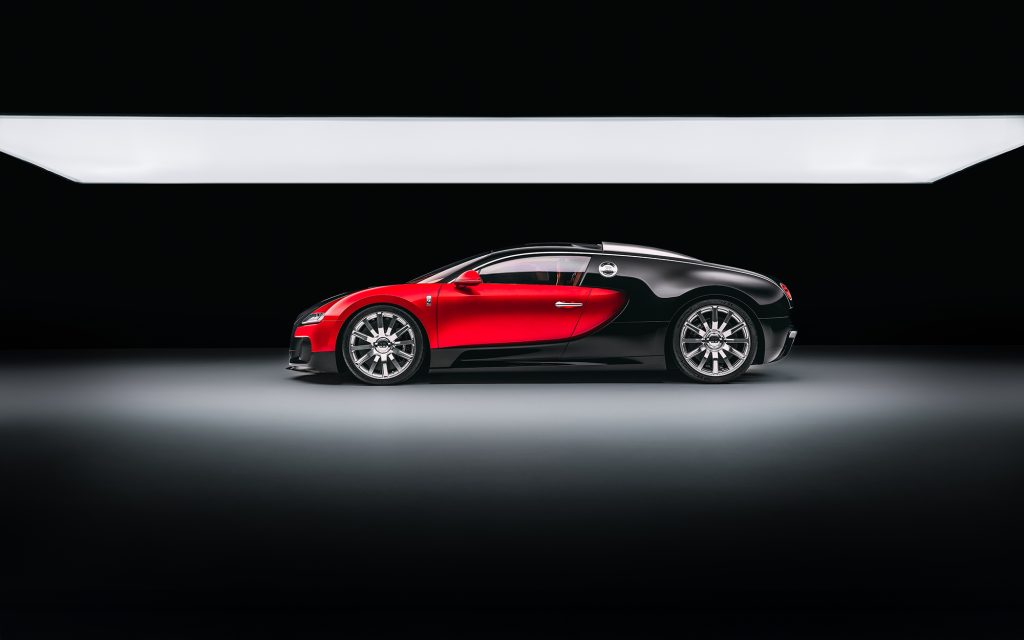
Veyron Redefined: Bugatti’s F.K.P. Hommage Honors Ferdinand Piëch’s Impossible Dream

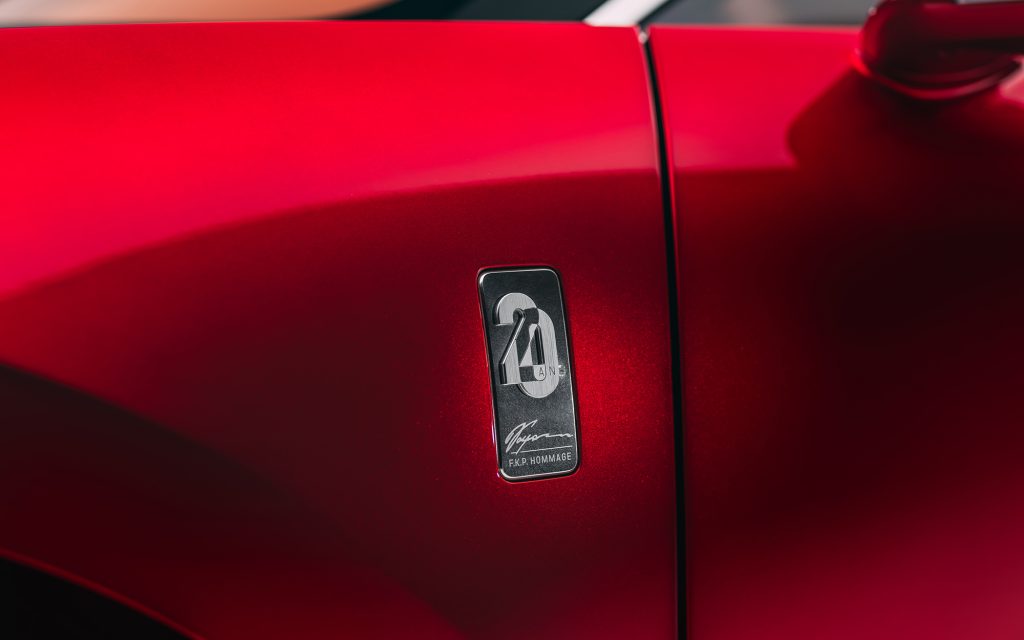
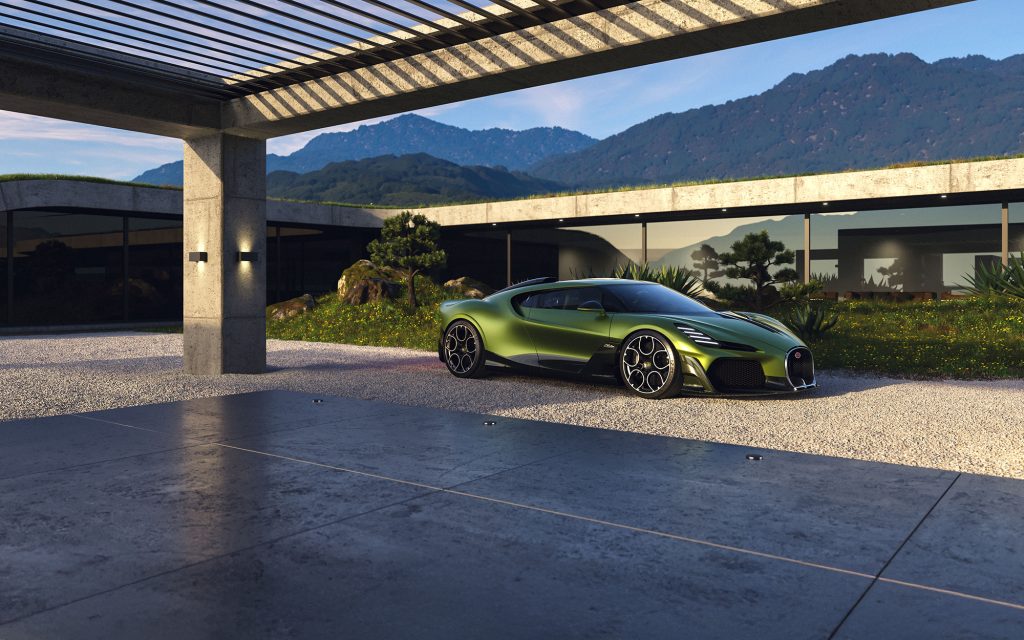
Twenty years after the Bugatti Veyron first bent the laws of physics into submission, Molsheim has unveiled a car that feels less like a successor and more like a full-circle moment. The Bugatti F.K.P. Hommage, created under the brand’s ultra-exclusive Programme Solitaire, is both tribute and technical manifesto — a one-off that celebrates the Veyron’s revolutionary spirit and the singular mind who willed it into existence: Prof. Dr. Ferdinand Karl Piëch.
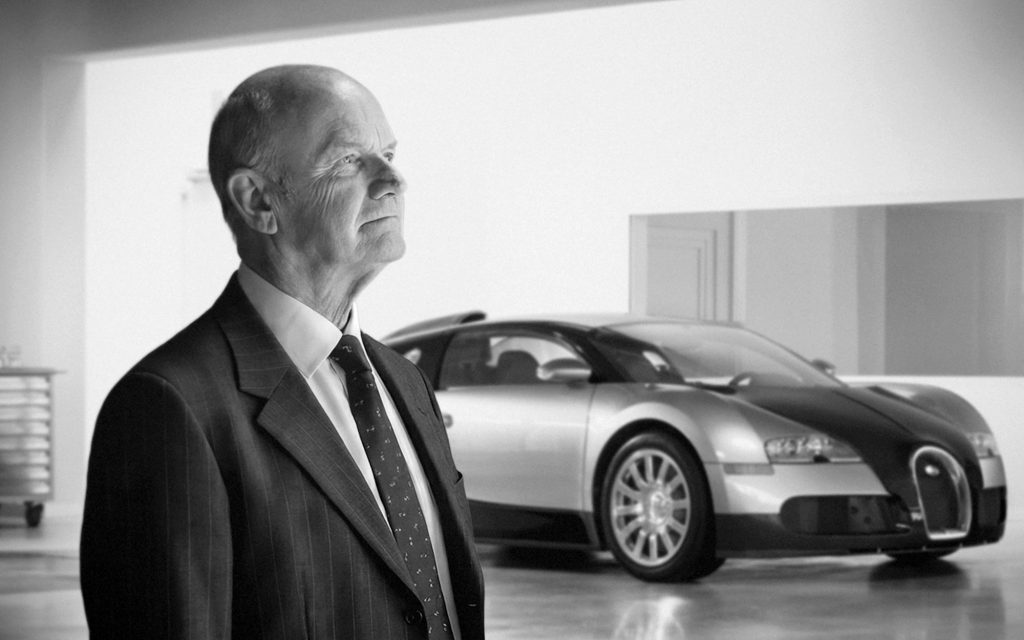
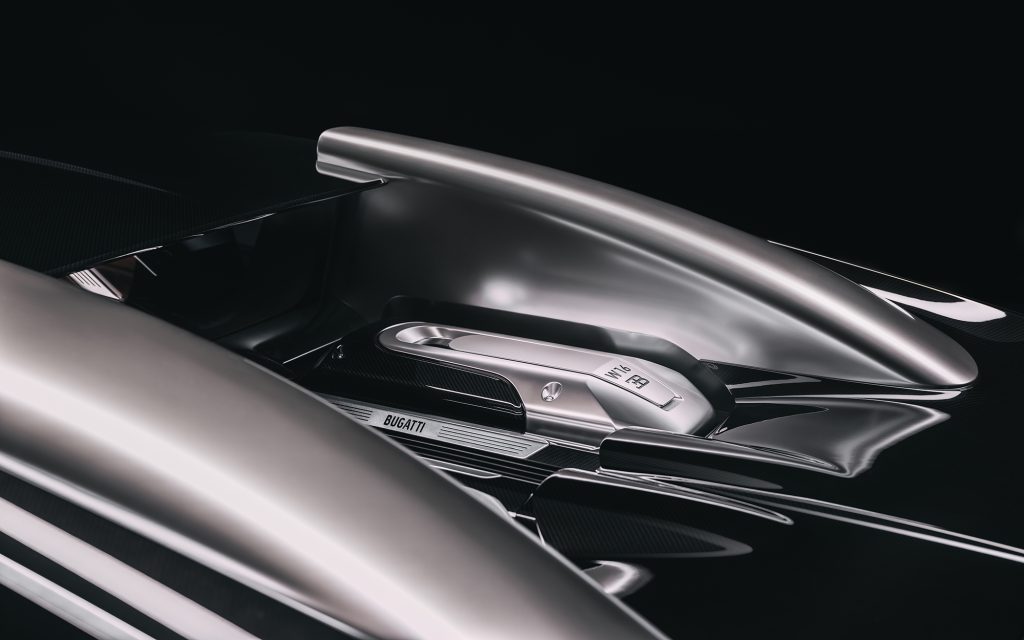
The Veyron’s origin story is the stuff of modern automotive legend. Not in a design studio, but on a Japanese bullet train, where Piëch sketched the W-engine concept that would eventually power Bugatti’s rebirth. Already responsible for Volkswagen Group’s VR6, W8 and W12 architectures, Piëch pushed the idea to its ultimate conclusion: a quad-turbocharged W16 compact enough to fit within a usable grand touring package. By staggering the cylinders in an extraordinarily tight layout, engineers created an engine just 645 mm long — a packaging breakthrough that enabled the Veyron’s short 2,700 mm wheelbase, all-wheel drive stability and uncanny blend of civility and violence.
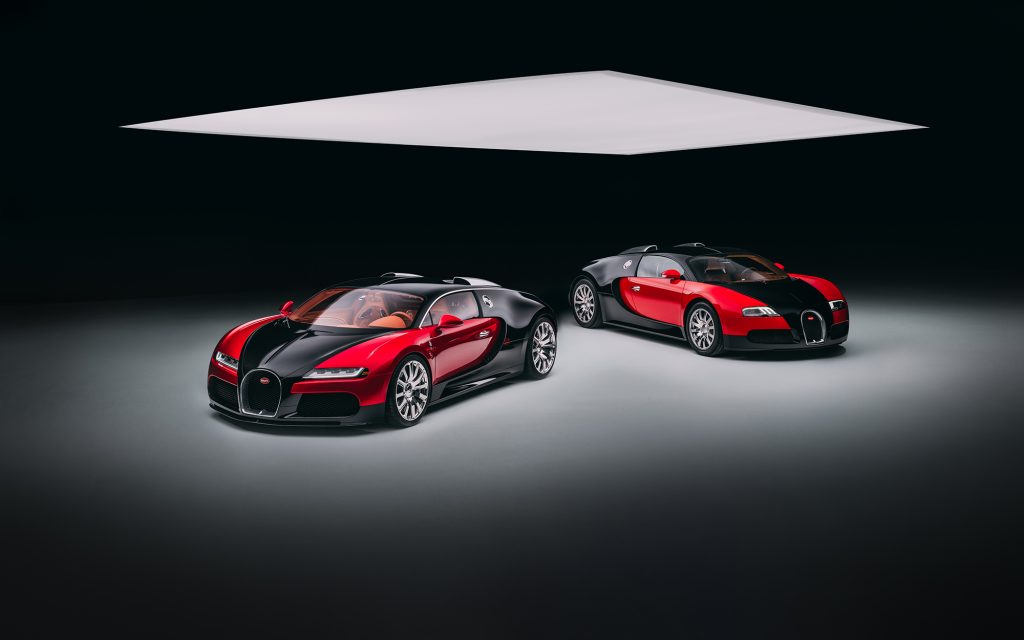
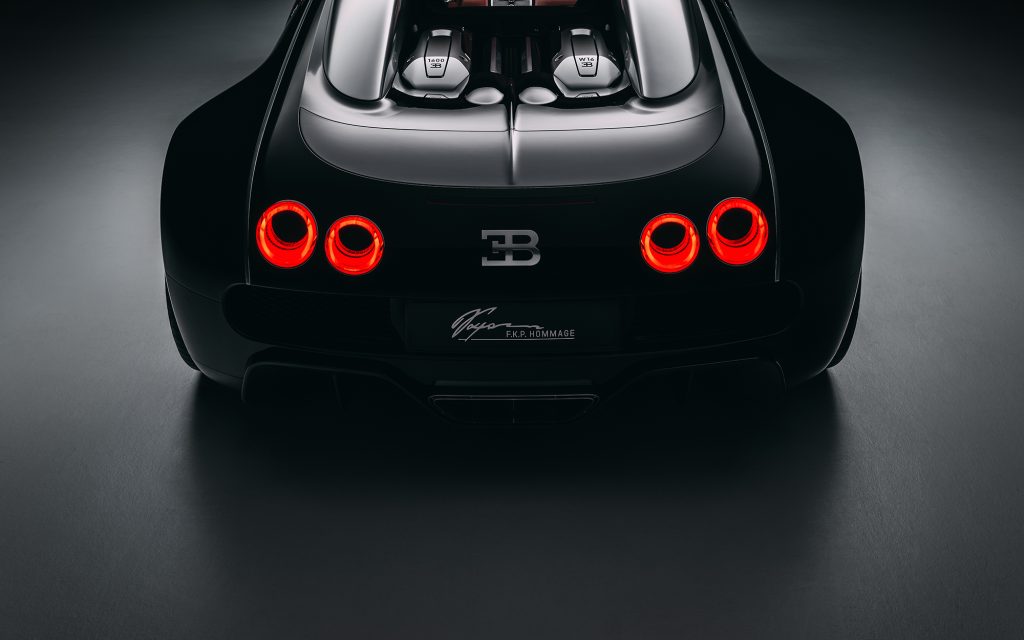
The F.K.P. Hommage builds directly on that legacy, but with the benefit of two decades of relentless W16 evolution. At its heart sits the 1,600 hp version of the quad-turbocharged engine introduced in the Chiron Super Sport — the very specification that pushed a Bugatti past 300 mph. Larger turbochargers, upgraded intercooling and enhanced thermal management are paired with a reinforced dual-clutch gearbox designed to withstand immense torque loads. This is not nostalgia with a paint job. It is the ultimate expression of the W16 era, wrapped in a form that deliberately echoes where it all began.
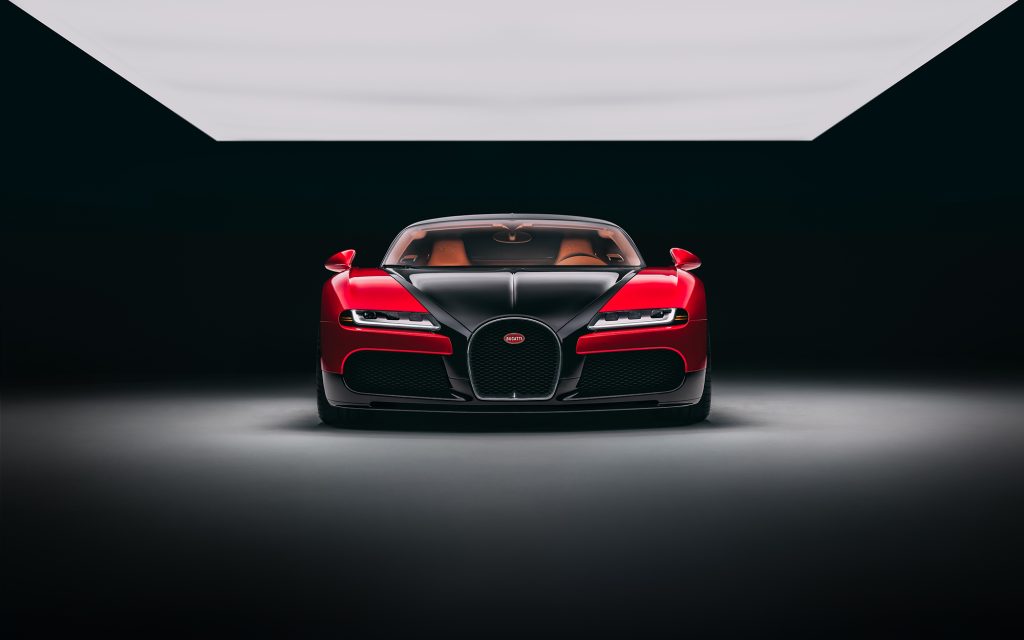
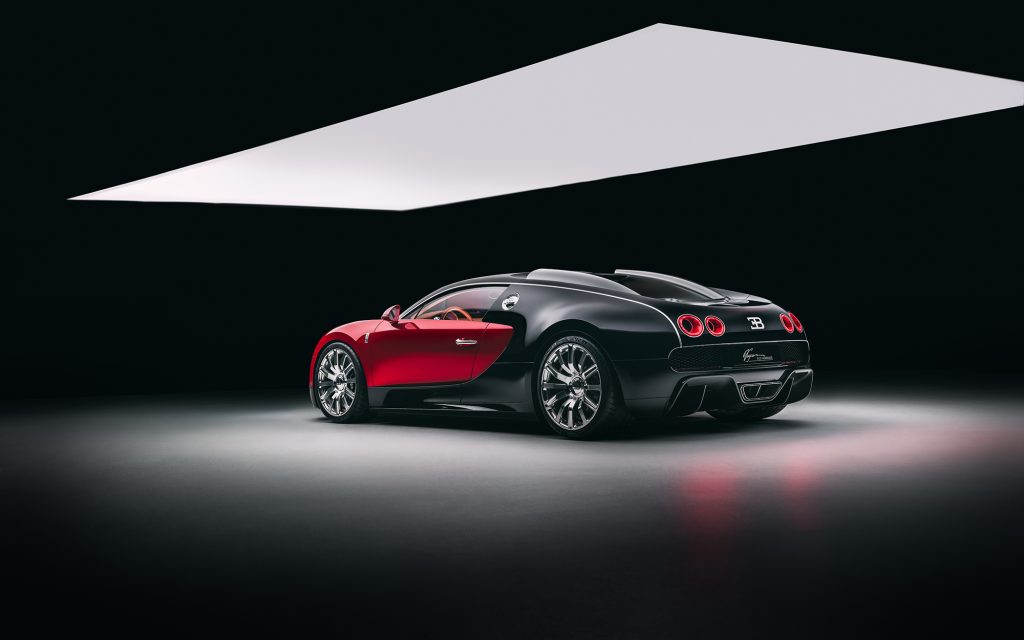
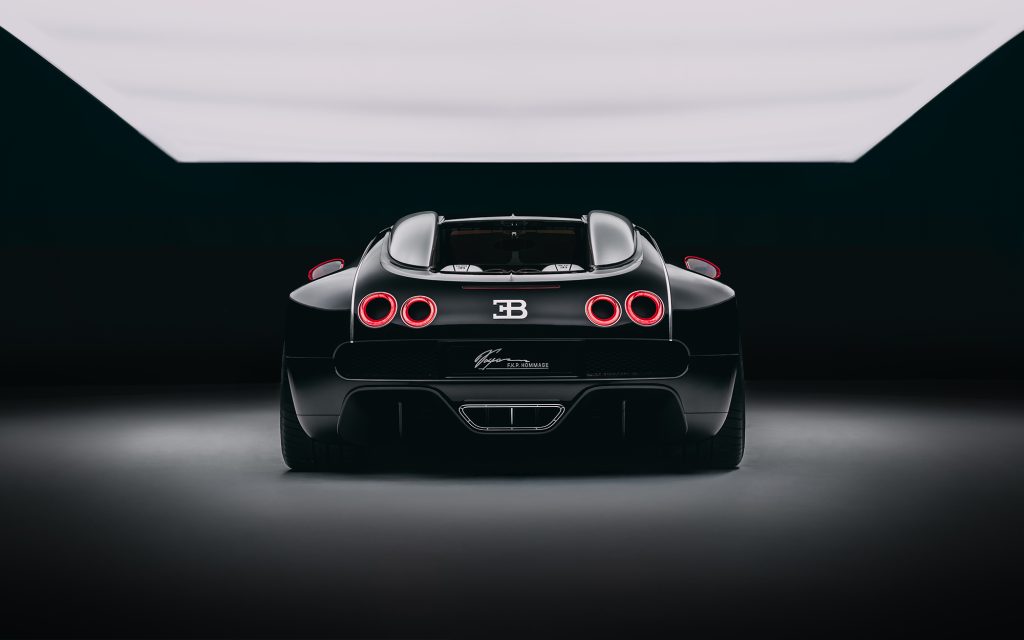
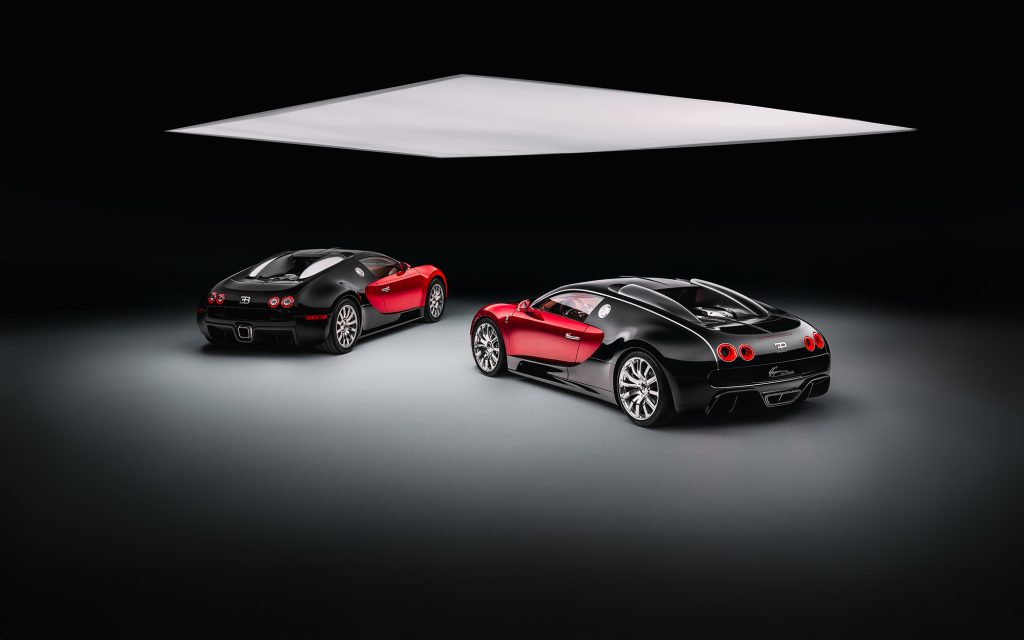
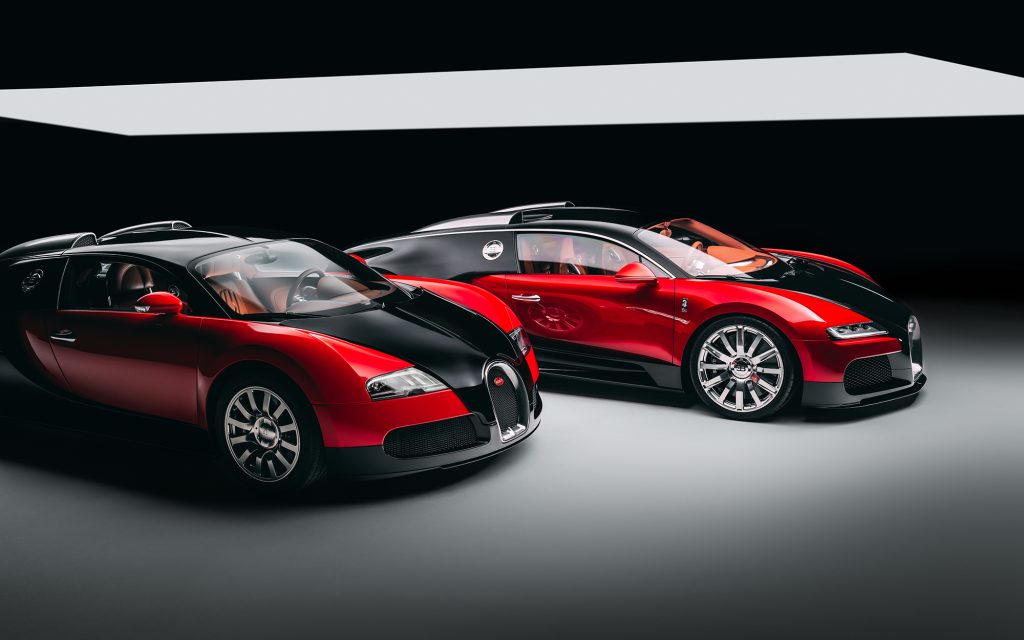
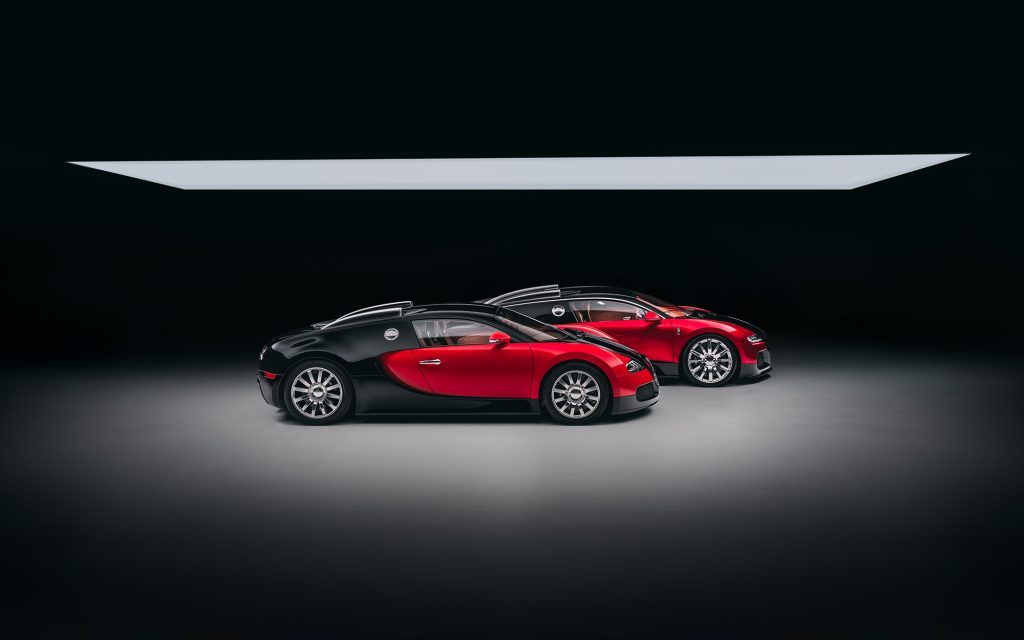
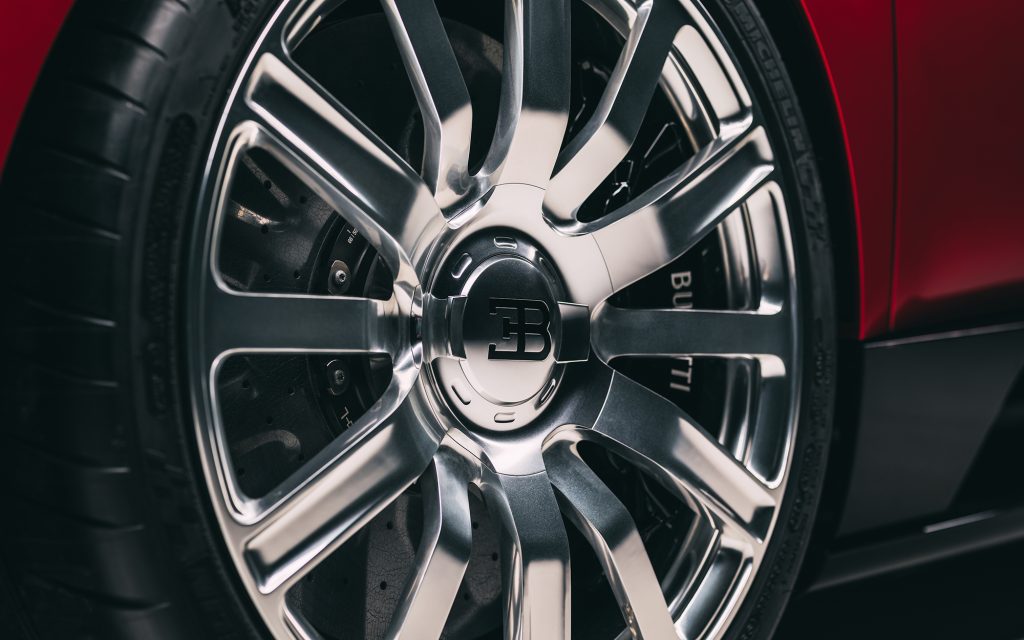
Visually, the connection to the original Veyron is immediate yet deeply refined. The Hommage retains the Veyron’s distinctive “reclining” stance — a noble, almost architectural posture that stood in stark contrast to the wedge-shaped supercars of the late 1990s. That Bauhaus-influenced composure remains, but every surface has been reworked with modern precision. The horseshoe grille, now machined from a single block of aluminum, flows seamlessly into the surrounding bodywork. Enlarged front intakes feed the more powerful engine, while the signature side ducts behind the occupants remain a visual anchor. New wheel dimensions — 20 inches up front and 21 inches at the rear — house the latest Michelin compounds, subtly modernizing the stance without disturbing the car’s core proportions.
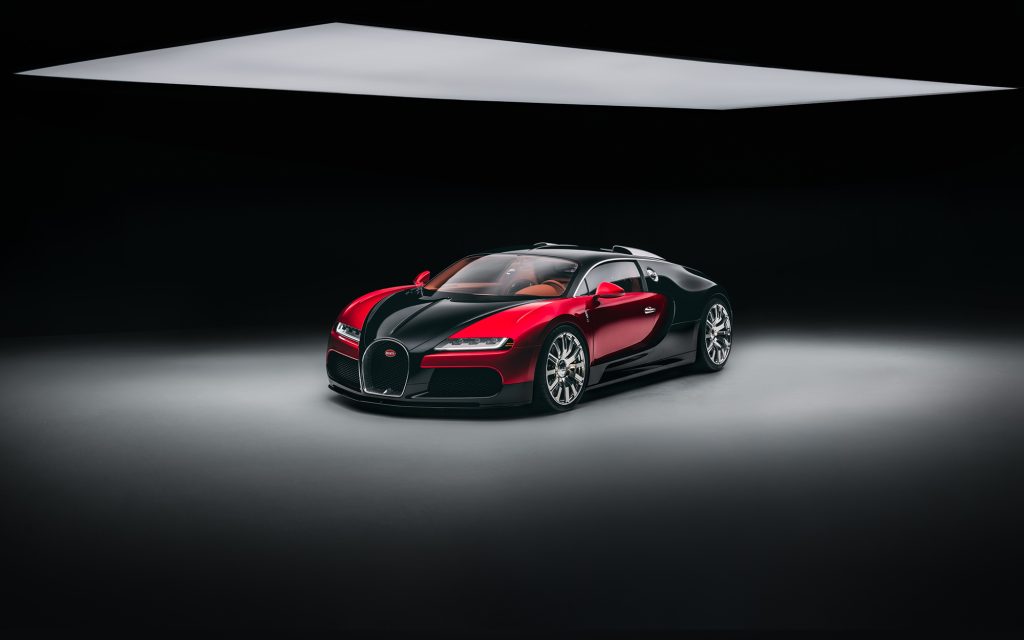
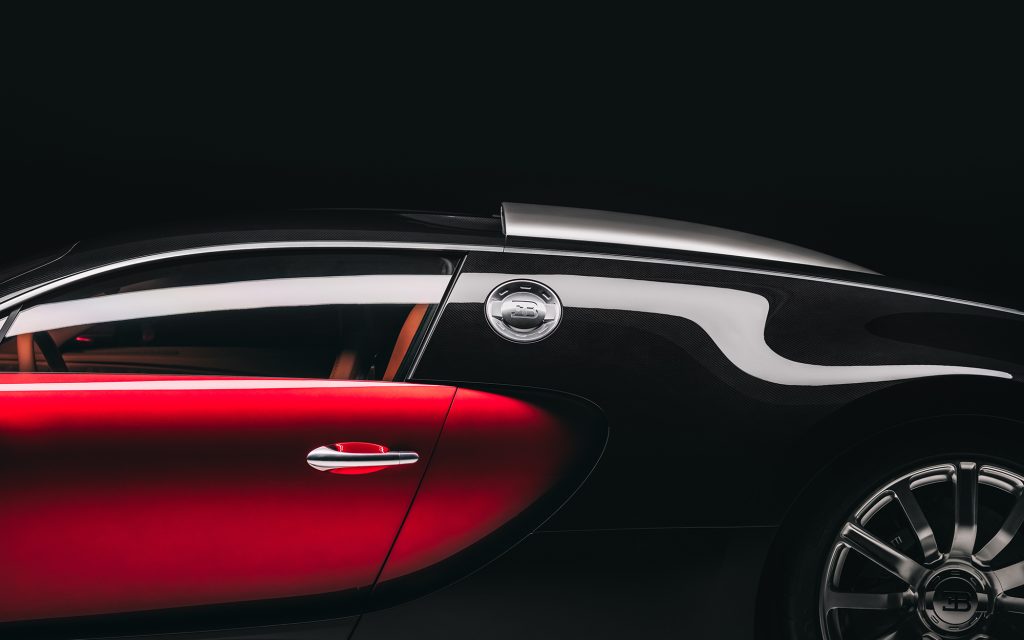
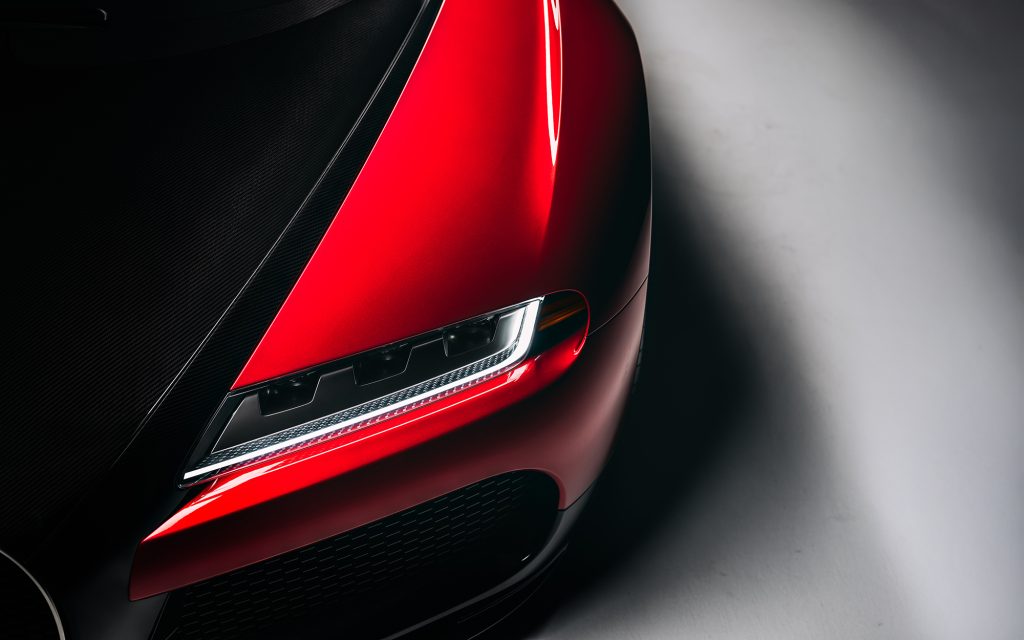
Color and material execution push the car firmly into Tailored Driver territory. The deep red exterior is achieved through advanced layering: a silver aluminum base coat beneath a translucent red clear coat, creating remarkable depth that shifts with light and movement. Contrasting surfaces use black-tinted exposed carbon fiber, not painted black but infused with pigment in the clear coat itself, giving the finish a richness that rewards close inspection. It is a reminder that modern coachbuilt expression is as much about chemistry as it is about sheetmetal.
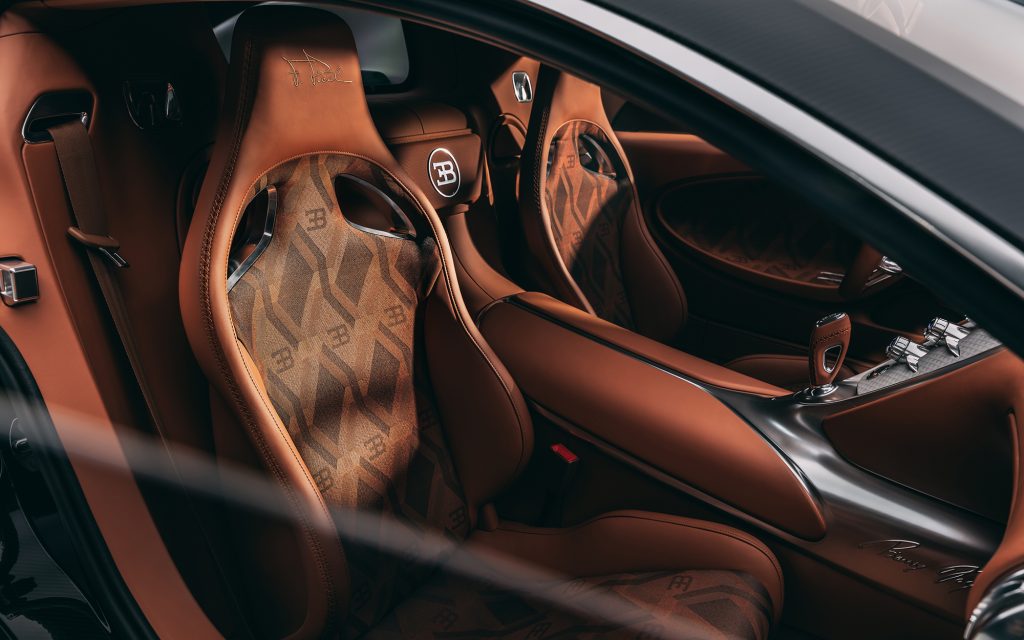
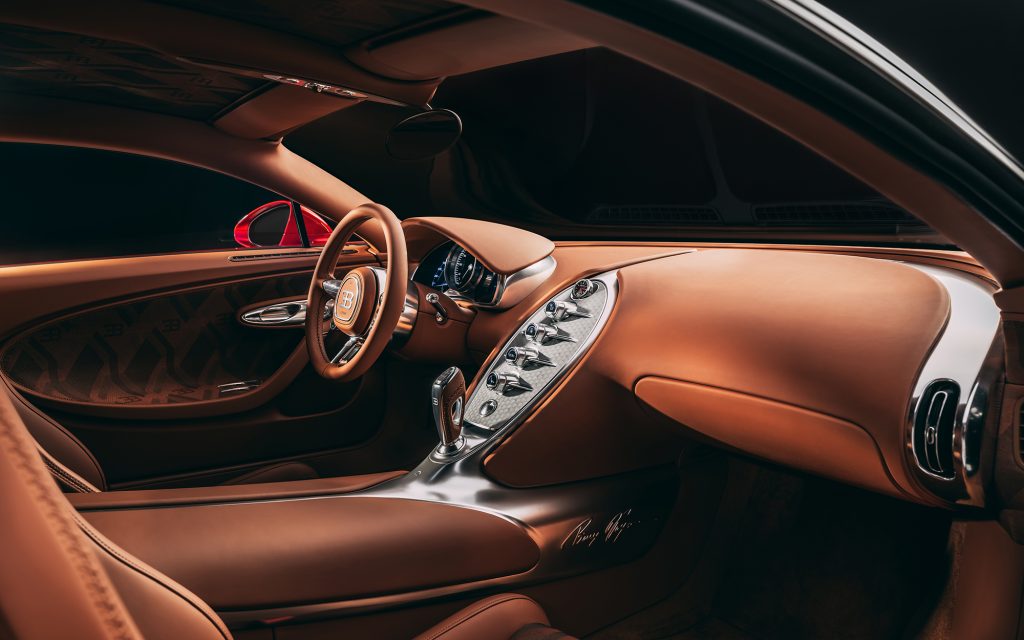
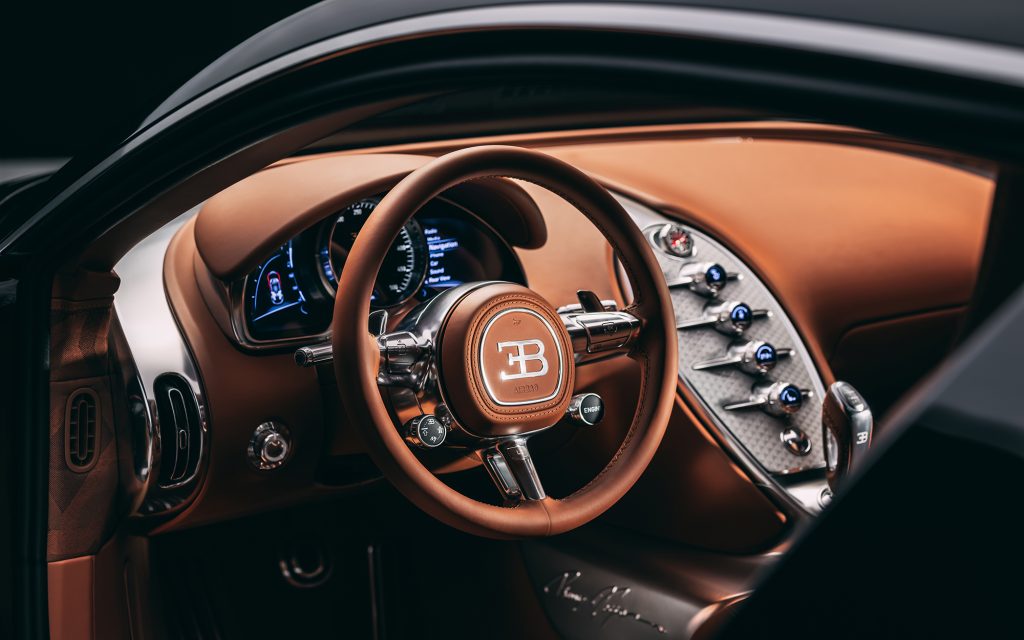
Inside, the F.K.P. Hommage represents one of the most radical departures seen in a modern W16 Bugatti. A circular, Bauhaus-inspired steering wheel references the original Veyron, while a completely bespoke center console and tunnel are machined from solid aluminum. Custom Car Couture textiles woven in Paris join traditional leathers, signaling Bugatti’s latest step beyond the leather-only cabins of the early 2000s. The centerpiece, however, is an Audemars Piguet Royal Oak Tourbillon integrated into the dashboard at the request of the commissioning client. Set within an engine-turned metal “island” inspired by Ettore Bugatti’s straight-eight engines, the watch features a self-winding mechanism powered by the car’s own motion — a poetic fusion of mechanical art forms.
As the second creation from Programme Solitaire, following the one-off Brouillard, the F.K.P. Hommage demonstrates how Bugatti now interprets heritage in the bespoke era. Rather than chasing retro cues or superficial callbacks, the car distills the original Veyron’s philosophy: outrageous engineering delivered with restraint, speed wrapped in elegance, the ability to cross continents in comfort then shatter records without changing cars. In that sense, this may be the most faithful tribute imaginable to Ferdinand Piëch — not just a celebration of what he built, but proof that his once-impossible standard still defines what a Bugatti can be.

Responses