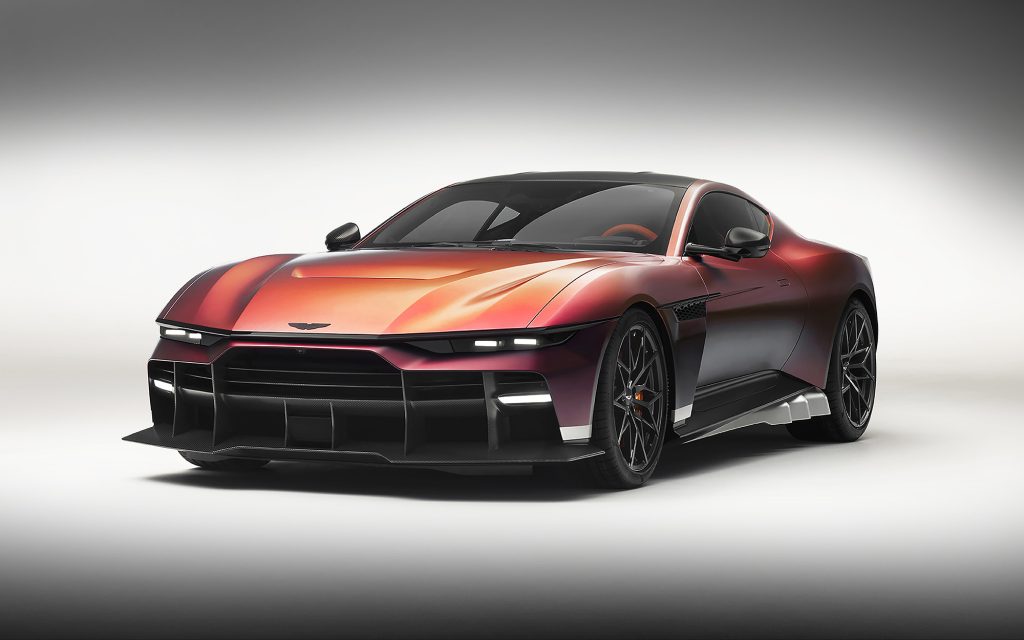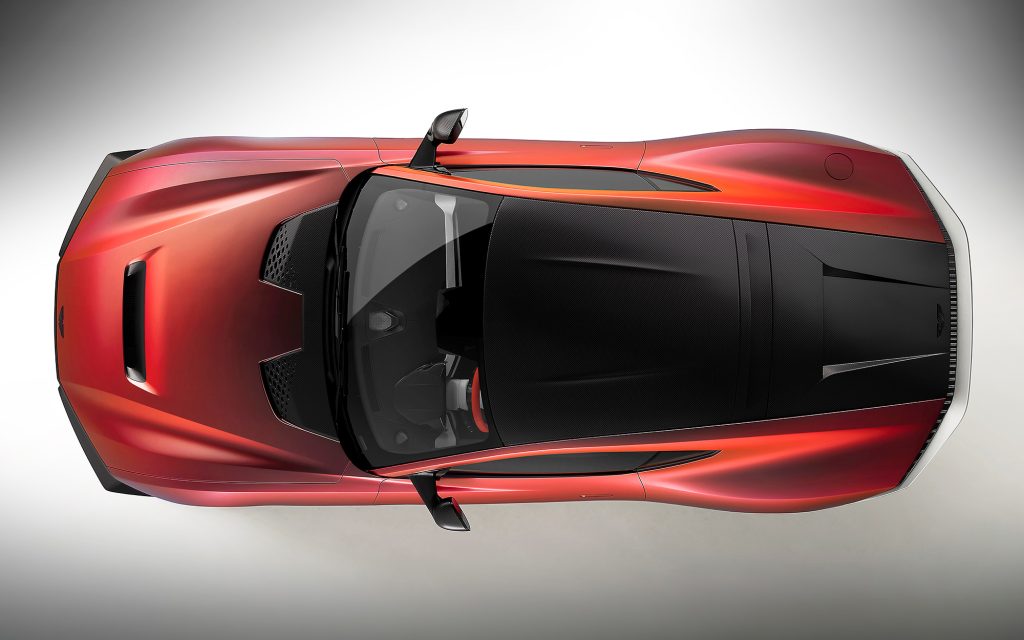


Aston Martin has revealed the Valen, a new limited-production V12 supercar developed by Q by Aston Martin and the company’s recently formed Special Vehicle Operations department.
Limited to 150 examples worldwide, the Valen combines an 850 PS version of Aston Martin’s 5.2-liter twin-turbocharged V12 with a full carbon-fiber body, substantial weight reduction and model-specific chassis development. Aston Martin calls it the world’s most powerful front-engined production car and the most powerful front-engined model in its 113-year history.
The name comes from the Latin valens, meaning strong or powerful, while maintaining Aston Martin’s established series of V-named performance models. Valen follows other limited-production Q by Aston Martin projects including Valour, Valiant and DBR22.
Its V12 produces 850 PS and 1,000 Nm of torque, with maximum torque available from 2,500 rpm. An eight-speed ZF automatic receives revised shift programming derived from Aston Martin’s Vantage GT4 racing program. The combination delivers a claimed 0-60 mph time of 3.0 seconds, while top speed is electronically limited to 214 mph.
Sport, Sport+ and Track modes alter the car’s powertrain behavior, including throttle mapping. Sport and Sport+ use a shorter pedal map for quicker response, while Track provides a longer, more progressive throttle action intended to provide greater control when approaching the car’s limits.
Aston Martin has also removed as much as 110 kg compared with its existing V12 platform through the use of carbon fiber, aluminum, titanium and magnesium. An optional lightweight package accounts for 16.9 kg of that reduction through machined aluminum suspension arms and knuckles along with titanium chassis bolts.
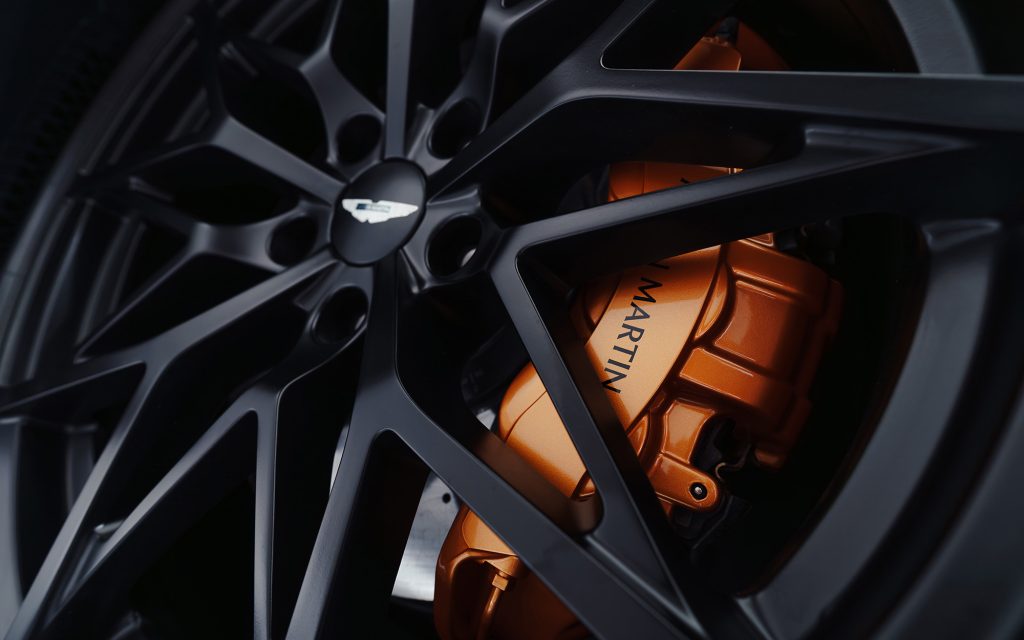
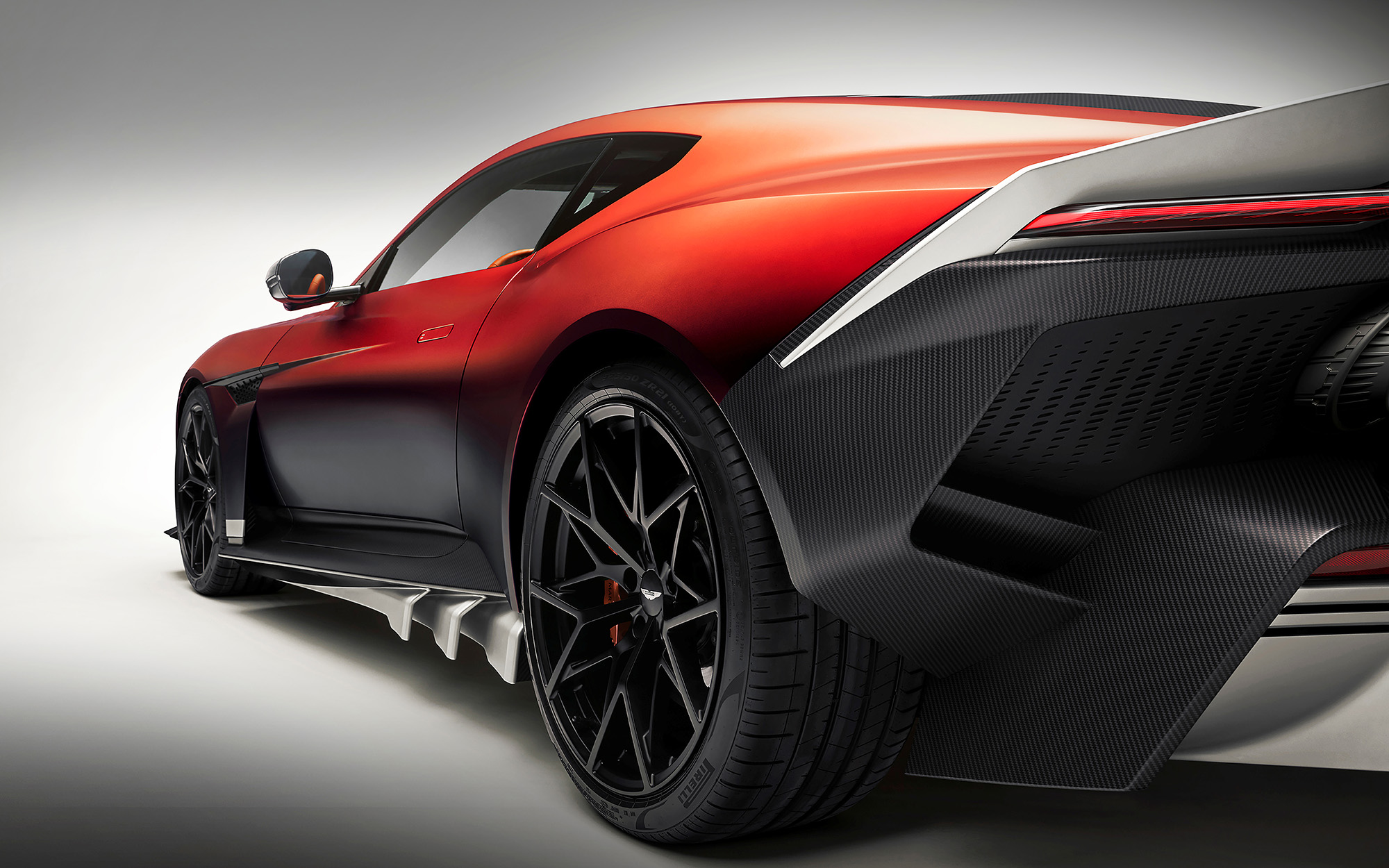
Magnesium wheels are standard and fitted with Aston Martin-specific Pirelli P Zero R tires measuring 275/35 ZR21 at the front and 325/30 ZR21 at the rear. Pirelli Cyber Tyre technology feeds real-time tire information into the car’s electronic stability, ABS and traction-control systems.
The chassis receives model-specific springs, helper springs and Bilstein DTX semi-active dampers along with a solid-mounted rear subframe. Aston Martin has also recalibrated the steering, stability control, brakes and suspension to increase response and reduce roll and pitch while retaining enough compliance for longer-distance use. Carbon-ceramic brakes measure 410 mm at the front and 360 mm at the rear.
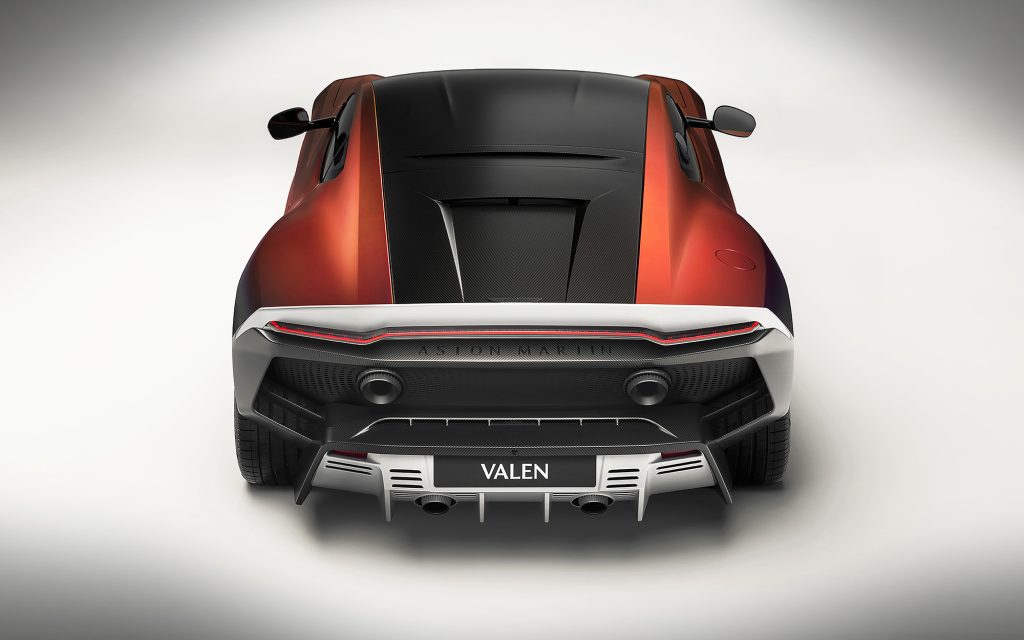
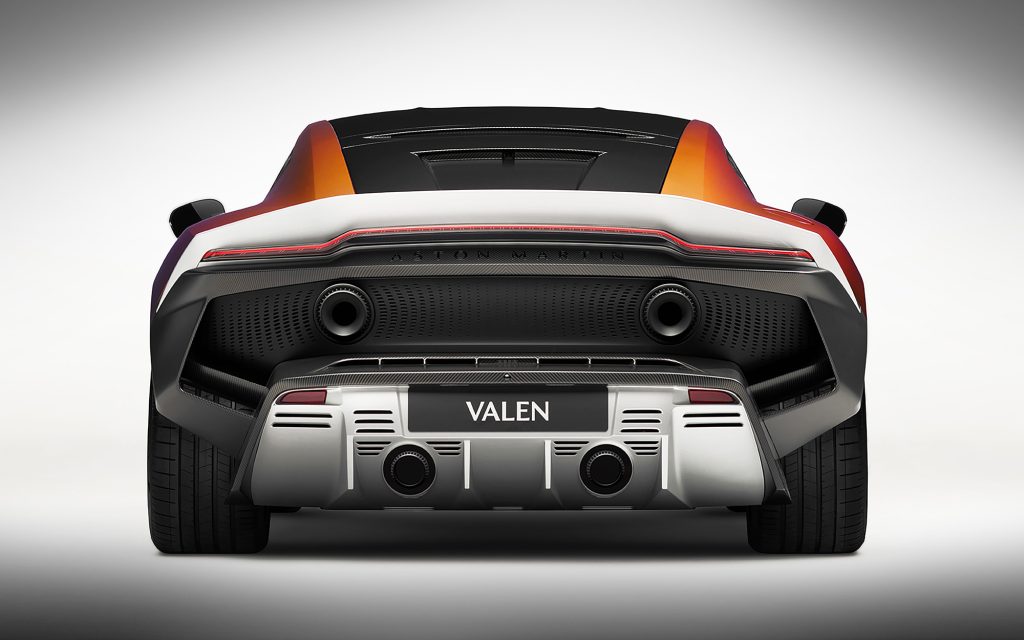
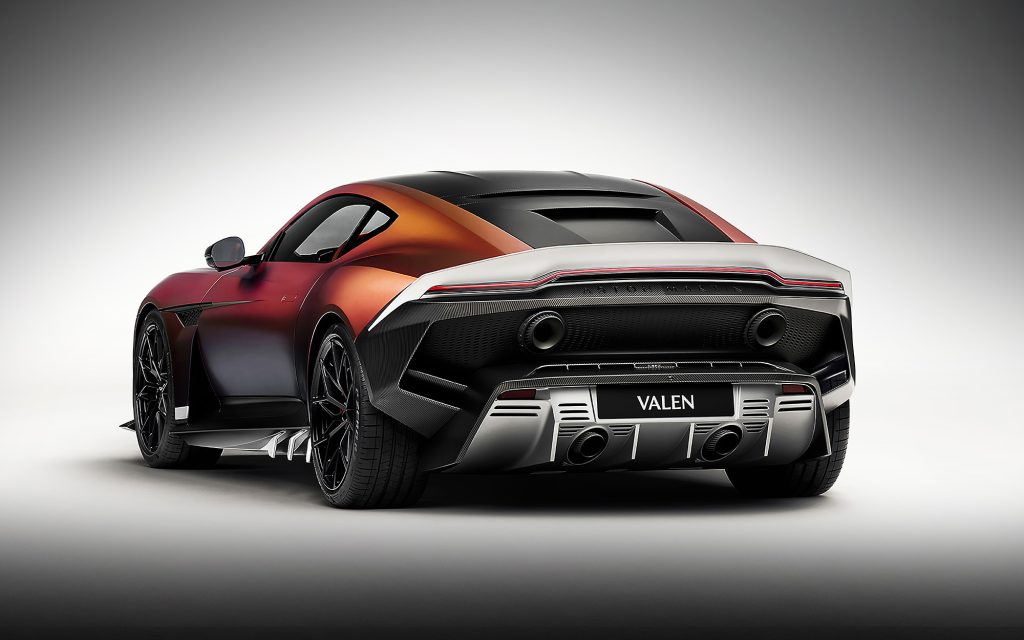
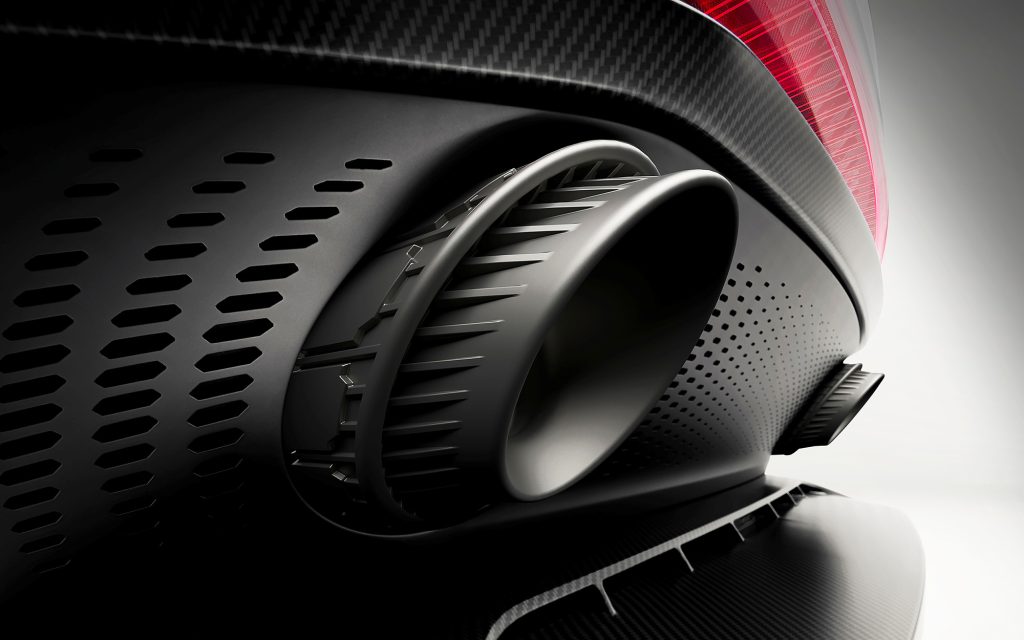
A new titanium exhaust provides another significant change. Four 3D-printed titanium outlets are arranged with two above and two below. The upper pair remains open, while valves control the lower outlets according to the selected drive mode. Aston Martin says the system has been tuned to reduce lower-frequency sounds while emphasizing higher frequencies as engine speed increases.
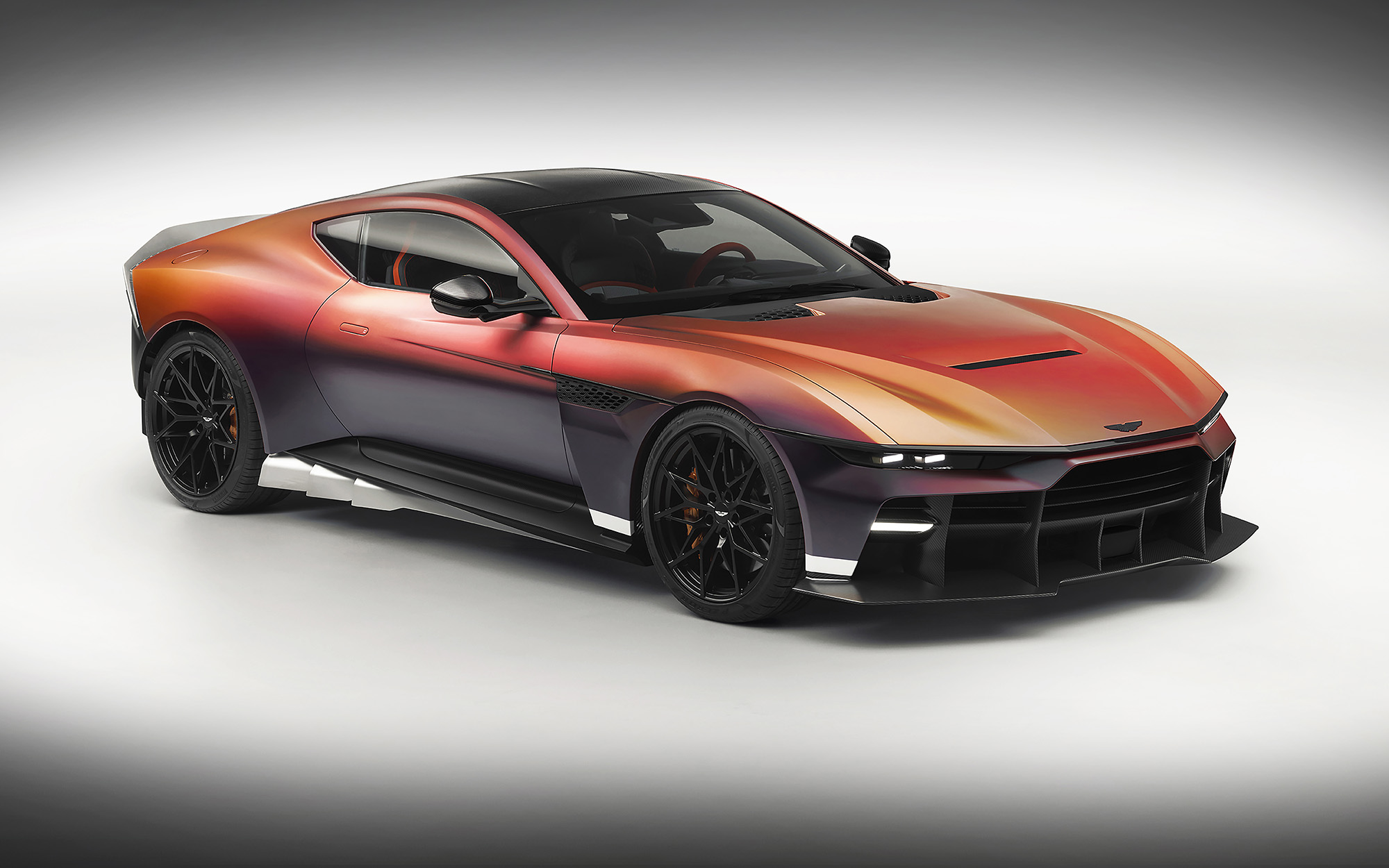
The Valen also introduces a significantly different design from Aston Martin’s existing front-engined models.
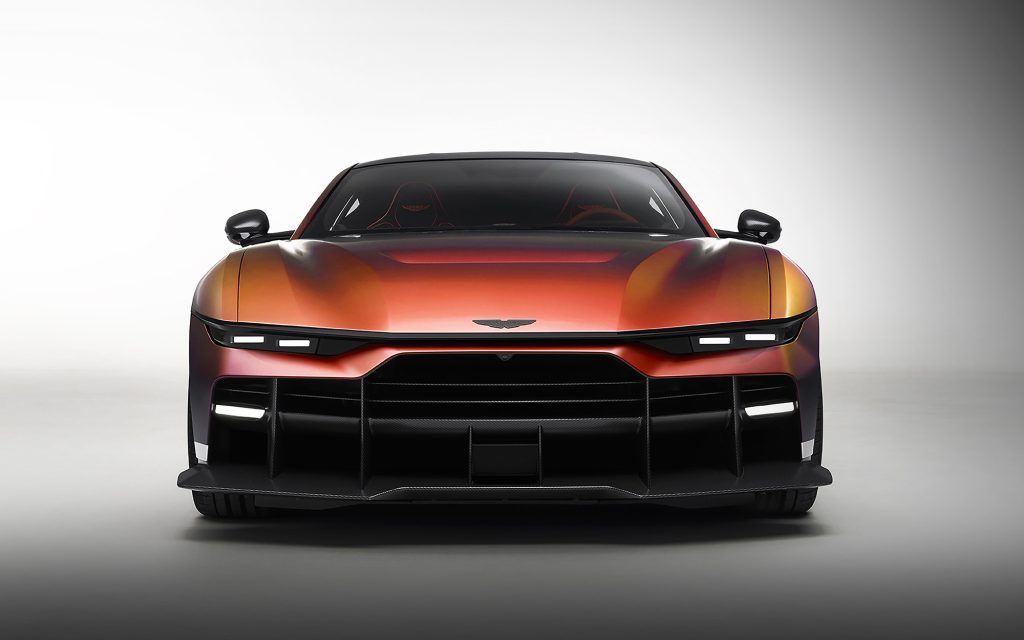
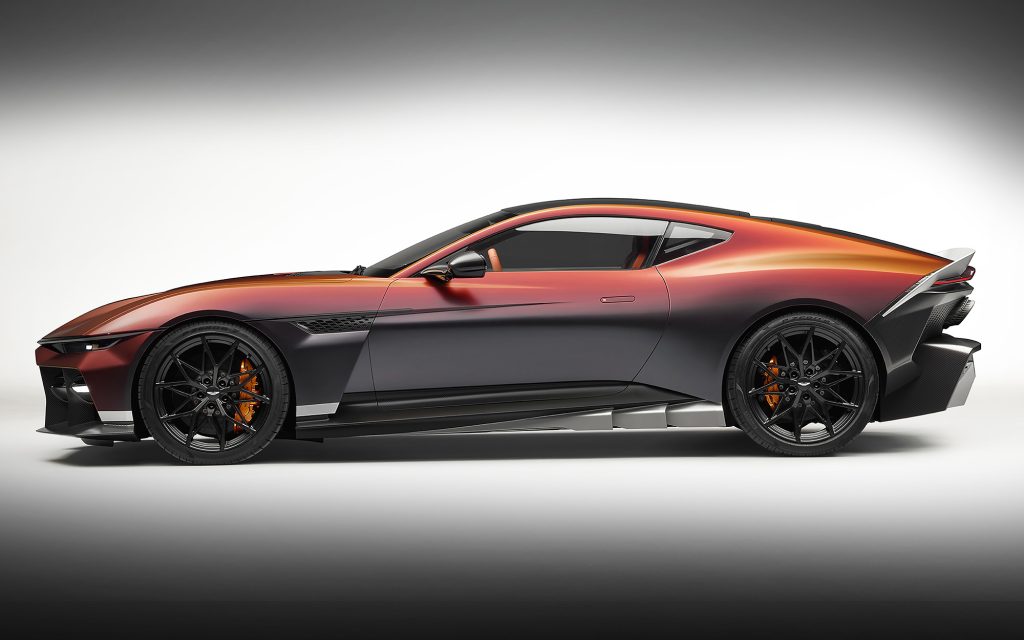
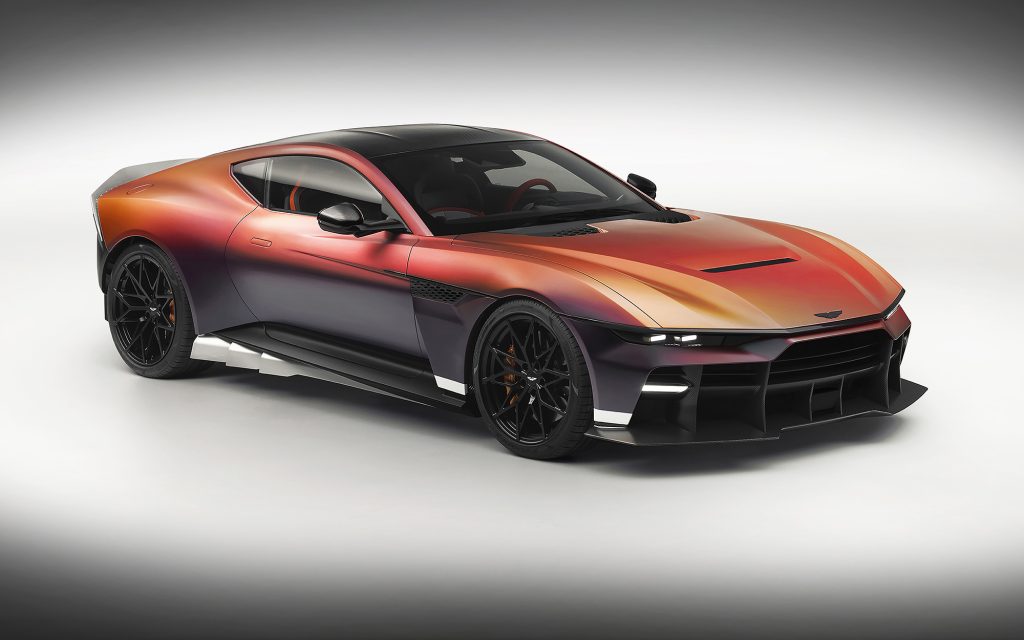
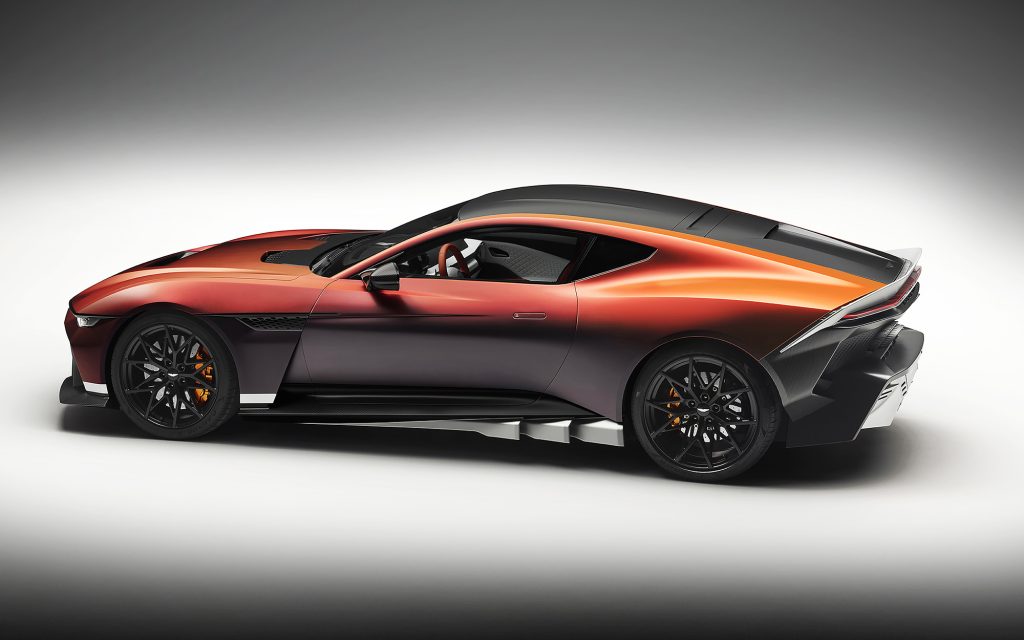
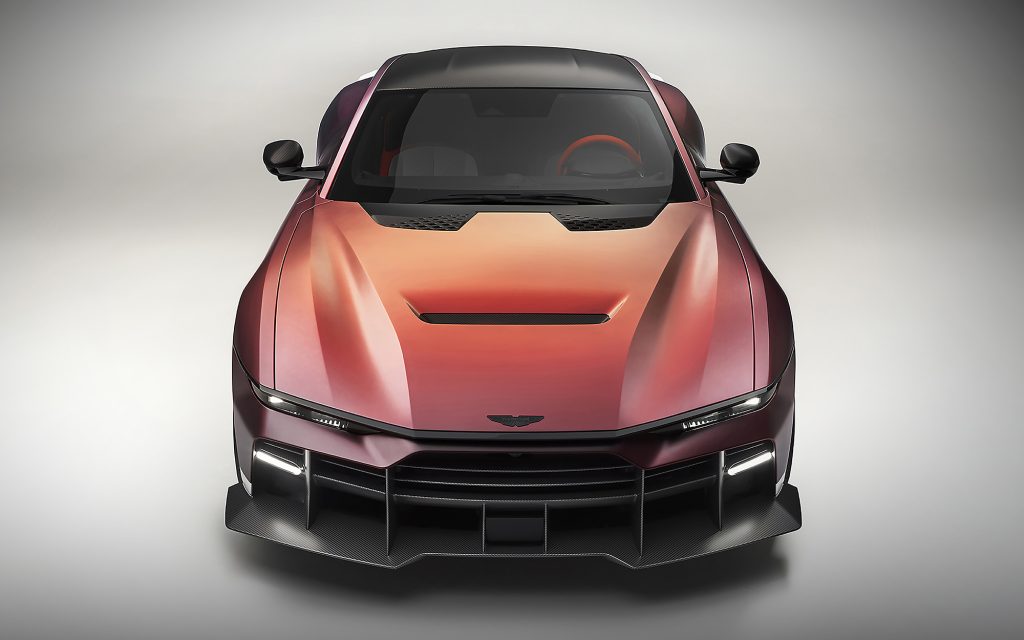
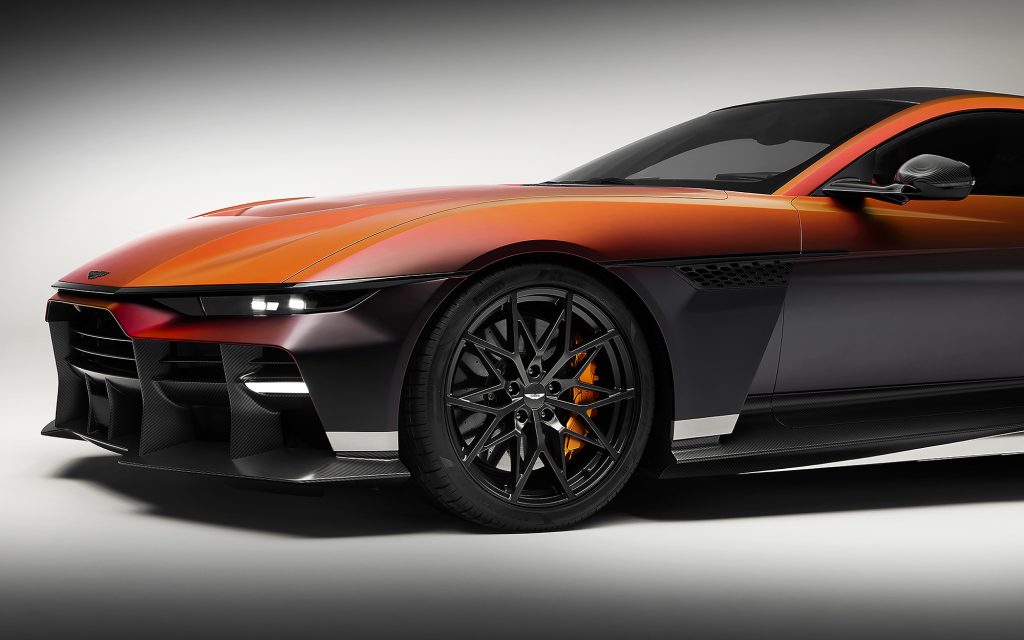
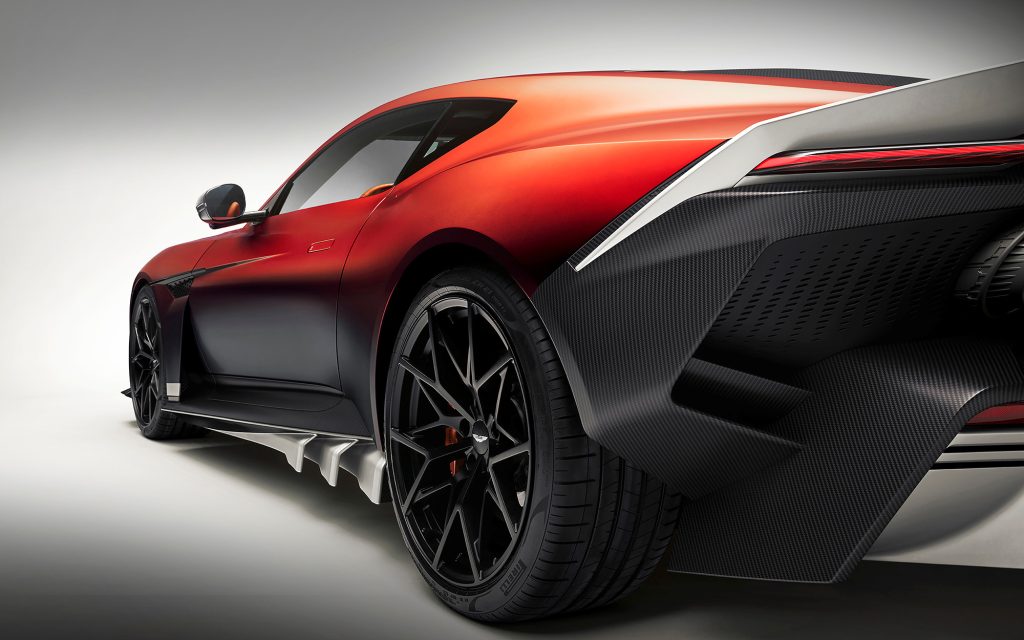
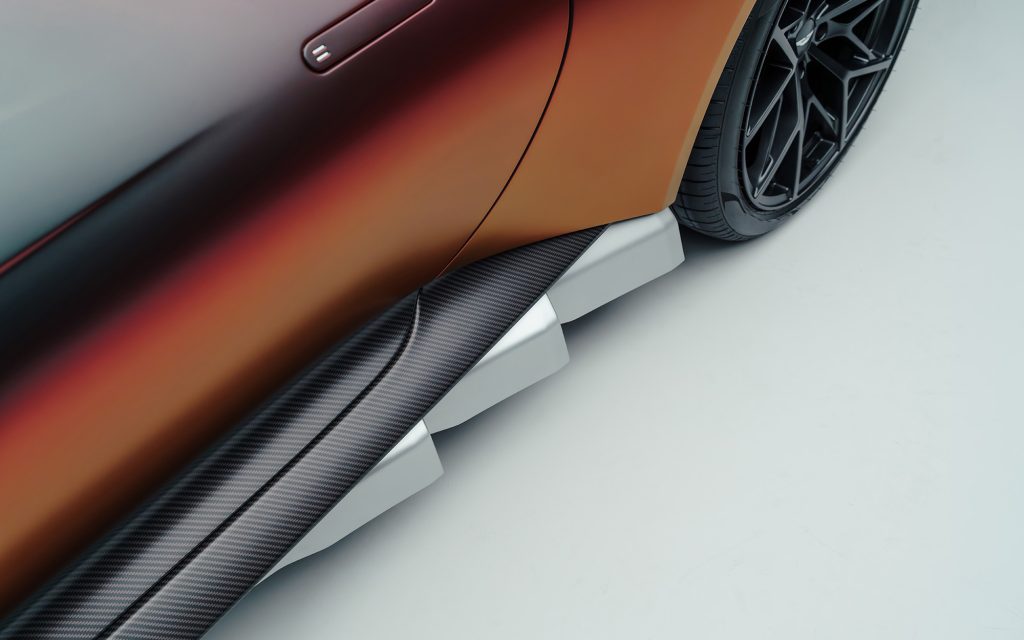
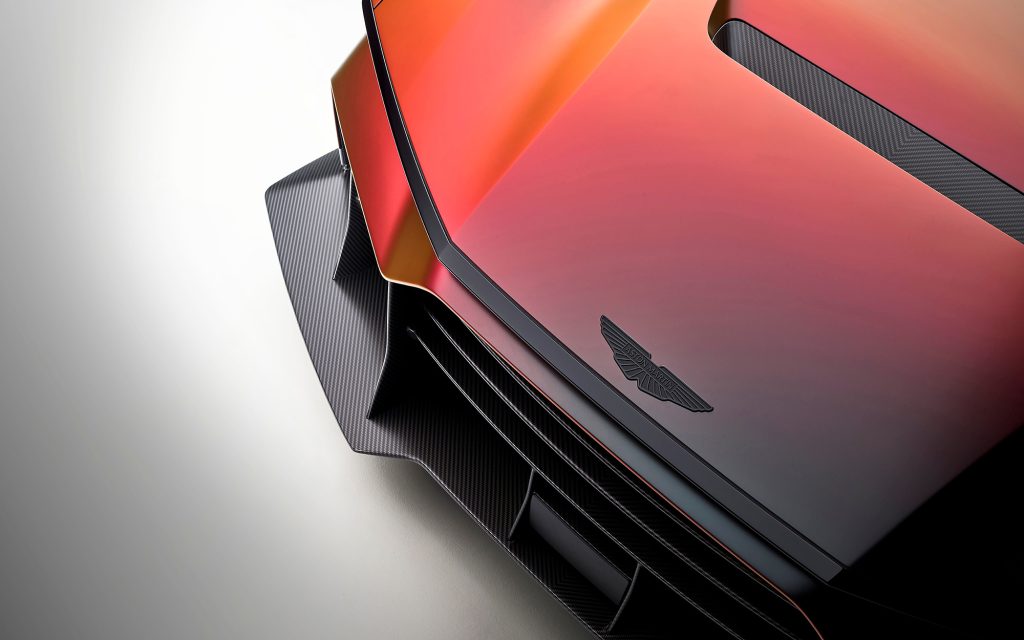
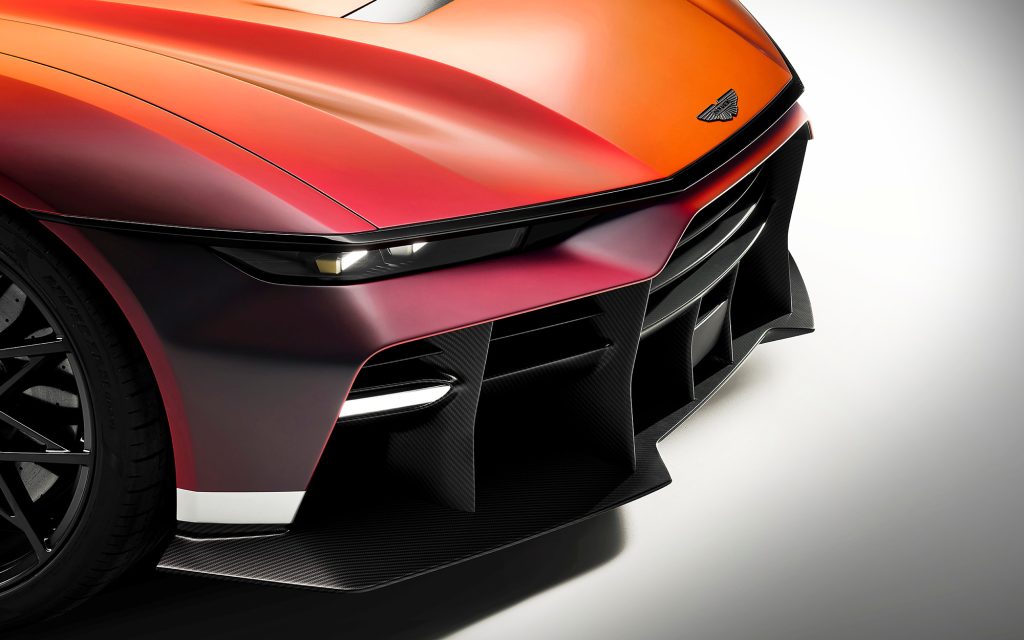
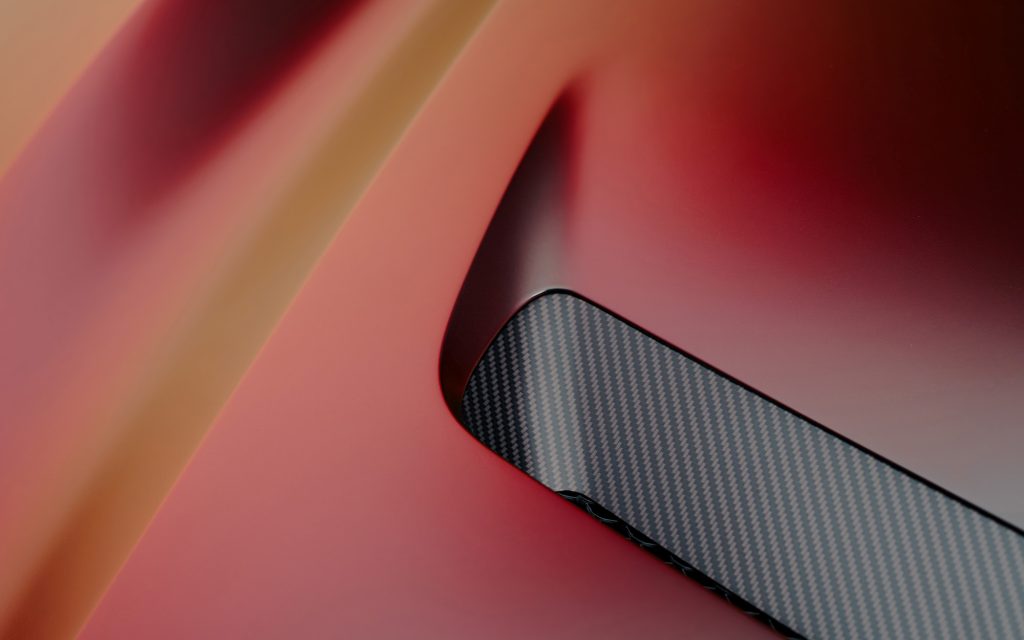
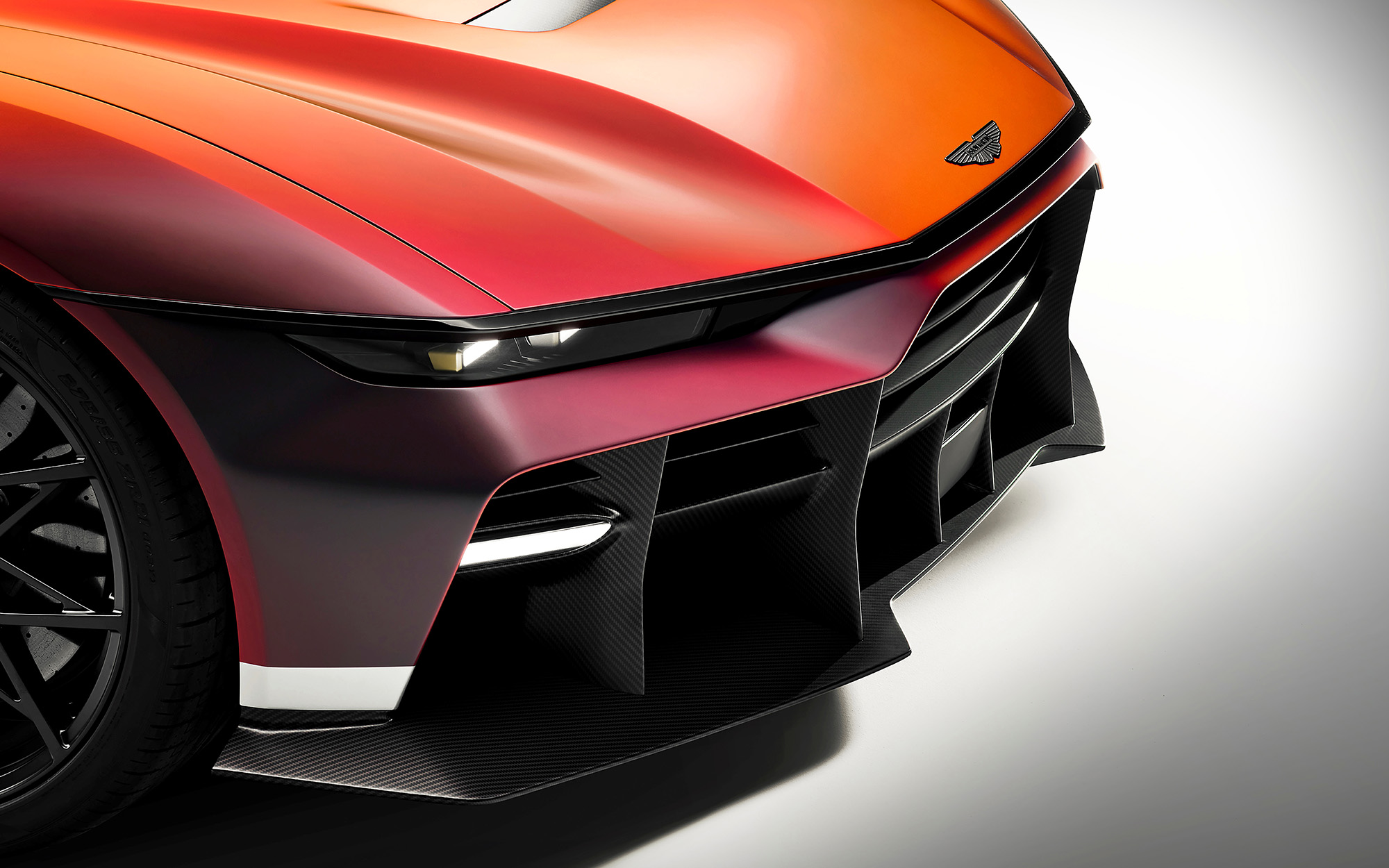
Its full carbon-fiber body features deeply recessed headlights, a more angular grille, large functional front-fender vents and pronounced rear haunches. Stepped side sills incorporate vortex generators intended to reduce lift and contribute to downforce.
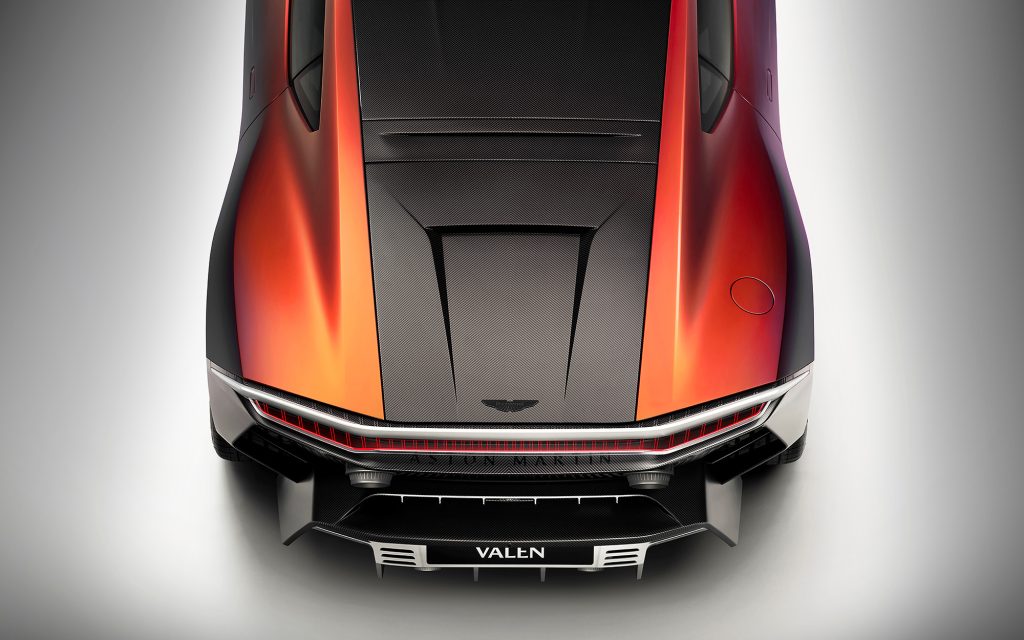
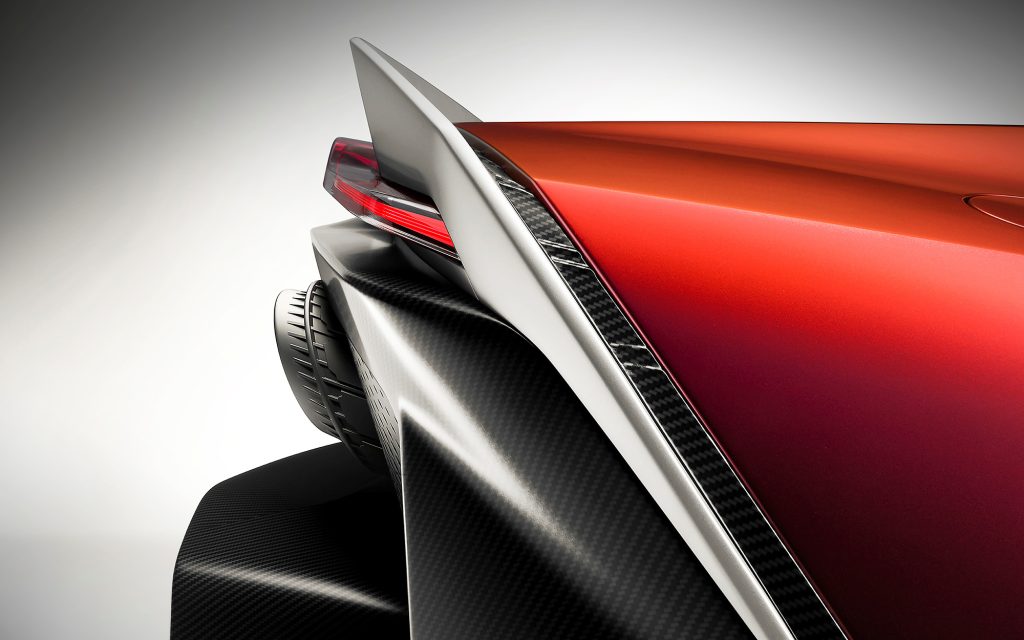
At the rear, Aston Martin has eliminated the conventional rear window and trunk lid in favor of a solid tailgate incorporating an aerodynamic wing. The arrangement still provides 170 liters of luggage capacity, with an optional fitted luggage set available.
A full-width light bar sits beneath the upswept rear edge, which functions as a Gurney flap. Below it are ventilation openings, the four-outlet exhaust and a rising rear diffuser.
The Monterey show car is finished in Satin Andromeda Red, a Q Ultra color incorporating Chromaflair pigments. Depending on lighting and viewing angle, the paint transitions through red, copper, gold and blue tones. Customers can alternatively specify fully exposed carbon fiber, including tinted carbon in satin or gloss finishes.
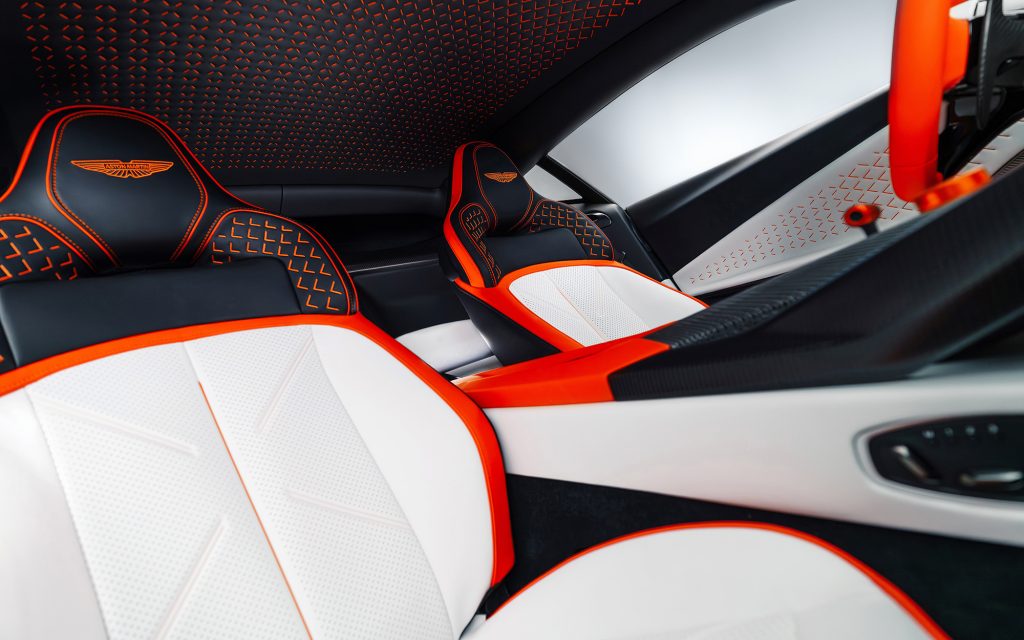
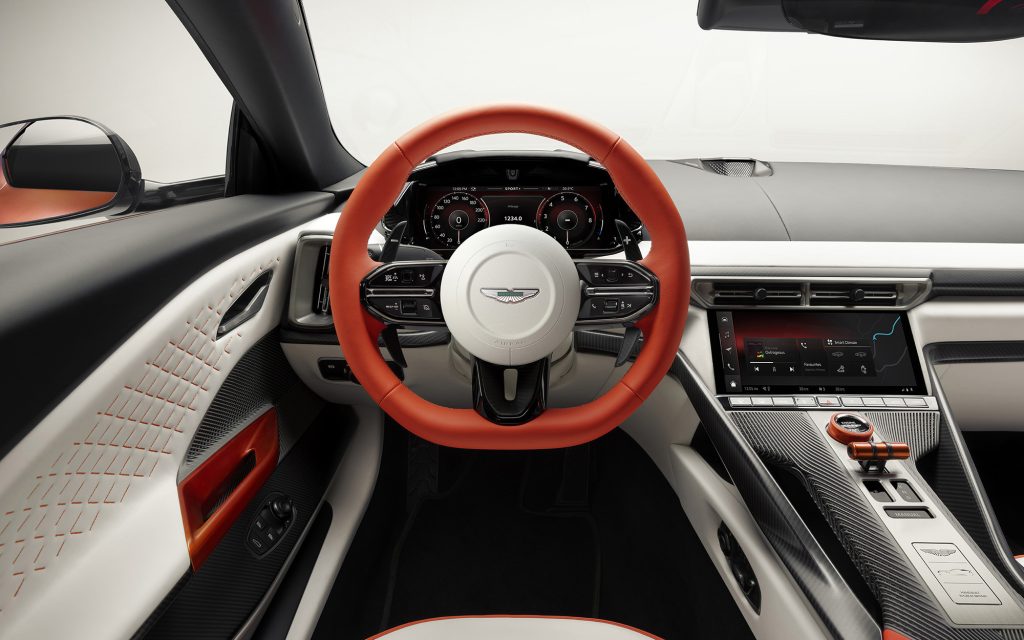
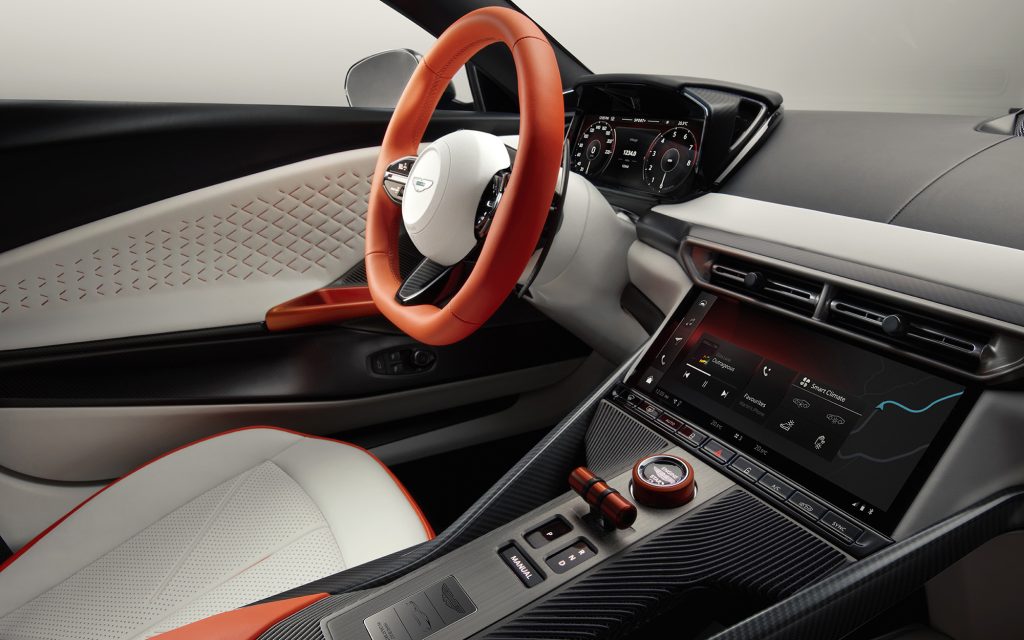
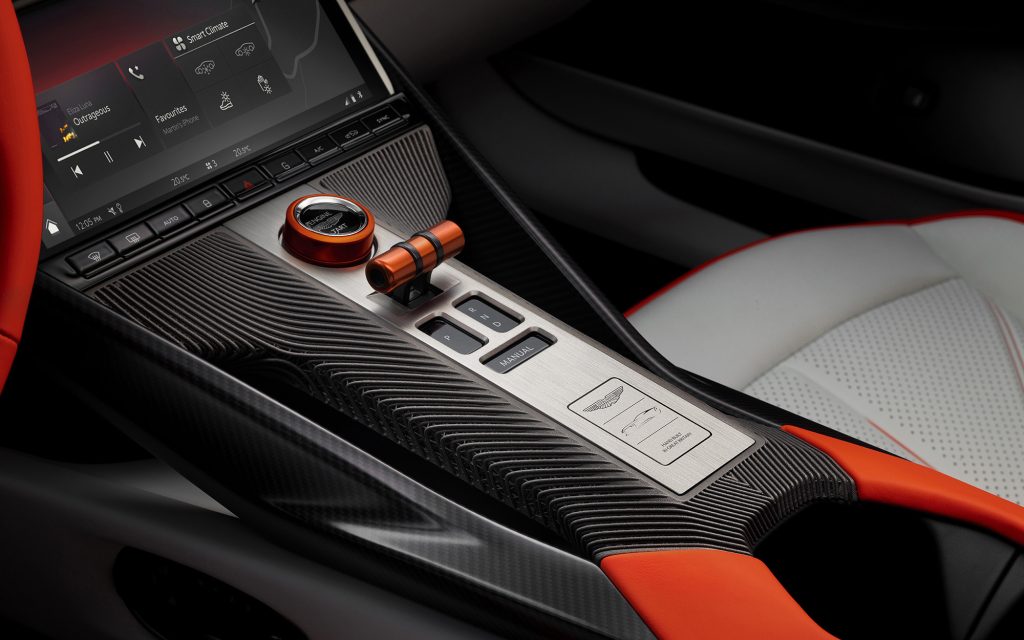
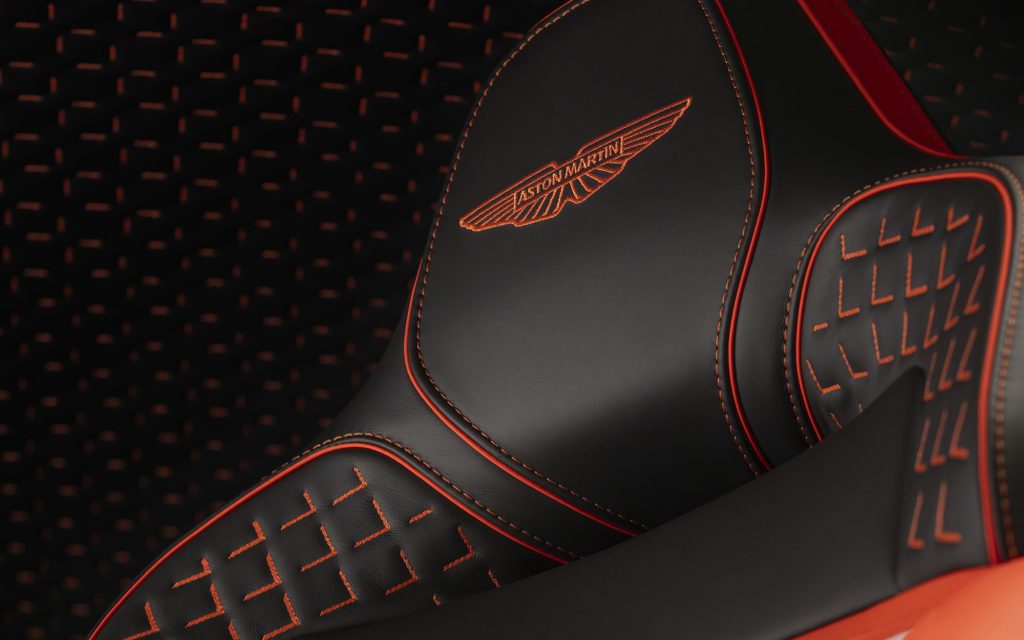
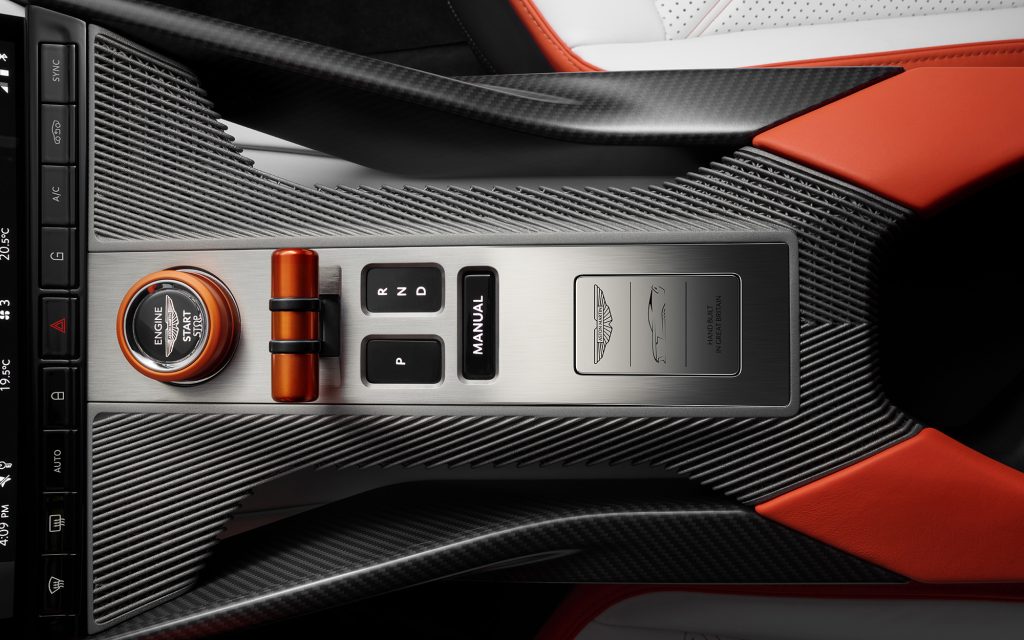
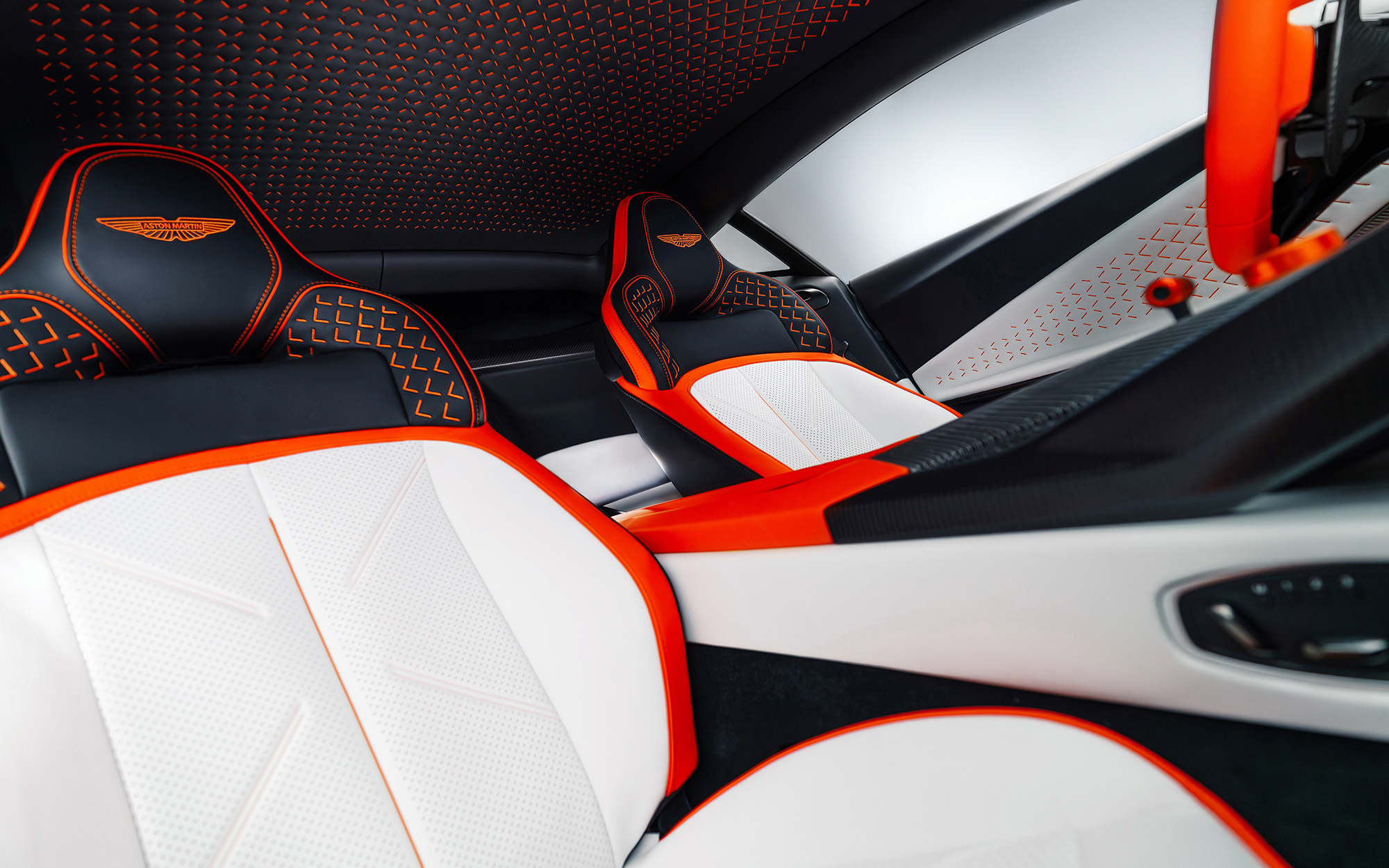
Inside, Aston Martin has developed a new cockpit around a slimmer, driver-oriented center console using 3D-printed components and switchgear derived from the Valhalla. Buyers can choose between new Sports Plus seats or lighter carbon-fiber performance seats, along with an extensive selection of leather, Alcantara, quilting and color combinations through Q by Aston Martin.
Production of the Aston Martin Valen will be limited to 150 cars worldwide, with first deliveries scheduled for the second quarter of 2027.