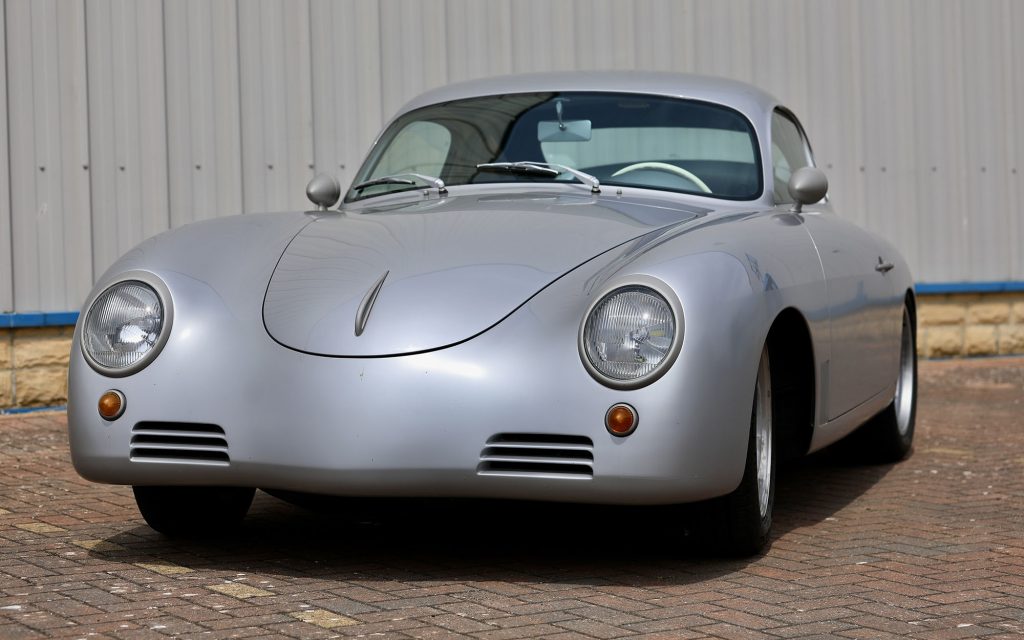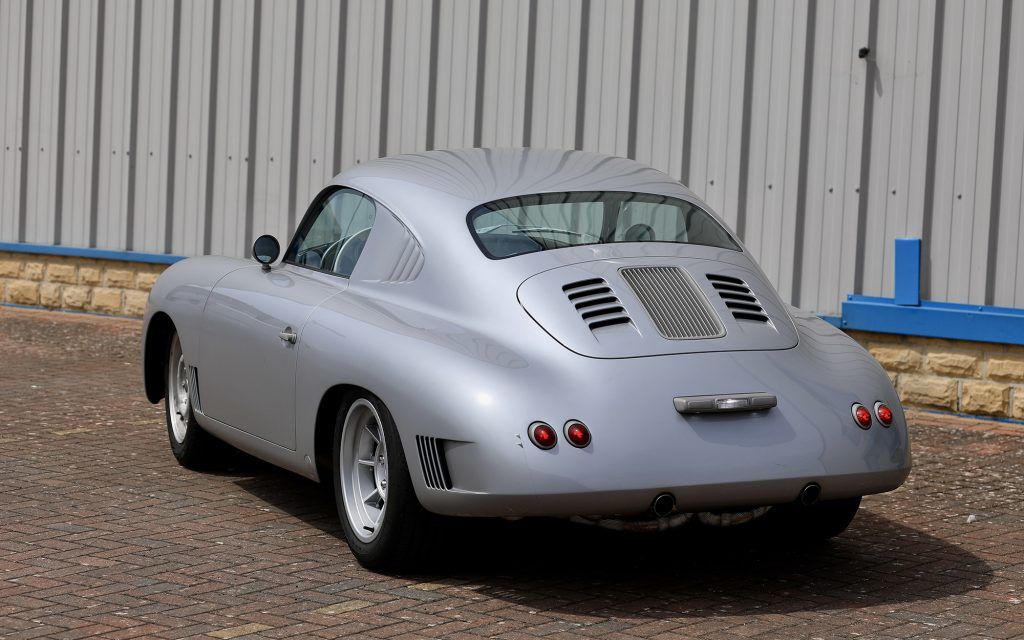


The Porsche 356 has long occupied a unique place among collector cars. Lightweight, mechanically simple and closely tied to the earliest years of the Porsche story, it has traditionally been restored rather than reinvented. Thornley Kelham believes there is another path. The British restoration specialist has unveiled the Porsche 356 European SL, a comprehensive remaster that seeks to answer a simple question: What if Porsche had continued developing the original 356 without the technological limitations of the 1950s?
The project joins Thornley Kelham’s growing European Collection, alongside its Lancia Aurelia B20GT Outlaw, Jaguar XK European GT and Porsche 911 European RS. Like those earlier commissions, the 356 European SL is not intended as a period recreation or a modified classic. Instead, it is conceived as a modern interpretation, retaining the character of the original while elevating its engineering, craftsmanship and usability to contemporary standards.
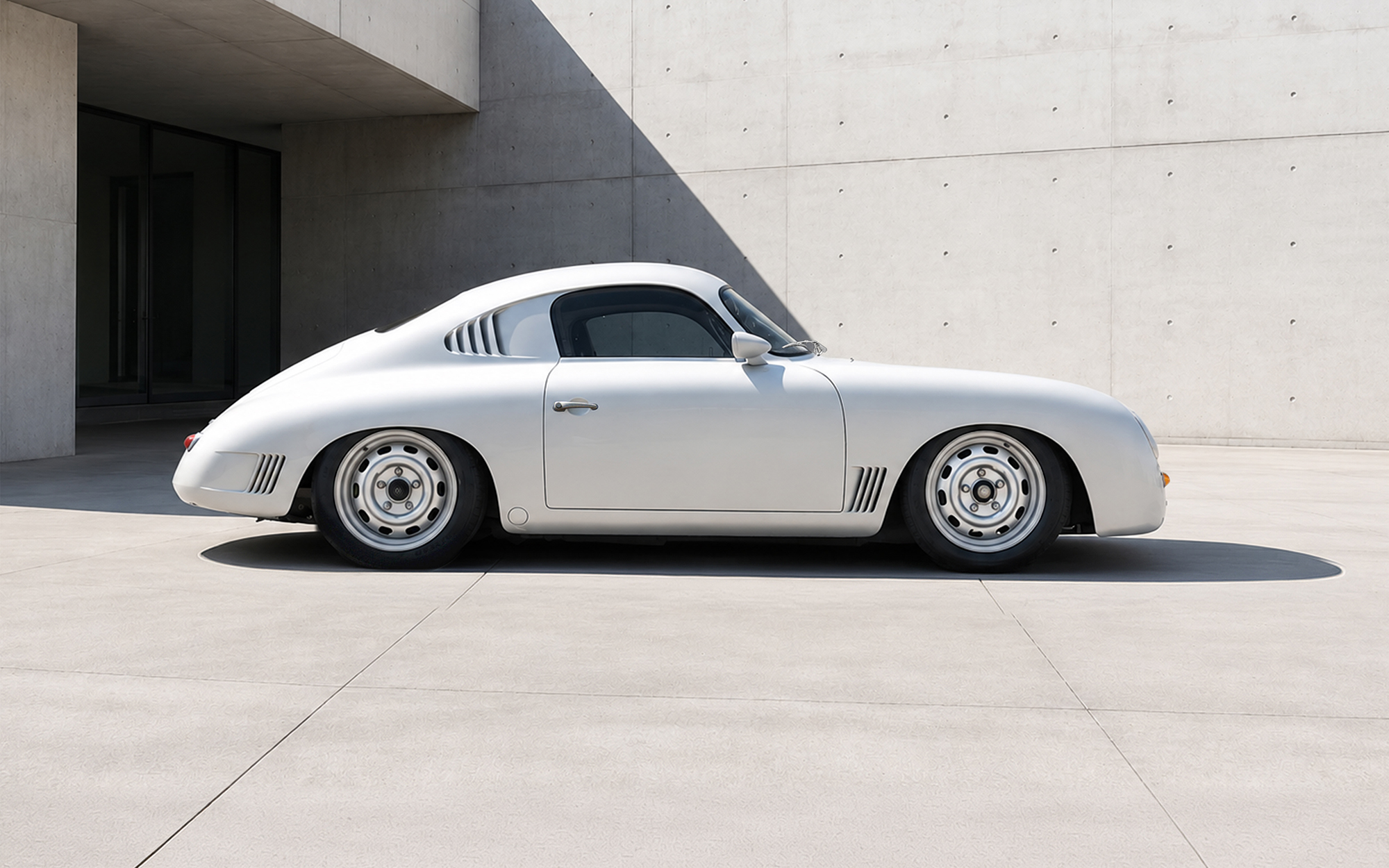
Its inspiration comes from one of Porsche’s most significant competition cars. In 1951, Ferry Porsche sent the lightweight Type 514 356 SL to the 24 Hours of Le Mans, where the diminutive coupe claimed victory in its class during the company’s first international motorsport appearance. Only four examples of the aluminum-bodied 356 SL were built, making it one of the rarest and most historically important early Porsches. Thornley Kelham’s interpretation celebrates that milestone 75 years later rather than attempting to replicate the original race car.
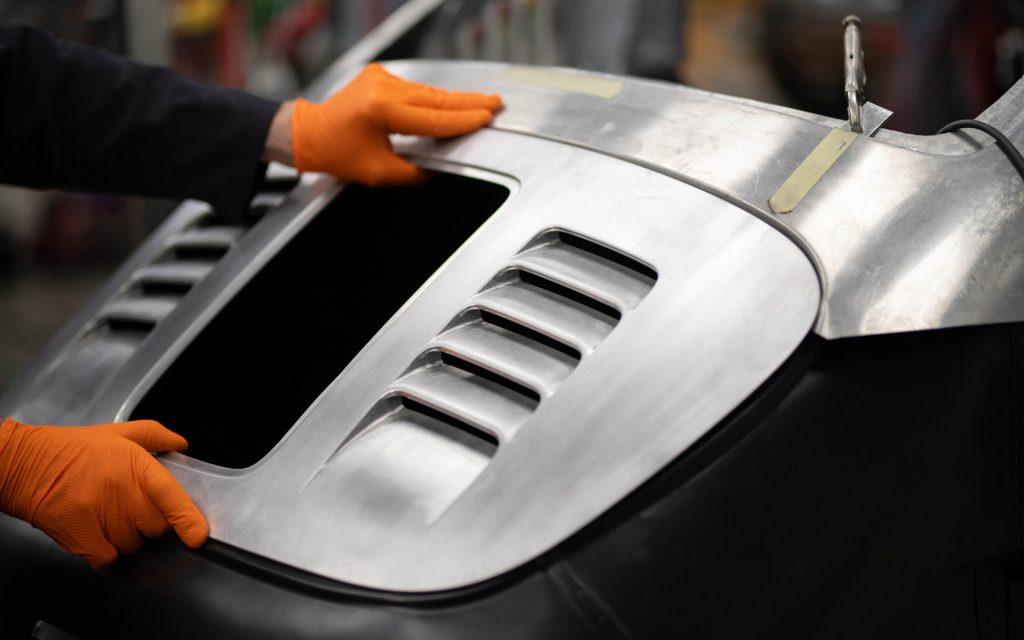
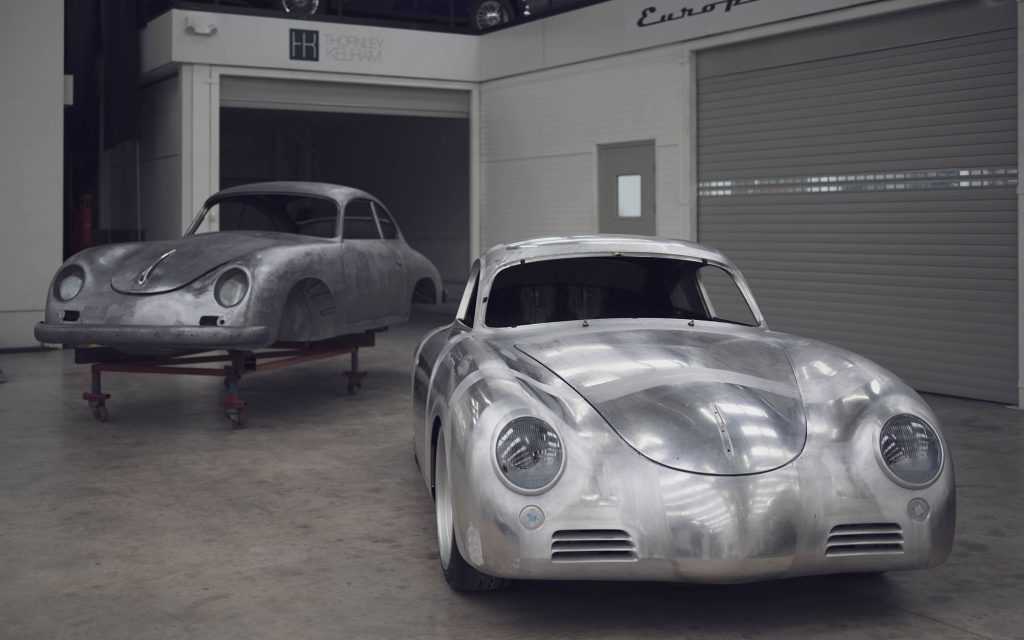
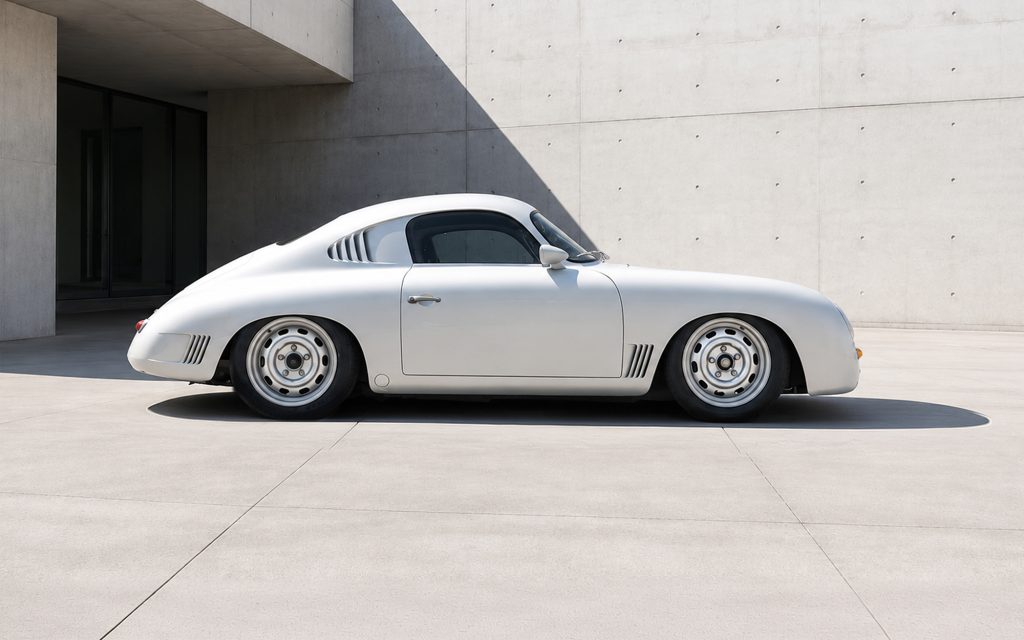
Every European SL begins with an original 356A chassis that is restored, reinforced and seam welded before receiving an entirely new hand-formed aluminum body. Traditional coachbuilding techniques are combined with CAD design and CNC manufacturing to create bodywork that remains unmistakably 356 while exhibiting cleaner surfacing, tighter panel gaps and more refined proportions. The result feels evolutionary rather than revolutionary, as though it represents the next chapter the original design never had the opportunity to write.
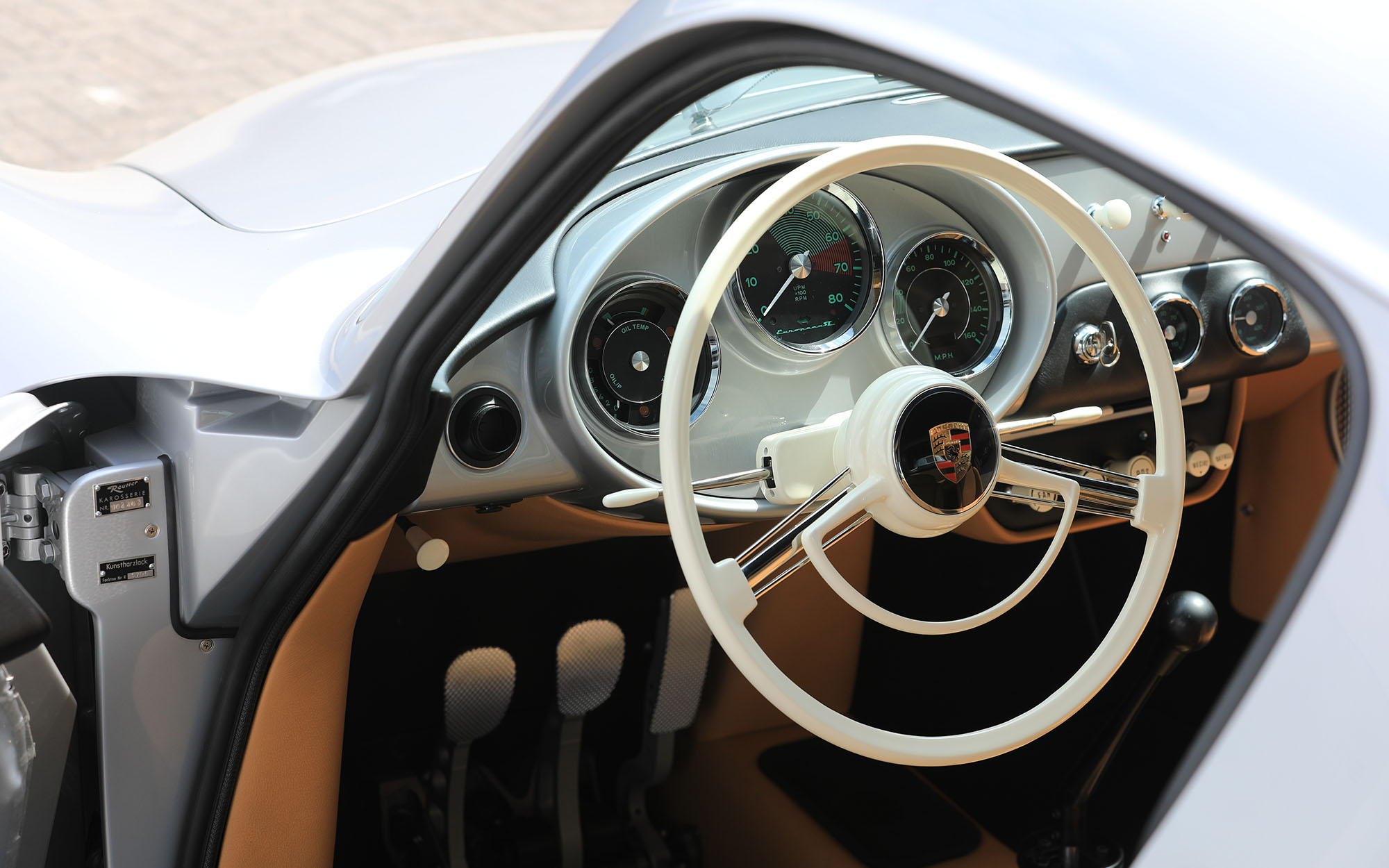
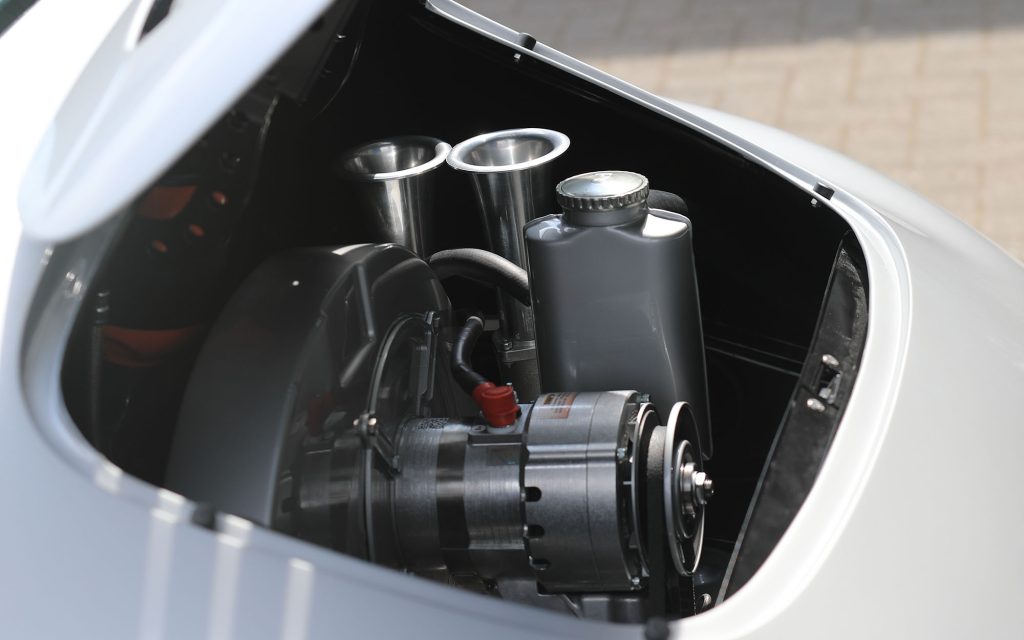
Beneath the aluminum skin is equally extensive engineering. A bespoke 2.3-liter air-cooled flat-four, developed from an original Porsche engine case, is offered in two specifications producing either 180 or 200 horsepower. With a dry weight of just 930 kilograms, the power-to-weight ratio exceeds 200 horsepower per tonne. A five-speed dogleg manual transmission, limited-slip differential, bespoke suspension geometry and available active dampers are intended to preserve the tactile, lightweight driving experience while delivering the performance and refinement expected of a modern grand touring car.
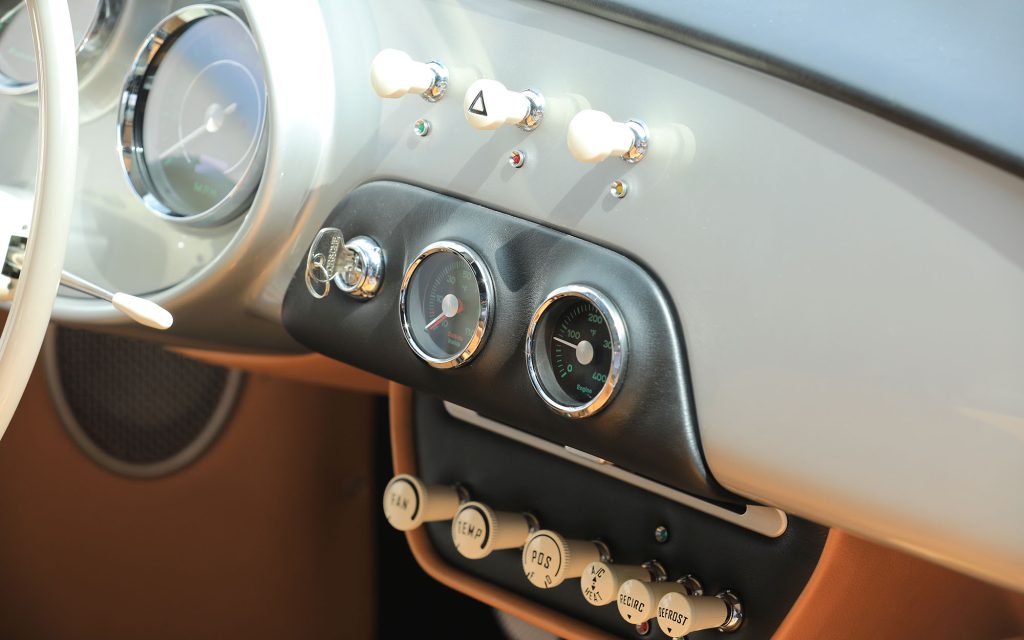
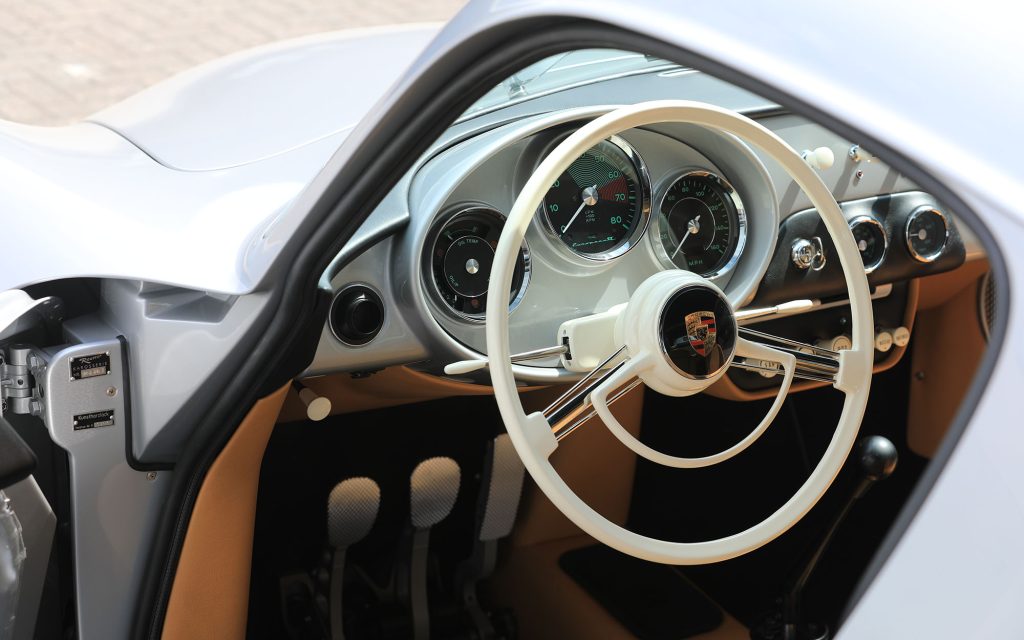
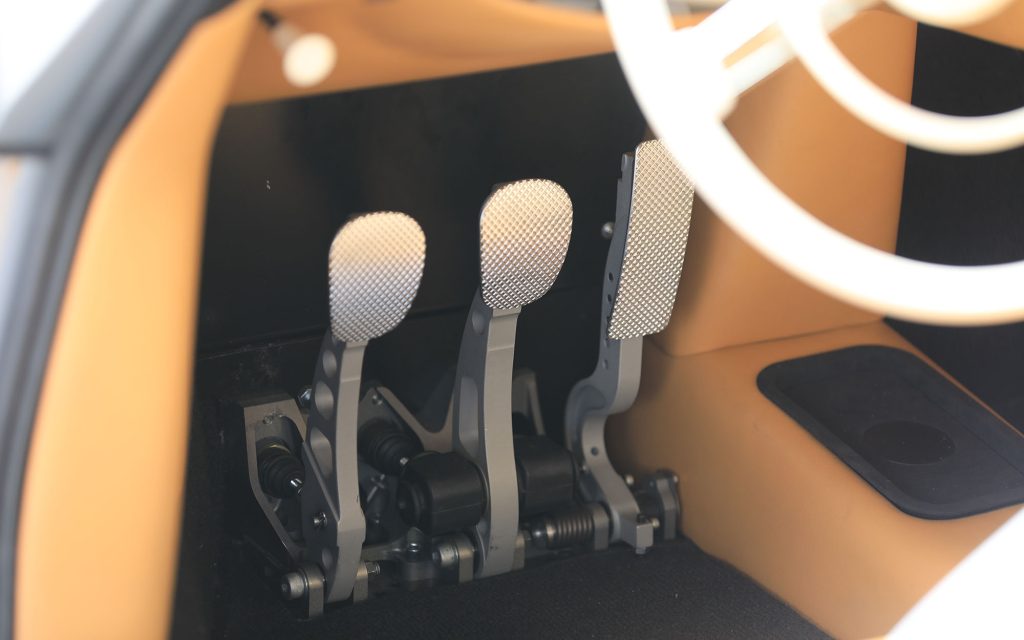
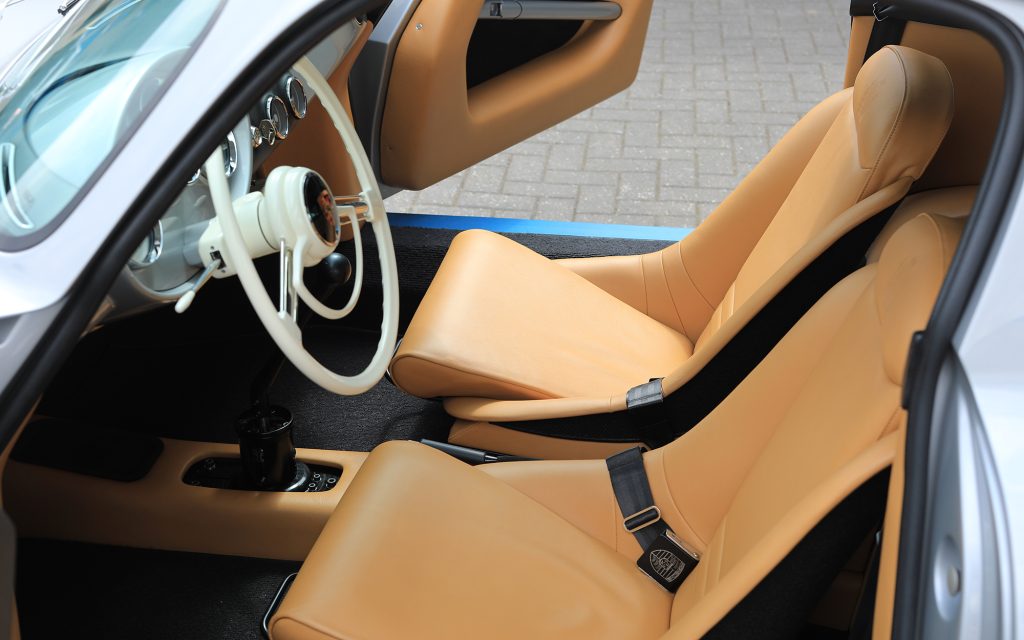
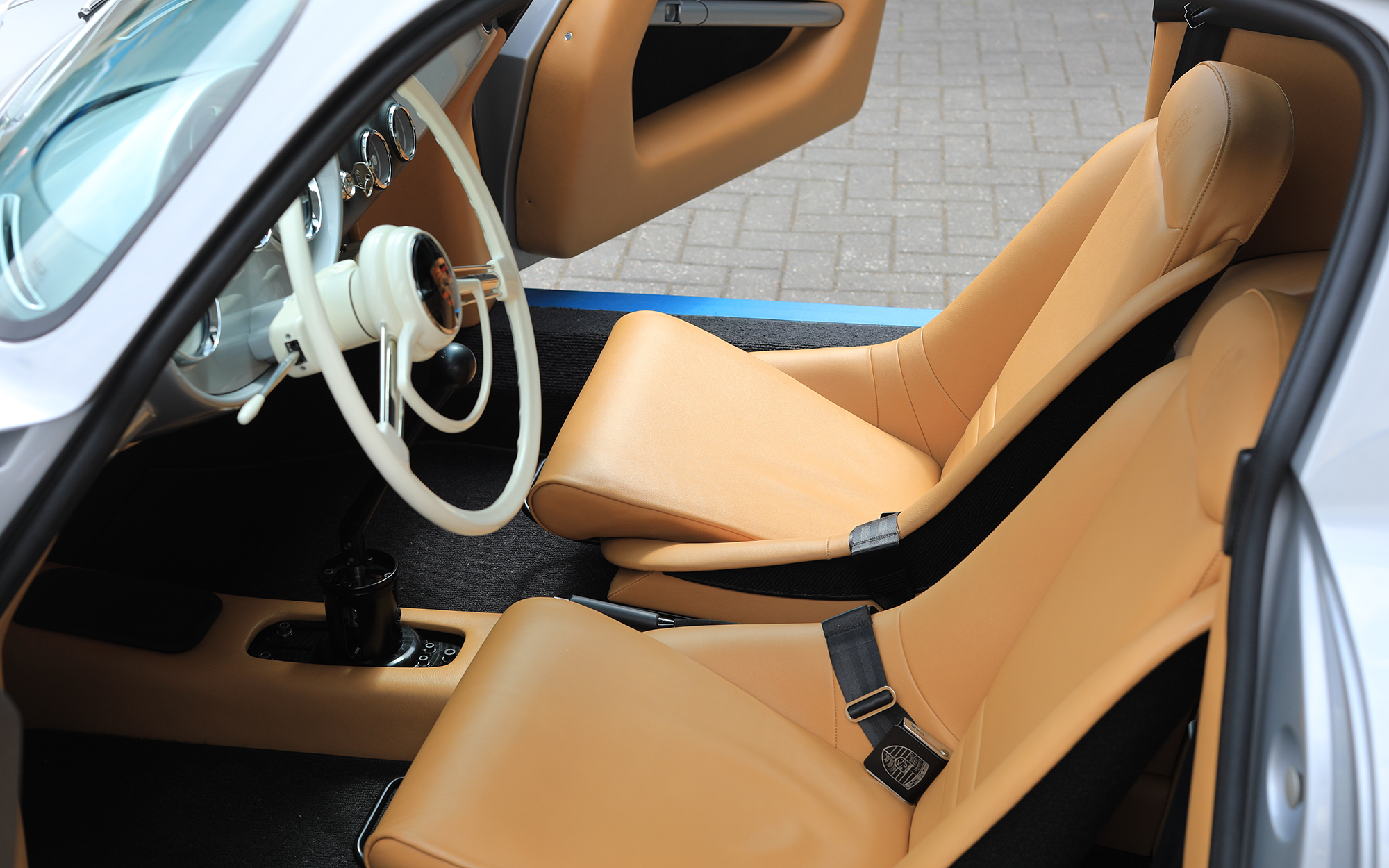
The cabin follows the same philosophy. Buyers commission each example individually, selecting leather, materials, seating, luggage and discreet modern conveniences to suit their intended use. Rather than recreating a museum piece, Thornley Kelham has developed a car designed to be driven regularly, whether across Europe or to a concours lawn.
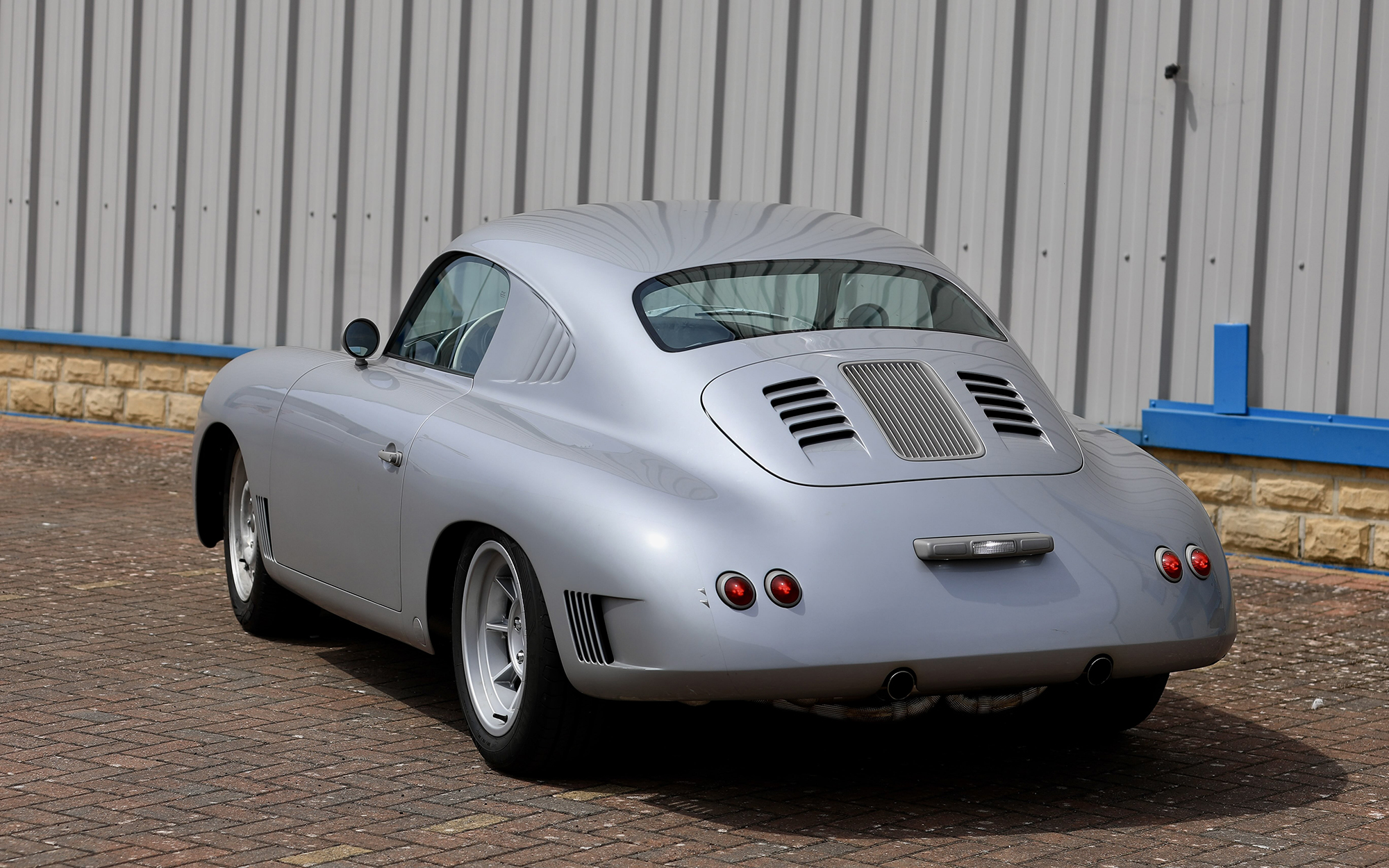
Production will be limited to 50 coupes, with each requiring thousands of hours to complete. The 356 European SL will make its public debut during Megaphonics at Boxengasse on August 1-2, where it joins a growing field of high-end remasters that continue to blur the line between restoration and bespoke coachbuilding.
For collectors, the significance of projects like this extends beyond performance figures or exclusivity. The most successful remasters preserve the qualities that made the original iconic while thoughtfully addressing the compromises imposed by period engineering. Judging by Thornley Kelham’s previous work, the 356 European SL appears intended to do exactly that—offering a vision of how one of Porsche’s most influential sports cars might have evolved had history taken a different path.