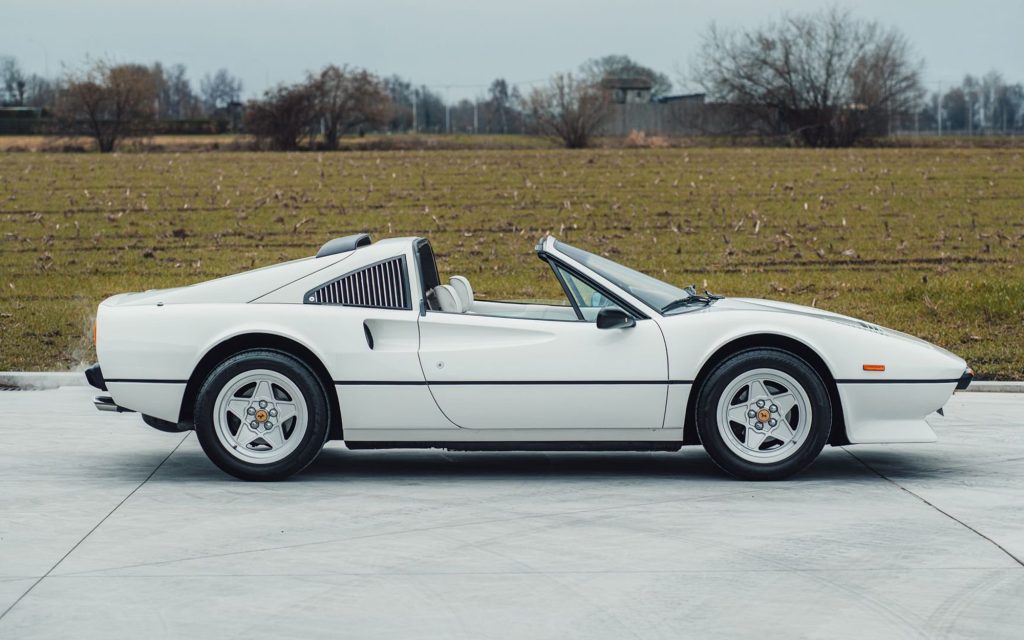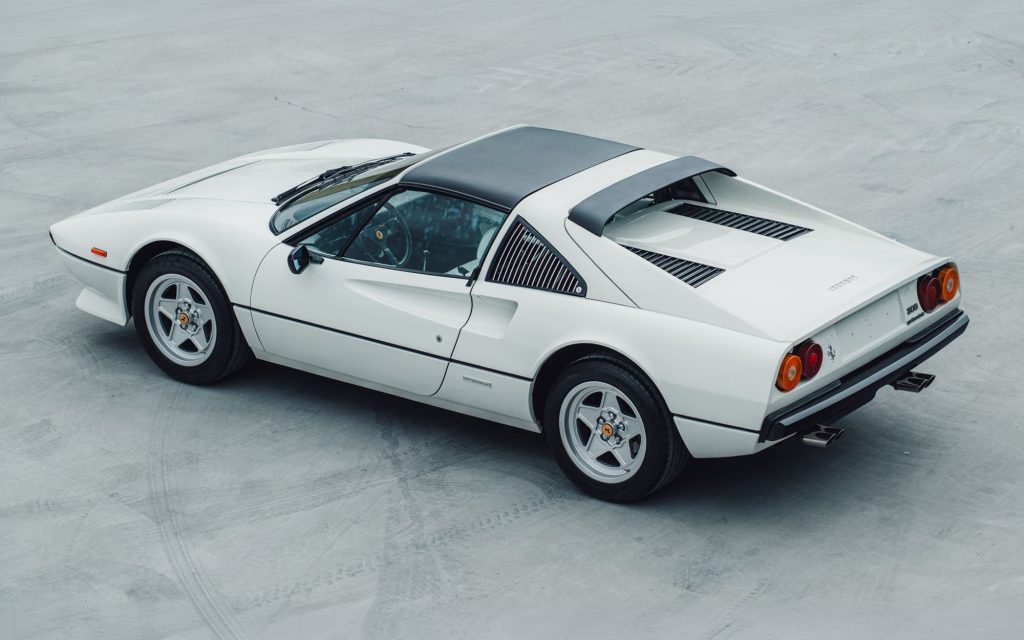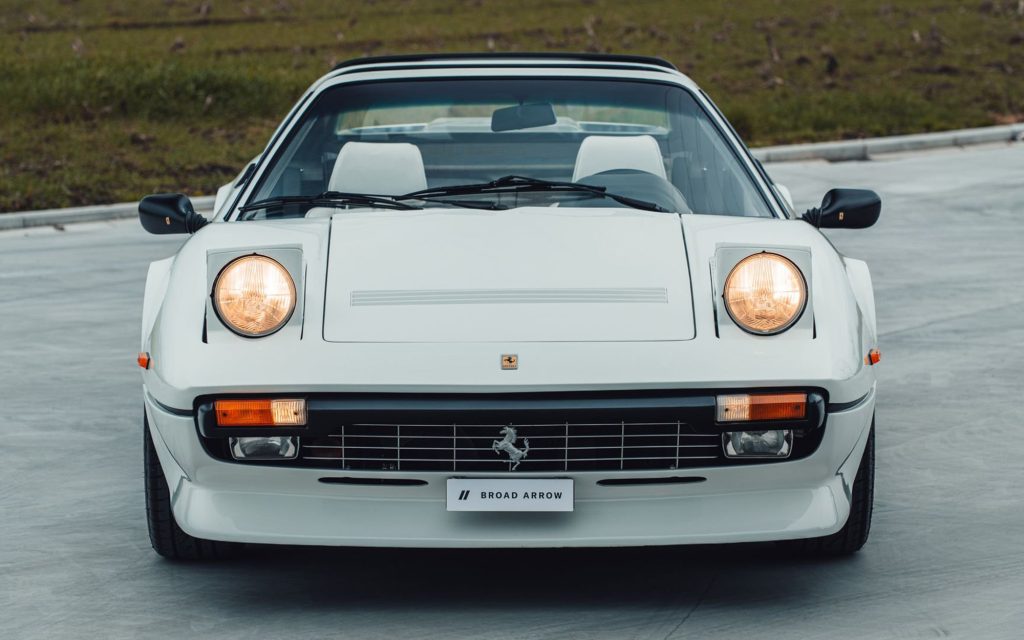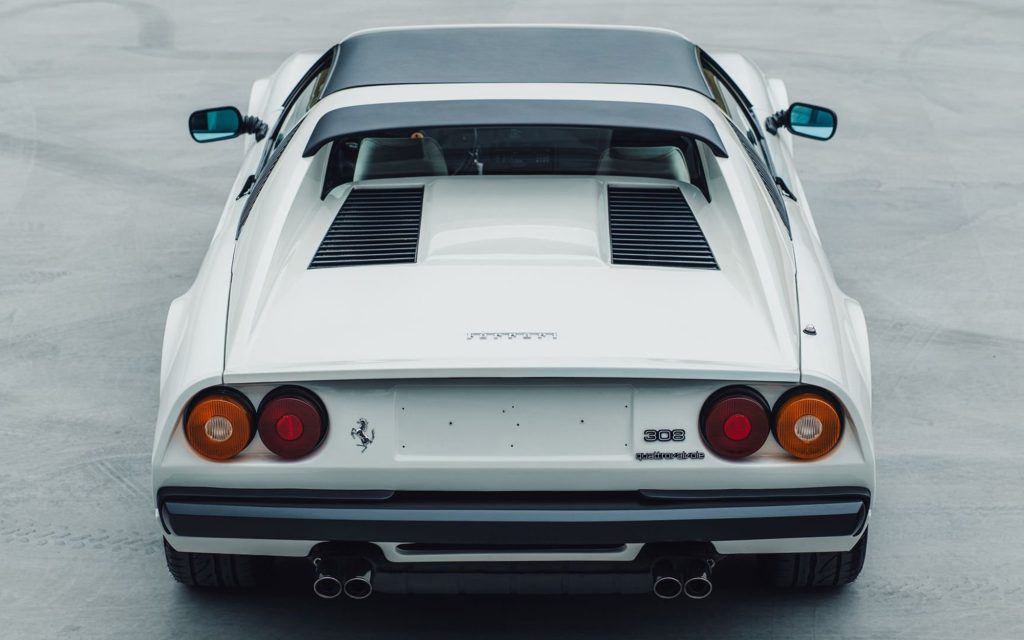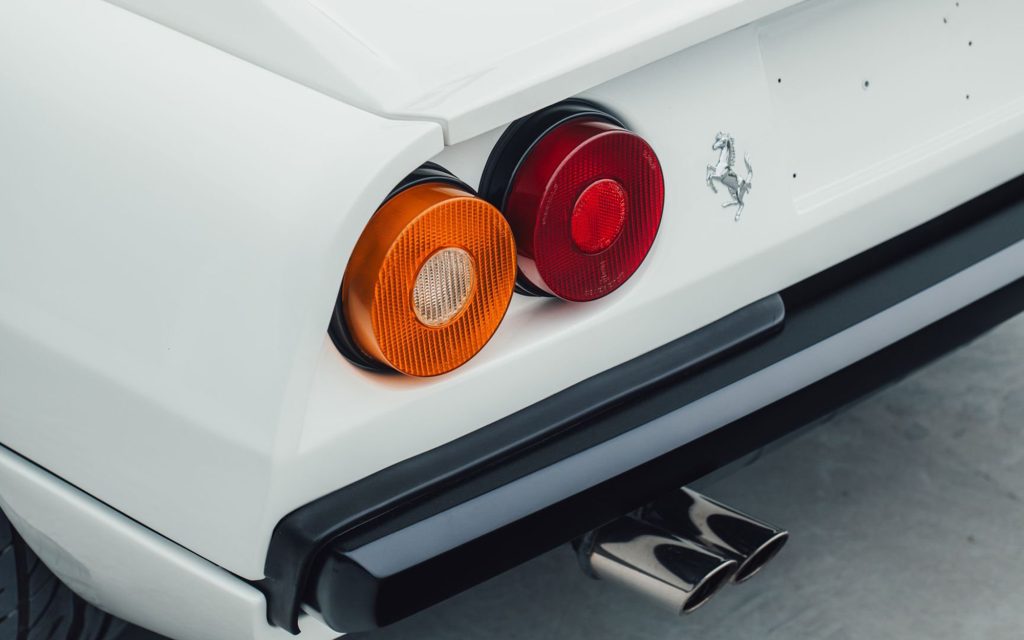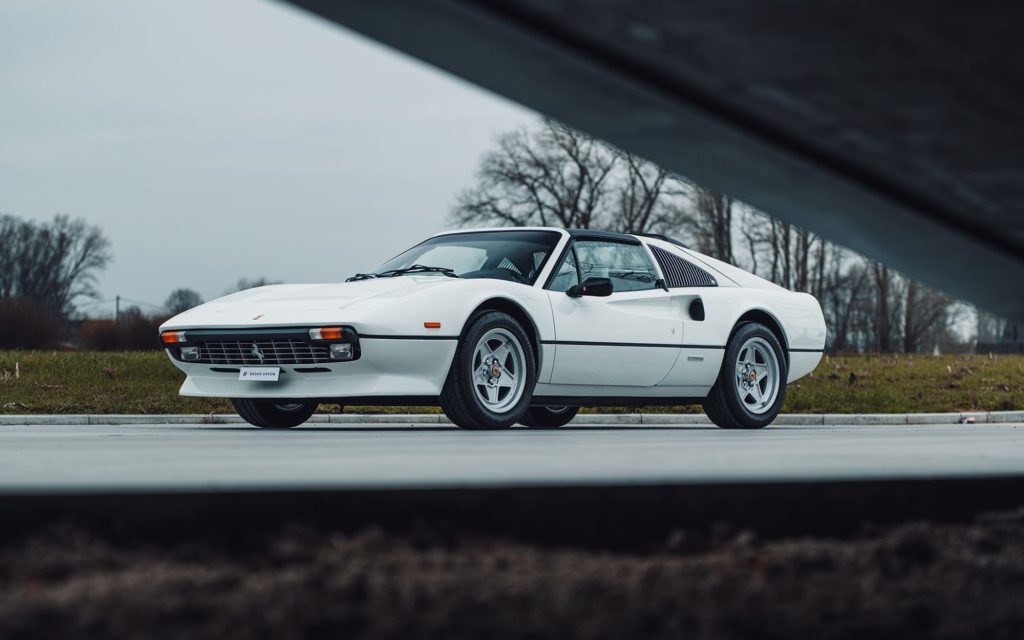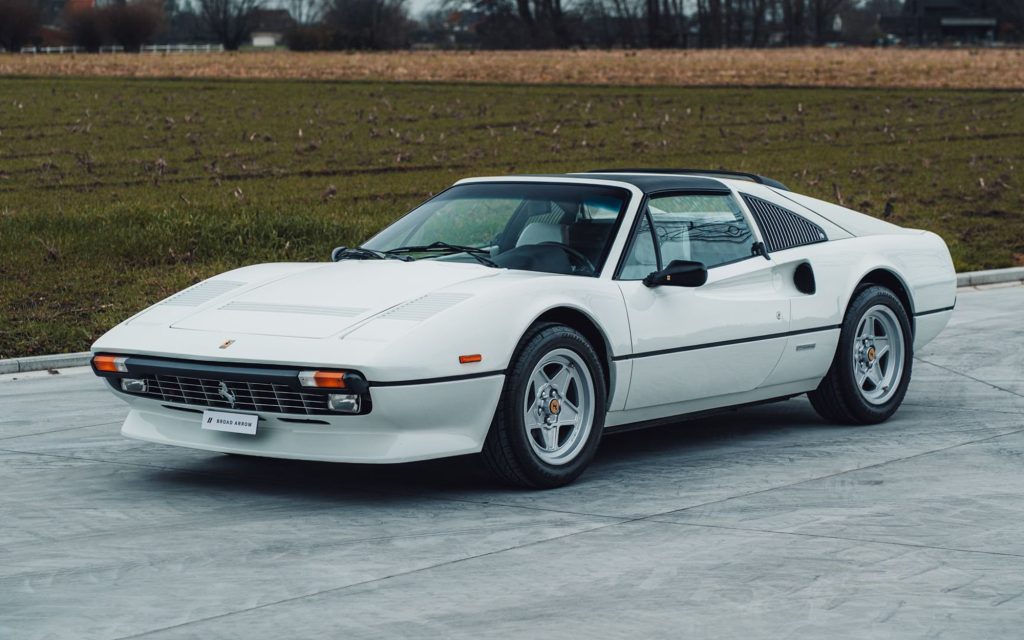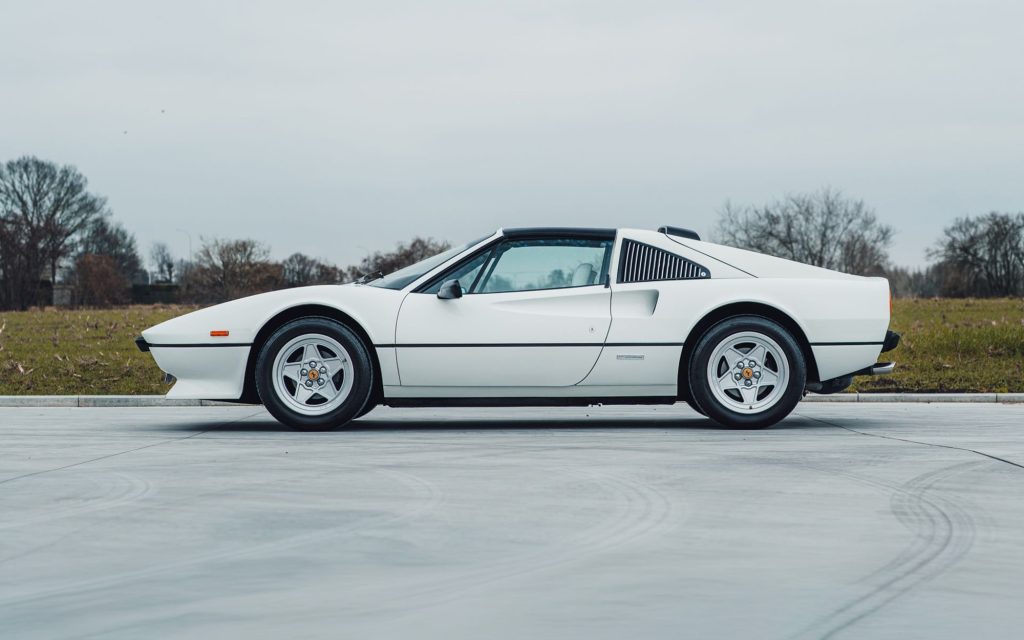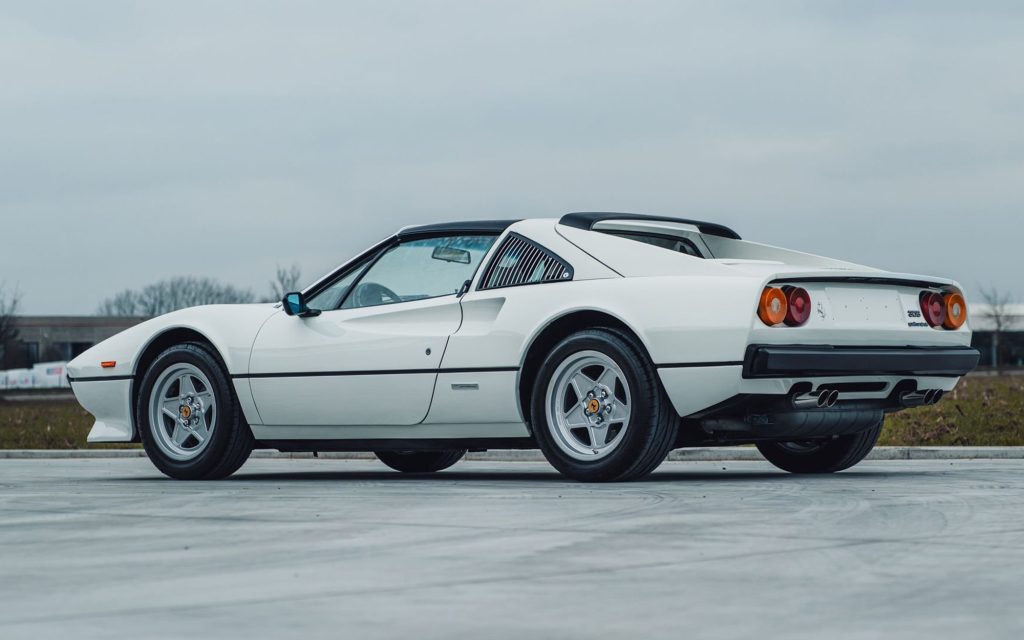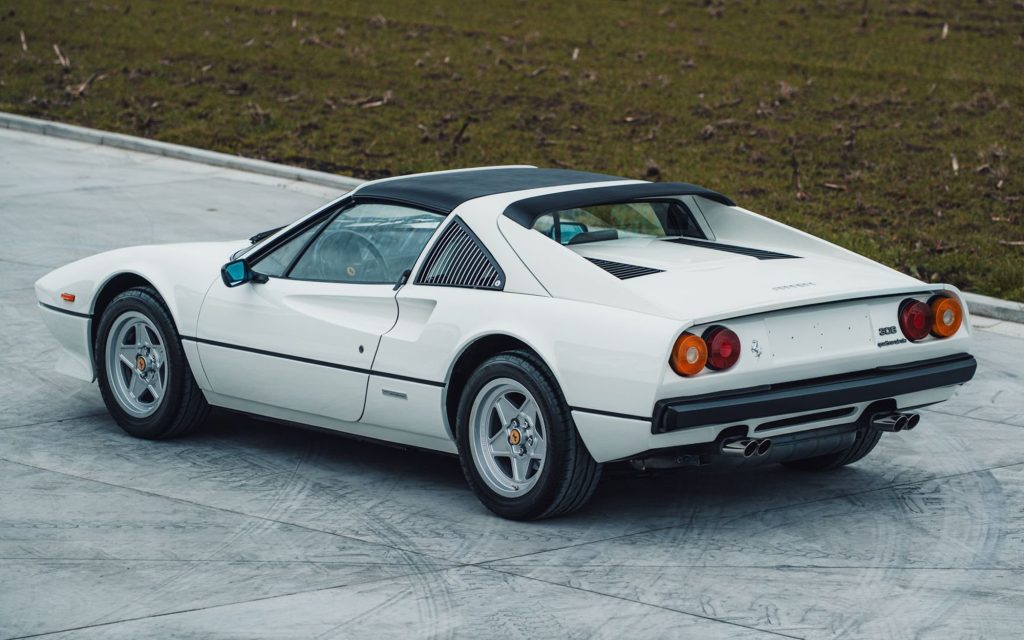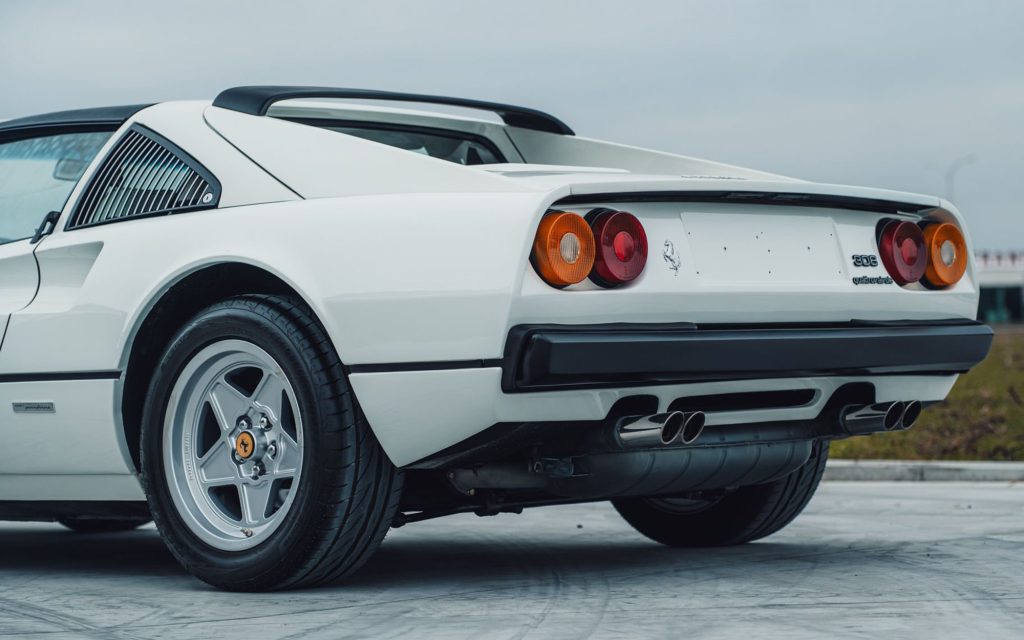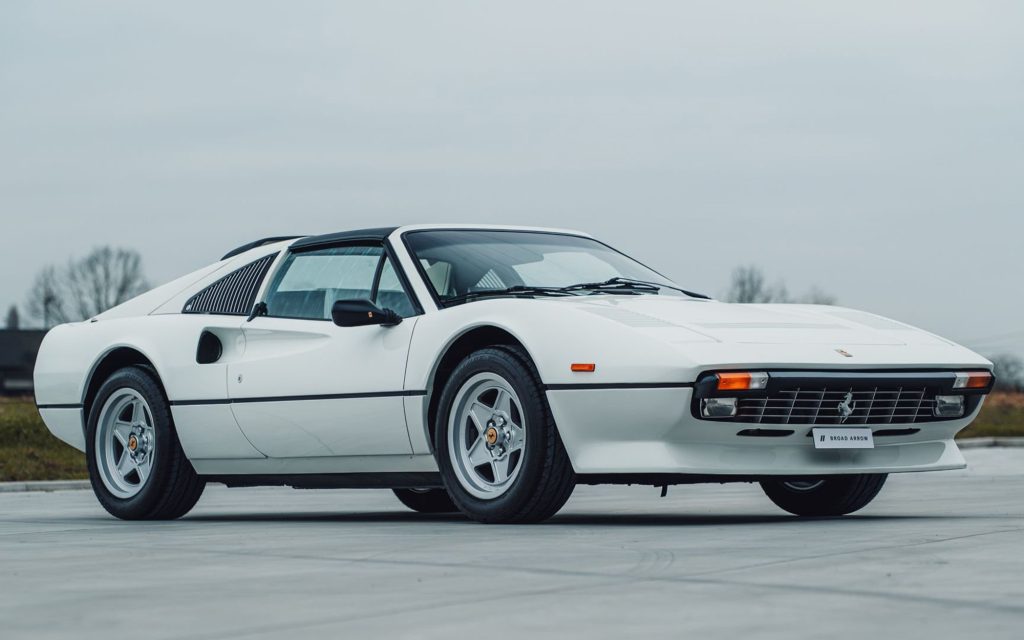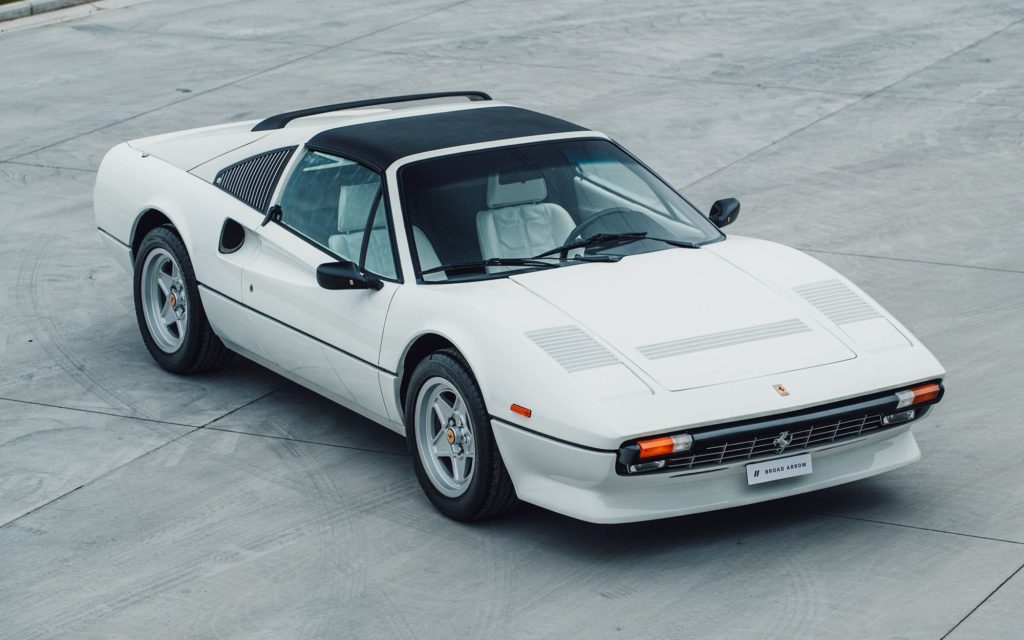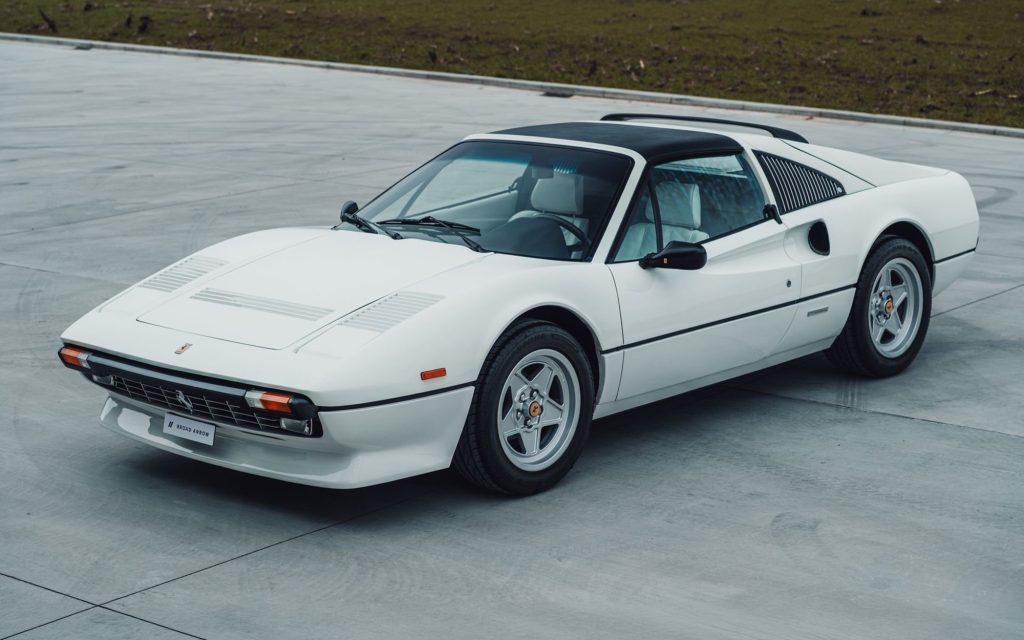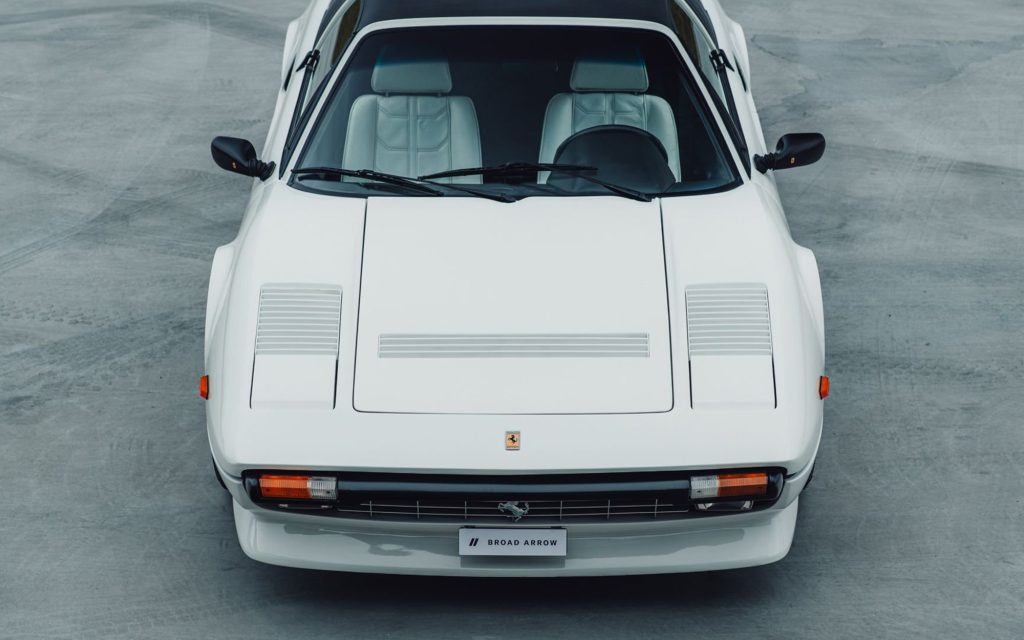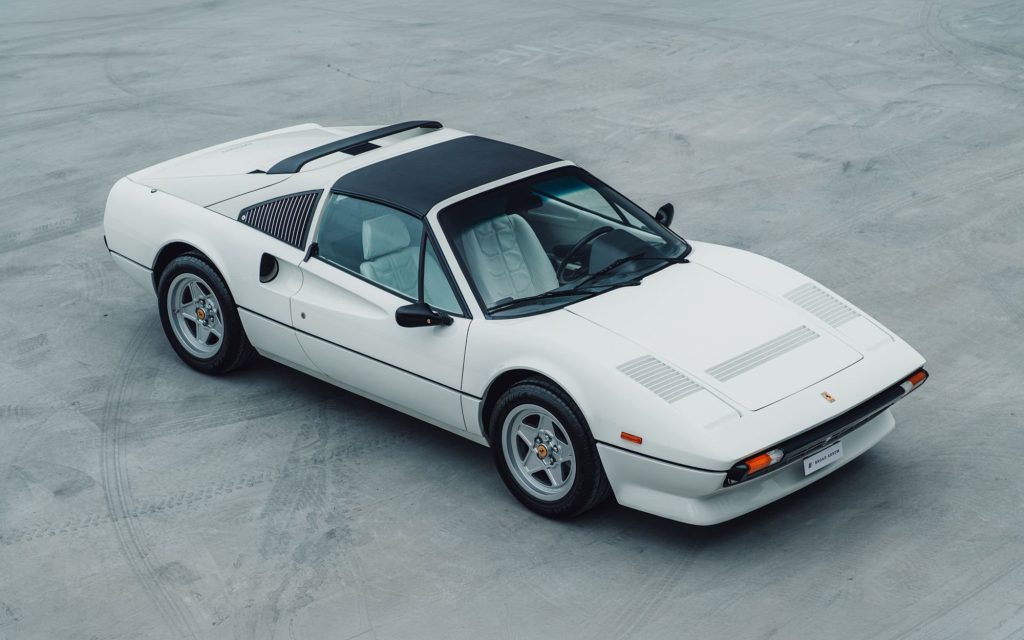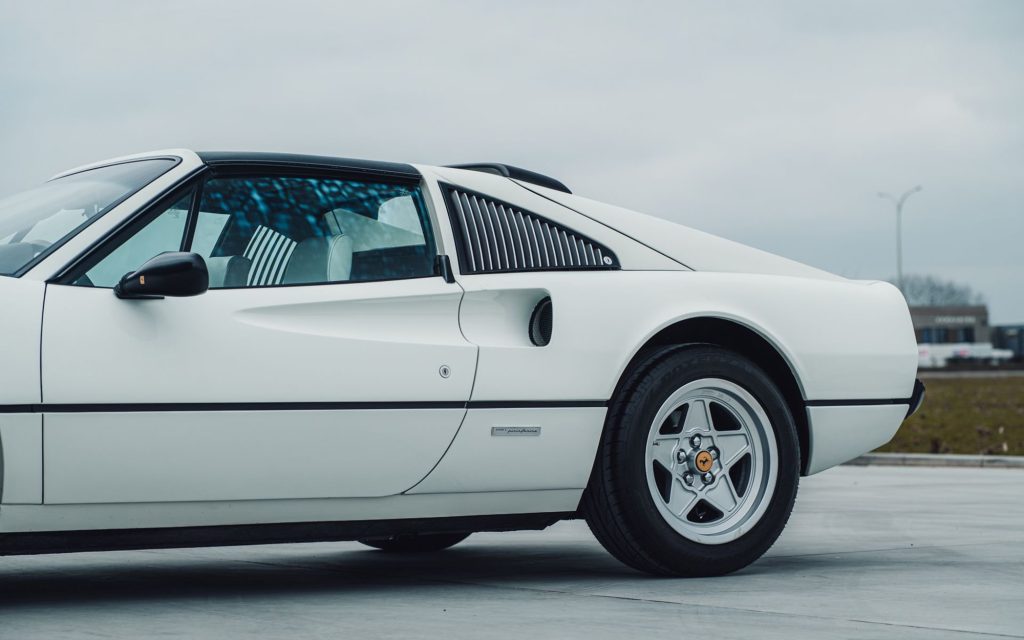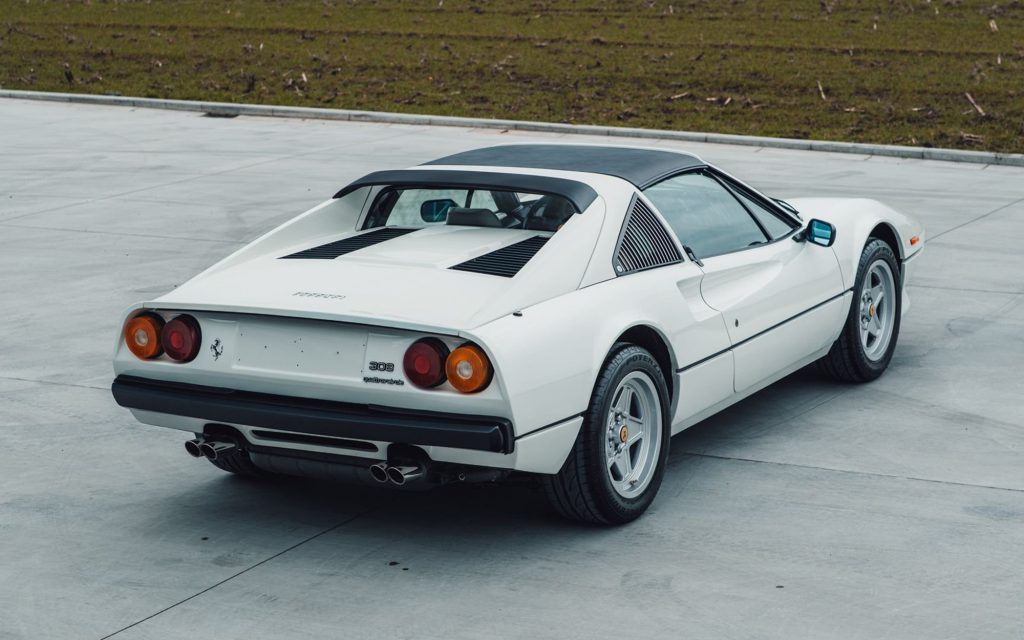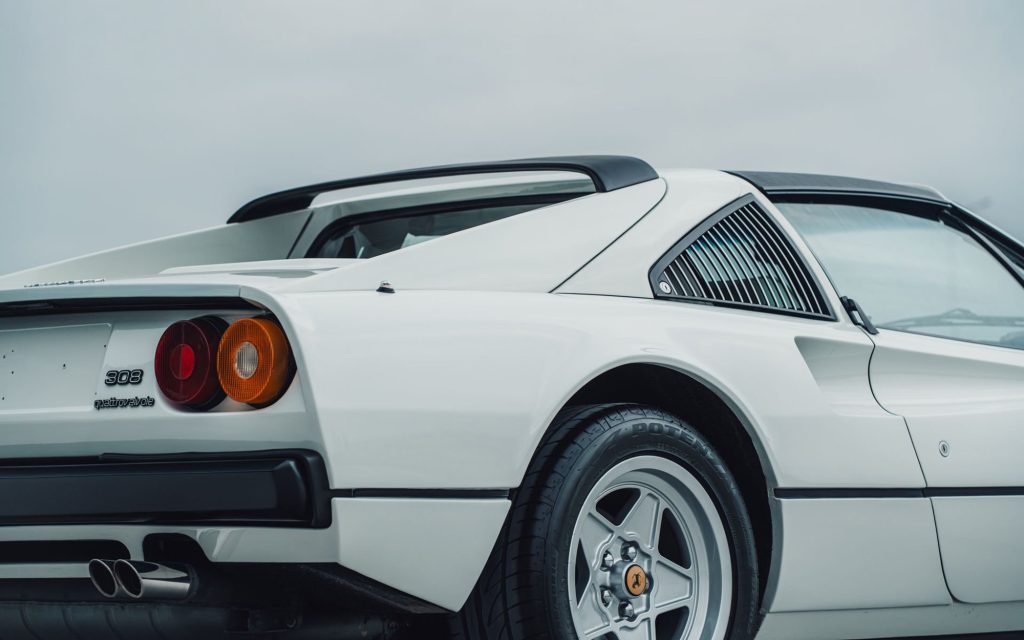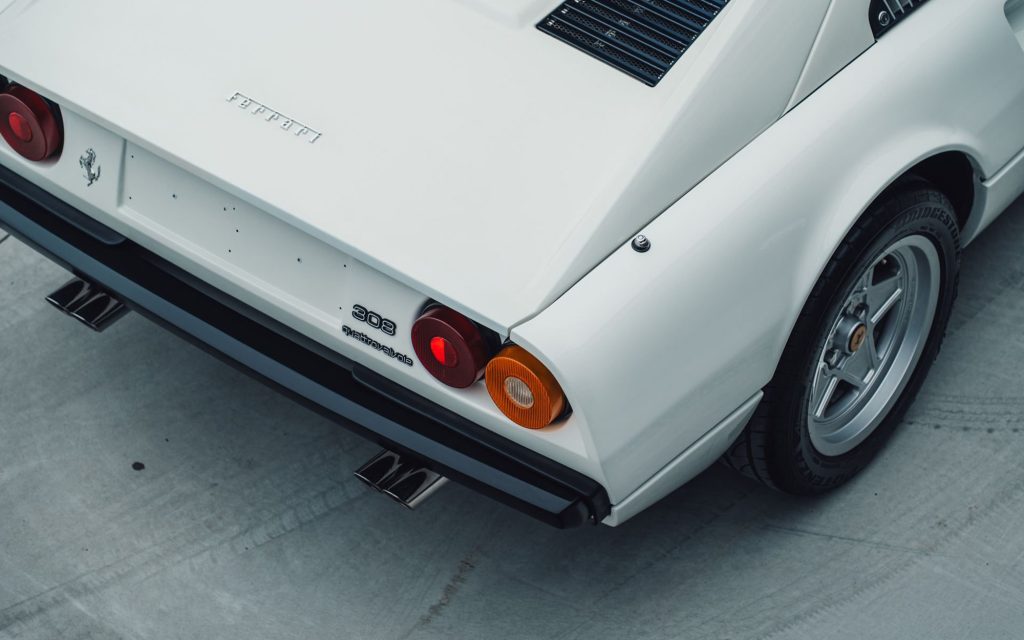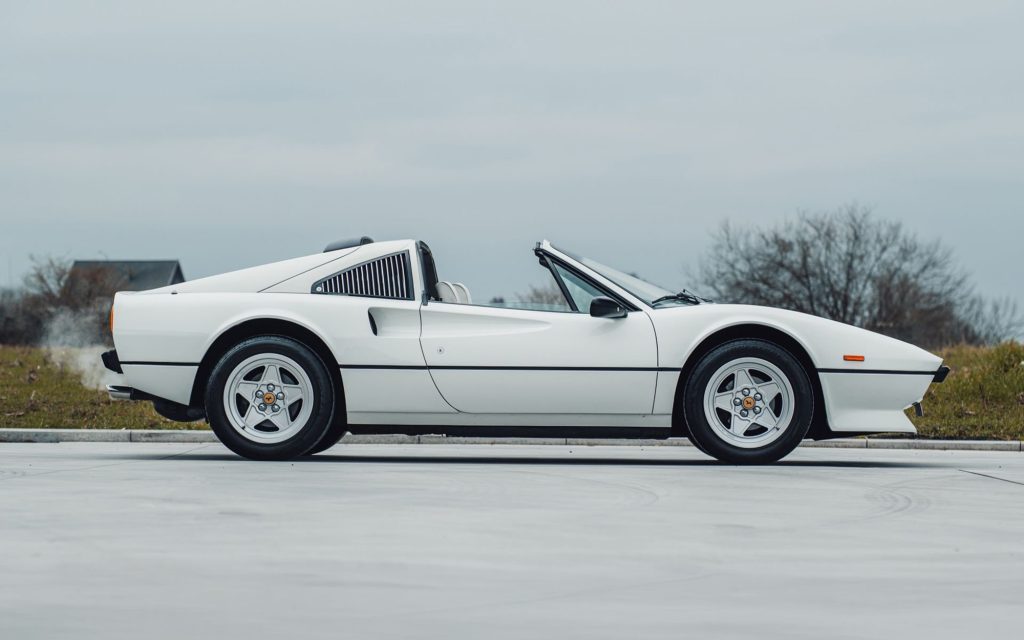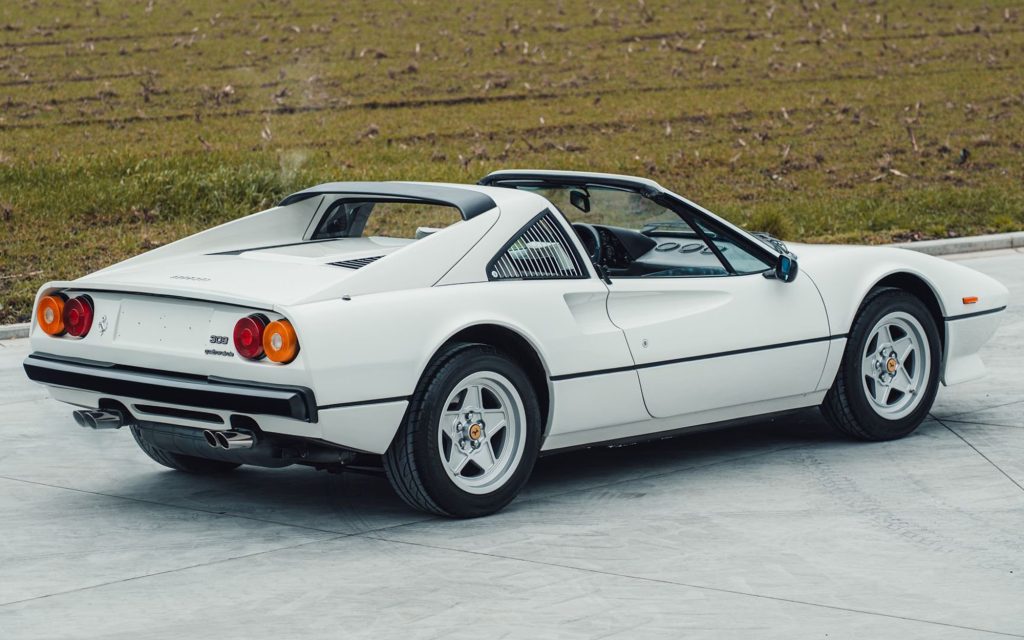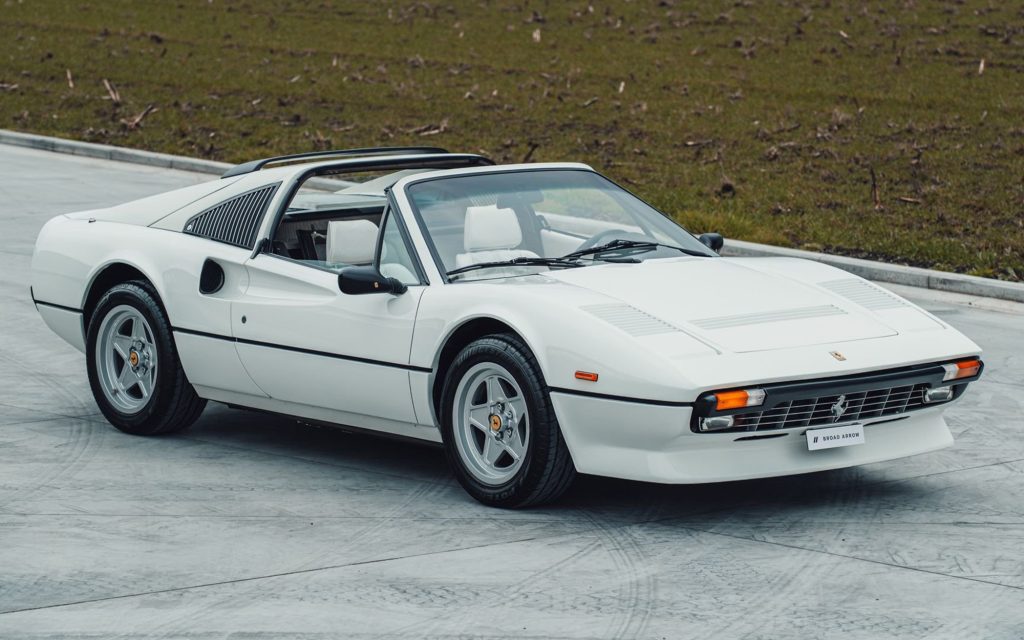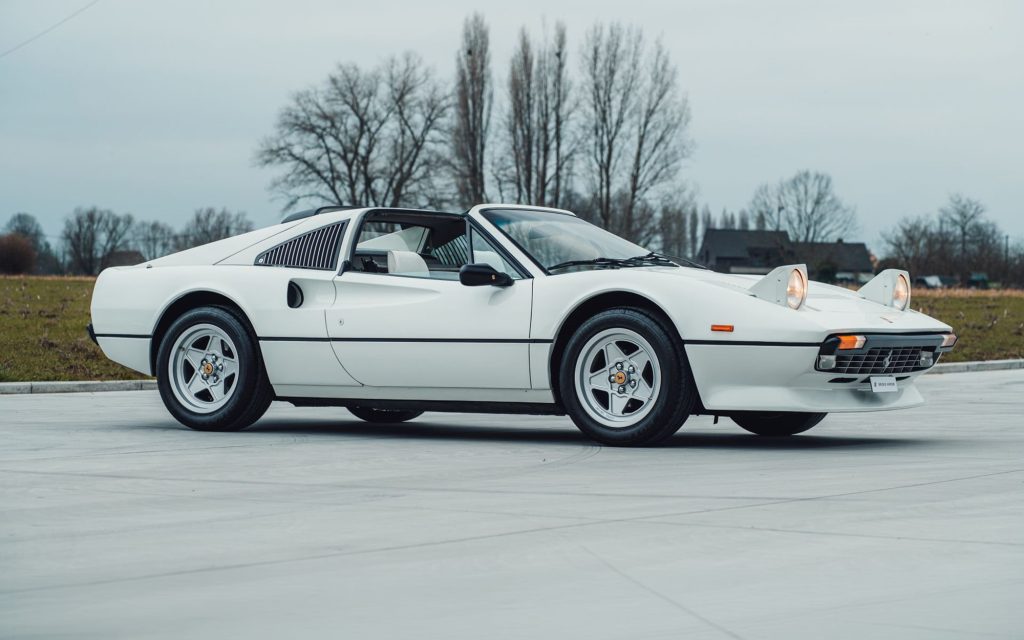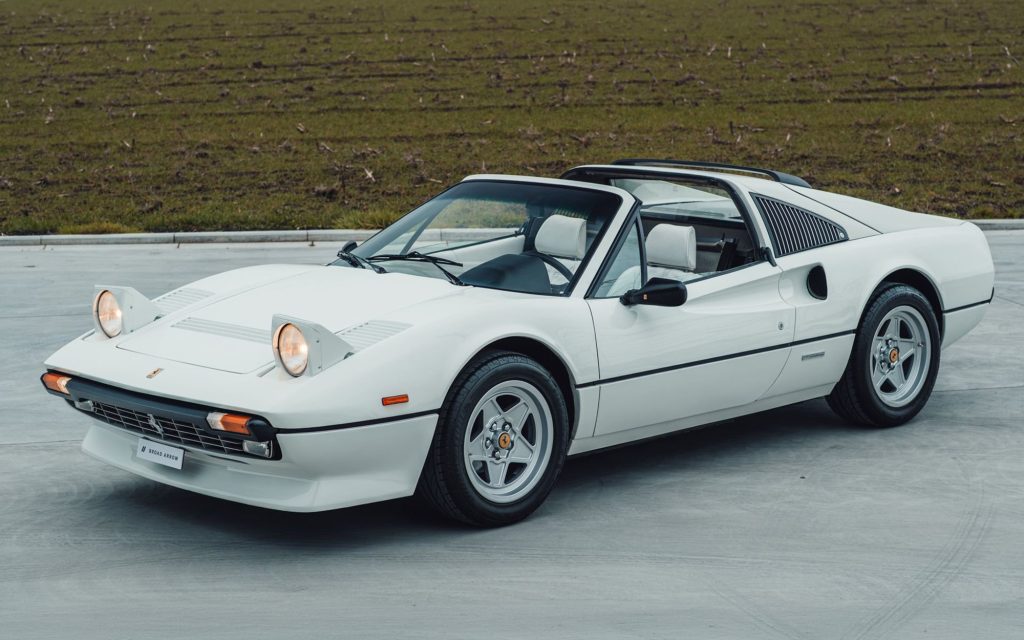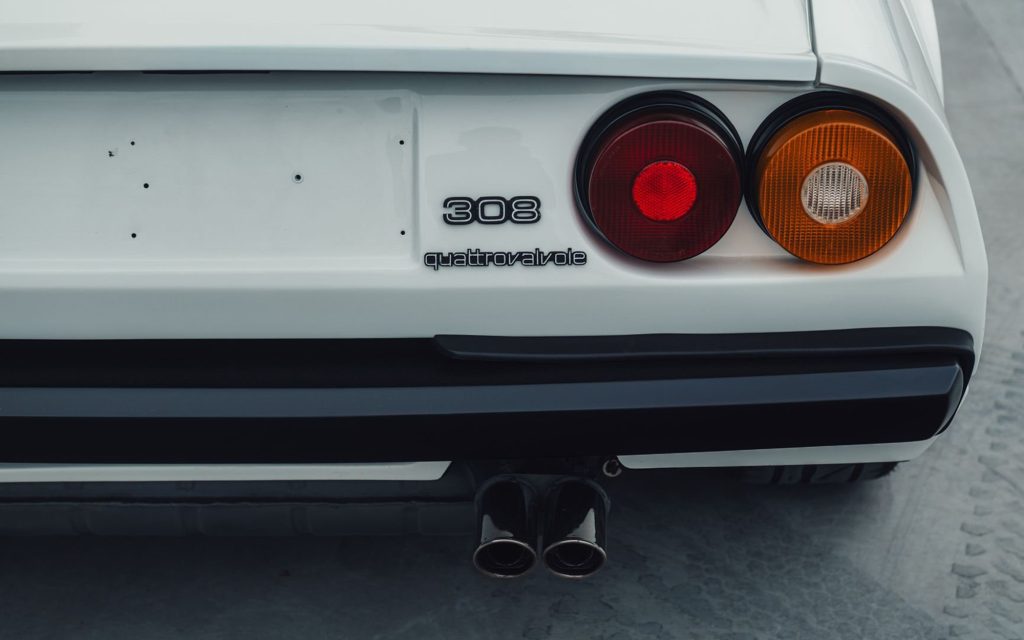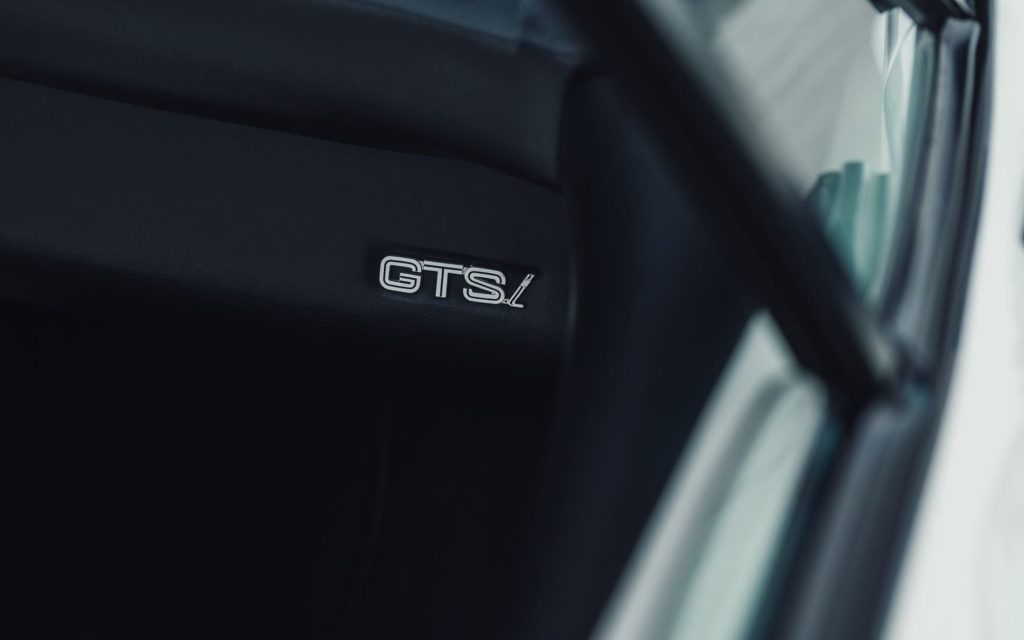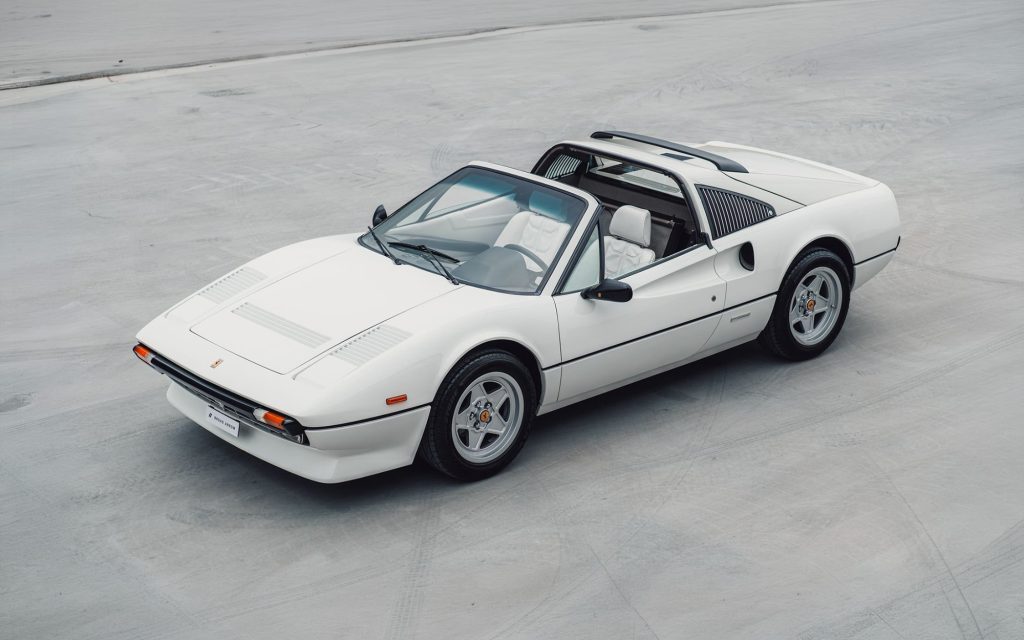

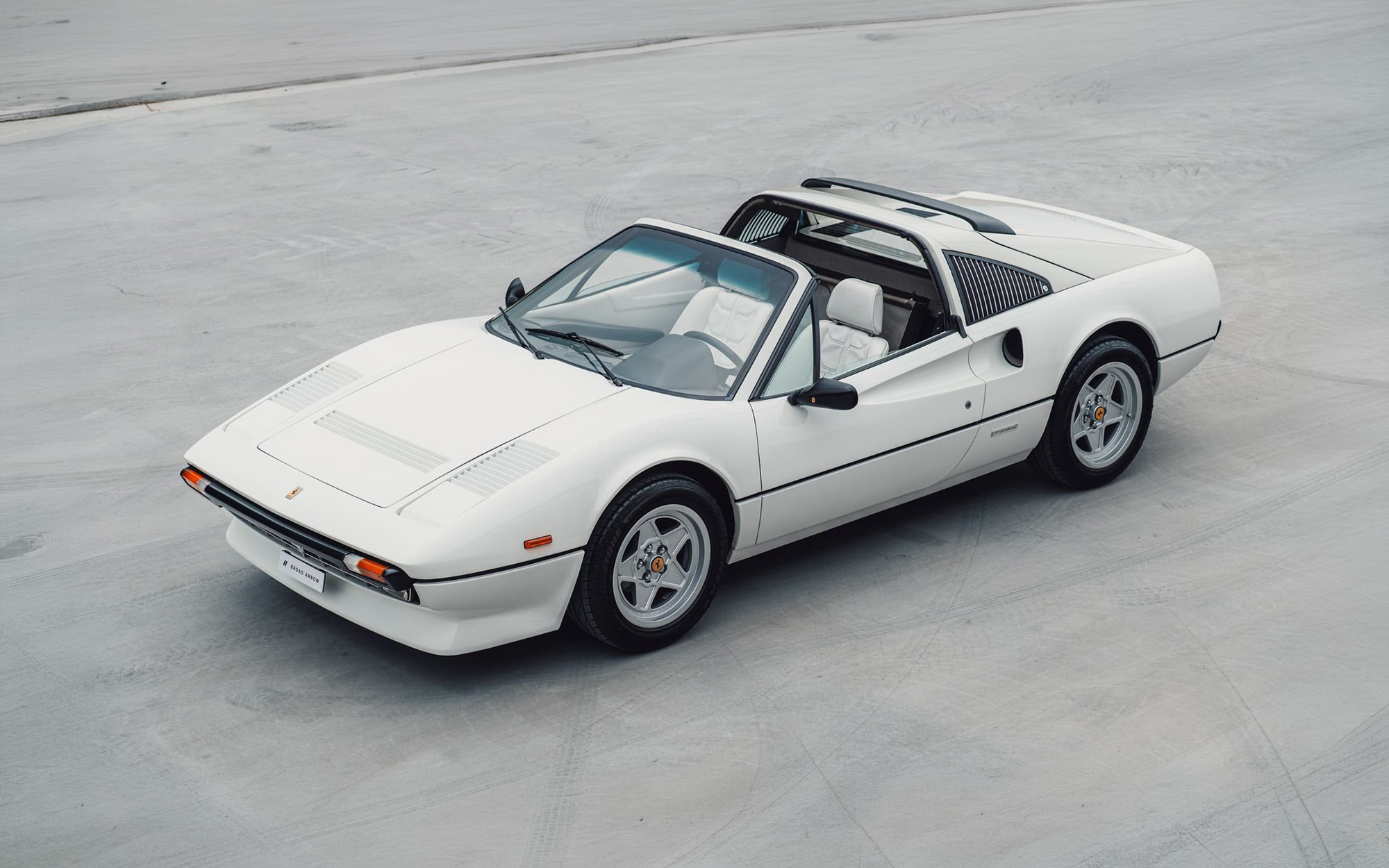

What: 1983 Ferrari 308 GTS Quattrovalvole
Color: Bianco a.k.a. Bianco Avus (bianco; non-metallic; 100; Ferrari)
VIN: ZFFLA13B000048067
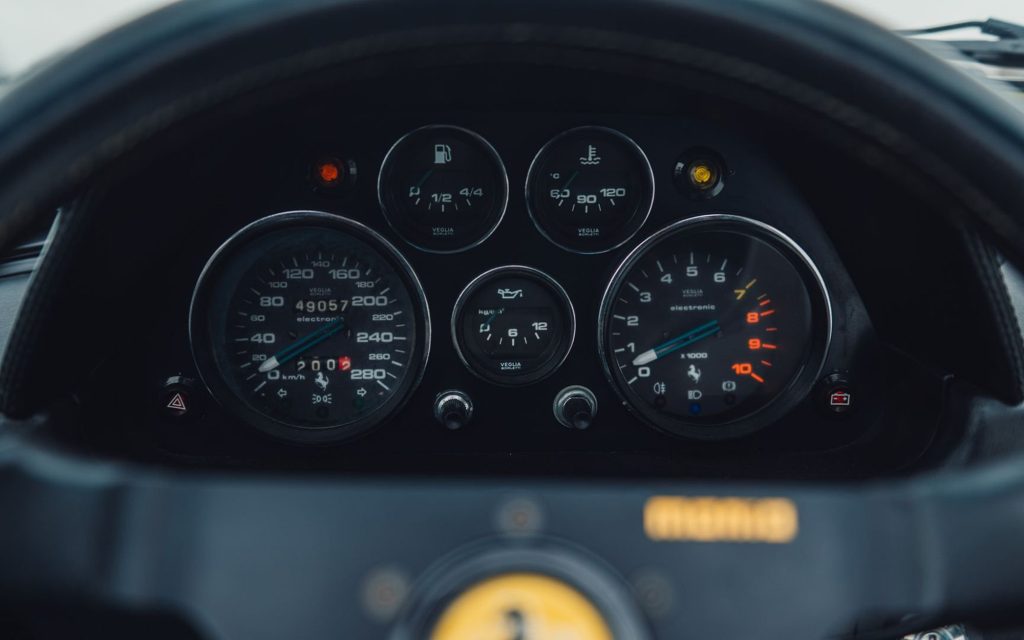
Mileage: 49,057 km
Price Estimate: $82,200 – $106,000
Location: Belgium
Listing: Link
Broad Arrow’s upcoming Global Icons Spring Online Auction 2026 continues to lean into accessible blue-chip collectibles, and this white on white 1983 Ferrari 308 GTS Quattrovalvole lands squarely in that sweet spot. Offered without reserve and estimated between €70,000 and €90,000, it represents one of the more approachable entry points into vintage Ferrari ownership—particularly for a car that sits at the peak of the 308 lineage.
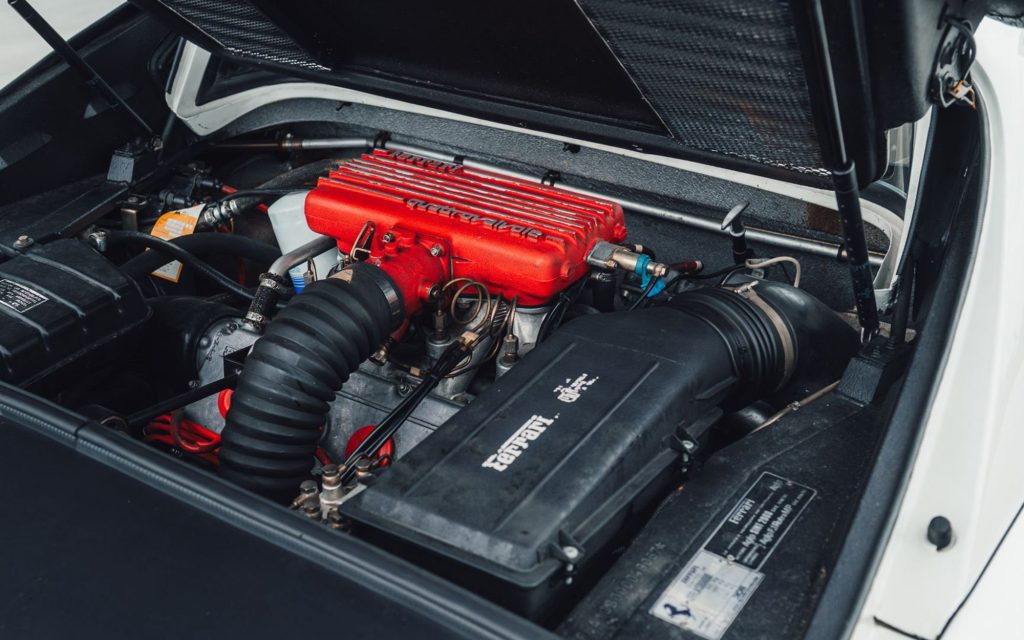
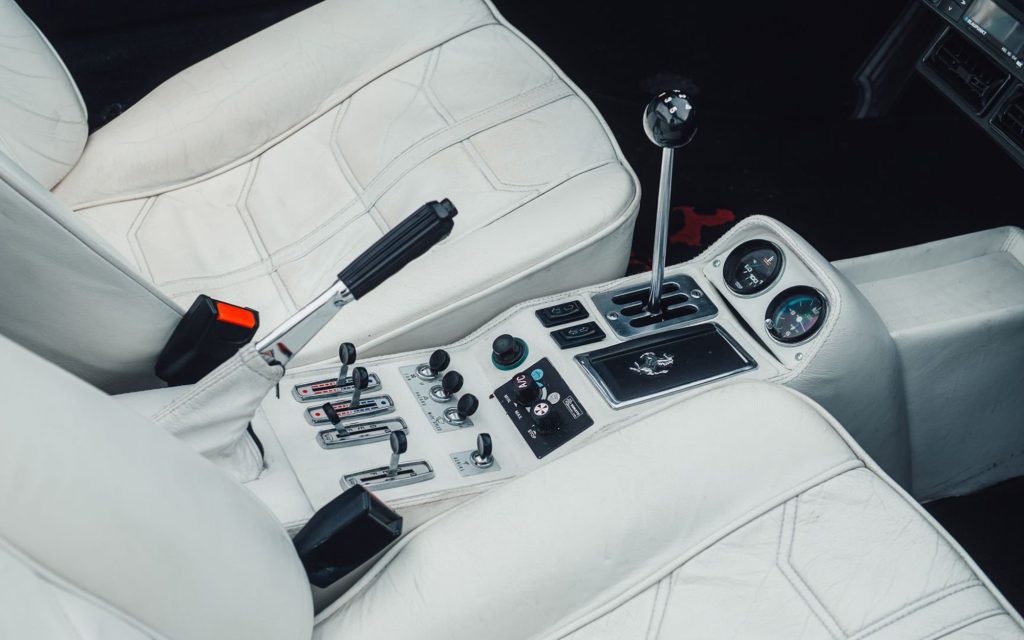
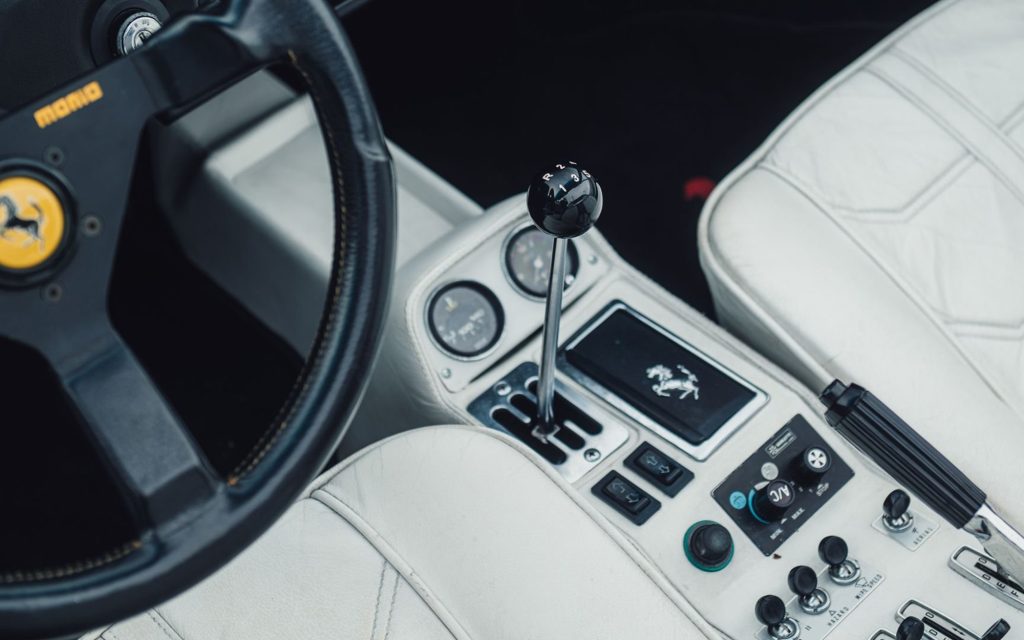
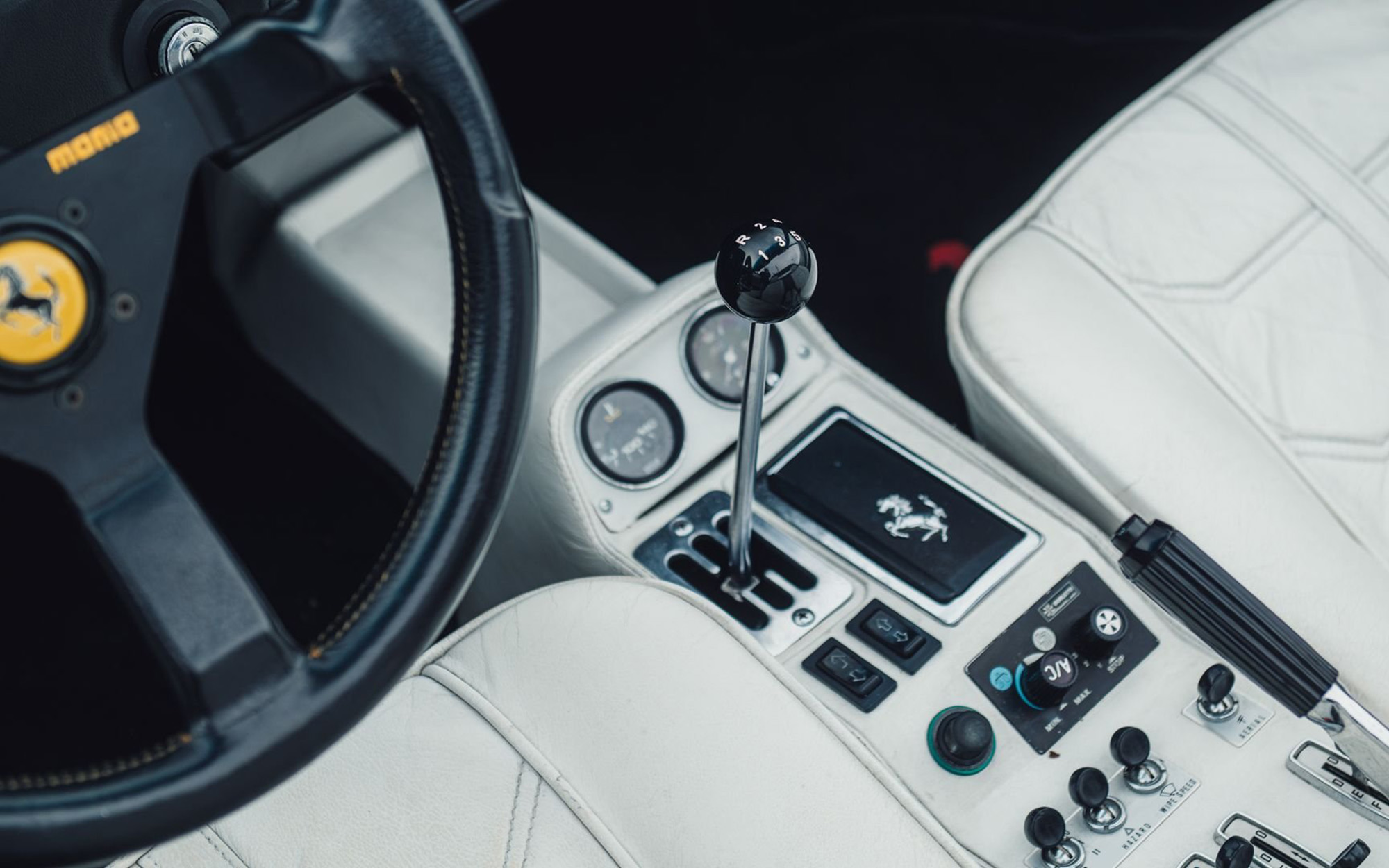
The Quattrovalvole, introduced in 1982, marked the final and most developed iteration of the 308, bringing four valves per cylinder and restoring performance that had been dulled by emissions-era compromises. Output climbed to around 240 CV, paired with Bosch fuel injection and the classic gated five-speed manual—arguably the defining tactile experience of period Ferraris.
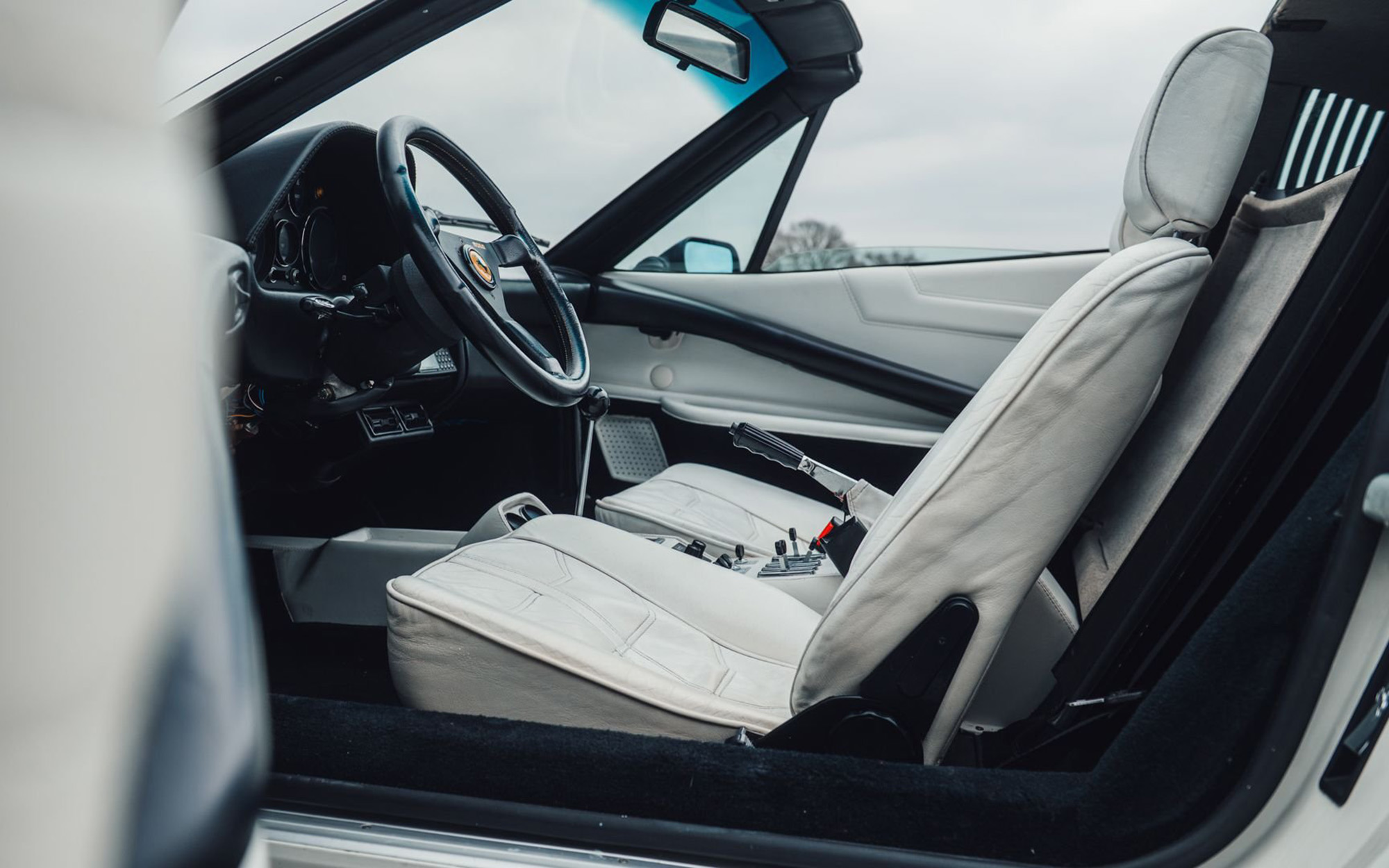
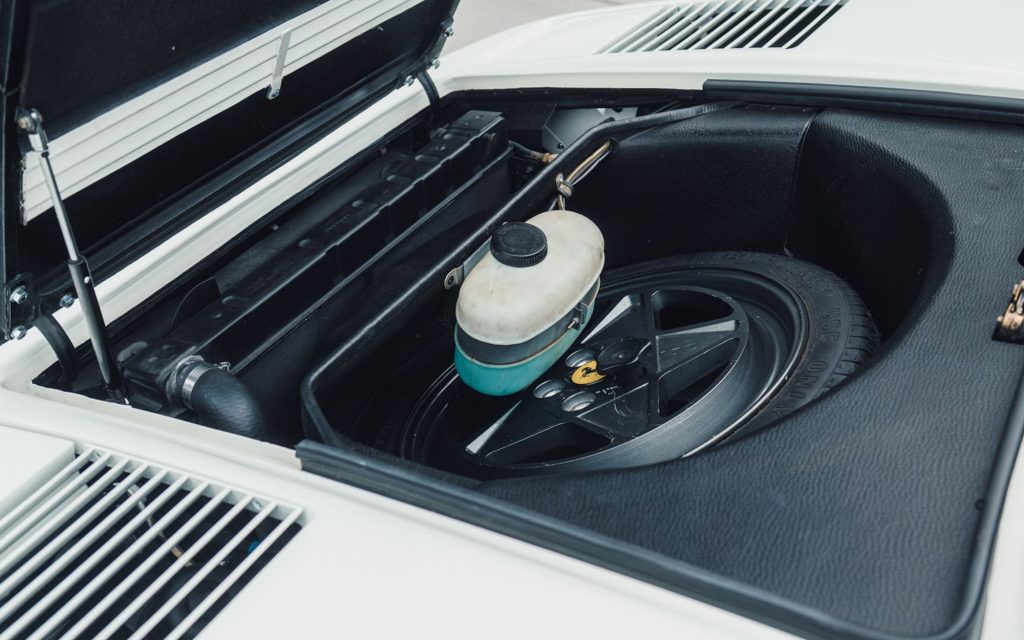
This particular example checks several of the right boxes. Delivered new in Munich in October 1983, it’s finished in Bianco over a well-documented ownership and service history, including early maintenance by marque specialists and a major service with timing belt replacement at just over 48,000 km. It remains a relatively low-mileage car at just under 50,000 km and retains its original manuals and stamped service book—details that matter more and more as buyers push toward documented, usable classics.
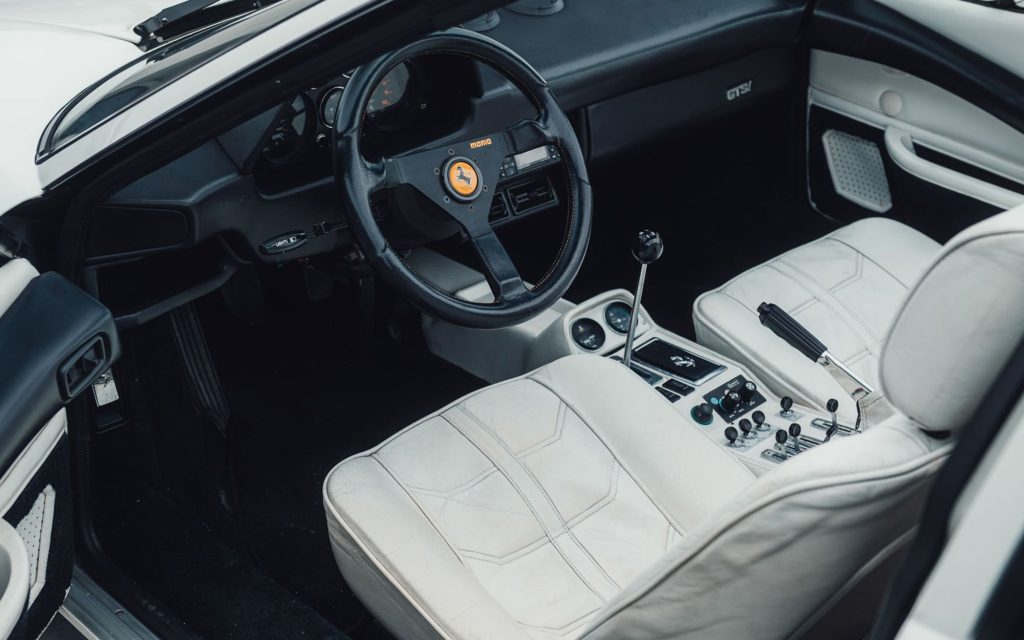
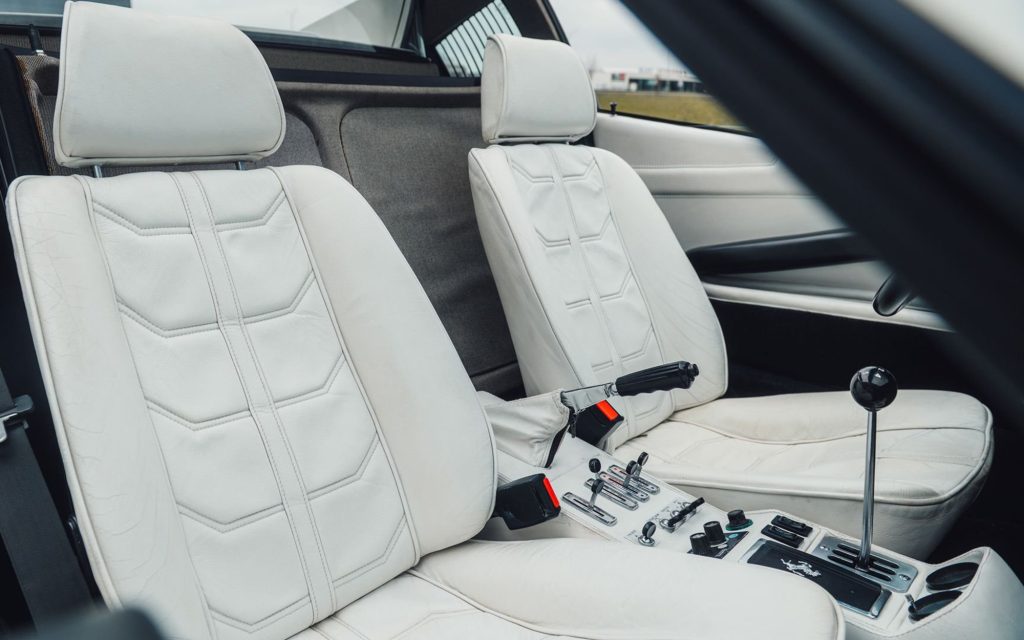
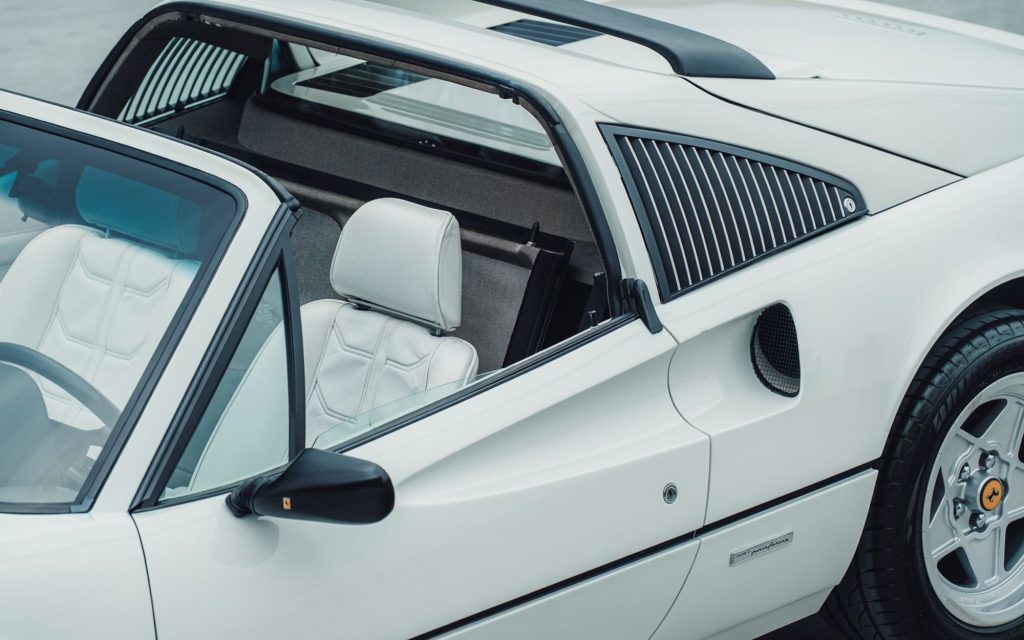
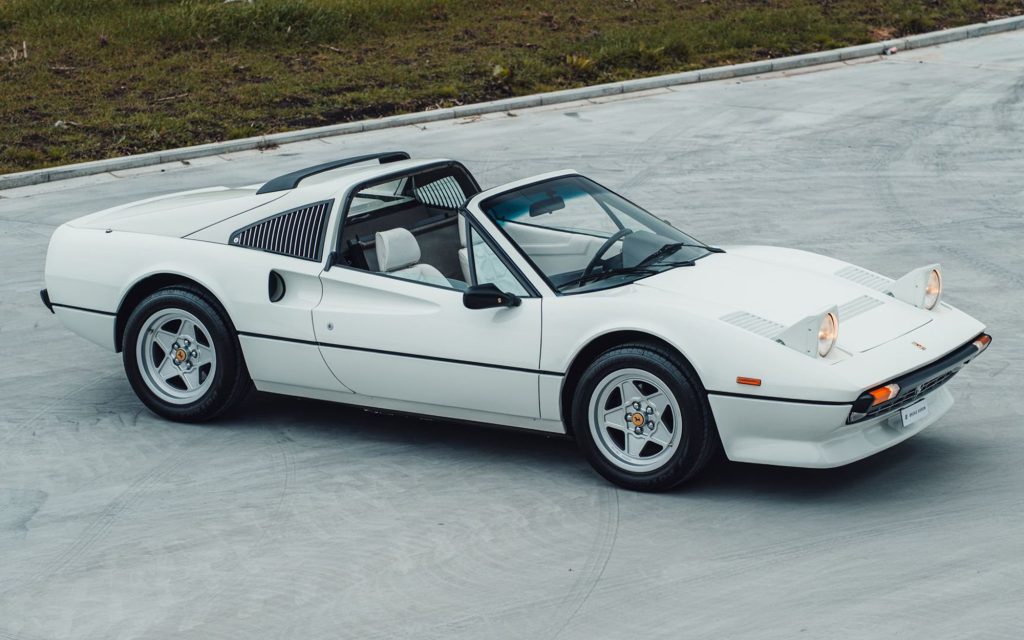
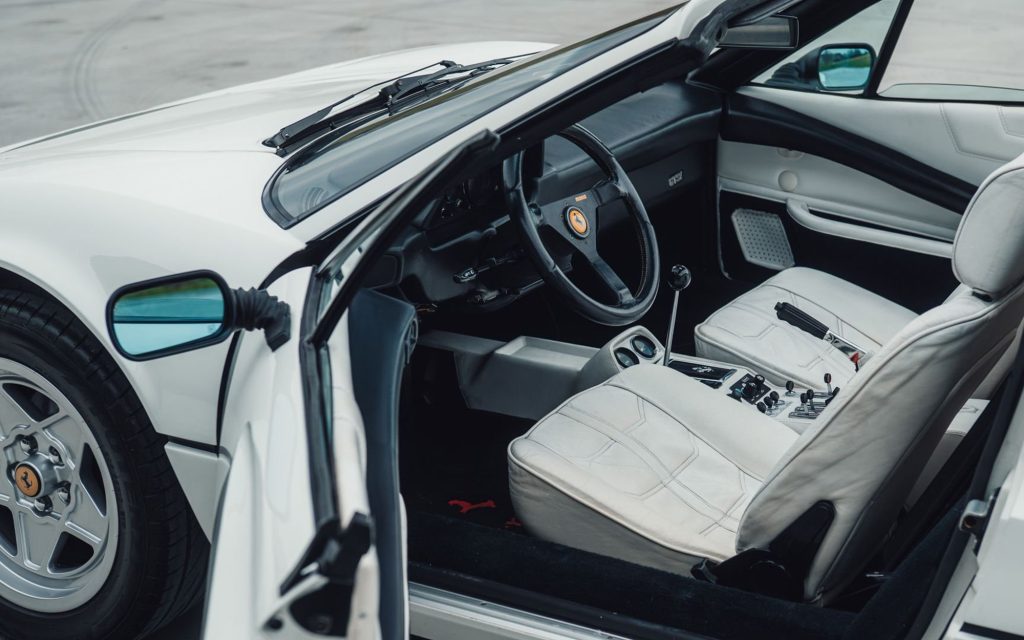
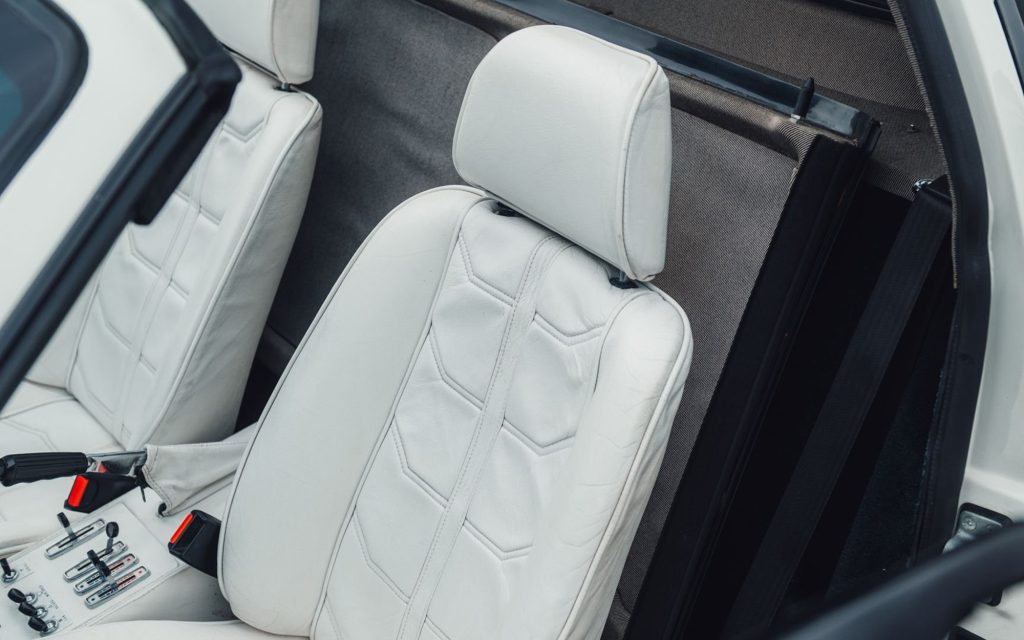
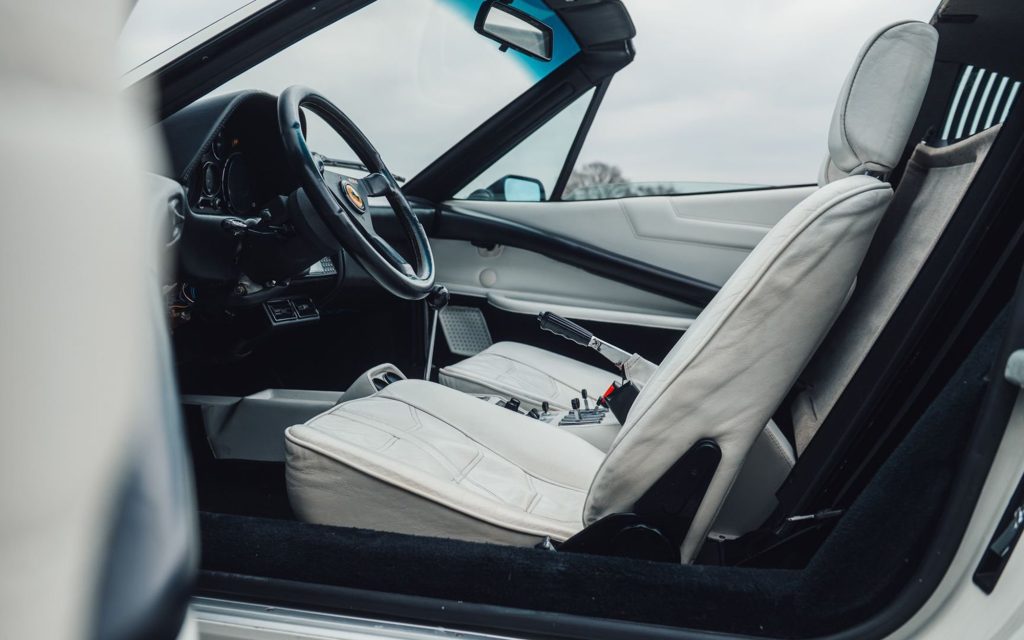
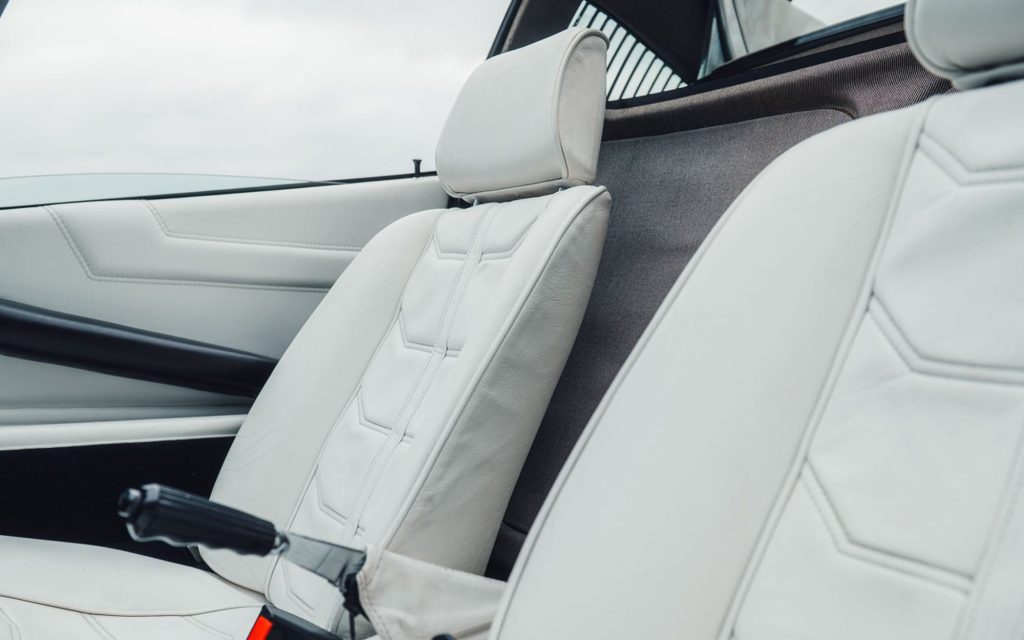
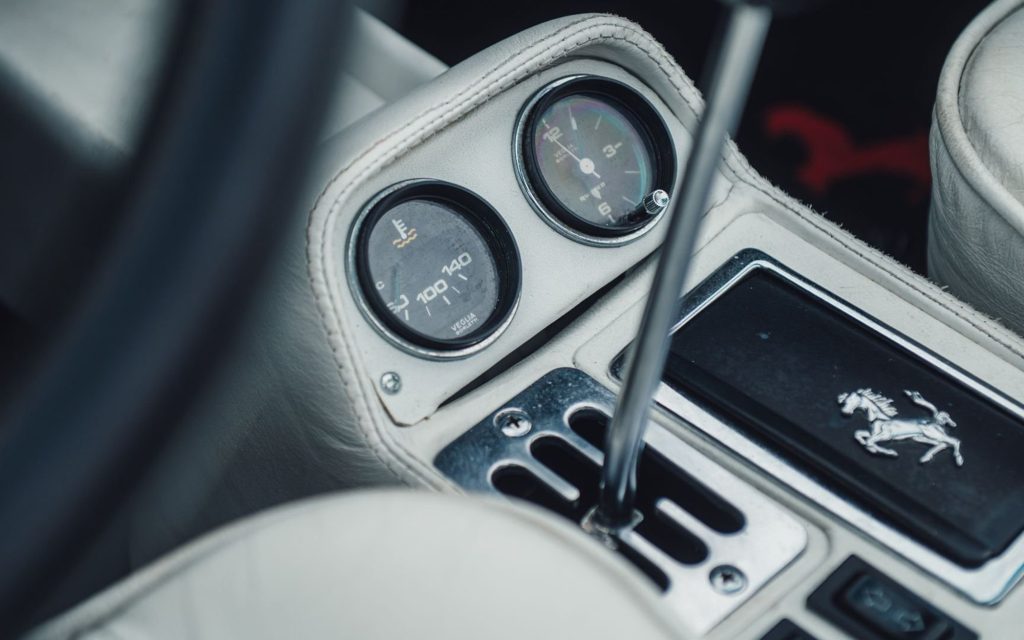
Bianco in and of itself isn’t particularly rare, but it’s the tone-on-tone nature of the car that really gets our attention. White leather is rare, and white on white so so very 1980s. The combination really sets it apart, making it subtly cool in the way it’s different from just about any other 308 GTS you may encounter at car shows or cars and coffee.
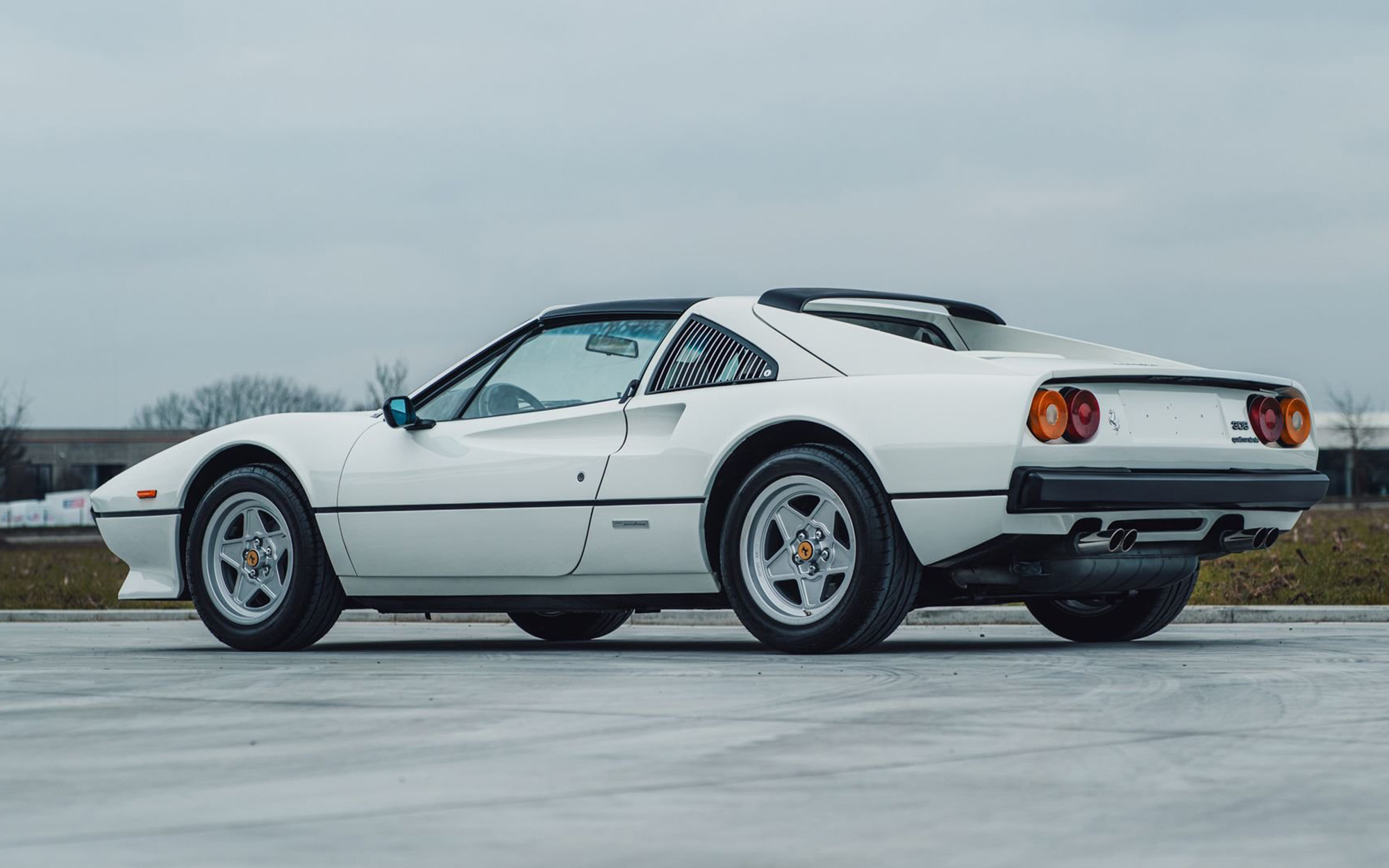
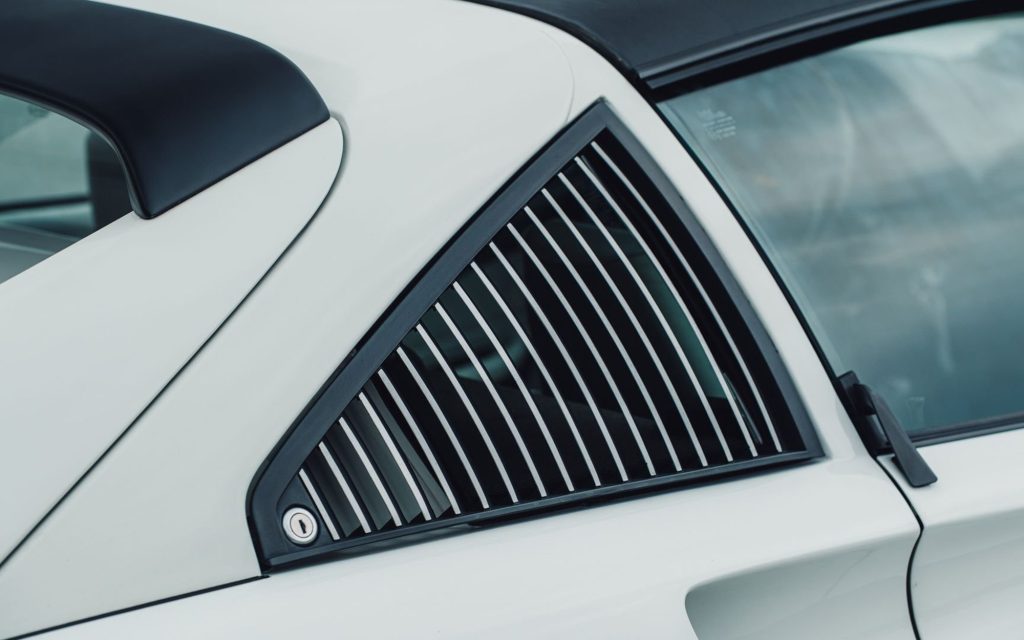
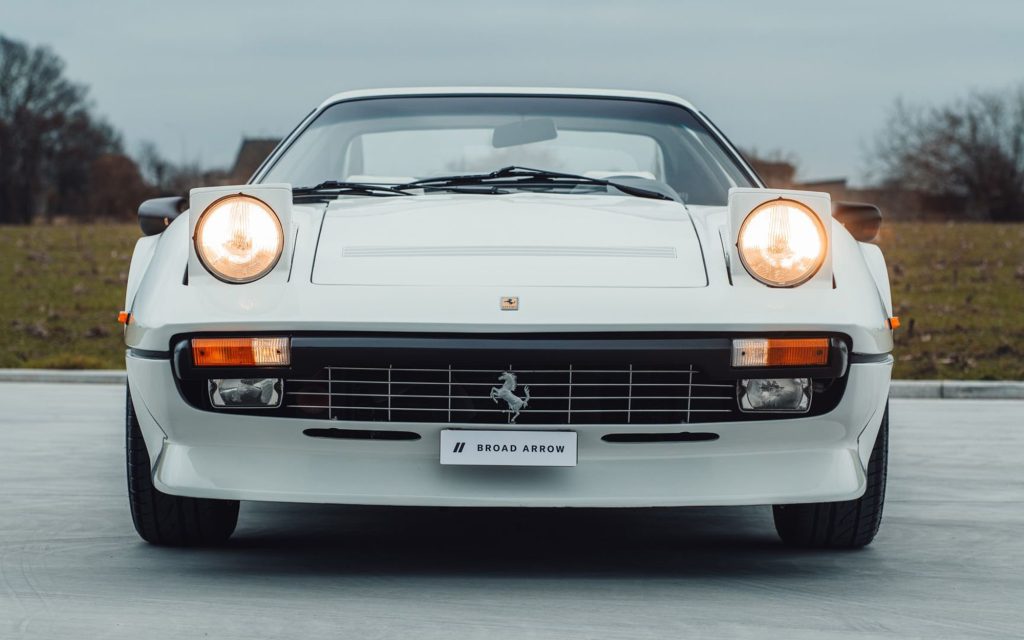
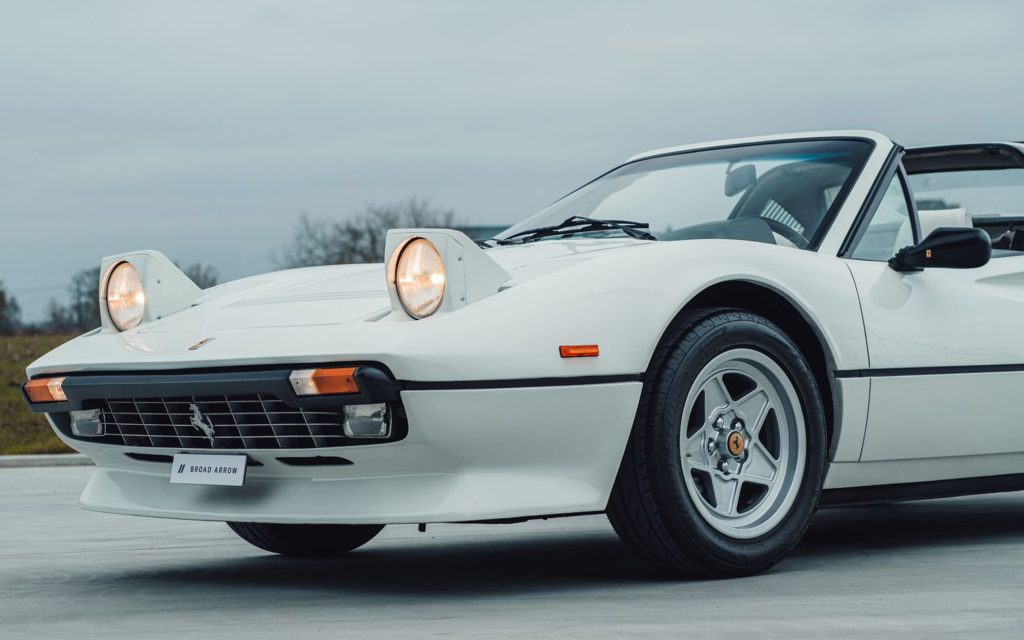
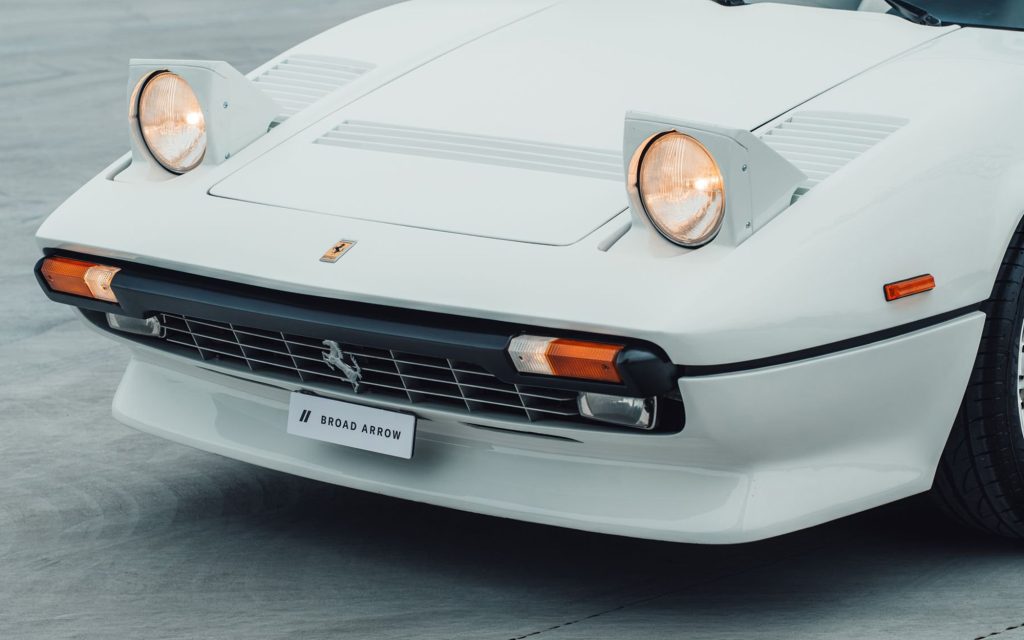
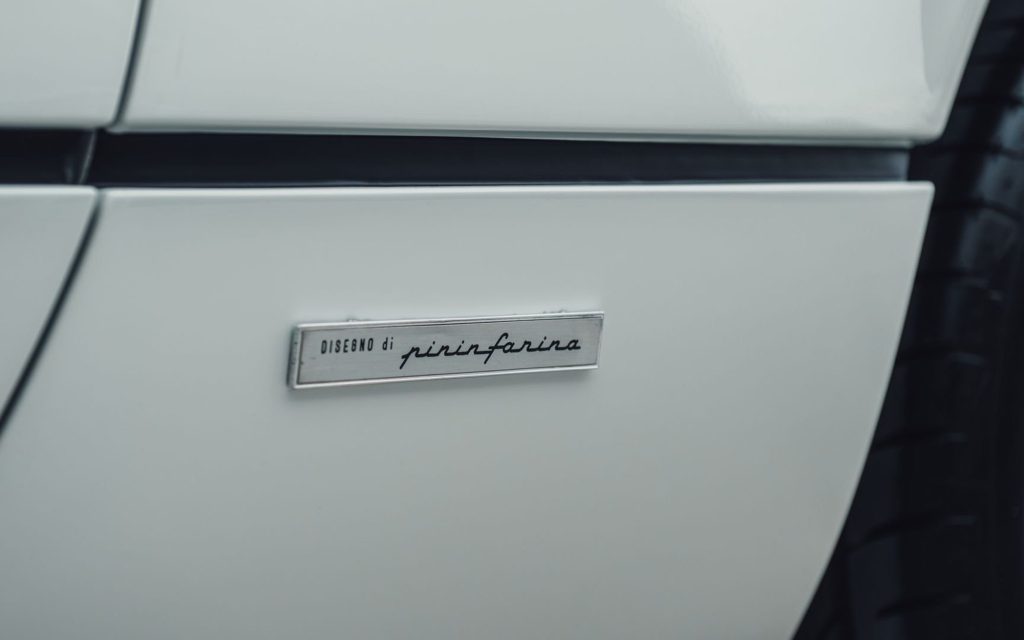
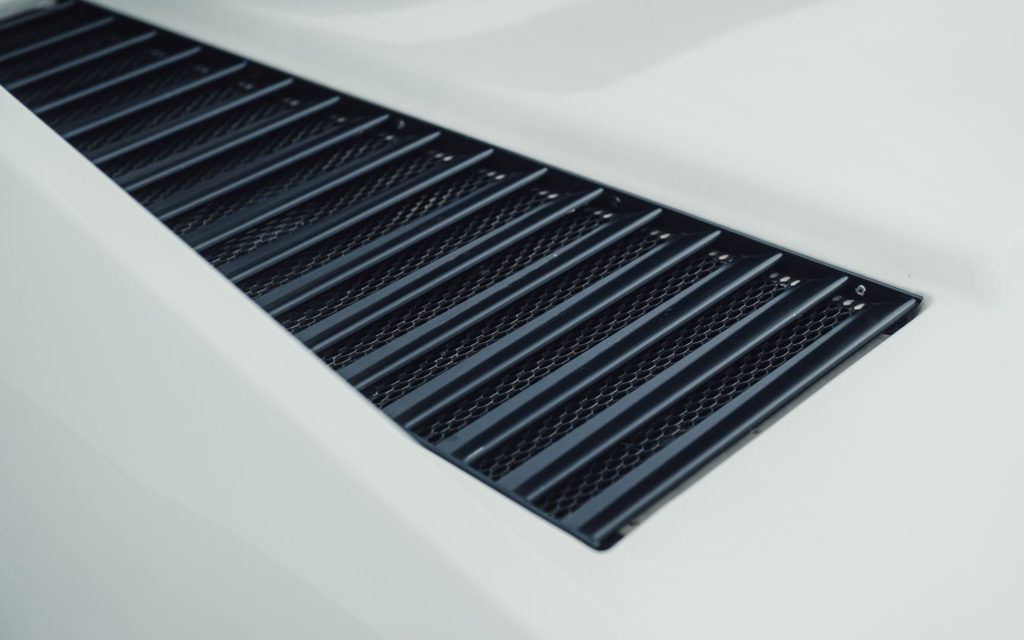
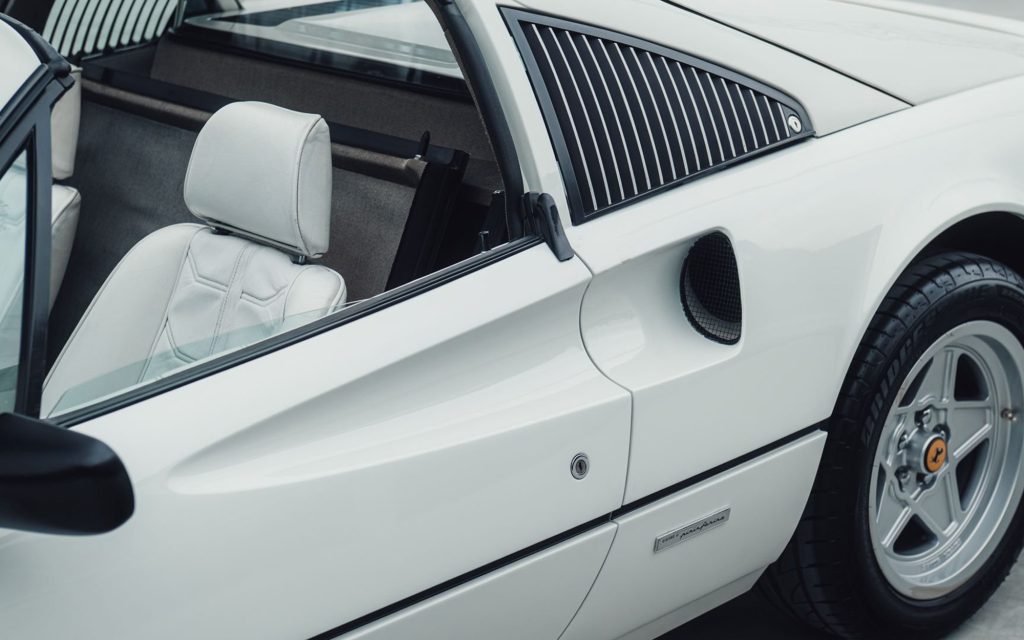
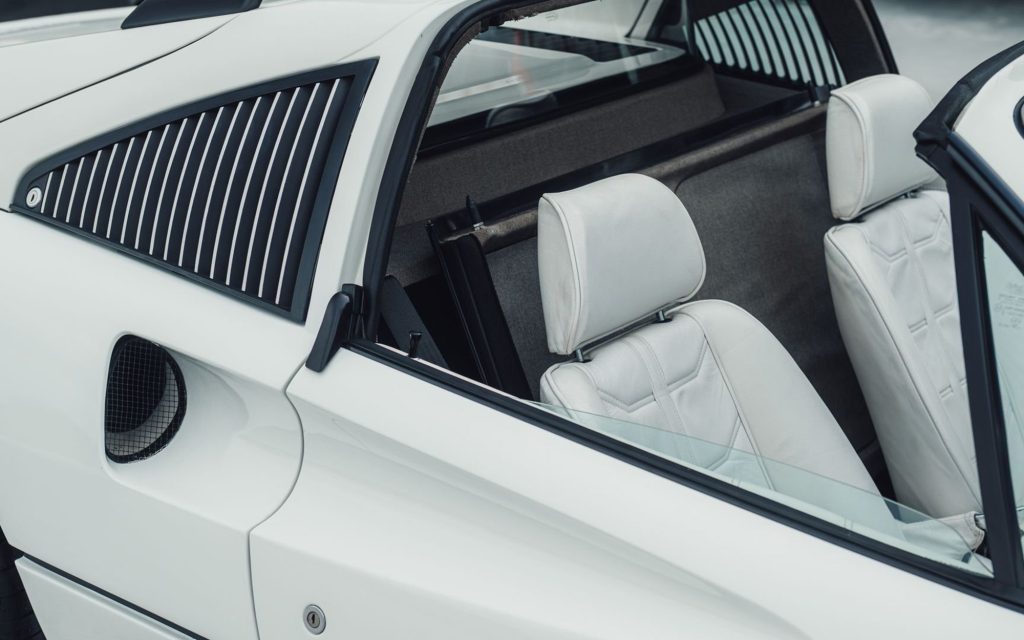
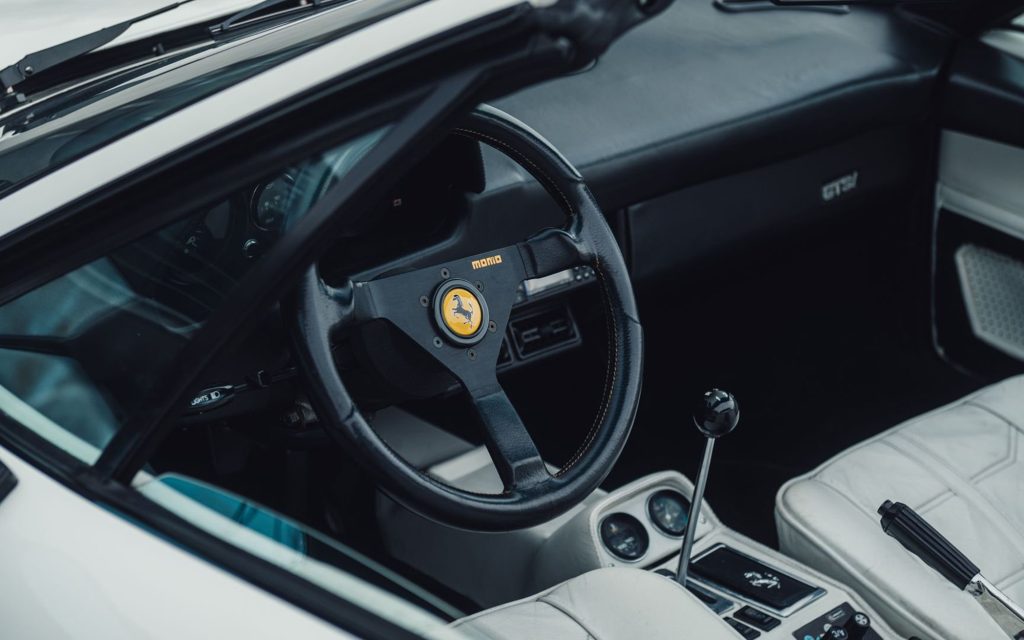
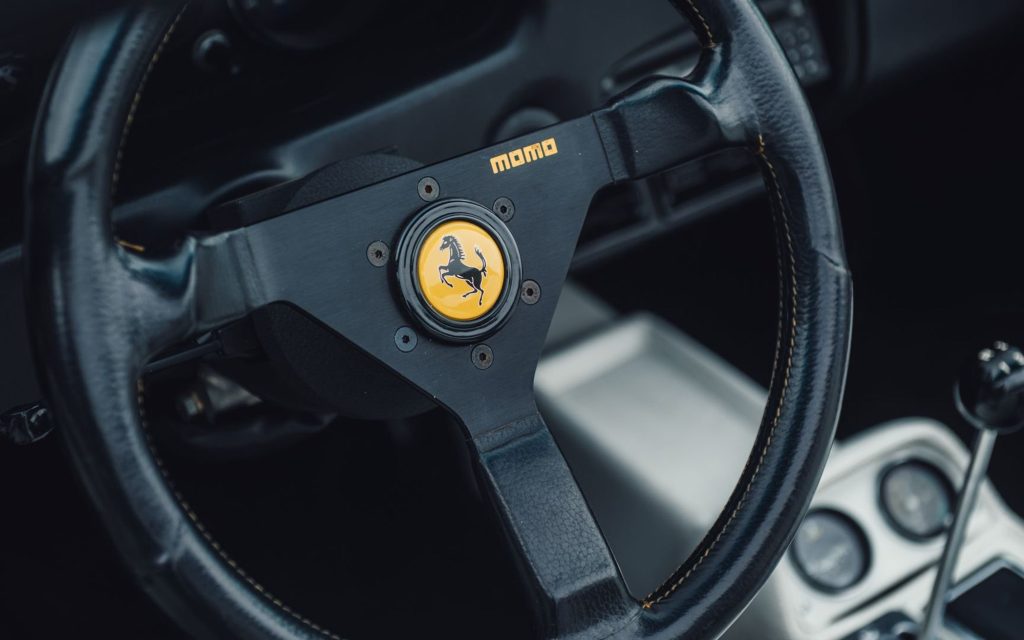
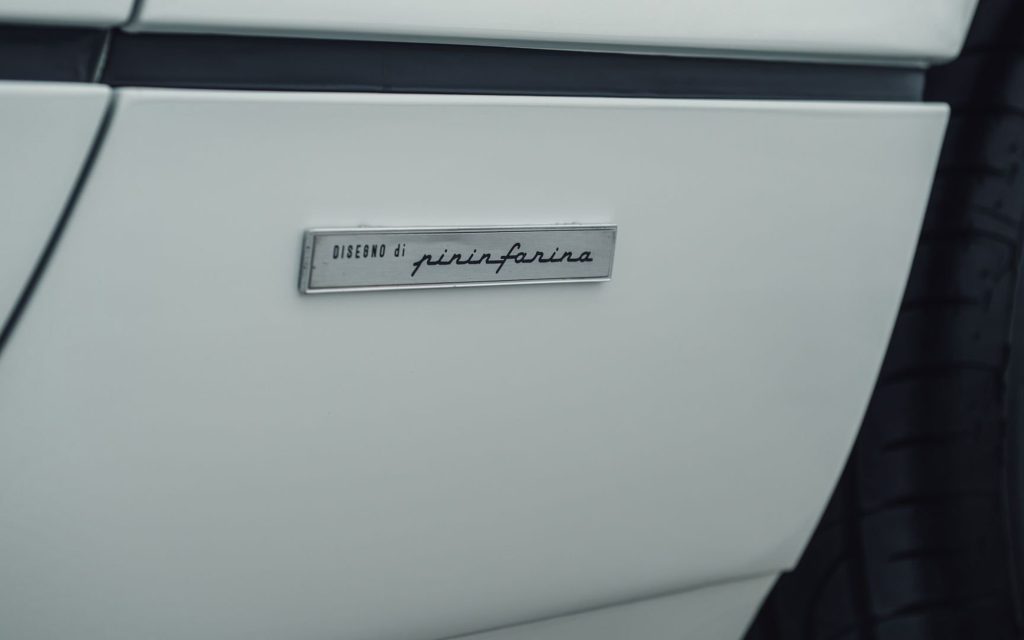
Visually, the GTS remains the poster car spec. The removable targa roof, black rear louvers and subtle Quattrovalvole updates—revised grille, hood vents, and interior refinements like the Momo steering wheel—give it just enough distinction without losing the clean Pininfarina lines that made the 308 a defining shape of the late 1970s into the 1980s.
From a market perspective, cars like this are increasingly viewed less as speculative assets and more as usable classics. The 308’s long production run and relative mechanical simplicity—at least by Ferrari standards—have kept values grounded compared to rarer V12 models, but that accessibility is exactly what continues to drive demand. It’s the Ferrari you can actually use, not just store.
This is the kind of car that makes a lot of sense right now. It carries the right analog credentials, the right cultural relevance, and just enough usability to justify ownership beyond a static collection. And with no reserve attached, it’s one worth watching closely when bidding opens May 11.