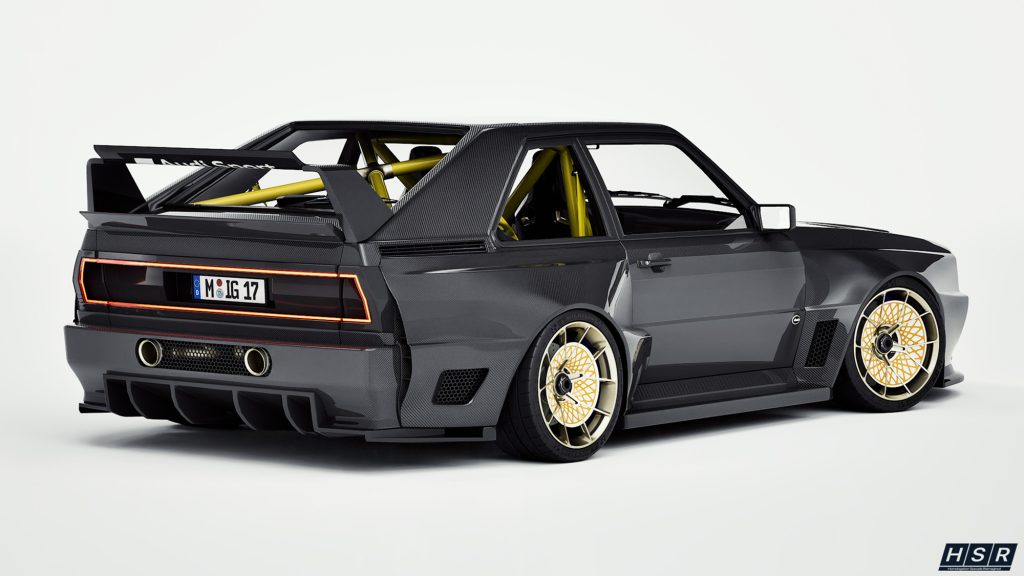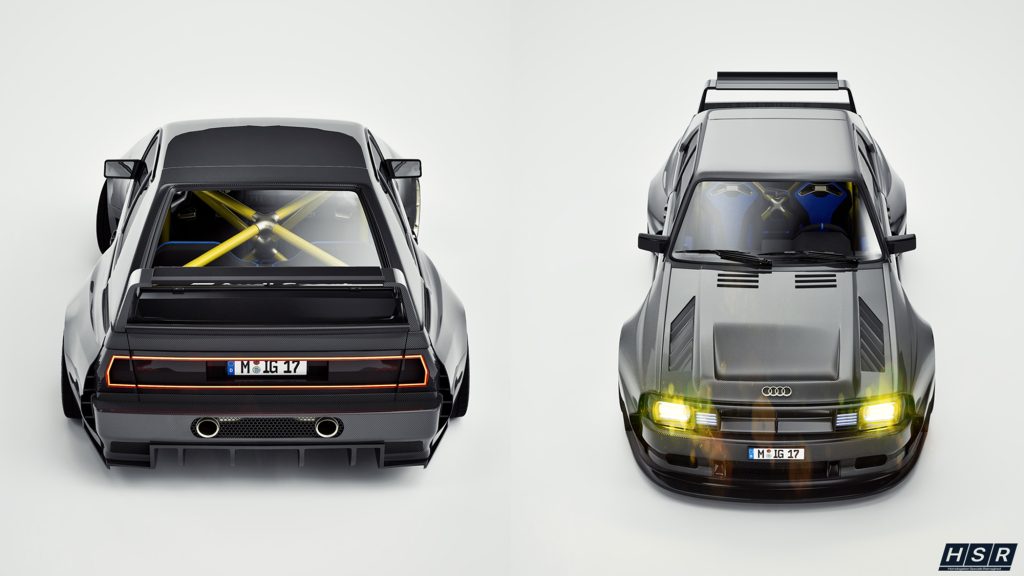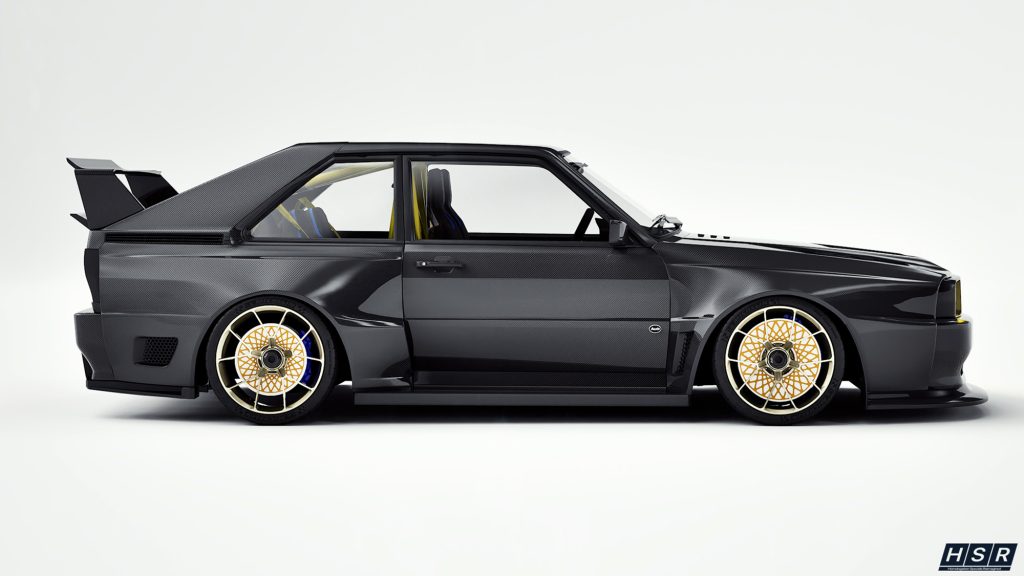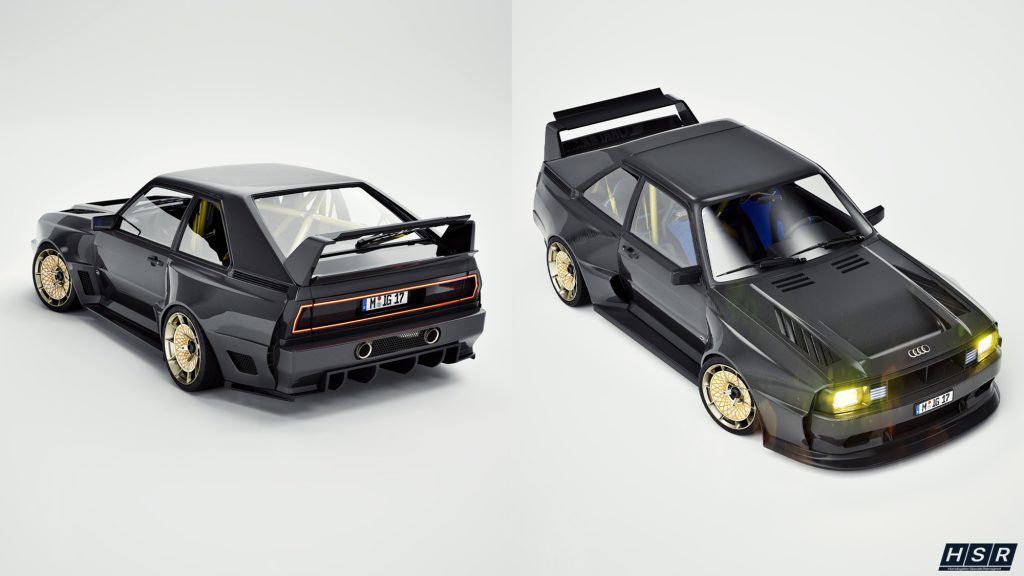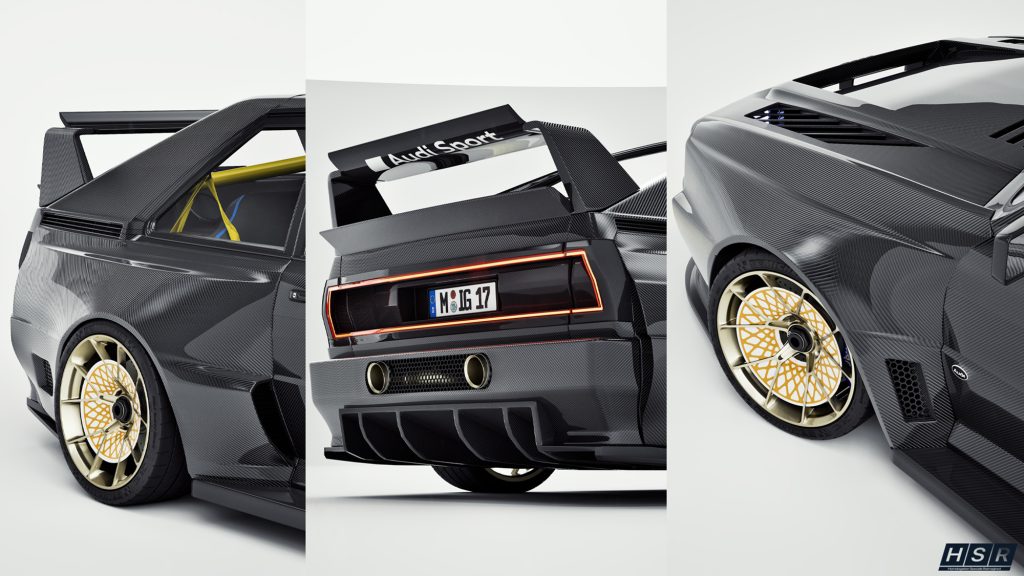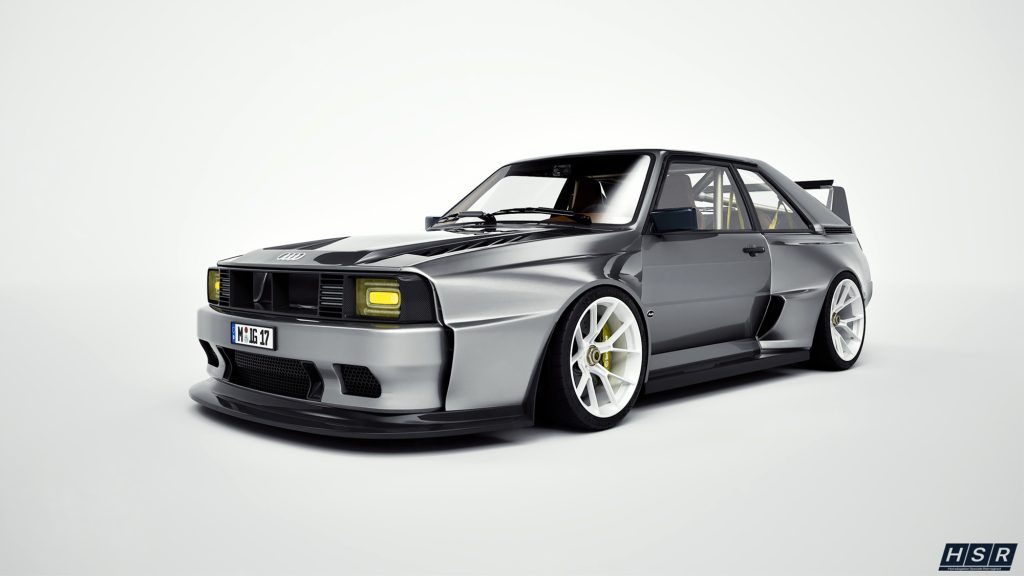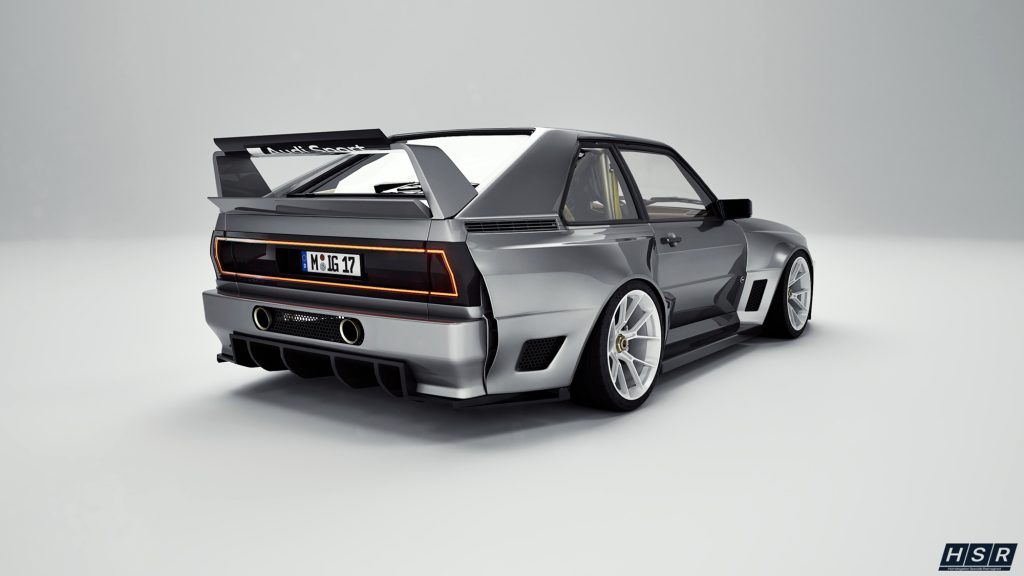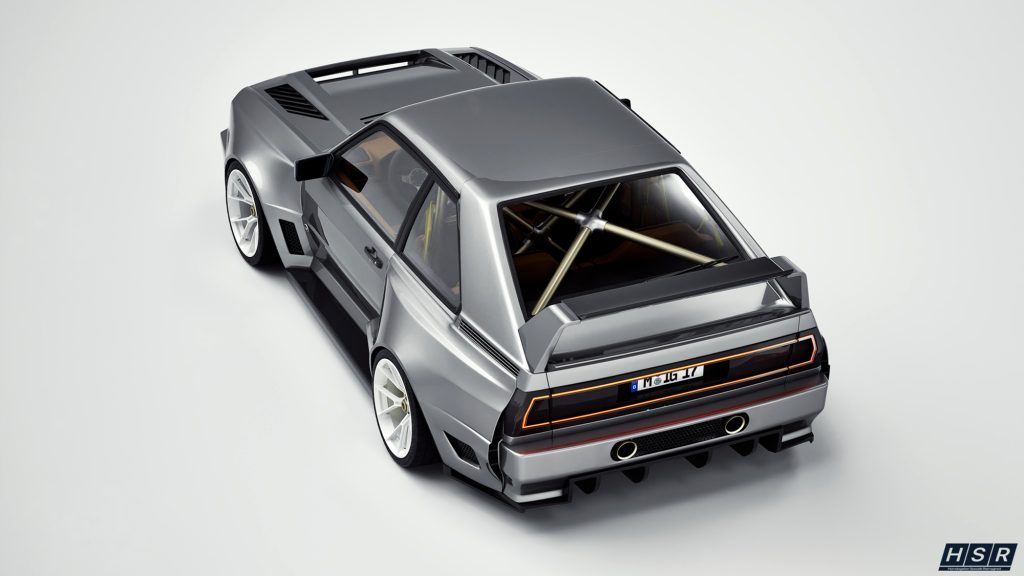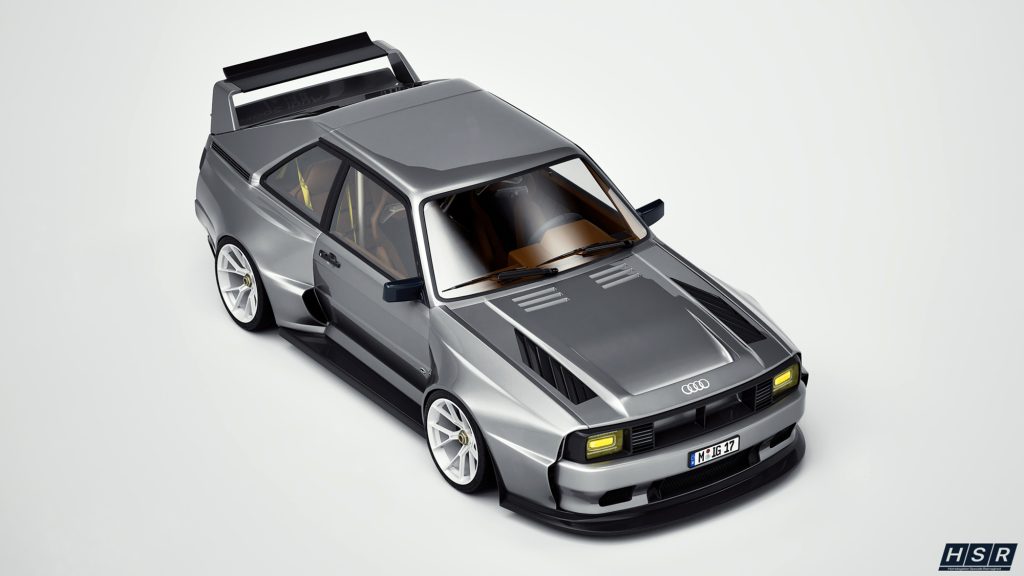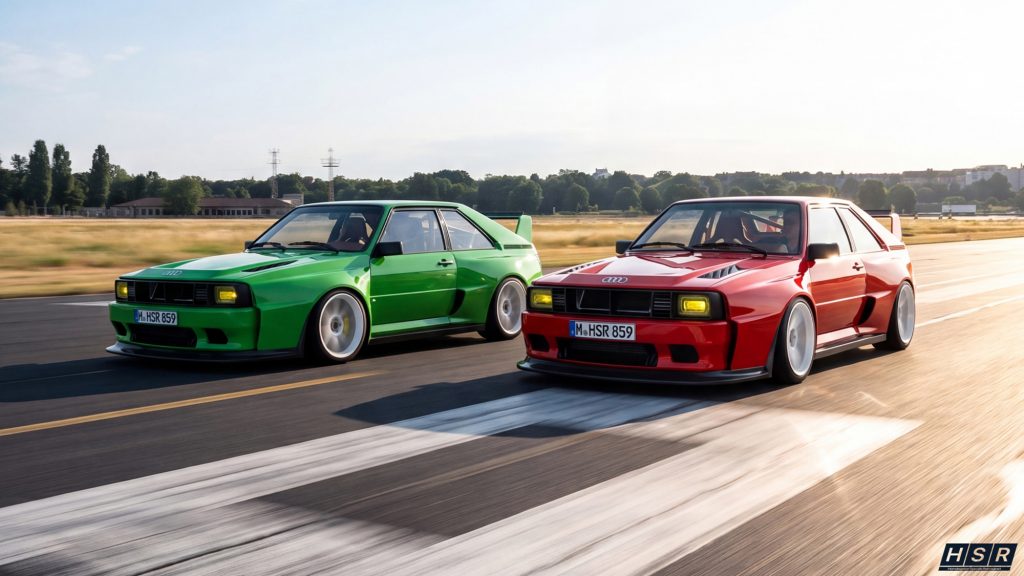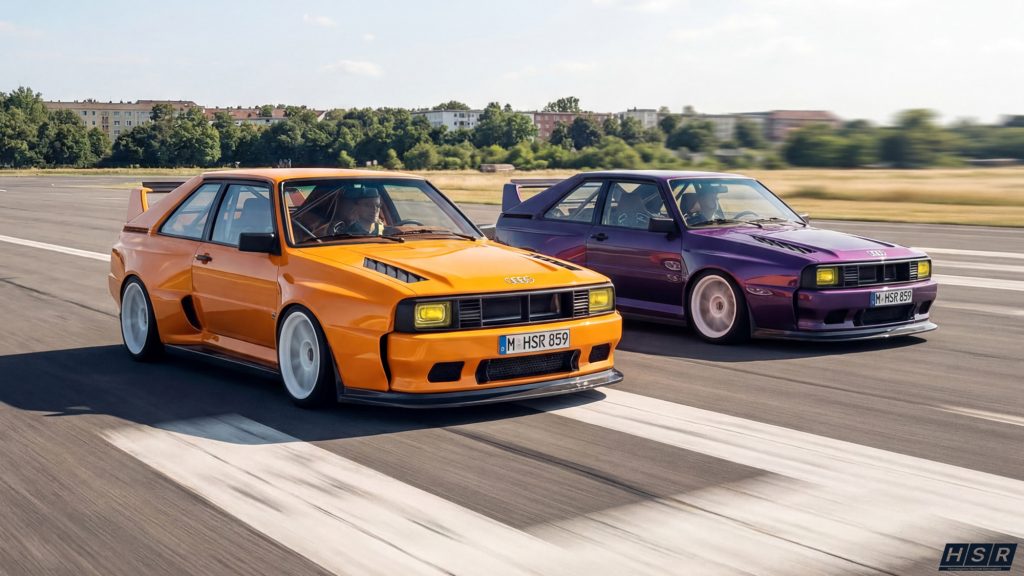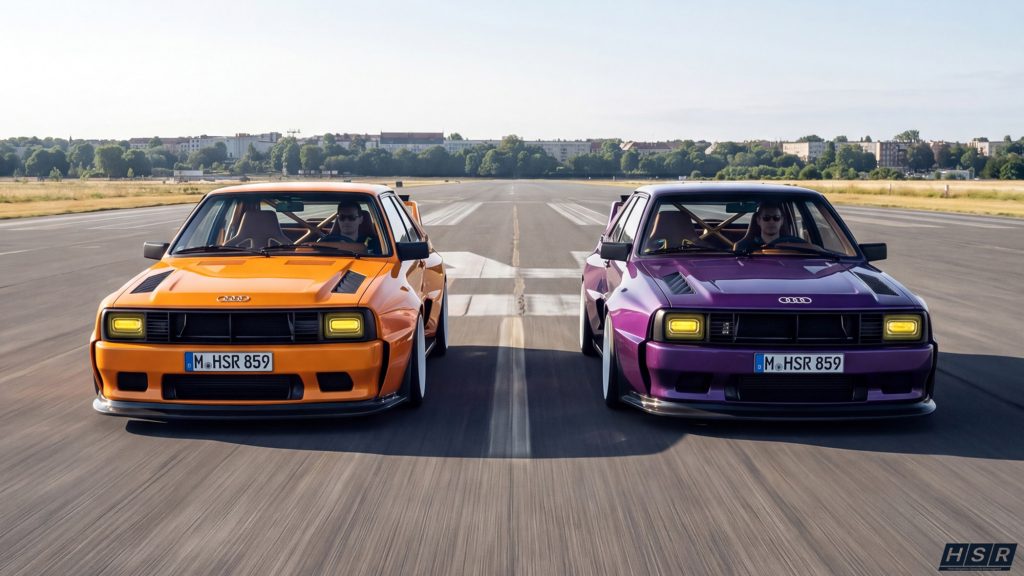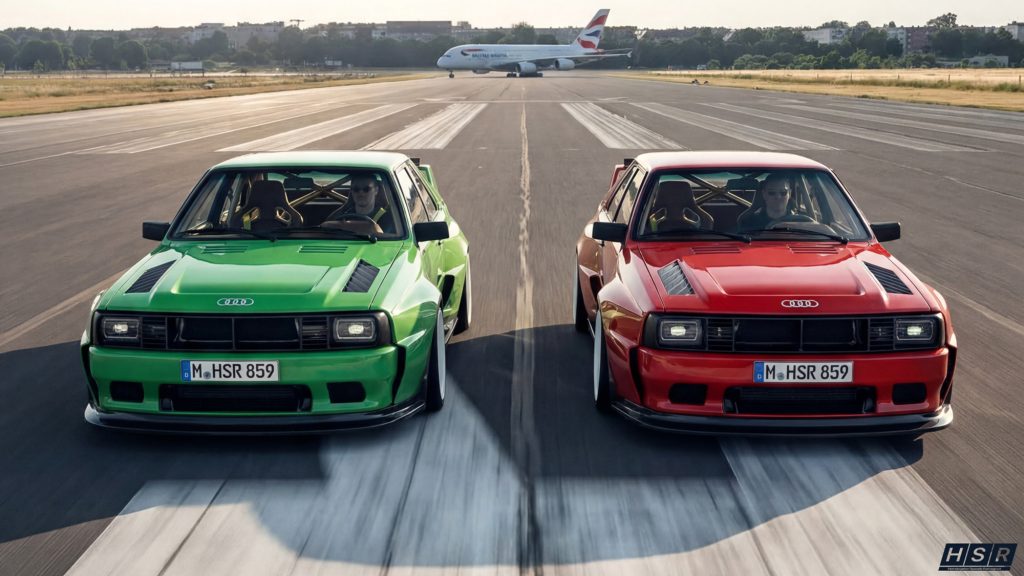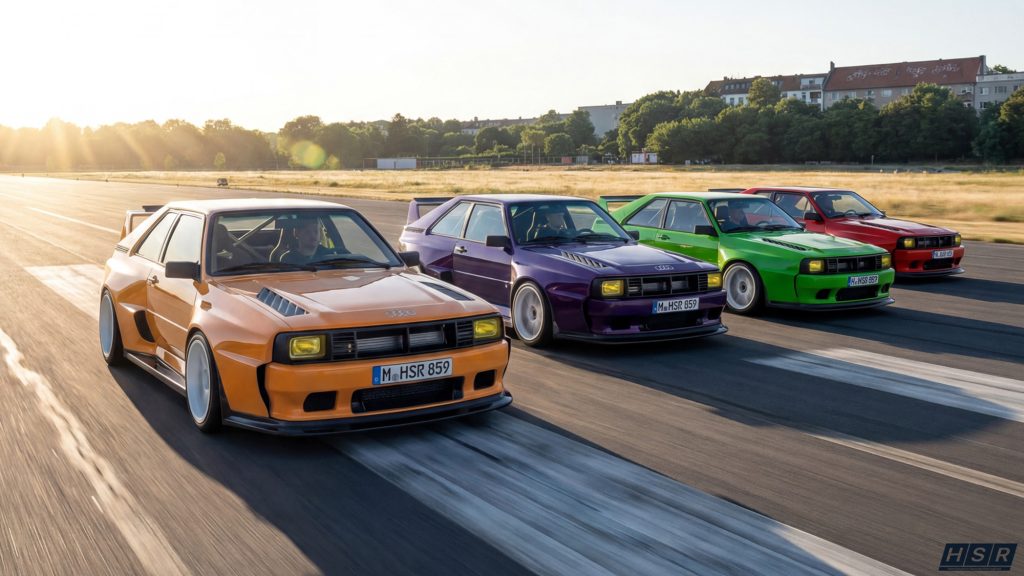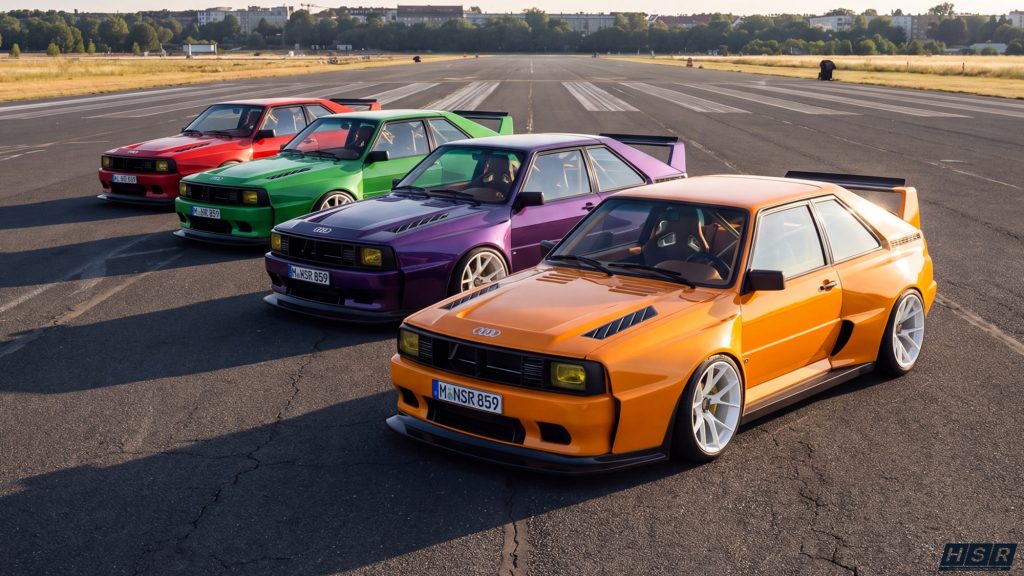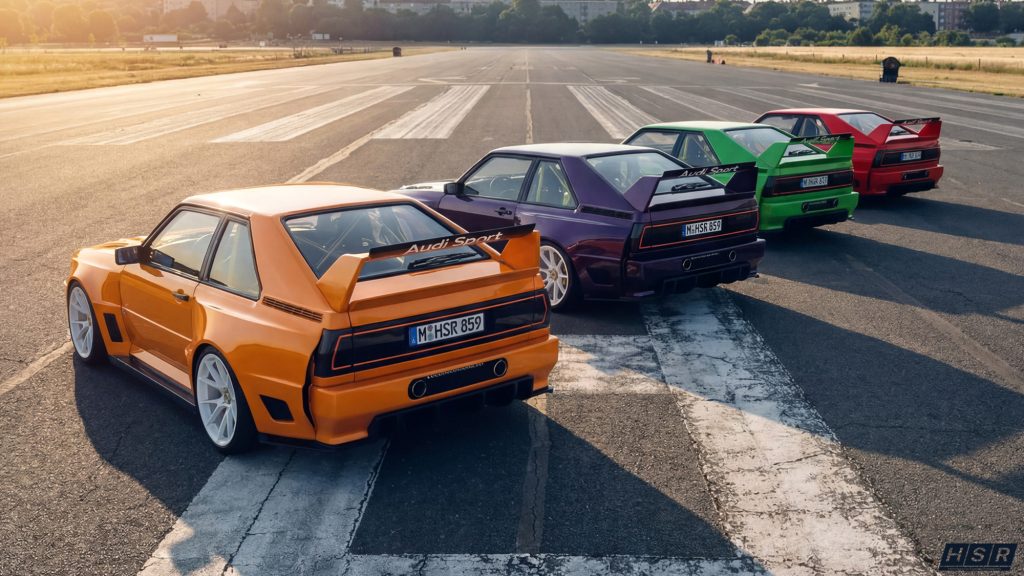

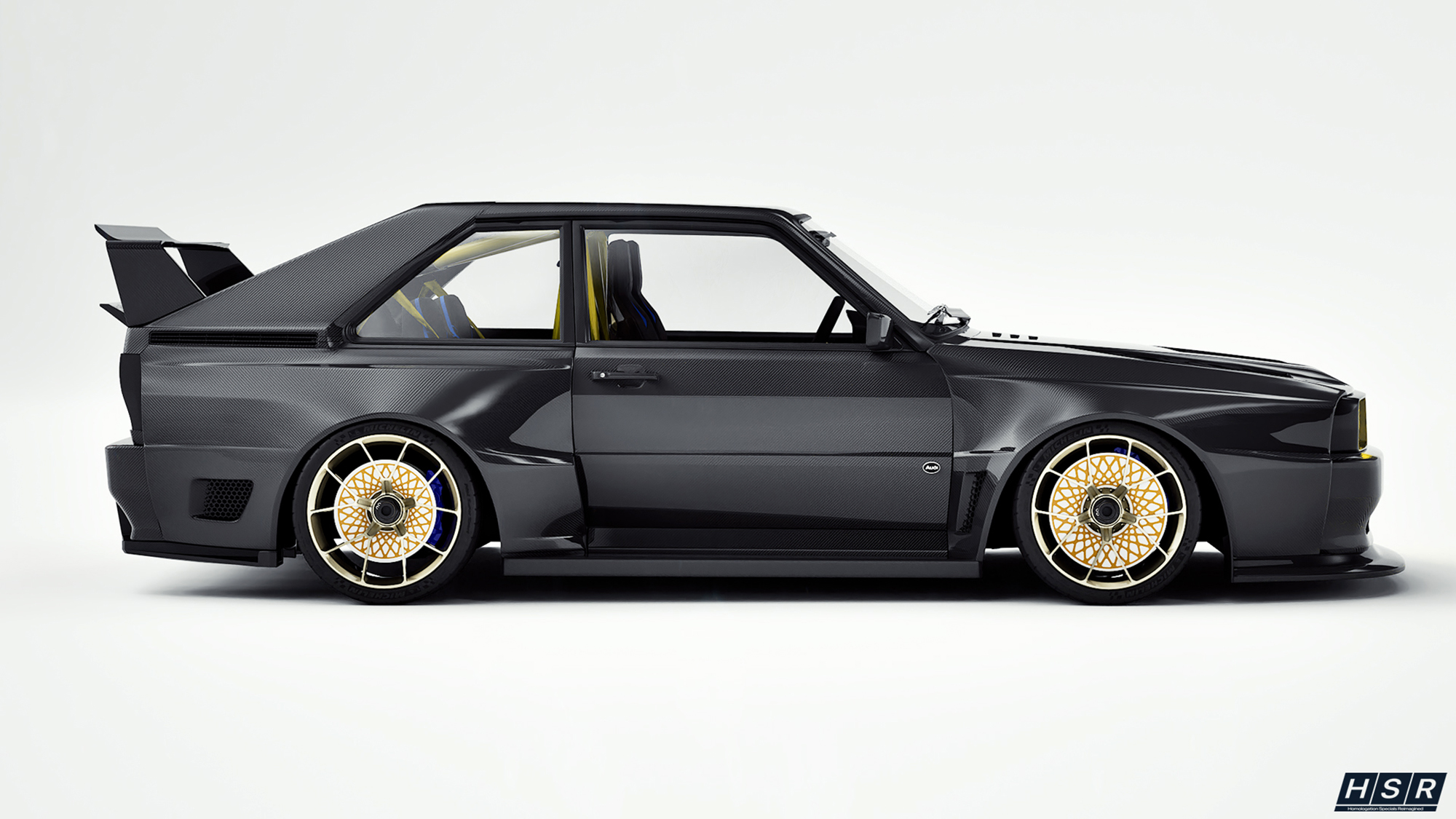

The original Audi Sport quattro has become one of the most coveted homologation specials of the 1980s, inspiring collectors with its rarity, competition pedigree and unmistakable turbocharged five-cylinder soundtrack. Now, a new German company believes that formula deserves a modern interpretation. HSR Manufaktur has unveiled the Type 859, an extensively re-engineered restomod that draws heavily from the legendary short-wheelbase coupe while incorporating contemporary engineering and materials throughout.
Unlike many retro-inspired projects, the Type 859 begins with an original Audi Coupe B2 donor chassis. Each example is stripped to bare metal, digitally scanned, shortened by 320 millimeters to match the proportions of the original Sport quattro and reinforced before receiving an entirely new carbon-fiber body. HSR says the project is intended as a reimagining rather than a replica, combining classic proportions with modern reliability, improved structural rigidity and significantly higher performance.
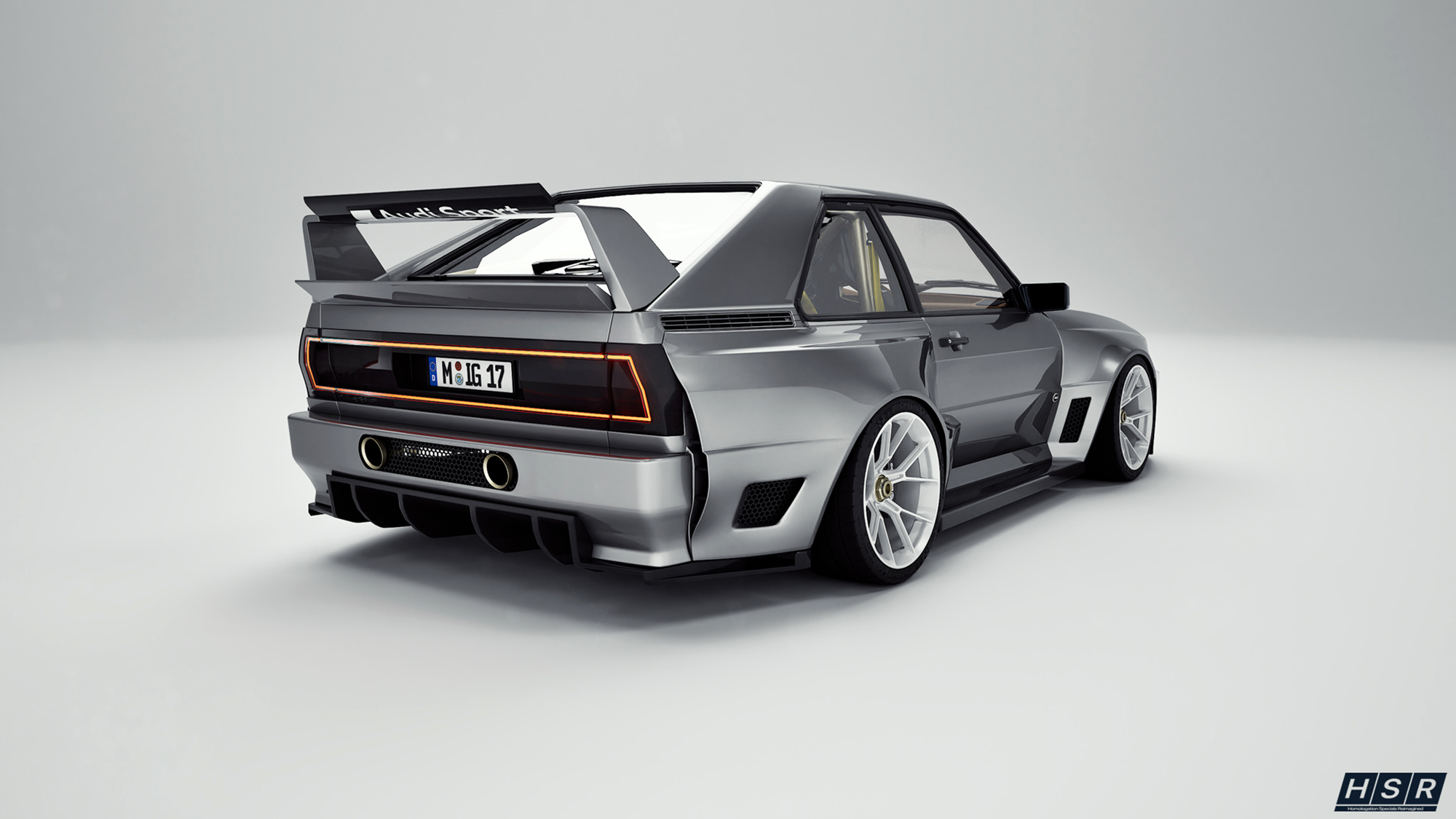
At the heart of the Type 859 sits one of Audi’s most celebrated modern engines: the DAZA 2.5-liter turbocharged inline-five. Rather than leaving the engine in its factory transverse configuration, HSR has converted it to a longitudinal layout more closely resembling the architecture of the original Sport quattro. The rebuilt powerplant features forged internals, dry-sump lubrication and bespoke turbocharger packaging, with output selectable between 500 and 600 horsepower depending on driving mode. The signature five-cylinder firing order remains intact, complemented by an active exhaust that includes side-exit pipes inspired by Audi’s famous Pikes Peak rally cars.
HSR has deliberately resisted the trend toward increasingly computerized performance cars. The Type 859 is offered exclusively with a six-speed manual transmission derived from the Audi S4 B8.5, complete with a short shifter and exposed gated mechanism. Power is distributed through a permanent mechanical all-wheel-drive system utilizing a Torsen center differential with a rear-biased torque split and a mechanical limited-slip differential. Even modern performance aids such as launch control and automatic rev matching remain disabled by default, leaving drivers to decide whether they want electronic assistance.
The chassis receives equally comprehensive updates. Bespoke front and rear subframes support revised suspension geometry, motorsport-grade adjustable coilovers and electronically controlled ride height. Carbon-ceramic brakes, lightweight magnesium calipers and active aerodynamic elements—including an adjustable front splitter, hood louvers and rear spoiler—bring the package firmly into modern territory while maintaining a target curb weight below 1,200 kilograms.
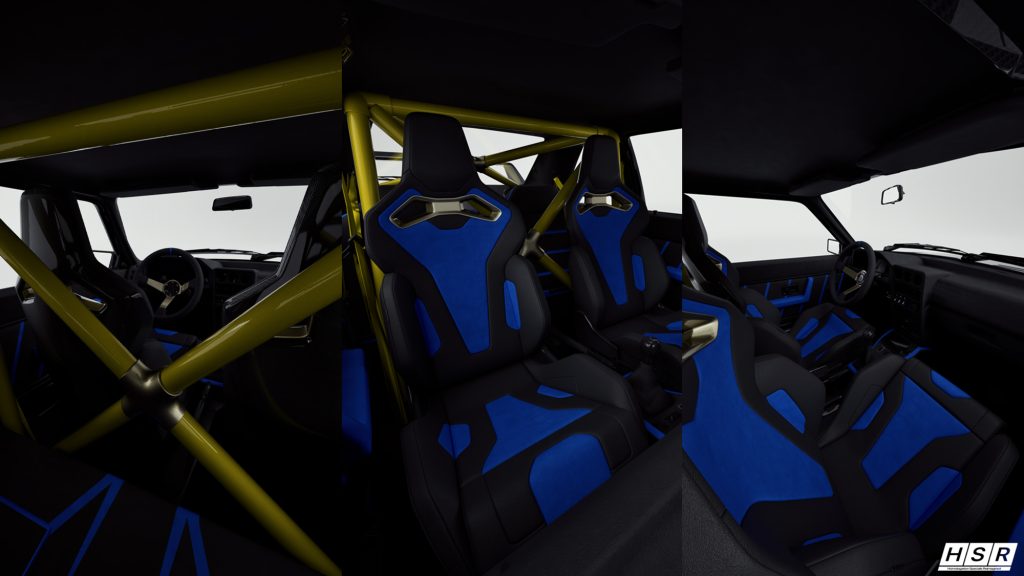
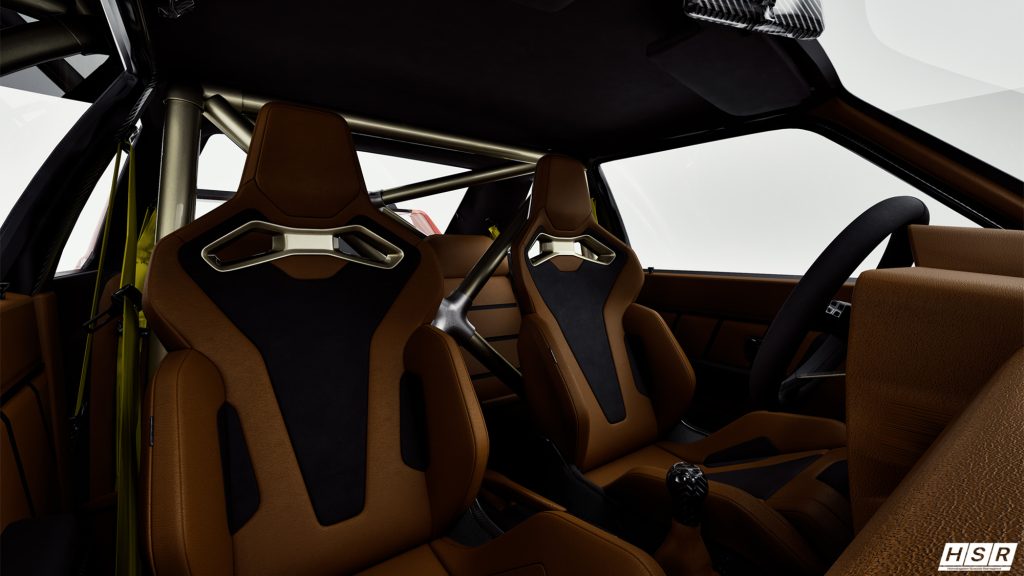
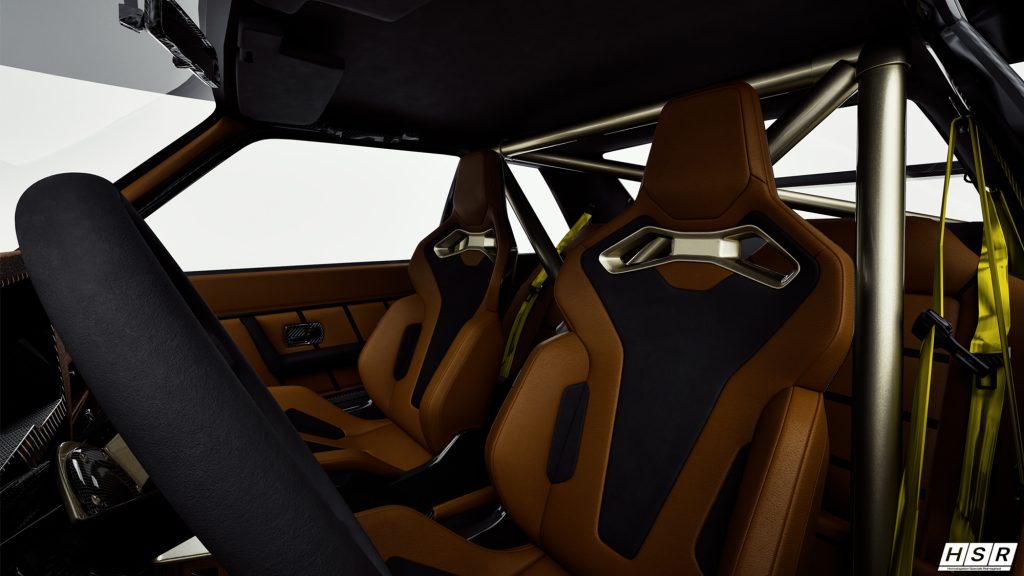
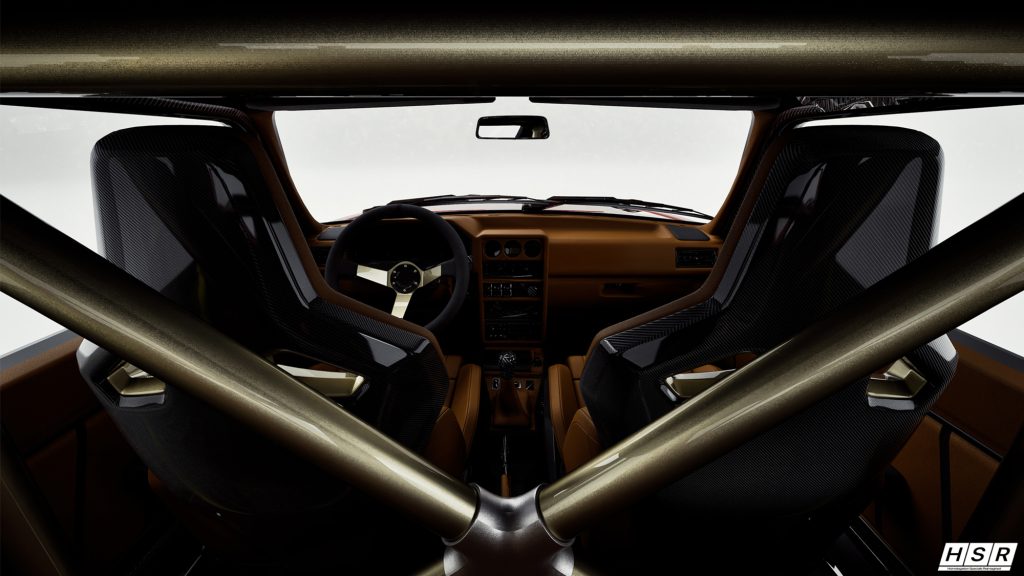
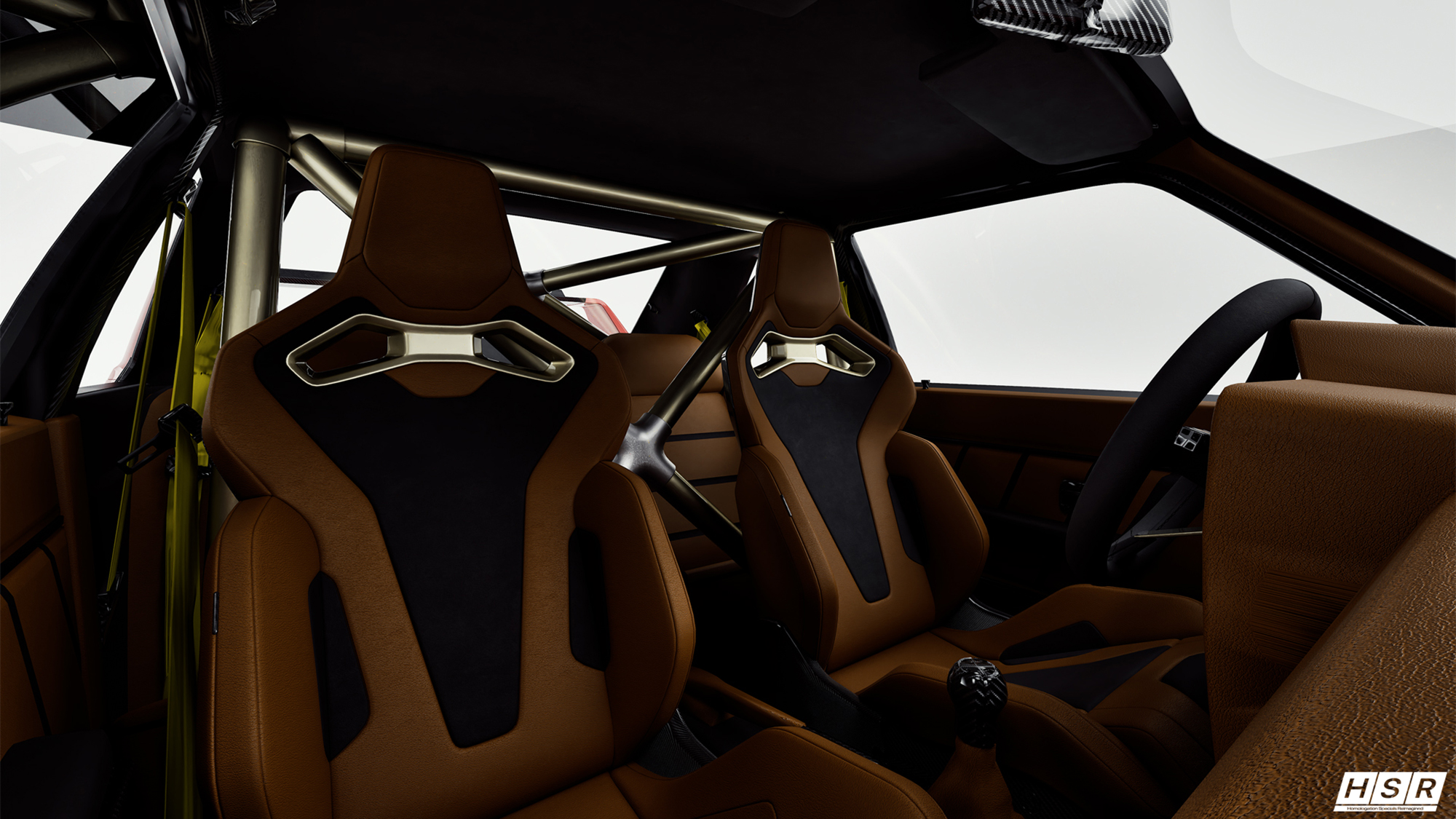
Inside, the cabin blends analog instrumentation with discreet contemporary conveniences. Machined aluminum gauges remain the focal point, while a compact display provides essential vehicle information. Wireless Apple CarPlay, Android Auto and modern climate control are integrated without dominating the dashboard, and buyers can choose between road-oriented or track-focused carbon bucket seats. Nearly every surface can be customized in leather, Alcantara, aluminum or exposed carbon fiber, with each car accompanied by matching bespoke luggage and driving gloves.
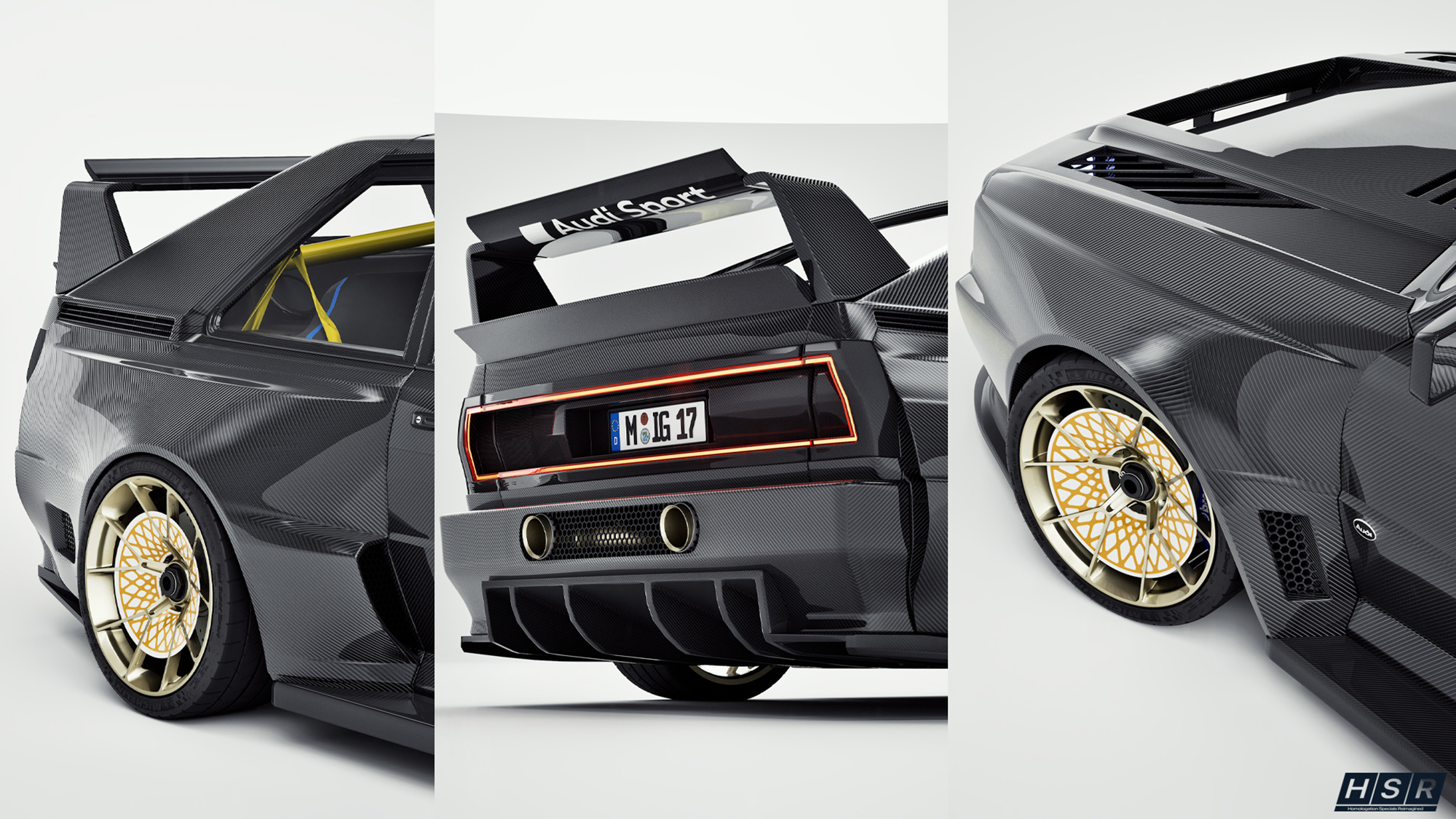
Production of the Type 859 will be limited to 84 examples worldwide, a figure chosen to commemorate Audi’s dominant 1984 World Rally Championship season. HSR says prototype construction is now beginning in Germany, with a target base price of approximately €500,000 before personalization. According to the company, demand has already emerged from collectors in the United States, Germany and Switzerland, suggesting there remains a healthy appetite for thoughtfully executed reinterpretations of motorsport’s most iconic road cars.