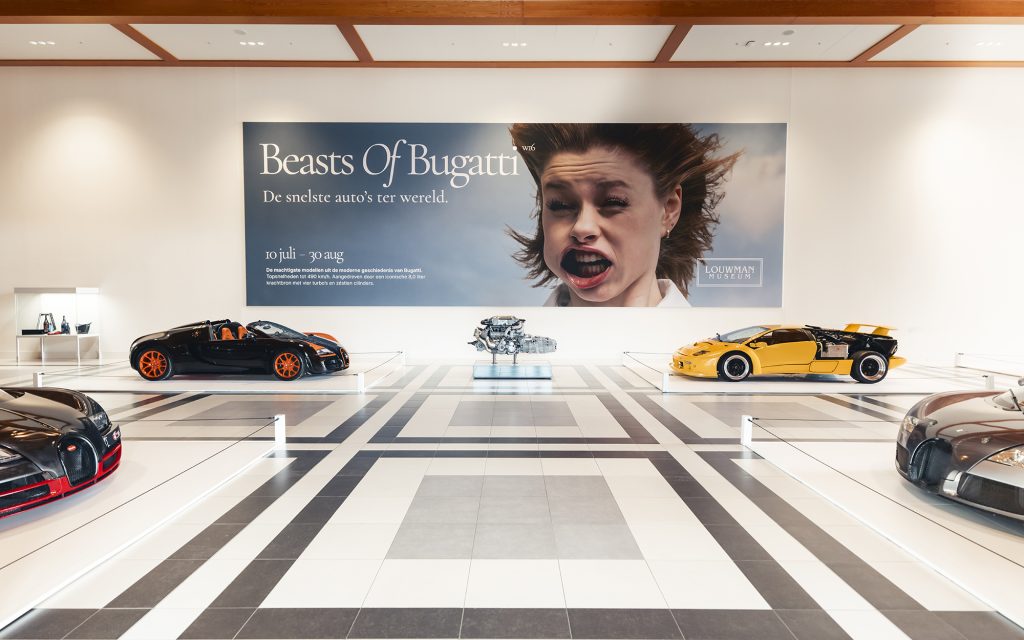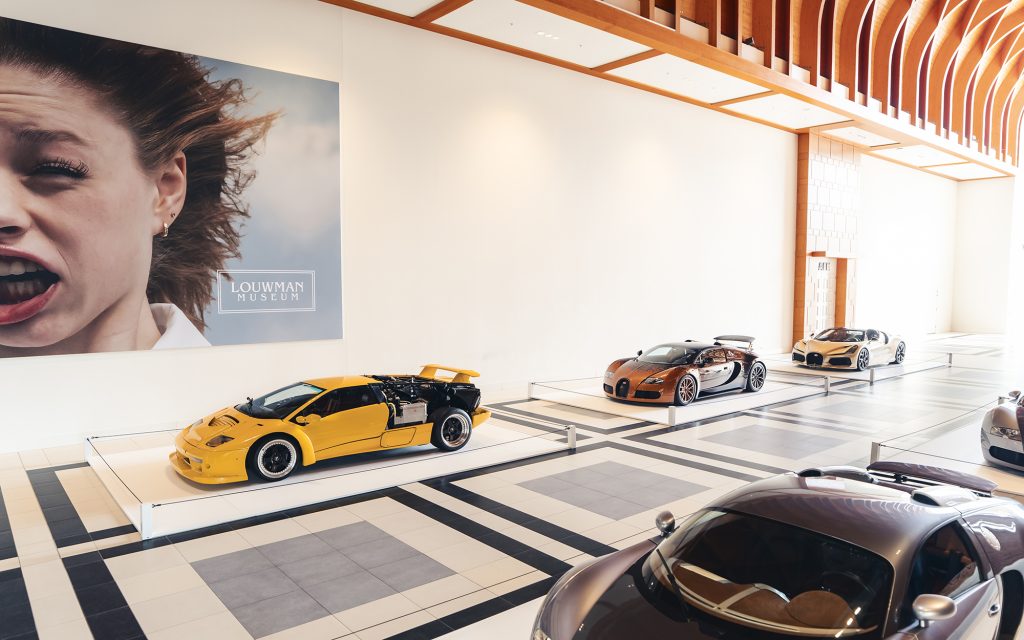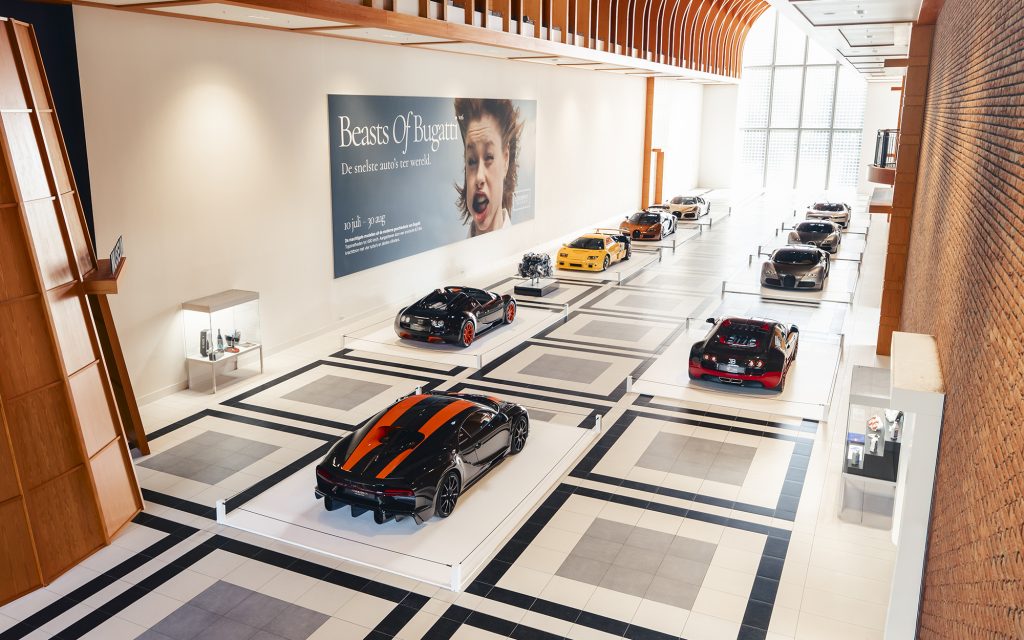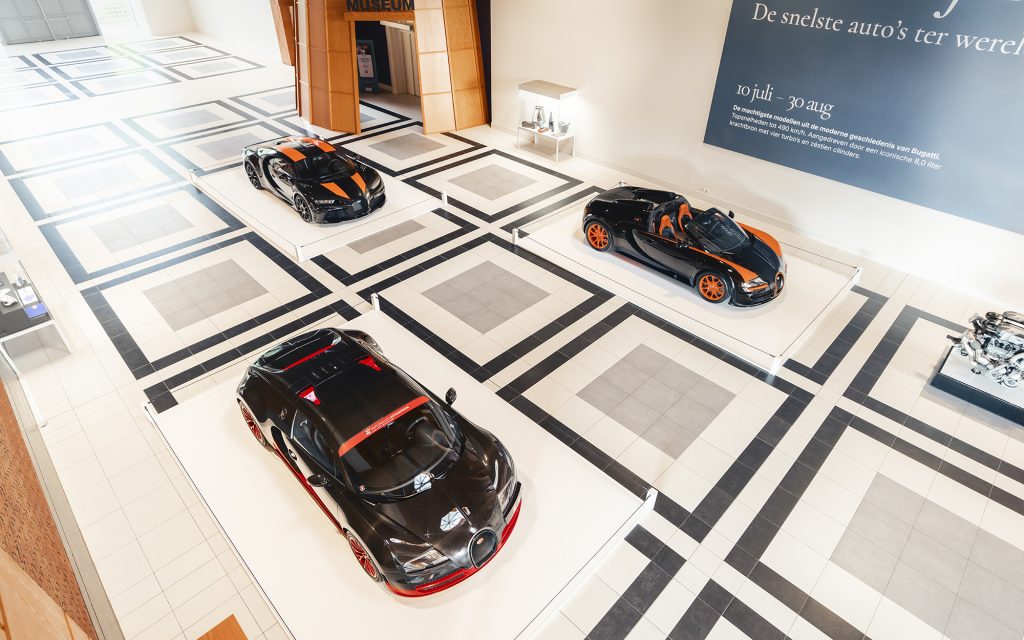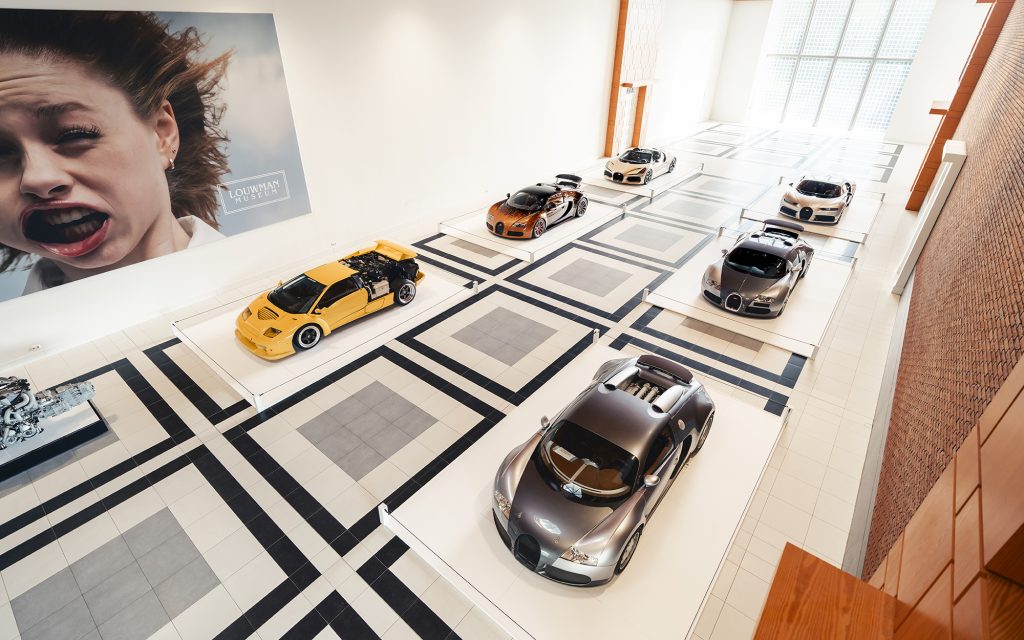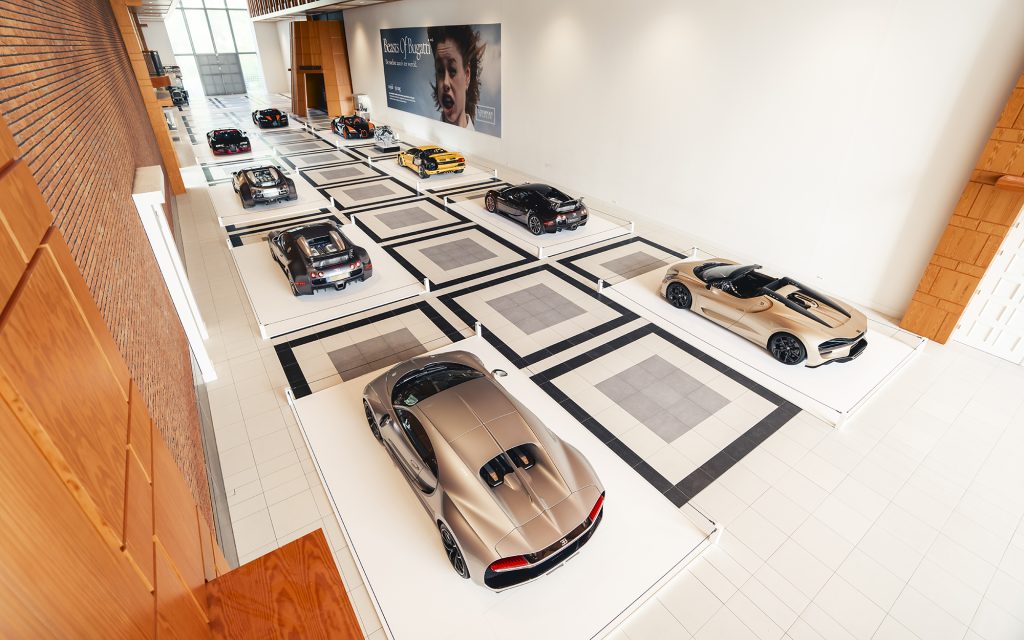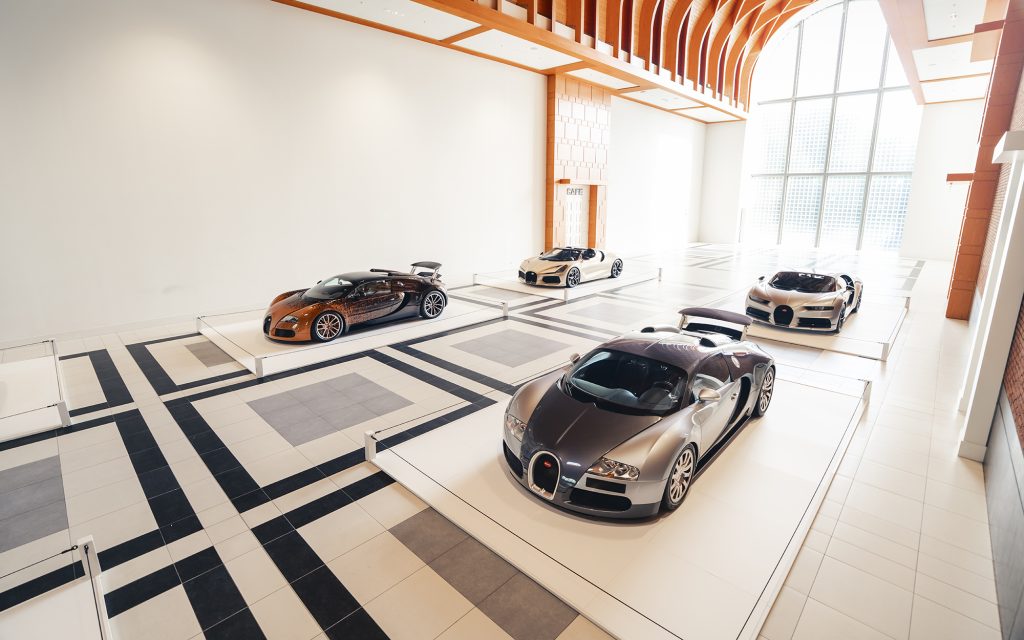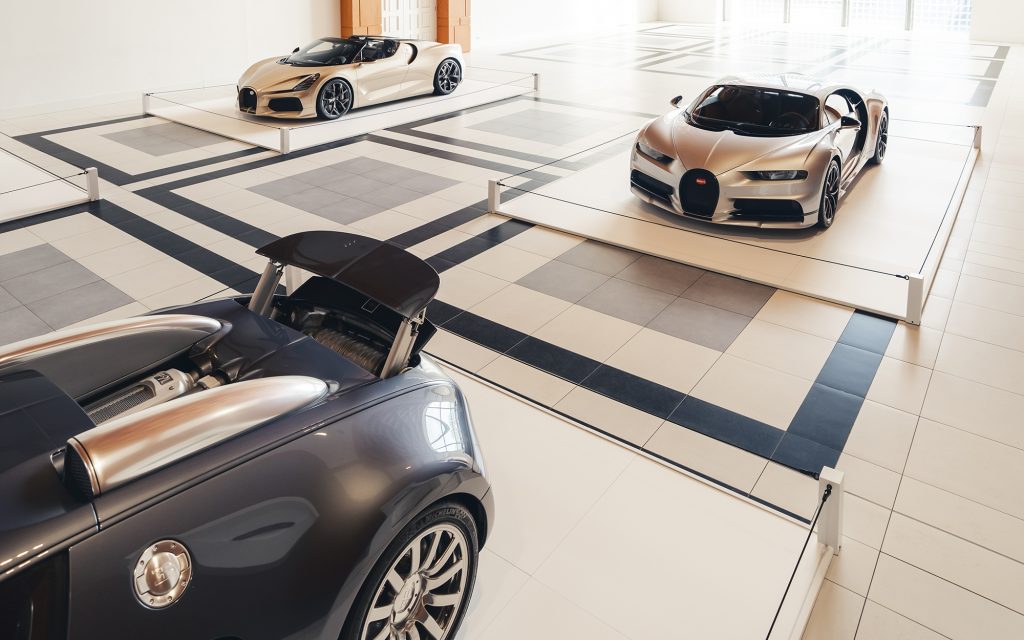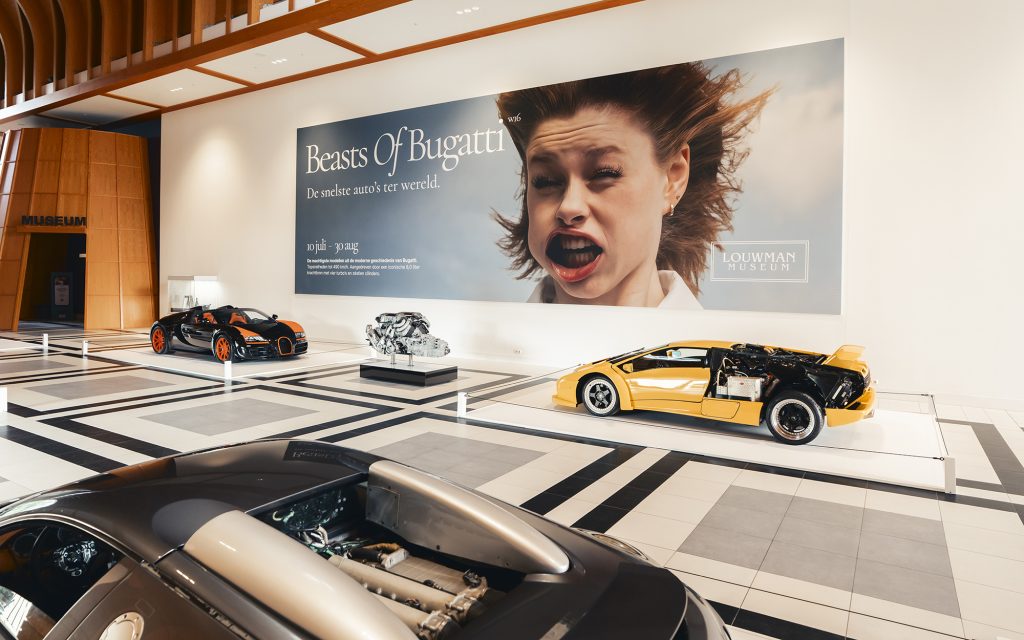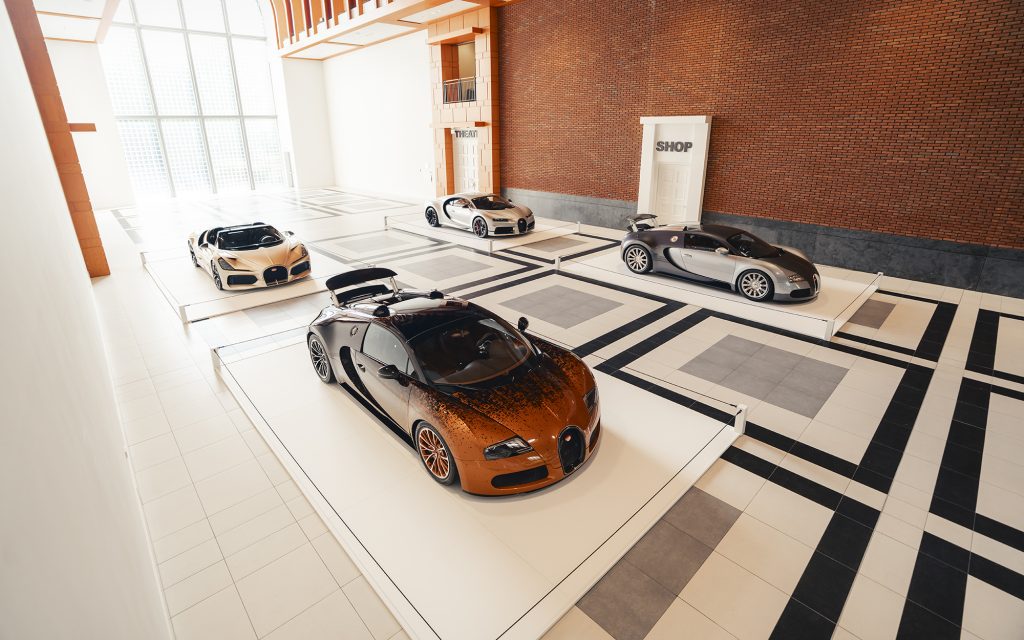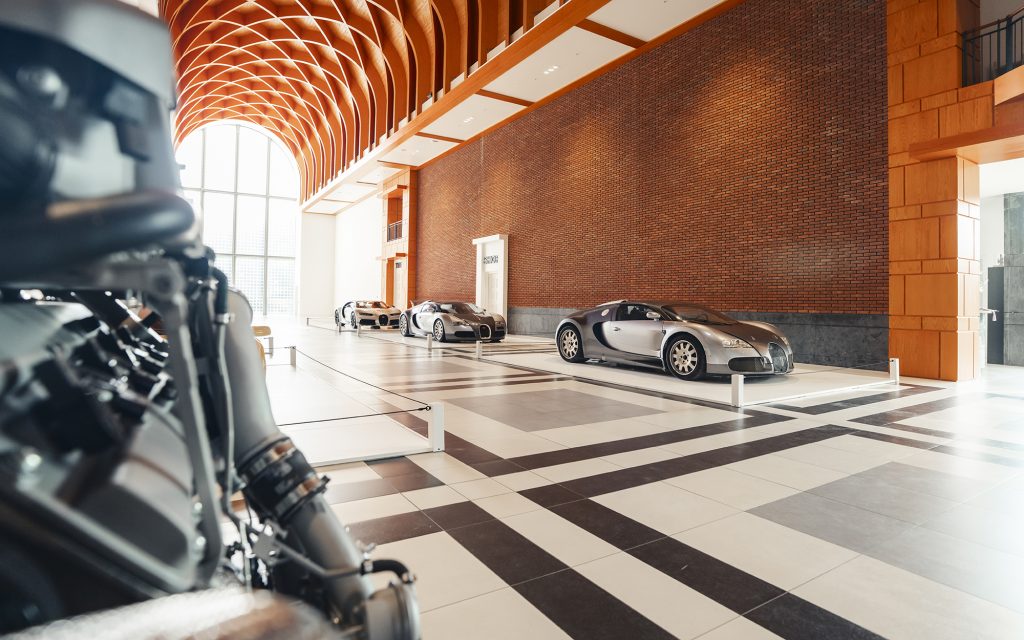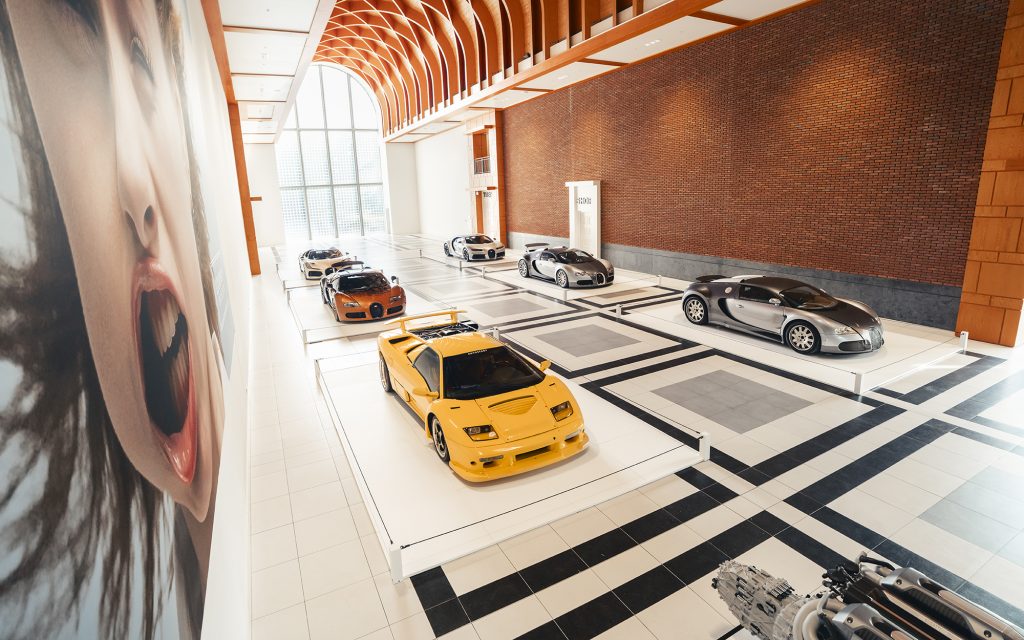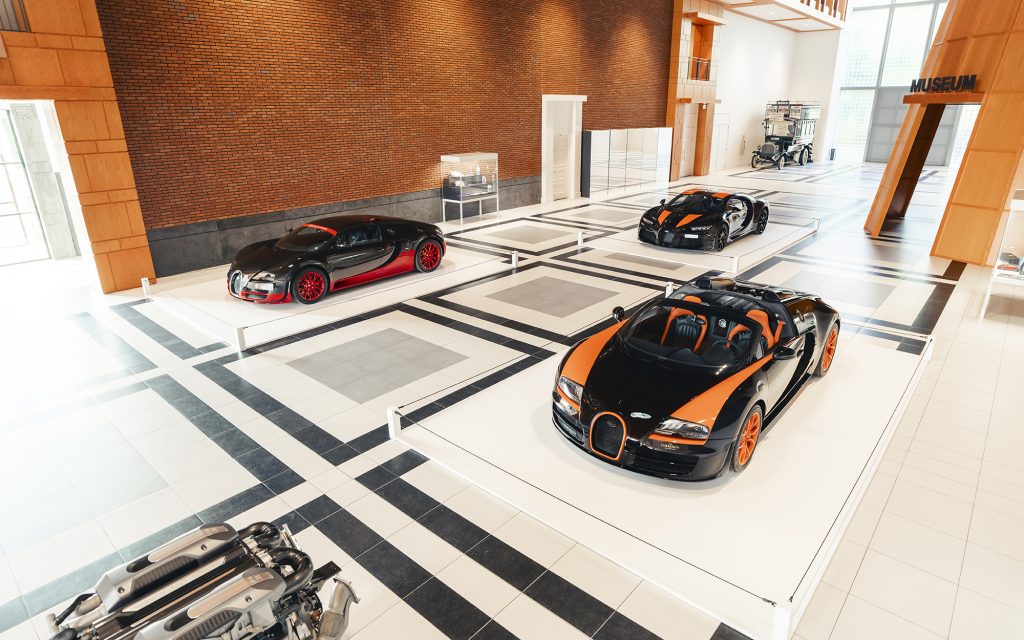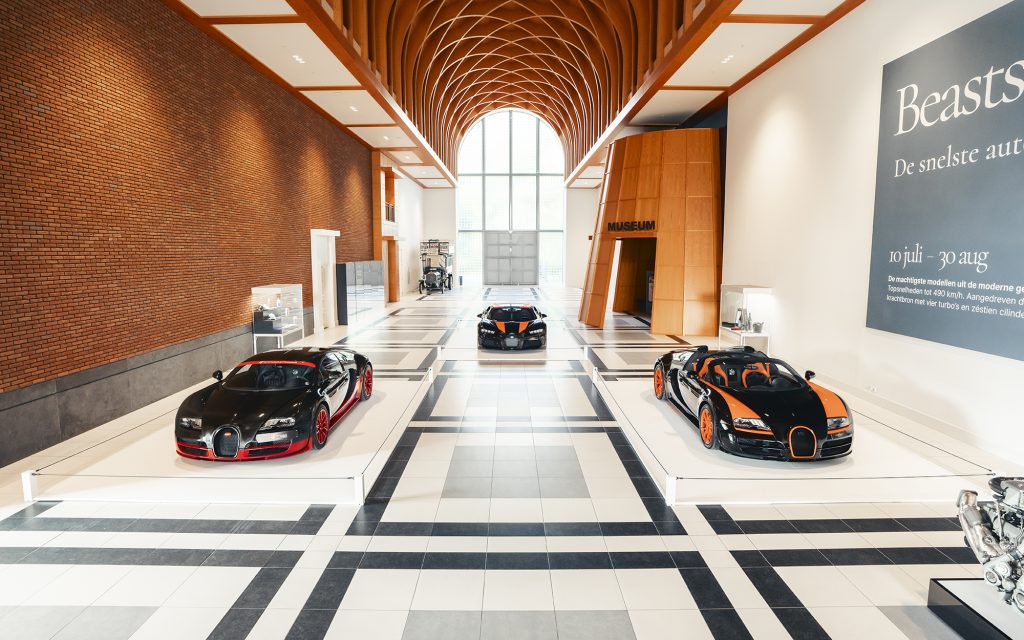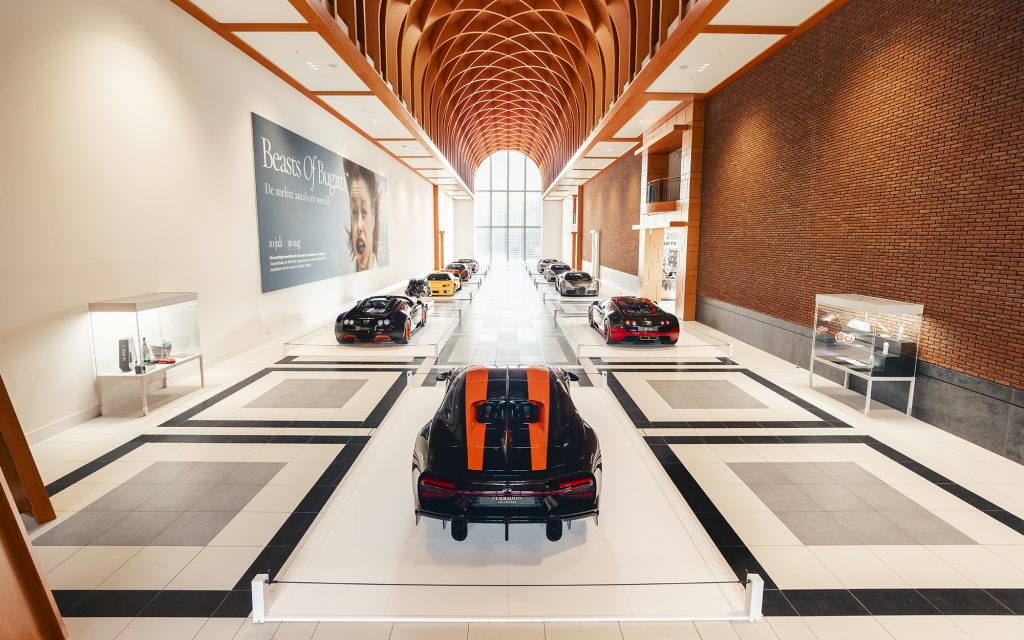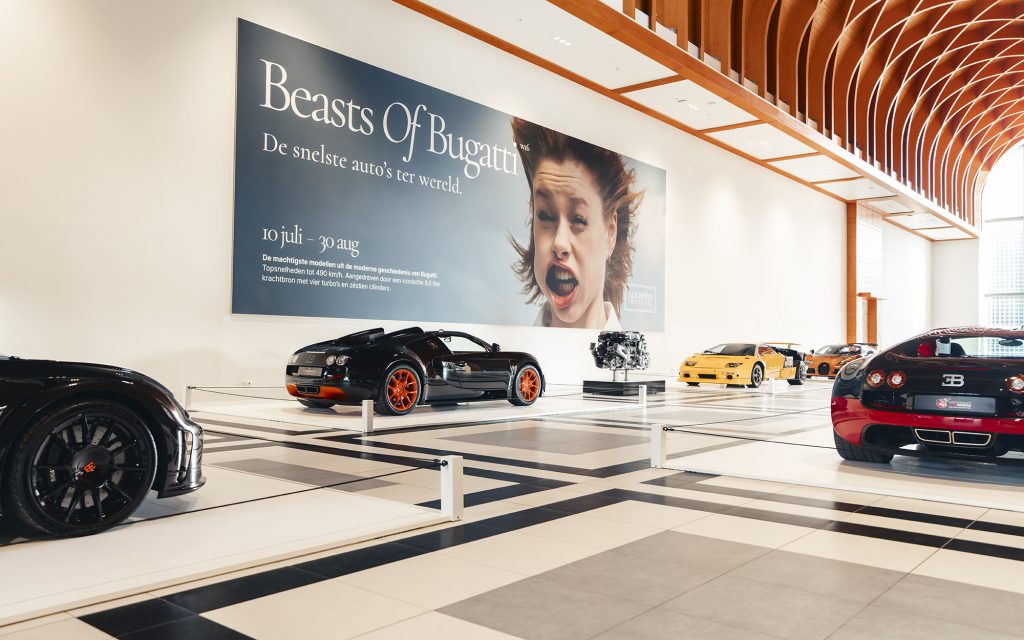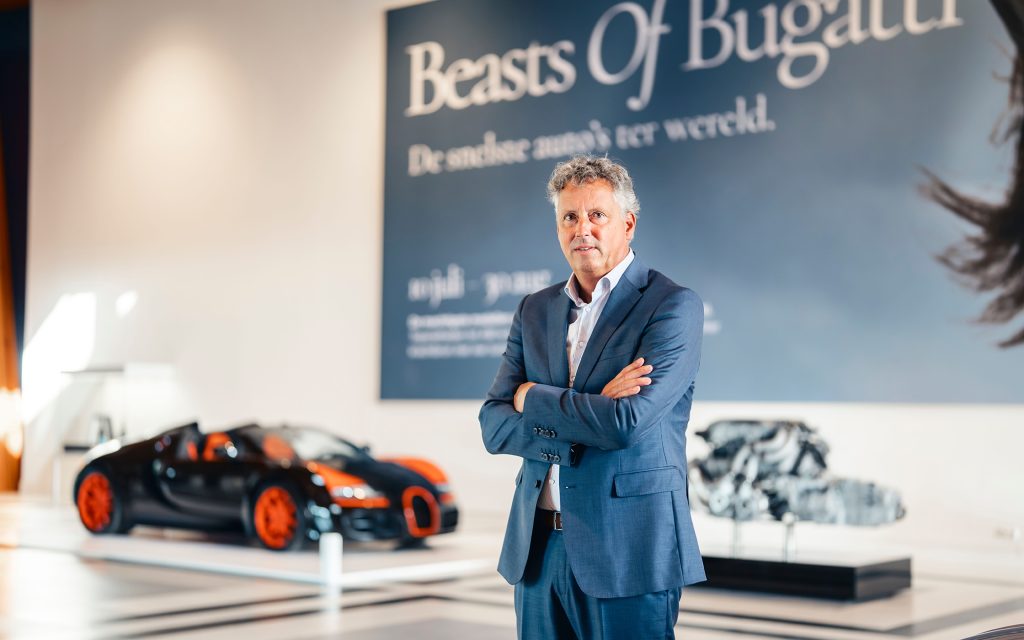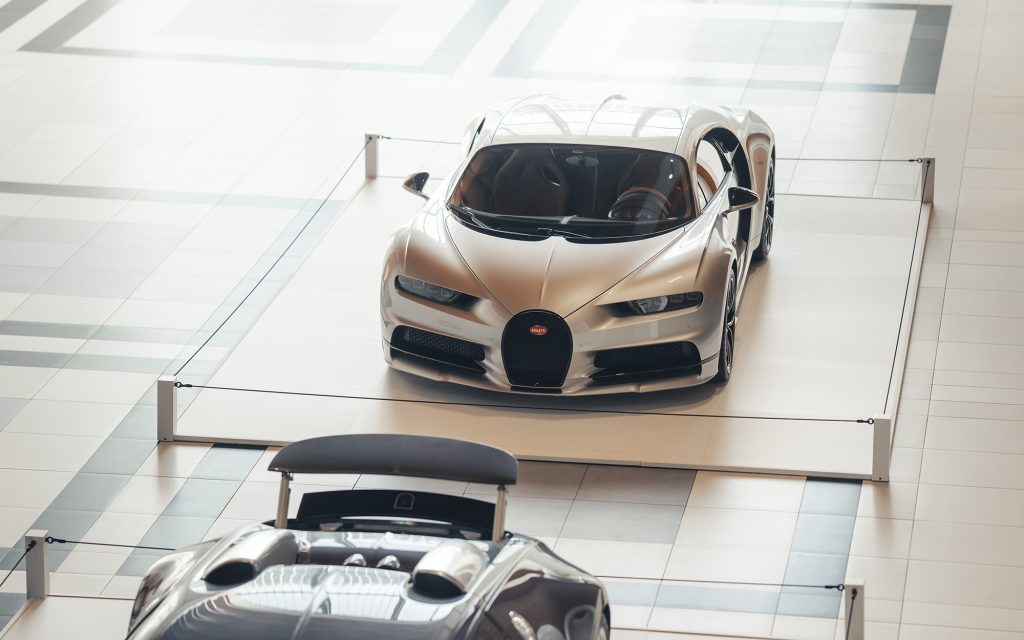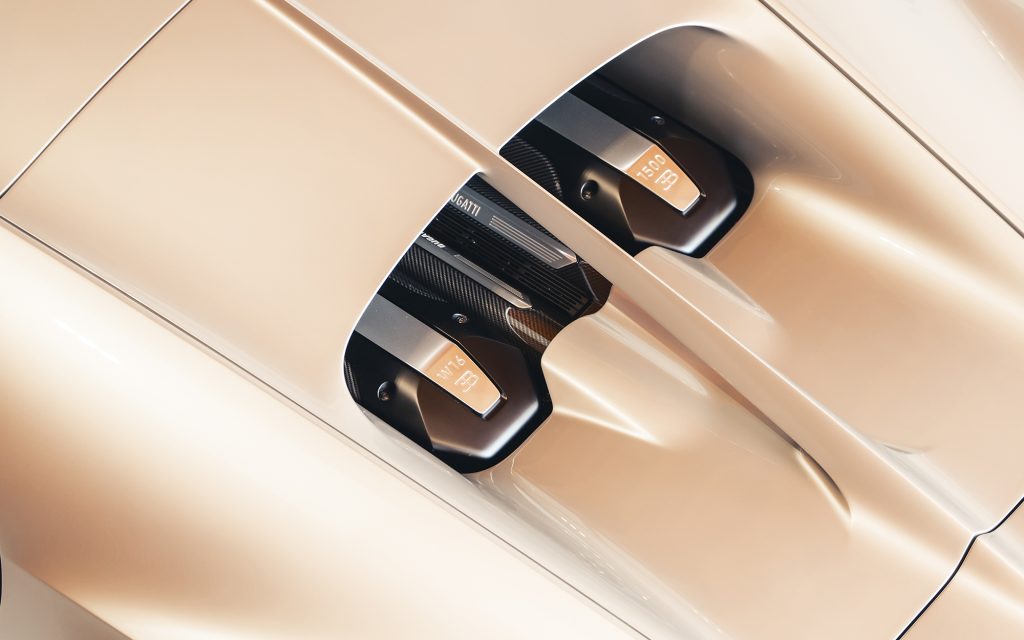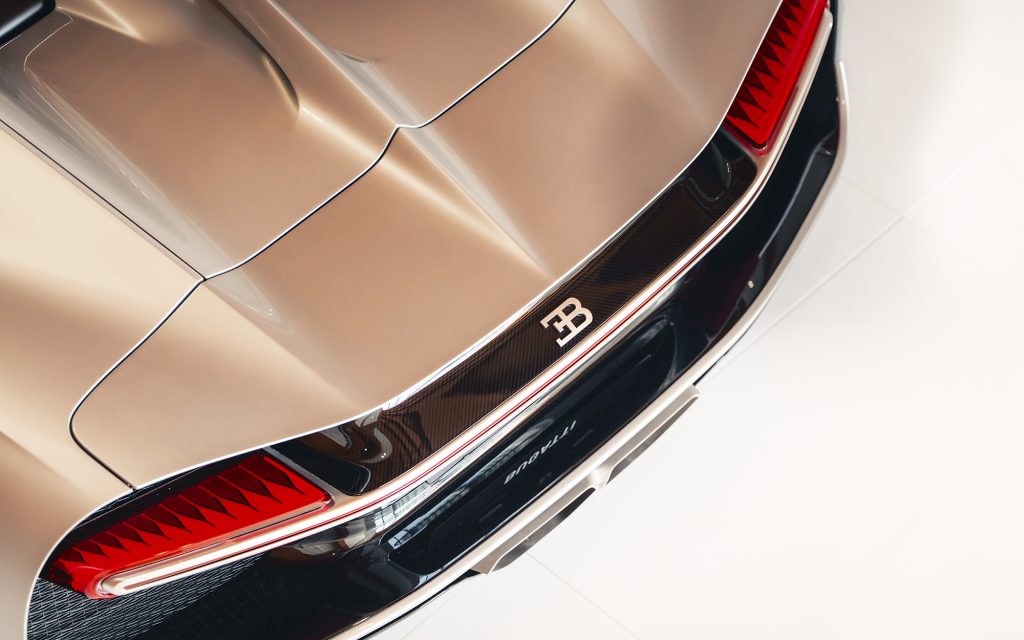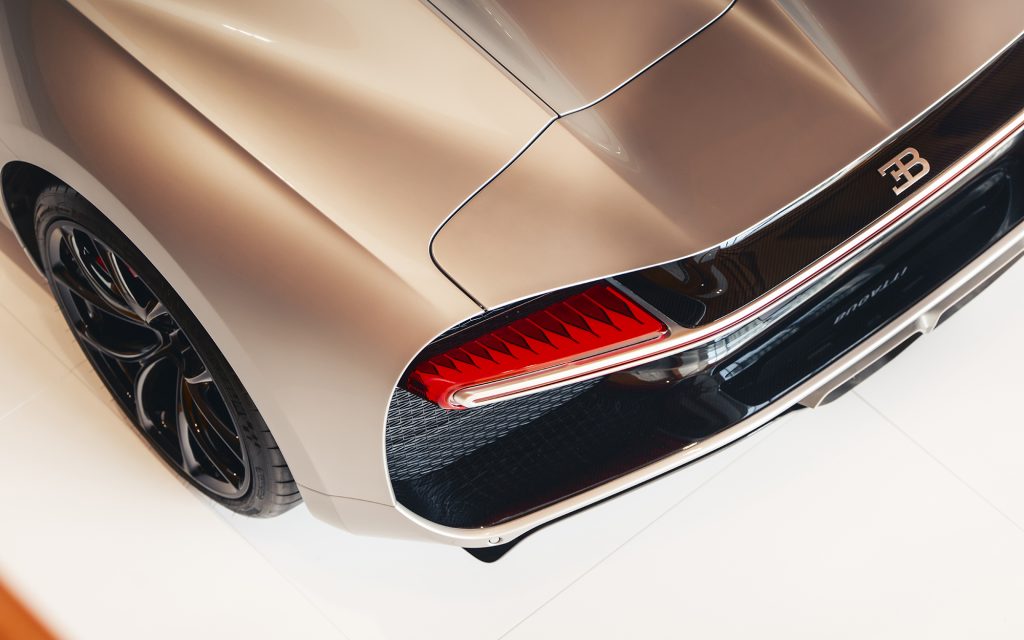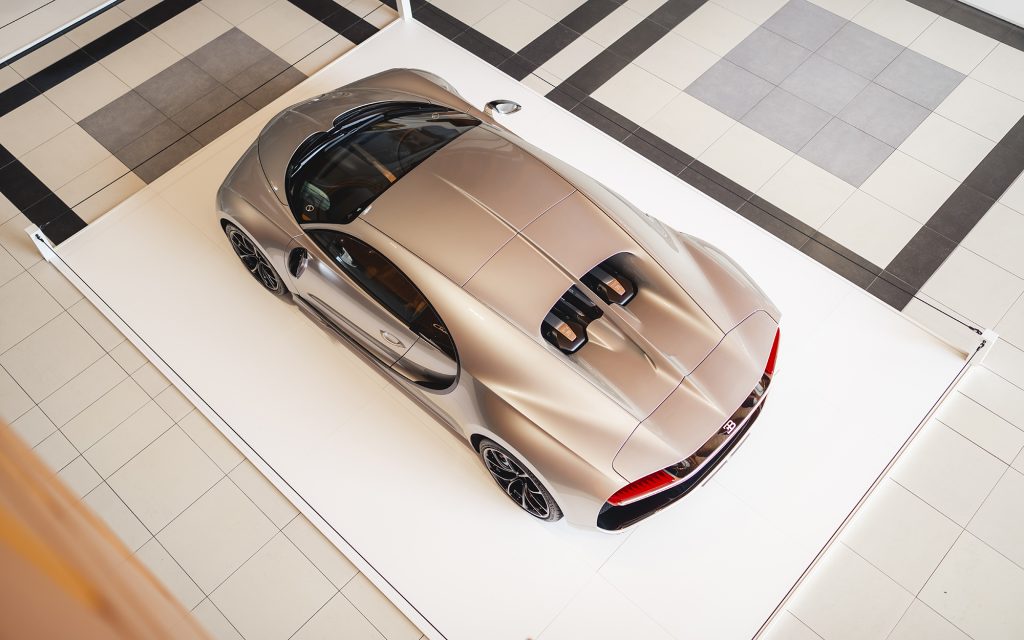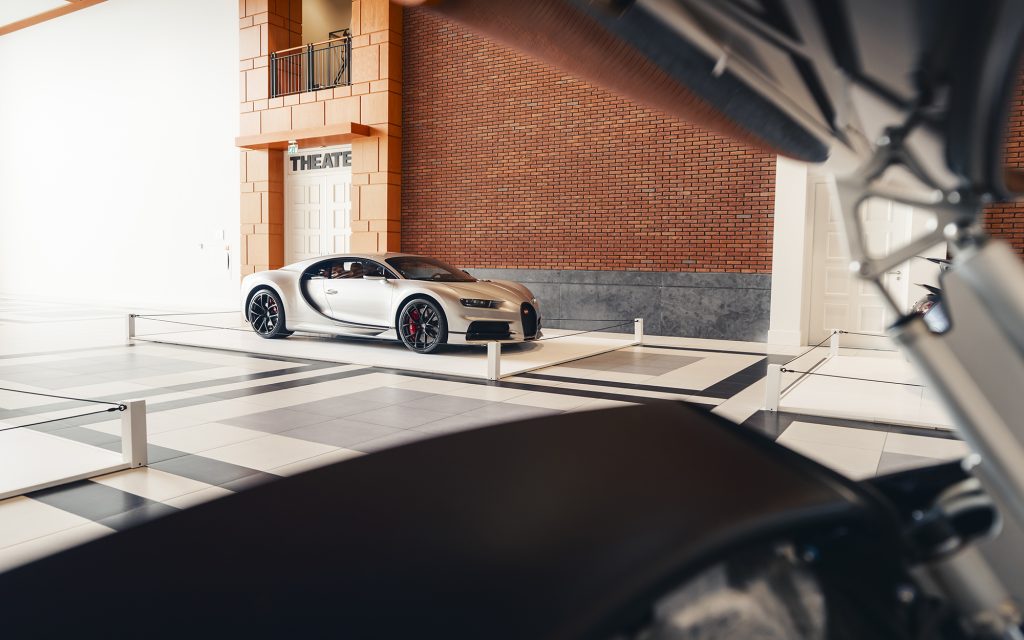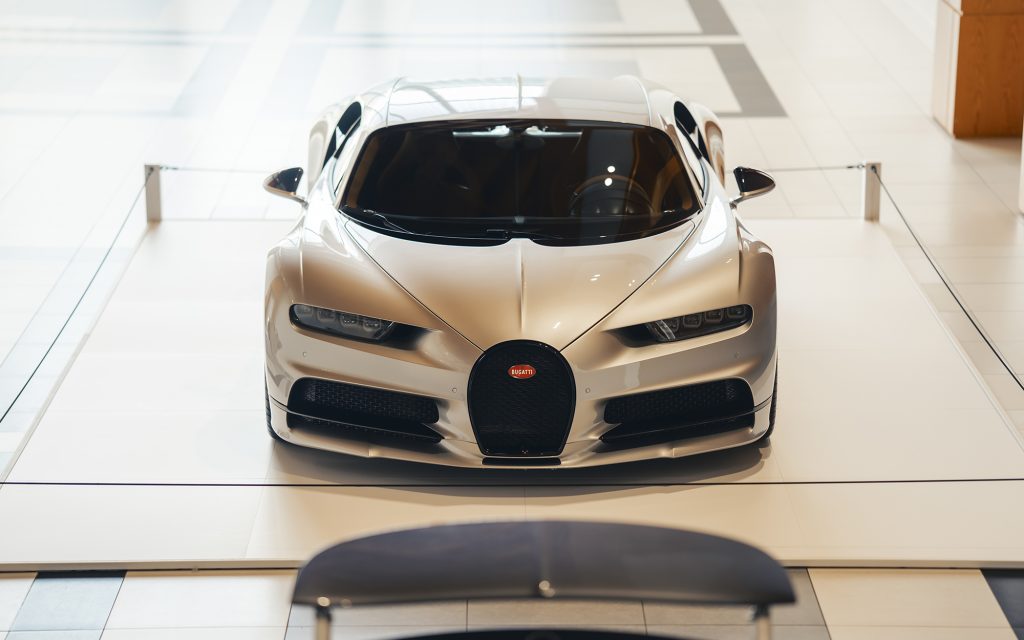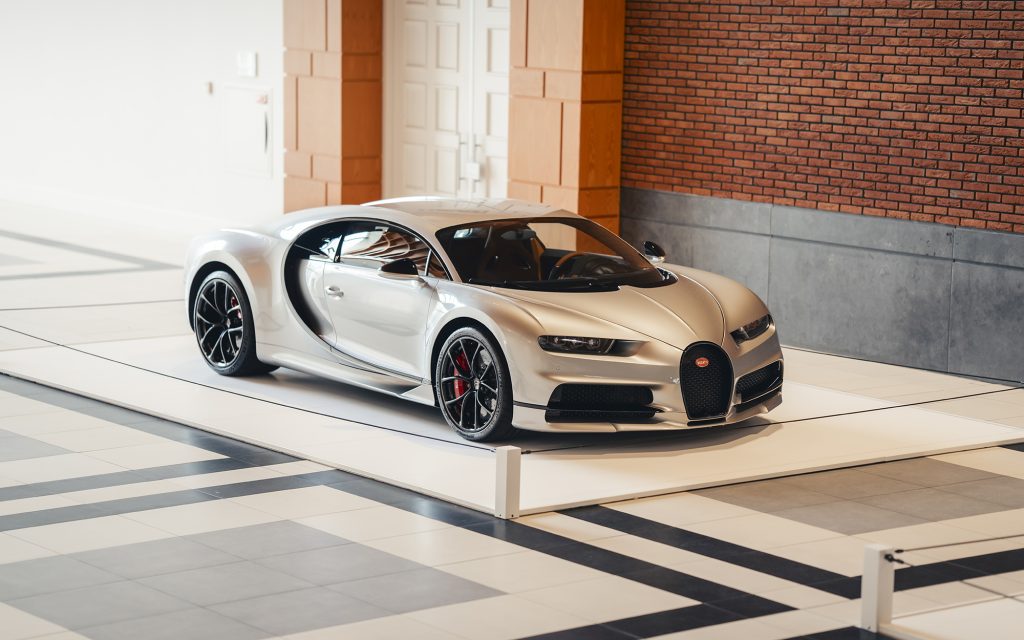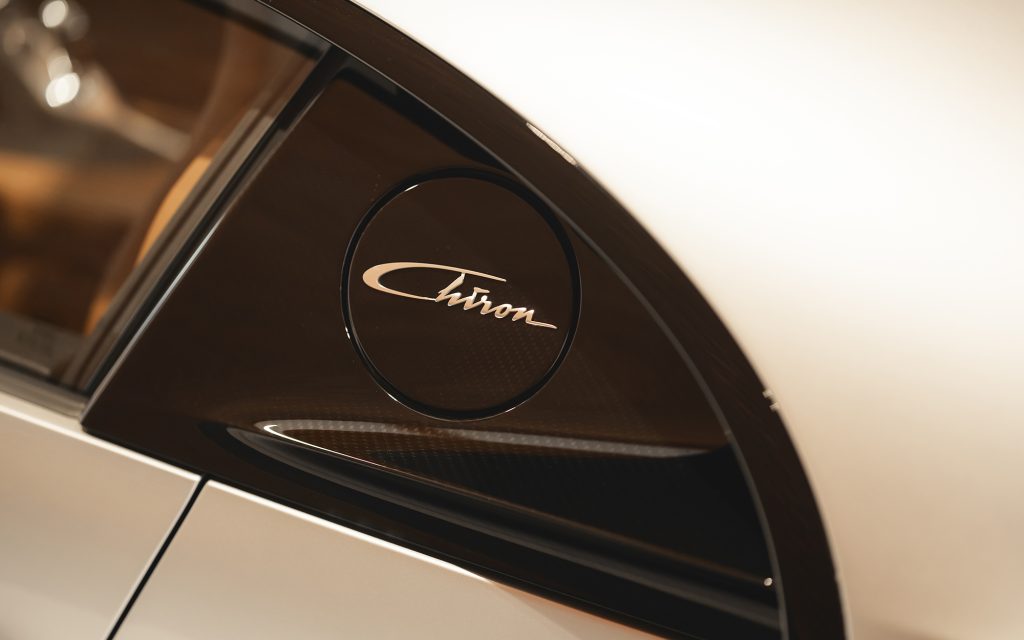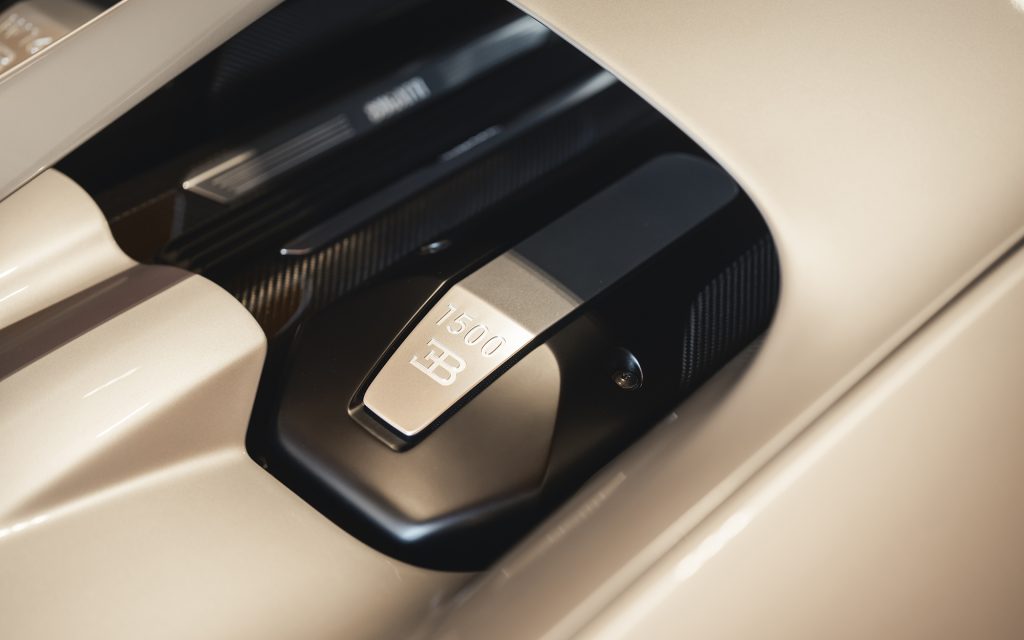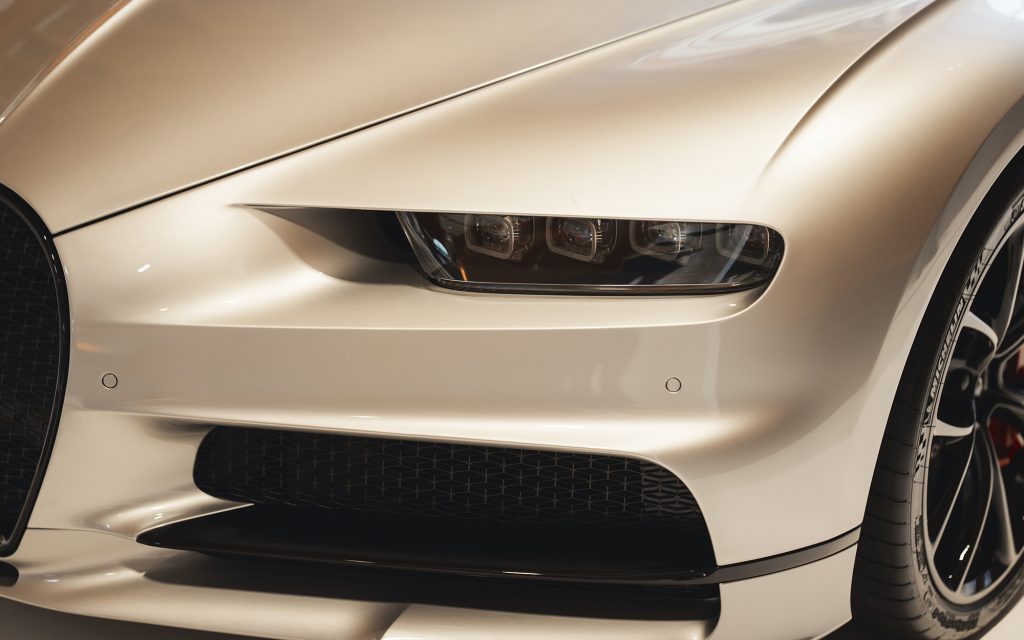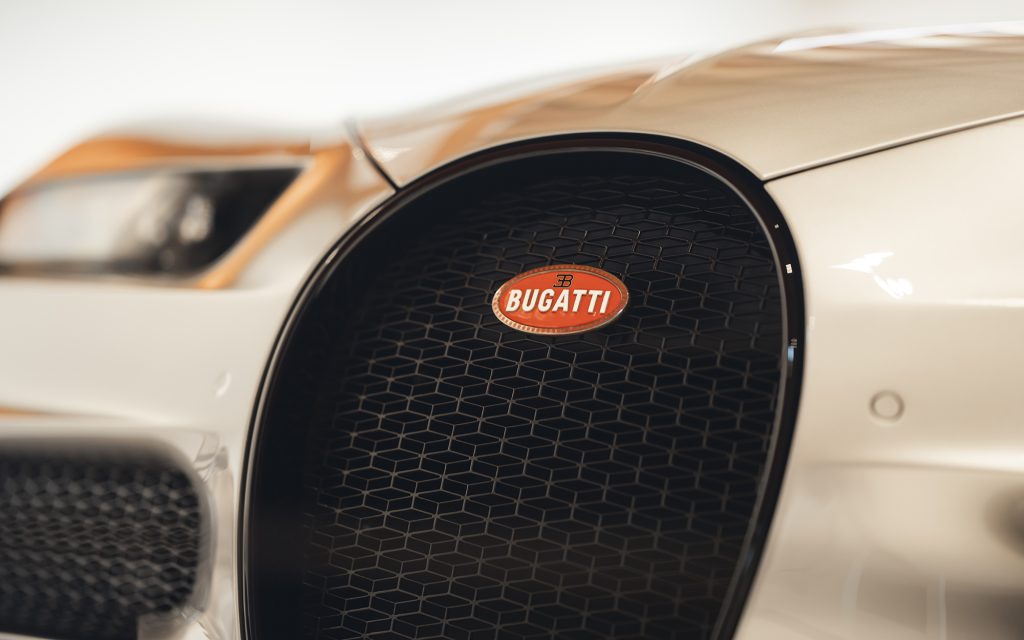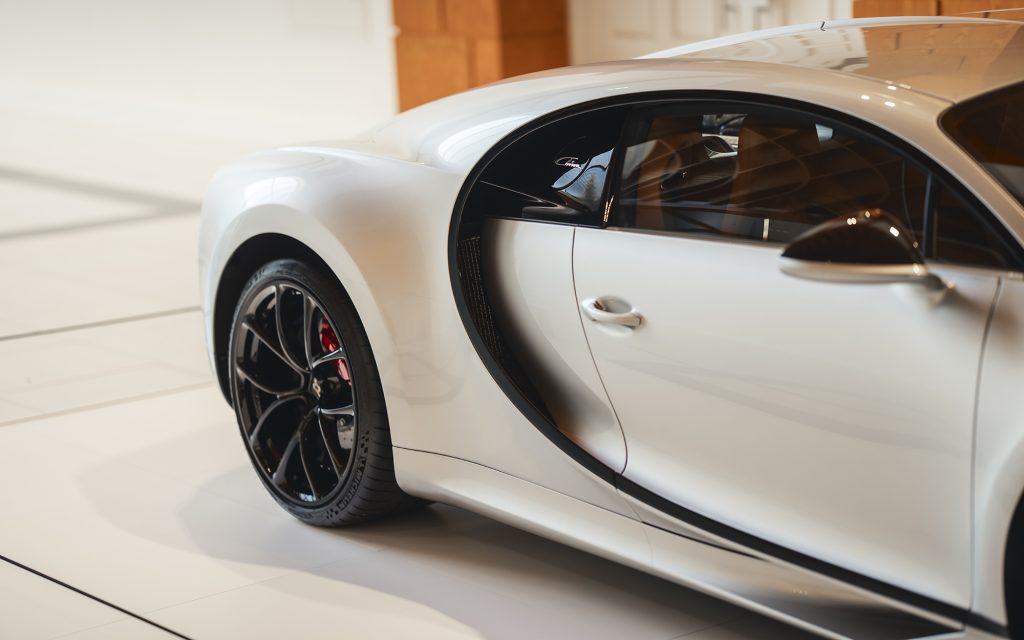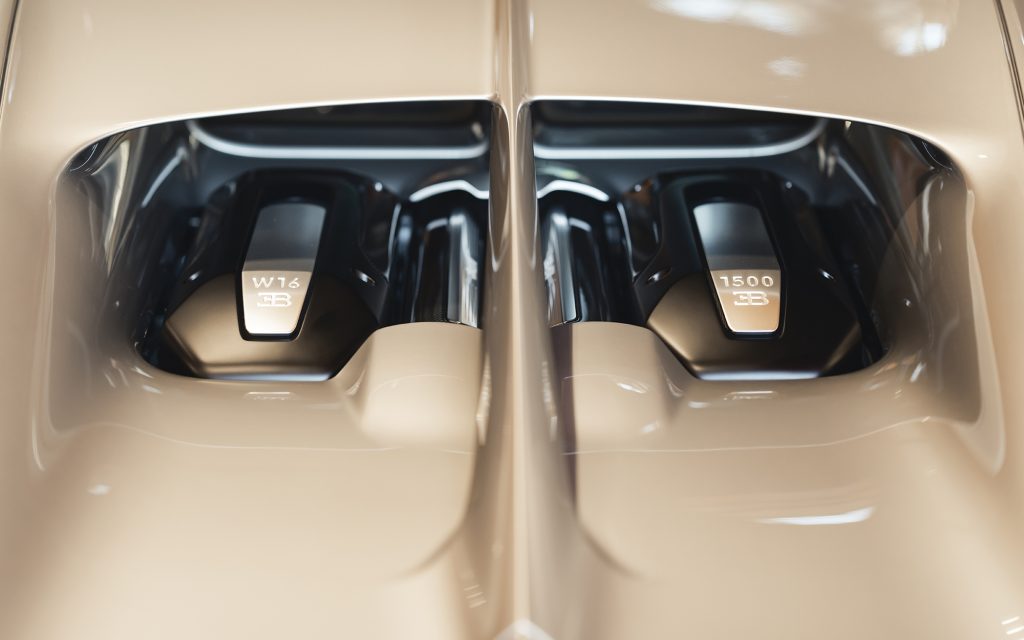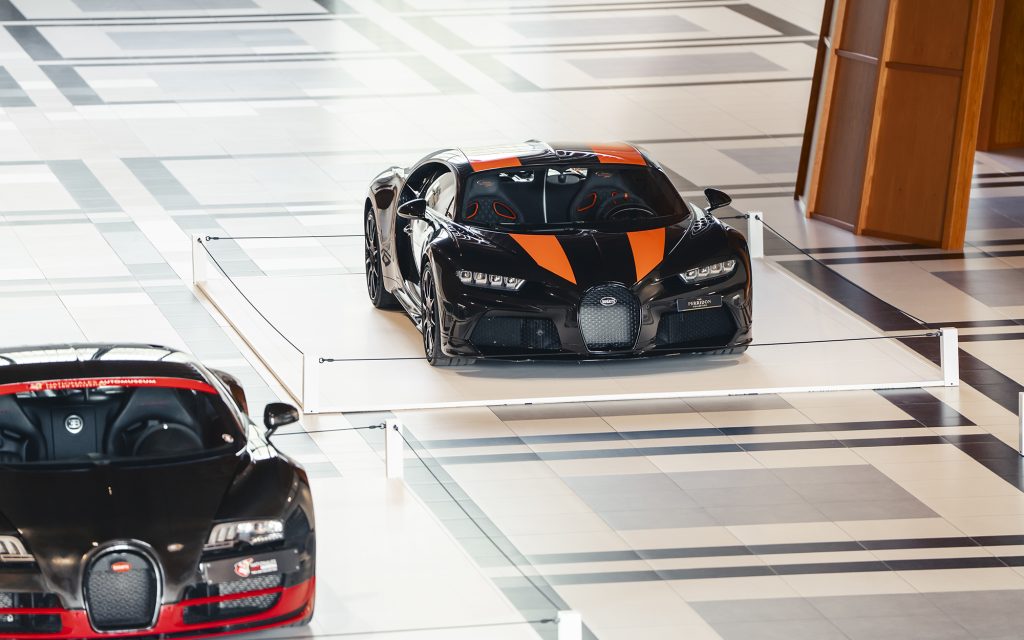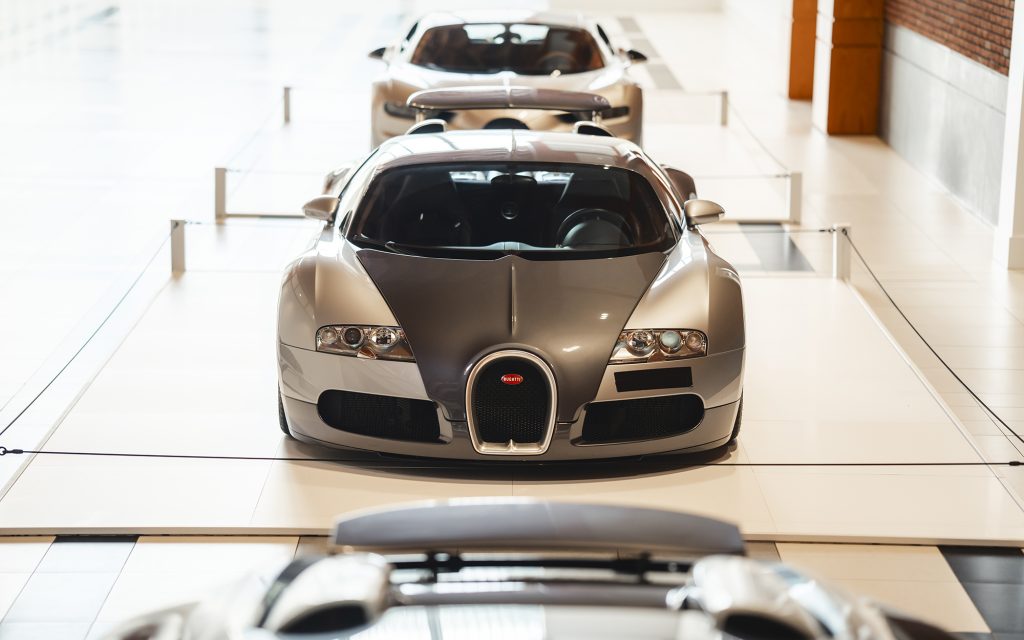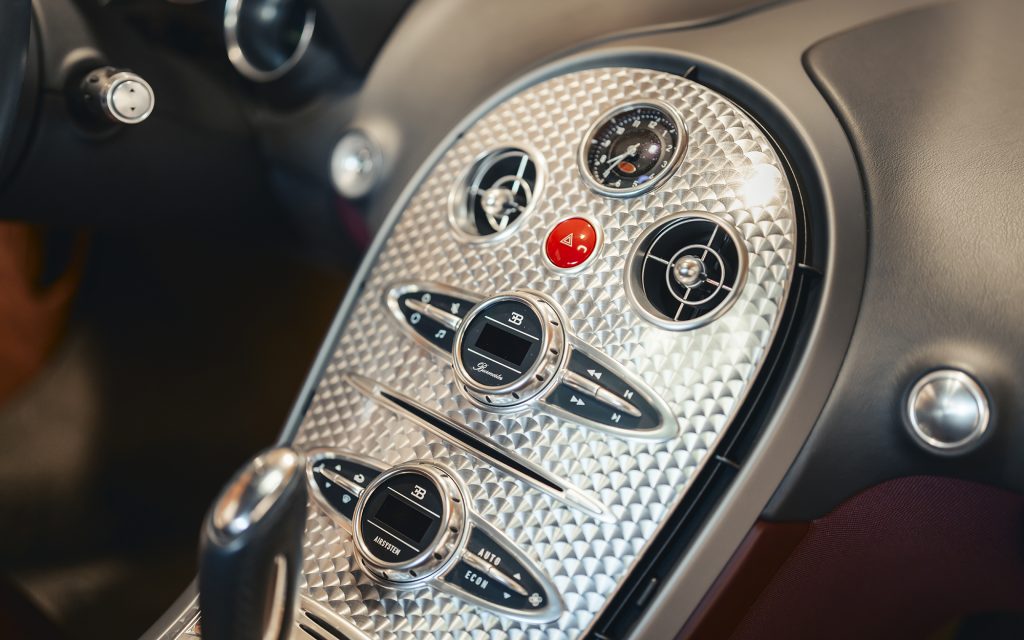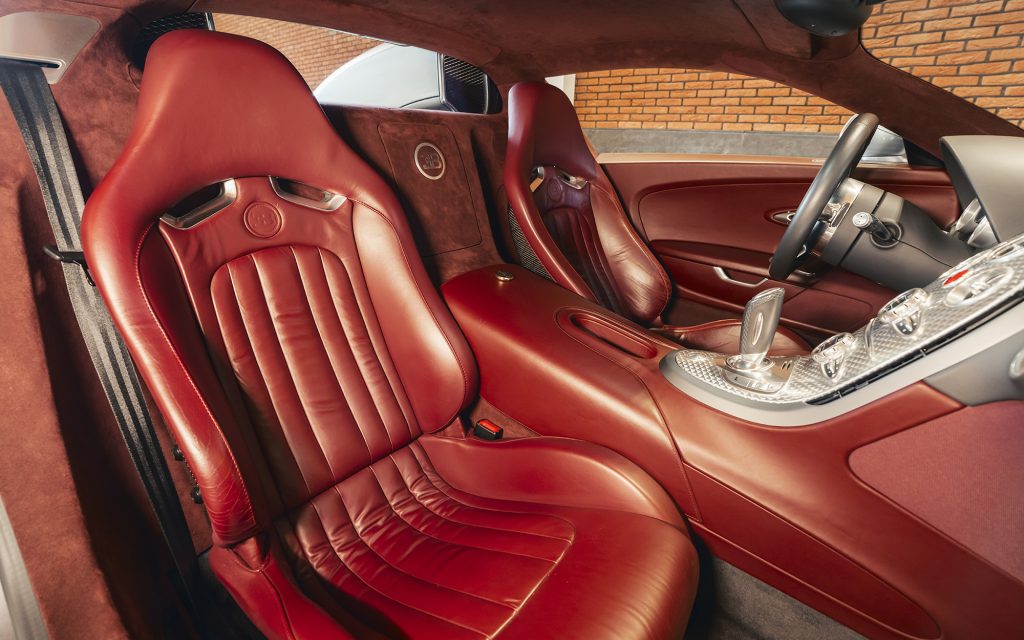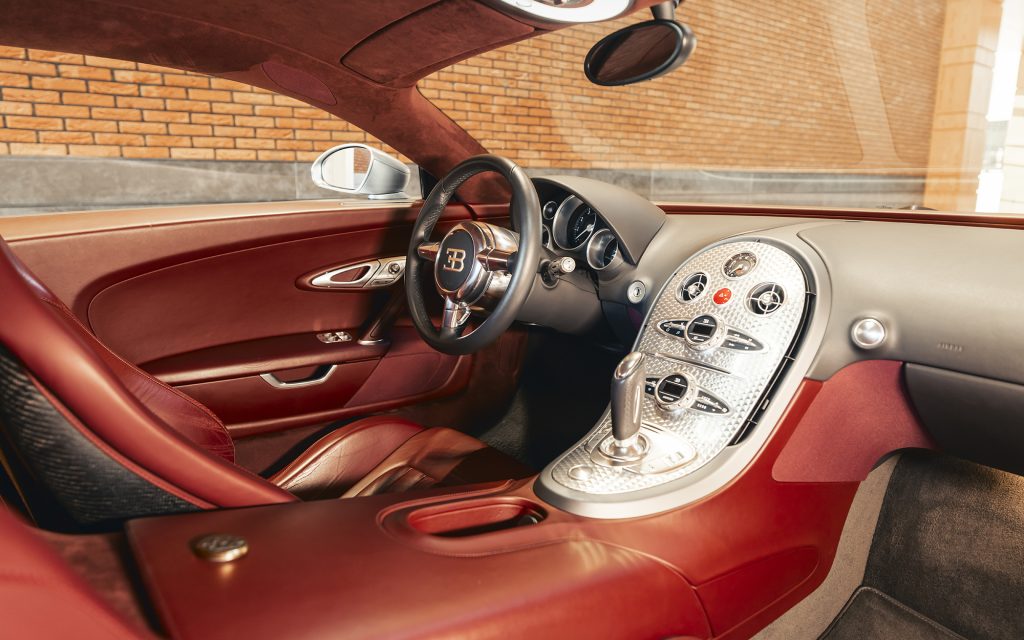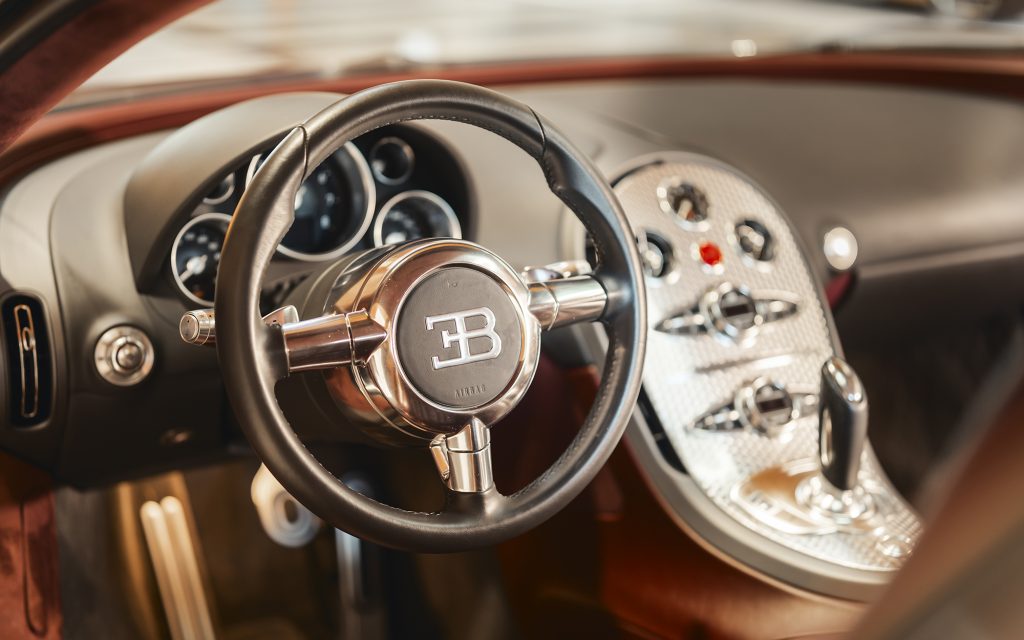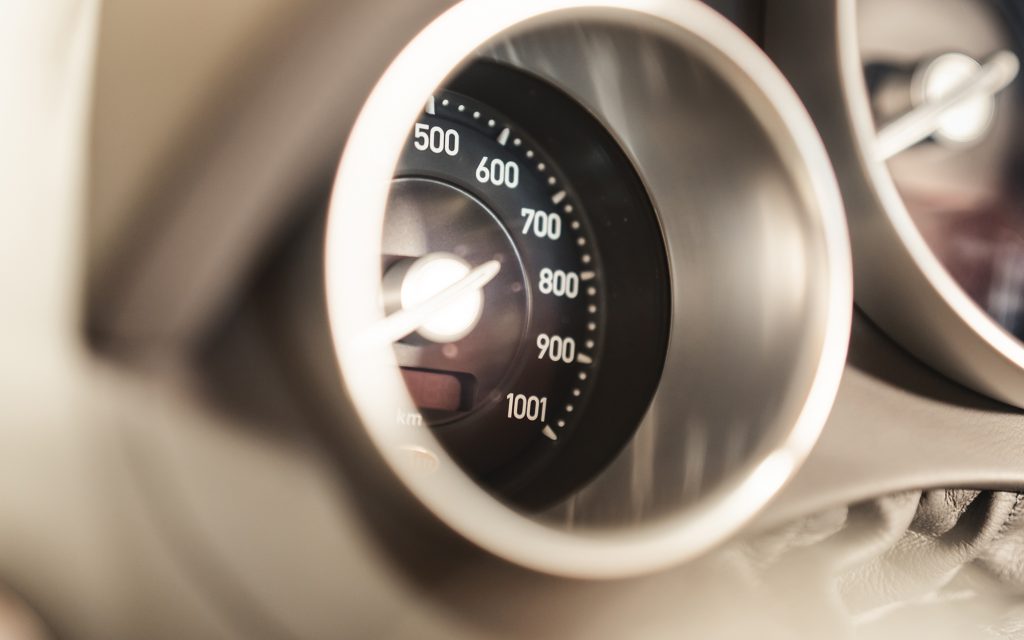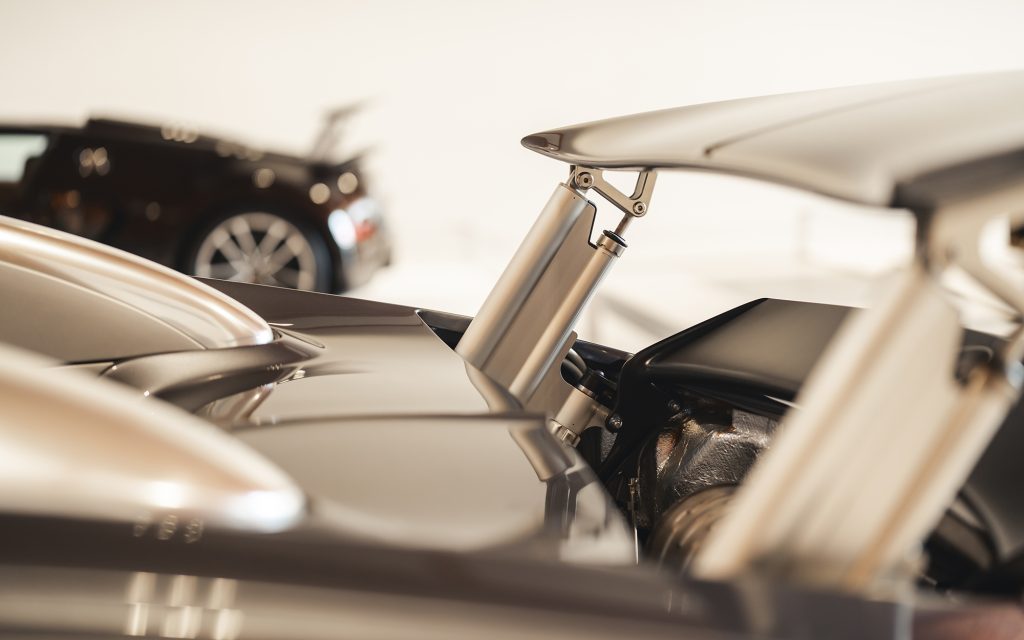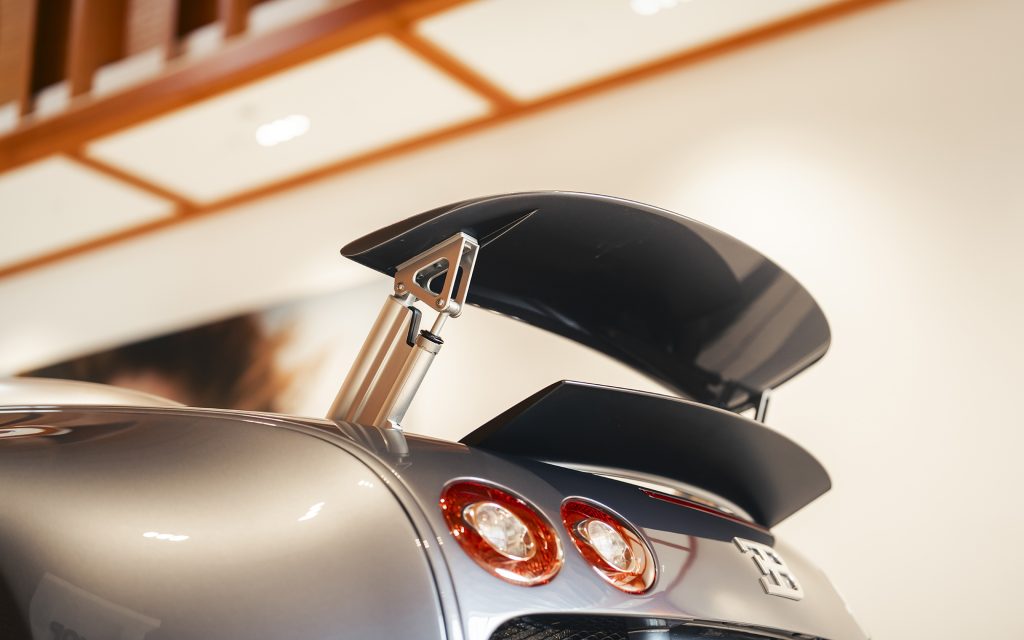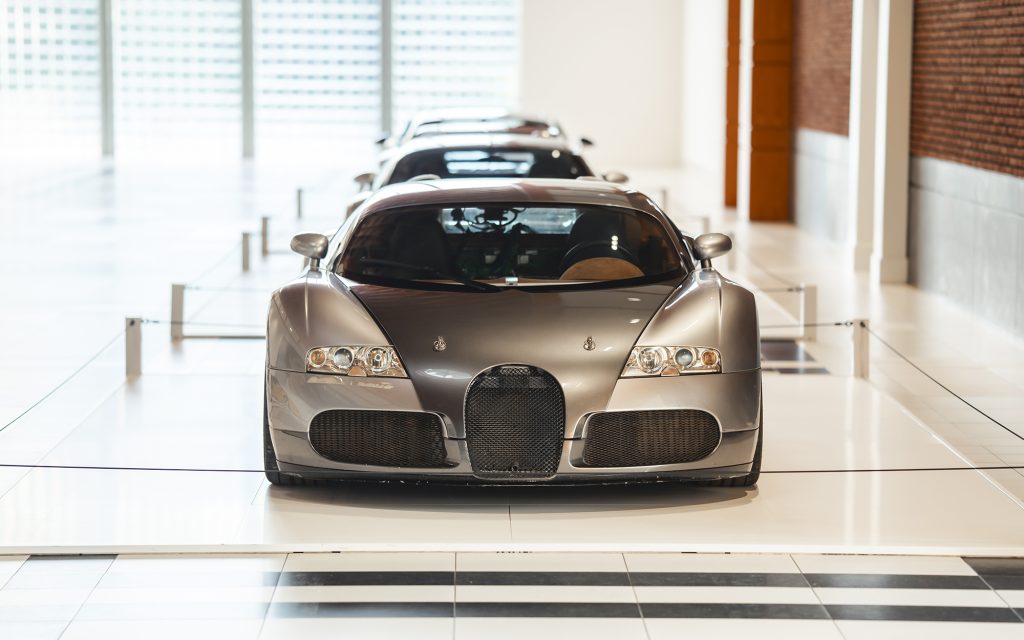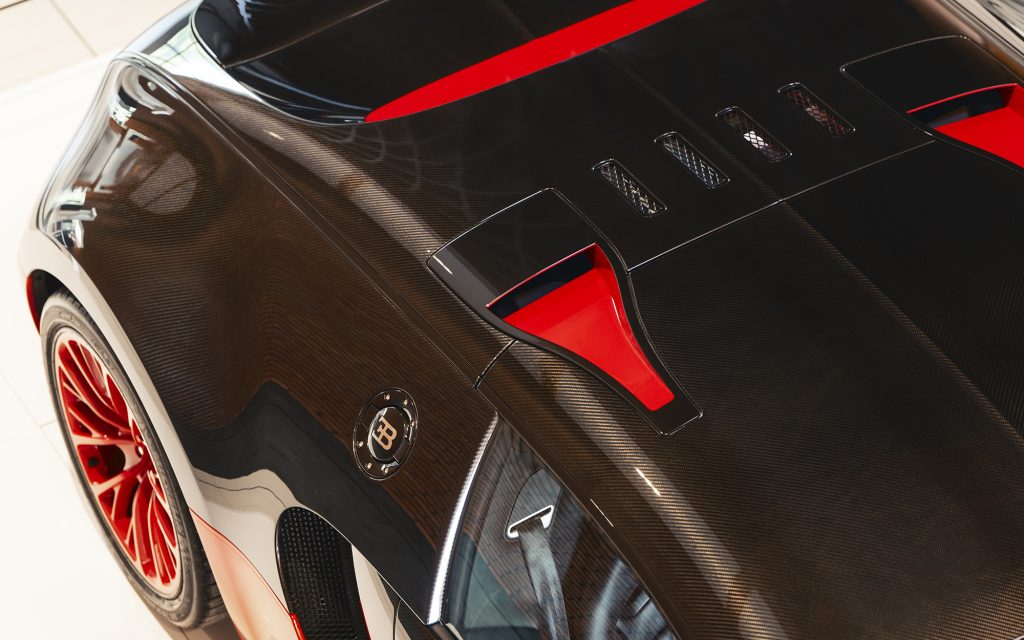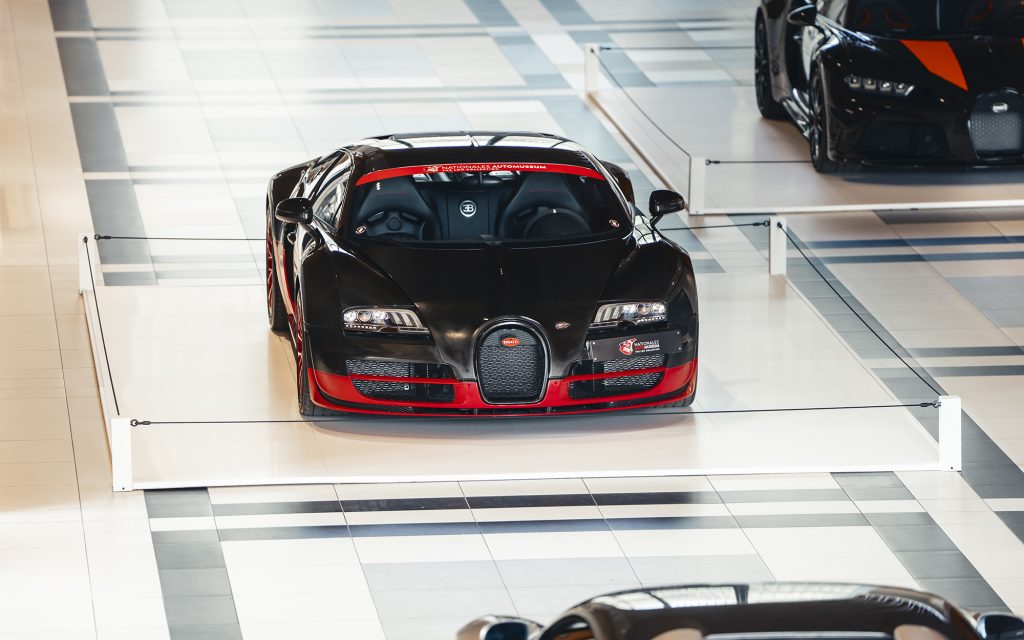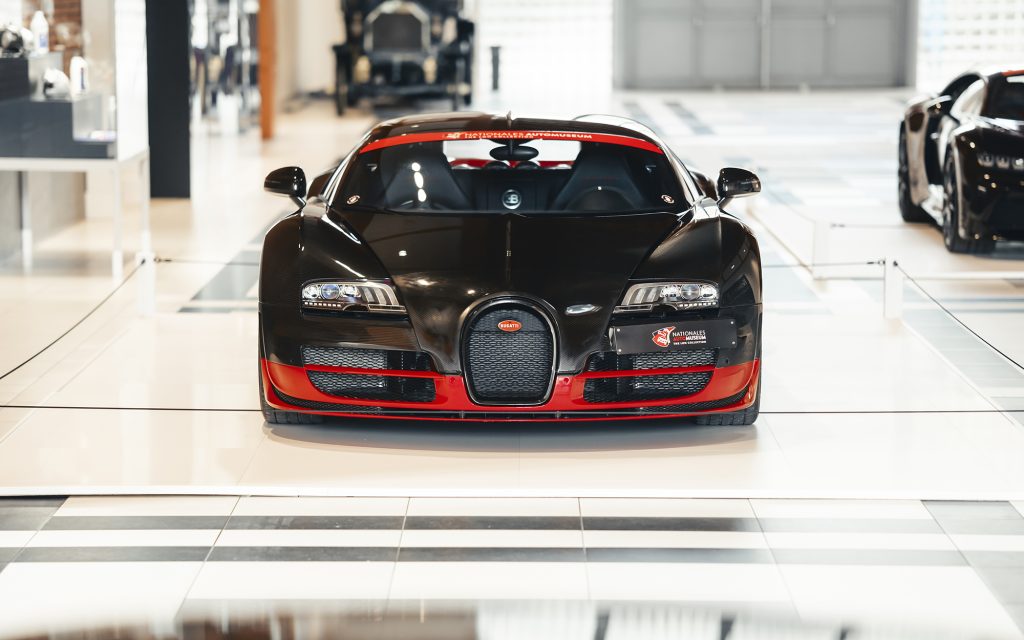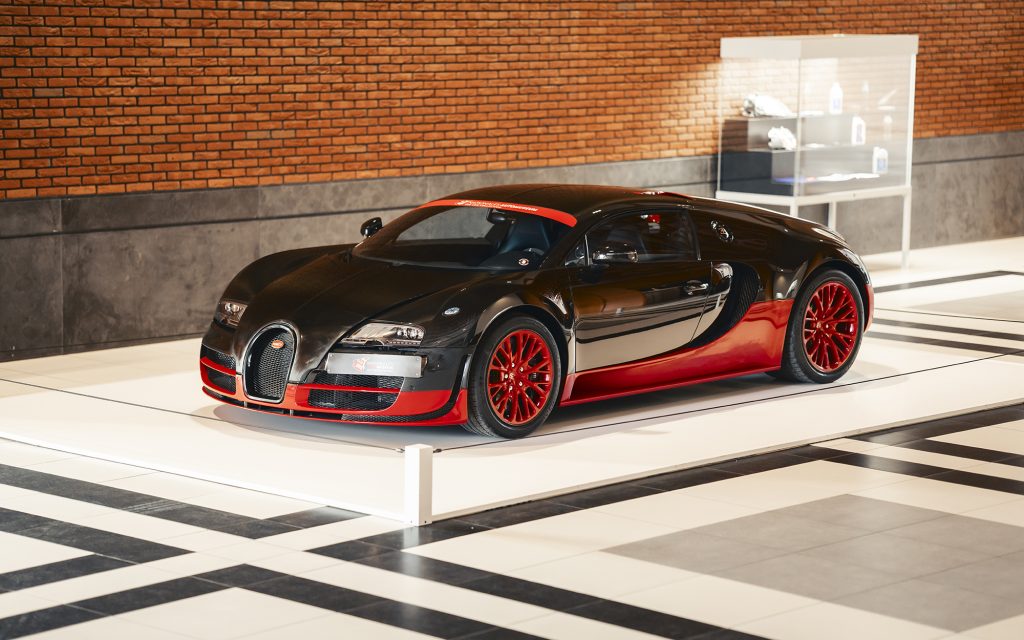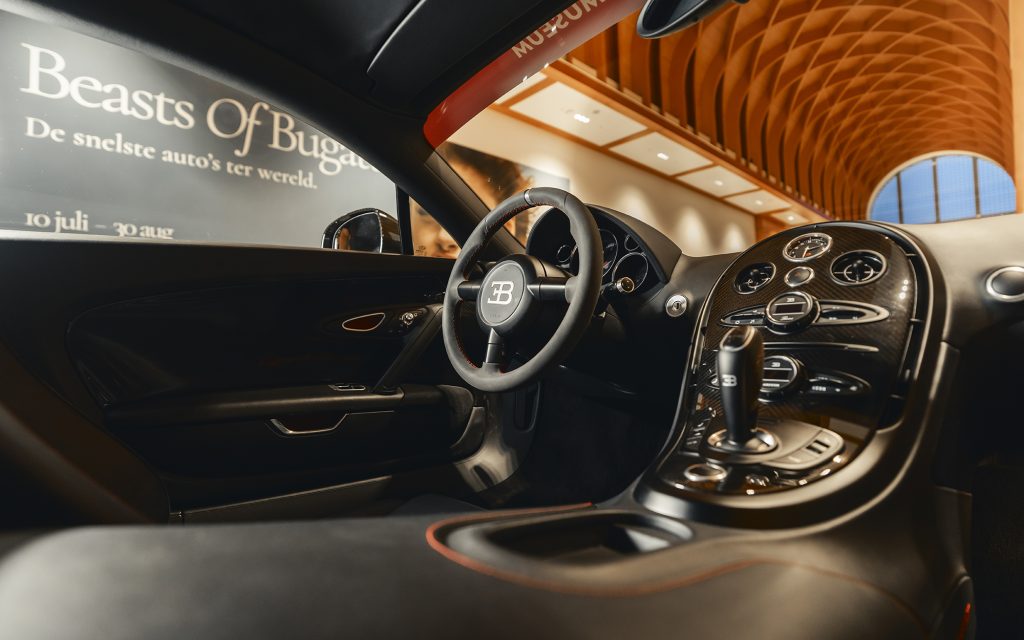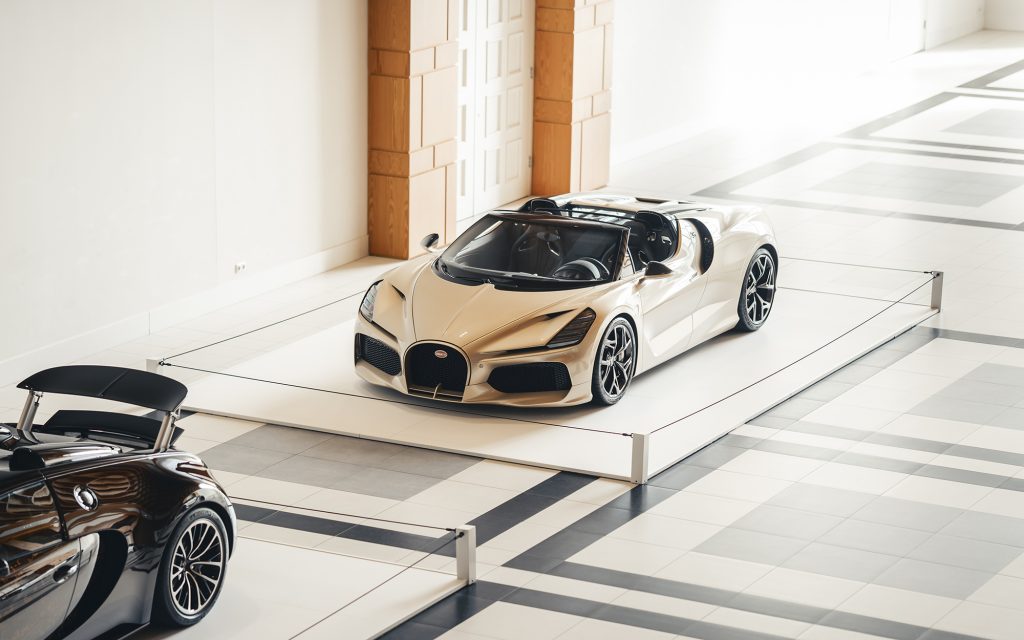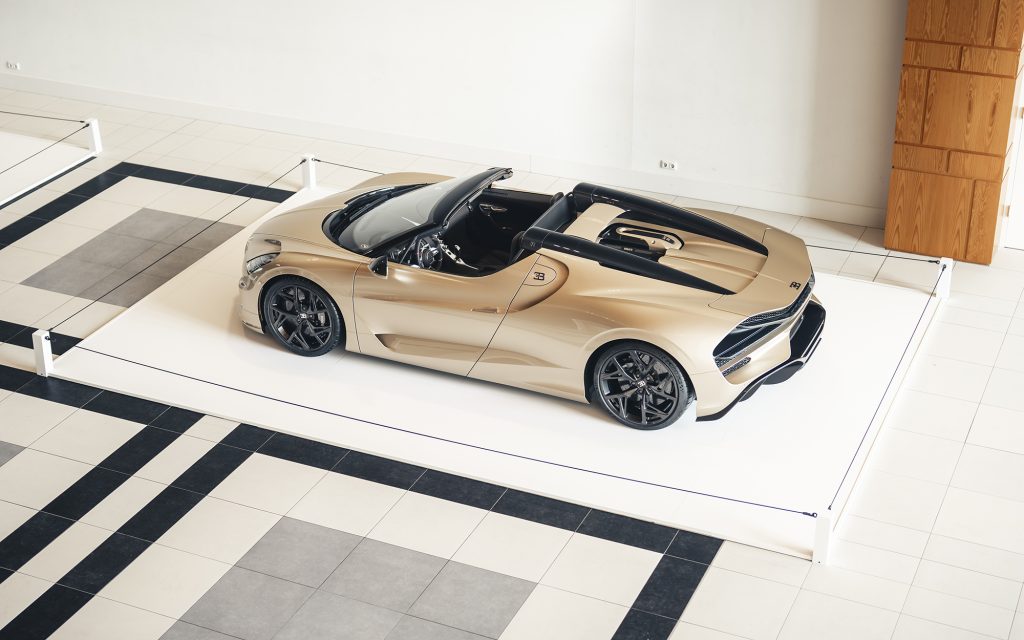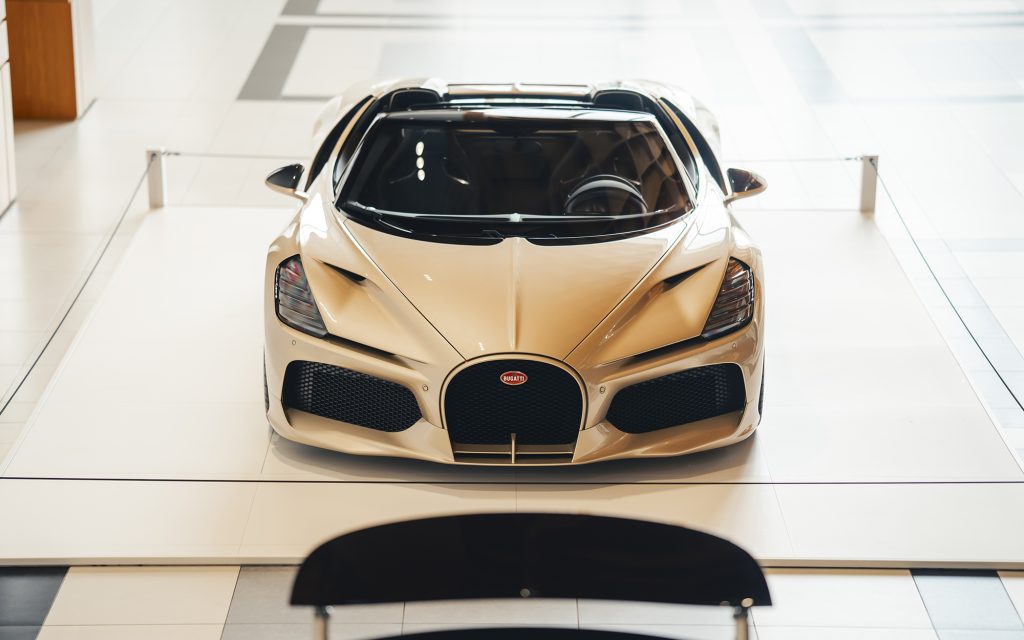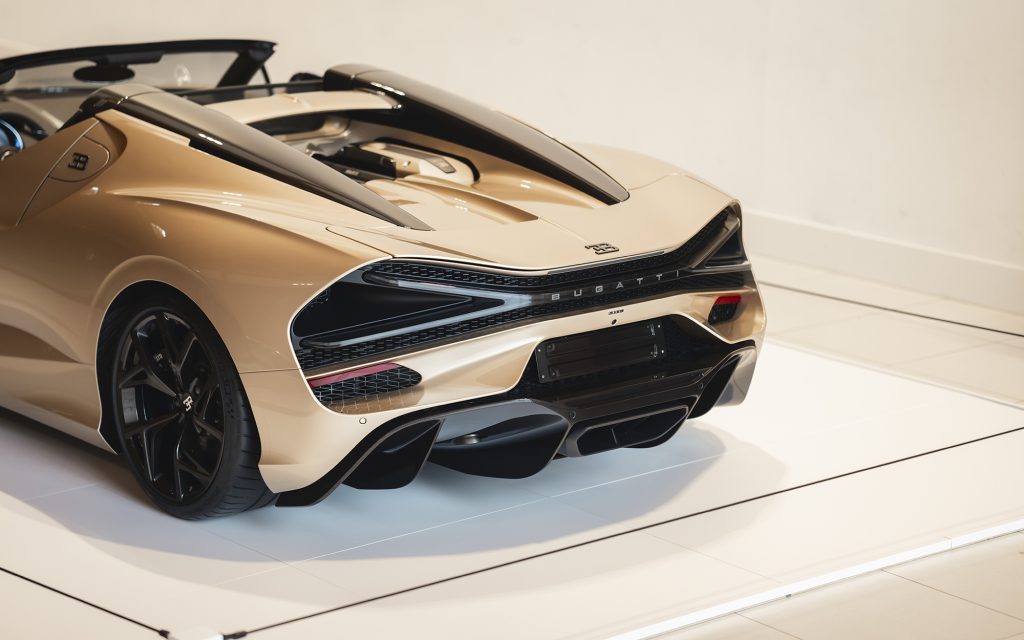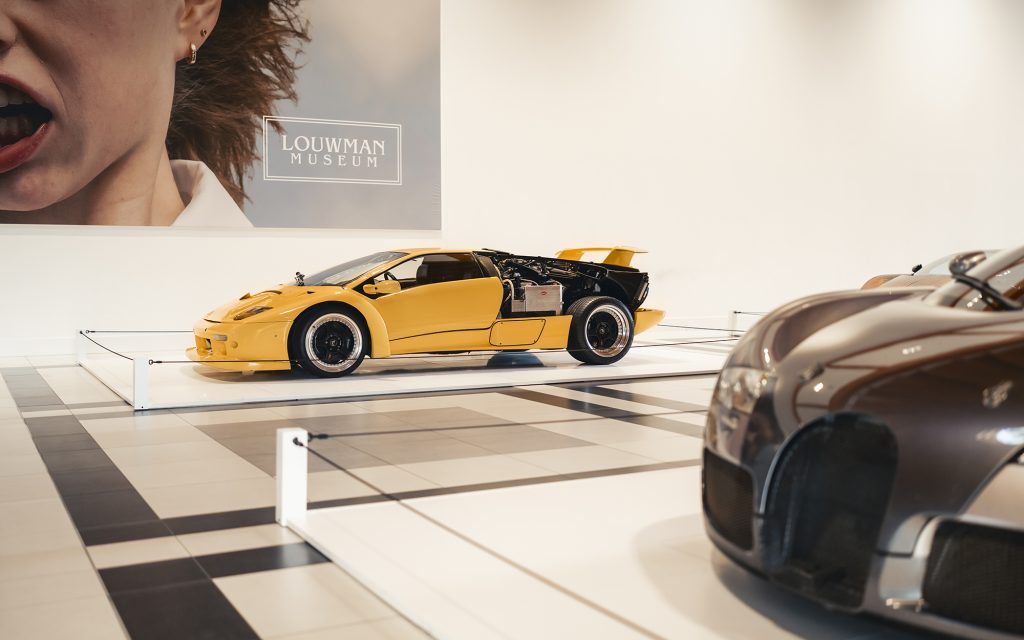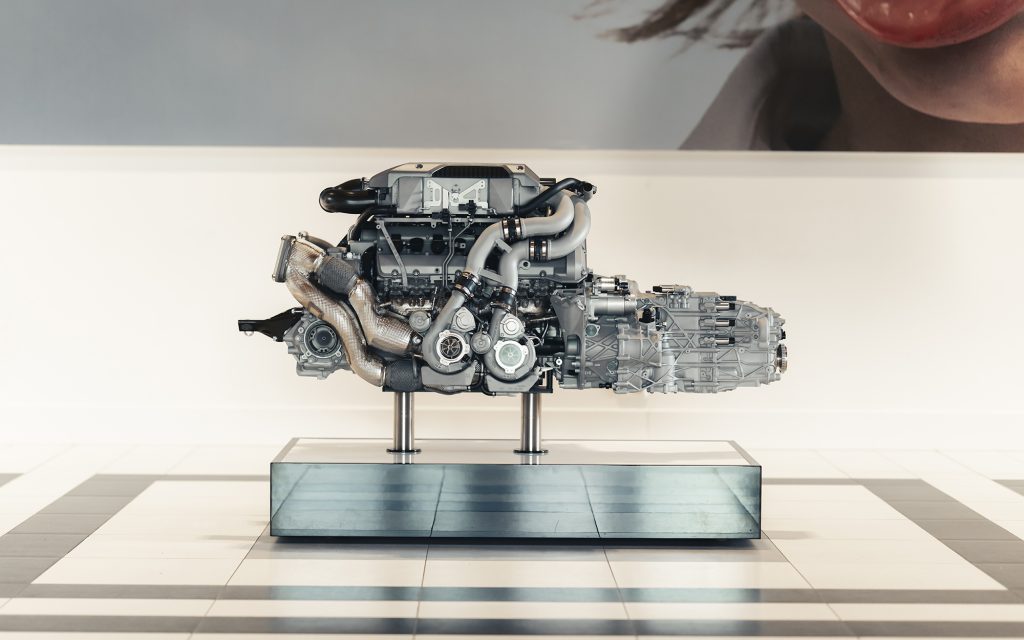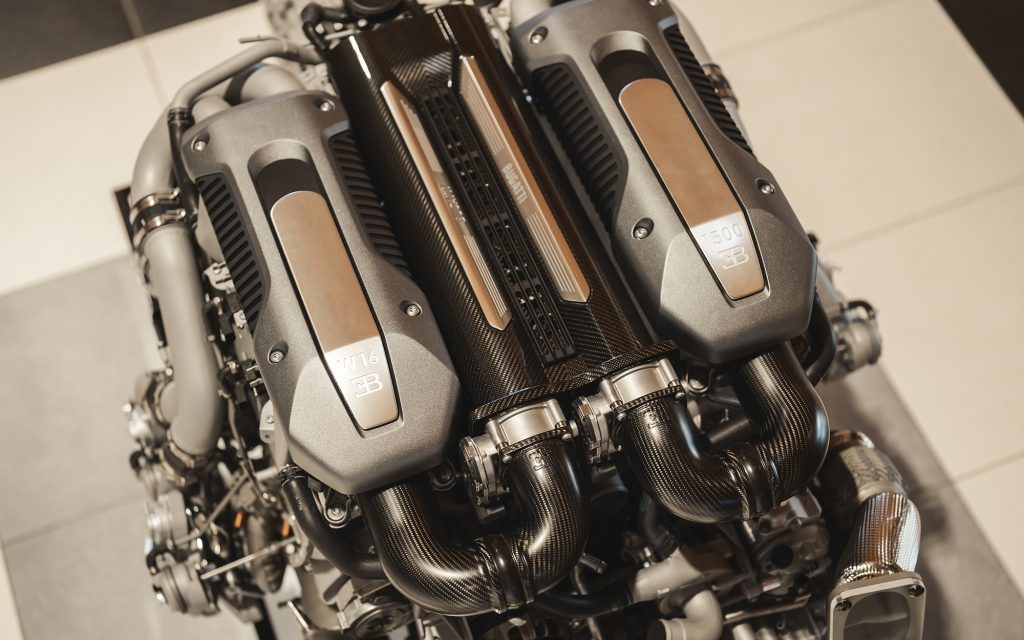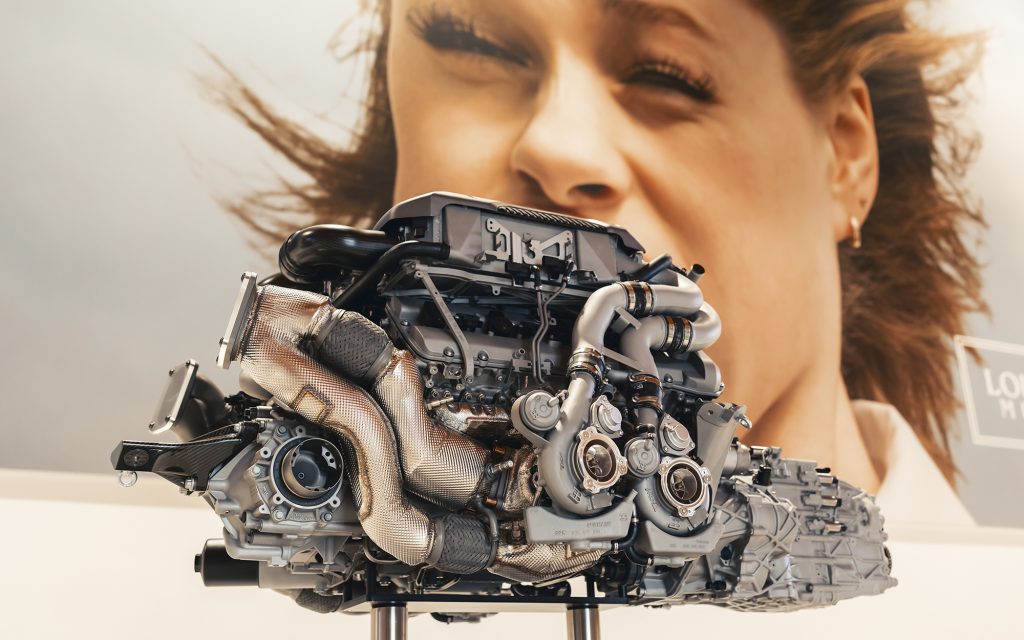

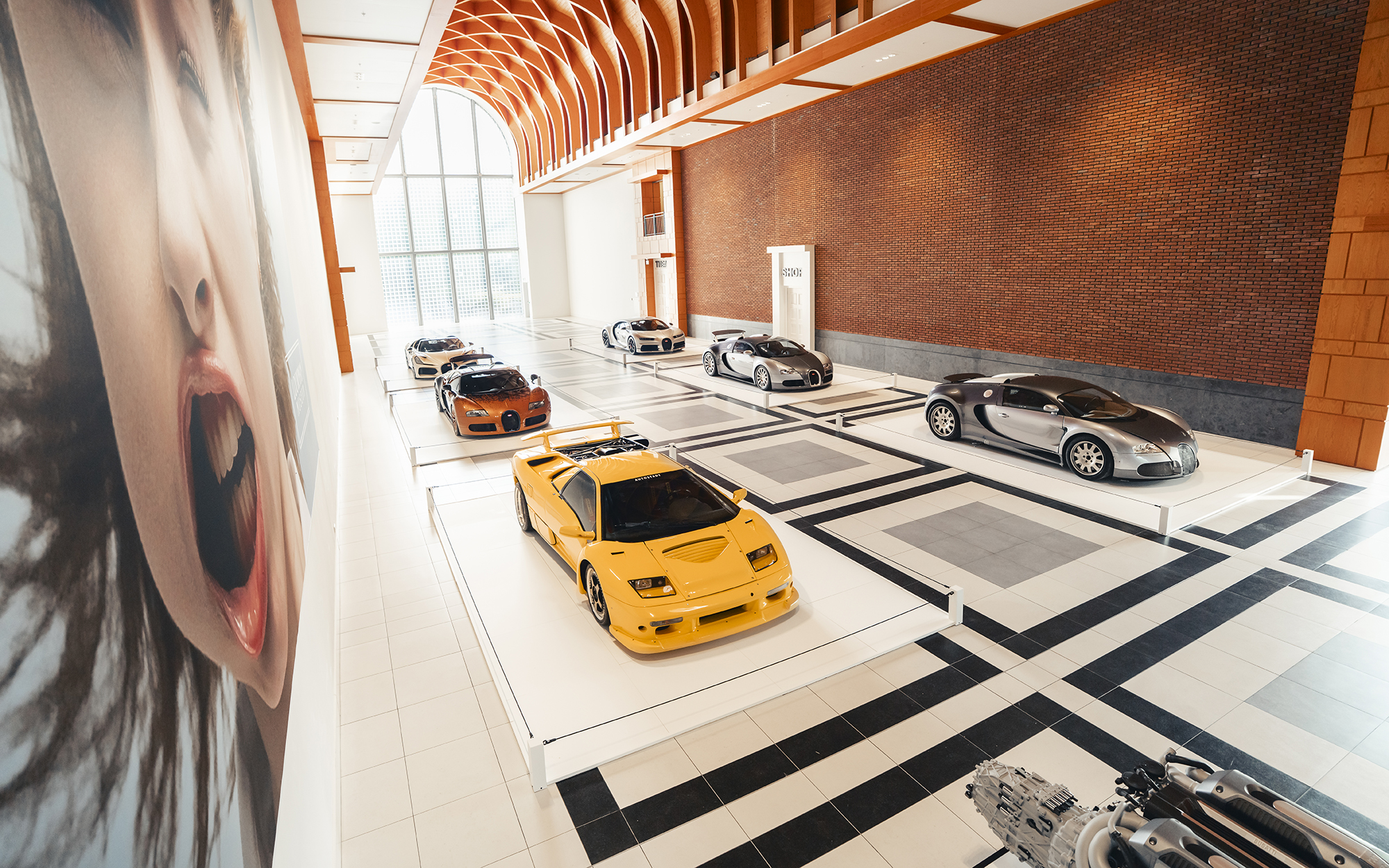

Nine W16-powered cars telling the modern history of the world’s most exclusive marque have been assembled for the Louwman Museum’s Beasts of Bugatti exhibition in The Hague, but the significance of the display goes beyond having a room full of Veyrons and Chirons. Several of the cars are prototypes, development vehicles, record editions or one-off commissions that are rarely seen publicly.
Perhaps the most interesting isn’t technically a Bugatti at all.
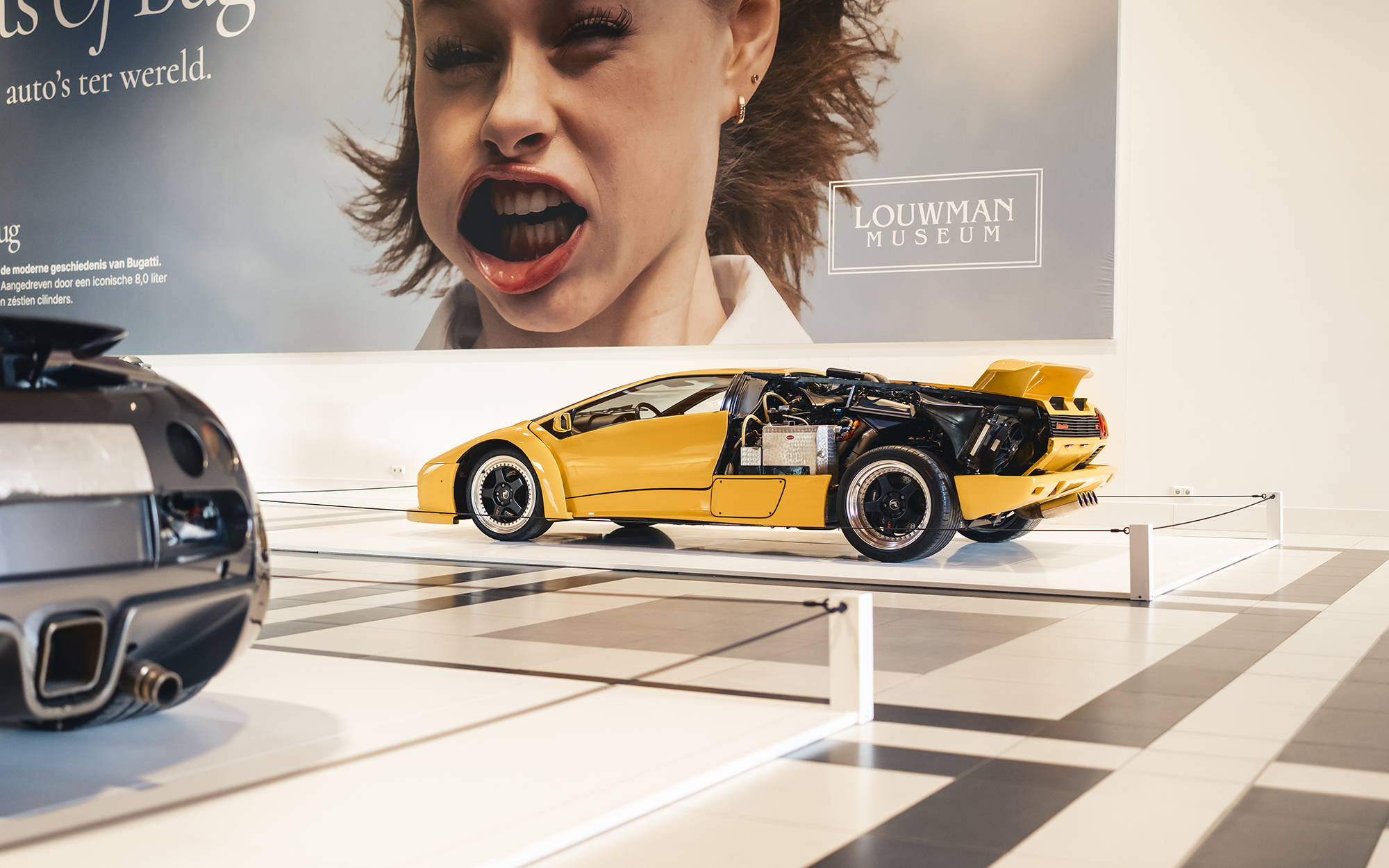
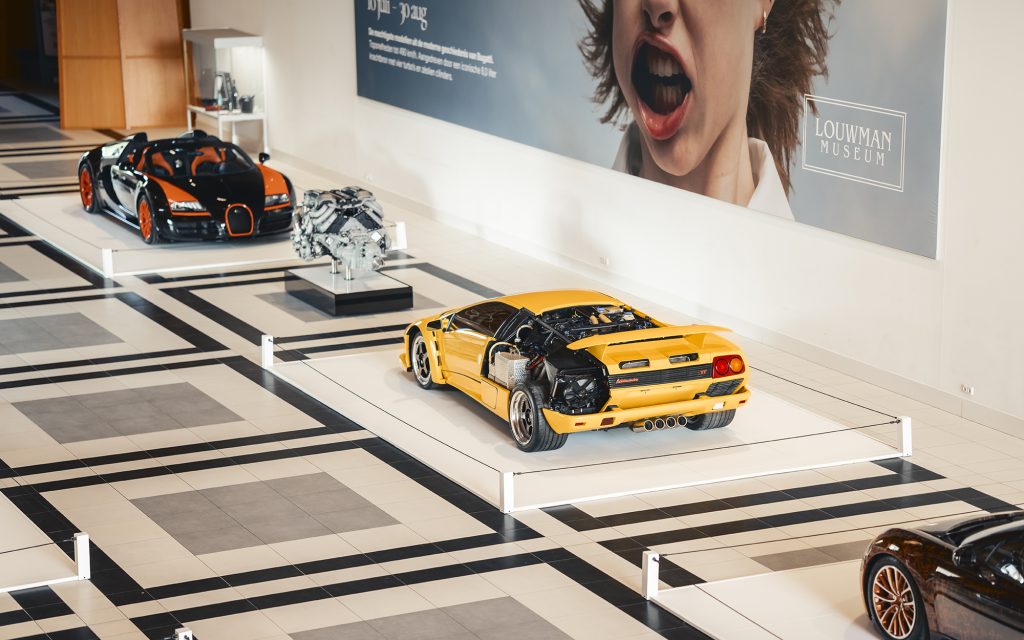
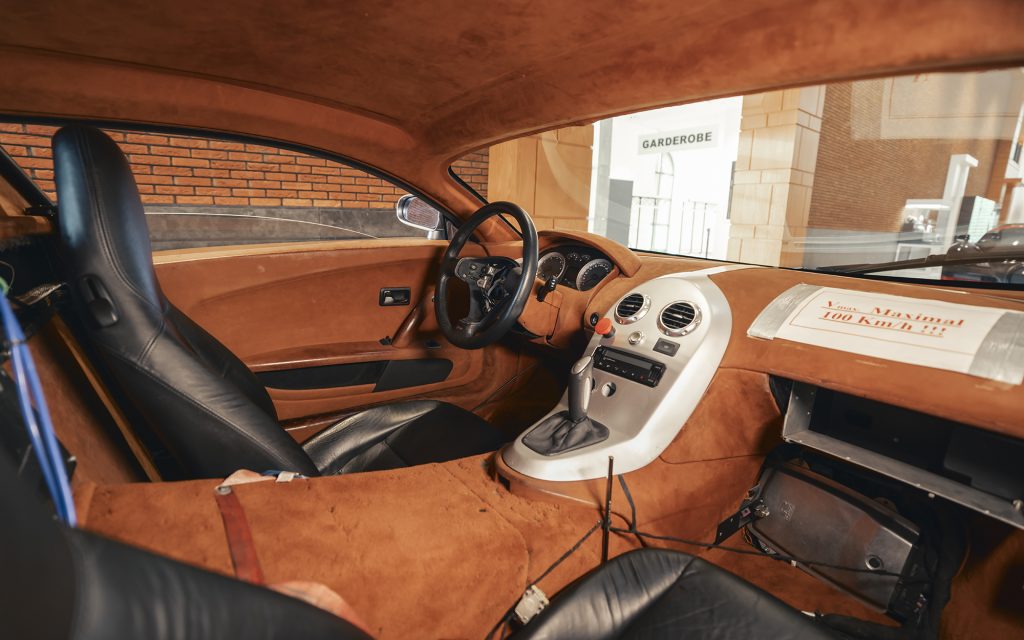
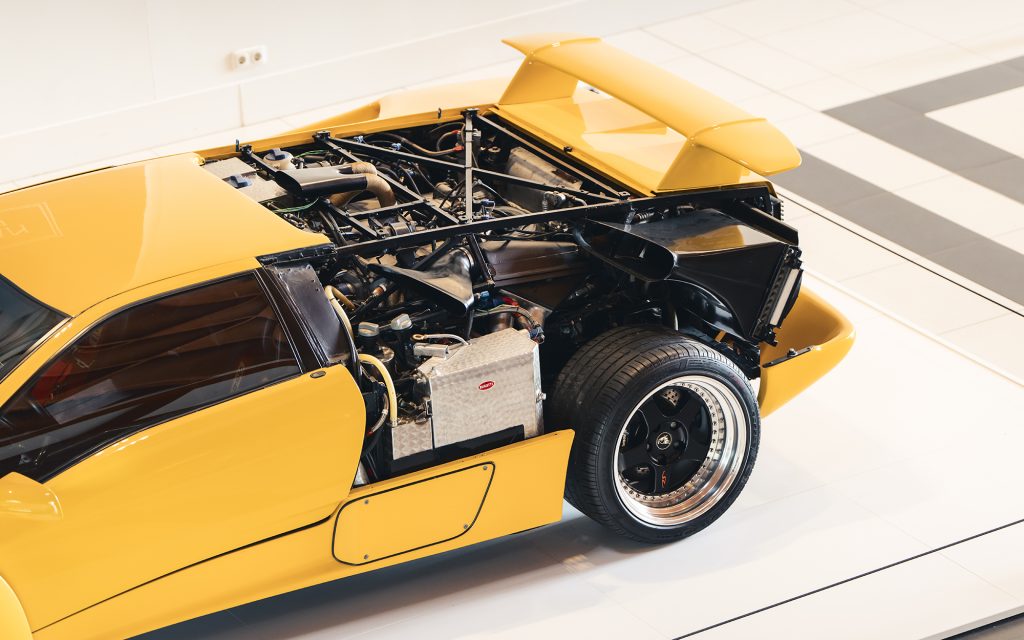
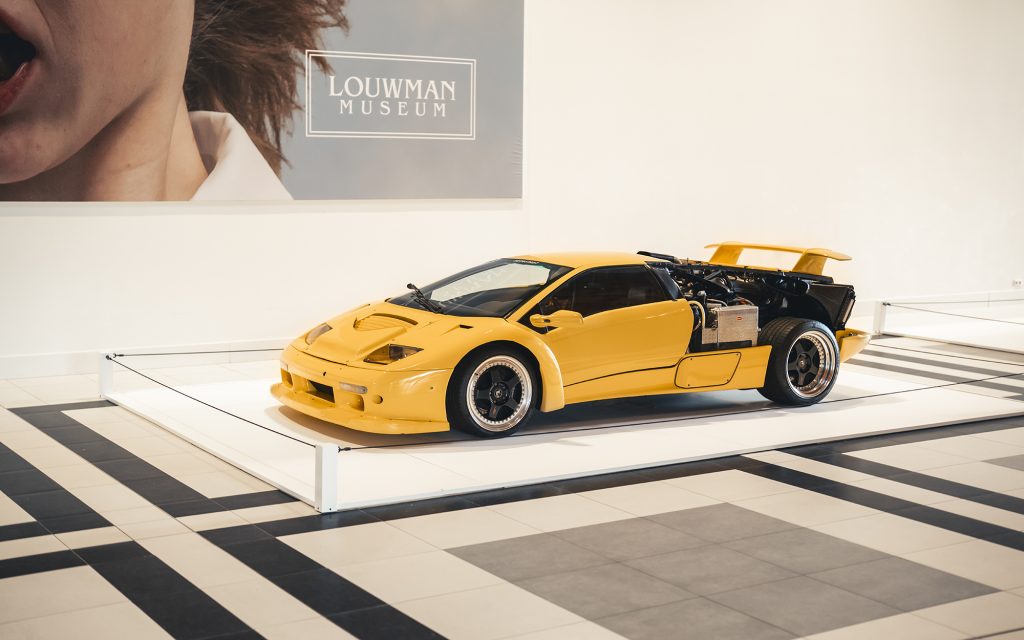
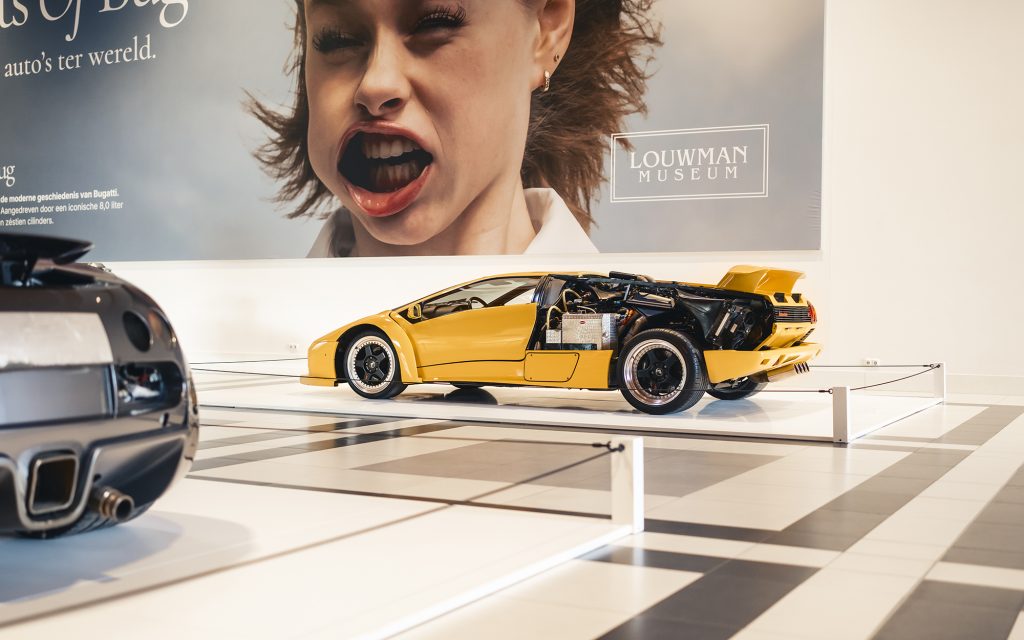
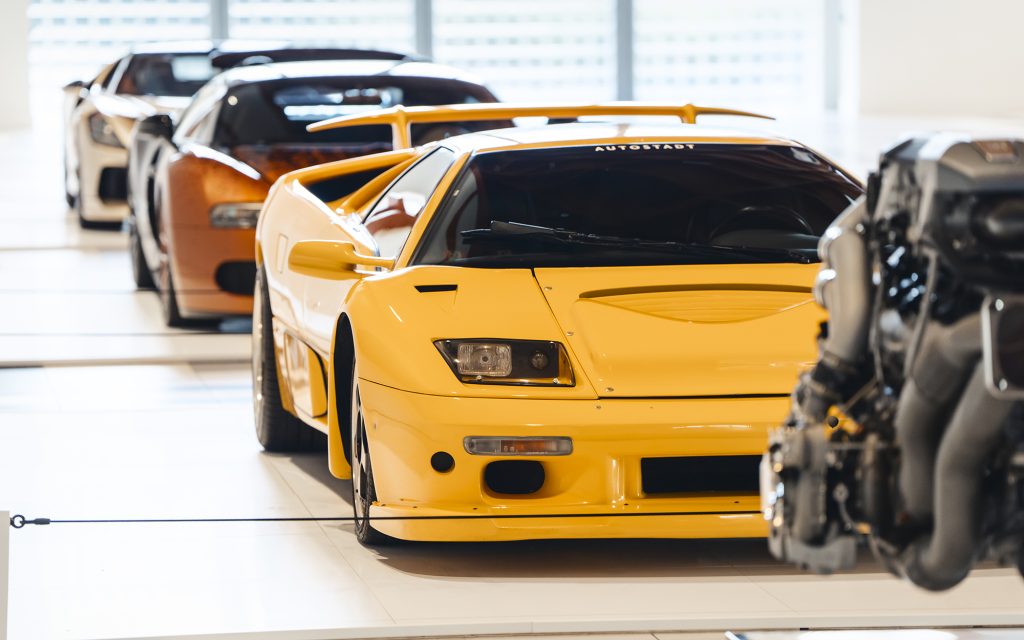
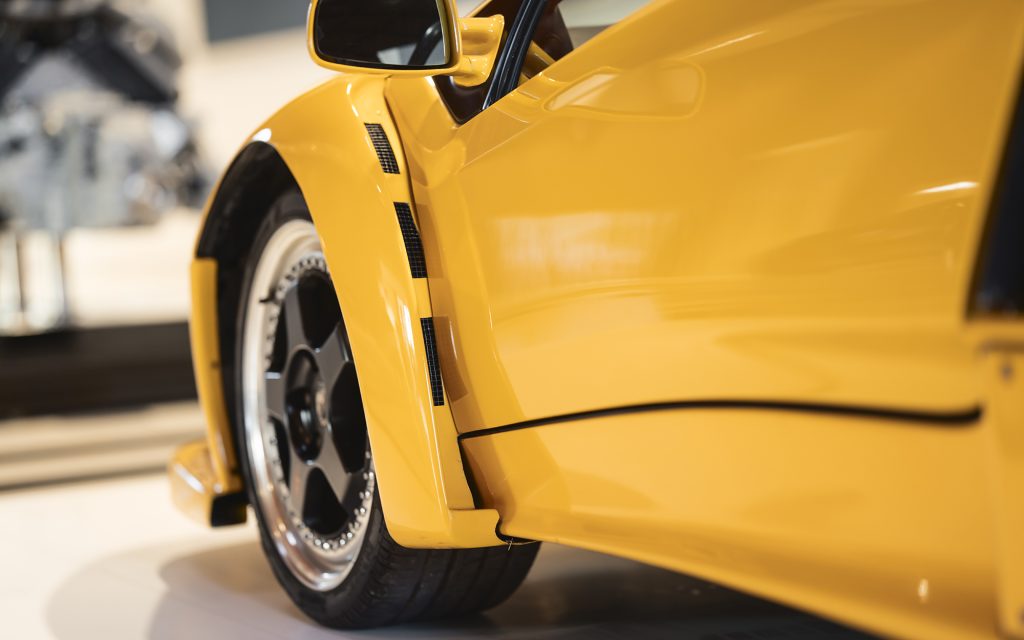
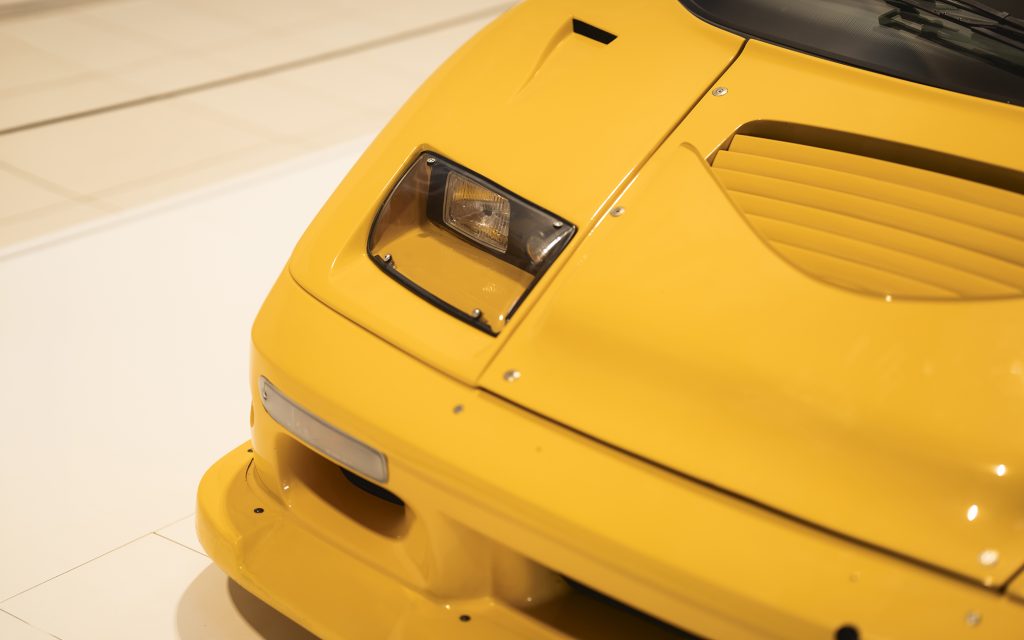
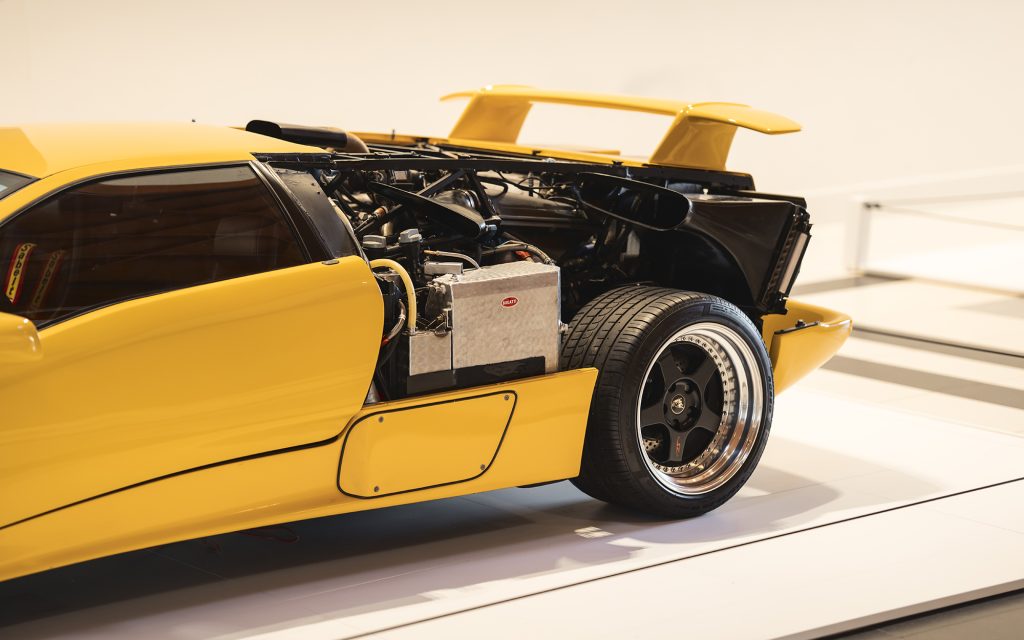
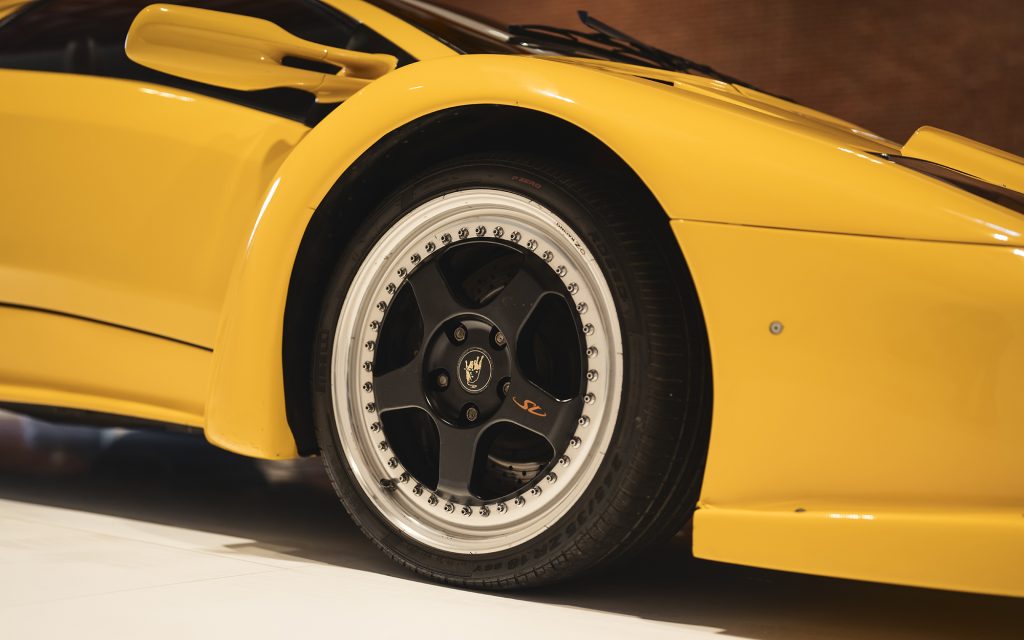
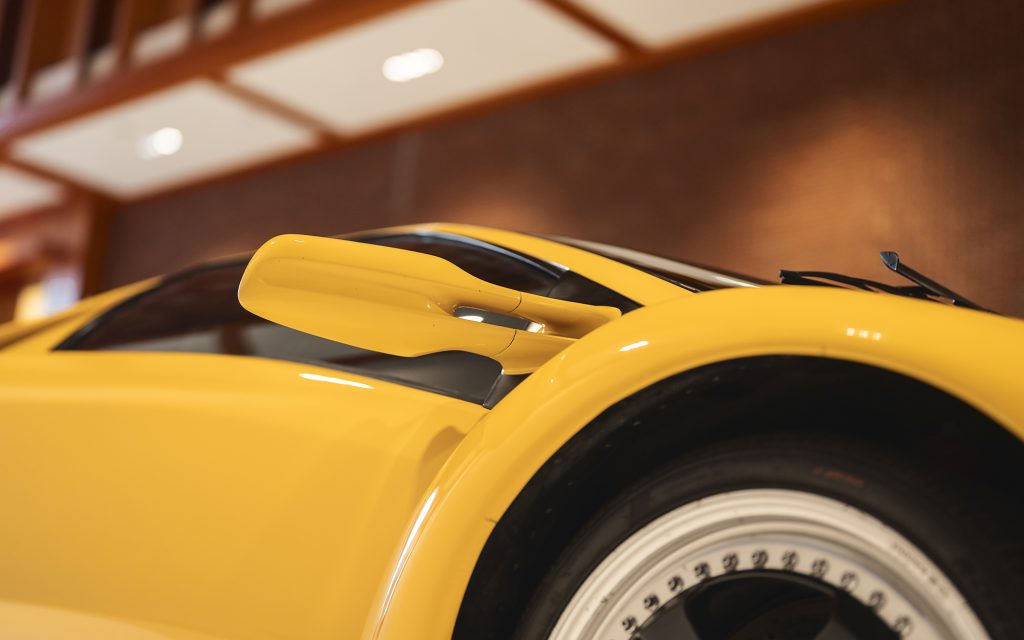
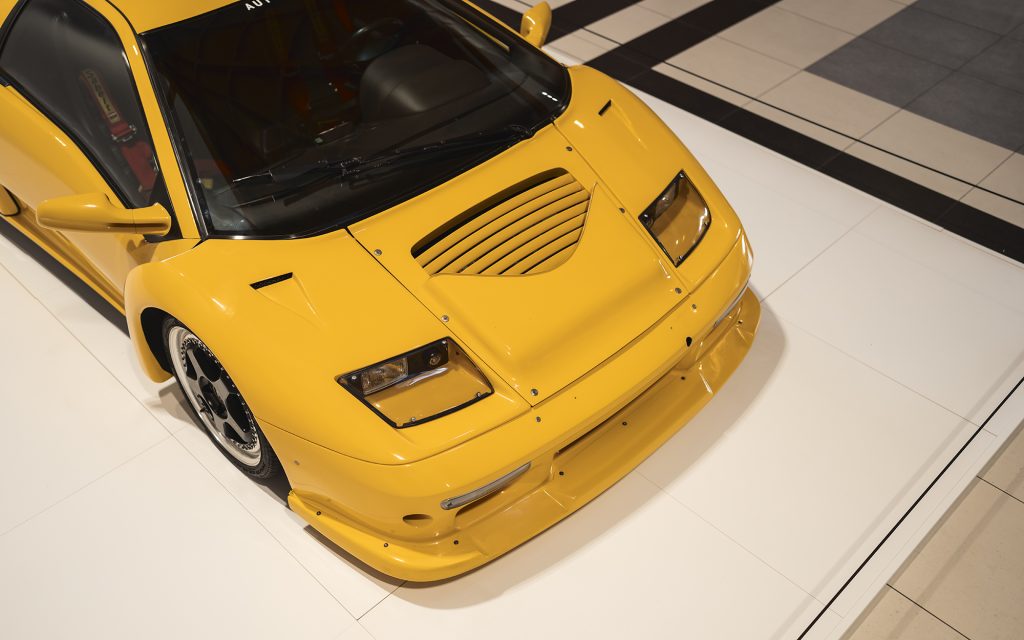
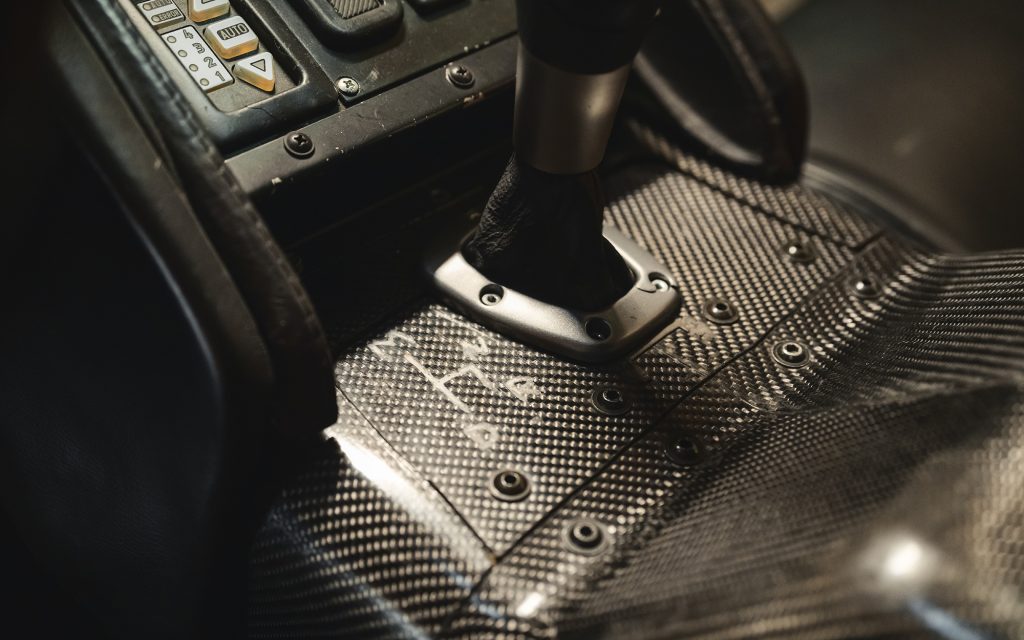
Lamborghini Diablo W16 Development Mule
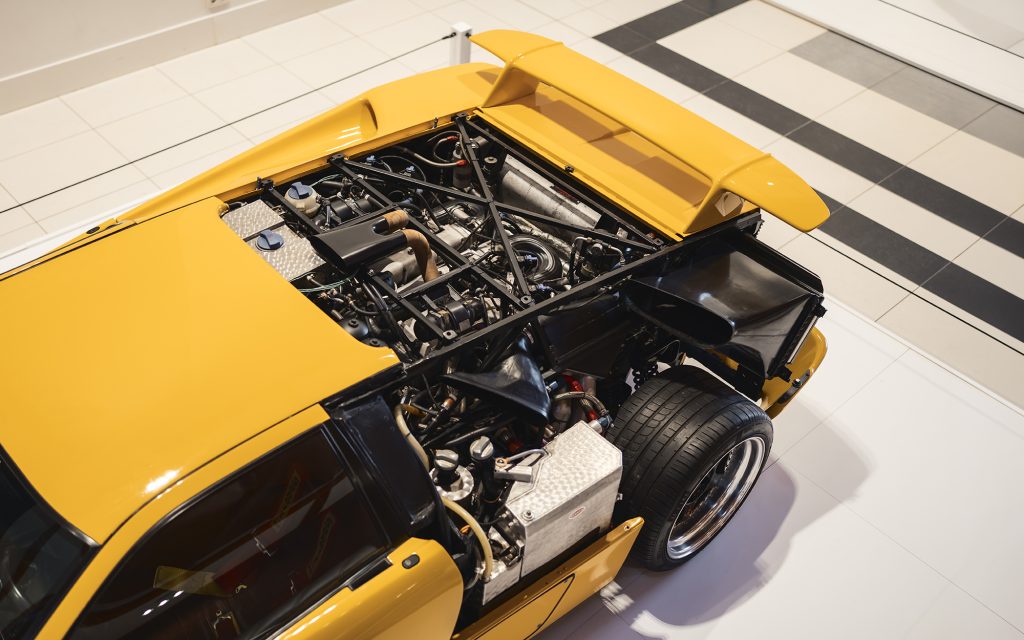
Before Bugatti had a Veyron, it had an engine. Developing the W16 meant engineers needed a car in which to install and test it, and Volkswagen Group already owned another manufacturer with a suitable mid-engined platform: Lamborghini.
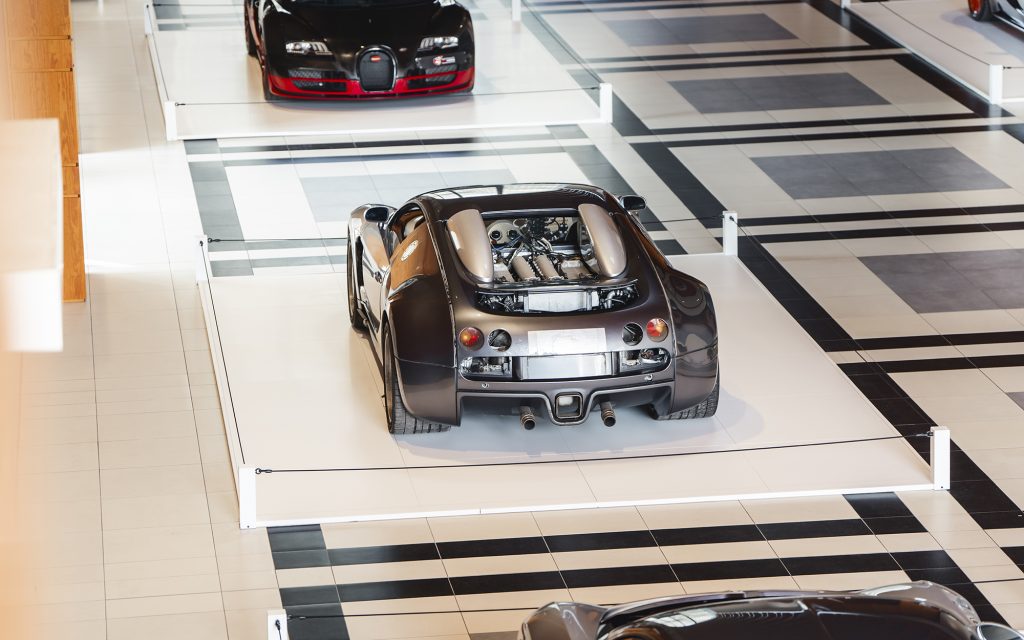
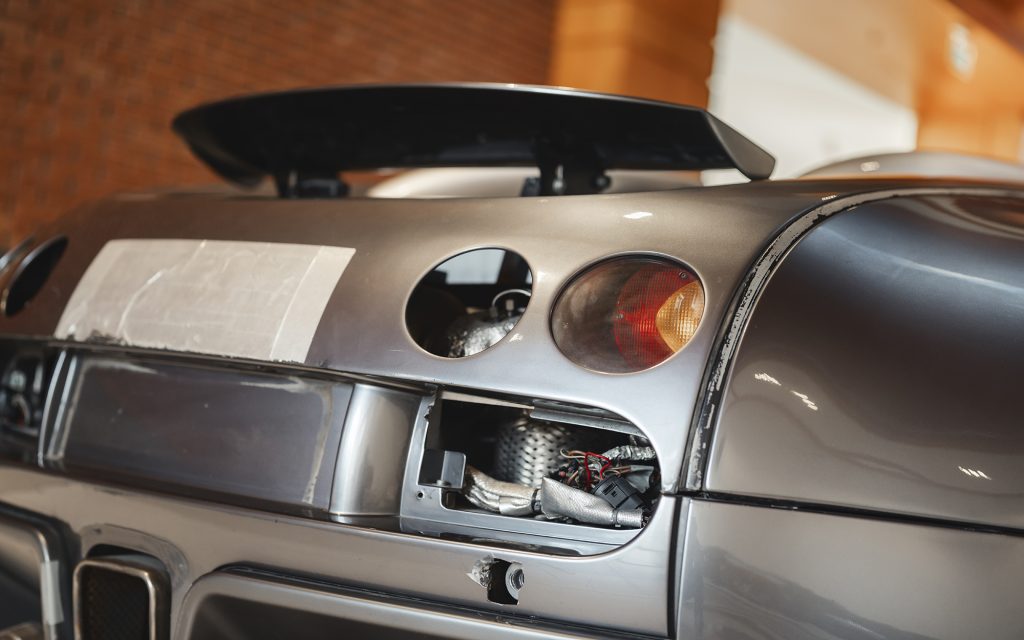
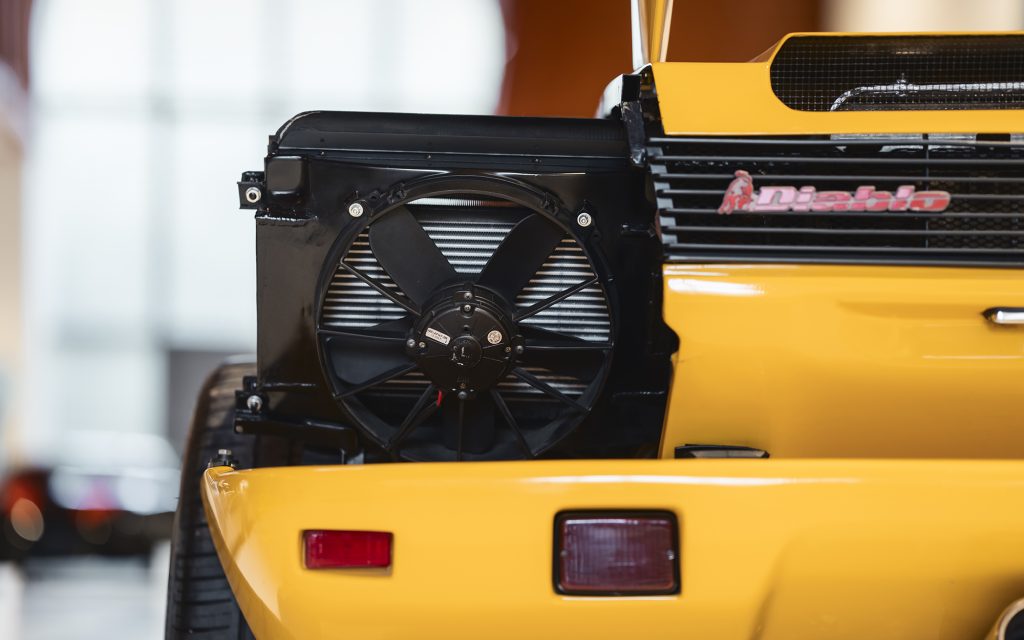
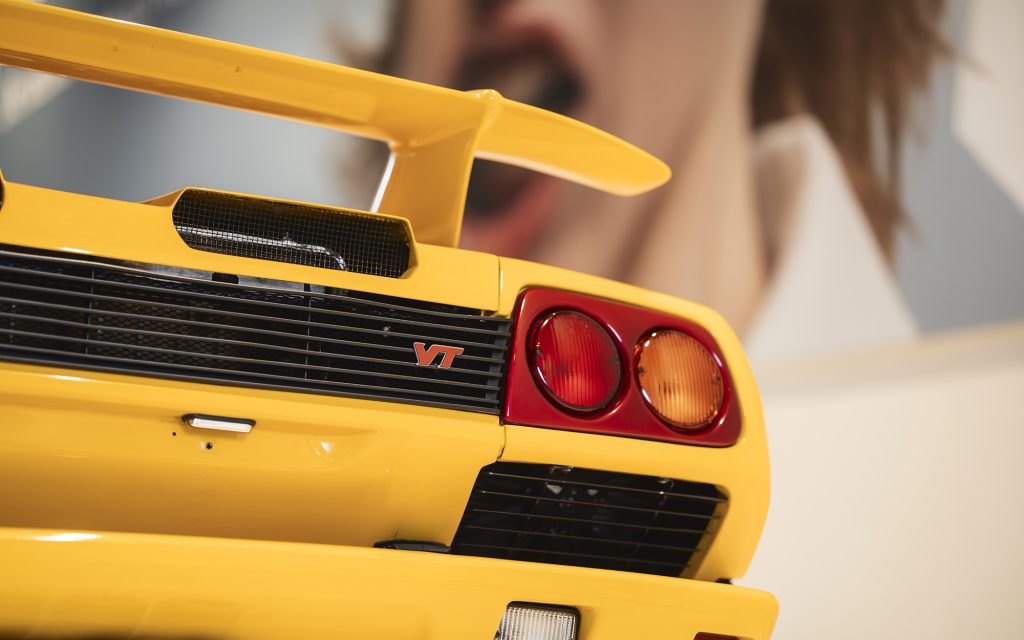
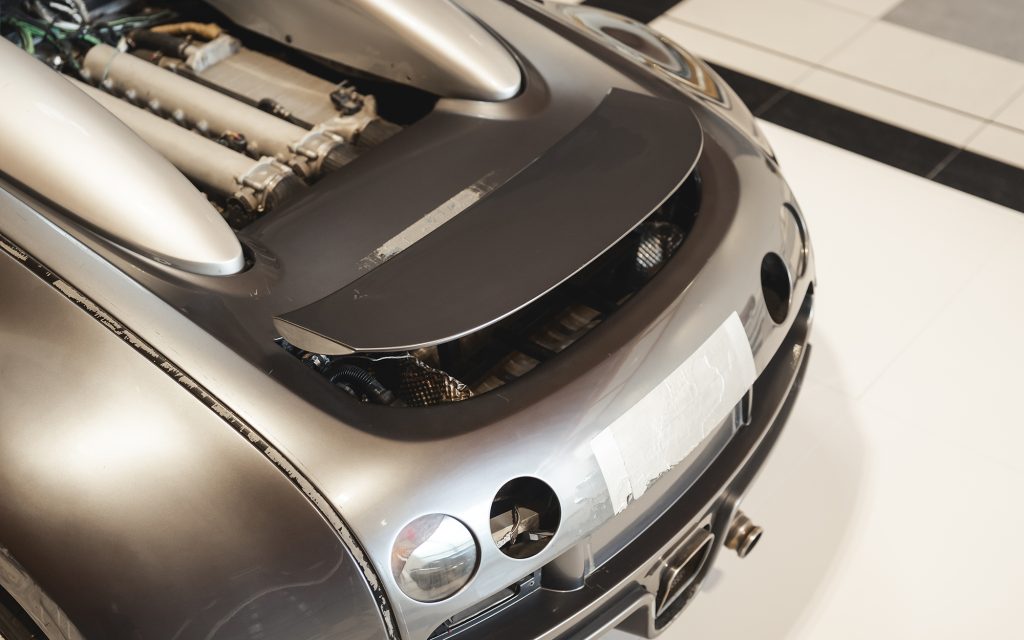
The resulting Diablo W16 development mule looks broadly like the Lamborghini flagship it started as, but the details reveal its very different purpose. The W16 was installed amidships, the rear bodywork was raised to accommodate the new hardware and the left rear light was removed to provide space for additional cooling.
It was a functional engineering solution to a simple problem: Bugatti needed to develop its new engine before the car intended to use it existed.
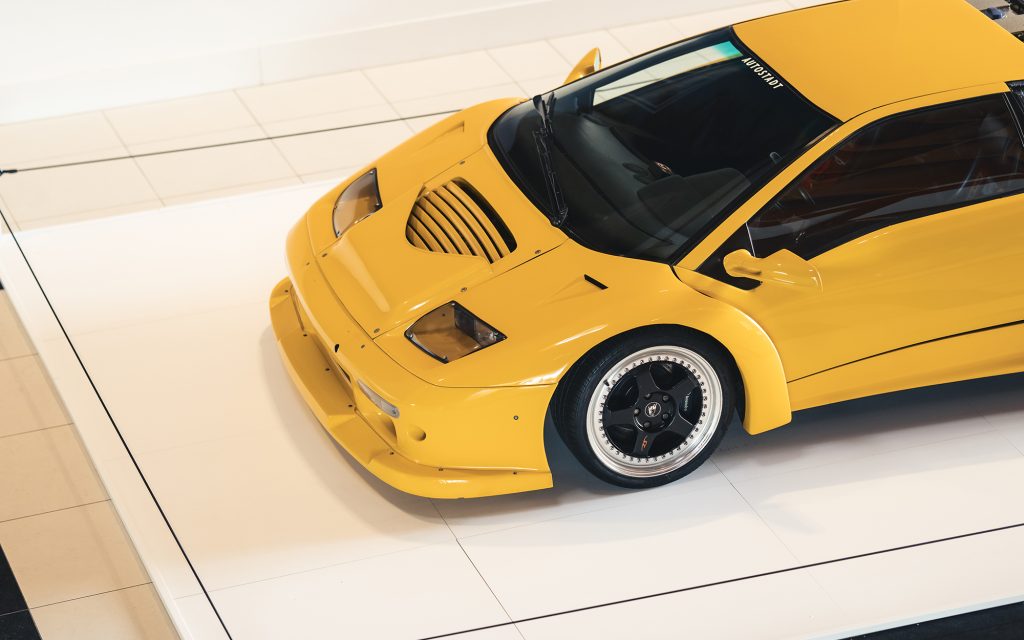
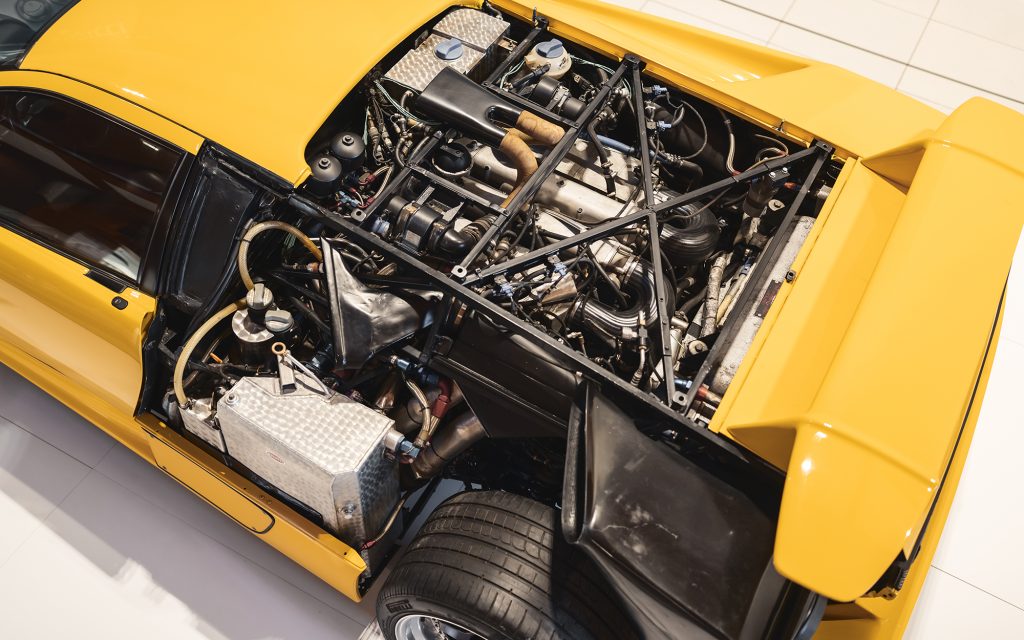
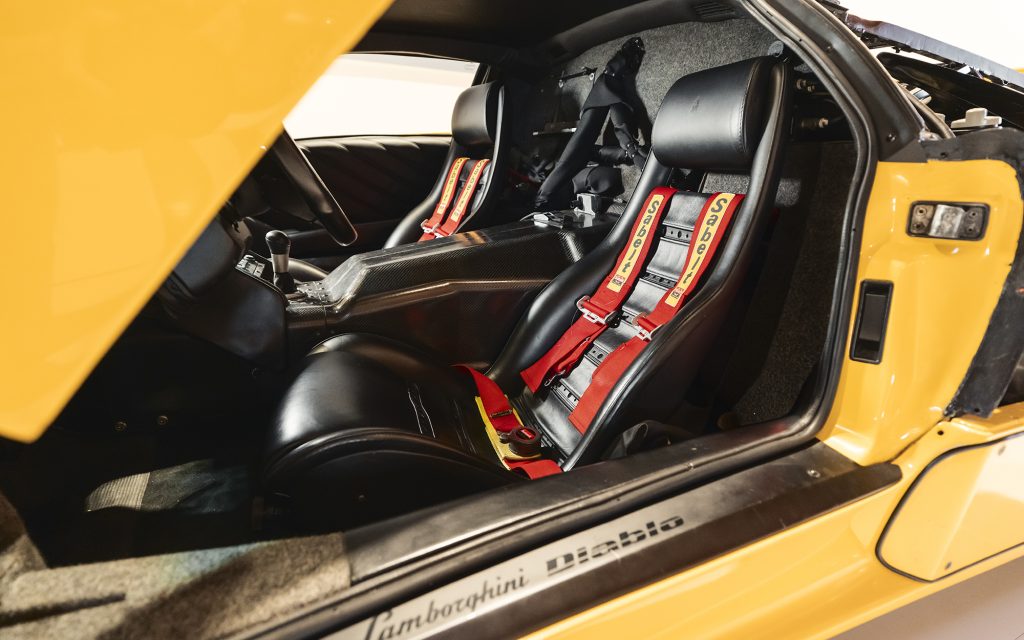
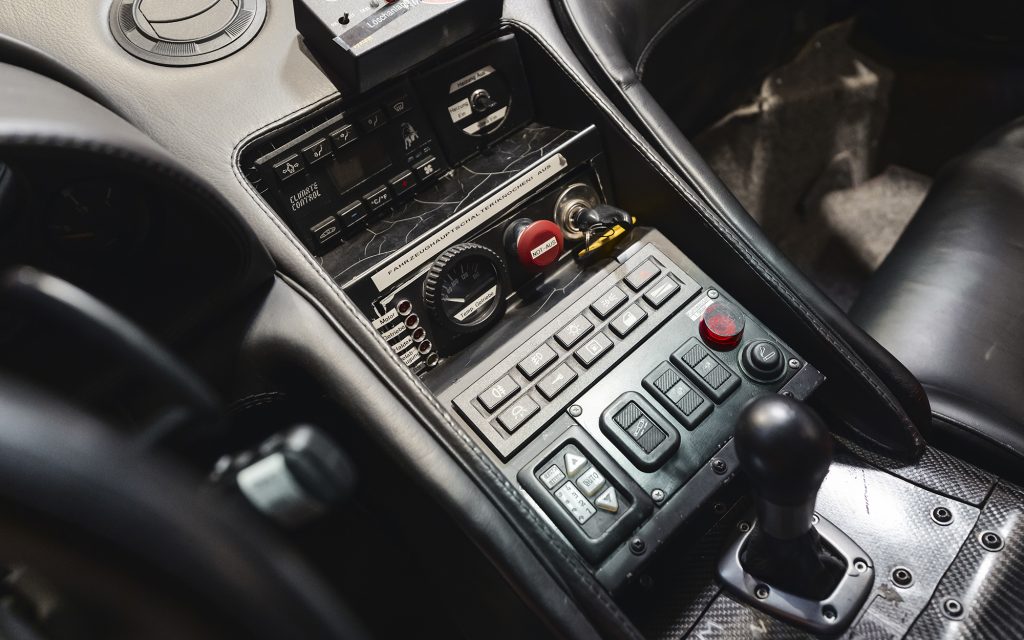
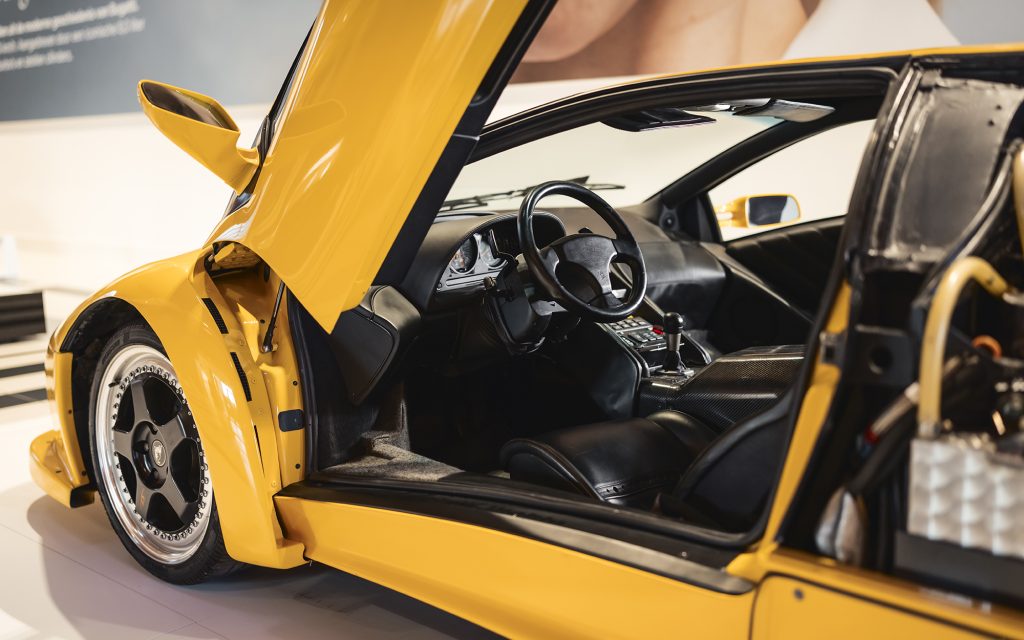
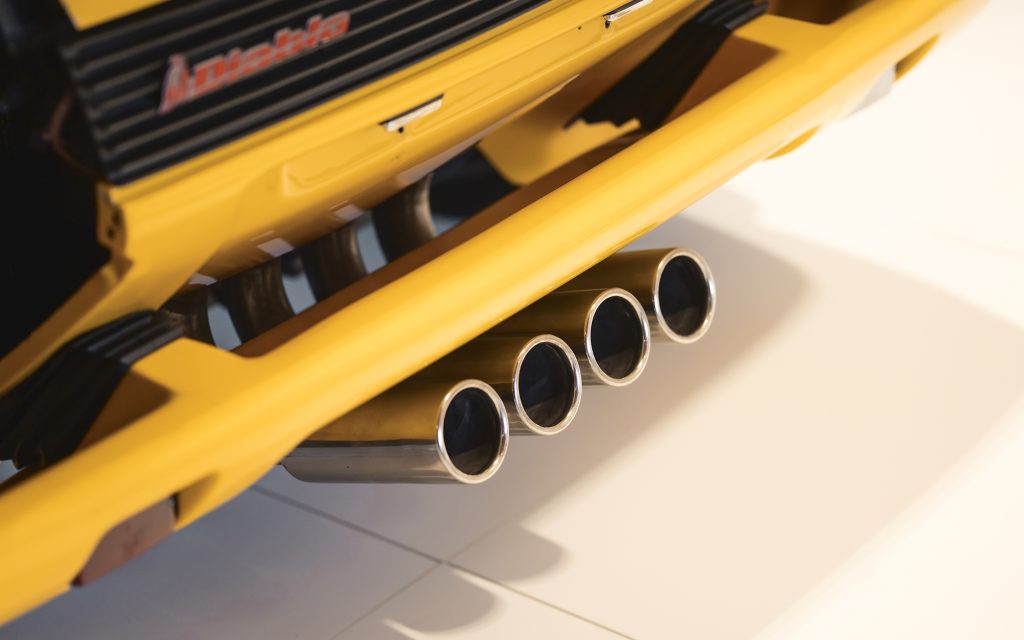
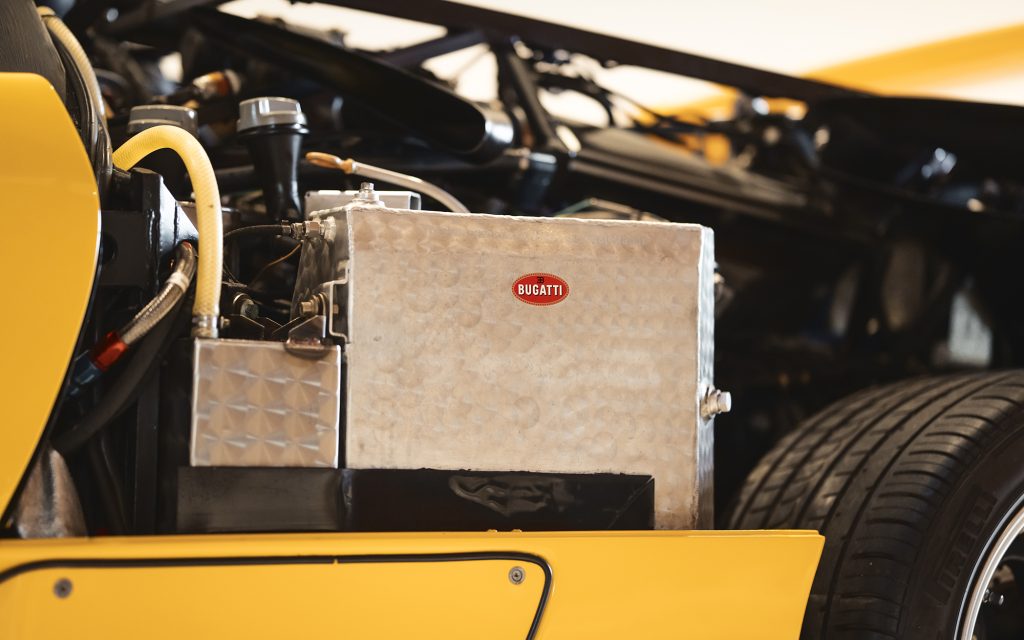
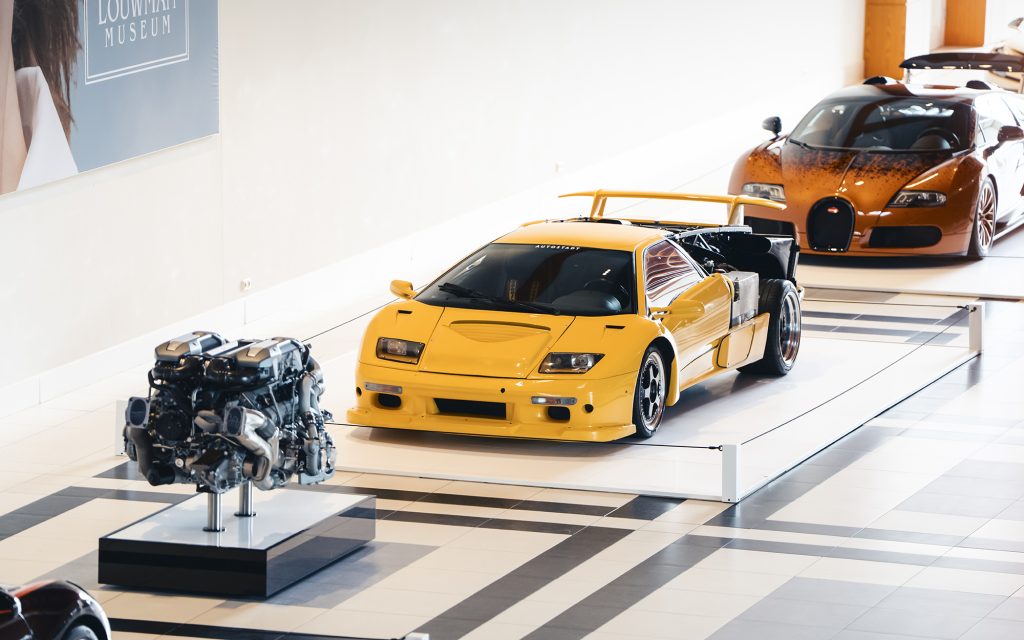
The Diablo’s relationship to the Veyron project went further. Early Veyron design studio models were also reportedly created using the Diablo as their foundation.
The development mule subsequently disappeared from public view, retained by Bugatti Engineering for years before recently emerging. Its survival makes it an unusual artifact from the creation of the modern Bugatti brand and arguably one of the most historically important cars in the Louwman display.
Bugatti Veyron Prototype I
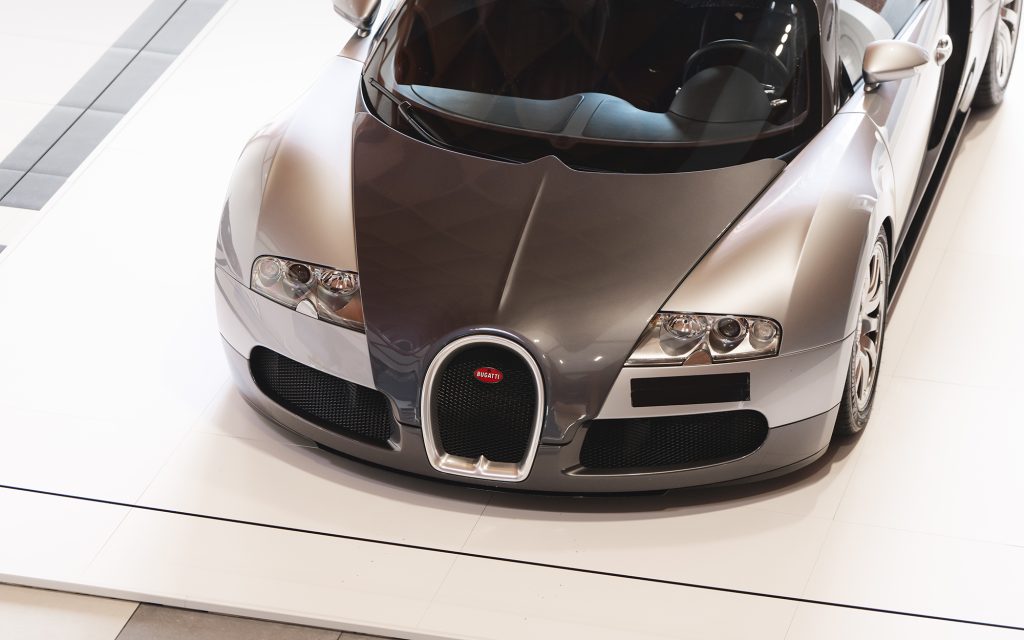
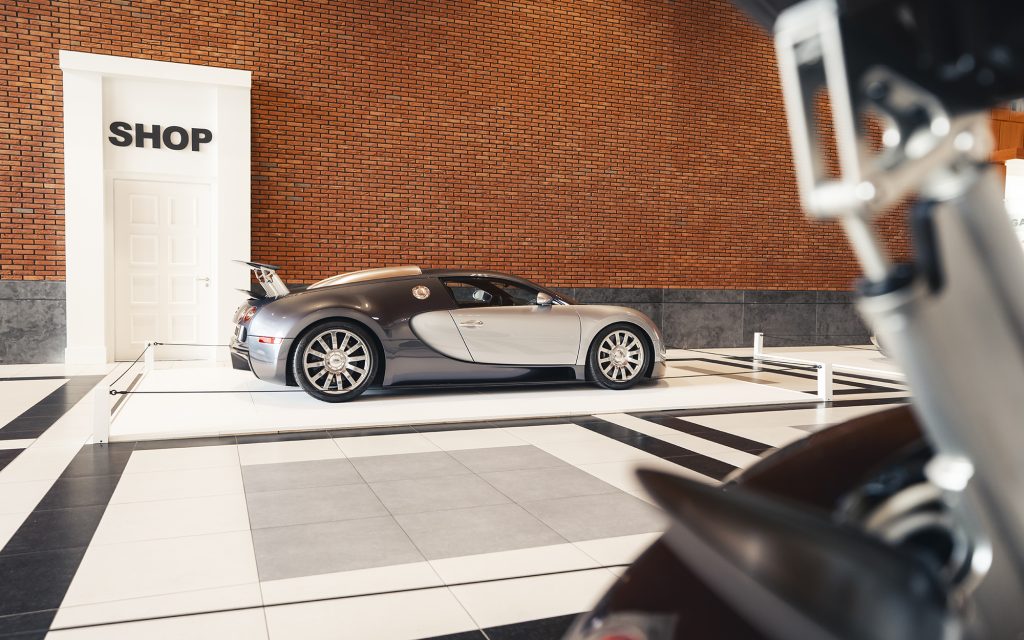
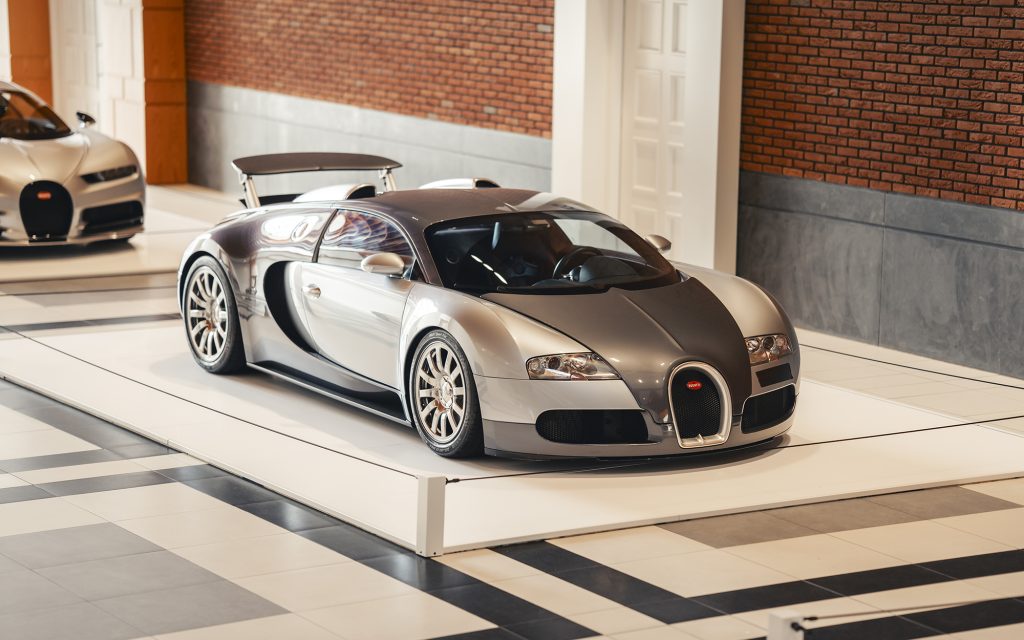
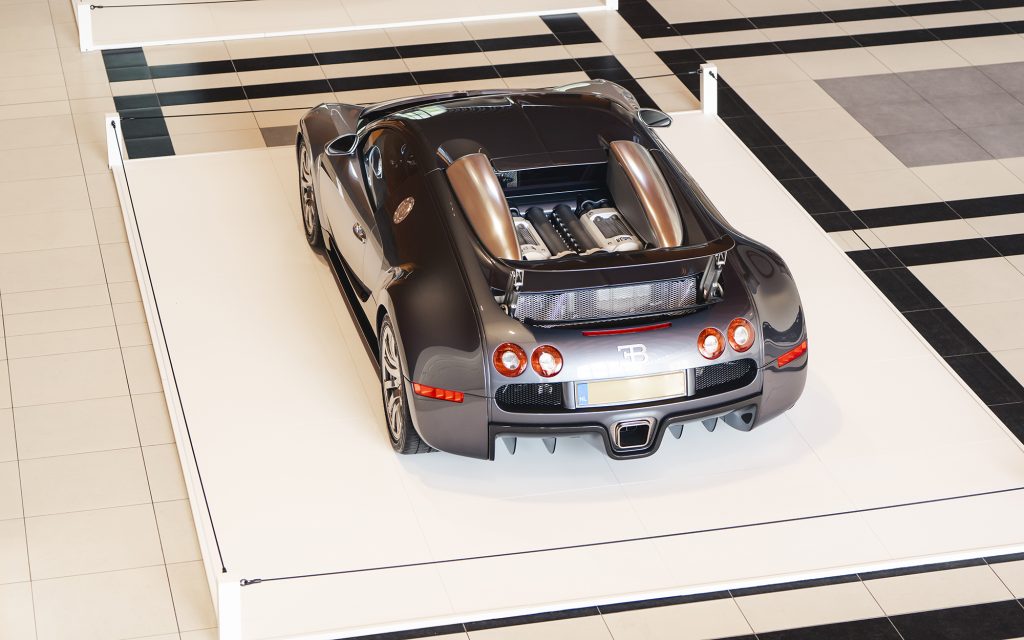
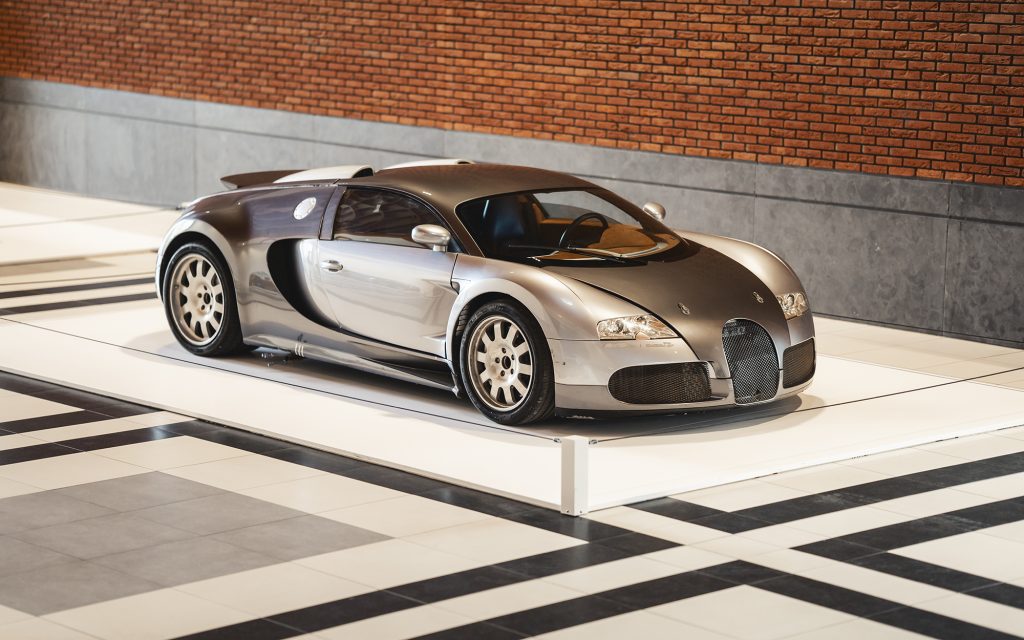
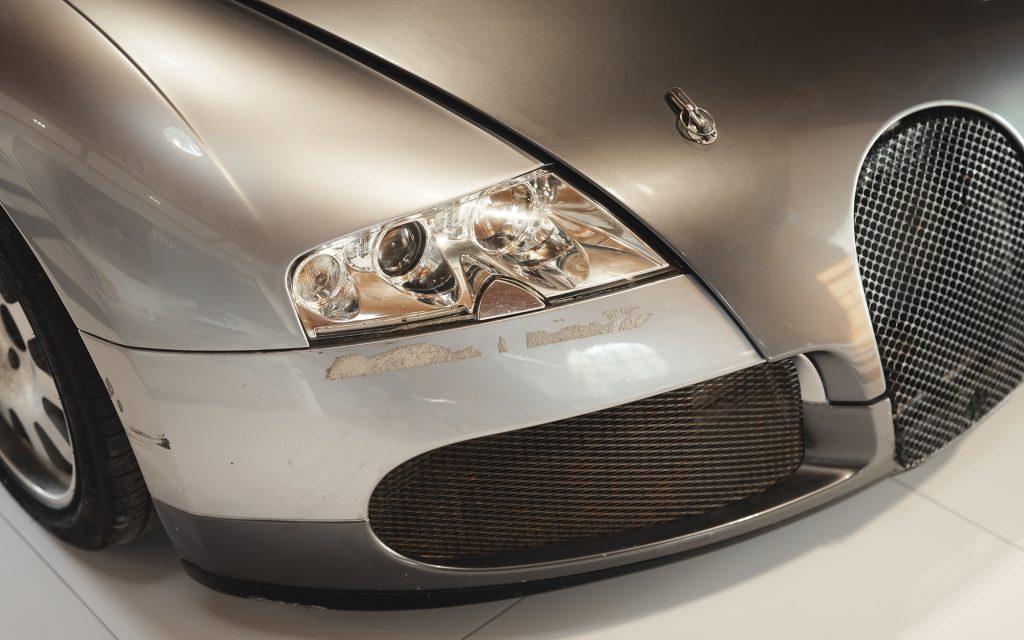
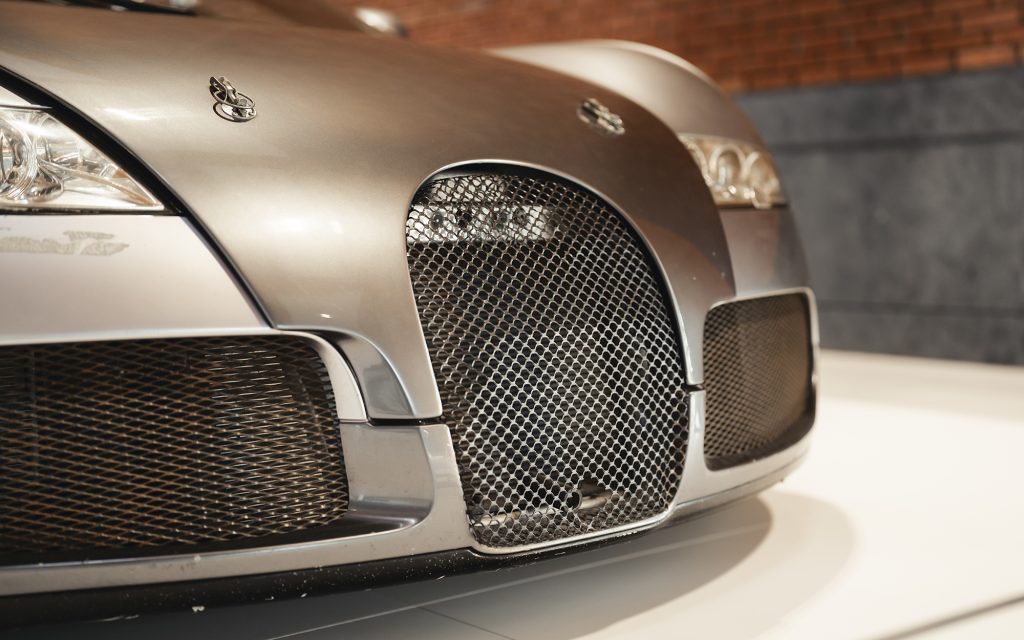
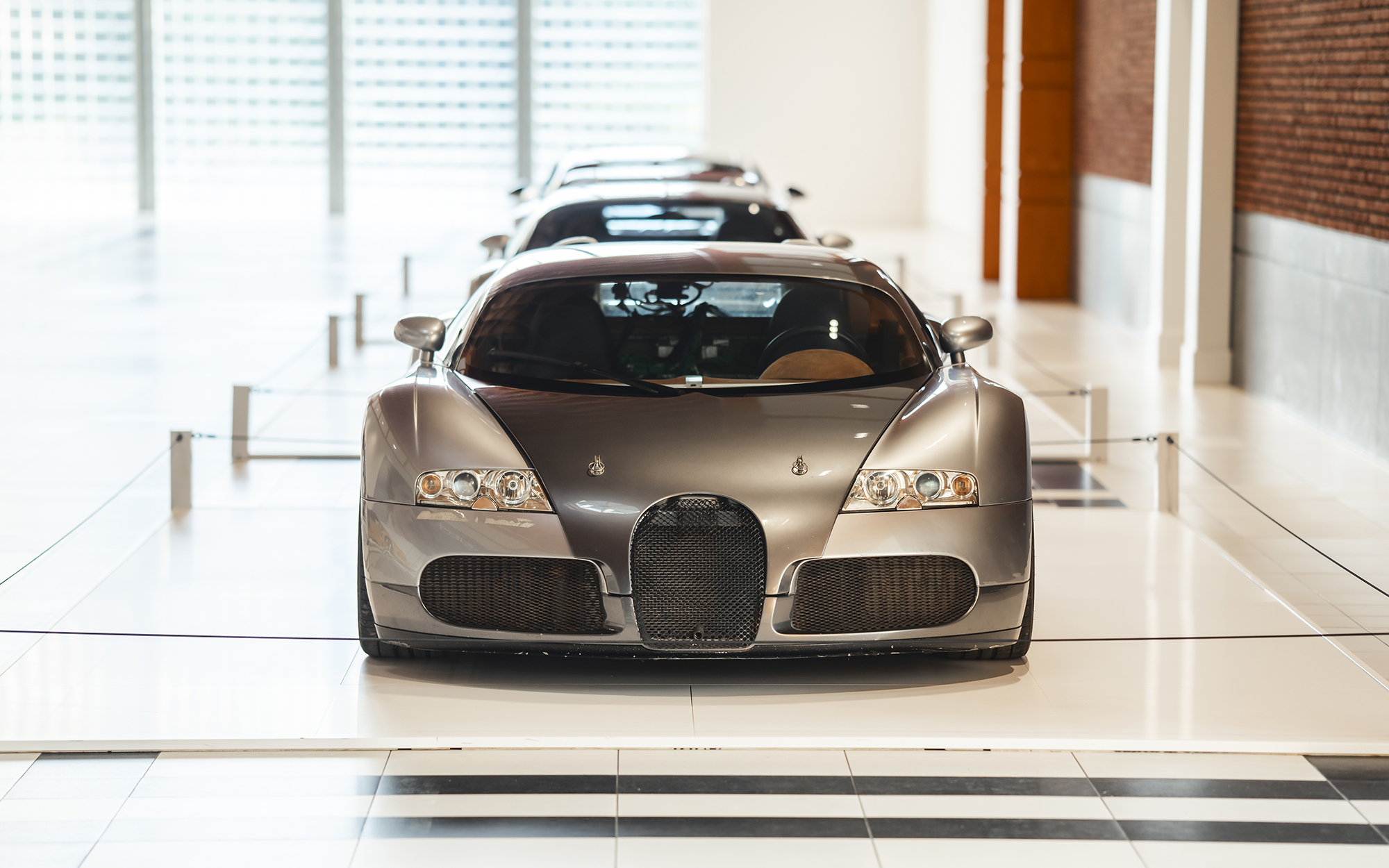
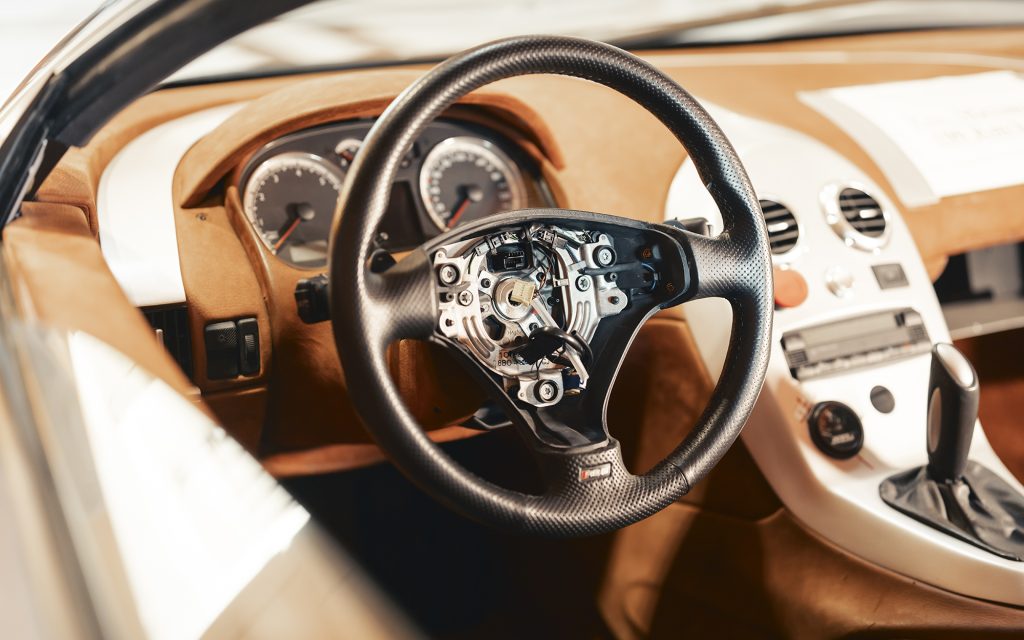
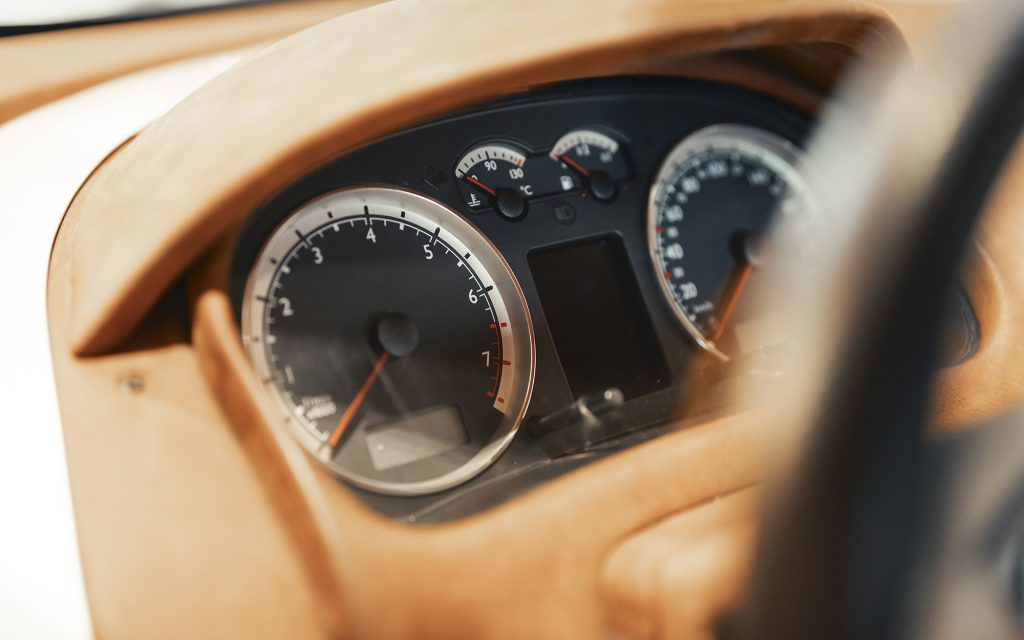
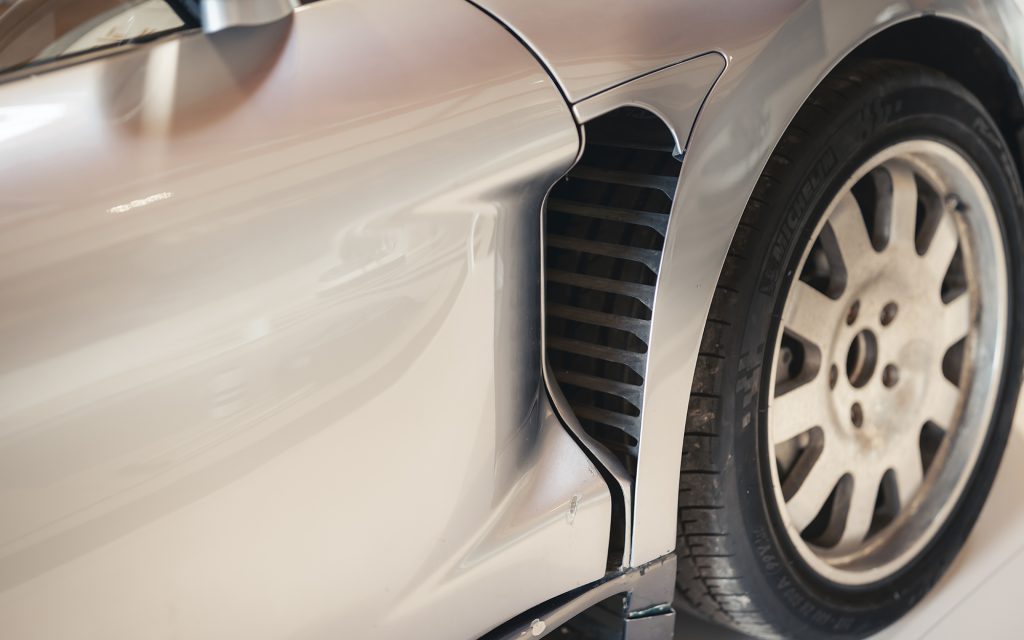
Sitting logically alongside the Diablo is Veyron Prototype I, described by the museum as the first and oldest Bugatti Veyron 16.4 and the first Veyron-bodied prototype to package the W16.
It captures the Veyron at a point when the basic idea existed but the engineering solution was far from complete. The bodywork differs from the eventual production car, including its treatment of the area behind the front wheels. Those differences weren’t merely stylistic. Early testing revealed cooling and performance problems that required continued development of both the mechanical package and the body surrounding it.
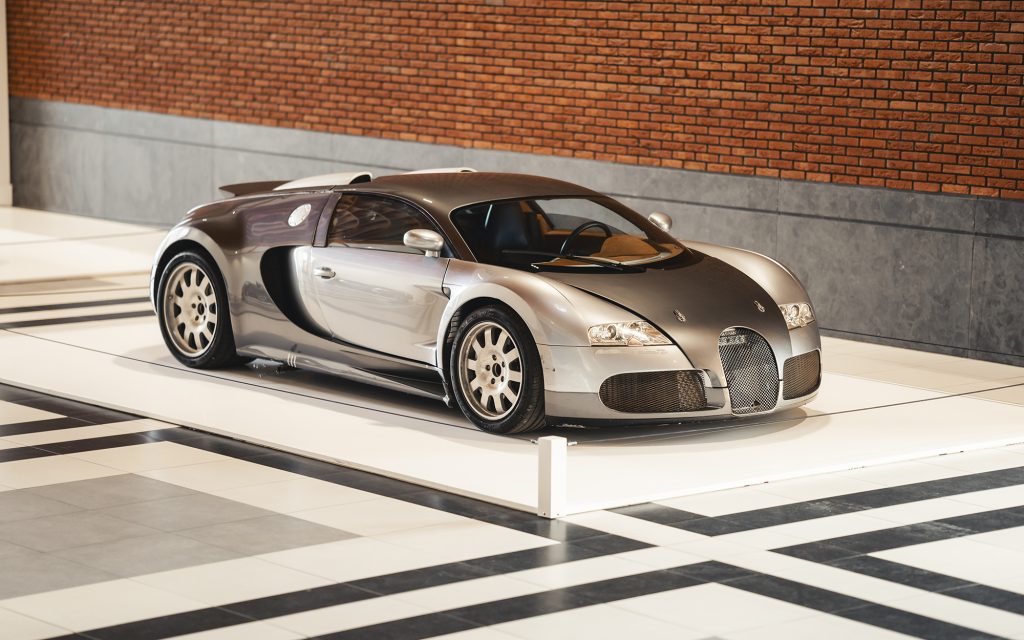
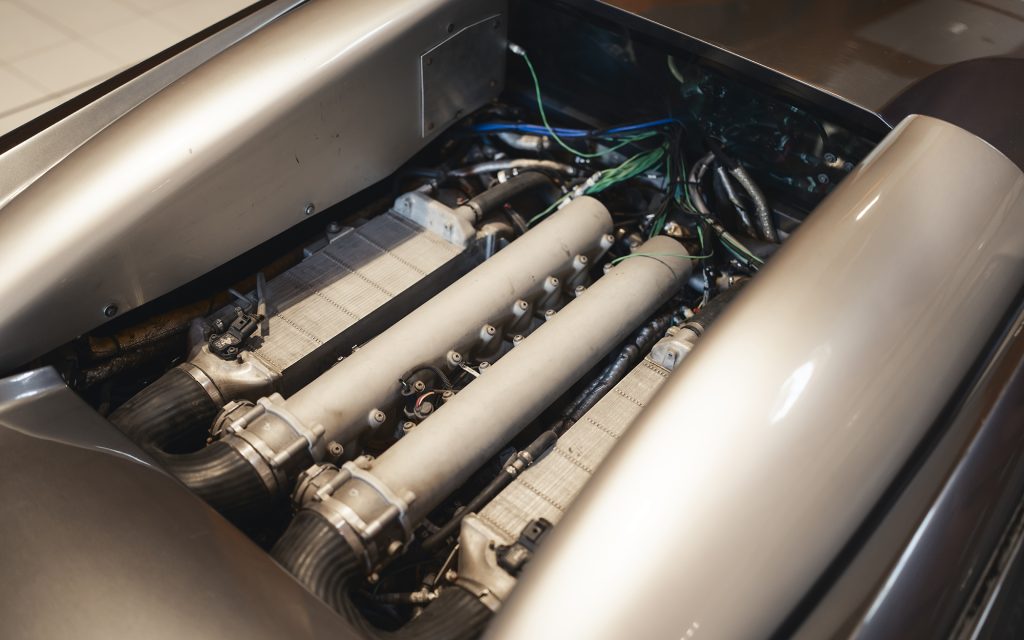
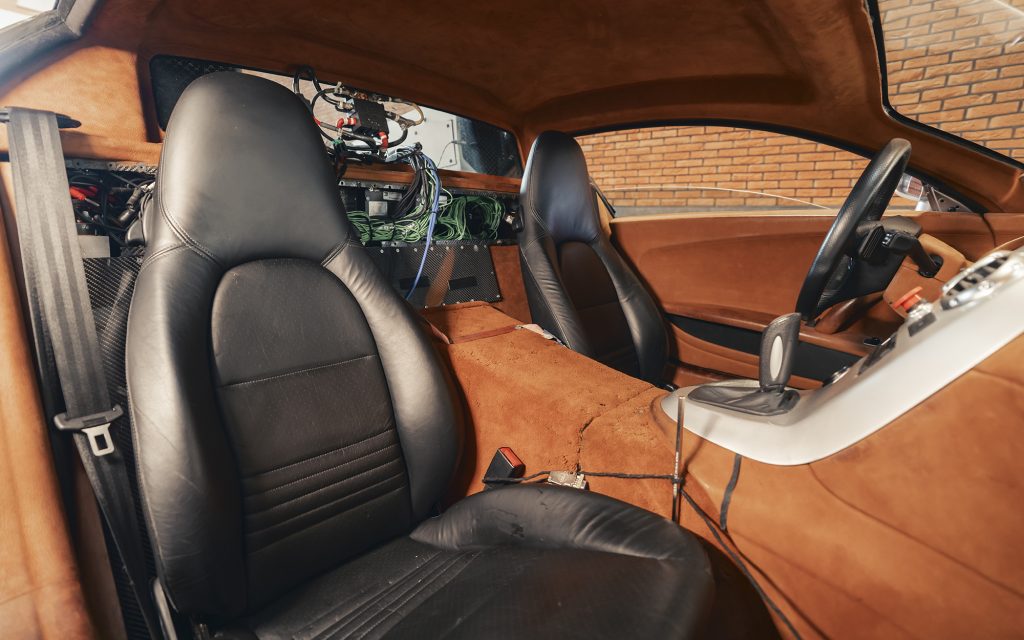
Modified prototypes began further testing roughly two years later. Another two years passed before Veyron production finally began in 2005.
Seen with the Diablo, Prototype I effectively documents the handoff between two phases of the project. The Lamborghini was an improvised container for developing the W16; Prototype I was the beginning of turning that powertrain into the car Ferdinand Piëch had envisioned.
Bugatti Veyron Grand Sport Bernar Venet
At the opposite end of the development process is a Veyron whose significance comes from what was done after Bugatti had perfected the basic car.
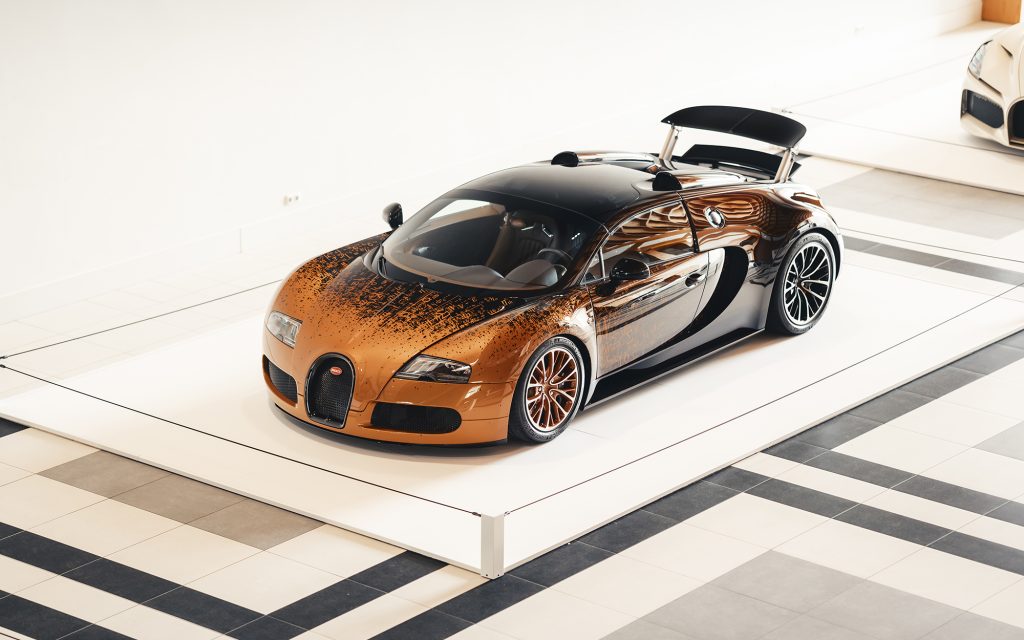
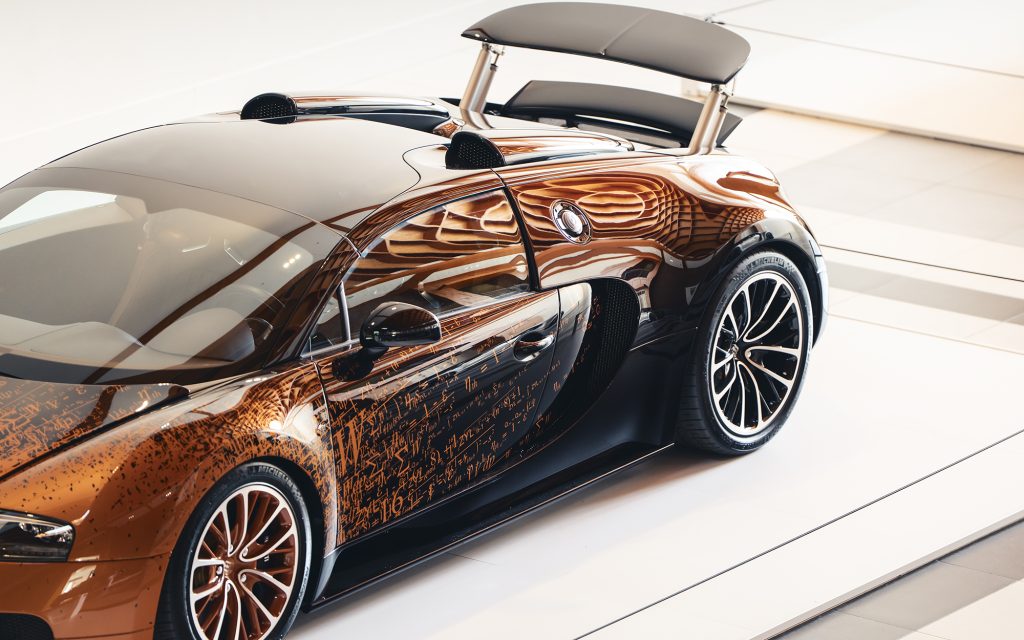
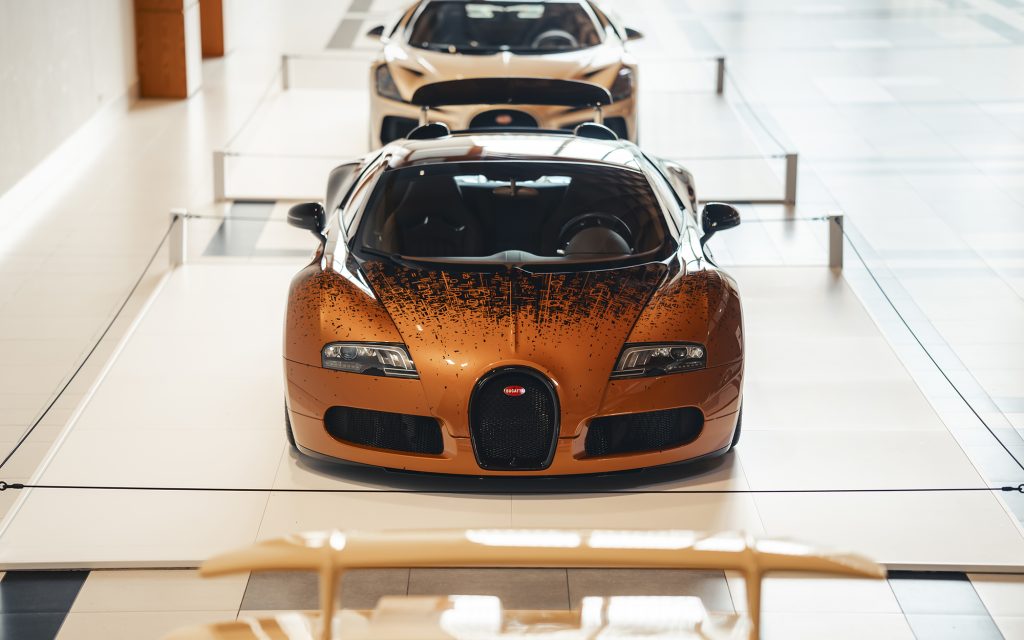
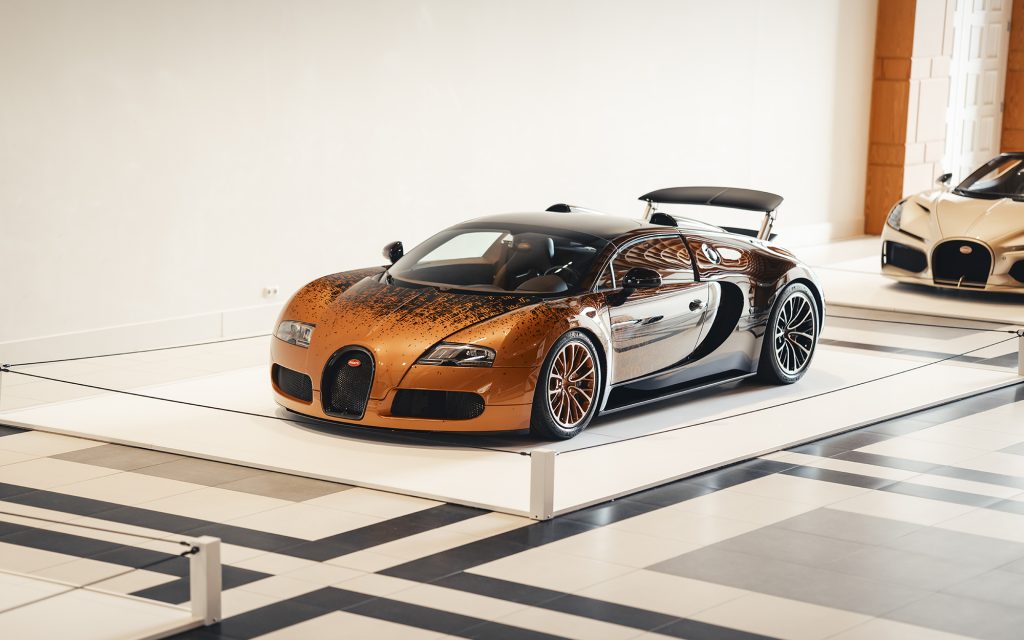
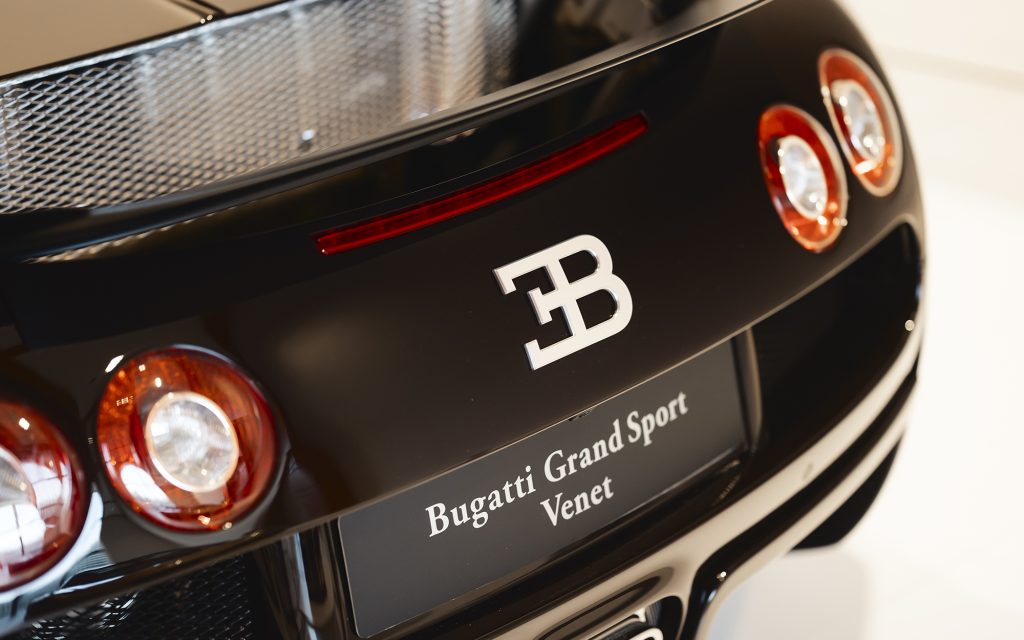
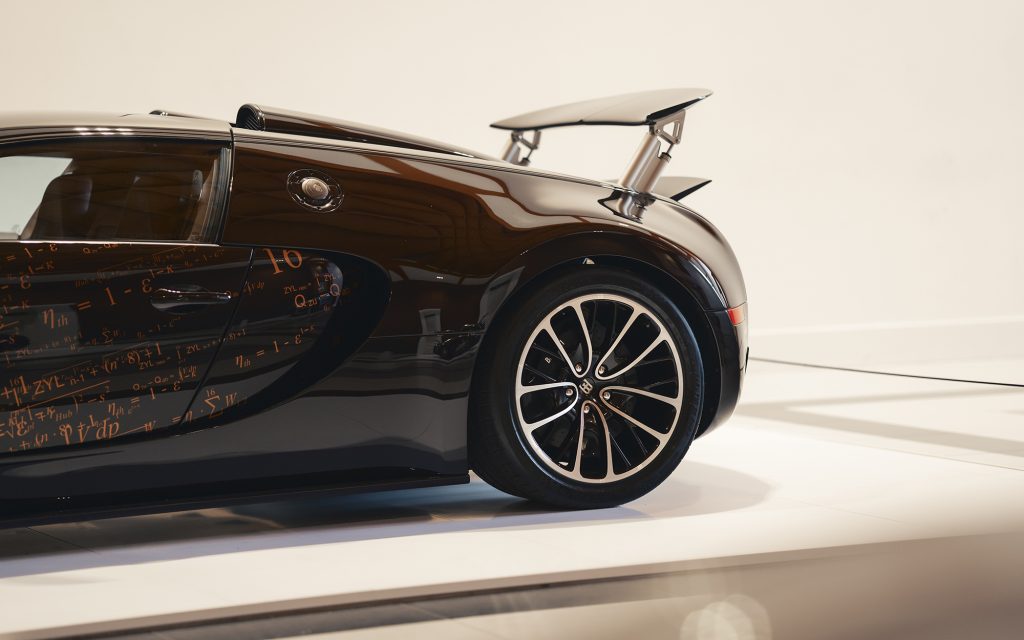
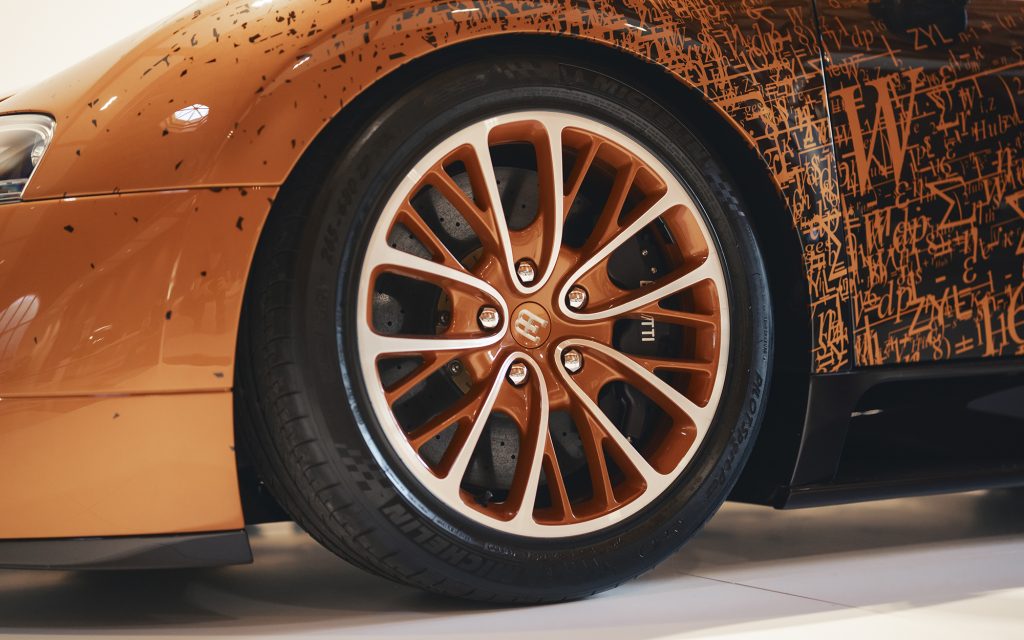
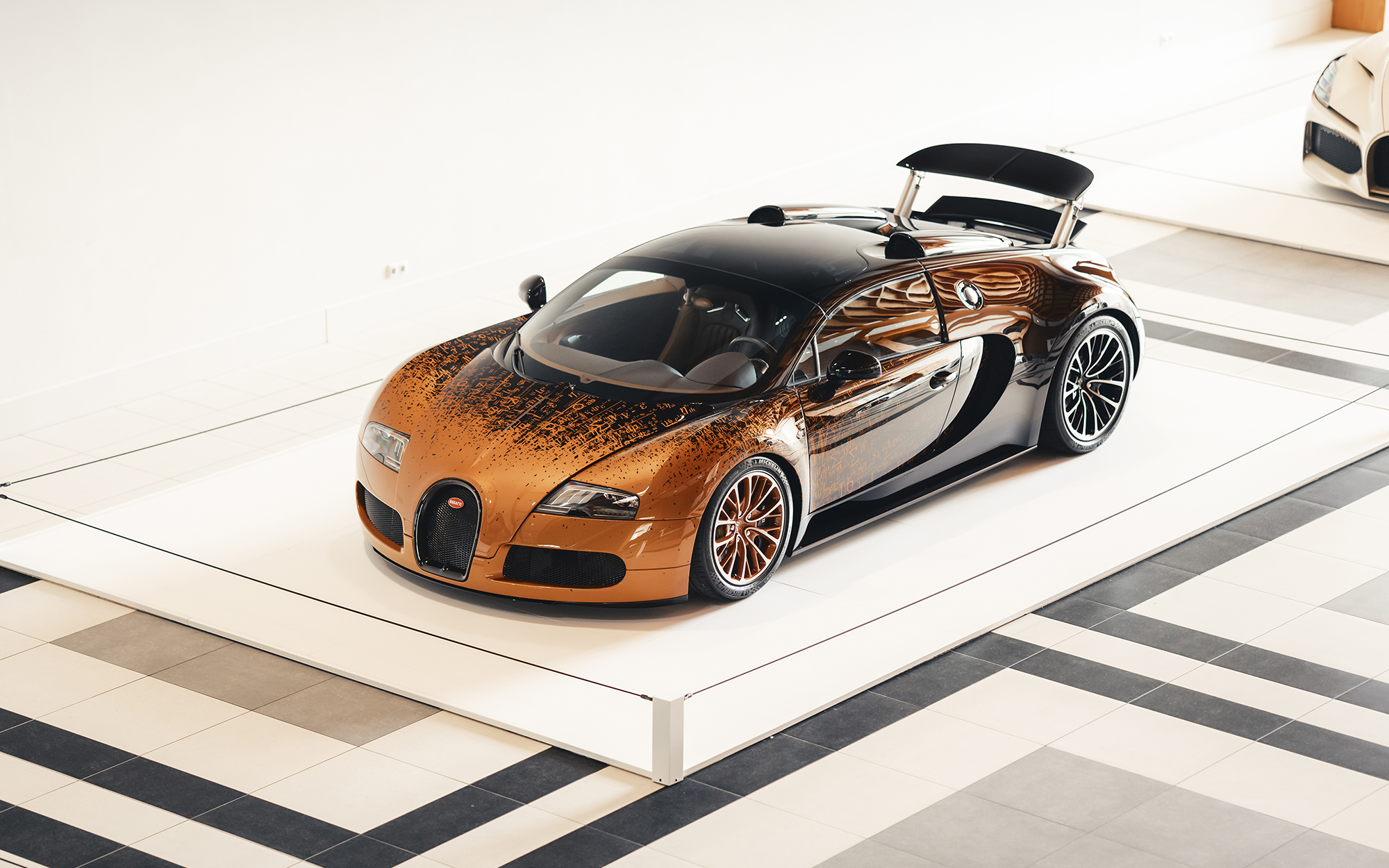
The Veyron Grand Sport Bernar Venet was a one-off collaboration with French conceptual artist Bernar Venet. Rather than approaching the Veyron simply as a surface on which to apply artwork, Venet used the engineering behind the car as the artwork itself.
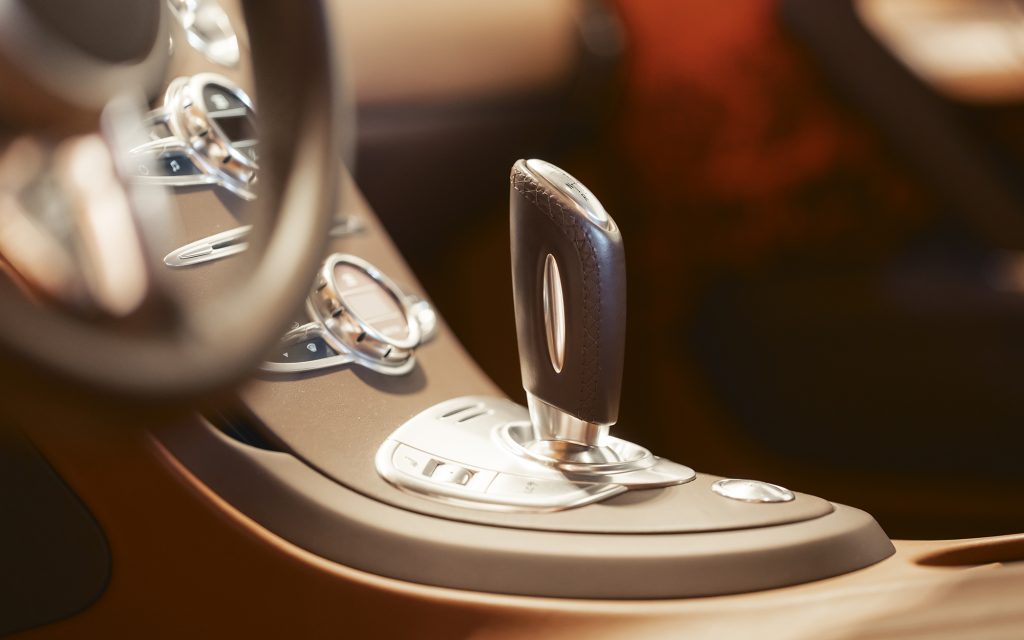
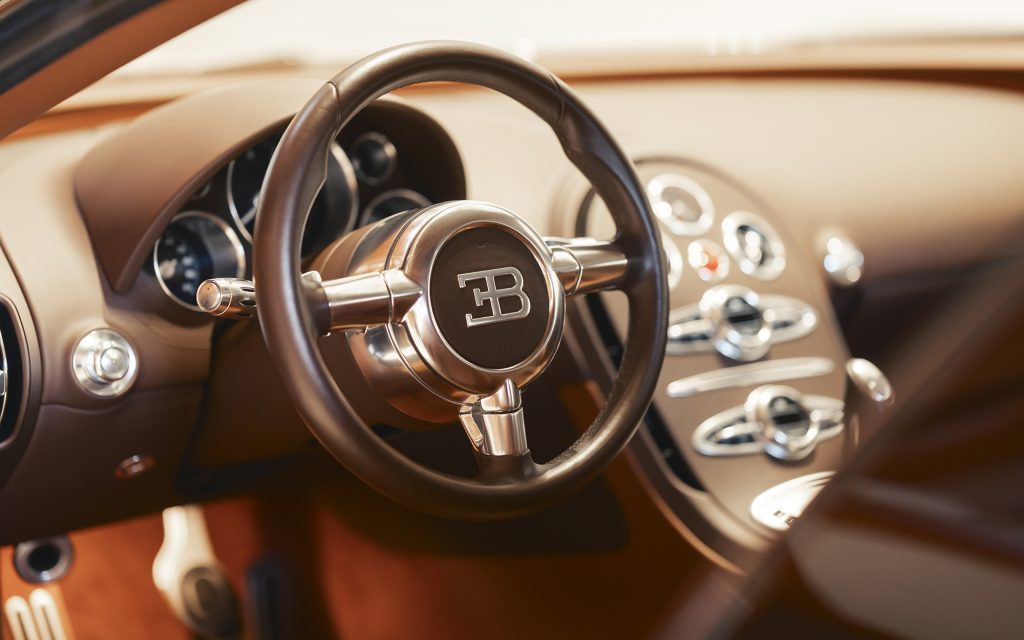
Mathematical formulas and scientific equations associated with the Veyron’s development flow across the body. The treatment continues inside, turning the technical calculations underlying the hypercar into its decorative language.
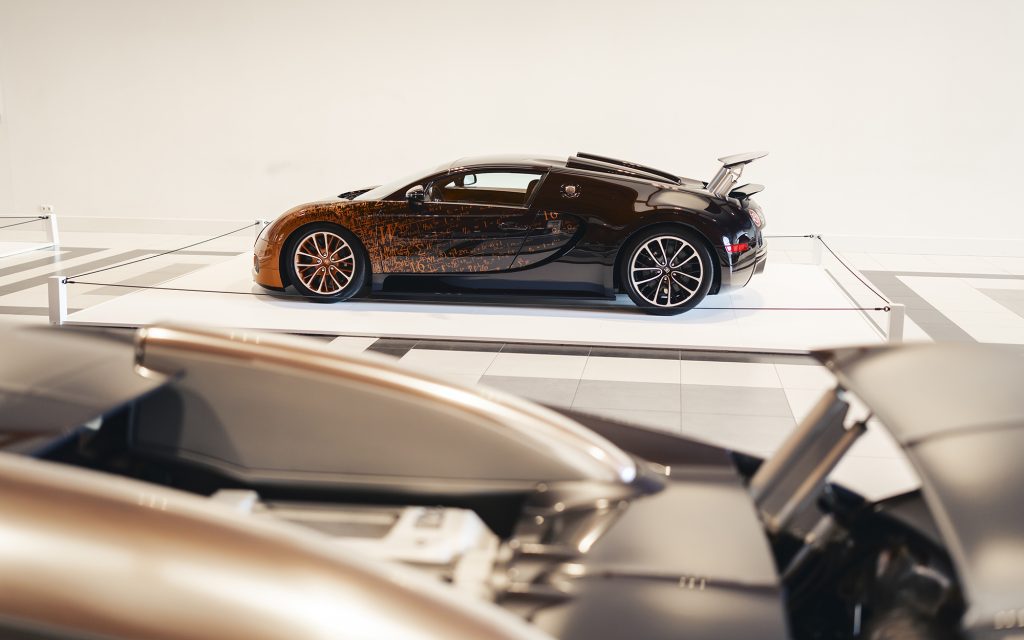
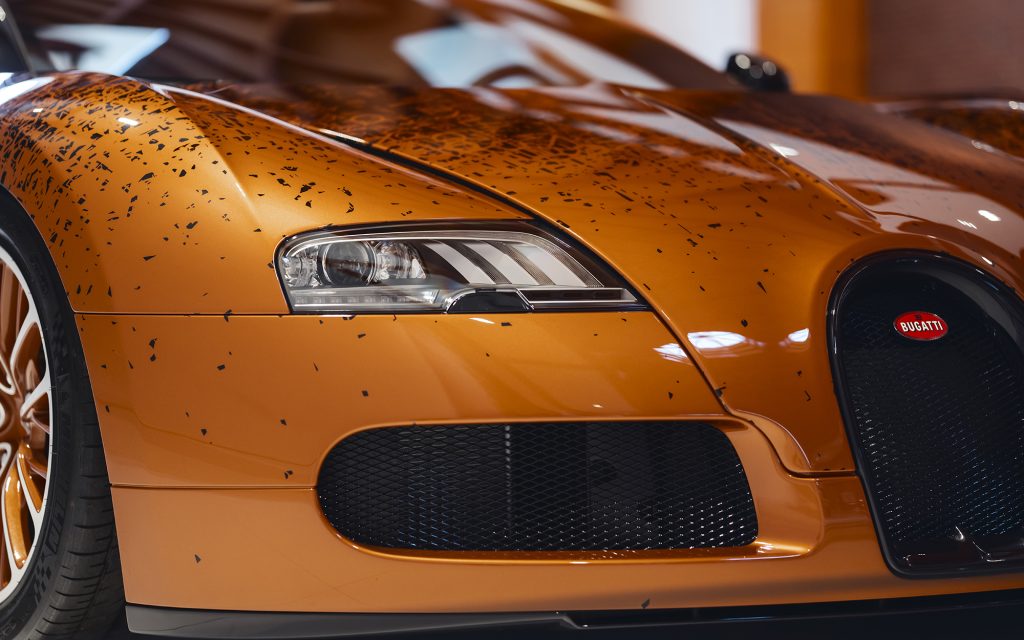
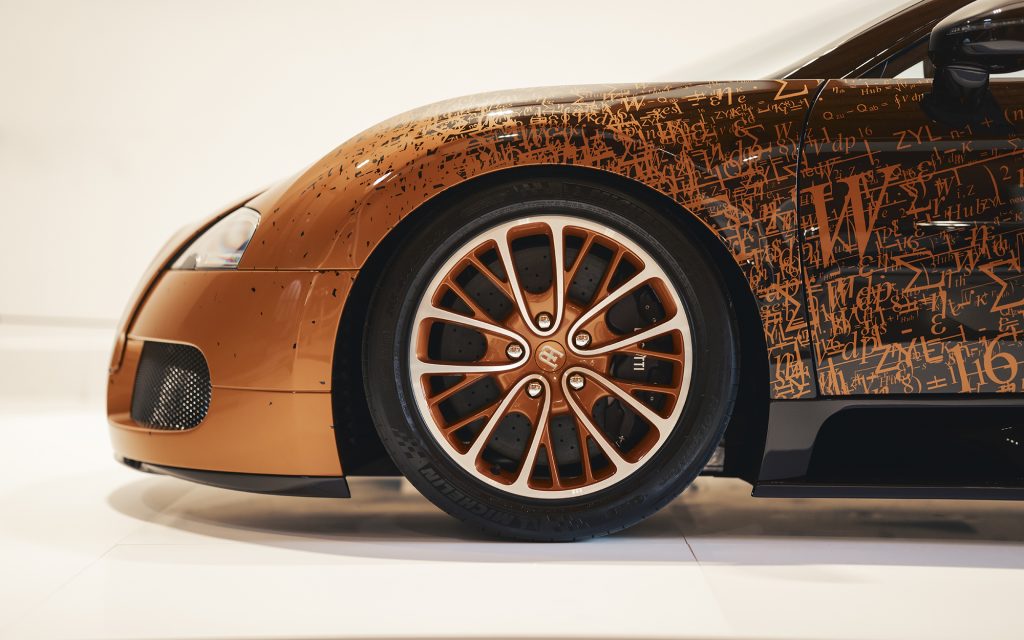

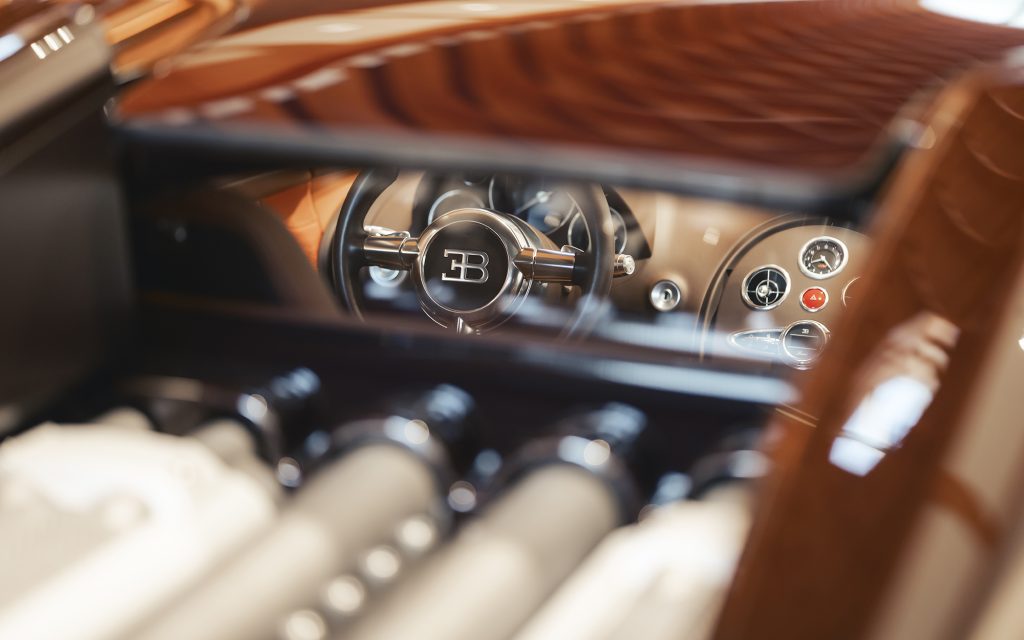
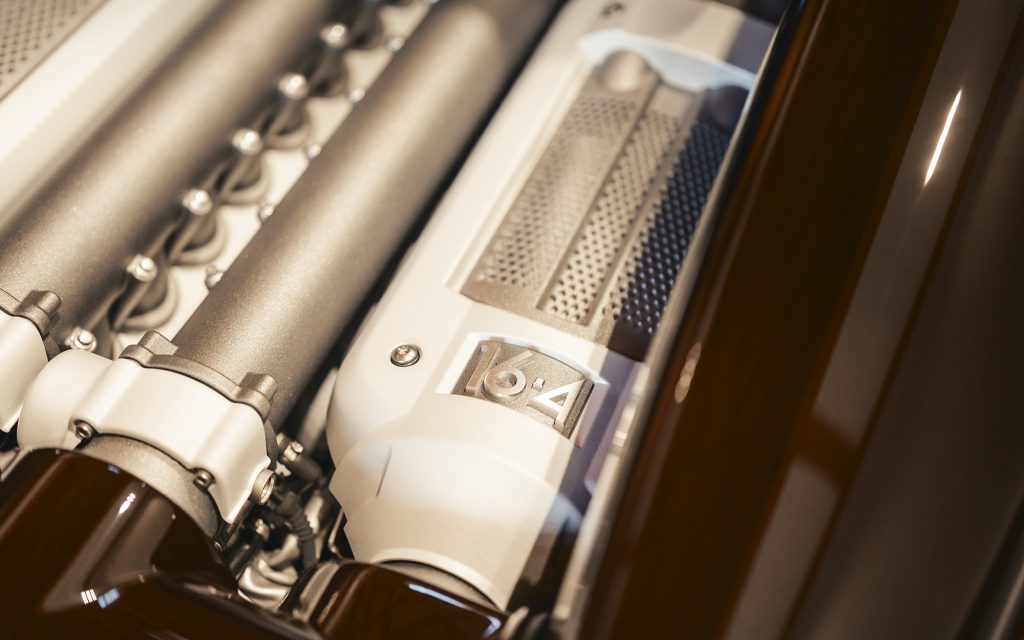
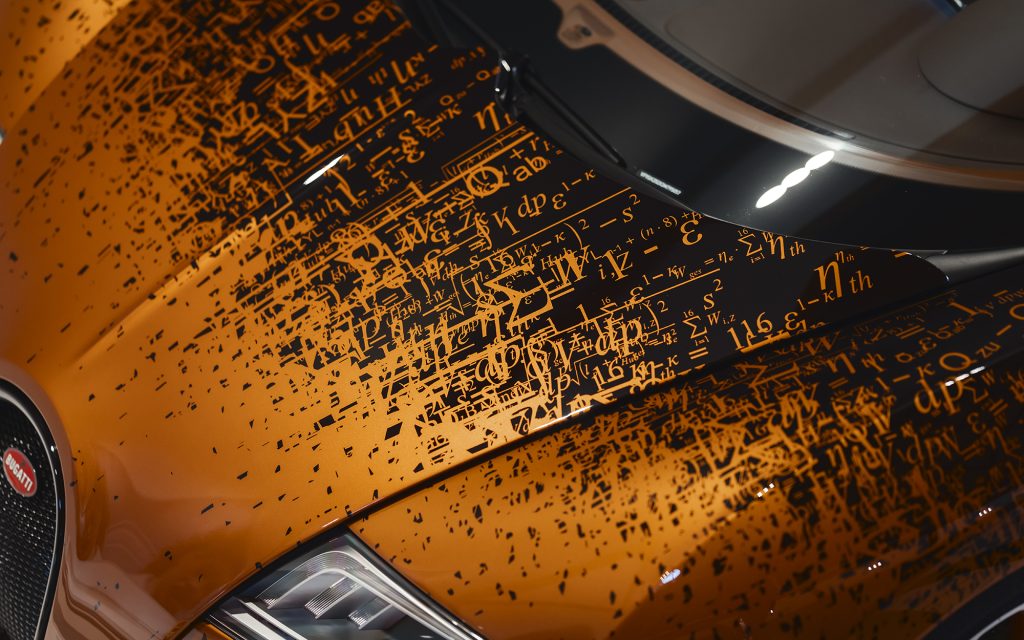
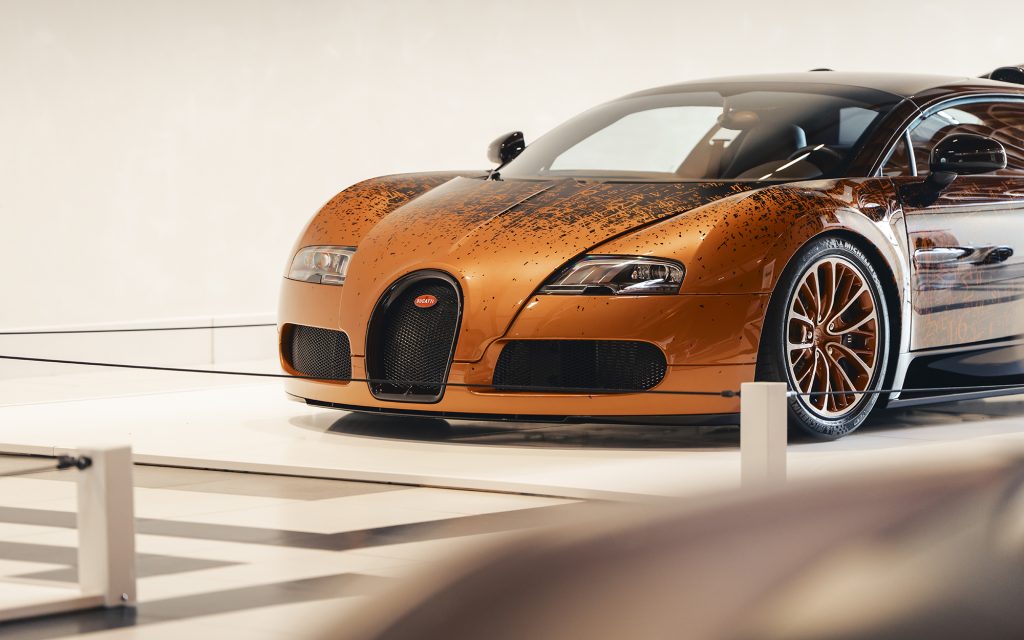
The choice was particularly appropriate for the Veyron. Few road cars are as defined by the engineering required to make their headline specifications possible, and Venet effectively exposed that normally invisible layer of the project.
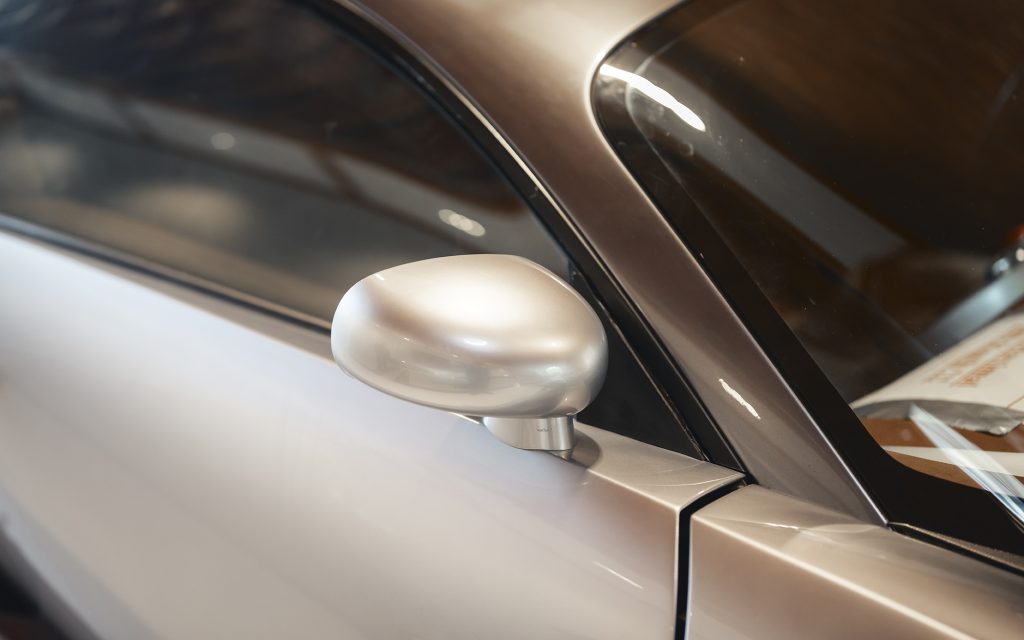
The underlying car is a Veyron Grand Sport, the open version of the original Veyron. Its rigid central roof panel is removable but cannot be carried aboard the car, with Bugatti instead providing a temporary fabric covering for unexpected weather.
Against the other cars in the exhibition, the Venet represents a different type of rarity. It isn’t an engineering prototype or record car, but a singular interpretation of a finished automobile.
Bugatti Veyron Grand Sport Vitesse WRC
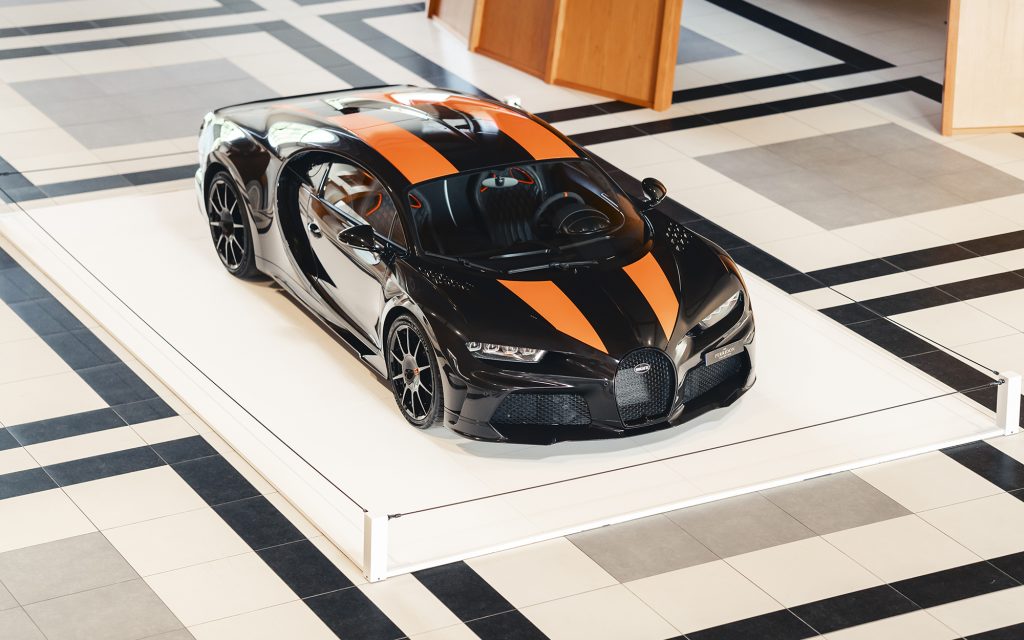
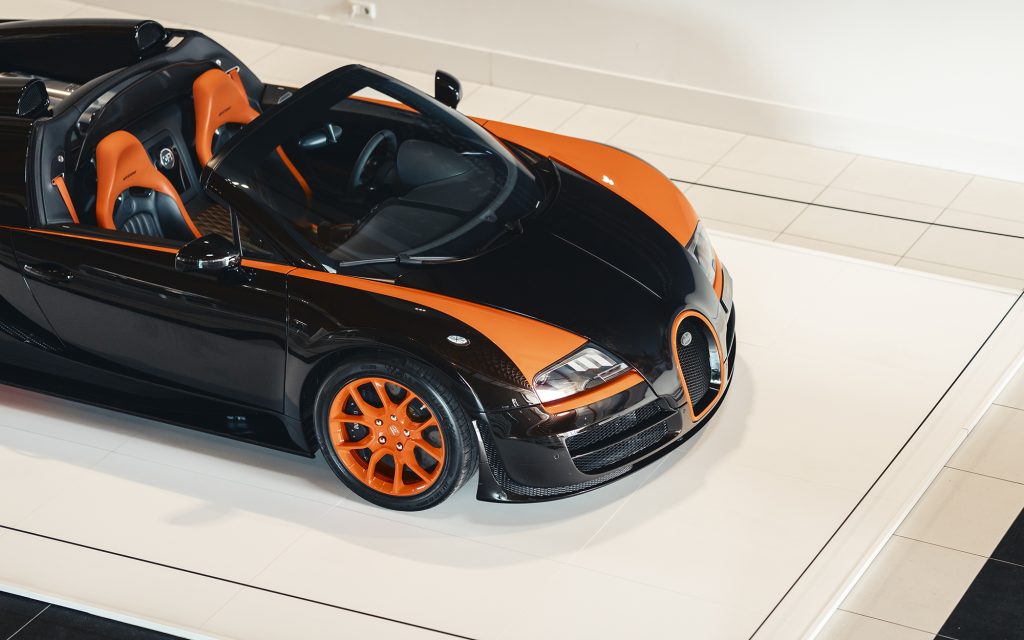
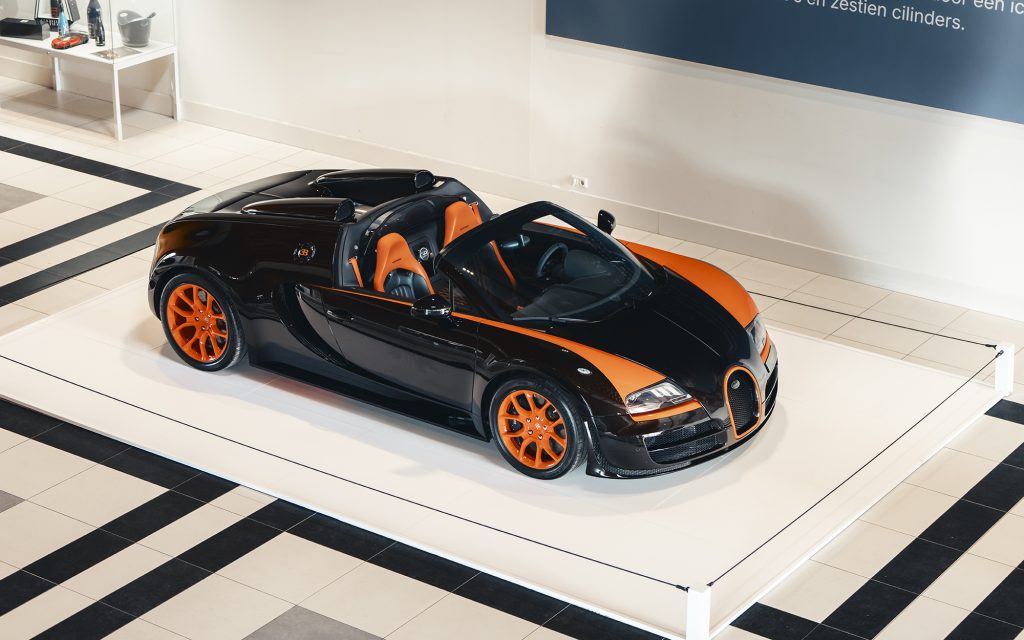
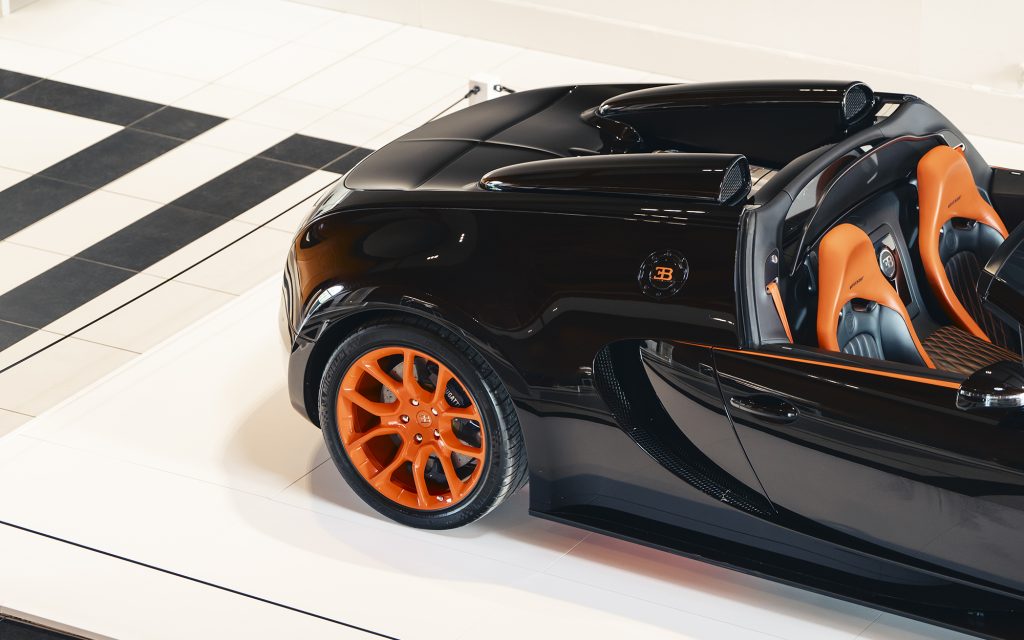
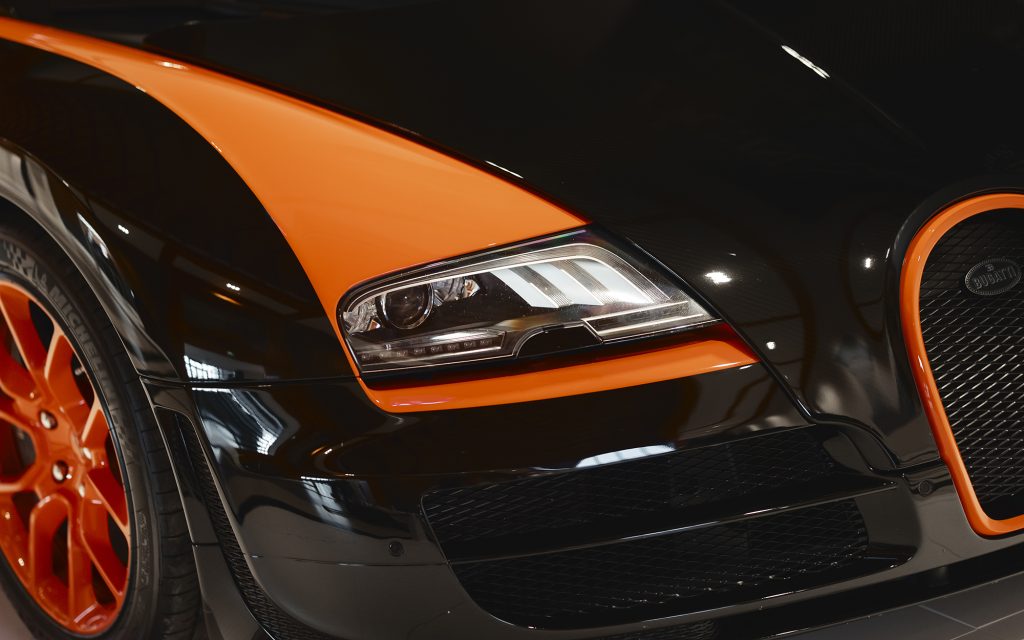
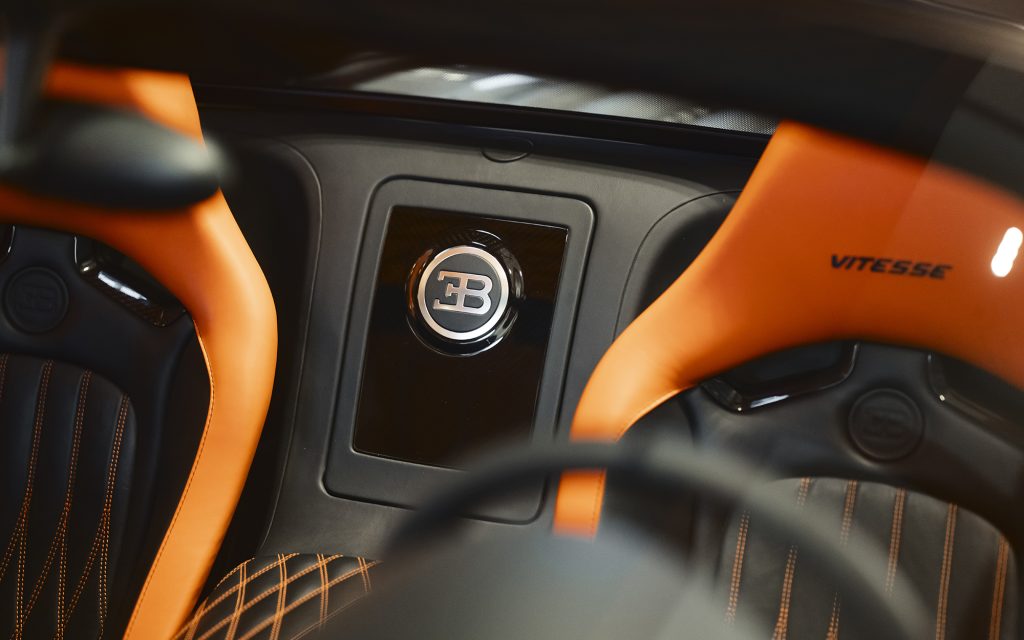
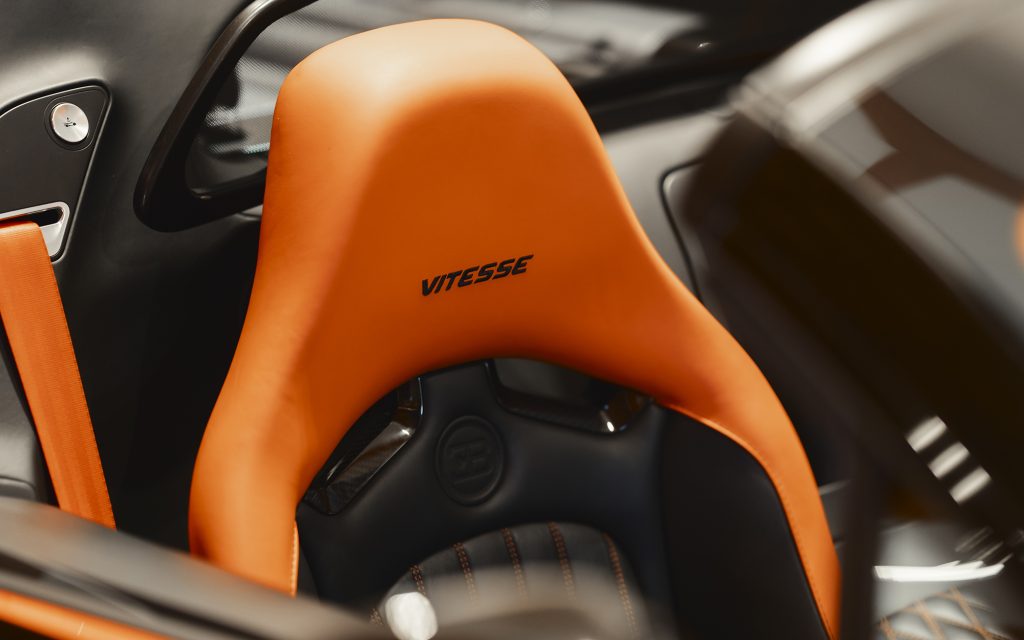
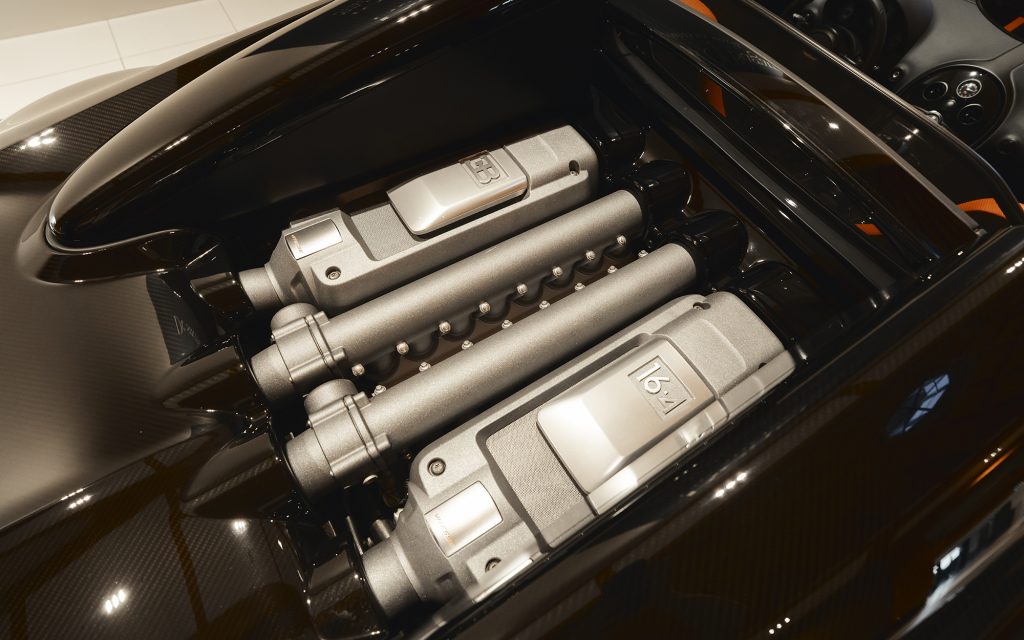
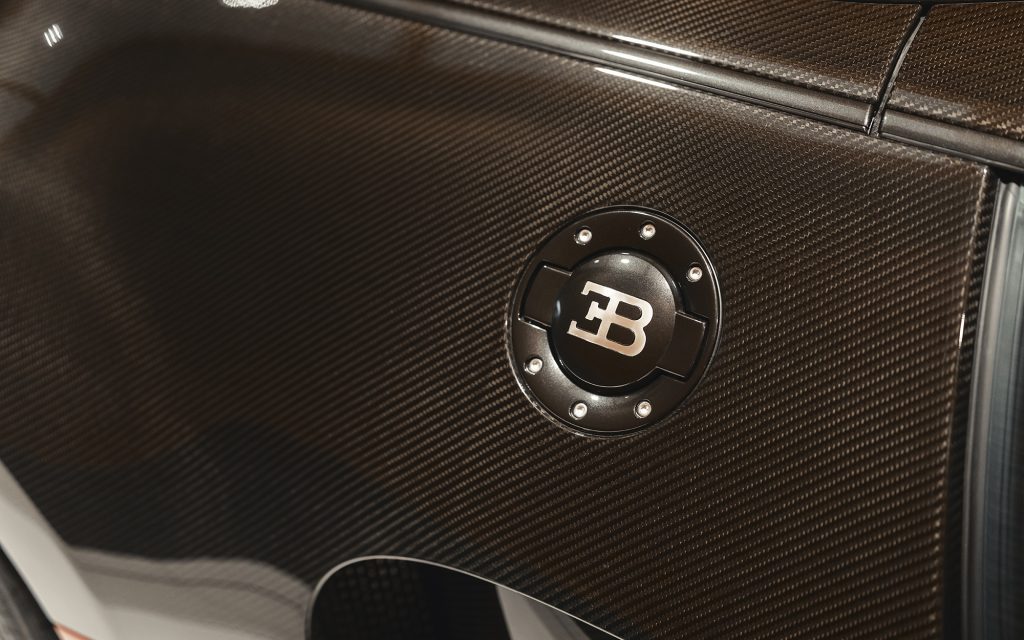
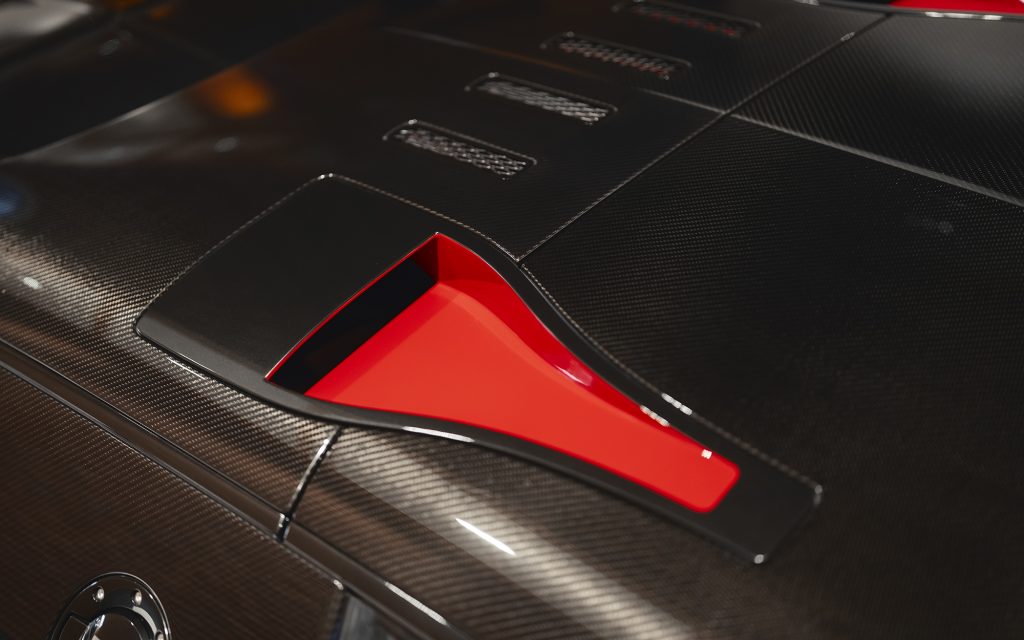
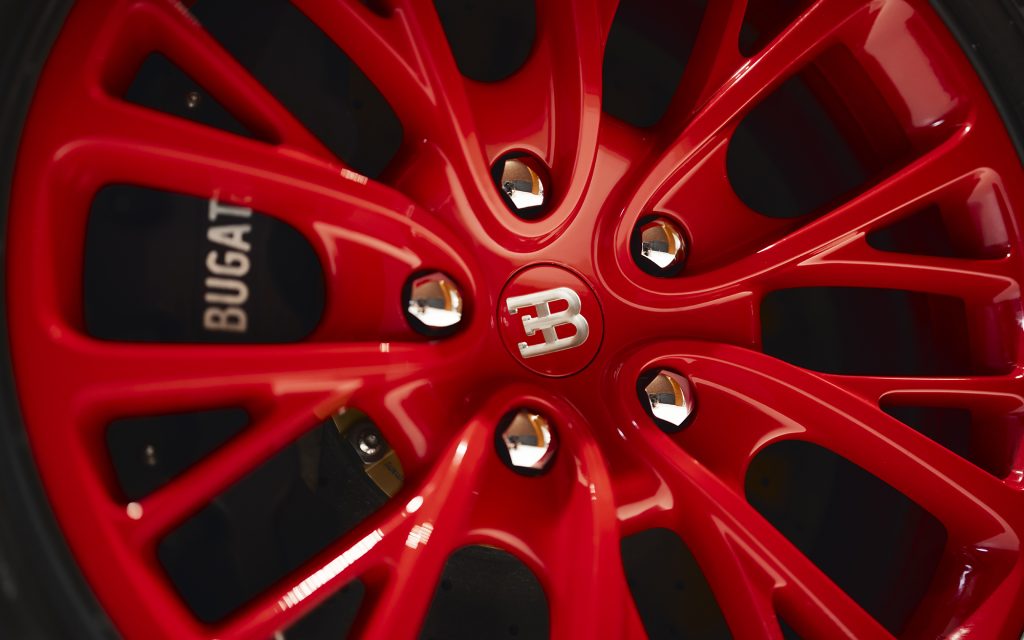
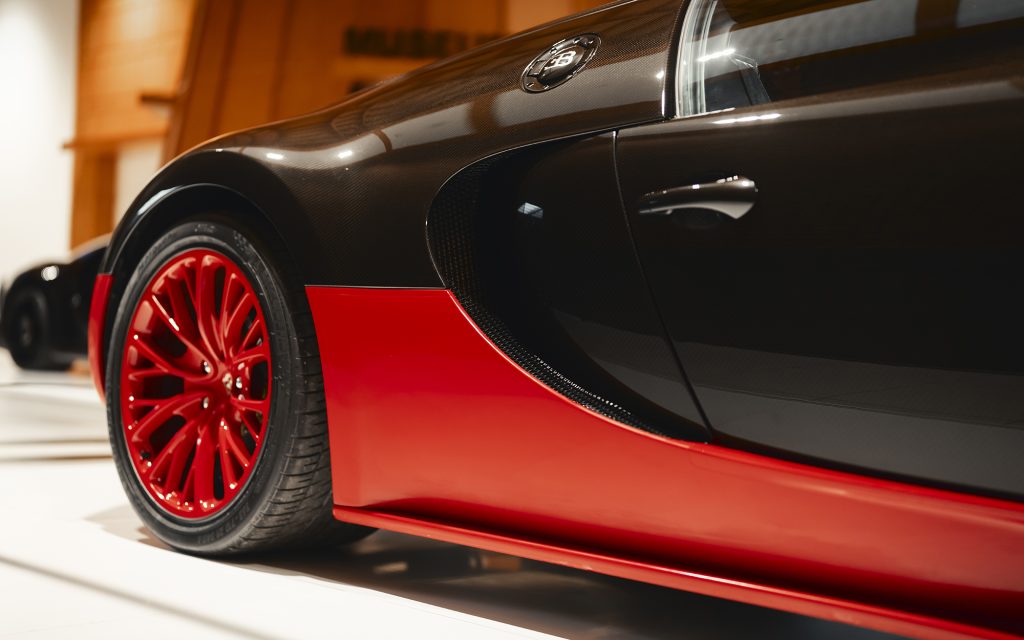
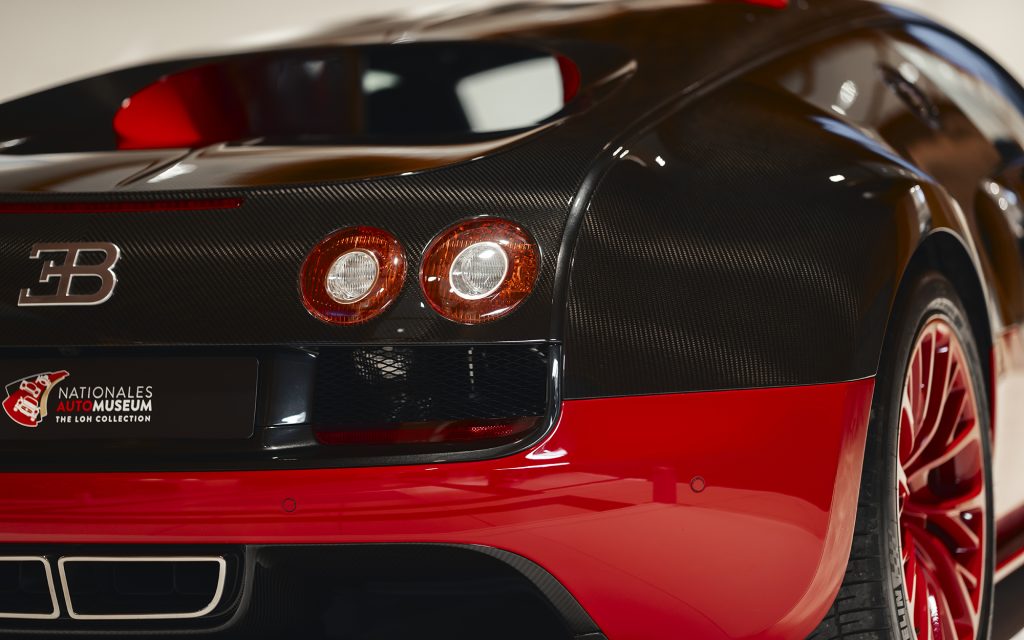
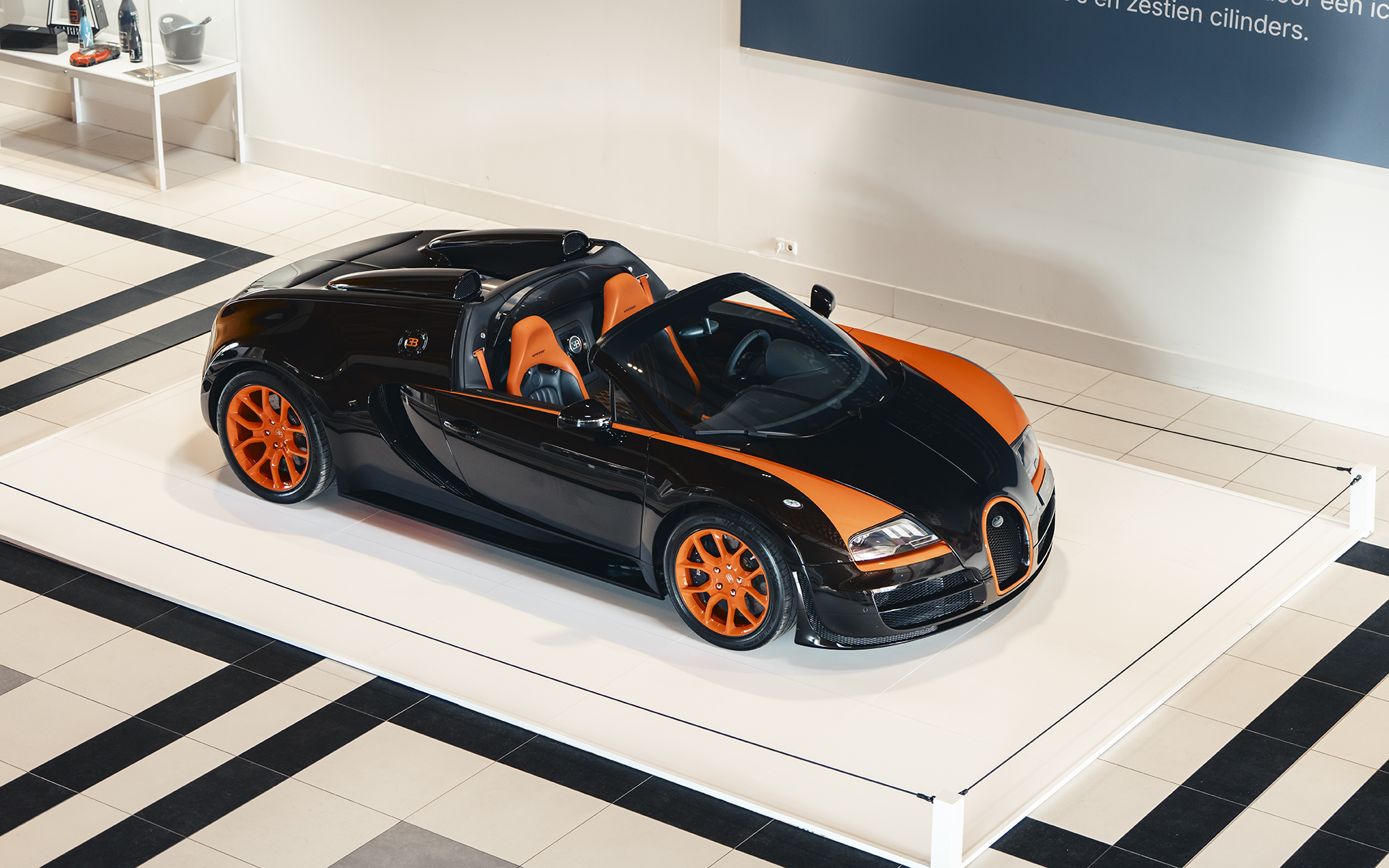
The Veyron Grand Sport Vitesse World Record Car represents rarity of another kind. Bugatti combined the open Grand Sport body with the 1,200-hp evolution of its W16 to create the Vitesse, then used the car to pursue the production-car speed record for an open automobile.
The record attempt produced a speed of 408.84 km/h, or approximately 254 mph.
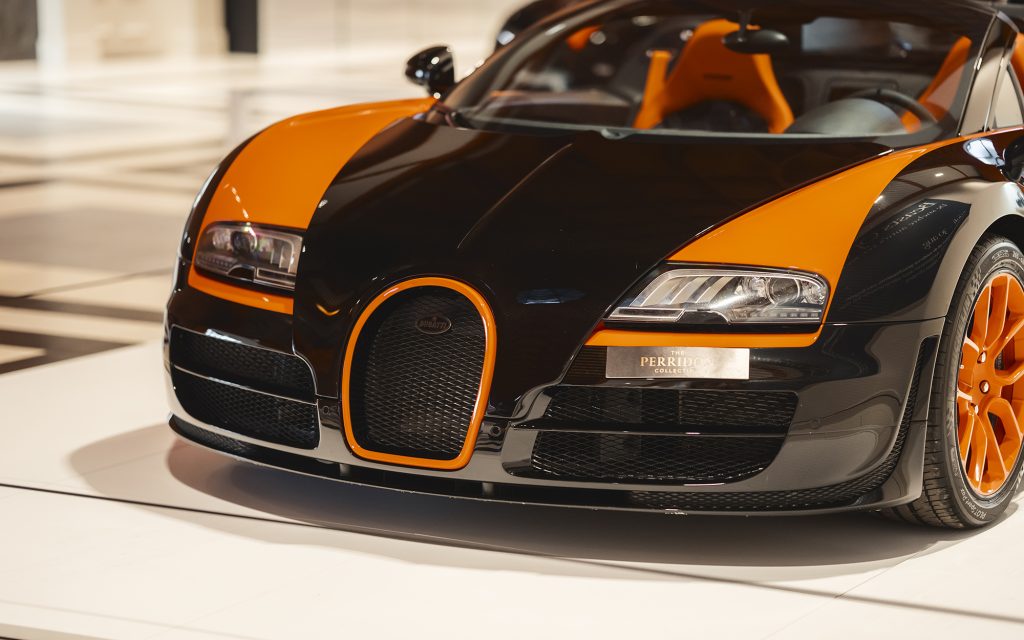
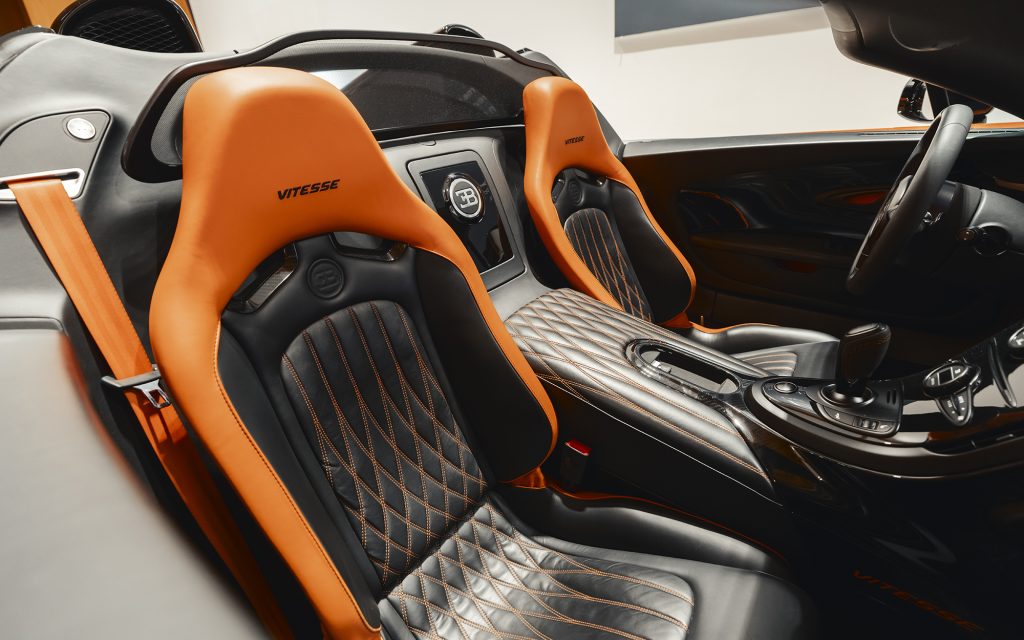
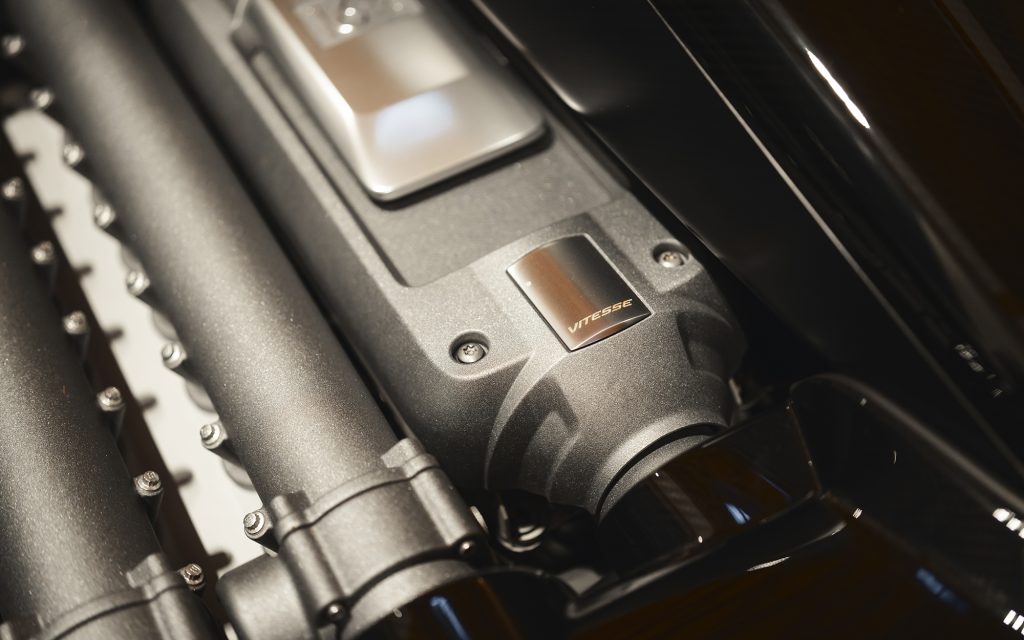
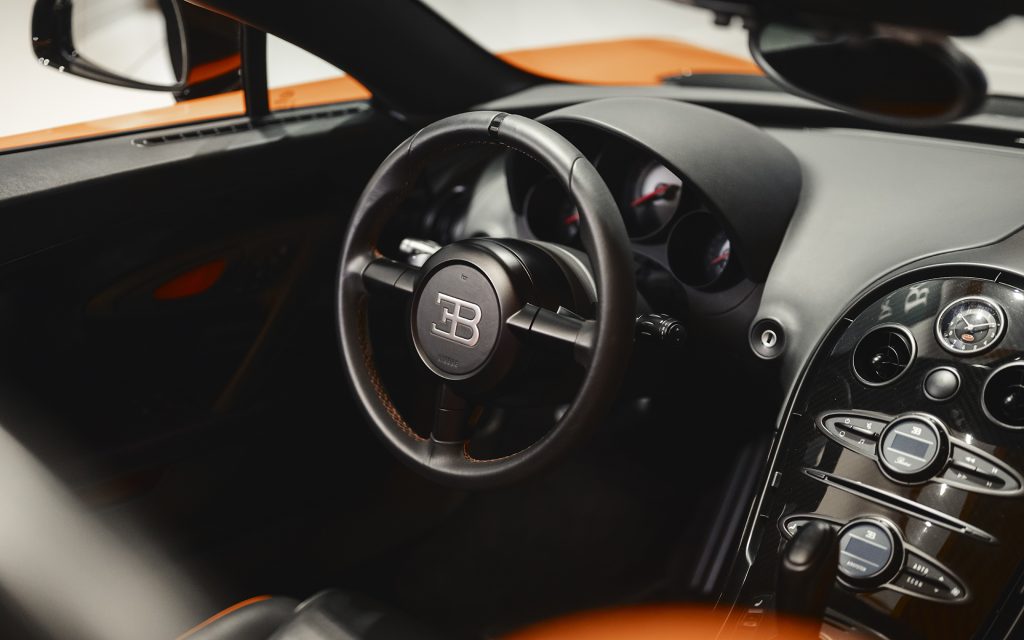
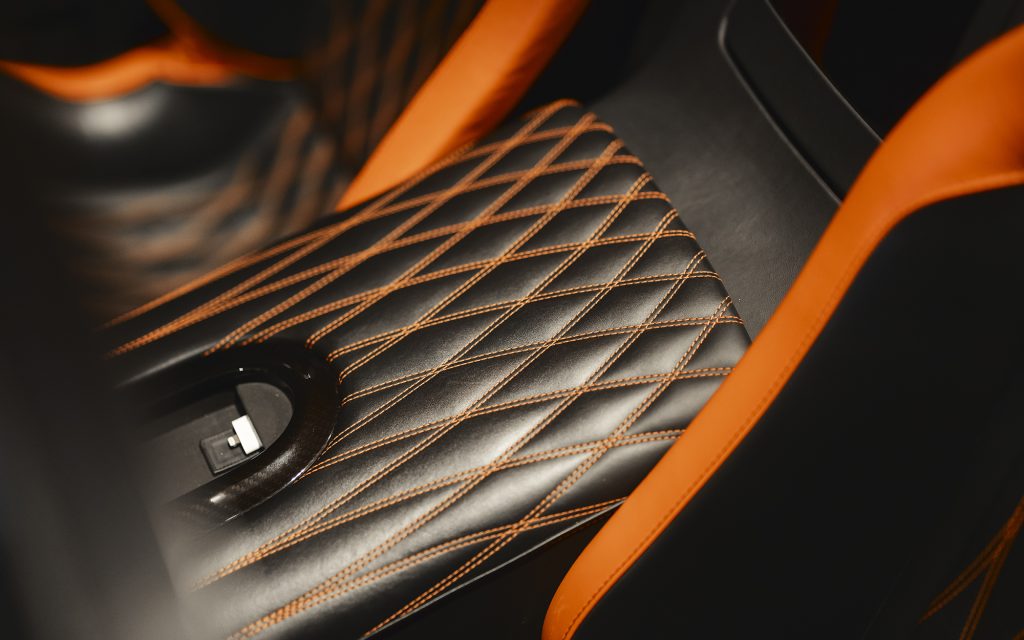
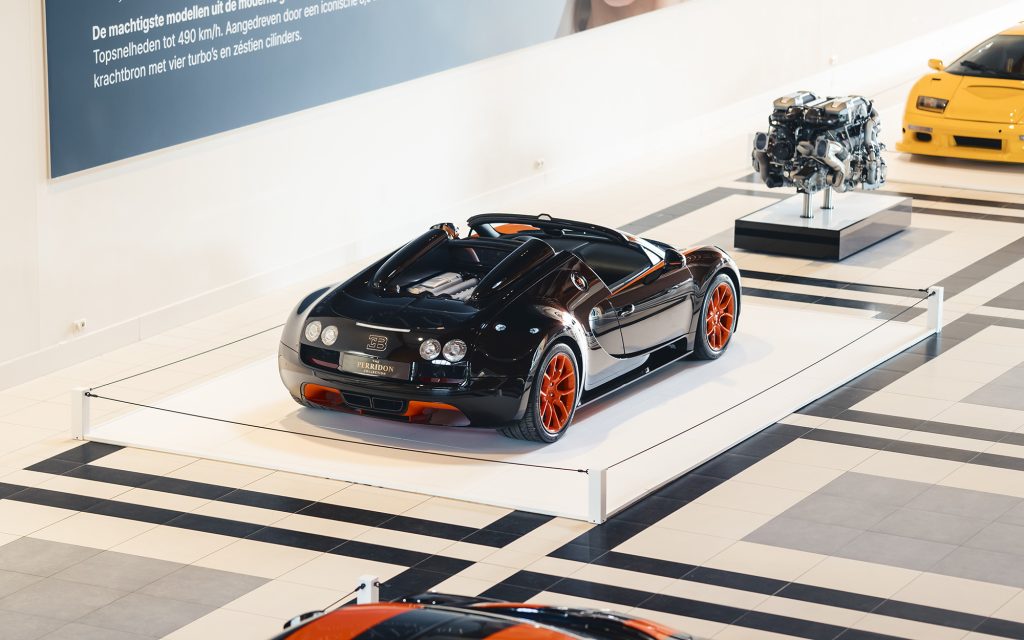
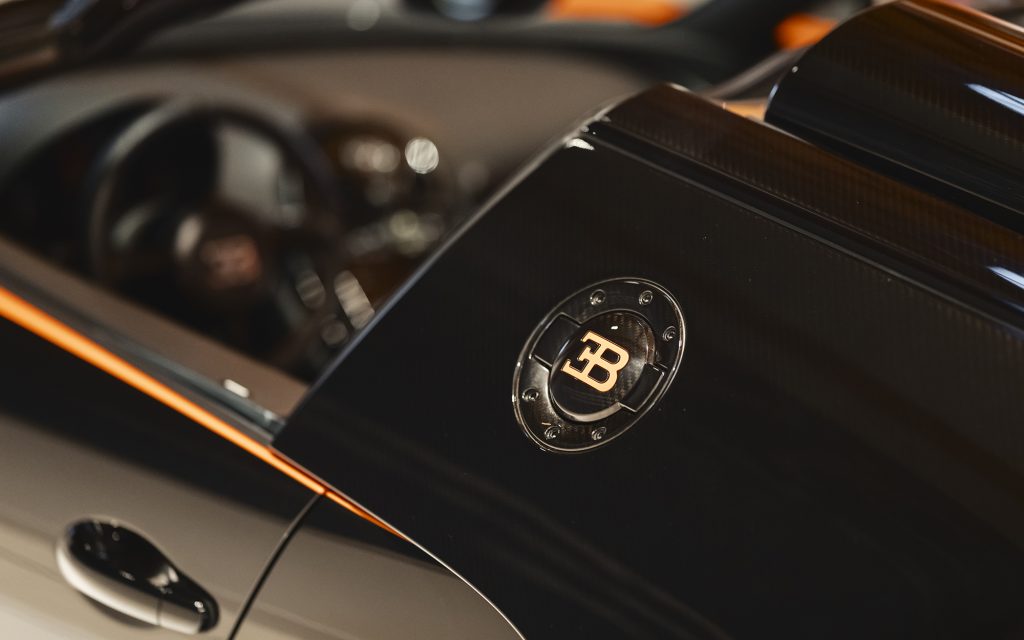
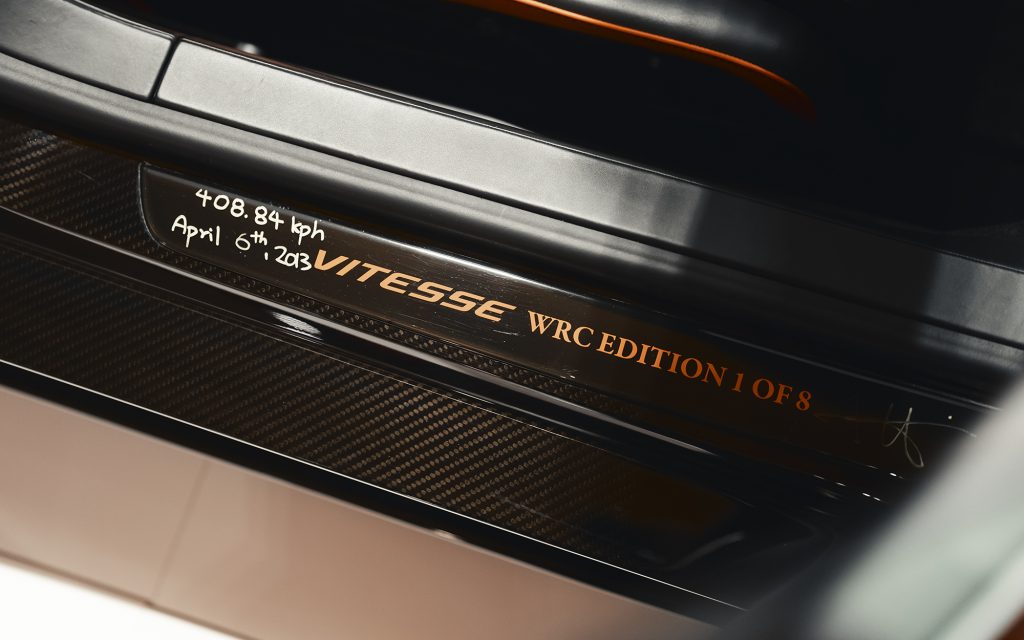
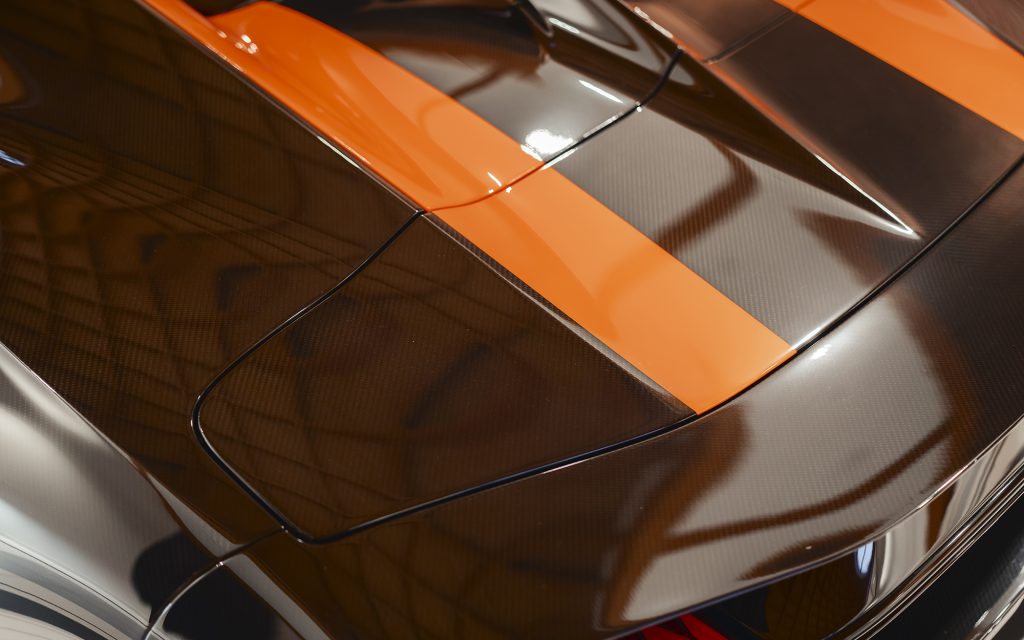
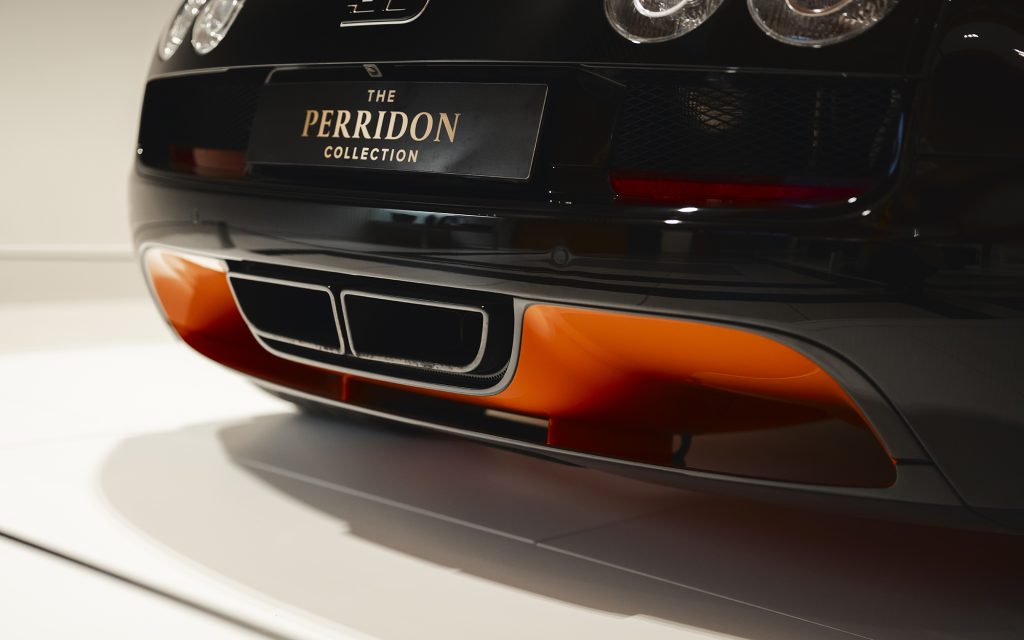
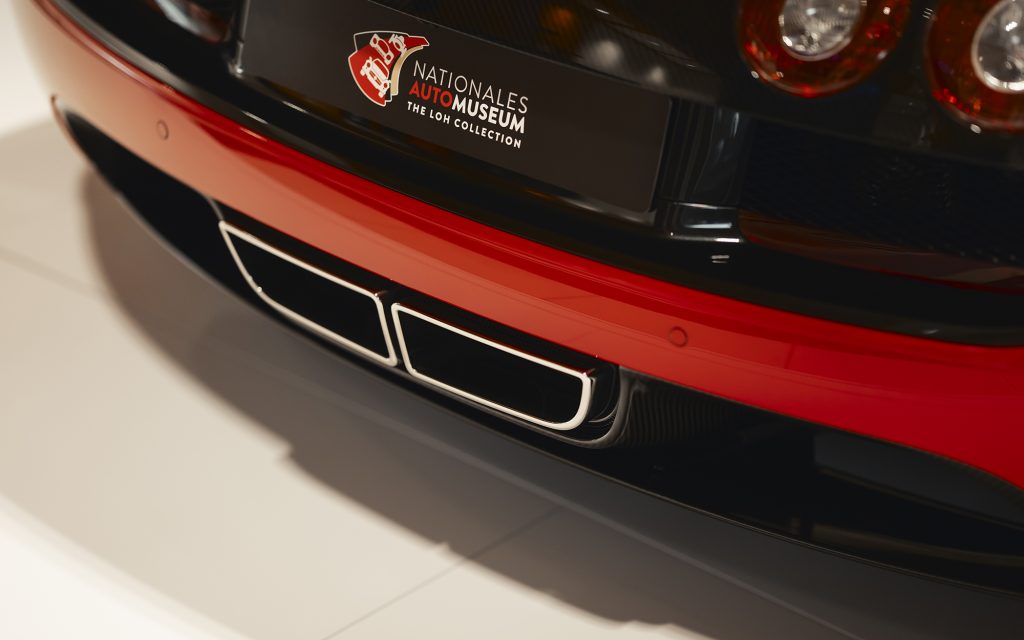
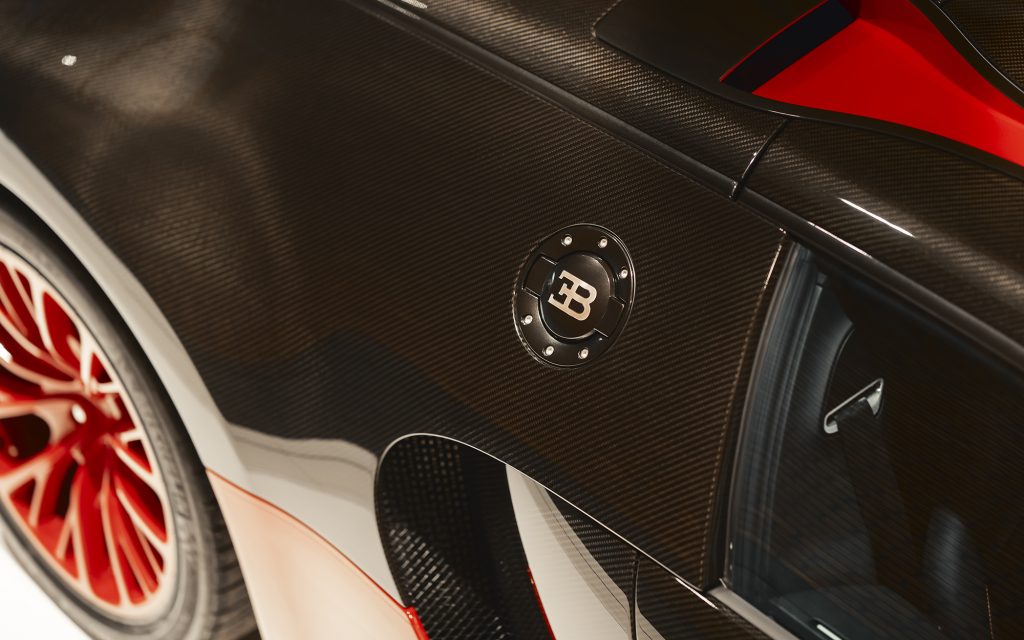
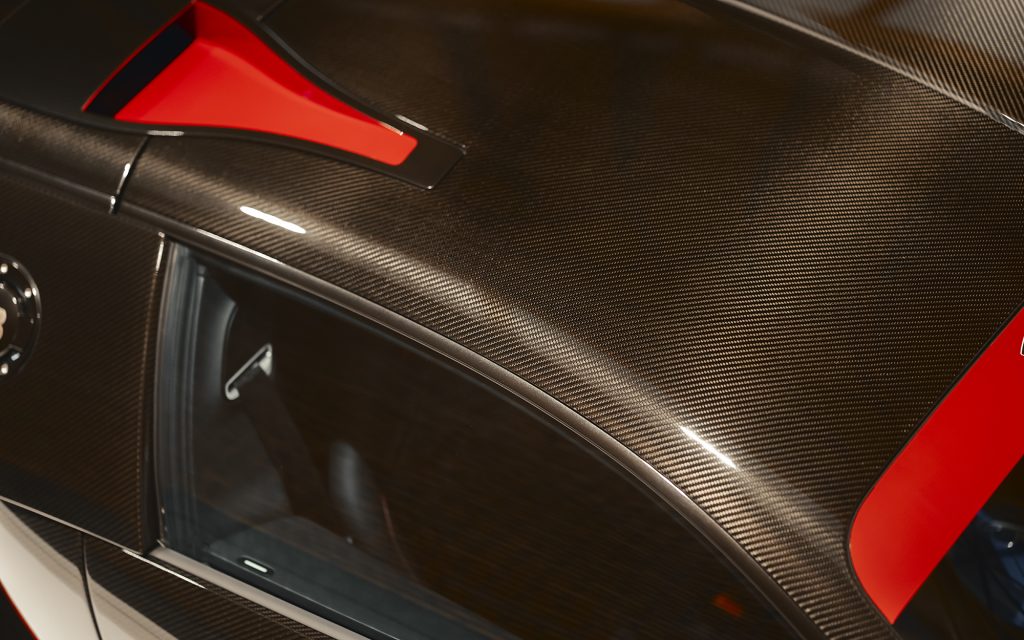
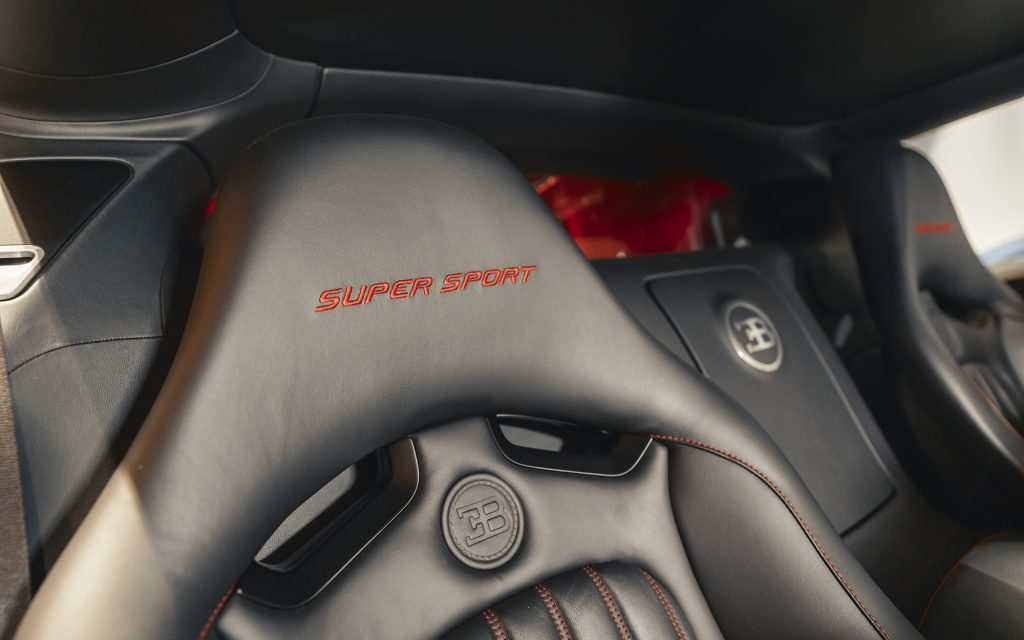
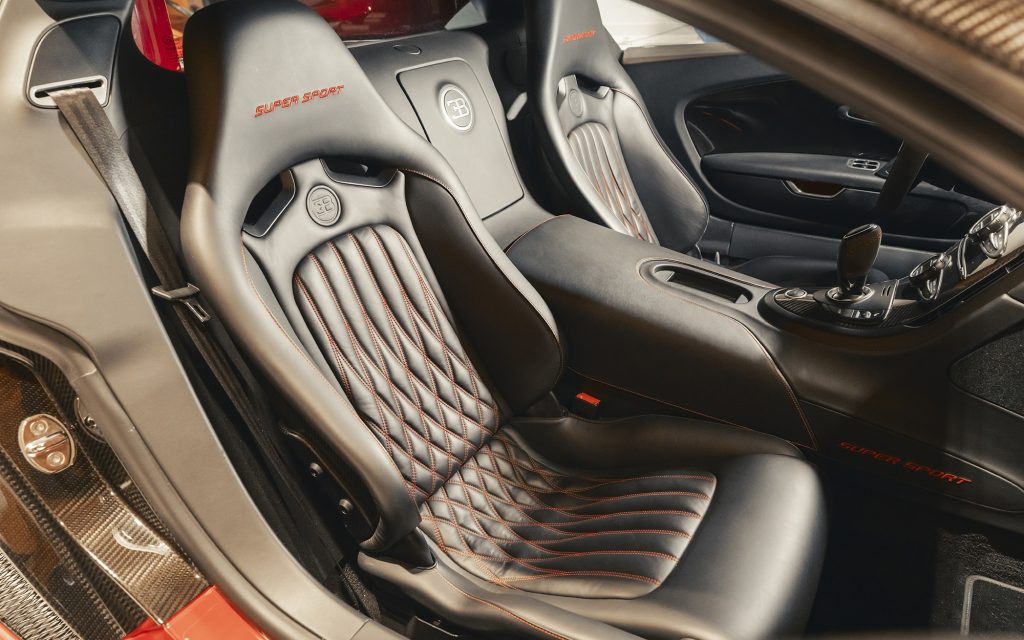
Bugatti subsequently built just eight World Record Car editions commemorating the achievement. Each adopted the black and orange specification of the record-setting car, creating one of the smallest production runs among the numerous Veyron derivatives and special editions.
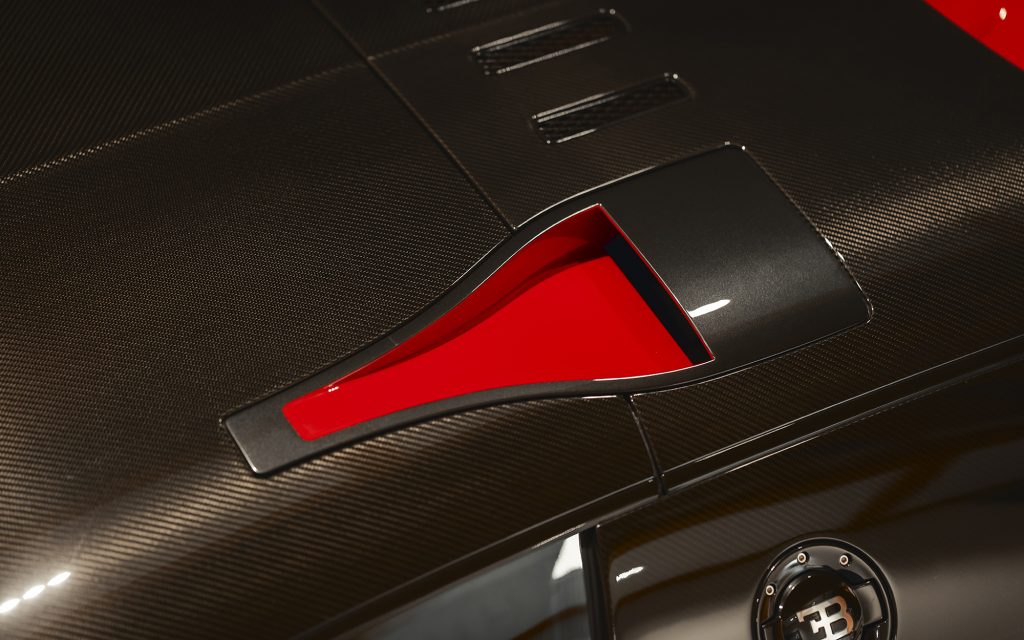
The example at the Louwman is one of those eight. Unlike some Veyron special editions that were primarily exercises in color, trim or historical reference, the WRC is directly connected to a specific engineering achievement. It represents the open Veyron at the point where Bugatti had pushed the original platform well beyond the already extraordinary specifications with which it had debuted.
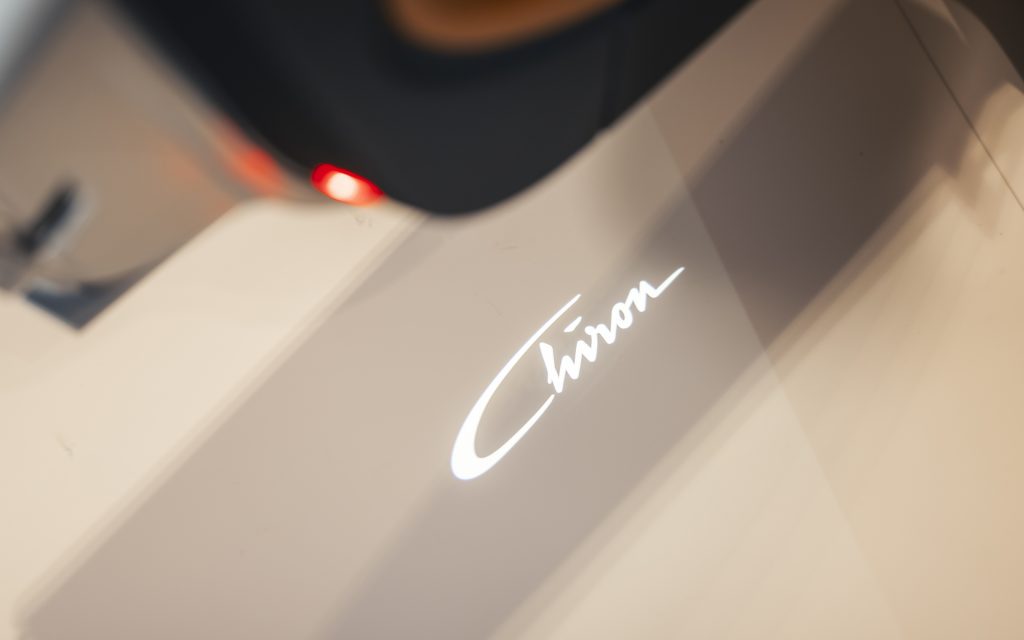
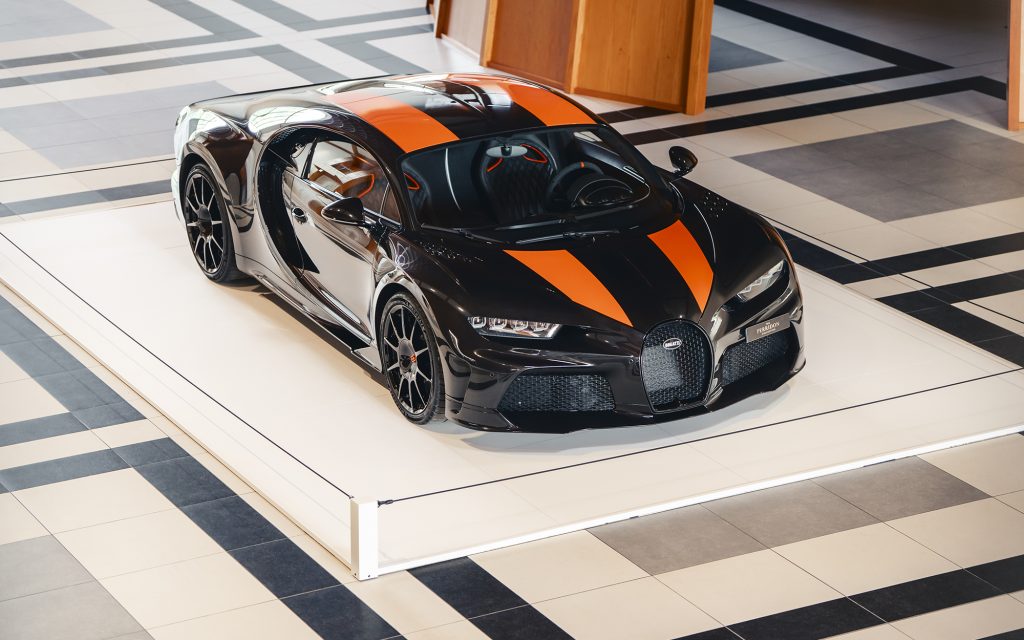
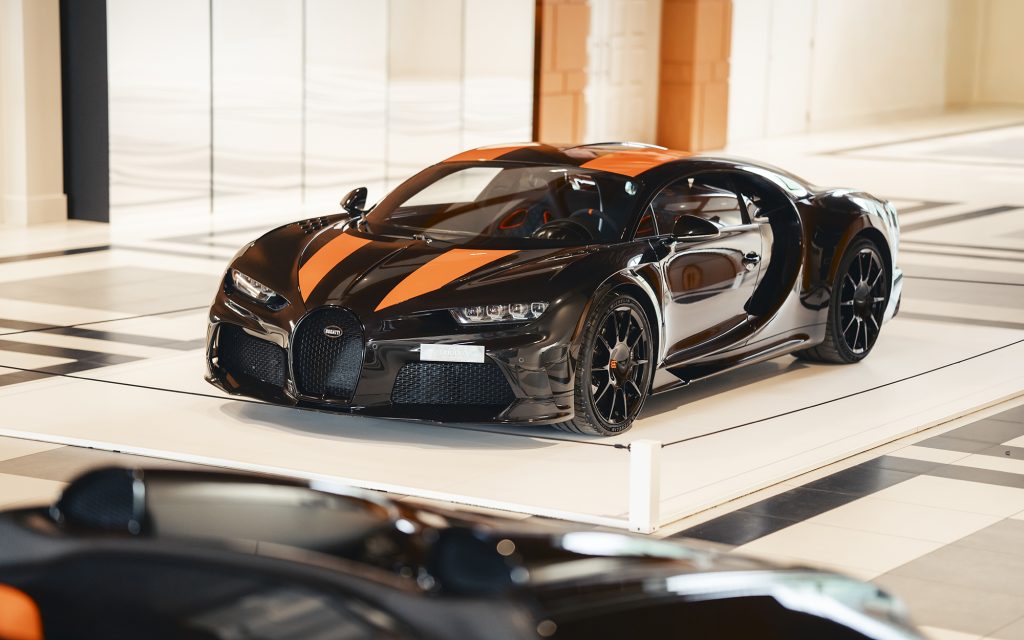
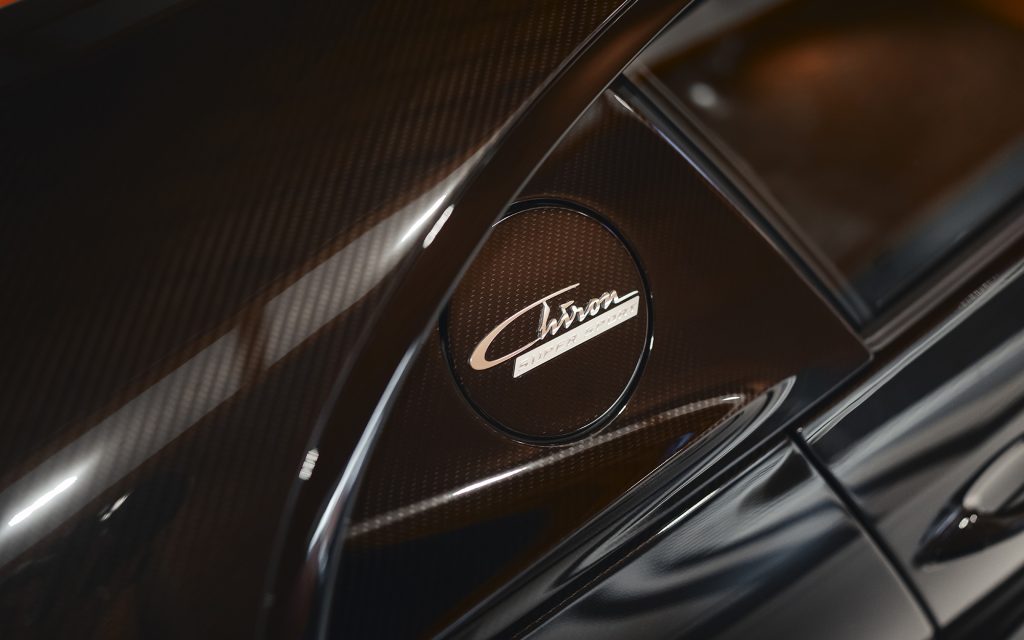
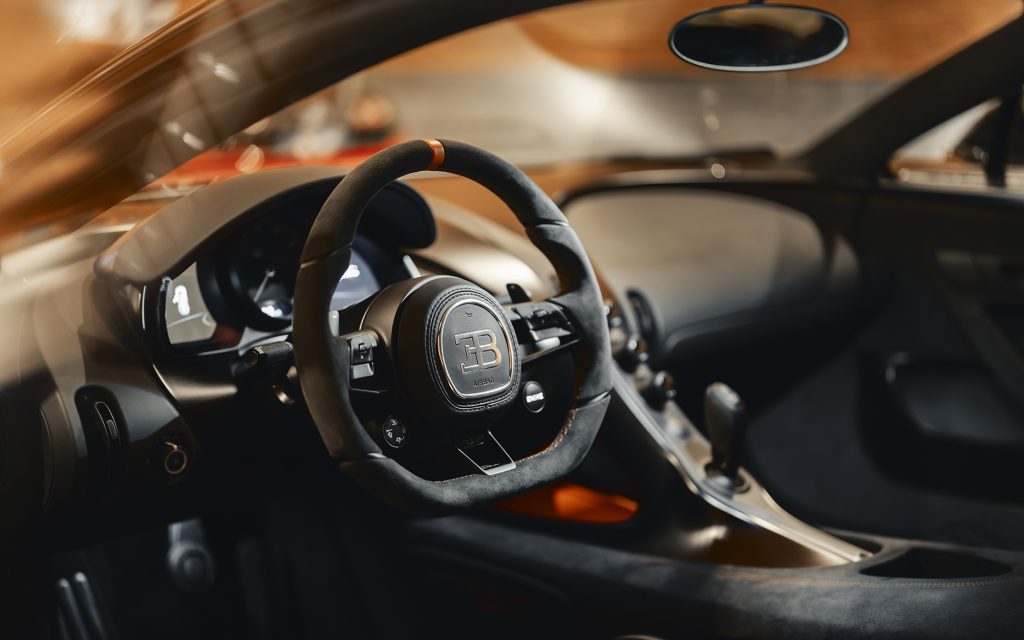
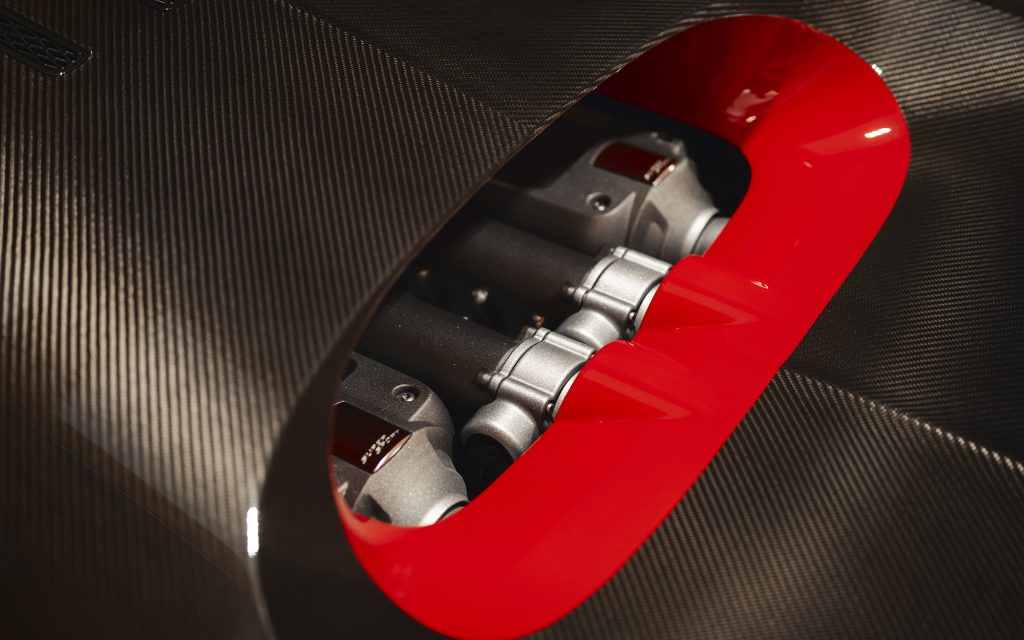
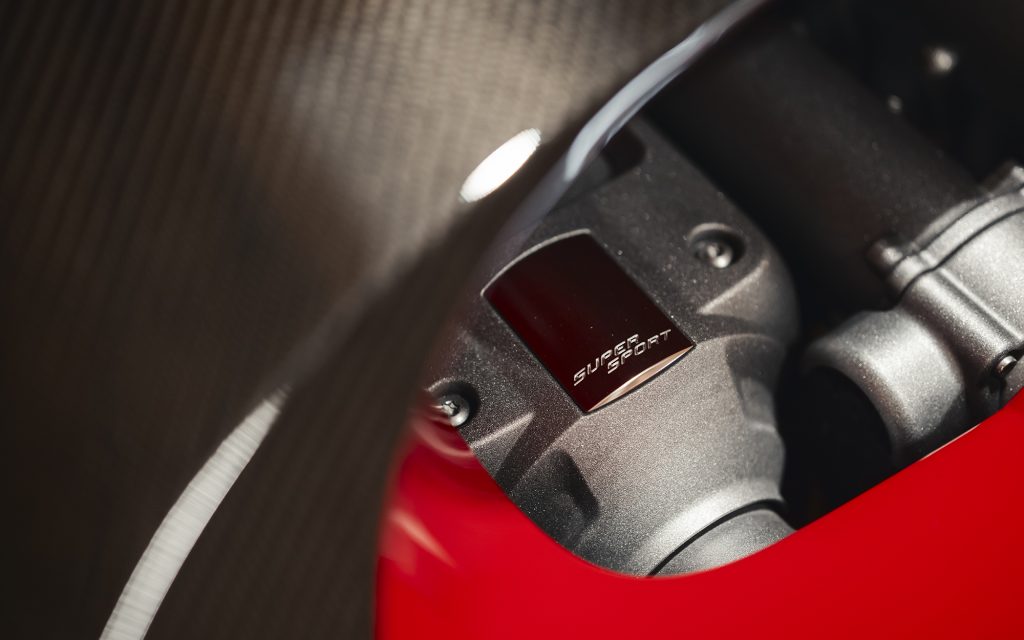
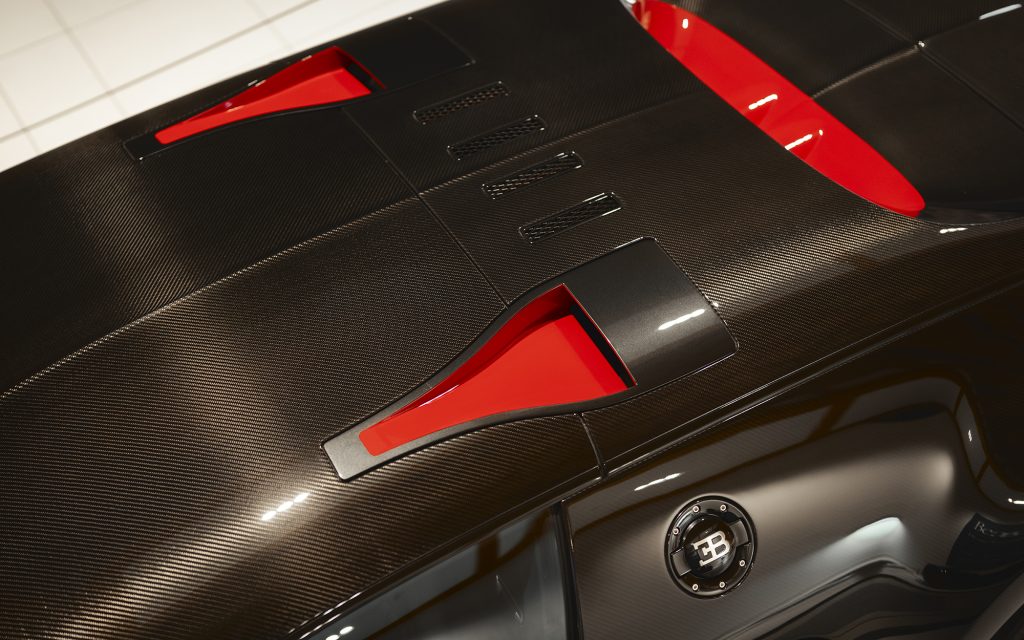
Bugatti Chiron Super Sport 300+
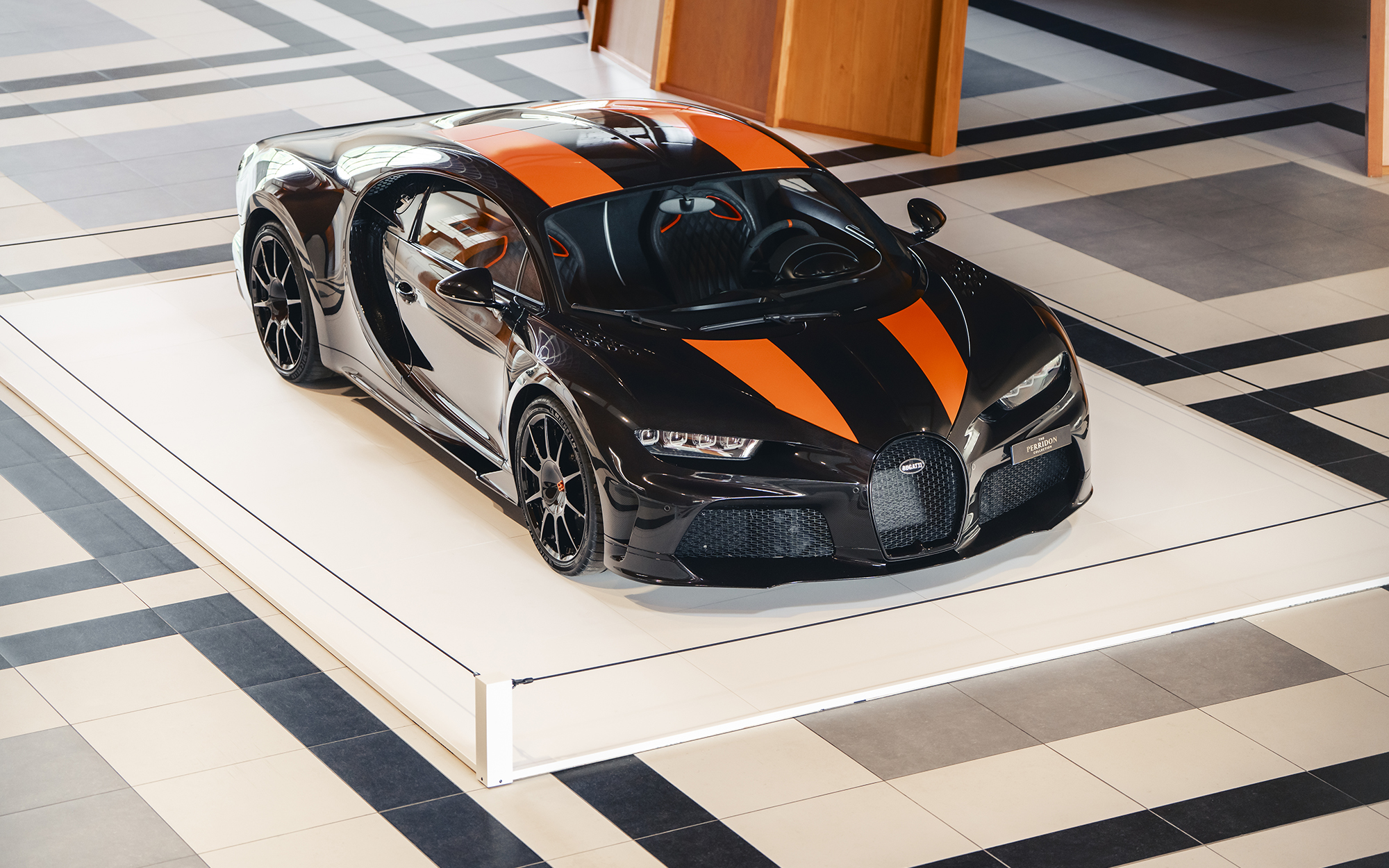
The Chiron Super Sport 300+ similarly exists because of a speed record, although the number involved was considerably more significant.
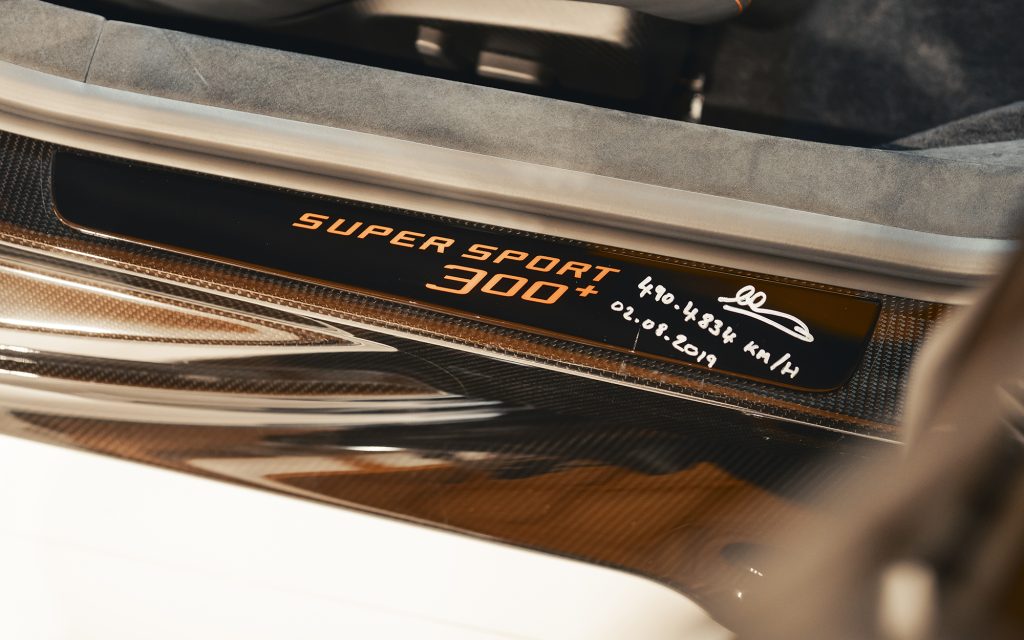
After Koenigsegg took the production-car speed crown, Bugatti returned to high-speed development with a modified Chiron. In 2019, Andy Wallace drove it to 490.484 km/h, or 304.773 mph, taking a Bugatti beyond 300 mph for the first time.
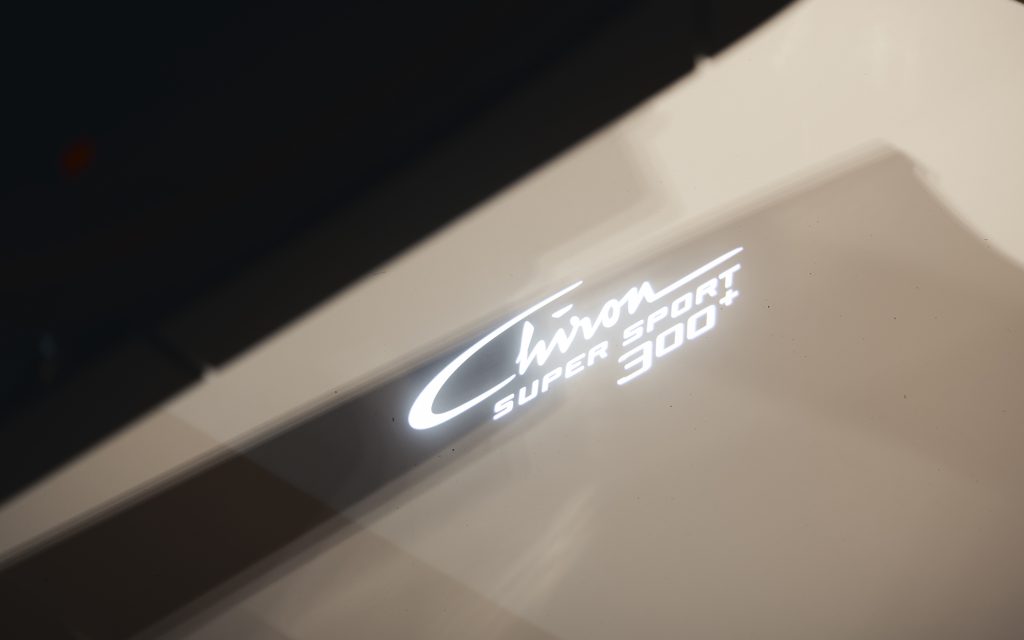
The resulting Super Sport 300+ translated the record car into a limited production model.
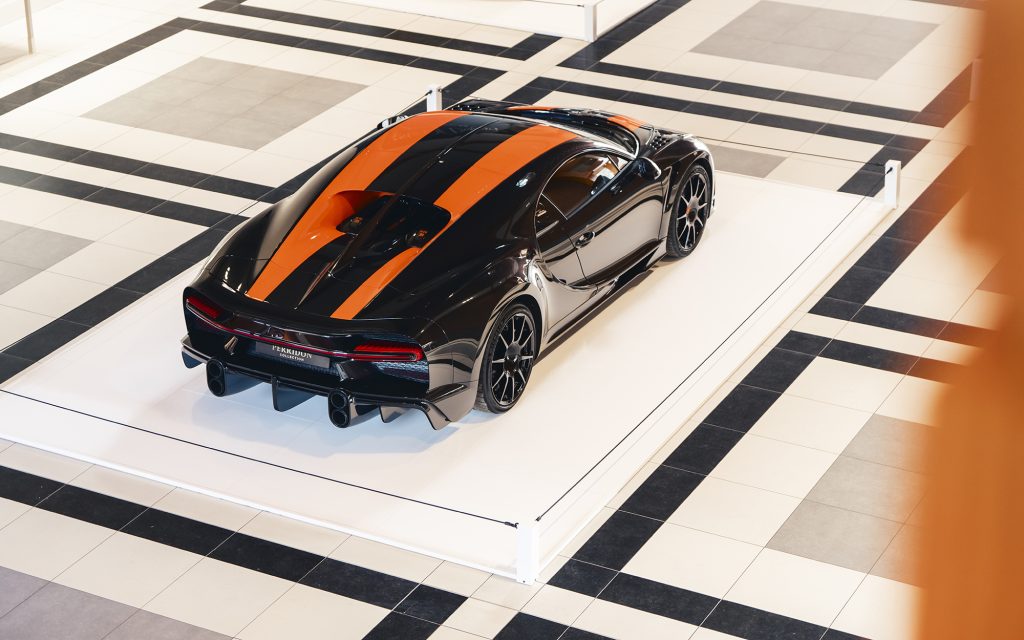
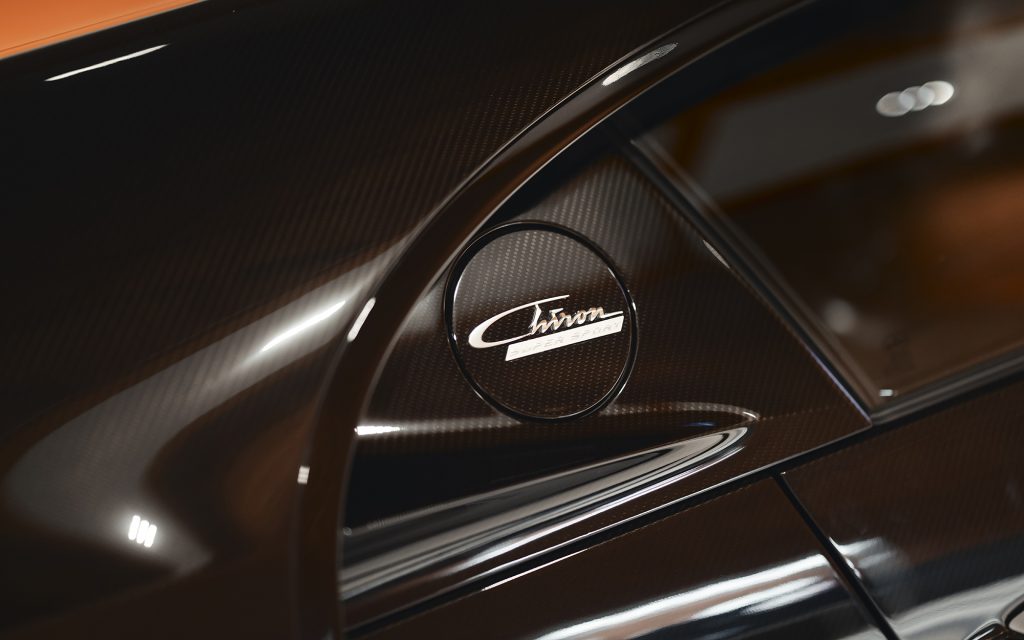
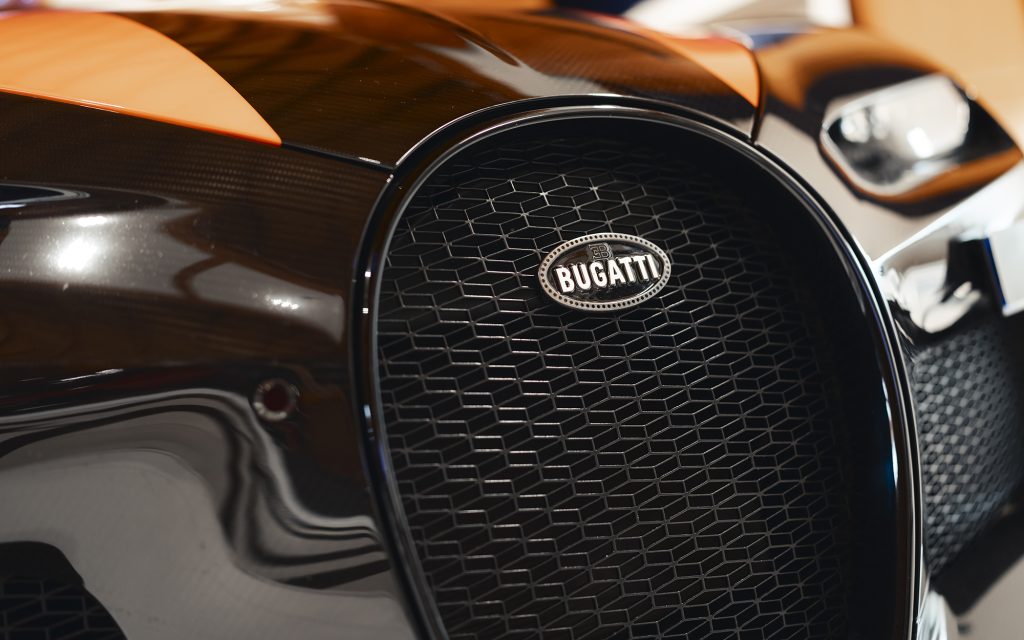
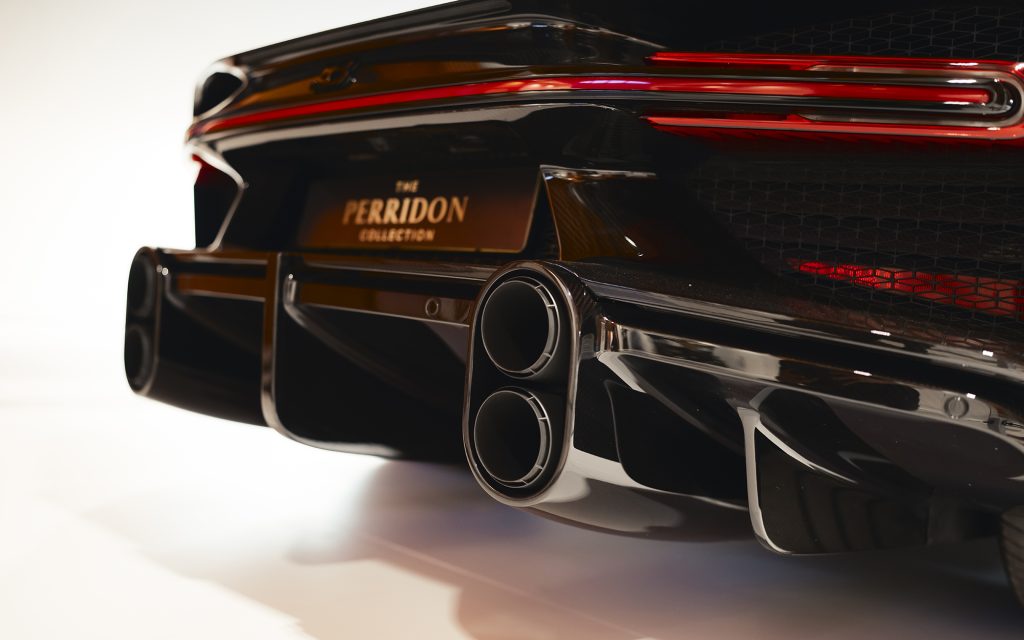
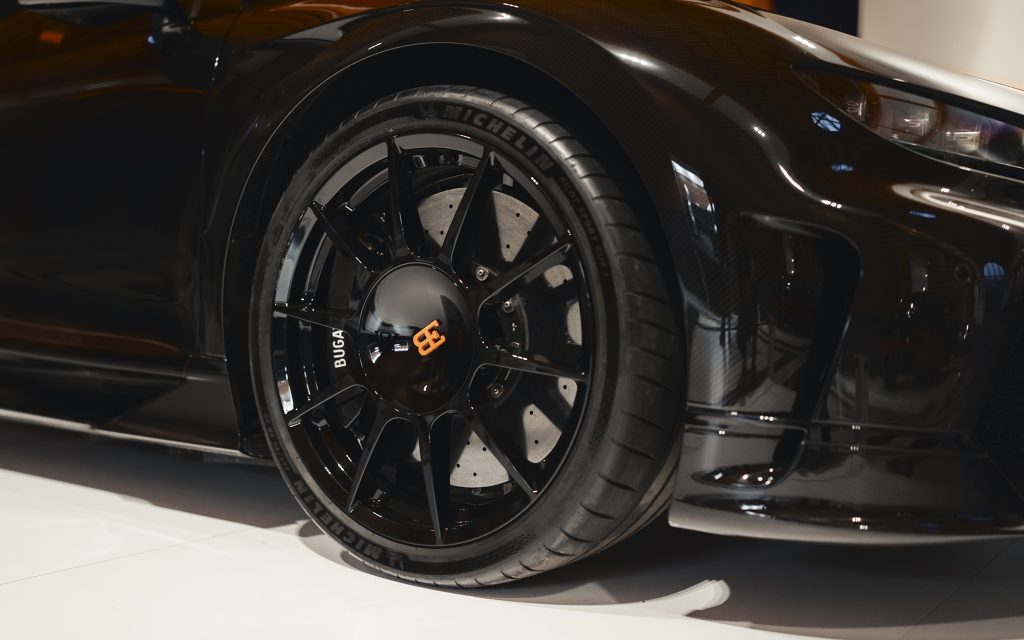
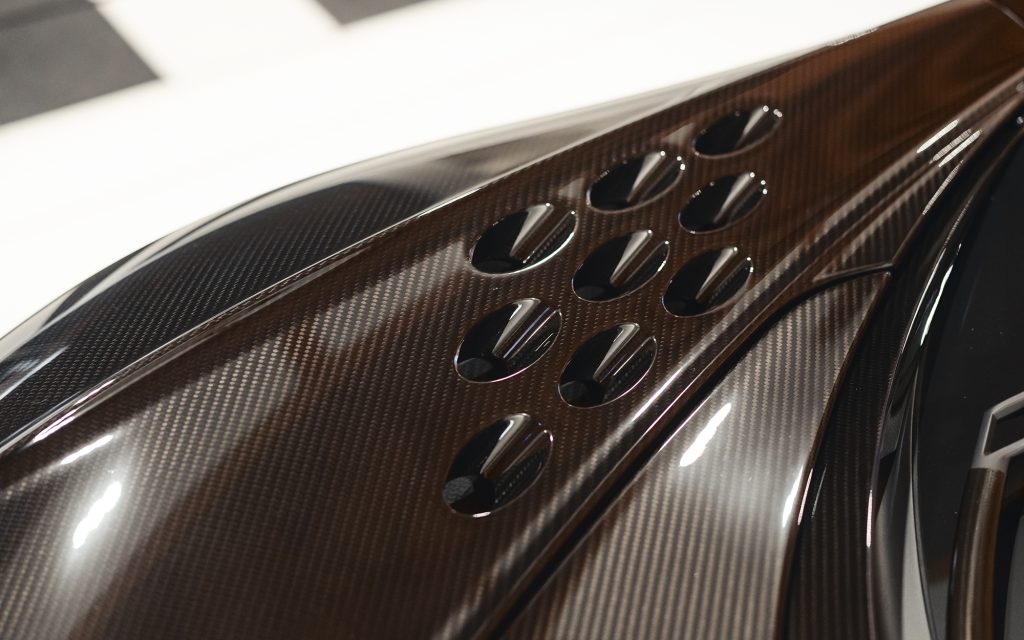
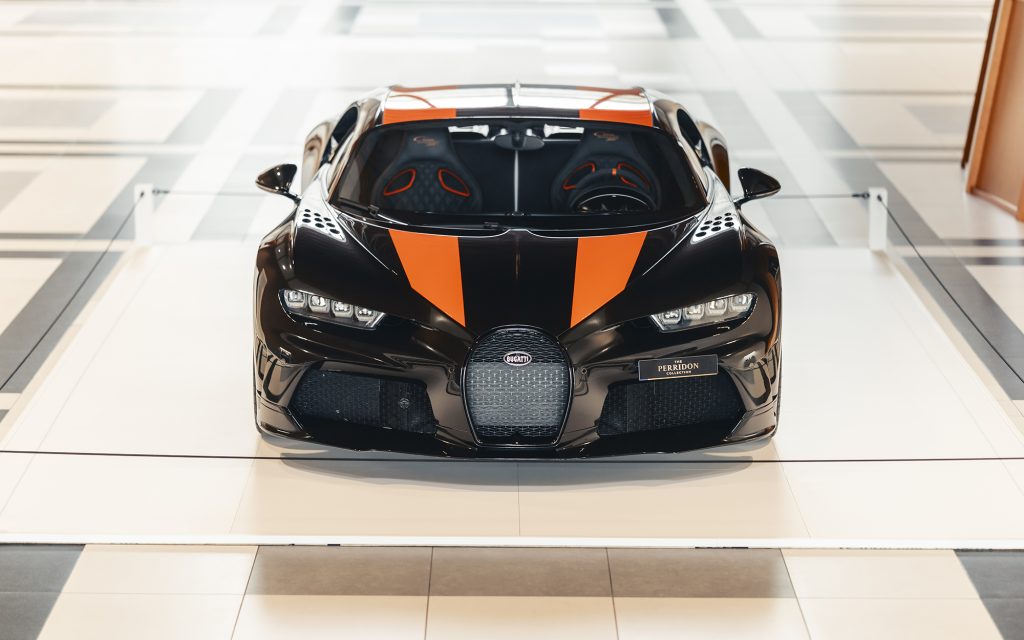
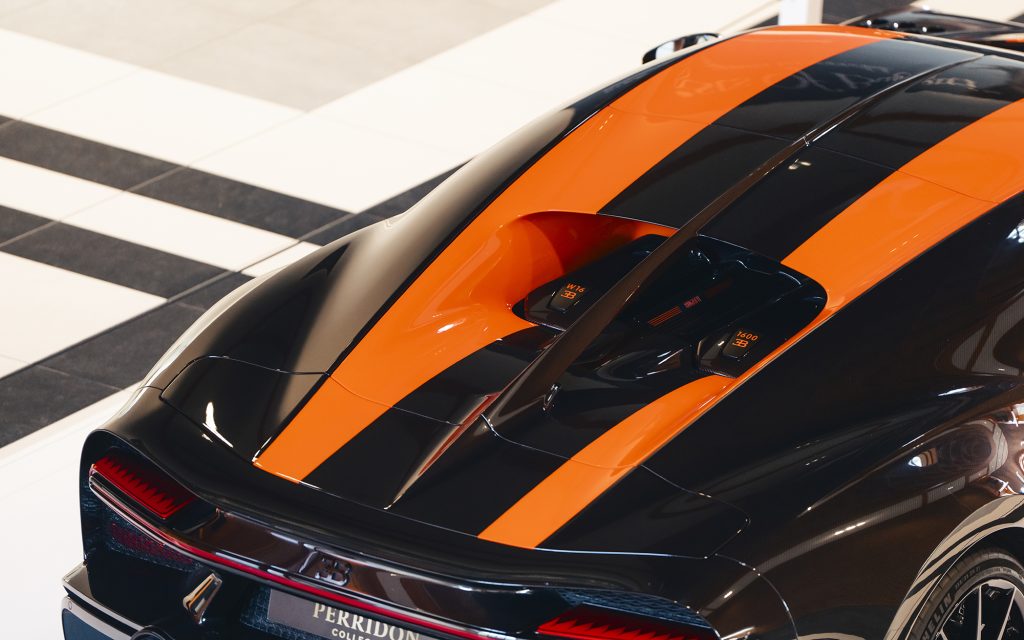
Most apparent is its extended rear bodywork. Approximately 25 centimeters longer than that of a conventional Chiron, the longtail treatment was developed to improve aerodynamic performance and stability at extreme speed. Additional vents and other body changes further distinguish it from the standard car.
Bugatti built only 30 examples. Customer cars were electronically limited to 440 km/h rather than the 490-plus km/h achieved by the development car, but retained the distinctive configuration created through the record program.
Within the Louwman exhibition, the 300+ provides a useful counterpoint to the early Diablo and Veyron prototypes. Those cars document Bugatti trying to make the W16 concept work at all; the Super Sport 300+ shows what the company was doing with the same fundamental engine architecture nearly two decades later.
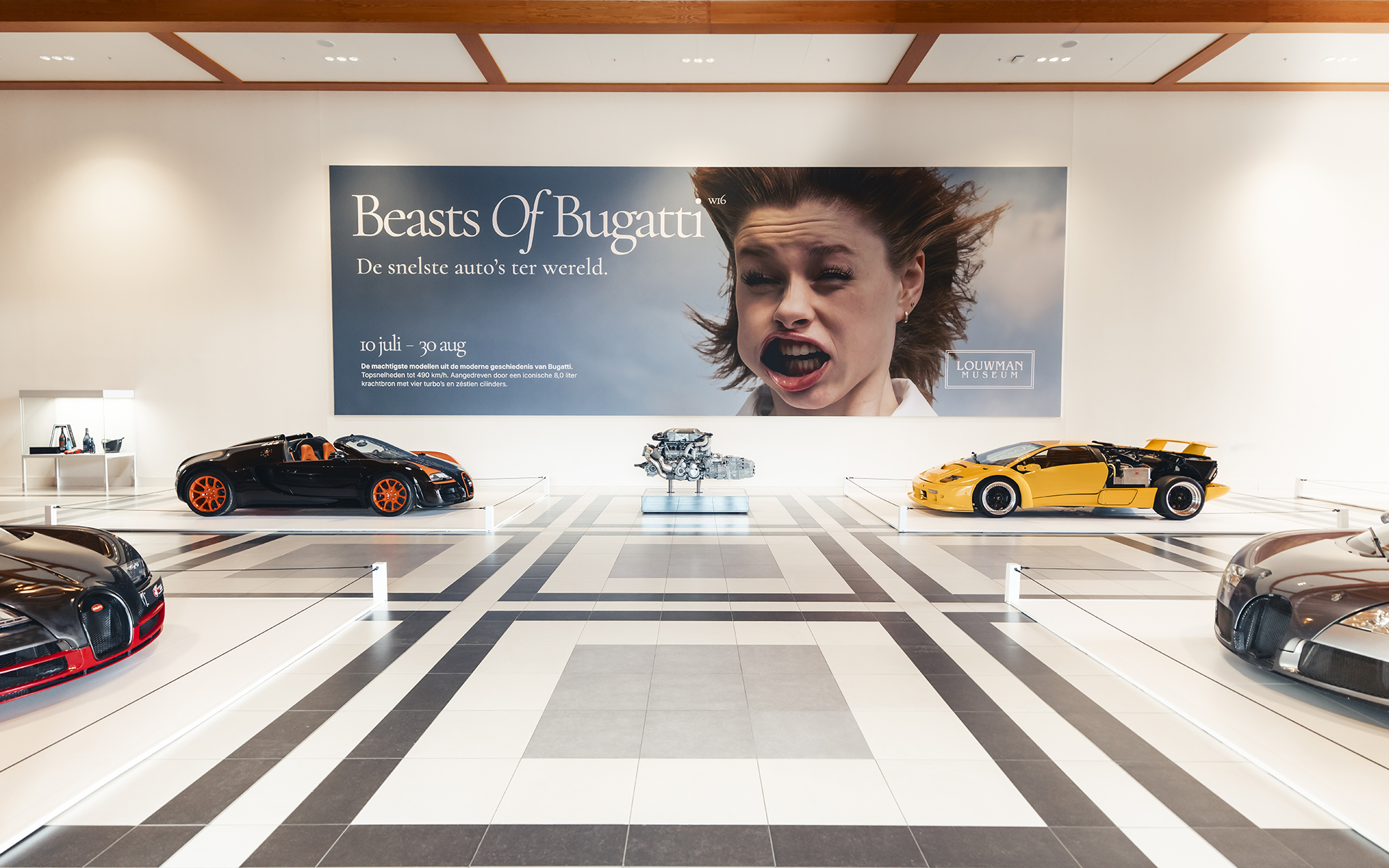
Nine Cars Tell the Larger W16 Story
These five cars provide the strongest reasons to see Beasts of Bugatti, but they sit within a larger nine-car presentation devoted to Bugatti’s W16 era.
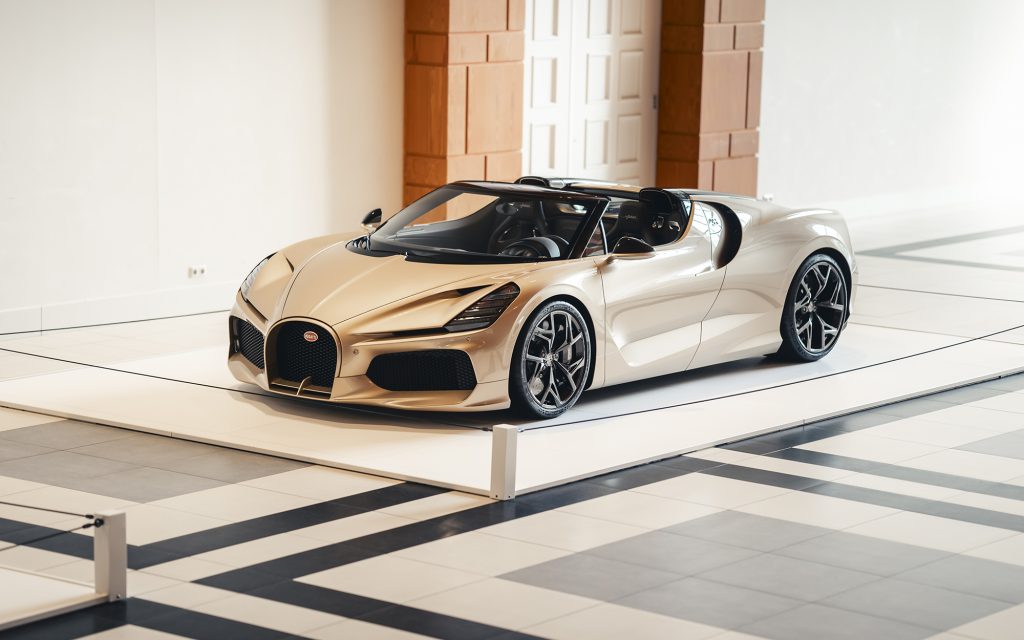
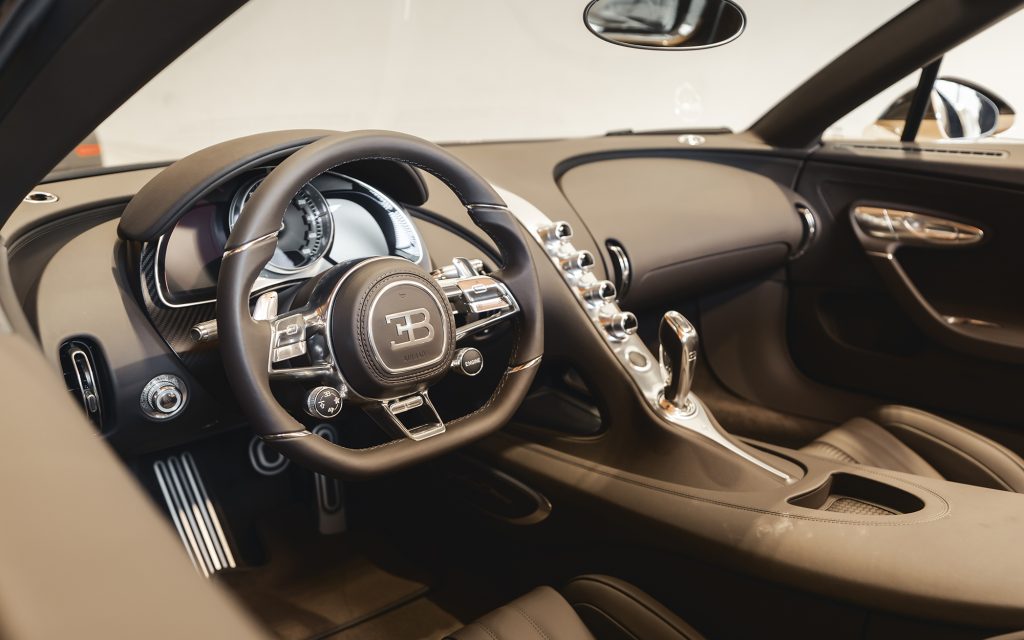
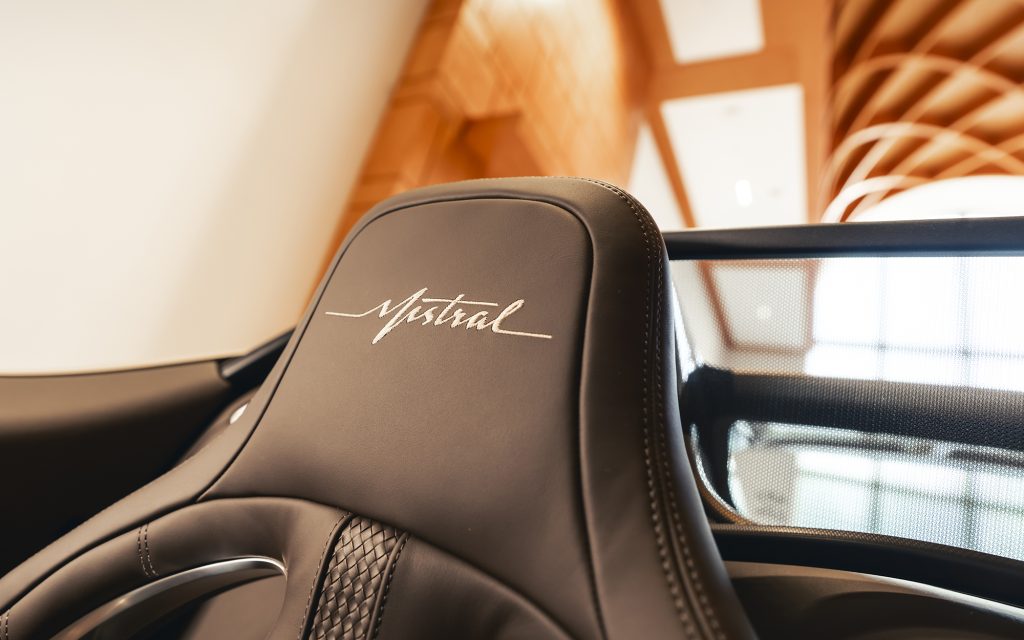
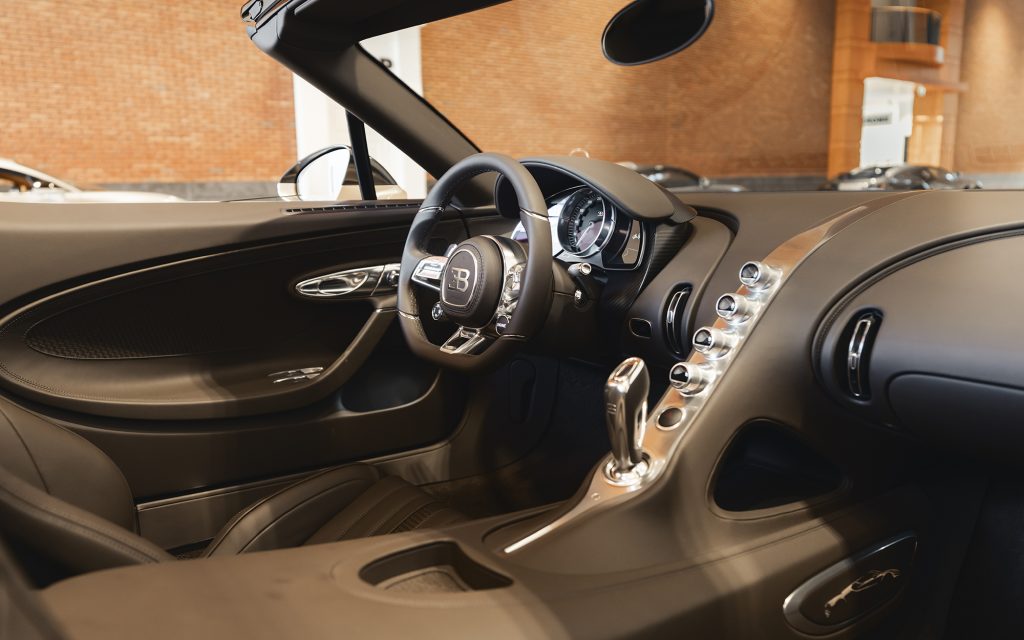
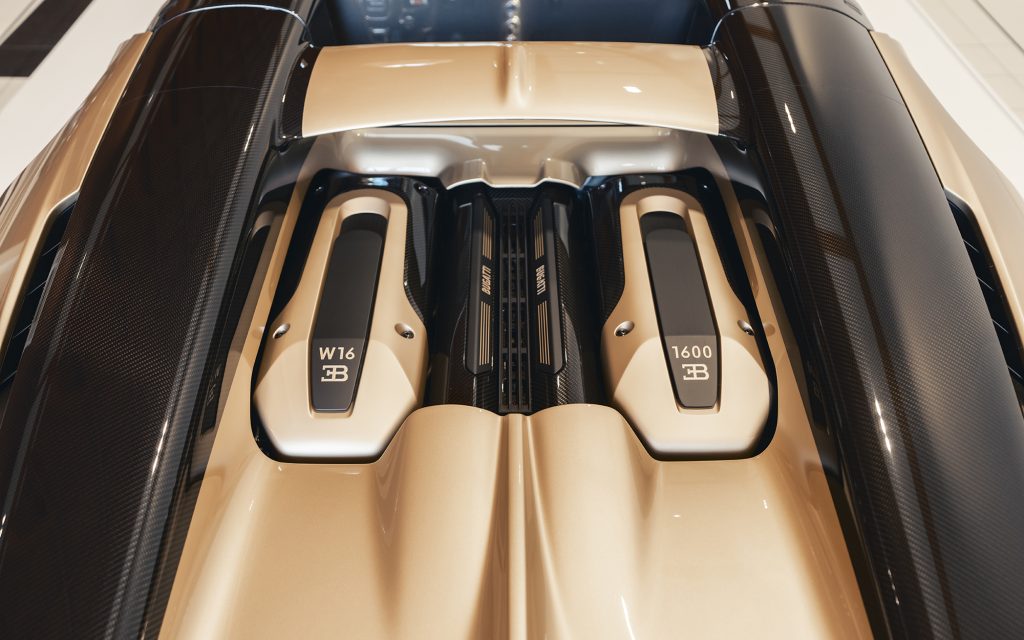
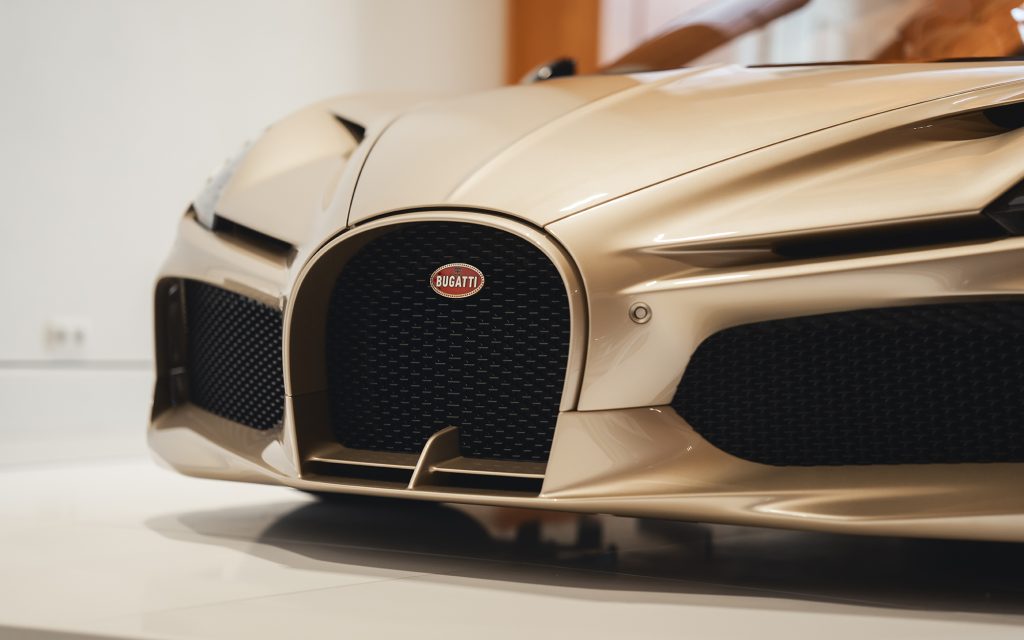
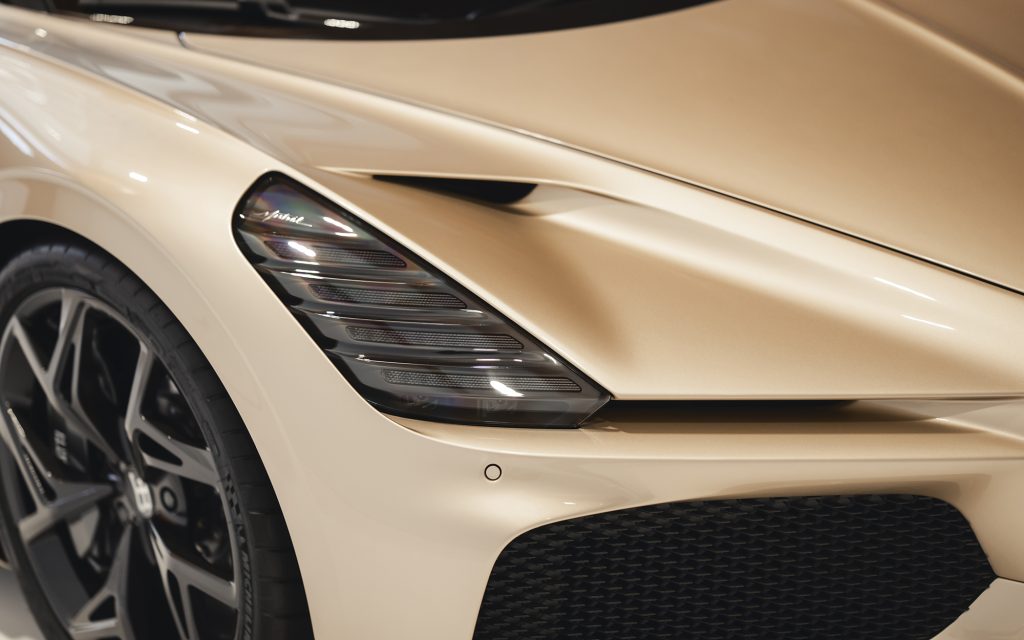
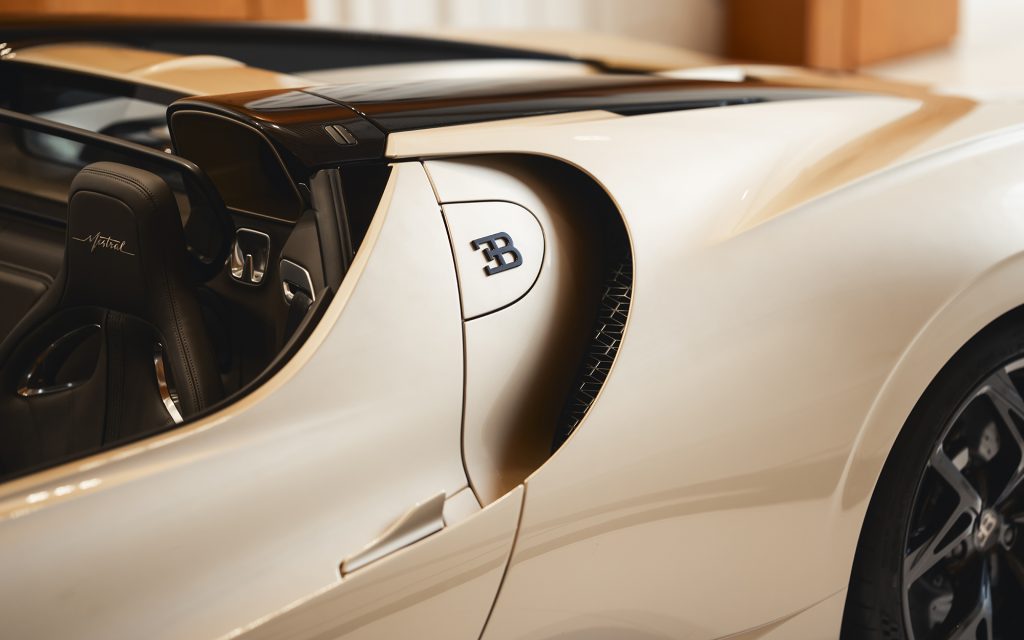
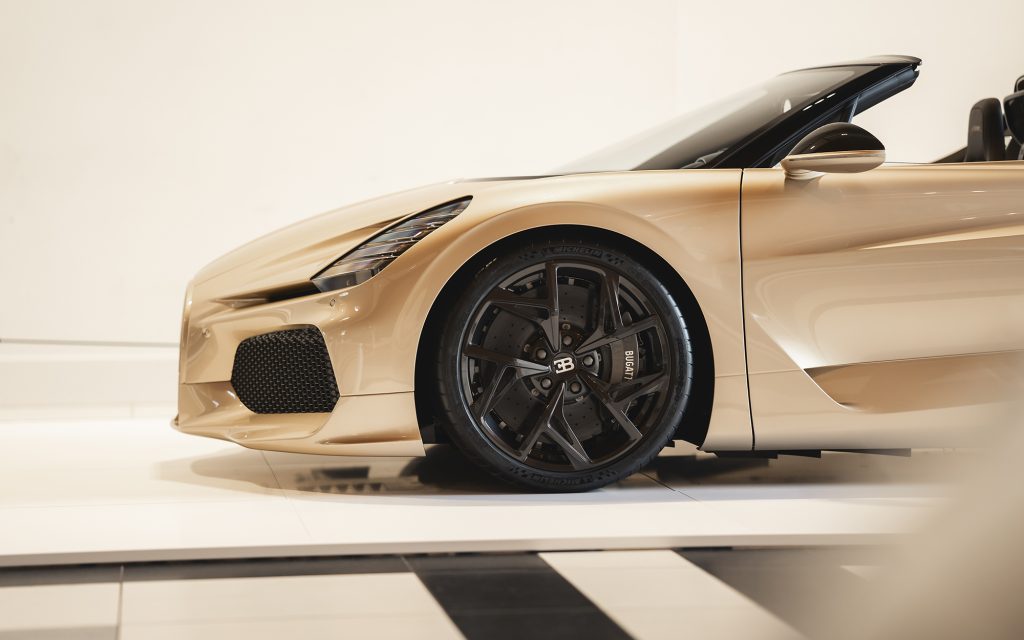
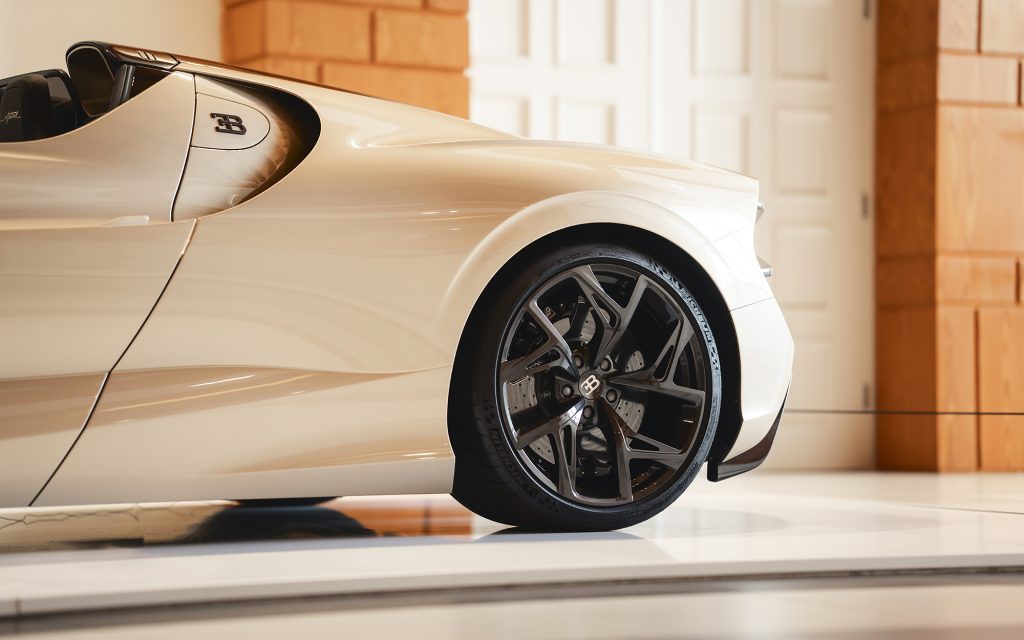
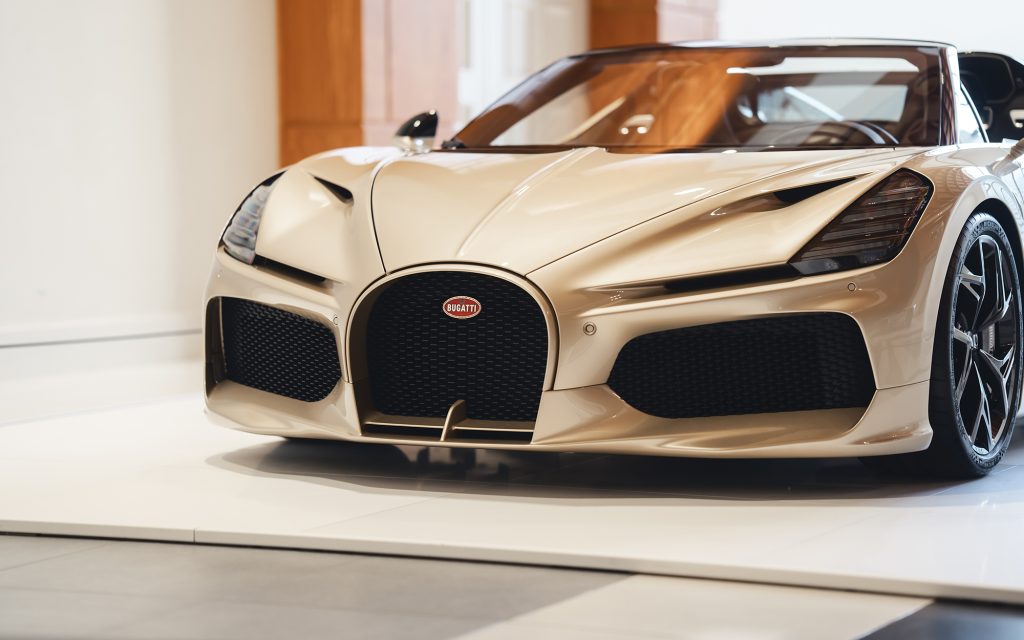
The exhibition also includes examples of the production Veyron 16.4, Veyron Super Sport, Chiron and W16 Mistral, filling in the progression between the prototypes, special editions and record-related cars.
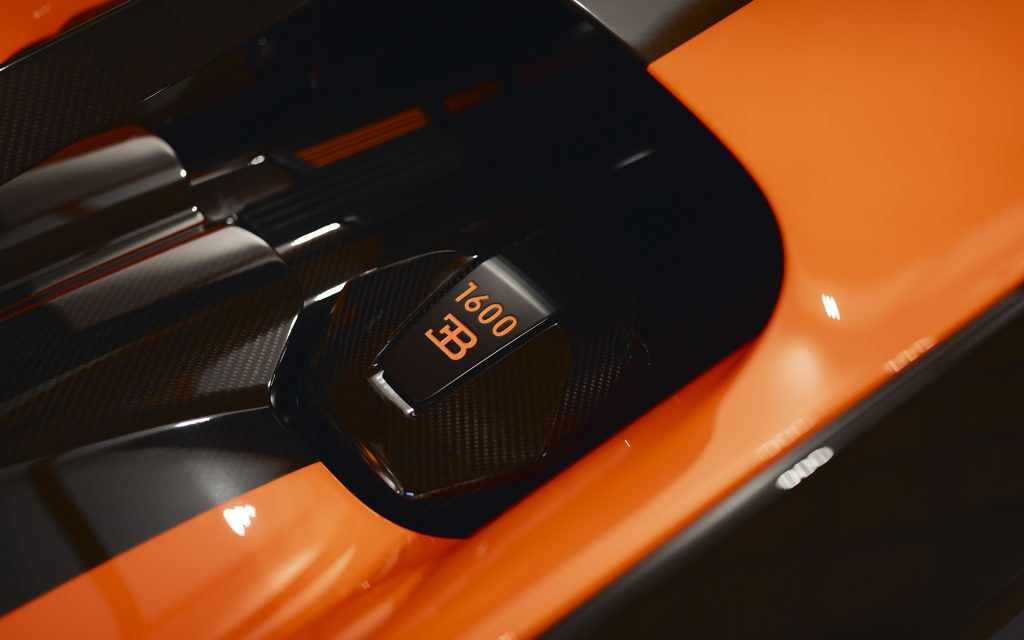
Together, the nine trace an unusual period in automotive history, beginning with an experimental engine installed in a heavily modified Lamborghini and developing into an entire family of automobiles capable of producing as much as 1,600 hp and approaching 500 km/h.
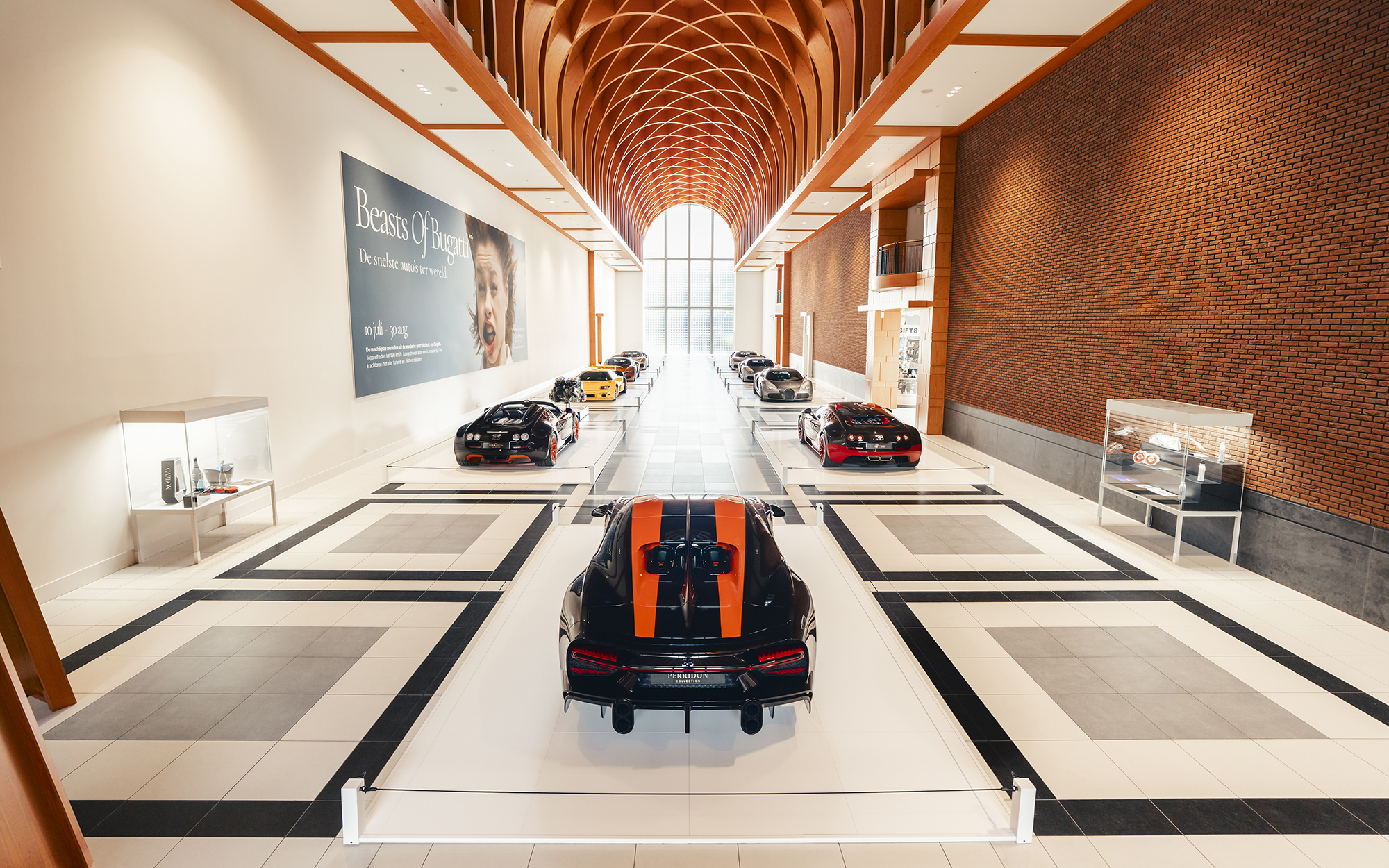
The exhibition is particularly relevant because of where it is being held. The Louwman Museum maintains a significant permanent collection of historic Bugattis, allowing the Volkswagen Group-era W16 cars to be seen alongside automobiles representing the original company’s engineering and design history.
Beasts of Bugatti runs through August 30, 2026 in the Great Hall of the Louwman Museum in The Hague, Netherlands. The museum is open daily from 10:00 a.m. to 5:00 p.m. during the exhibition, and access to the display is included with regular museum admission.
More Information: The Louwman Museum
Photo Gallery